News Deserts Are Weakening Local Accountability and Shared Civic Facts
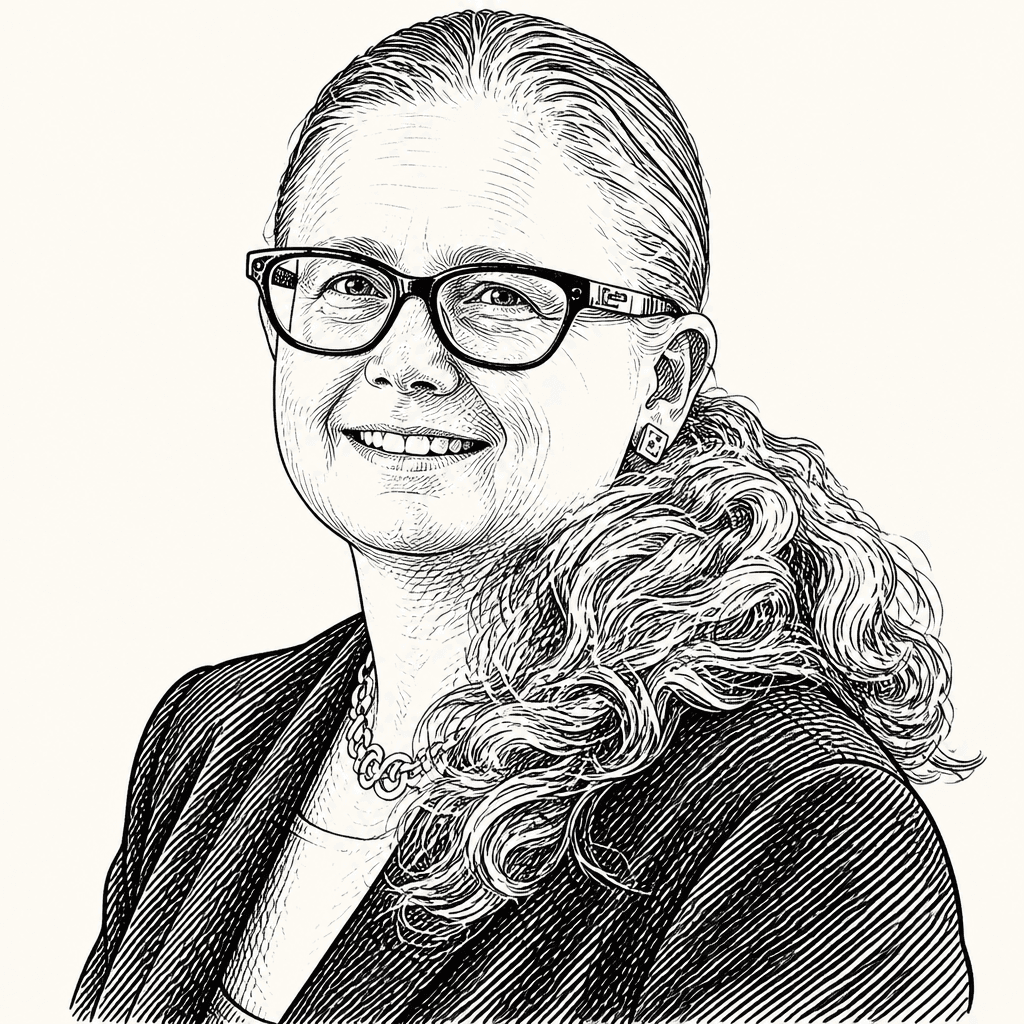 Brandice Canes-WroneZhanna Trukova
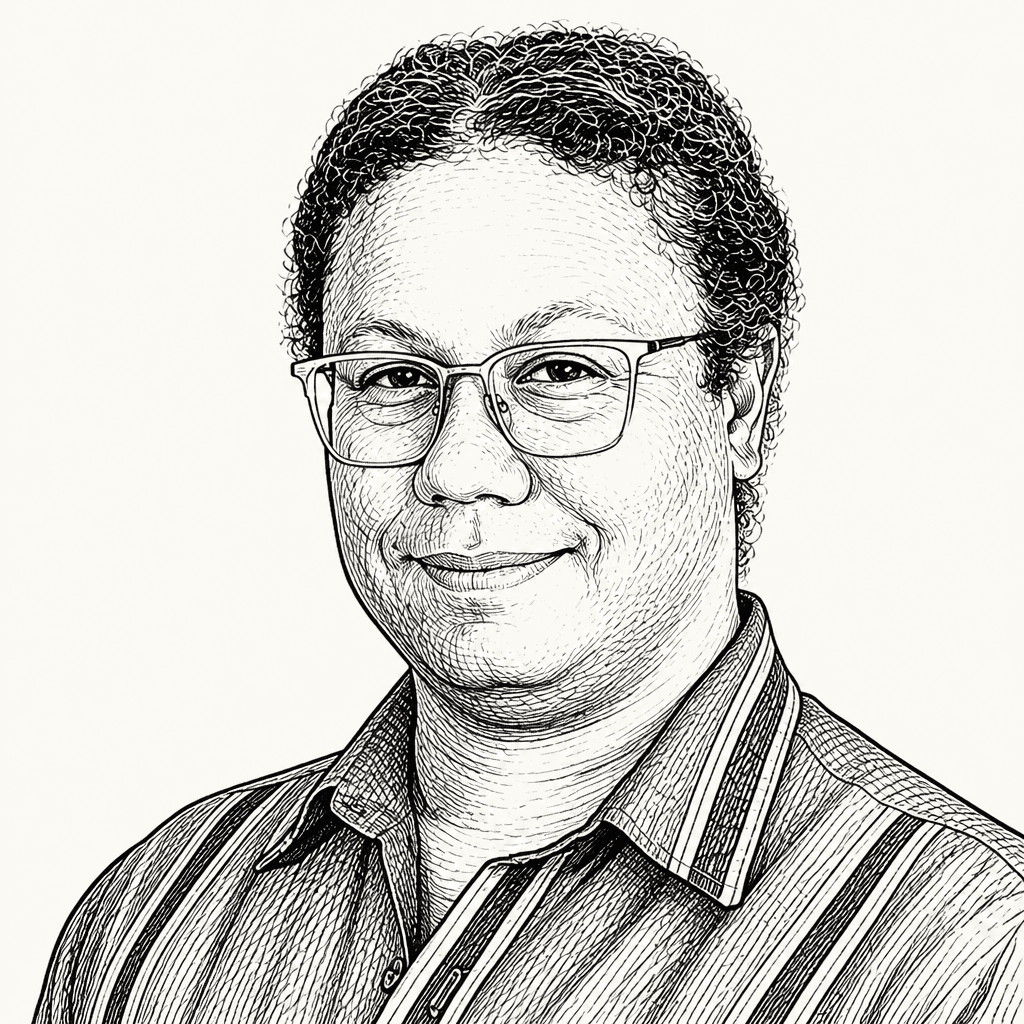 Damaso Reyes
 Vicki Liviakis
 Janine Zacharia
 Cheryl PhillipsIsabel Ismail
 Neil Chase
 Elizabeth GreenHoover InstitutionTuesday, June 2, 202619 min read
Hoover Institution panelists argued that the collapse of local journalism is weakening American democracy not just by shrinking newsrooms, but by reducing the number of reporters physically present to observe public institutions and supply shared facts. Neil Chase, Elizabeth Green and Vicki Liviakis described a replacement system built from specialized nonprofit outlets, local television, collaborations, community documenters and technology, while warning that legal threats, harassment, funding gaps and uneven philanthropic support are making local accountability reporting harder to sustain.

Local news changes the facts people share
The loss of local journalism was framed as a democratic problem before it was treated as a business-model problem. Janine Zacharia cited Northwestern University Medill School of Journalism’s 2025 State of Local News Report for two figures: nearly 40% of local U.S. newspapers have disappeared in the last two decades, and roughly 50 million Americans live in “news deserts” or places with limited or no access to reliable news. She paired that with a Pew Research Center finding that eight in ten U.S. adults say Republican and Democratic voters disagree not only on policy but on basic facts, with more than half attributing that divide to people getting different information altogether.
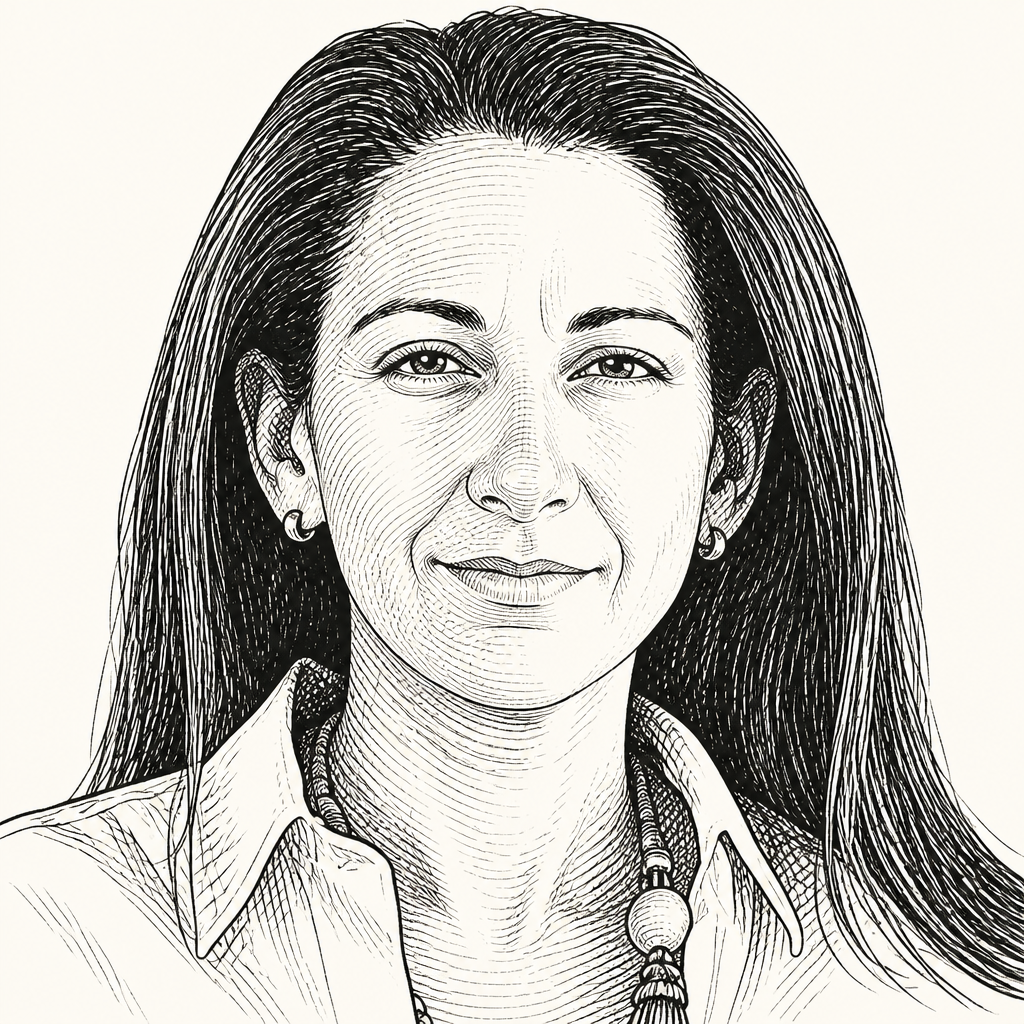
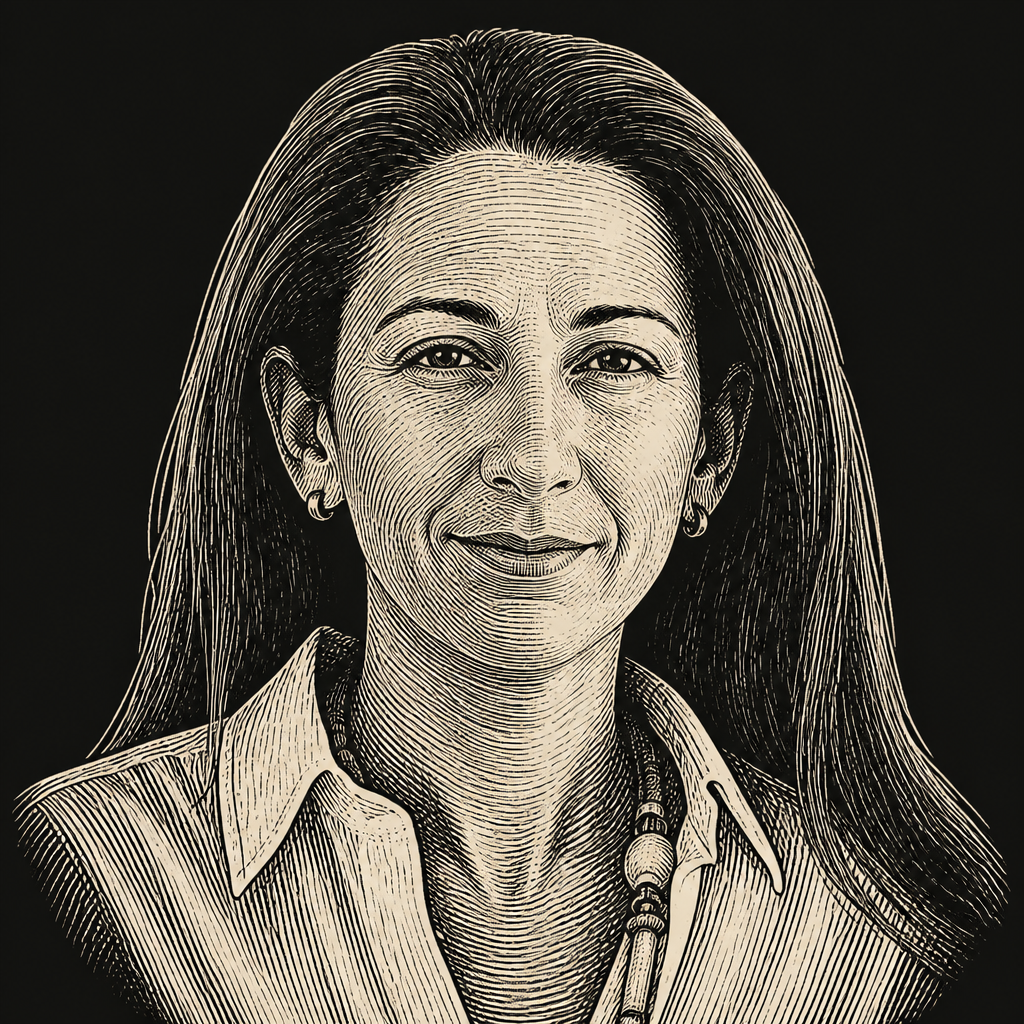
Neil Chase argued that the national red-blue frame often breaks down once politics becomes local. In California, he said, fights over housing, schools, and state policy do not always map cleanly onto Democrats versus Republicans. They may be “urban versus rural,” YIMBYs versus NIMBYs, or some other coalition produced by the actual issue at hand. Conflict remains, but the categories are more specific and less mechanically national.
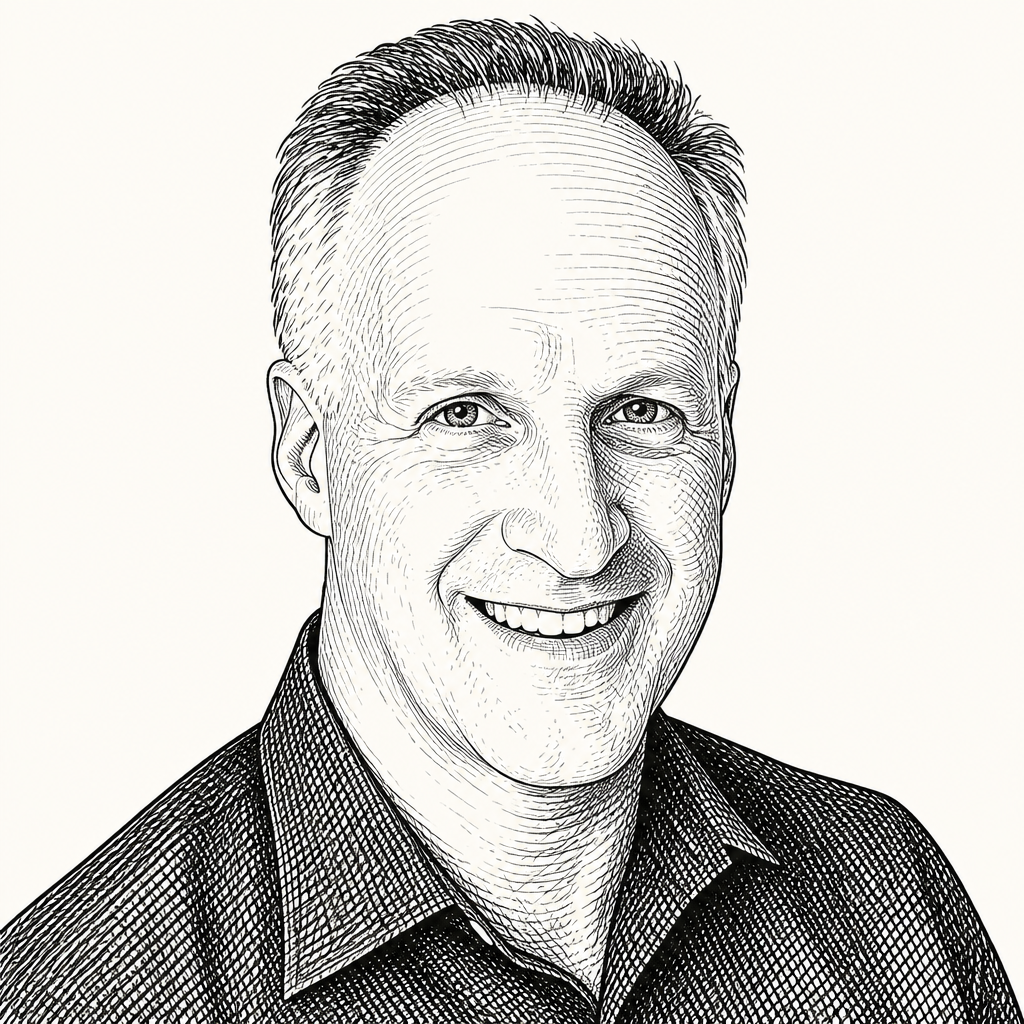
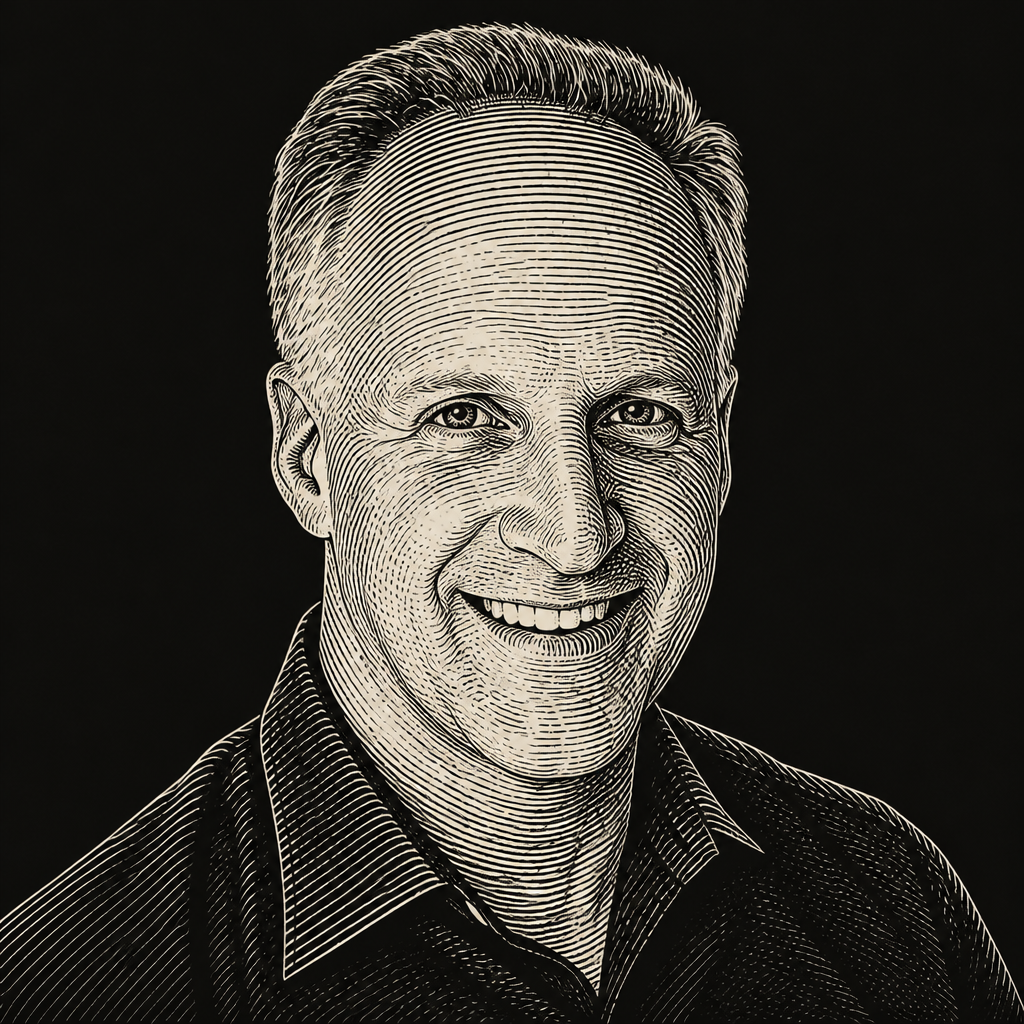
Stockton, California was his example of both the danger and the repair. Chase described a city of roughly 320,000 people — larger than St. Louis, Pittsburgh, or Orlando, by his comparison — whose newspaper newsroom fell from 86 people to two. In that vacuum, he said, a “big disinformation site” became the city’s main news source for a long time. New nonprofit and for-profit startups have since added perhaps five to ten journalists in Stockton over the last three years. They are not restoring the old newsroom wholesale. Some of the 86 jobs in the old operation were tied to tasks technology has made unnecessary. But the new outlets are rebuilding reporting capacity, and Chase said they build trust by “physically being there.”
Elizabeth Green connected that account to political-science research. The collapse of local news, she said, has produced “natural experiments” for scholars: when a local newspaper disappears, communities see less voting across party lines, less down-ballot voting, and more polarized dialogue. Her claim was not that local journalism produces civic harmony. It was that its absence changes political behavior.
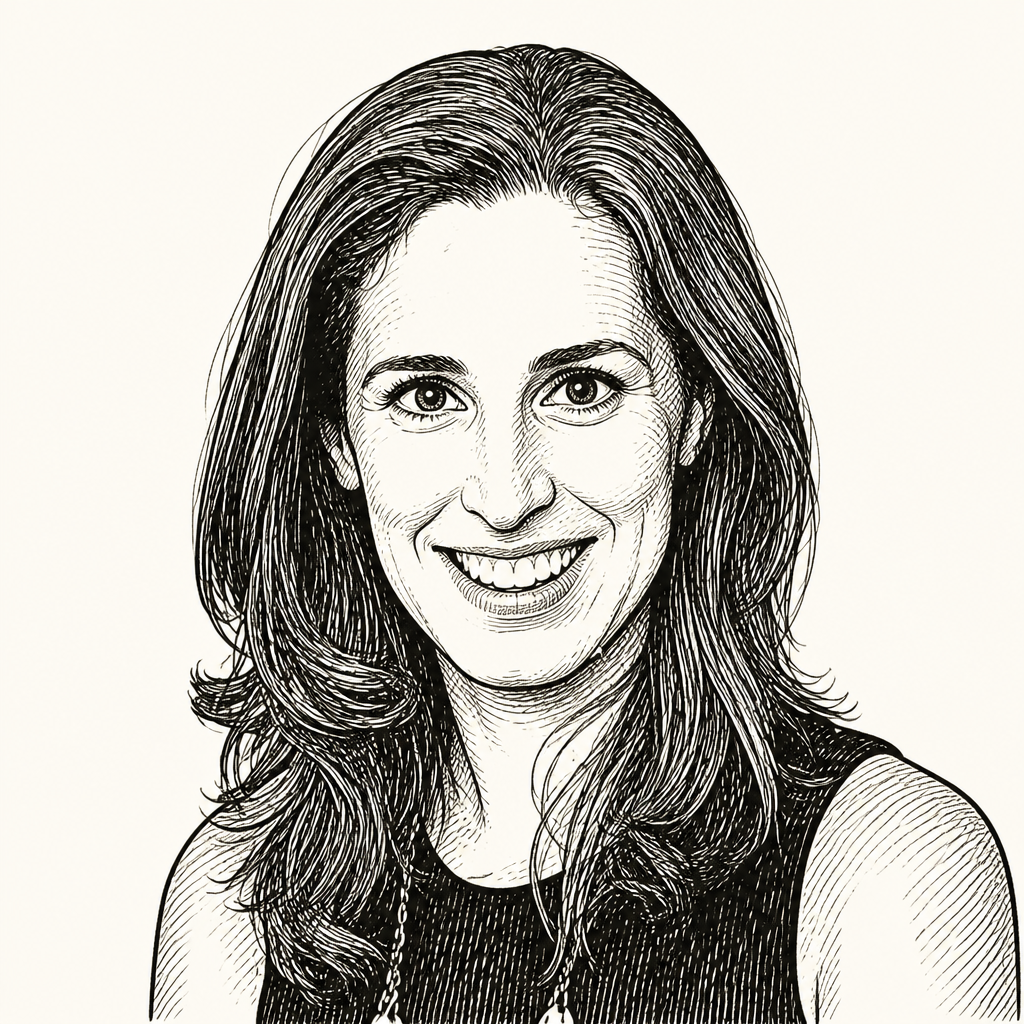
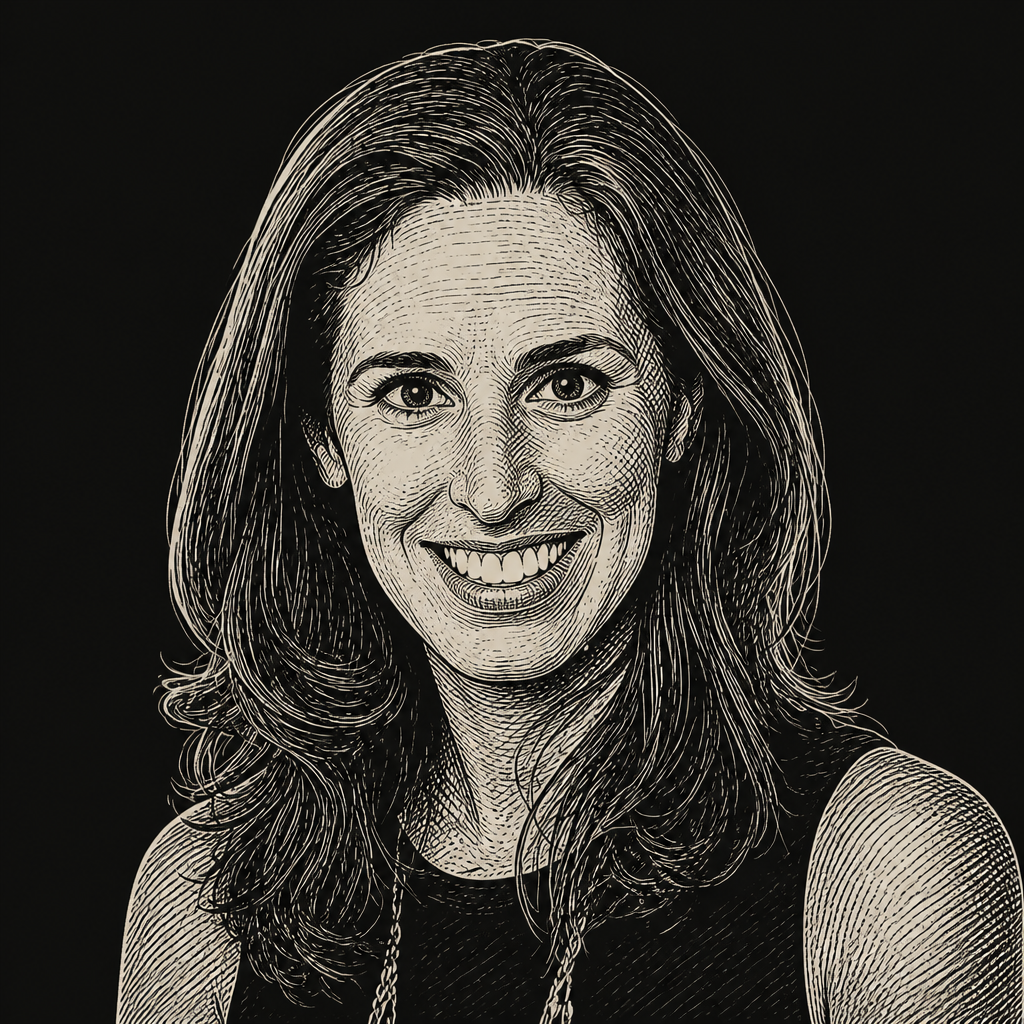
Green’s strongest example came from Votebeat, one of Civic News Company’s publications, which covers election administration. Election administration is now a polarized subject: on the right, she said, many people distrust election results and voting-machine tabulation; on the left, many focus on voter suppression. Yet Votebeat has committed readers on both sides. Green said the Republican Party chair in Arizona has made videos urging people to read Votebeat, while voting-rights groups also share its stories.
The reason, as Green described it, is not balance as theater. It is domain knowledge and presence. Votebeat reporters show up at the same county clerk offices as activists. They care about the same procedural details. They become people whom partisans call for information, even when the reporting disproves claims made by their side.
When you're really focused on the same nerdy details that activists on either side are really focused on, you're showing up at the same county clerk offices that they are.
That is a narrower model of trust than the national “view from nowhere.” Trust is built when a reporter is known to understand the machinery of a local institution and to follow it closely enough that people who care about the issue recognize the work.
Vicki Liviakis added that the facts problem is also an attention problem. Citizens are not only receiving different information; they are submerged in information. Phones, bots, rage bait, and overload make it difficult to ask people to sit through school-board meetings, follow budget fights, or become responsible voters. Her fear was not anger. “I’d rather deal with somebody who’s hot and upset,” she said, because that person can still be engaged. Apathy is harder. If people cannot be moved to vote, “you lose the battle altogether.”


The threats are legal, financial, political, and physical
The pressure on local journalism is not limited to lost advertising or thinner staffs. Janine Zacharia raised lawsuits, government scrutiny, harassment, and physical danger as forces that could chill reporting. Neil Chase began with the vulnerability of nonprofit journalism. Nonprofit news organizations generally fit under the tax code as educational organizations, he said, because the code does not have a simple “journalism” category. He warned that if the Treasury secretary were to say journalism is not educational, donors to organizations such as CalMatters or Chalkbeat could lose the tax deductibility of their gifts.
In Chase’s account, that uncertainty creates leverage. A newsroom dependent on philanthropy has to think not only about the merits of a story but about the possibility that hostile officials or litigants will try to make the work more expensive or more precarious.
Chase said newsrooms face threats of lawsuits for stories they publish, and now receive reader hate mail saying they will be sued or shut down for particular coverage. The point of these threats, as he described it, is not always to win in court. It is to slow journalists down, force them to spend money on lawyers, and make them hesitate.
His example was the sheriff of Riverside County, whom Chase described as running for governor. In Chase’s account, the sheriff confiscated 600,000 ballots because he believed there might be election fraud and took possession of them to count them. Chase said several news organizations filed lawsuits, invested in the legal fight, and got the ballots back. He presented the episode as the kind of confrontation a nonprofit newsroom might avoid out of fear that its tax status or funding could be threatened. But he said the principles still have to hold, even while acknowledging the practical burden of employing 80 people who depend on the organization for paychecks.
Vicki Liviakis described a different category of threat. KRON’s branded cars became targets, she said. In one incident, two teenagers tried to take a reporter’s camera in Emeryville. The reporter offered to let them take it, but a moonlighting police officer working security intervened and shot one of the teenagers after they did not drop the camera. In another incident in Oakland, KRON security guard Kevin Nishita was shot and killed. Liviakis said the reporter involved was traumatized, developed PTSD, and left the business.
Those experiences changed reporting practice. The big camera and marked vehicle once conferred authority and sometimes protection. Now, in some places, they can make a crew a target. Liviakis said the safer choice may be a small camera or phone and a lower profile.
Elizabeth Green widened the concern to everyone who works around public institutions. County clerks administering elections, public-health workers, teachers, and elected officials all face more frequent threats and threats of violence, she said. Reporters covering those institutions are part of the same climate.
She also described something she considered almost more insidious than violence: the growing difficulty of getting basic answers from public institutions. A Chalkbeat reporter in Newark, New Jersey, Jessie Gomez, was covering a school-board meeting when members of the board, Green said, acted out of order by quietly extending the contract of an unpopular superintendent. Gomez, the only reporter in the room, raised questions and was physically intimidated; people tried to remove her from the space. For Green, that incident illustrated a breakdown in the ordinary compact between public institutions and the press.
Liviakis tied the local tone to national cues, especially verbal attacks by President Trump on reporters, particularly female reporters. Chase said such behavior gives permission: if the president can do it, others conclude they can do it too. Zacharia recalled an earlier reporting environment in Washington in which officials might not provide substantive comment, but would at least answer the phone, return a call, or say “no comment.” Chase added: “They would answer the phone.”
The pressure is cumulative. Legal intimidation, tax vulnerability, hostile public rhetoric, physical danger, and institutional stonewalling each make reporting slower, costlier, or more dangerous. Together, they can change what gets covered.
The old bundle is gone, and the replacement is more specialized
The local-news crisis was not treated as something solved by recreating the bundled metropolitan newspaper. Neil Chase described the old Sunday paper as more than journalism: comics, ads, TV listings, lifestyle information, classifieds, and local news all arrived in one physical package. It was “everything” dropped on the doorstep.
What is emerging now is more specialized. CalMatters covers California policy and politics. Chalkbeat covers education. Votebeat covers elections. Healthbeat covers public health. Local television, Chase said, remains one of the closest surviving forms of the old bundle because a newscast still packages many kinds of information together.
The specialization has costs. There are fewer general-assignment reporters, fewer people available to cover every public meeting, and fewer large institutions with enough capacity to dominate a region. But Chase argued that the old system also failed many communities and topics. He pointed to Los Angeles neighborhoods that, in his telling, are now receiving good local coverage they had not received before, supported by new neighborhood-focused startups and citywide infrastructure. At the same time, the Los Angeles Times is doing fewer large regional stories. That is a real tradeoff, but not simply decline.
People have told Chase not merely to replace the old Sacramento coverage but to make it better. The old statehouse model covered certain subjects and ignored others. A smaller but more intentional ecosystem can cover different places, communities, and topics more effectively than the old institutions did.
Elizabeth Green put the shift in institutional terms. The Hoover event’s broader theme was revitalizing American institutions, and she described journalism as an institution forced to change earlier than others because its economic collapse came sooner. The “luxury,” she joked, is that news was “decimated a few decades before everyone else,” so it has had to experiment sooner.
Her own career spans the old and new models. She began as an education reporter at a bundled newspaper and said her editors “knew jack nothing about education.” At Chalkbeat, education reporters are edited by people who understand the subject. That depth changes reader trust. Green said Chalkbeat reporters often hear from readers who say they do not trust the press generally, but they trust Chalkbeat.
Expertise is not a luxury feature of local journalism in this account. In the new model, it is part of the trust mechanism. A newsroom that repeatedly covers one civic domain can know the actors, documents, recurring fights, procedural traps, and history in a way a shrinking generalist newsroom often cannot.
The first audience is the civic minority that informs everyone else
Elizabeth Green was explicit that Civic News Company does not try to reach “everybody” directly. Its publications target what she calls “civic catalysts”: the roughly 15% of Americans who, in Civic News Company’s survey research, had recently taken action in their community. These are the people most likely to attend meetings, organize neighbors, volunteer, run committees, campaign, complain, share information, and influence local decisions.
The choice is strategic. Green said that if a newsroom targets everybody, it reaches nobody — unless it is a large technology platform spreading misinformation and “social malaise.” A resource-constrained newsroom has to decide who needs detailed reporting enough to use it.
It is also a theory of how information travels. The 15% are not the whole public, but they are often trusted messengers for the whole public. Green used the public-health phrase deliberately. People may trust local television more than national media, but they trust people they know even more. In a neighborhood, she said, a resident interested in a local issue often goes to “the mayor of my block,” the person known to care and pay attention. If that person lacks accurate information, the rest of the neighborhood receives worse information when it comes time to vote in a down-ballot race.
This target-audience strategy does not mean the journalism stays inside a narrow circle. Green said Civic News Company’s newsletters and stories are written for the active civic minority, but those readers share them more broadly. Apple News distributes stories to a wider audience. Local television partnerships also bring the reporting to a general public.
Neil Chase said CalMatters began with a similar premise: give its journalism away free to any news organization in California. But free content alone was not enough. When he was editor of The Mercury News, CalMatters offered stories at no cost, yet those stories were often used only when the paper had a hole to fill at deadline. Distribution required deeper relationships, not just permission to republish.
CalMatters now works closely with NPR stations in California. Chase said the stations treat CalMatters “like another station,” sharing stories and collaborating. During the Los Angeles fires on January 8, he said, CalMatters and three public-media stations texted for roughly half an hour and agreed to build a new newsletter combining all four organizations’ reporting on the fires, then send it to all of their audiences. The product was built quickly because the relationships already existed.
The old competitive model treated another newsroom primarily as an opponent to beat. The new local ecosystem often treats another newsroom as a distribution partner, subject expert, or collaborator. The constraint is not pride; it is capacity.
Collaboration has replaced some competition because no one has enough capacity alone
The panelists described collaboration as an adaptation to scarcity, not a civic nicety. Neil Chase recalled standing in a newsroom watching KRON to see whether the station had a story yet, hoping his paper could beat it. Vicki Liviakis joked that television would “steal stories from the newspapers anyway,” and Chase answered that this happened “except every day.” That culture has not disappeared entirely, but shrinking newsrooms have changed the incentives.
Chase put the logic plainly: most organizations are too small to do everything alone, and other organizations are doing useful work. He cited the creation of Votebeat in 2020. Green and her product leader saw that the election would be unusually difficult to understand and initially considered shifting Chalkbeat’s education coverage to elections. Instead, Civic News Company created Votebeat while continuing its other work, then reached out to partners such as CalMatters to cover the California component.
Elizabeth Green offered Chicago as an example of collaboration changing the information available to voters. Chicago changed its school-board governance structure, creating elected school-board seats. Residents suddenly needed to know their district, candidates, and policy positions. Chalkbeat’s Chicago team led a collaboration with local media that included interviews with every school-board candidate and detailed policy questions — material Green said she could never have gotten into a newspaper in the old days because editors would have dismissed it as boring.
The collaboration included a print version with the Chicago Sun-Times and radio coverage with WBEZ. Green said a later expansion would involve more than 20 news organizations. In her account, turnout was unusually high for a school-board race, and more independent candidates not backed by large-money interests won. She presented the result as consistent with the research she had cited earlier about local information, down-ballot participation, and polarization.
Zhanna Trukova pressed the obvious question: if outlets share data and reporting, what happens to exclusivity? Does the scoop disappear?
Green’s short answer was that outlets do not share an exclusive before they run it. Liviakis said an outlet runs the exclusive first and then the information becomes available, with credit. Chase distinguished between breaking news and deep enterprise. CalMatters avoids covering breaking news that others are already covering unless it has special expertise. But if it spends a year and a half investigating something — he gave the example of a story about the DMV giving licenses back to people who later killed people with their cars — then others may discuss the story after publication, but the work remains CalMatters’ story.
Cheryl Phillips added a model from Big Local News. In a fentanyl investigation involving the Baltimore Banner and The New York Times, she said, collaborators shared data and findings with 11 local newsrooms, provided resources, and published in an aligned way. In her view, that kind of coordination drives change because “change happens at the local level.”


The new collaboration does not abolish the byline, the scoop, or institutional credit. It changes the default question from “How do we keep this from everyone else?” to “What is our lane, and who else needs the reporting, data, or distribution for the work to matter?”
Local television still has trust, but its work has been unbundled too
Vicki Liviakis described local television’s trust as partly a function of saturation and familiarity. KRON produces 15 and a half hours of news per day, she said, with a staff that is not large. She anchors for hours at a time. After almost 25 years at KRON, she is a familiar presence in viewers’ homes and is treated as a neighbor. People approach her at Target and Trader Joe’s with story ideas, and she said that is where she often gets them.
That relationship is why the disappearance of local journalists matters. Janine Zacharia argued that when there are fewer recognizable local reporters in the community, it becomes easier for journalists to be defined abstractly as “enemy of the people,” “traitress,” or purveyors of “fake news.” Liviakis did not offer a rhetorical solution. Her answer was to “put your head down” and do the job.
Local TV is also confronting audience migration. Liviakis said broadcast demographics skew older, while younger audiences are on devices and getting much of their news on TikTok. KRON is trying to go where those audiences are: streaming, a podcast studio, vertical video, horizontal video, and social platforms. Liviakis described herself as late to some of that adaptation, but said the station is doing it.
The operational shift is severe. KRON, she said, was among the early broadcast outlets to move to the VJ or MMJ model — video journalist or multimedia journalist. Reporters were given small branded cars, lightweight cameras, and responsibility for shooting, editing, and doing live shots themselves. That eliminated or reduced roles once held by editors, sound technicians, videographers, and satellite-truck operators.
Liviakis was clear about the tradeoff. A reporter wants to be present, ask questions, and watch what is happening. Instead, the MMJ reporter is also checking audio levels, white balance, and technical setup. Younger journalists may be more accustomed to that multitasking, she said, but she believes it “bifurcates your brain” and affects attention.
The same tools that increase workload also provide tactical advantages. When discussing safety, Liviakis said she now shoots much of her material on a phone, uploads it through Latakoo, and gets it onto the server and on air within seconds. A phone also makes her look like an ordinary person on the street rather than a marked journalist. In the current environment, she said, she would rather be “under the radar.”
Near the end, Liviakis showed a newsroom image that compressed the range of local television’s obligations. A handwritten paper sign taped to a file cabinet read, “Days without a BART incident: 29.” Below it was a printed warning labeled, “IRANIAN NUCLEAR WEAPONS SITE WARNING.” Her point was not subtle. A modern local newsroom has to hold intensely local service information and global crisis awareness in the same workspace, often with fewer people than before.
Technology can extend coverage, but it cannot replace being in the room
Isabel Ismail challenged part of the local-versus-national distinction from her own experience in city government. In her nearby town, she said, local politics can be as polarized as national politics. The town has one out-of-town reporter watching city council meetings on Zoom and writing stories that some residents perceive as slanted or one-sided. In a small town unlikely to attract multiple professional reporters, she asked how to encourage competition or balanced discourse.
Neil Chase pointed to substitute capacity rather than full replacement. One model, he said, is Documenters, which started in Chicago and trains community members to attend public meetings, take notes, and share what happened. The expectation is not that these residents will do full investigative reporting or uncover every illegal vote, but that they will get basic information into circulation.
He also described emerging tools that could let community members make their own reports from public-meeting videos: listen to the meeting, select clips, add commentary, and publish to TikTok, Facebook, or other community platforms. That is not the old model of a trained reporter attending every meeting. But California has 483 cities, Chase said, and “we’re not going to get people in” to all of them. He also mentioned a Berkeley program that has placed 80 new journalists, mostly in smaller newsrooms around California, with state funding, and said renewed funding had been proposed that week.
Elizabeth Green was more skeptical of remote coverage. Public meetings should not be reduced to Zoom, she said, because in-person reporting captures what remote observation cannot: body language, side conversations, the person in the back row who does not speak publicly but has crucial information, and the coffee afterward where a source explains what is really going on. That is how reporters learn things.
She acknowledged, however, that Chalkbeat uses AI to crawl school-board meetings and look for potential stories. It is useful, but “so imperfect.” A reporter watching on Zoom is often better than no reporter at all, but still a compromised version of reporting.
Zacharia pushed back. Much of the Zoom shift came from COVID, she noted, and if the choice is between nobody attending and someone watching remotely, Zoom creates at least some exposure to the issues. Transcripts can be analyzed. AI can scan legislatures and meetings. Green conceded the point while holding her own: both things are true. Zoom and AI expand coverage in a resource-starved environment; they also strip away the human signals and relationships that make reporting more than transcription.
The exchange exposed one of the central tensions in rebuilding local news. Technology can cover more proceedings than a depleted press corps can physically attend. But local accountability reporting often depends on precisely the parts of civic life that are not captured in the official video.
Serving communities of color requires more than new nonprofit startups
Damaso Reyes pressed the panel on race and representation, noting the event’s focus on democracy and recent developments around the Voting Rights Act. He asked where informing communities of color fits into the local-news response and observed that the panel did not include newsroom leaders of color.
Neil Chase said CalMatters tries to make its newsroom match California’s demographics and noted that he is the only white person on its leadership team. But he said the issue goes deeper than staffing. A newsroom has to make deliberate decisions about who will find a story useful, who needs it, and how to put it in front of them. CalMatters has an impact team whose job is to think through distribution for every story: who benefits, who needs to know, and which partners can help reach them. That includes ethnic media and community news organizations.
He also acknowledged that older news organizations often failed to serve many communities within their geographic areas. New local philanthropic efforts, including community foundations, are beginning to raise money for specific local needs: a community, a demographic group, or a language group. But publishing a story is no longer enough. Newsrooms must be equally conscious about who receives it and what happens if they do not.
Reyes then sharpened the critique. He cited Houston Landing as an organization that, in his account, was founded and burned through nearly $20 million in 18 months. From the vantage point of community news and outlets serving communities of color, he said, it is frustrating to watch large amounts of money go into nonprofit startups, some successful and some experimental, while ethnic and local media that have served ignored communities for decades “fight for scraps.” He suggested that Black press organizations likely received less philanthropy over the past decade than the amount invested in Houston Landing, and said the issue is not being discussed enough in nonprofit media or philanthropy.
Elizabeth Green said the critique was valid. She described a post-2020 investment trend in the Black press that was not sustained. She also criticized efforts to “invest in leaders of color” without actually financing them adequately. If American institutions are being reimagined, she said, they have to serve all Americans.
Zacharia noted that Green had helped lead the Summit for Local News with the MacArthur Foundation and had published a 2023 roadmap for local news, which Zacharia said helped lead to Press Forward, a $500 million initiative for local news. Green said she was not involved in Press Forward’s funding decisions, but she observed broad dissatisfaction in the field. When philanthropy announces a very large number, pressure builds to spread money to many institutions. If that means each organization receives a small grant — she used $5,000 as the example — it may cover a reporter for only a short time and fail to build durable capacity.
Chase added that Press Forward’s original idea was not only to seed money into newsrooms but to foster local philanthropic support for them. That is happening in some places, he said, but not enough. Green still saw a positive trajectory in the broader message that philanthropy should support journalism, even if the allocation and design of funding remain contested.