Iran’s Broad, Leaderless Resistance Has Yet to Become Political Change

Abbas Milani argues that Iran’s opposition is broader than its organized political movements: women defying dress rules, striking teachers and others who ignore state demands all show limits to the regime’s authority. But widespread dissent does not guarantee political change, he says, because the leadership is prepared to use force and economic pressure has uncertain political effects. Milani contends that a democratic Iran would also make different choices abroad, with elected leaders accountable for the costs of conflict.
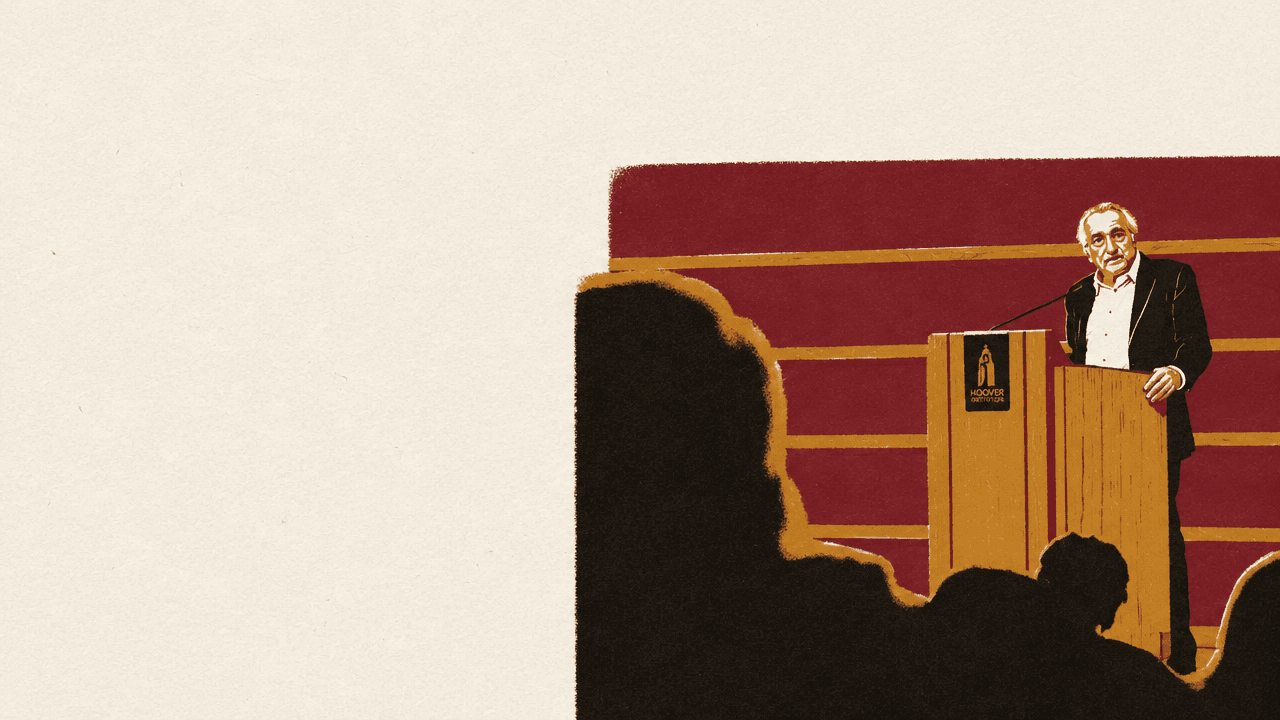
Iran’s opposition is larger than its organized movements
Abbas Milani argues that Iran’s most effective opposition is not necessarily organized opposition. He identifies Iranian women as the force that has most clearly compelled the regime to retreat from a policy it treated as a pillar of the Islamic Republic: deciding how women should dress in public. Women now appear publicly on their own terms, he says, and the regime’s president has acknowledged that the government cannot force them. Milani describes them as the only force that has credibly forced the regime to back down.
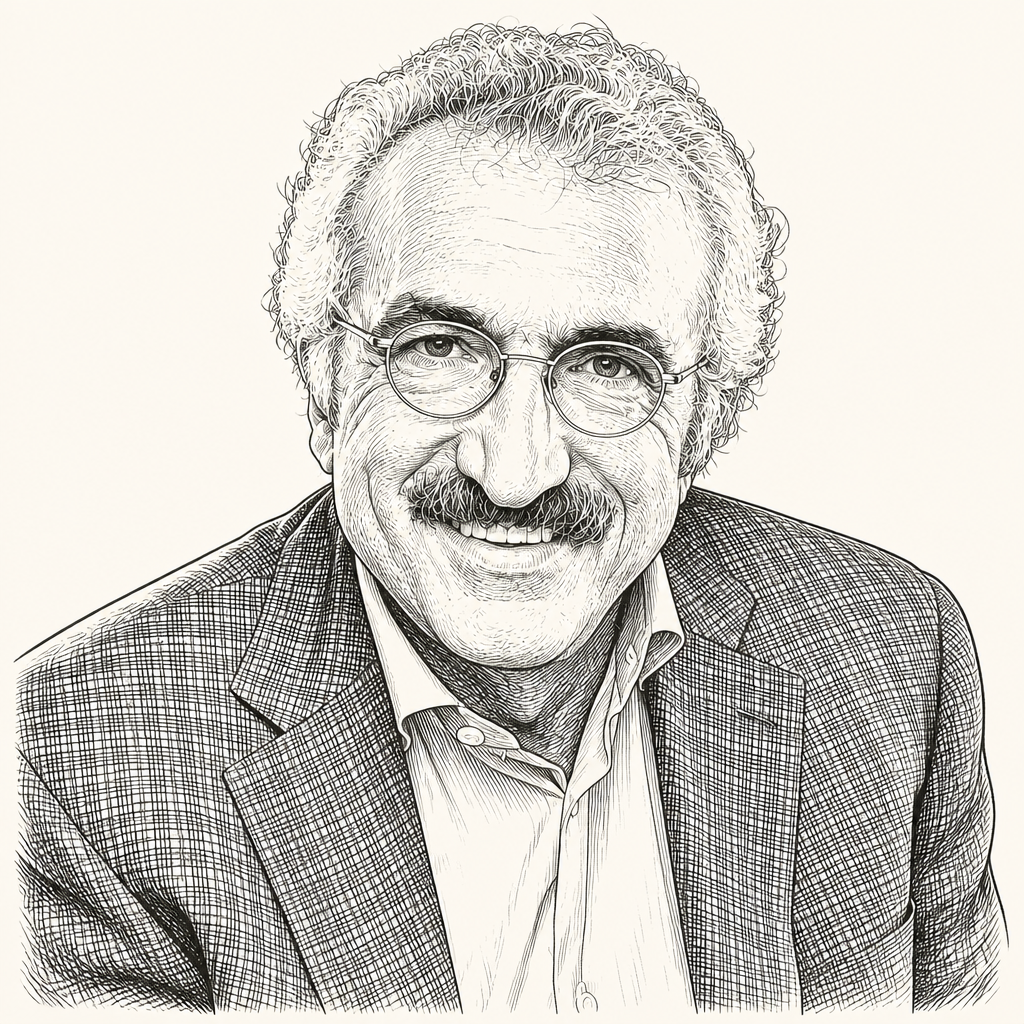
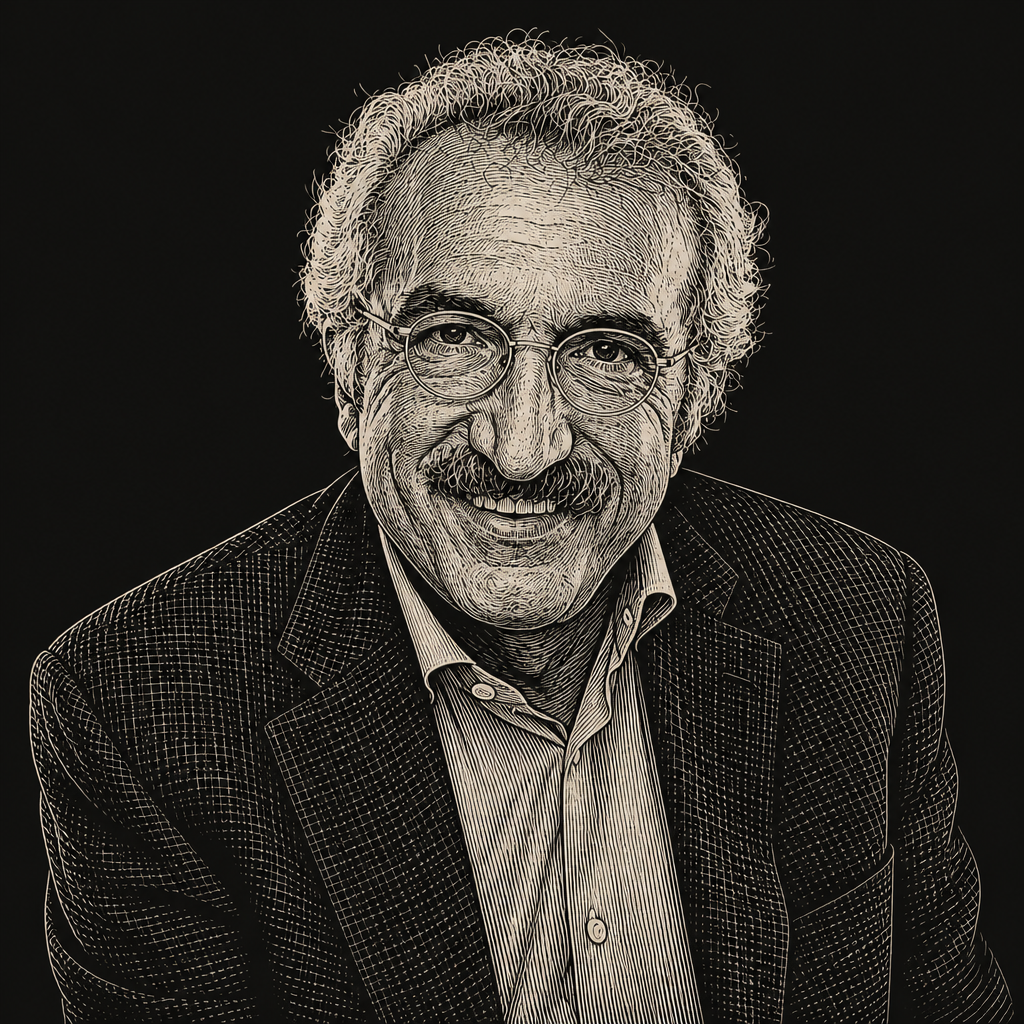
In his view, opposition is often mistakenly understood to mean groups with leaders, websites, and declared strategies. Some opposition groups outside Iran, he argues, have helped create that impression. But he points to retired teachers who strike over inadequate incomes, people who leave the country, and citizens who disregard the regime’s rules and appeals. These forms of resistance do not necessarily share a program. Their significance, he says, is that the state cannot reliably secure compliance.
Milani cites research by three scholars in Stanford’s Iranian Studies Program that tracked demonstrations in Tehran from 2009 to 2024 using satellite imagery and images corroborated from the ground. Their count was 3,300 events—almost one every three days. He calls this evidence of opposition that is visible even without a unified organization, comparing it to a “silent majority”: people who may not belong to a formal movement but make their views clear through repeated protest and refusal.
Women’s resistance is consequential in his account because the government’s controls extend well beyond clothing. Milani says women face restrictions on what they can study and whether they can leave Iran without permission from a male relative. He also says a woman cannot get a hotel room without being accompanied by a man. Against that background, appearing in public as they choose challenges the state’s claimed authority over everyday life.
The gap between the regime’s demands and people’s choices appears in other areas, too. Milani says the government has tried to discourage the study of English, with Supreme Leader Ali Khamenei urging people to study Chinese or Russian instead. Yet, he says, more people in Iran are studying English than ever. He also describes underground theater and raves in Tehran as forms of cultural life the regime cannot fully contain.
Milani connects the low birth rate he describes to the same distance between official priorities and private decisions. The regime offers loans and preferential hiring to encourage women to have more children, he says, but women do not respond as it wants. People ask where their children will work and what future they will have. The government’s efforts to influence family choices, in his account, have not overcome those concerns.
For Milani, ordinary acts can become acts of dissent when the state tries to regulate public behavior and private choices. He recalls teaching at Tehran University in the early years of the revolution, when a closely shaved face for a man or a short-sleeved shirt could be treated as a violation of Islamic law. He wore them as a way of asserting his right to decide for himself. Women rejecting dress rules, teachers striking, and people pursuing disapproved cultural activities may not be coordinating, but he sees them as part of a wider refusal that makes the regime’s authority harder to sustain.
People who speak openly face more direct risks. Milani names activists Nasrin Sotoudeh and Narges Mohammadi, who have been imprisoned or recently released and remain under threat. He also describes the memoir of Mahvash Sabet, a Baha’i woman who spent more than ten years in prison. Milani says Sabet insists on her right to choose her faith and refuses to submit. These public voices matter, but in his account they are only part of a much wider opposition that includes people less visible and less able to organize.
The unresolved question is how to turn this resistance into political change. Milani does not describe a single movement already doing so. He does reject the idea that the regime in its current form can last indefinitely: it may linger, he says, but it is becoming weaker while damaging Iran’s prospects. He describes Iranian society as more secular than other societies in the Middle East, including Israel and Turkey. The distance between the regime’s religious controls and the society it governs is, for him, a source of weakness—but not a guarantee that dissent will prevail.
Economic strain is real; its political consequences remain uncertain
The gap between widespread dissent and political change is sharpened by the regime’s willingness to use force. An audience member asks when people in Iran will feel the effects of war and economic pressure in daily life—in the operation of their homes, for example, or in whether their trucks can keep running. Milani agrees with Condoleezza Rice’s assessment that economic pressure could undermine the regime, while stressing that, in his view, the leadership anticipates an uprising and believes it can suppress one by force.
As evidence of that expectation, Milani describes a leader who, he says, has not been seen publicly or issued a recorded message since being appointed. Officials have reportedly explained that releasing an image or recording could reveal the leader’s location to Israeli or U.S. intelligence. Milani also says the leader recently appointed Taeb, whom he calls a notorious and brutal former head of IRGC intelligence, to the Basij militia. According to Milani’s account, the order called for “popular-based intelligence”: Basij members in neighborhoods, schools, and factories would report on people.
Milani also cites an IRGC commander who identified the possibility of people rising up, with outside help, as a major challenge. He says the regime views street protests as instigated by Israel and the United States, and believes it can use brutality to contain them. Milani doubts that force will be enough, particularly as economic strain grows.
Some of the economic pressures he describes are already visible in the government’s dilemma over gasoline subsidies. Milani says heavily subsidized gasoline costs about 30 or 40 cents per gallon. An attempt to raise the price a couple of years earlier provoked a mass uprising, he says; an experimental increase in Kerman later lasted about 24 hours amid intense tension. The subsidy is difficult to sustain, but the past response to price increases shows the political danger of asking the public to bear more of the cost.
Milani also describes pressure on trade and supplies related to the Strait of Hormuz. He says India had closed flights from India to Iran and was withholding medicine supplies unless Iran opened the Strait; Iran, he says, imports an enormous amount of medicine from India. Food that would have come through the Strait was, in his account, being rerouted through Pakistan, Afghanistan, and Turkey. He cites an economist who called the arrangement untenable, saying transport was ten times more expensive and trucks were waiting at borders where the roads were inadequate.
Milani presents these difficulties as operating alongside the threat of renewed U.S. military action, which he says would be complicated by shortages of sophisticated missile defenses and a lack of cooperation from allies. He says Iran has threatened to strike the United Arab Emirates and Saudi Arabia, and that the Houthis have sent drones toward Aramco. Referring to an earlier Iranian attack on Aramco, he says some accounts put the direct damage or lost economic opportunity at $400 billion, just before the company was preparing an IPO. Milani says Iran believes it got away with that attack and may be able to do so again. These are his descriptions of the risks and calculations; he does not present them as proof that another attack will occur.
The distinction matters to his argument. The difficulties he describes—pressure on supplies, the cost of rerouting food, and the political risks of raising gasoline prices—are not themselves evidence that the regime is about to fall. His prediction is that the economy is the pressure the government will not be able to escape. He says the Strait can be used as leverage, but that disruption also makes essential imports harder to move. The leadership may believe it can suppress unrest, he argues, but the economic strain could make that harder.
Milani also disputes the claim that sanctions alone explain Iran’s economic hardship. He says economists inside Iran have blamed poor decisions and an inability to plan over the long term. His example is the gas field Iran shares with Qatar. Both countries can extract from it, he says, but Qatar has taken several times as much gas, invested the proceeds, and exported to markets including India, Central Asia, East Asia, and Europe. Iran, he says, did not build the industrial base needed to do the same.
Milani suggests, while acknowledging that he cannot prove it, that Russia may have wanted Iran to remain out of the European gas market. He compares that possibility with Russia’s use of gas supplies as leverage over European countries during the war in Ukraine. His broader criticism is directed at Iran’s own choices: the country has substantial gas resources but has not developed them into comparable exports.
Democratic accountability would change Iran’s choices abroad
Asked whether peace requires democracy everywhere or whether different forms of government can coexist, Milani endorses the claim that democracies are less likely to fight one another. He says the statistical record supports Condoleezza Rice’s argument, while acknowledging that democracies can have disputes. In his view, the largest conflicts of the past century have been driven by autocracies and governments pursuing ideological expansion.
Milani distinguishes Iran’s government from its people, describing a profound divide between the regime’s values and conduct and those of Iranian society. But he does not absolve Iranians of responsibility for their political circumstances. He says the former regime, Western assumptions about the clerics, and Iranian intellectuals’ judgments all contributed to what followed. Milani says he opposed the Shah and spent a year in prison for it, but later recognized how little he understood about Iran. Iranians made mistakes and are paying for them, he says, while also insisting that they deserve better than the government they have.
To explain why change is difficult, Milani compares the regime to an abusive relationship that is hard to leave because the other party is willing to use extreme force. He points to the January killings as an indication of that force. President Trump said 50,000 or 52,000 people had been killed, Milani says, while the Iranian regime acknowledged 3,380 deaths within three days. Milani says the real number is much higher than the regime’s figure. Even using the lower figure he cites, he argues, the willingness to kill on that scale shows the danger facing people who seek change.
A democratic Iran, Milani argues, would make different choices in foreign policy. He says “these three wars” would not have happened if Iran were democratic, because a democratic government would not treat the destruction of Israel as a national interest. It could also have a serious debate about whether Iran needs enrichment. Milani’s own view is that Iran does not need enrichment or a nuclear weapon. He rejects the argument that having a bomb would have prevented the conflict, saying the regime’s decades of confrontation helped create the conditions for war.
Democracy, in this argument, does not guarantee agreement or eliminate conflict. Its significance is that elected leaders must answer to the public. Milani contrasts a U.S. president, who has to consider elections, rising oil prices, and voters asking whether a war is worth the cost, with Iran’s rulers, whom he says will accept whatever costs their policies impose. The contrast connects Iran’s domestic political future to the broader question of its conduct abroad: Milani sees democratic accountability as a way to change the incentives that have driven the regime’s choices.