China’s Detention System Joins Forced Labor With Ideological Reform
 Glenn TiffertPeter
 Rowena He
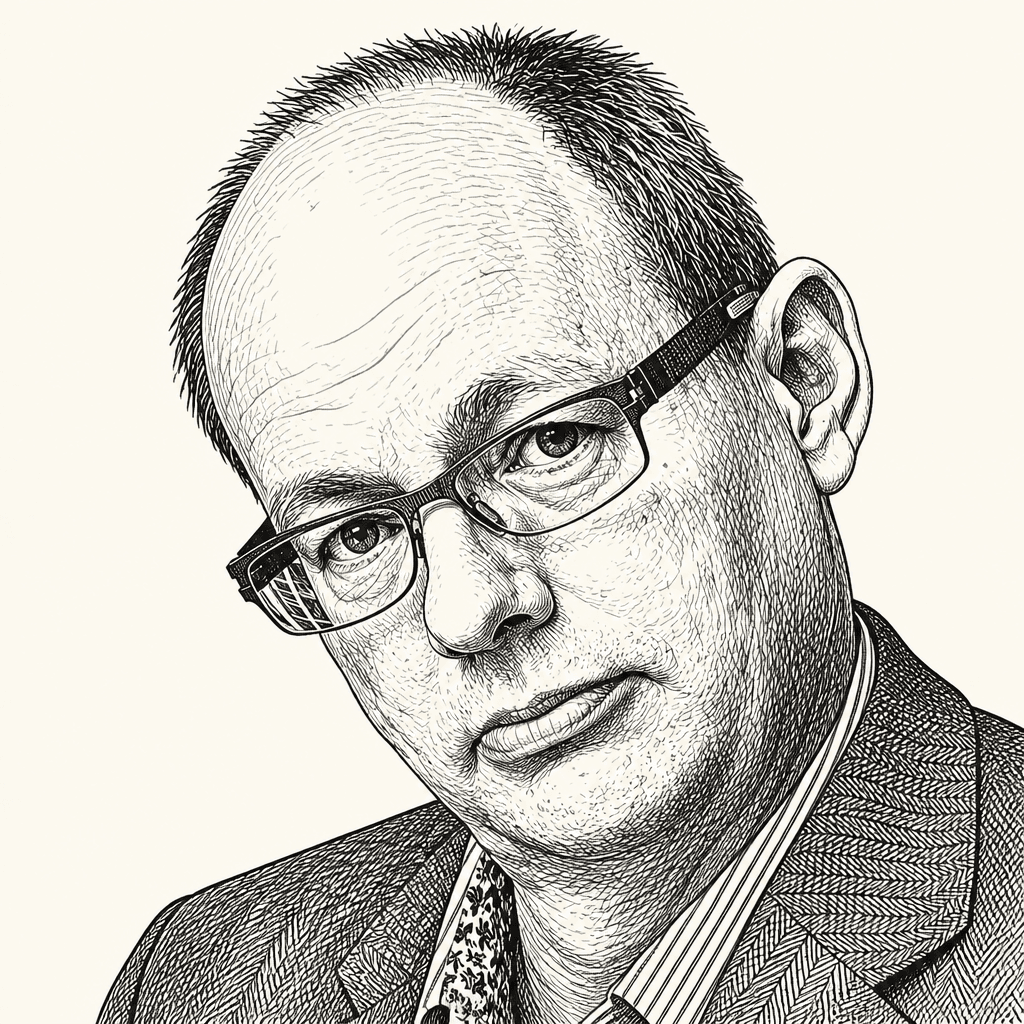 Frank Dikötter
 Orville SchellHoover InstitutionFriday, October 2, 202613 min read
At a Hoover Institution discussion, historian Frank Dikötter argued that China’s system of political detention has changed its methods but not its core purposes: forced labor and ideological reform. Orville Schell, Rowena He and Glenn Tiffert examined how imprisonment and the threat of it affect families, constrain speech and shape public memory, while Dikötter cautioned against assuming that exposing abuses will bring political change. The speakers also traced the system’s reach into international supply chains and surveillance technology.
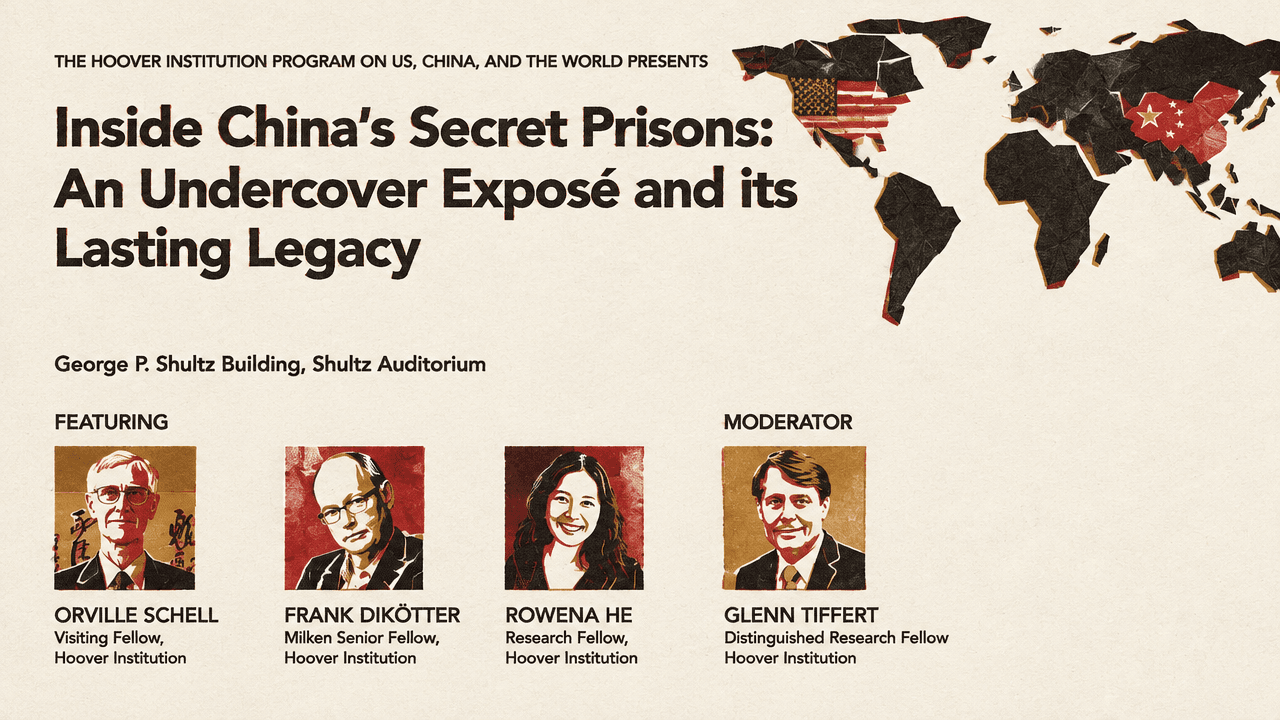
The system changed its methods without relinquishing its purpose
China’s system of political detention has modernized, but Frank Dikötter Frank Dikötter argued that it has not fundamentally changed. Newer facilities and digital surveillance have altered how prisons operate; in his account, forced labor and ideological reform remain part of the system. Its reach extends beyond prison walls—to families, public memory, overseas speech, and supply chains.
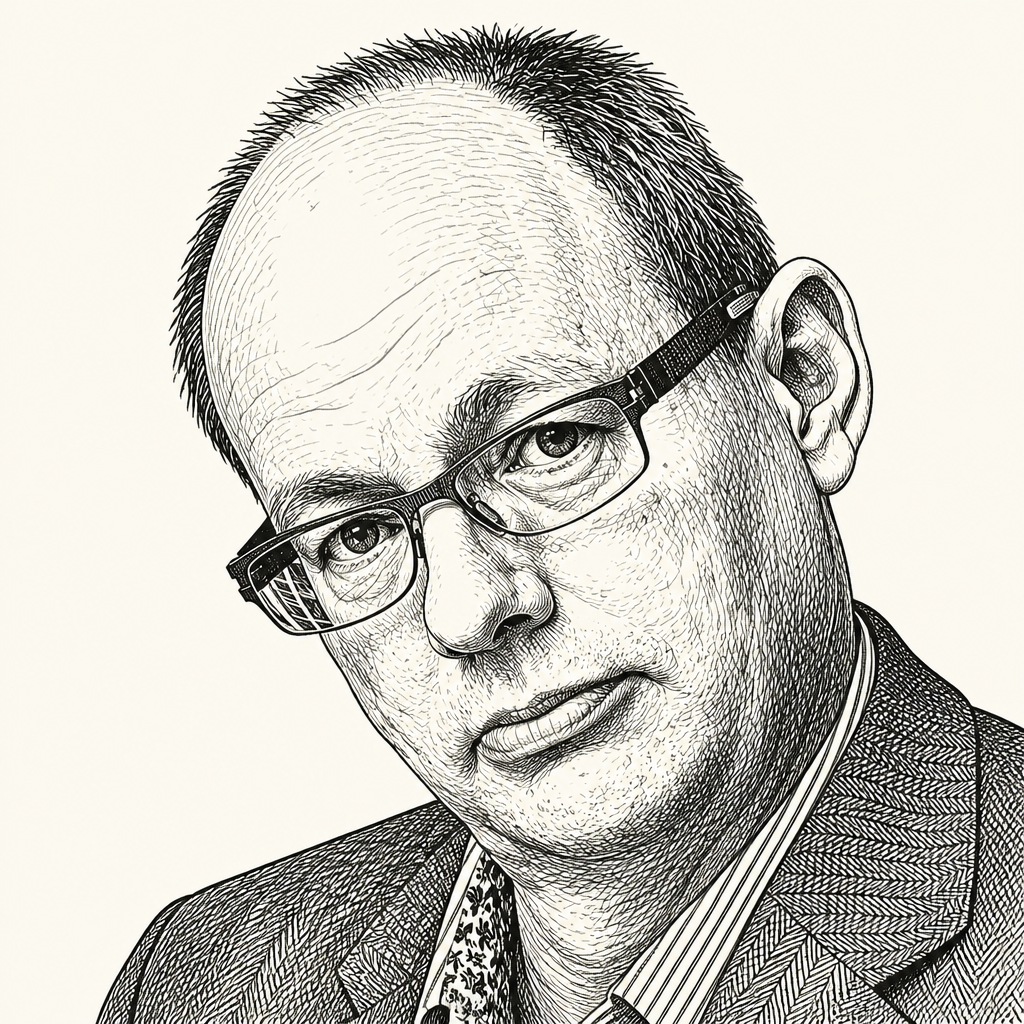
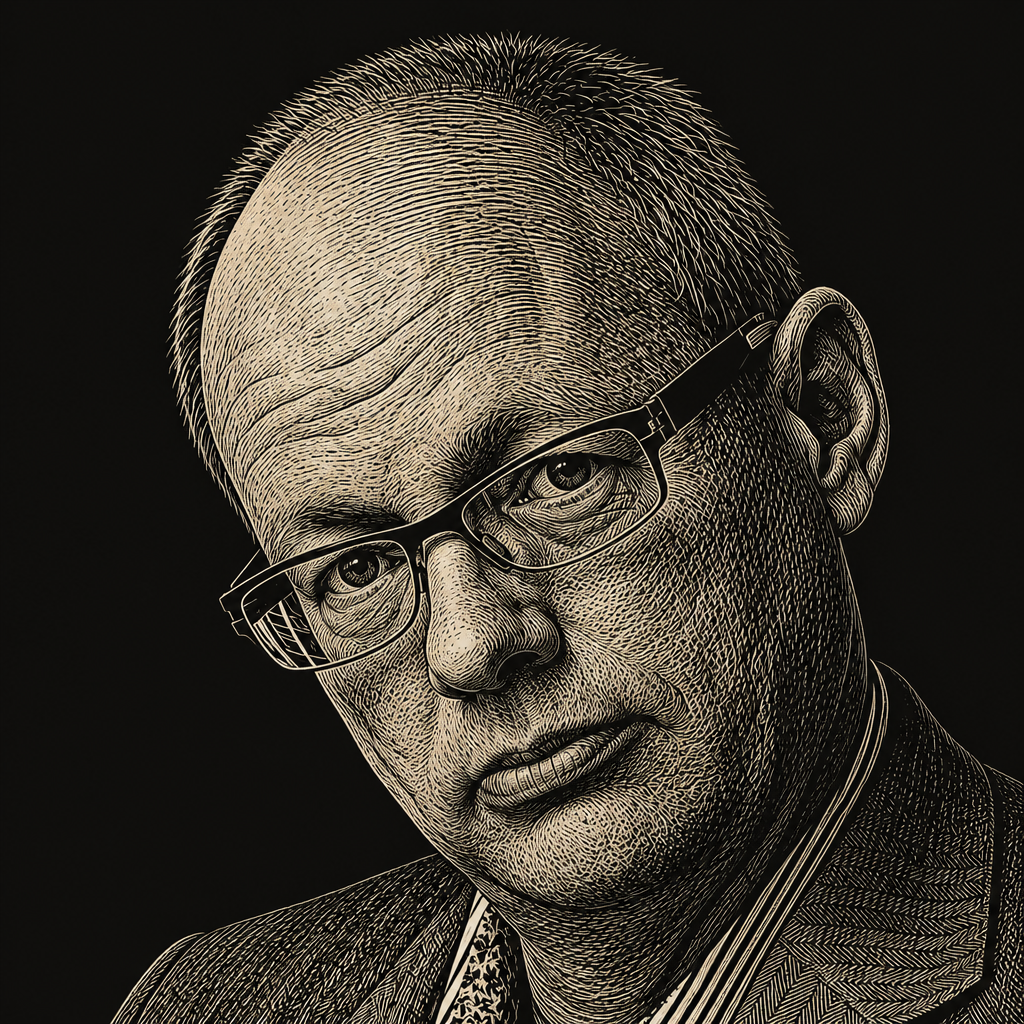
Dikötter traced the system’s scale to the early years of Communist rule. Before 1949, he said, the prison population had never exceeded about 90,000. Within two years of the Communist victory, about two million people were in camps. These facilities extended from Manchuria to Xinjiang and Qinghai, as well as to mines in Yunnan, where prisoners were compelled to work and expected to reform themselves ideologically.
The camps joined two purposes: extracting labor and remaking the prisoner. Orville Schell Orville Schell described Mao’s distinctive addition to the Soviet Gulag model as the ambition to “engineer the human soul.” Political imprisonment was not only punishment for what someone had said or done. It was also intended to correct the person’s thinking and create a new kind of human being.
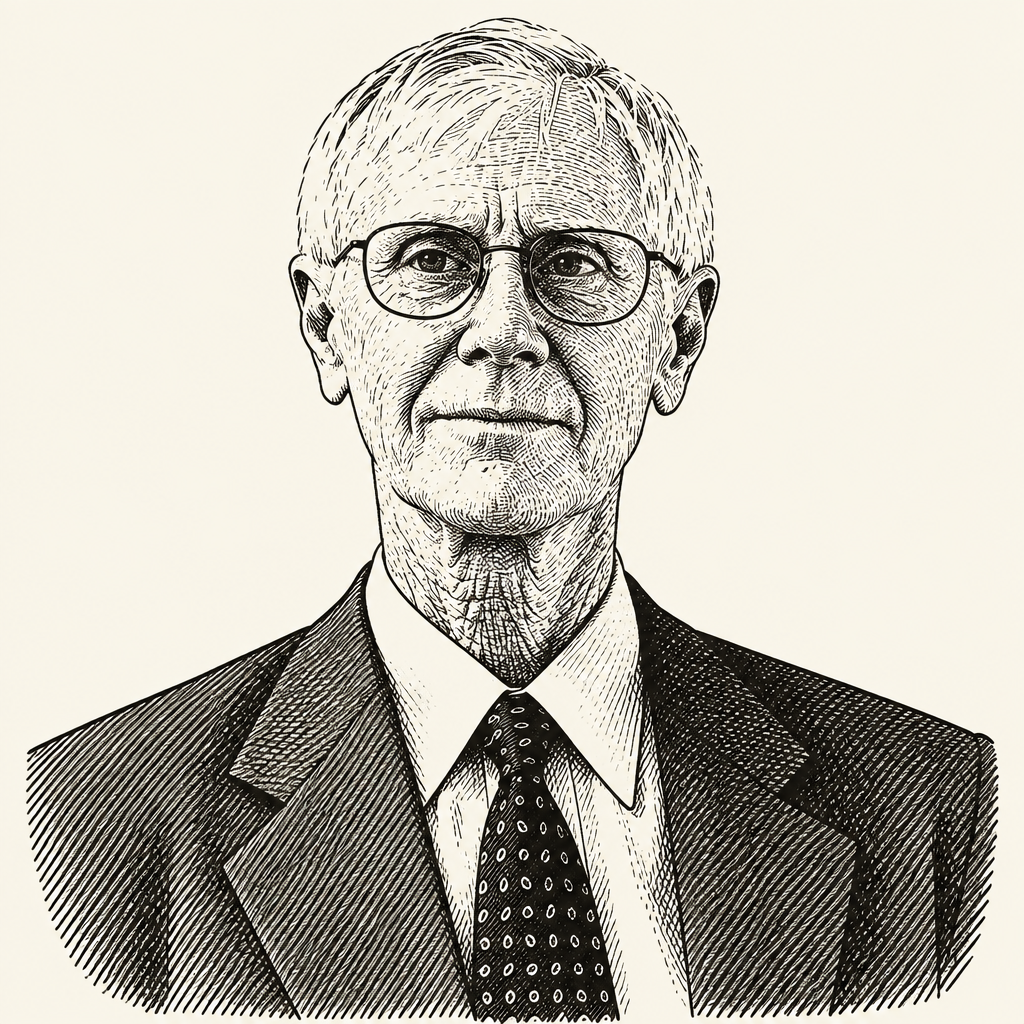
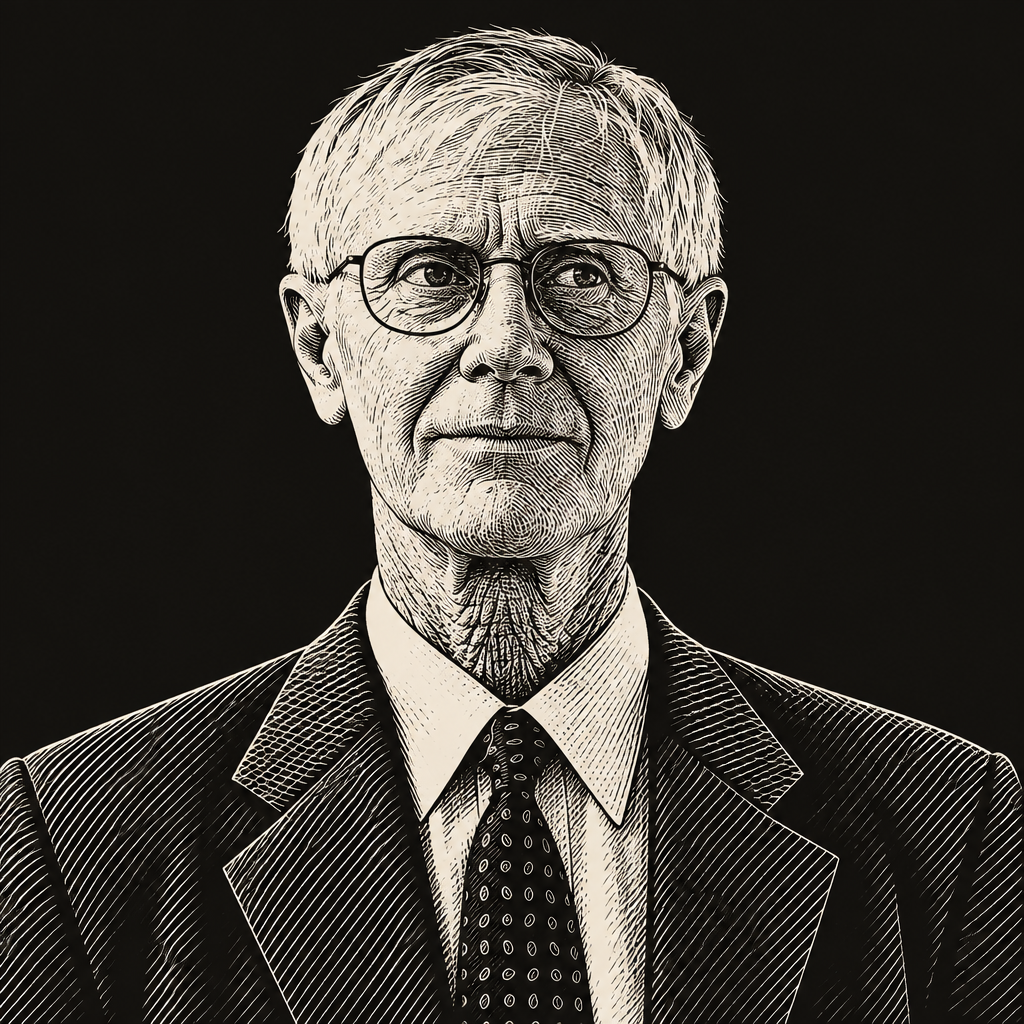
That ambition shaped the treatment of prisoners. Schell said they were made to study Mao, Marxism, and Leninism, and to engage in self-criticism and confession. The process invited prisoners to look for the fault within themselves and acknowledge it as the price of possible release. As Schell put it:
The only road to ever imagining you could get out is to find the crime that you committed, accept it, embrace it, admit it, and then maybe they would let you loose.
Schell argued that this process could profoundly distort a person’s sense of responsibility: the prisoner was pushed to believe that confinement proved personal wrongdoing.
Dikötter contrasted the system’s persistence after Mao with the changes to the Soviet Gulag after Stalin’s death. In 1991, a 60 Minutes documentary made with former prisoner Harry Wu exposed a system that Glenn Tiffert Glenn Tiffert described as holding several million people, with torture, abuse, forced labor, and solitary confinement routine. Dikötter said that later modernization had not amounted to fundamental change. He pointed to a new prison law introduced a few months before the event as evidence that ideological reform remained an emphasis.


He also cited Xinjiang as an example of the system’s scale. Dikötter gave estimates of half a million people in prisons and one million in internment camps, among a population of 25 million. He characterized the resulting incarceration rate as roughly 2,000 per 100,000. He rejected the assumption that more modern facilities and digital monitoring meant the end of physical abuse, referring to reports of electric shocks and other forms of torture, including a punishment known as the “tiger bench.”
Dikötter’s example of an Australian man was meant to show that exposure was not limited to Chinese citizens. He said the man was arrested after a fight with a shopkeeper over a mobile phone, beaten, and forced to confess. According to Dikötter, he was held for about five years and spent 194 days in solitary confinement with a chain around his leg; Dikötter said he was tasered repeatedly. He also invoked the detention of Canadians Michael Spavor and Michael Kovrig as an example of hostage diplomacy.
For Schell, the system’s psychological logic helps explain why its consequences can extend well beyond a particular prisoner. He cited Xi Jinping’s father, who was sent away in 1962 as a counter-revolutionary, and described the effect of children growing up separated from parents and later being sent to the countryside during the Cultural Revolution. Schell suggested that being marked by his father’s political status may have shaped Xi’s drive to prove himself through loyalty to the party. He also mentioned the suicide of Xi’s sister, while cautioning that literature may illuminate such family experience better than political science.
Dikötter resisted a single account of what detention does to every person. Some survivors may feel shame or guilt; others may not, he said. For him, the wider social consequence lies partly in what survival under coercion demands: people may have to flatter officials, lie, evade, undermine, or use them. Such strategies can help someone get by while also helping the system endure.
Tiffert described the resulting blurred boundary between victim and perpetrator as a feature of life under the Mao-era work-unit system, where people were institutionally dependent and could be made to denounce themselves and others to survive. He invoked Primo Levi’s “gray zone”; Dikötter agreed that the system could not be reduced to guards on one side and victims on the other. The point was not that responsibility disappears under coercion, but that people’s roles within it can become difficult to separate.
Repression reaches people who are not in prison
The system’s reach also appeared in the choices people make before detention: what to publish, where to travel, and whether to speak. Schell’s own experience began with an undercover project with Harry Wu, who had spent 19 years in China’s reform-through-labor system. Wu proposed returning to China to film labor camps with a small camera concealed in a shoulder bag. Schell initially considered the idea nearly impossible, but the two went ahead.
Afterward, Schell wrote a long article for The New Yorker. When the edited manuscript came back, he reconsidered the consequences. His wife was Chinese, her parents lived in Beijing, and his family and professional life were tied to China. He withdrew the article. It sat in a box for 30 years. Schell returned to the material after his wife’s death and as attention turned to Xinjiang, where he saw a newer form of detention that recalled the older labor-camp system.
Schell called the dilemma an “access question.” Journalists, scholars, businesspeople, artists, and people with family in China may weigh what they can say against the risk of losing access or exposing others to pressure. He argued that China’s growing wealth and power had increased its ability to use supply chains, media, and other means to influence how the country is understood abroad. In his account, the effort to control information is directed not only inward, at what people in China can read, but outward, at what the rest of the world says about China.
The pressure does not fall equally. Rowena He Rowena He said that, for people born and raised in China whose families remain there, the stakes may be less about professional standing than the possibility of never going home to see parents, grandparents, or friends. She recalled being advised to theorize fear and argued that the absence of a clear red line is itself a source of fear: people cannot know in advance who might be targeted or what will be treated as a violation.

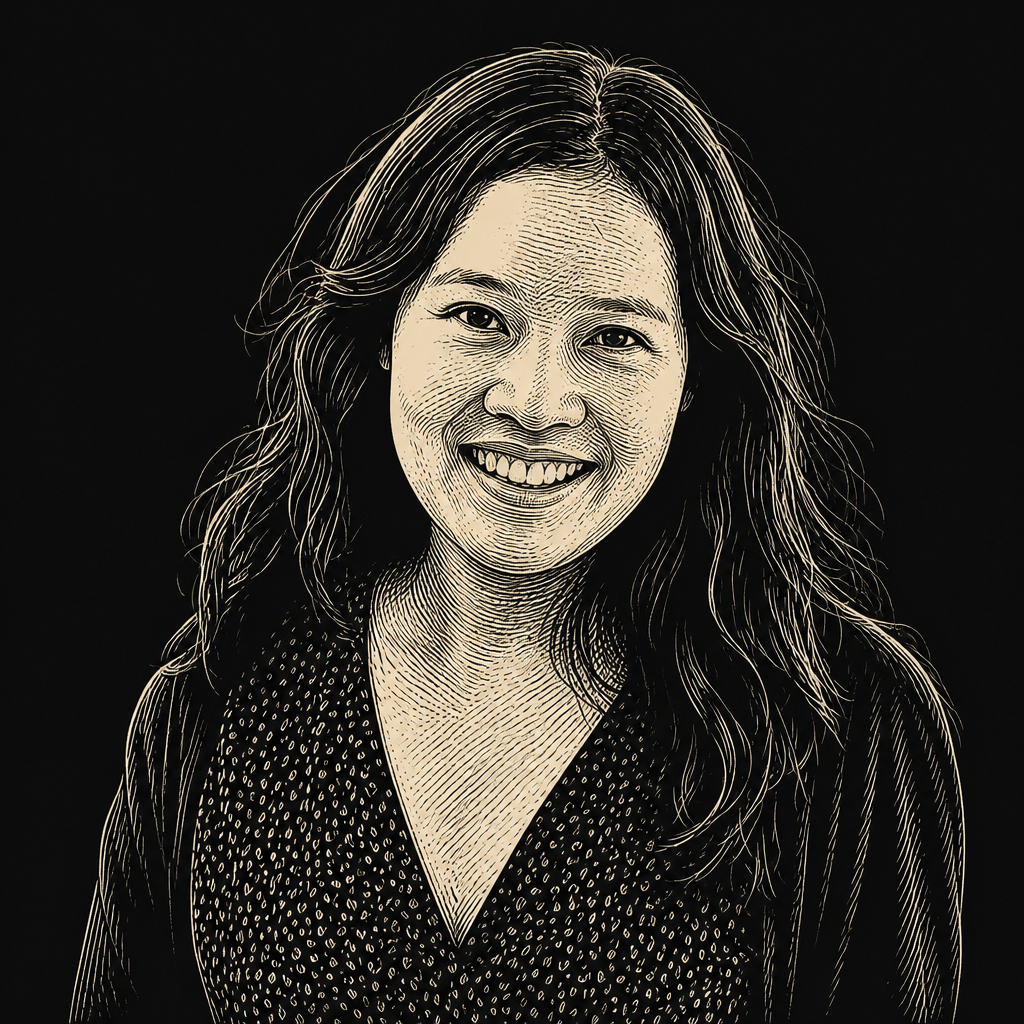
He said she was officially banned from returning to China. She described the ban as a painful loss, but also as a form of emancipation: she no longer had to wonder whether speaking would cost her the possibility of going home. Schell described a related release after deciding that concern for his career could no longer determine whether he published. In both accounts, the relief came with a personal cost; for He, that cost included separation from family and friends.
Dikötter drew a different implication for researchers without close family ties to China. He argued that those who are less personally exposed have a greater responsibility to carry out research there and say what others may not be able to say. He also praised historians working inside China, calling them courageous. The tension remains: access can enable research, but its preservation can also constrain what researchers are prepared to publish.
Tiffert said the pressure could reach students and their relatives. Some Chinese students in his classes, he said, avoided speaking because they did not trust classmates not to report them. He described cases in which comments made in US classrooms were followed within days by police visits to the students’ parents in China. He also noted that early-career scholars may depend on access to China for research and professional advancement, making the prospect of losing it especially consequential.
Pressure also crosses China’s borders. He referred to Cao Shunli, a Chinese citizen and law-school graduate who, according to He, disappeared at a Chinese airport while trying to travel to the United Nations Human Rights Council to testify. He said she died months later and that her body was not returned to her family. He also cited Hong Kong activist Anna Kwok: after Kwok protested against Xi Jinping outside an APEC meeting, He said, her father and brothers were taken from their home in Hong Kong, and her father was imprisoned. In response to a question about people being prevented from leaving China, He mentioned a US citizen and scholar who was unable to leave; the discussion did not provide further details about the case.
For He, Hong Kong’s changing public life made the pressure visible. She recalled bookstores closing one after another in Mong Kok and people being jailed for organizing candlelight vigils to commemorate Tiananmen. The question was not only who is physically confined, she argued, but why: people are punished for dissent, public memory, and refusing to accept the state’s account.
Memory contests the claim to speak for China
The question of who gets to tell China’s story connects the history of imprisonment to the work of preserving evidence. He argued that the Chinese Communist Party’s claim to represent Chinese people and culture obscures those who oppose it. She urged academics, civil society, and democratic governments to consider whether engagement focused on visible elites is enough, or whether it must also include people whose resistance is less visible.
Glenn Tiffert Tiffert raised the problem of how trauma passes between generations. He recalled the earlier genre of “scar literature,” which addressed painful experiences from the People’s Republic’s past, and noted that public space for such writing had narrowed. He also pointed to Wang Bing’s eight-hour documentary Dead Souls, which interviews survivors of labor camps in Gansu during the Great Leap Forward famine. The question, he said, is what grandchildren learn—or do not learn—about what their grandparents experienced.
Rowena He described accounts in memoirs of students imprisoned after the 1989 Tiananmen movement studying together in Qincheng Prison. After dinner, she said, they read and recited poetry. She quoted Bei Dao’s lines about longing for love and about one person standing where another has fallen. The scene mattered to He as evidence that confinement did not erase the ideals prisoners carried with them.
Her account of Lin Zhao made the work of preservation more personal. Lin Zhao, a student imprisoned and later executed during the Mao period, had tried to tell the truth about famine. He recounted that two days after Lin Zhao’s execution, police came to her mother’s home to collect five cents for the bullet used to kill her. Rowena He said she had urged historian Lian Xi to write about Lin Zhao because she wanted her story in the hands of a scholar who would preserve it. Later, in the Hoover archives, He encountered Lin Zhao’s writings and described the experience as a connection across generations.
He also spoke about a friend who had spent nearly 20 years in solitary confinement after Tiananmen and had been tortured and beaten. When she visited him for several days, she said, he could barely speak, though he enjoyed the takeout food she brought. For He, remembering people like him also meant building a community around them, so they would not be abandoned or left without appropriate care. Preservation, in this account, was not only about keeping documents; it involved attending to people still living with the consequences of imprisonment.
Schell recalled that Wu had wanted to be a voice for China’s prisoners, saying China had not yet had its Solzhenitsyn. Dikötter, however, questioned whether foreign publication and attention had produced the political change some hoped for. He argued that accounts of abuses had often been met in the United States with calls for more engagement, trade, and integration, on the assumption that economic reform would lead to political reform. Schell agreed that the hoped-for peaceful path out of the Maoist past had proved difficult, while saying people could be forgiven for hoping it was possible.
The speakers differed over what the record implies about political change. Schell described China as unresolved: experiences of openness and reform remain part of the society even when another political force dominates. He could not predict when those forces might shift, but argued that history does not disappear because it is silent.
Dikötter was more categorical. A Communist system, he argued, rests on a monopoly over power and information and cannot survive broad truth-telling. He pointed to the party’s opposition to “peaceful evolution” after 1989 as evidence of its determination to prevent gradual political change. Schell’s emphasis on submerged possibilities thus stood against Dikötter’s emphasis on the party’s capacity and intention to block them.
Rowena He pointed to repeated efforts to press for change without revolution. Wei Jingsheng’s call for a “fifth modernization”—democratization—during the Democracy Wall period of 1978–79 was followed by a 15-year prison sentence, she said. In 1989, protesters sought to continue dissent and encourage leaders to improve, rather than to overthrow the government. Later, Charter 08 called for change through a written appeal; Liu Xiaobo died in prison.
He invoked Taiwan as an example of an alternative path: the ruling KMT remained in power as restrictions were lifted and democratization proceeded. Tiffert added Green Island, a former KMT prison camp that is now a place where people can learn about political incarceration. He argued that this shows a Chinese-speaking society can confront an authoritarian past publicly, given the space and leadership to do so.
The audience also challenged the assumption that economic growth or legal reform would automatically produce democracy. He argued that China’s middle class had not necessarily become politically independent because its success remained tied to the regime. A legal scholar in the audience made a related point: under authoritarian rule, law can strengthen state capacity, including the capacity to repress. In the audience member’s comparison, democracy in Taiwan and South Korea helped bring about the rule of law, rather than legal reform producing democracy.
The prison system’s history now reaches into trade and technology
The international consequences of the prison system are not limited to what happens inside detention facilities. Glenn Tiffert Tiffert identified three features that distinguish the model as he described it: technologies of repression, an ideological ambition to remake people, and integration with export manufacturing. The last connects the history of forced labor to choices made by governments, businesses, and consumers beyond China.
The labor-camp system was not only a means of confinement. In the Mao era, Schell said, prisoners were made to work while undergoing an attempt at “thought reform”: the party sought not merely to punish people but to rectify their thinking and remake them. Dikötter’s account of camps and compelled work across the country put that ambition alongside the system’s industrial function. Tiffert argued that, after China opened to the global economy, forced labor became tied to manufacturing and supply chains. He cited cotton and auto parts as examples of goods that may be linked to forced labor.
Tiffert described the Uyghur Forced Labor Protection Act as a US effort to improve visibility into, and control over, imports connected to such labor. The point was not simply that prisoners work, but that goods produced through coercion can enter international trade. In this account, the system’s historical use of prisoners as laborers is connected to the difficulty of identifying the products of coercion in a global supply chain.
Technology has changed the system’s reach as well. Tiffert said surveillance technologies developed in Xinjiang had spread across China, and that COVID lockdowns brought some of those controls into the lives of urban residents who might previously have been insulated from them. He cautioned that other governments may adopt surveillance and control technologies without being able to reproduce the Chinese system as a whole. In his view, the party-state’s organizational capacity and commitment to ideological remaking are difficult to replicate.
Schell described a related form of leverage: dependence on critical minerals and rare earths. He argued that this dependence gives China political leverage over other governments and industries. He used Donald Trump’s visits to Beijing and Washington as an illustration of what he saw as a striking imbalance in deference, attributing it in part to China’s ability to exert pressure through supply chains. In Schell’s comparison, economic chokepoints are among the tools of constraint that have crossed borders.
Asked whether other authoritarian governments might borrow China’s model, Tiffert said the danger was real, particularly for surveillance technologies. But he distinguished a system aimed at confinement from one that also seeks ideological transformation and exploits labor. He noted that other governments had attempted projects of social remaking, while arguing that China’s combination of state capacity, labor extraction, and belief in the possibility of reforming prisoners was distinctive.