France’s Political Fragmentation Deepens Its Debt and Security Challenges
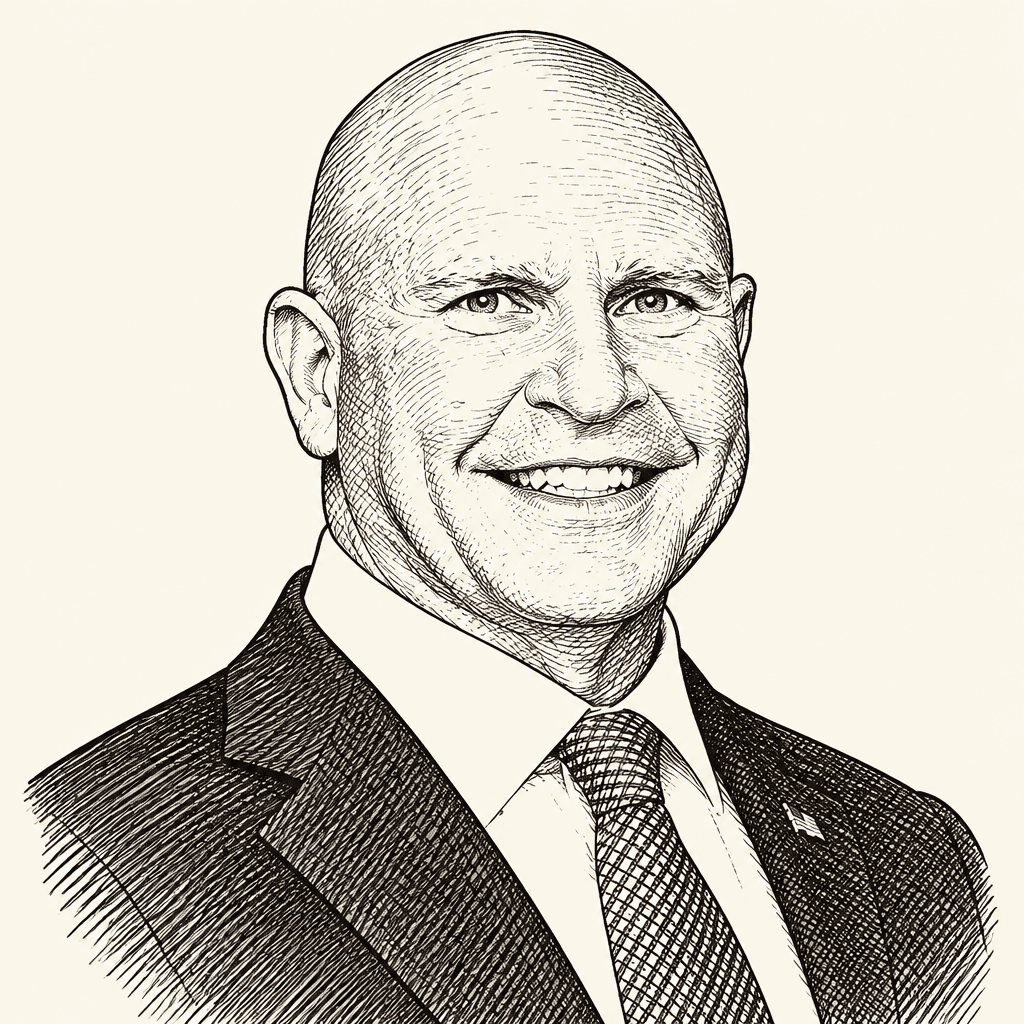
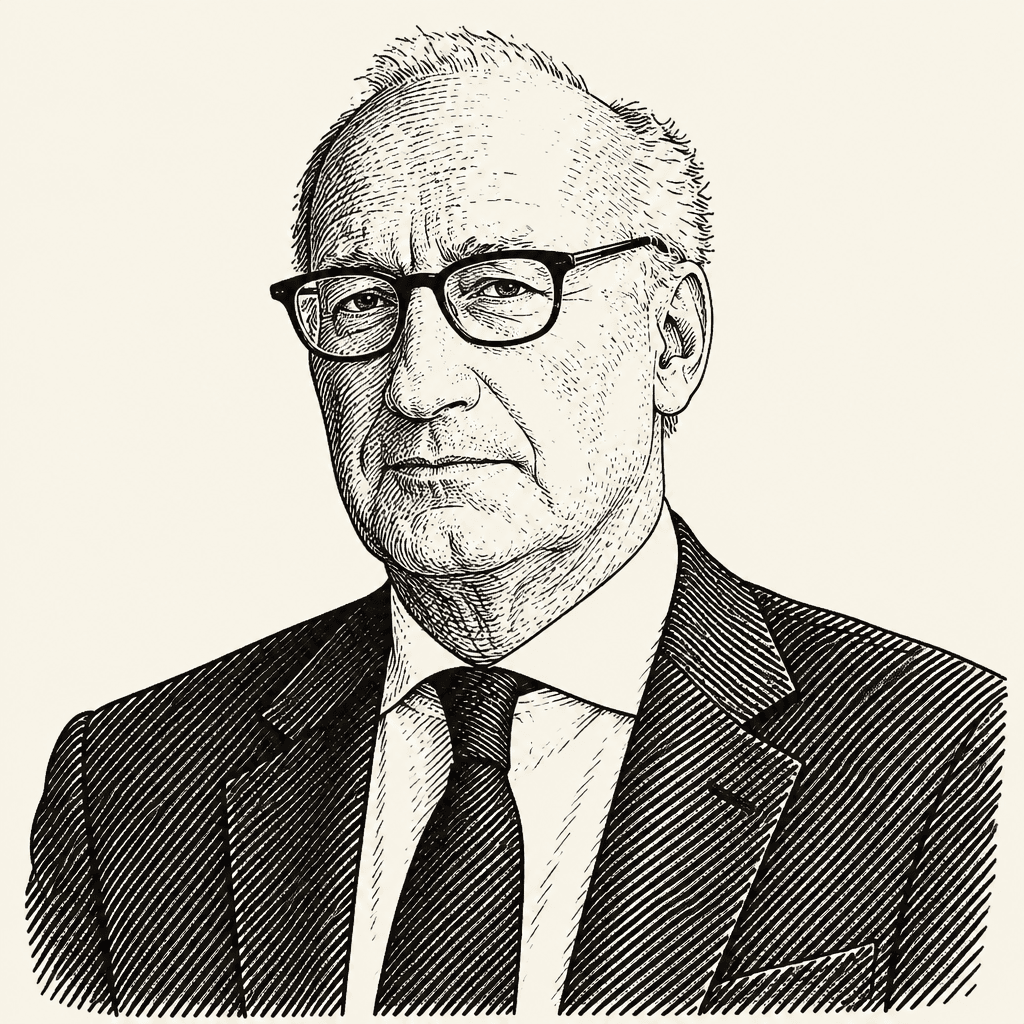

Former French ambassador Philippe Étienne argues that France’s political fragmentation is making it harder to address mounting debt and competing demands for public spending, while raising the prospect of a 2027 presidential run-off between the populist right and left. In a discussion with H.R. McMaster, he warns that deeper polarization could weaken social cohesion and complicate France’s response to European security challenges, including Russia’s efforts to divide Western democracies and the need to sustain support for Ukraine.
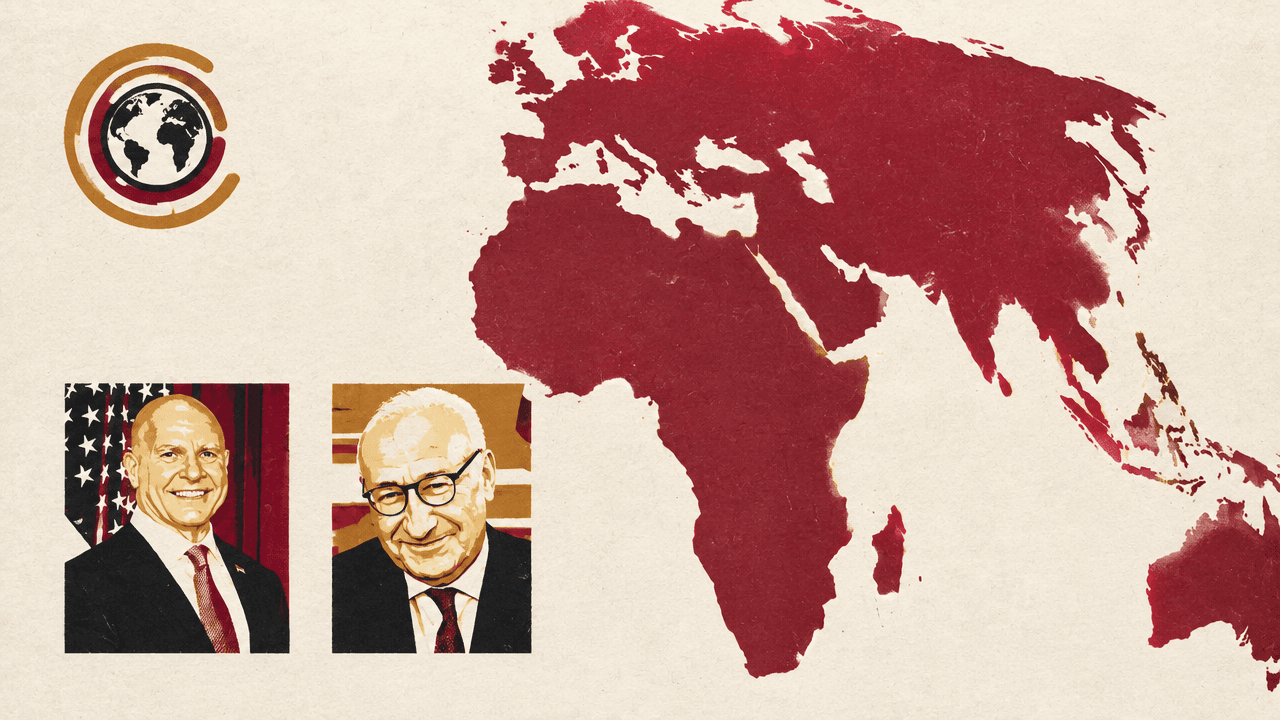
A divided center makes the fiscal problem harder to govern
France’s political fragmentation is not only an election problem. It constrains the government’s ability to respond to rising debt, social demands and the need for higher defense spending. With no majority in the National Assembly, passing a budget is harder; with the center divided, the next presidential contest could leave voters choosing between the populist right and populist left. Philippe Étienne sees the resulting risk not just in any one policy outcome, but in deeper polarization across French society.
The political system was designed to give the presidency considerable authority. After the Fourth Republic collapsed amid government instability and the Algerian crisis in 1958, Charles de Gaulle became prime minister and the Fifth Republic strengthened executive power. A 1962 referendum established direct presidential elections, putting the presidency at the center of French politics. The Hoover Institution’s historical images accompanying this account include scenes from the French Revolution, de Gaulle’s return to public life and the 1962 referendum; the sequence underscores how the current system emerged from repeated political ruptures.
For much of the following half-century, power alternated between broad political families. The Gaullist right evolved into today’s Les Républicains. François Mitterrand consolidated much of the non-communist left around the Socialist Party during his presidency from 1981 to 1995. His appointment of Communists to his cabinet is now cited by radical parties protesting their exclusion from government.
That pattern has given way to a three-bloc landscape. Jean-Luc Mélenchon leads La France Insoumise on the populist left. Marine Le Pen and Jordan Bardella lead the National Rally on the right, the party Le Pen renamed in 2018 from the National Front founded by her father. Emmanuel Macron’s En Marche!, founded in 2016 and renamed Renaissance in 2022, once drew support from both traditional left and right. But his Ensemble coalition no longer gathers the centrist parties together.
Macron lost his absolute majority in the National Assembly in 2022. A snap election in 2024 produced a hung assembly, followed by government instability and budget difficulties. A Hoover-attributed map of the 2024 legislative election’s second-round results shows the geographical distribution of the contest, but the map’s colors do not by themselves resolve the underlying governing problem: no bloc has a parliamentary majority.
The introductory account puts France’s deficit above 5 percent of GDP. Étienne says the fiscal deficit, rising debt and cost of servicing that debt will be major campaign issues. He notes that yields on government bonds are high in France, the United States and the United Kingdom, but says France is in a more precarious position because of its fiscal situation and the absence of a parliamentary majority. The difficulty of passing a budget, he argues, is one reason markets are watching France with concern.
Étienne also offers a wider explanation for pressure on yields. Borrowing by AI companies and other firms to finance investment in artificial intelligence draws on financial markets and, he says, has the mechanical effect of raising yields on public bonds. That pressure is not unique to France. France’s particular exposure, in his account, comes from the combination of high deficits, rising debt and difficulty reaching agreement in parliament.
The outgoing government, led by Prime Minister Sébastien Lecornu, had the task of passing the 2027 budget before the end of the year, Étienne says. Limiting the deficit to 5 percent would help reassure markets and the public, in his view, although he emphasizes that 5 percent would still be a large deficit. The budget is therefore a test of whether a government without a majority can make a decision as well as a test of its fiscal plans.
Neither populist camp can avoid the debt question, Étienne argues, though both have costly proposals. Both want to cancel the pension reform, which would add to spending. Mélenchon has proposed that the European Central Bank cancel the French debt it owns, as well as debt it owns from other eurozone countries. Étienne says this is not as simple as the proposal suggests. Even where proposed remedies are not feasible, he says, the debt and deficit have become unavoidable parts of the electoral debate.
The fiscal debate is tied to competing demands on public resources. Young people want more education funding and more teachers; workers are concerned about purchasing power, particularly as energy prices rise. At the same time, Étienne says increased defense budgets are nearly consensual, from the populist right through the Socialists and moderate left, though he does not assume the populist left fully agrees. The tension is direct: a country facing pressure to spend more on defense is also being asked to support education and workers while borrowing costs rise.
Philippe Étienne expects the 2027 presidential election to carry the risk of a run-off between the populist right and populist left. At the time of the discussion, he says, Le Pen was the clear front-runner, polling above 30 percent, with Mélenchon increasingly in second place. Macron cannot run for a third consecutive mandate under the constitution. The center is represented by several candidates who, Étienne says, appear unable to agree on one contender and risk failing to reach the second round.
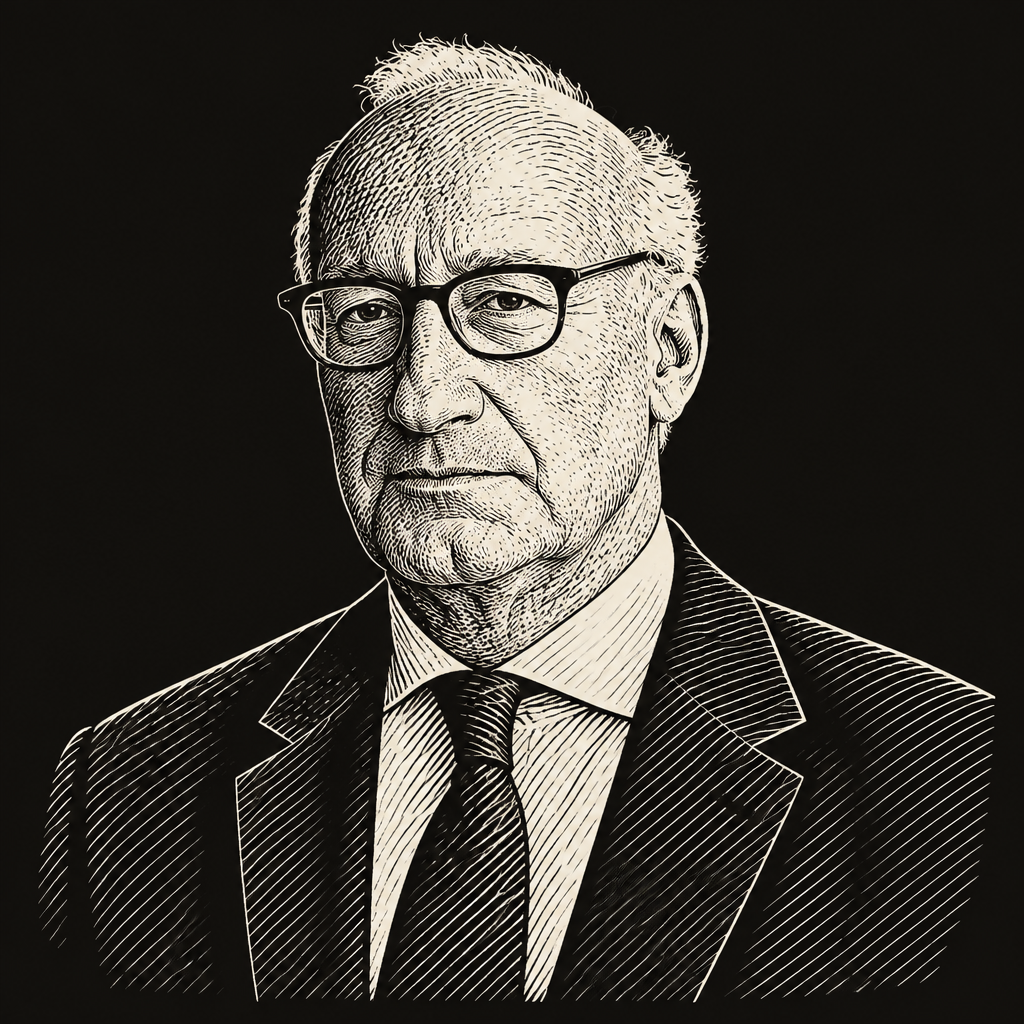
The two camps present different appeals: Étienne characterizes the populist right as emphasizing public order and immigration, and the populist left as emphasizing social justice and defending migrants. Yet both criticize the European Union, and both are, in his assessment, vague or not especially supportive of Ukraine. Each has an incentive to present itself as the other’s principal opponent, polarizing the political field around the two poles.
For Étienne, social cohesion is the central stake. He worries that a run-off between the populist right and left could deepen divisions already visible across Western democracies. The election also falls within a crowded European political calendar, including contests in Poland and Italy, regional elections in Germany and an early election in Spain. The concern is not simply that France might elect a president from one pole or the other; it is that fragmented parties and parliament could make it harder to govern the pressures that help fuel the polarization.
Social grievances and violence are related, but not interchangeable
The French demonstrations, in Étienne’s account, grew from concerns shared by young people and workers. Young people worry about their future and want more resources for education, including more teachers. Workers are concerned about purchasing power, especially as energy prices rise. Housing is another pressure. Étienne sees similar concerns in Spain, Italy, Greece, Portugal and Belgium, and says the combination helps explain the scale of the demonstrations in France.
He rejects making immigration the primary explanation for the protests. “It is not about riots. It’s about demonstrations and social issues,” he says. The people in the demonstrations, he adds, were not migrants or mostly migrants. He draws parallels with the United States, where young people are concerned about jobs and artificial intelligence, climate change and energy prices.
That argument does not mean immigration is absent from French politics. Étienne describes a debate between those who argue France needs immigration for economic and demographic reasons and those who believe integration has failed. Some young people from poorer urban areas, he says, feel discriminated against and believe they lack opportunity. He calls that a real issue, while warning that polarizing the debate can make matters worse by empowering radical elements.
He separates those social concerns from violence on the margins of the demonstrations. On the first major day, October 17, Étienne says, anarchists attacked public buildings and looters targeted shops. Security forces in Paris and other large cities were overwhelmed because they had not anticipated the scale of the violence. The following Saturday was quieter, and he says public-order management had improved. The government’s response, in his view, must address the underlying concerns as well as maintain order: young people need answers on education, while workers—especially those who depend on transportation—need more support to live.
Étienne also distinguishes a racist attack in Paris from antisemitic violence. He says one person was killed and a 12-year-old girl wounded in an attack against French people with a migration background, and describes it as a shock to France. Separately, he says antisemitism is rising in Western societies and calls it a poison. McMaster argues that democracies should call out Islamist extremism, antisemitism and nativist violence against Muslims or racial minorities, rather than treating extremism as belonging to only one political camp.
European security depends on resisting pressure without weakening the alliance
The same divisions that complicate French governing also shape Europe’s response to external pressure. Étienne says Russia and Belarus have weaponized migration, including by organizing migrant flows at the borders of Poland and Finland. Countries on the EU’s eastern flank have taken measures to defend their borders. He also points to new EU legislation against illegal migration and an expanded role for Frontex, the European Border and Coast Guard Agency.
He places these pressures within a wider campaign of hybrid warfare: disinformation, hostile acts carried out through proxies, efforts to deepen social divisions and sabotage. Étienne says France has seen attempts to simulate antisemitic or anti-Muslim acts. He also cites a drone incident at Leipzig-Halle Airport that Germany attributed to Russian military intelligence. Russia’s aim, in his account, is to weaken countries supporting Ukraine and influence their political choices.
H.R. McMaster argues that Russia may care less about which candidate wins an election than whether citizens doubt the result and feel angry about it. Étienne says the same logic applies in Europe. The target is not only a particular policy, but confidence in democratic institutions and outcomes.
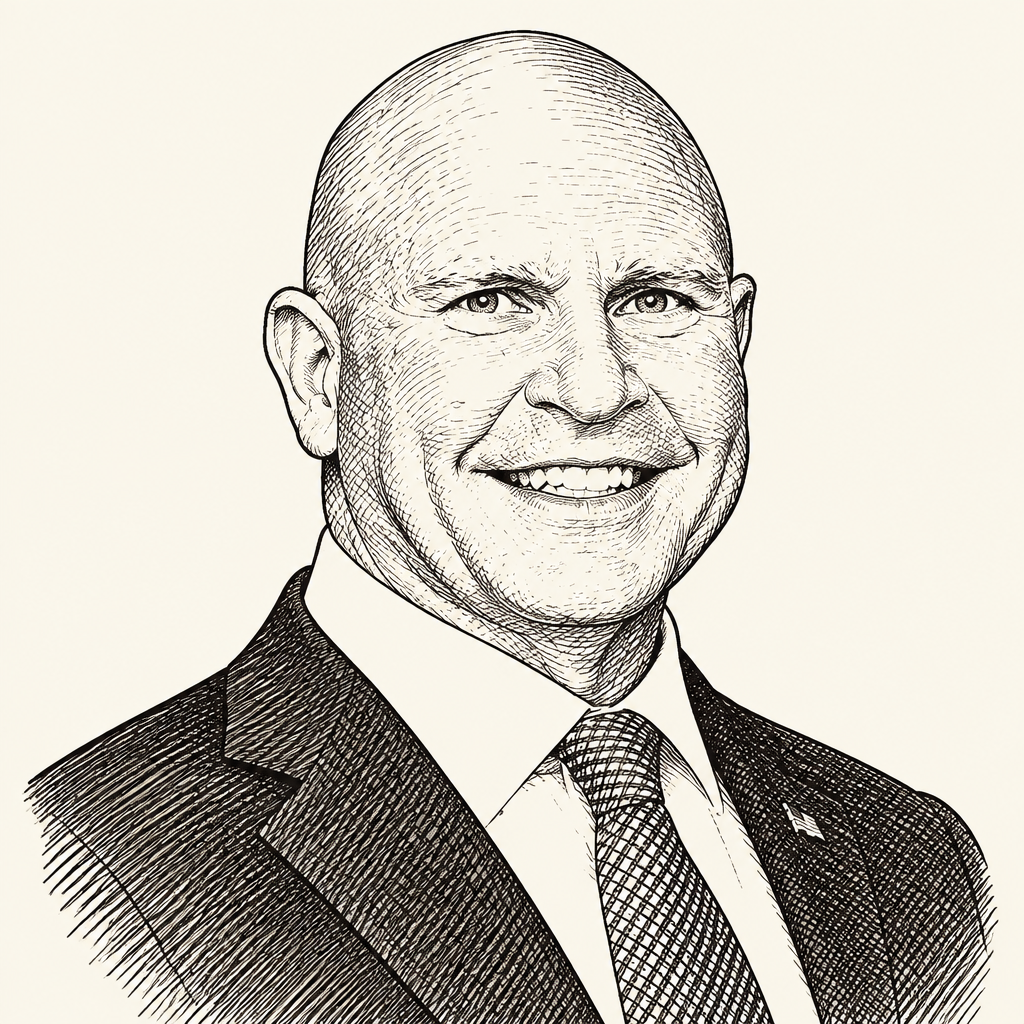
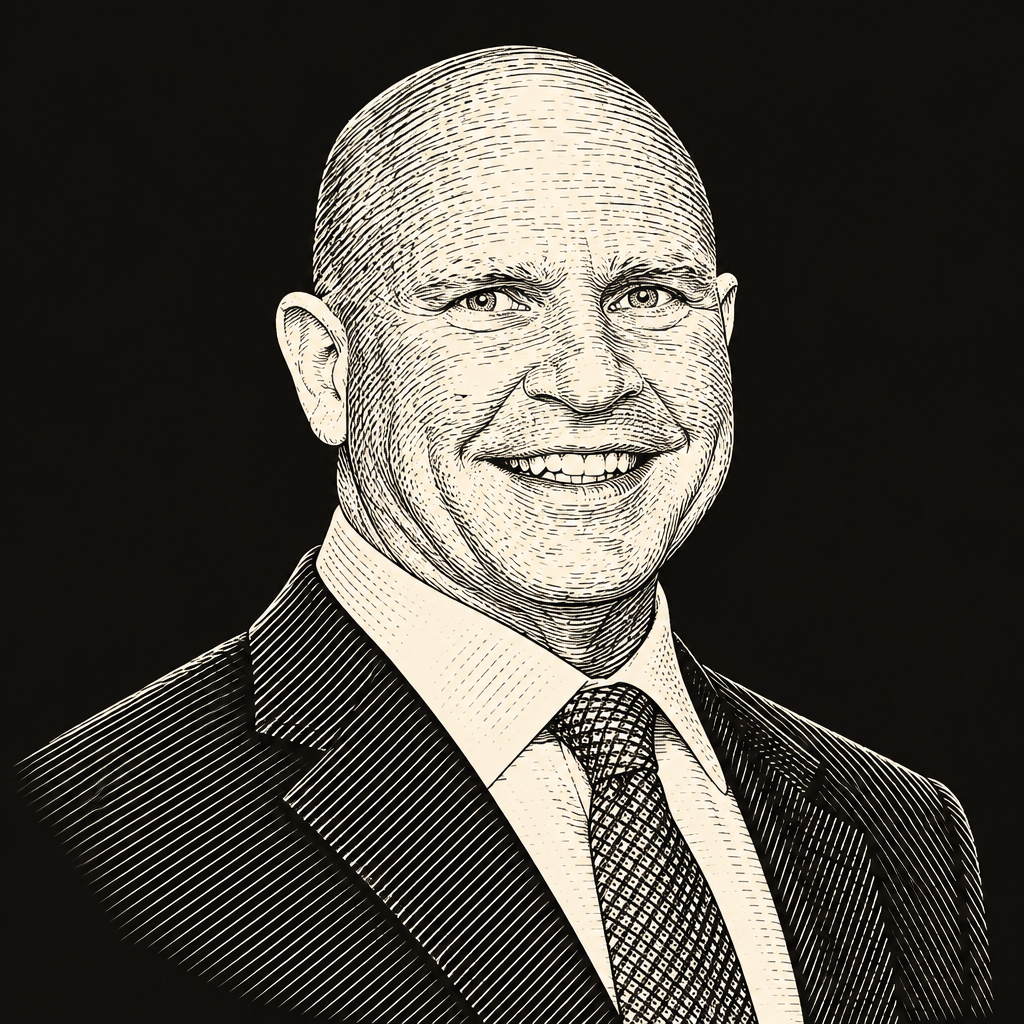
The response raises a tension between countering hostile activity and protecting free expression. McMaster points to Vice President JD Vance’s Munich speech, which accused European leaders of stifling free speech. Étienne rejects the idea that Europeans are less committed to free speech, while acknowledging that European and American legal systems differ. His argument is that legal obligations should apply online as they do offline. Europe has long had rules governing hate speech, he says, and the same rules should apply to online activity.
Étienne points to the EU Digital Services Act, which requires moderation of terrorist, hate and other content that incentivizes violence. He presents it as a way to protect people, not as a measure aimed at American companies or US interests. The United States and Europe have not adopted the same philosophy of regulating online activity, he says, but he expects some convergence over time. Both societies, he argues, are concerned about harms such as the harassment of young girls on Instagram.
McMaster emphasizes public education and awareness: people need to understand the nature of Kremlin campaigns and what they are designed to do. Étienne agrees that online activity can be used to divide societies, while insisting that democracies must protect freedom of expression as they counter hybrid attacks. The source leaves the tension in place rather than resolving it with a single rule: democracies need to resist manipulation without compromising the freedoms they are defending.
The most immediate test of alliance cohesion is Ukraine. Étienne agrees that Russia seeks to divide its opponents. He says Russian authorities have instrumentalized the widespread Russian belief that the West took advantage of Russia in the 1990s, particularly through NATO’s eastward enlargement after the Soviet Union collapsed. Étienne says he lived in Moscow at the time and speaks Russian; he understands the feeling, but distinguishes it from the way Russian authorities use it.
The case for supporting Ukraine, Étienne says, is that Ukrainians must be able to decide their own future rather than be forced to accept a particular regime or international alignment. He also argues that Ukraine is defending European countries and their democracies, invoking the security concerns of Poland, Romania, Finland and the Baltic republics.
A political settlement may eventually need to address questions about Russia’s future security, Étienne says. But he rejects treating the war as symmetrical: Russia began it by invading Ukraine. The first priority, in his view, is to stop the aggression. He wants a ceasefire and security guarantees capable of deterring another invasion, with Europeans involved in finding a solution because their security and peace are directly at stake.
European involvement, he argues, should accompany—not replace—the alliance with the United States. Étienne accepts the US call for Europeans to take more responsibility and says the change should be organized through NATO. The goal is a more capable European pillar within the alliance, allowing Europe to act more autonomously without abandoning the US relationship.
That ambition depends on defense production, not only political commitments. Étienne says European industries need both greater capacity and the ability to adapt to changing warfare. He points to shortages of artillery ammunition as a concern two years earlier and shortages of interceptors, including Patriot missiles, now. He says the consequences can be seen in Ukraine and Saudi Arabia, and notes that the United States has faced shortages despite having a more powerful defense industry.
The war in Ukraine and developments in the Gulf provide lessons, Étienne says, and Europeans should learn alongside Ukrainians. He calls for more resilient supply chains across the Atlantic, with European and American industries both able to respond to changing military needs. More spending alone cannot ensure that allies have the equipment they need; production capacity and reliable supplies matter too.
Industrial dependence and regional partnerships widen the stakes
Étienne describes the EU’s trade deficit with China as growing rapidly. He says it is increasing by one billion euros each day and that no EU member state has a trade surplus with China. Germany is a focal point because of its industrial weight, but companies across Europe are increasingly concerned. The risk, in his account, extends beyond trade balances to the future of the car, chemicals and technology industries.
China has developed export capacity across industrial and technological sectors, Étienne says. McMaster argues that subsidies and overproduction can drive European producers out of business while China restricts access to its domestic market. Étienne compares the pattern with earlier episodes involving solar panels and refined critical materials, where Western countries had abandoned capacity.
European leaders have decided to take safeguard measures to protect threatened industries, Étienne says. He points to a measure concerning imports of Chinese plug-in hybrid cars, which he says China implicitly accepted while refusing to commit voluntarily to restricting its exports. The broader question, he argues, is whether the EU will be strong enough to address the deficit and protect its industrial base.
For Étienne, dependence on China for critical raw materials, rare earths and magnets is a strategic vulnerability shared by the United States, Europe and Japan. He says Europe needs to diversify supplies and cooperate with the United States and other countries facing similar problems. The issue echoes defense production: industrial capacity and resilient supply chains shape how much room allies have to act.
Étienne also argues that European and American governments need to offer African countries competitive terms for development. Russia, he says, has had some success with a different kind of support for regimes seeking protection from coups, building on ties dating back to the Soviet Union. The Western response should not be to assume it already knows best. Étienne’s emphasis is on African ownership: supporting the goals of the African Union and regional organizations, and helping build autonomy, local capacity and value added in African economies.
When Western countries sought African and other Global South support at the United Nations for a resolution condemning Russia’s invasion of Ukraine, Étienne recalls hearing the question, “Where were you when we had our own problems?” He says the response was not entirely fair, since Western countries had tried to help resolve African crises. But he accepts its underlying point: wars in Sudan and in eastern and central Africa have not drawn the same attention from Western governments as Ukraine or the Middle East. A credible partnership, in his view, requires engaging African countries’ security and development needs rather than asking them only to align with Western positions.
France has an additional obstacle in its post-colonial image, particularly in French-speaking countries. Étienne says France has less of that historical weight in English- or Portuguese-speaking countries. He argues for a politically, economically and financially competitive offer, while recognizing how France is perceived.
His concern in the Sahel is the situation of people in Mali, Burkina Faso and Niger, not simply the loss of French or Western influence. Étienne thanks the United States for supporting French forces’ efforts against terrorist movements in the region. He says the area remains fragile and links its insecurity to governance, development, education and health services.
On the Middle East, Étienne declines to offer a single prescription. He argues that the Palestinian question remains central to regional security and says Iran’s government will continue to use it. He supports efforts, including those led by the United States, to implement plans in Gaza, but says they have not yet been fully implemented. He also says Europeans have criticized the Palestinian Authority and have no illusions about it.
Étienne says European countries began negotiations with Iran in 2003 and have consistently opposed Iran acquiring nuclear weapons. France, the United Kingdom and Germany—the E3—remain firmly against proliferation, he says. He also identifies the Houthis and their attacks against Saudi Arabia as a concern, and says European and American governments want to give Syria’s new government a chance despite knowing the background of its leader.
The loss of ISIS’s territorial control is a positive development in Étienne’s account, achieved through US action with European support, but he warns that ISIS or other terrorist movements could return. One possible positive sign, he says, is regional powers working toward regional security arrangements. He points to Turkey, Pakistan, Saudi Arabia and Gulf countries pursuing cooperation around the Strait of Hormuz, which he believes outside governments should support.