Most Sleep Apnea Cases Go Undiagnosed, Especially Among Women

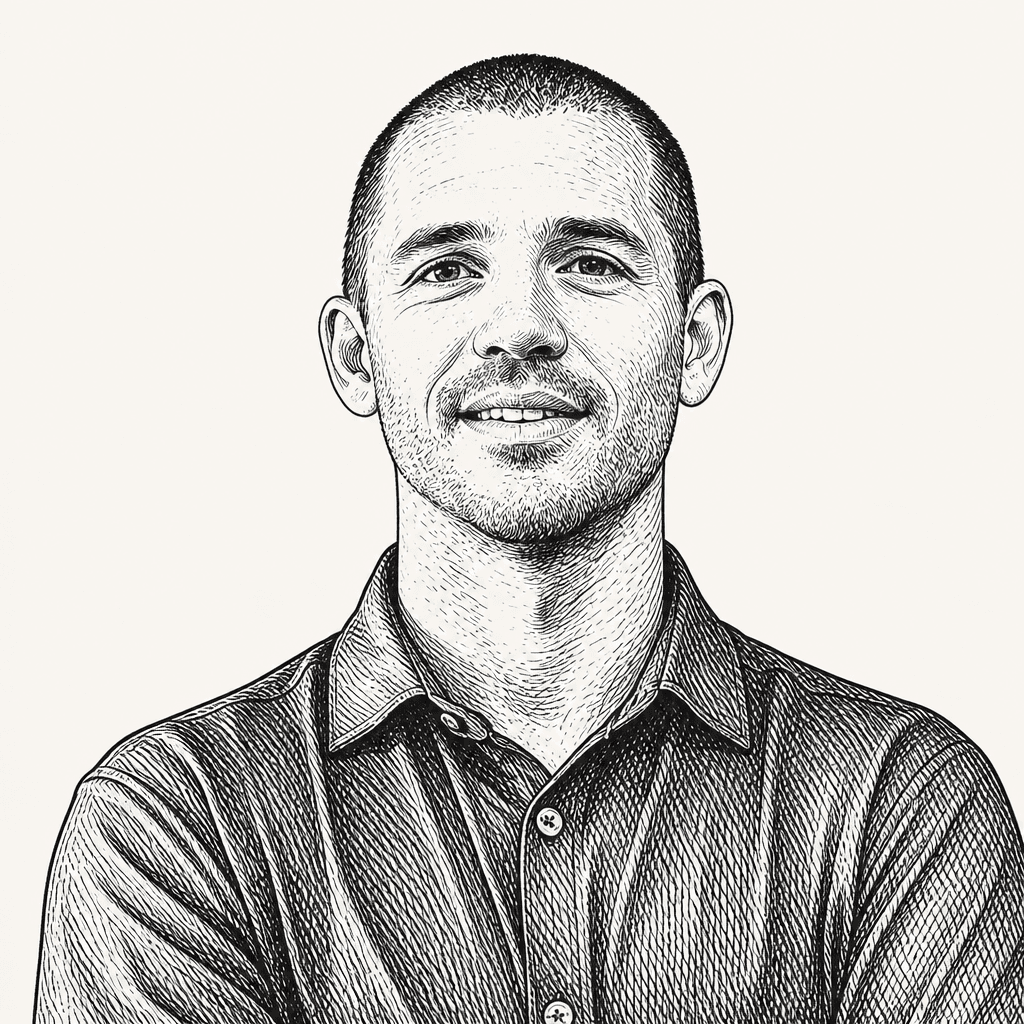
Dr Andy Galpin, professor of kinesiology and executive director of Parker University’s Human Performance Center, argues that persistent poor sleep and fatigue should be treated first as possible medical problems, not failures of optimization. He says roughly a billion people may have sleep apnea and that most cases go undiagnosed, often because people without the stereotypical profile of loud snoring and larger body size mistake symptoms for stress, aging or insomnia. Trackers, supplements and sleep routines can help identify patterns, Galpin says, but they should not delay clinical assessment when a disorder is plausible.
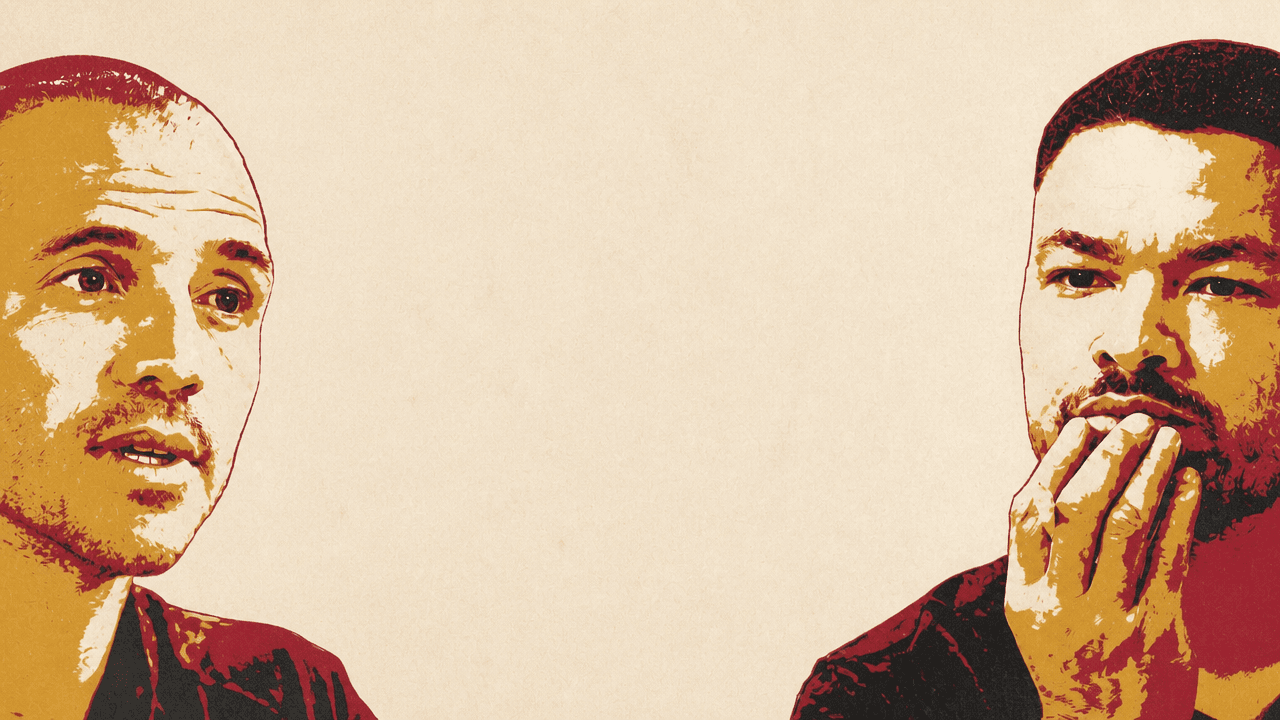
The sleep problem is not optimization. It is undiagnosed disease.
Andy Galpin draws a hard line between performance optimization and medical disease. The former can be useful; the latter should not be treated as a lifestyle project. Sleep is where that distinction is most routinely missed.
He puts the undiagnosed share of clinical sleep apnea at 70% to 80%, rising to roughly 90% to 95% among women with apnea. He also cites estimates of around a billion people globally with apnea, before counting insomnia and other sleep disorders, and says as many as half of athletes may have a clinical sleep disorder.
| Group or measure | Figure cited in the source |
|---|---|
| People with clinical sleep apnea | 70–80% undiagnosed |
| Women with clinical sleep apnea | 90–95% undiagnosed |
| Middle-aged men | 24–34% prevalence of apnea |
| Middle-aged women | 9–17% prevalence of apnea |
| Seniors | 30–60% prevalence of apnea |
| Estimated global population with apnea | About 1 billion people |
Sleep apnea, in Galpin’s shorthand, means stopping breathing during the night. The problem is that it may not cause someone to wake consciously. A person can spend adequate time in bed, believe they sleep acceptably, and still experience what he associates with apnea: impaired cognition, mood regulation, performance, recovery, metabolic health, and longer-term health risk.
Snoring is a useful clue, but not a diagnosis. The common assumption that apnea affects only larger men with thick necks is part of why it gets missed, particularly in women. Women may attribute fatigue, insomnia, headaches, low mood, or disrupted sleep to hormonal shifts, menstrual cycles, parenting demands, cognitive load, menopause, or anxiety. Those explanations may be real, Galpin says, but they do not rule out apnea.
The episode’s clinical note adds an important distinction: women may report fatigue, insomnia, morning headaches, and mood disturbance rather than the stereotypical symptom of loud snoring. Those symptoms can be misattributed to depression, anxiety, menopause, or chronic fatigue instead of a breathing disorder.
The body-composition explanation is also too simple. Obesity and greater body size can be associated with more apnea, but Galpin describes several possible mechanisms: anatomical obstruction, fluid shifting toward the neck when a person lies down, neural causes, environmental influences, and sleeping position. A larger body carries more fluid, he explains, and when someone moves from a vertical to a horizontal position, some of that fluid can shift toward the neck and contribute to airway restriction.
That variety matters because it weakens the case for generic treatment. Traditional options include medication, a CPAP device, and an oral appliance intended to reposition the jaw and neck. Galpin supports all of them in appropriate cases. His objection is to distributing the same intervention simply because patients share the broad label of apnea. The direction of the field, he says, is toward identifying the particular type of apnea and matching treatment to its mechanism. An oral appliance may help one person and be inappropriate for another; some cases may require surgical intervention.
Galpin’s practical distinction is direct: optimization should not take precedence when a medical disease may be present.
That also shapes how he thinks about fatigue. Feeling sleepy in the early afternoon or less focused late in the day is not automatically pathology. High performers can become frightened by normal tiredness: after sustained work, the body should wind down. Nor does Galpin think people over 25 should expect the energy profile of a 20-year-old. The goal is not to normalize frailty or permanent decline, but neither is it to treat every ordinary fluctuation in alertness as a defect.
His starting point is subjective experience: do you wake feeling reasonably good, have workable energy, and function well? If not—or if there are stronger warning signs—he recommends validated screening questionnaires for apnea, insomnia, restless legs syndrome, circadian disruption, and chronotype. These can help someone decide whether to seek further assessment.
The next step can be a wearable or home device, typically in the $100–$600 range, but he treats these as intermediate tools rather than substitutes for clinical assessment. For a suspected genuine sleep disorder, he says an in-lab sleep study remains the appropriate destination in many cases. The process is inconvenient, but he considers it worth pursuing: take the questionnaire result to a clinician and ask about a sleep study.
Modern life supplies light, noise, novelty, and interruption
Andy Galpin attributes worsening sleep partly to an environment that has changed faster than people’s expectations of it. He cites an annual sleep-market spend of roughly $600 billion alongside a reported 60-minute decline in total sleep time over 60 years. Spending more on sleep has not, in his framing, solved the conditions that disrupt it.
The world is physically brighter. Visuals in the source move from a dark rural sky with a visible Milky Way to a city sky in which the stars are obscured. Galpin points to satellite data showing a brighter nighttime world, and to the practical reality of global communication, later business hours, urban living, and light that spills from the ground upward and is reflected back by cloud cover.
A dark bedroom helps, but it is not the whole exposure pattern. Someone walking through a brightly lit city at 10 p.m. has already received substantial light at a time when their body might otherwise be winding down. The point is not merely to buy blackout curtains.
Light earlier in the day, especially in the morning, changes how later light affects the body. Morning light sets the rhythm that governs wakefulness and sleep pressure, Galpin says. That system involves hormonal and neural signals responding not only to light, but also to exercise, food, stimulants, arousal, and other cues. Adequate earlier daylight can partly mitigate the disruptive effect of unavoidable evening light.
Noise is at least as consequential as light, Galpin says, and perhaps more so. The source contrasts a rural noise pattern with an urban one: the rural setting sits around the roughly 35-decibel nighttime target he identifies, while the urban baseline is higher and punctuated by larger spikes.
| Sleep-environment variable | Guidance discussed |
|---|---|
| Nighttime sound | Around 35 decibels as a target |
| White-noise machine | Generally below 40 decibels |
| Bedroom temperature | Generally 64–68°F, with individual variation |
| Children’s sound machines | Often placed too close and set too loudly |
The central issue is not only loudness but unpredictability: a car passing, a dog moving, a creaking window, or an air conditioner turning on can create disruptive changes in sound. White-noise machines can help mask inconsistent low-level sounds, but people often set them too loudly. Galpin is especially cautious about their use around children, whose devices may be both too loud and too close.
Temperature works through the same logic. He generally suggests a cool room, roughly 64–68°F, while stressing individual preference. The aim is not to run the air conditioner at maximum power. A cycling AC unit can itself wake someone through changing sound; dirty filters can circulate dander and particulates, potentially congesting the nose and contributing to hypopneic or apneic events. A fan blowing directly at the face can dry the mouth and prompt nighttime waking.
Mattresses and pillows are less universal. Galpin does not identify a single best mattress type. The relevant question is whether the bedding arrangement creates an actual constraint: overheating, insufficient space, a partner’s movement, discomfort, or poor ventilation. Temperature-regulating mattress covers can be useful for people who overheat; they are not necessary for everyone.
Screens add another kind of disruption. Galpin resists the simplified claim that they ruin sleep only because blue light shines into the eyes. Light matters, especially at the wrong time. But he considers the search for novelty and arousal more important in many cases.
A phone, a game, social media, a podcast, a television program, or a book can all keep a person cognitively engaged. The relevant difference is not necessarily the device; it is what the person is doing with it. Galpin describes his own television viewing as a cognitive off-switch because he chooses minimally engaging material. His wife, he says, may read rather than watch a screen but can still wake because the material is emotionally or intellectually activating.
That is why he does not consider a podcast playing all night an optimal sleep practice, even if it helps someone fall asleep. For a person whose mind races at bedtime, removing the podcast abruptly could make sleep worse in the short term. But the more durable project is to find another way to down-regulate the mind rather than masking the underlying difficulty with continuous cognitive input.
Bartlett connects this problem to recommendation algorithms designed to extend attention. He describes platforms using richer contextual understanding of content to improve retention, potentially including highly personalized material tailored to a particular person at a particular time. Galpin’s response is that the environment is becoming more hostile to self-regulation, not less. The question, he says, is whether the next reel matters more than the health or performance a person will sacrifice the next day.
Novelty seeking, in Galpin’s account, is deeply human rather than simply a willpower failure. People care about records, firsts, dramatic achievements, and unpredictable outcomes because novelty creates meaning as well as stimulation. The same drive that makes people want to witness an unprecedented sporting achievement can make them keep scrolling for the next unexpected reward.
The unpredictability is central. If something rewarding appeared on every scroll, it would become less compelling. The possibility that the valuable item is one more swipe away sustains the behavior. Bartlett says deleting a social app entirely had a noticeably positive effect on his life despite anticipating fear of missing out. Galpin distinguishes passive, unchosen use from work or intentional communication.
Other people can be another source of interruption. People generally sleep less well alongside others, Galpin says, even if a full “sleep divorce” is impractical or undesirable. Separate sheets, a larger or less motion-transferring bed, a pillow barrier, earplugs, and arrangements that reduce movement and noise can all help.
Travel introduces what he calls the first-night effect: an unfamiliar room lacks the sound, light, smell, temperature, feel, and timing cues that ordinarily signal safety and sleep. For frequent travelers, the practical response is to make the sleep environment away from home resemble the familiar one. A personal pillow, a repeated scent such as lavender, and other stable sensory cues can reduce the disruption. None of these is intended to knock someone out; the purpose is to stack small advantages.
The aim is sleep resilience, with tools used carefully
Andy Galpin is wary of turning sleep into another source of health anxiety. A person should know how to produce a good night of sleep, he says, but the end state should be resilience: the ability to have an imperfect night, perform the next day, and return to normal rather than needing a fragile, elaborate ritual.
The available interventions are real, but they are not equally consequential and should not obscure medical issues. Galpin points to evidence for chamomile, tart cherry juice, magnesium, omega-3s, kiwifruit, and melatonin. Studies discussed in the source gave participants two to three kiwis before bed and found improved sleep, though he ranks kiwifruit below the better-established options. Magnesium bisglycinate is his preferred form among the magnesium options discussed.
These aids can work partly as cognitive turn-offs: they reduce arousal or help move someone away from active thought. That means they may substitute for a bedtime podcast, but they should not become a way to avoid investigating why sleep is difficult.
Melatonin deserves particular caution because it is a hormone and, in Galpin’s words, has more evidence behind it than the other products combined precisely because it is closer to medicine. He says common doses of 5–10 milligrams are far higher than the doses he typically uses. His usual range is about 0.3–0.5 milligrams, principally for circadian realignment during travel or jet lag.
Melatonin is not simply a sedative to take whenever someone cannot sleep. It acts as a timing signal: it tells the body’s internal system that it is nighttime, shifting a cascade involving cortisol, epinephrine, norepinephrine, serotonin, and other signals. Taking it in the middle of a night when one is already in the intended circadian phase is, in Galpin’s view, not useful. Nor should it usually become a permanent nightly dependency.
He also raises quality-control concerns. Studies comparing labeled and actual melatonin content, he says, have found products containing amounts up to 100 times greater than their labels. In his own morning urine testing, Galpin says he has seen people whose melatonin remains extraordinarily elevated the following day. They feel groggy, experience pronounced sleep inertia, and then turn to stimulants to function—creating a cycle of sedating at night and stimulating by day.
His supplement rule is not that people need supplements. They do not, he says. But those who choose them should use companies that provide transparent third-party testing. The same logic applies to vitamin D and other products with inconsistent labeling.
Caffeine illustrates his broader claim that there are no free passes in physiology. It can improve physical and cognitive performance and is particularly effective as an ergogenic aid for endurance. It can also offset some of the performance decline caused by sleep deprivation. But it does not recreate the performance level of a well-rested, caffeinated person. Someone who is sleep-deprived and uses caffeine may feel normal, Galpin says, without actually performing at the same level.
Wearables can support this resilience-oriented approach if they are used as pattern-finding tools rather than diagnostic authorities. Galpin uses them extensively. They are useful for awareness, accountability, and relatively basic measures such as total sleep time. They are much less reliable, he says, for claims about deep sleep, REM sleep, composite sleep quality, or an all-in-one sleep score.
The risk is that people defer to the device over their own experience. If someone wakes feeling terrible and the wearable reports poor sleep, it may be tempting to treat the score as proof of cause and effect. Galpin reverses the priority: the person felt worse first. The useful next move is to look back at behavior and context—late food, excessive heat, stress, unusual exercise timing—and test a change.
His preferred use is identifying large, individual patterns over time. He describes one client for whom 1,200 days of Oura data showed a relationship between resting heart rate and sleep duration: for every one-beat-per-minute drop in resting heart rate, the client gained about six minutes of sleep. Lowering resting heart rate through cardiovascular fitness and down-regulation before bed became a focused target. The client did not need to chase every metric. He needed to arrive at bedtime physiologically calmer.
The method is a self-experiment conducted one variable at a time. Trackers and subjective experience can reveal patterns, but they do not themselves explain causality. Test room temperature; then test exercise timing; then food timing, partner disturbance, or light sensitivity. The wearable can help show what happened. It cannot tell a person why it happened.
Energy management begins by finding the constraint
Andy Galpin says energy is probably the most common reason people seek help. They describe being tired all day, unable to sustain physical or cognitive output, slower to recover, or less able to work the hours they once could. He does not reduce this entirely to mitochondria, though he accepts that mitochondria are central to aerobic energy production.
What distinguishes elite performers, in his framework, is not that they always work harder. It is that they manage energy better. That includes cellular capacity, but also choices about work, relationships, time, and attention. High performers identify where 80% of their energy is going for only 20% of their return, then remove or alter that commitment.
The mistake is additive optimization: zone-two training, journaling, supplements, meditation, a new diet, and more routines layered into an already full day. Galpin generally gives clients only one or two “active movements” per week—changes they must consciously remember to make. The rest should either already be habitual or be stripped away.
Possible constraints include sleep disorders, pain, under-fueling, excessive stimulant use, insufficient daylight, relationship stress, overwork, lack of exercise, and hidden exposures. He divides these into visible and hidden stressors.
A visible stressor might be not exercising. A hidden one might be under-eating relative to one’s demands, an undiagnosed pathogen, poor air quality, or chronic inflammation. Galpin describes a Major League Baseball player with profound fatigue and poor performance despite being an elite athlete. Testing of his blood, bedroom, eyes, and other indicators pointed to significant mold exposure. Removing the exposure was a major part of restoring his energy.
The practical message is not to assume that more discipline is always the answer. First identify the actual bottleneck. A person sleeping adequately but eating too little for the physical and cognitive demands they impose on themselves is under-fueled. Someone using stimulants to get through a day after poor sleep may be caught in a self-reinforcing cycle. If pain is the constraint, he says, the first project may simply be to understand the painful knee rather than to add five new habits.
Exercise remains a major source of energy adaptation. It can increase mitochondrial quantity, size, and health; increase blood volume; and improve oxygen delivery through more red blood cells. Galpin describes this through the SAID principle: specific adaptation to imposed demand. A system adapts to the stress it repeatedly encounters.
The implication is broad. Exercise need not mean a gym program. Walking, gardening, skateboarding, pickleball, climbing, lifting, carrying, or vocational physical activity can all create useful adaptation if they challenge the relevant system. The same logic applies cognitively. Writing is exhausting for an unpracticed person and routine for a writer who has built capacity through repetition.
Avoidance creates the opposite spiral. If stairs feel like a maximal-effort test, a person avoids stairs; then becomes less able to climb them; then avoids them more. Bartlett describes the same pattern around pain and aging: avoiding bending because of back discomfort can accelerate the loss of the capacity to bend.
Galpin accepts that some capacities decline with age, including sleep duration to some degree. But he argues against treating age as a reason to surrender function. His preferred target is not merely lifespan or health span, but “performance span”: preserving the cognitive and physical capacity to do demanding, meaningful things for as long as possible.
Measure and train without turning every number into a mandate
Andy Galpin treats blood work, performance tests, and training data as tools for identifying constraints, not as reasons to optimize every measurable trait.
Blood markers are secondary measures meant to estimate a more important outcome. Cholesterol markers, for example, are used in part to assess cardiovascular risk; they are not the risk itself. Galpin makes that point through Bartlett’s own results, which showed elevated cholesterol-related markers despite his being lean and active. Bartlett also reported a family history of heart disease and a period of frequent ketogenic dieting built around foods high in saturated fat.
Galpin does not infer that ketogenic diets are categorically unsafe. Cholesterol patterns can have dietary, lifestyle, and familial causes. But if a baseline test, a dietary shift toward more saturated fat, and a later increase in markers line up in one person, he would treat that as meaningful for that individual. Family history would make the case for medical follow-up stronger.
The broader lesson is that data require context and, where appropriate, clinical assessment. A thickened left ventricular wall, for example, may reflect healthy exercise-induced cardiac remodeling rather than pathology. The concern would be blockage or plaque, not muscular adaptation alone. Galpin’s position is neither to ignore an abnormal marker nor to make it a source of panic.
Lifestyle changes can matter without rendering medicine unnecessary. He describes a client whose total cholesterol fell from 347 to 223 after increasing fiber and reducing stress, then to 163 after the client’s medical team added a statin. The client did not need to choose between behavioral change and medical treatment.
| Measure | Initial | After lifestyle work | After medication |
|---|---|---|---|
| Total cholesterol | 347 | 223 | 163 |
| C-reactive protein | 2 | 0.2 | Not specified |
The same restraint applies to physical markers. Galpin pushes back on the claim that grip strength is the single best predictor of longevity. Low grip strength can be a useful crude screen, especially where little other information is available. But a high score in a young, active person often reveals little new, and maximizing grip strength is not a health strategy. It reflects both localized strength and the nervous system’s capacity to recruit and coordinate force.
He makes a similar distinction about muscle power: force multiplied by velocity. The capacity to produce force quickly matters for catching oneself during a fall, moving rapidly, and preserving function with age. But no single number captures a person’s whole health.
Training works when it is purposeful and progressive, not when it is maximal or endlessly elaborate. Frequency can create more opportunities for adaptation, but it is not a universal answer. For muscle growth, weekly training volume matters more than how many gym visits distribute that volume. Rest periods matter insofar as too little rest reduces the quality of later sets, compromising load, repetitions, or total work.
Galpin’s practical priority is quality: technique, range of motion, intent, and the ability to control the target muscle. Better repetitions can produce more return from less total work while reducing injury risk. He is particularly concerned that people who already train three times a week may hear more technical advice as proof that they are “doing it wrong.” They are not. Consistent training is already a meaningful win; refinements come after the habit exists.
When progress stalls, his first question is whether there is a program at all. “Winging it” is often the reason. The plan does not need to be perfect, but it needs to permit progressive overload: more repetitions, more sets, greater load, greater range of motion, or another gradual increase in demand. Repeating the same stair-machine setting for months gives the body little reason to adapt further.
AI can provide a reasonable beginner program, Galpin says, especially for someone with clear constraints and no current routine. It can generate basic principles such as progressive overload, varied rep ranges, adequate rest, and a multiweek plan. But it cannot replace the part of coaching that makes information usable: accountability, trust, emotional support, practical adjustment, and experience with real people.
The same logic runs through fat loss. Galpin rejects the search for a single food, diet, or training modality that unlocks the result. Fat loss is conceptually simple but behaviorally difficult. Some people do better with exact rules and weighed portions; others do better with a few clear concepts, such as a dedicated protein source and vegetables at each meal.
Even for people who prefer concepts, he recommends a short period of measuring food. The objective is calibration, not permanent obsession. In his graduate-student diet recalls, people routinely ate more fat and carbohydrate than they assumed and less protein than they believed. Knowing what is actually in familiar meals makes later intuitive decisions more informed.
Exercise supports fat loss but does not grant unlimited permission to eat. Machines may overestimate calories burned, and the body can compensate for exercise-induced calorie expenditure by lowering expenditure elsewhere. Still, Galpin says people who exercise during weight loss tend to keep fat off more successfully over the following weeks and years.
His advice remains consistent across these examples: do not optimize every proxy. Use data to identify a meaningful problem, choose a plan that fits the person, and track whether the plan changes the outcome that actually matters.
Change begins when the problem becomes personal
Andy Galpin does not offer a universal catalyst for behavior change. Rock bottom can prompt change, but it does not reliably do so. The threat of death alone plainly does not explain behavior, he says; people already know the risks associated with smoking, alcohol, obesity, and distracted driving.
What often changes behavior is proximity. A parent’s heart attack, a friend’s death, a peer’s diagnosis, becoming a parent, turning 40 or 50, retirement, or selling a company can turn abstract knowledge into an immediate personal question. Galpin says the post-exit period is especially common among founders: the company had justified years of self-neglect, and then the absence of that project leaves health as both an exposed liability and a new source of purpose.
Objective personal data can have a similar effect. He describes an athlete who believed he was fast until force-plate data showed others performing at a similar level. Seeing the gap produced immediate buy-in. Bartlett makes the same point about his own blood work: abnormal values become emotionally different when they are one’s own rather than a hypothetical client’s.
But Galpin also cautions against defining success too narrowly. A goal such as going to the gym every day is designed to fail because travel, illness, work, and ordinary life will eventually interrupt it. Missing one day can then become proof, in the person’s mind, that the whole effort has collapsed.
The deeper error may be aiming at the wrong target. A person who wants to lose 25 pounds may treat that number as the only meaningful outcome. Galpin asks whether it would really be failure to lose 12 pounds while eliminating shoulder pain, restoring energy, and resolving longstanding digestive problems. If the answer is no, then the original definition of success was incomplete.
Similarly, people often frame fat loss as the prerequisite for health when the more useful sequence may be the reverse: improve health constraints first, and fat loss may become easier. The task is to find what is actually in the way, rather than reflexively prescribing more restriction and more exercise.