Shawn Ryan Says Family and Faith Now Set Limits on His Ambition
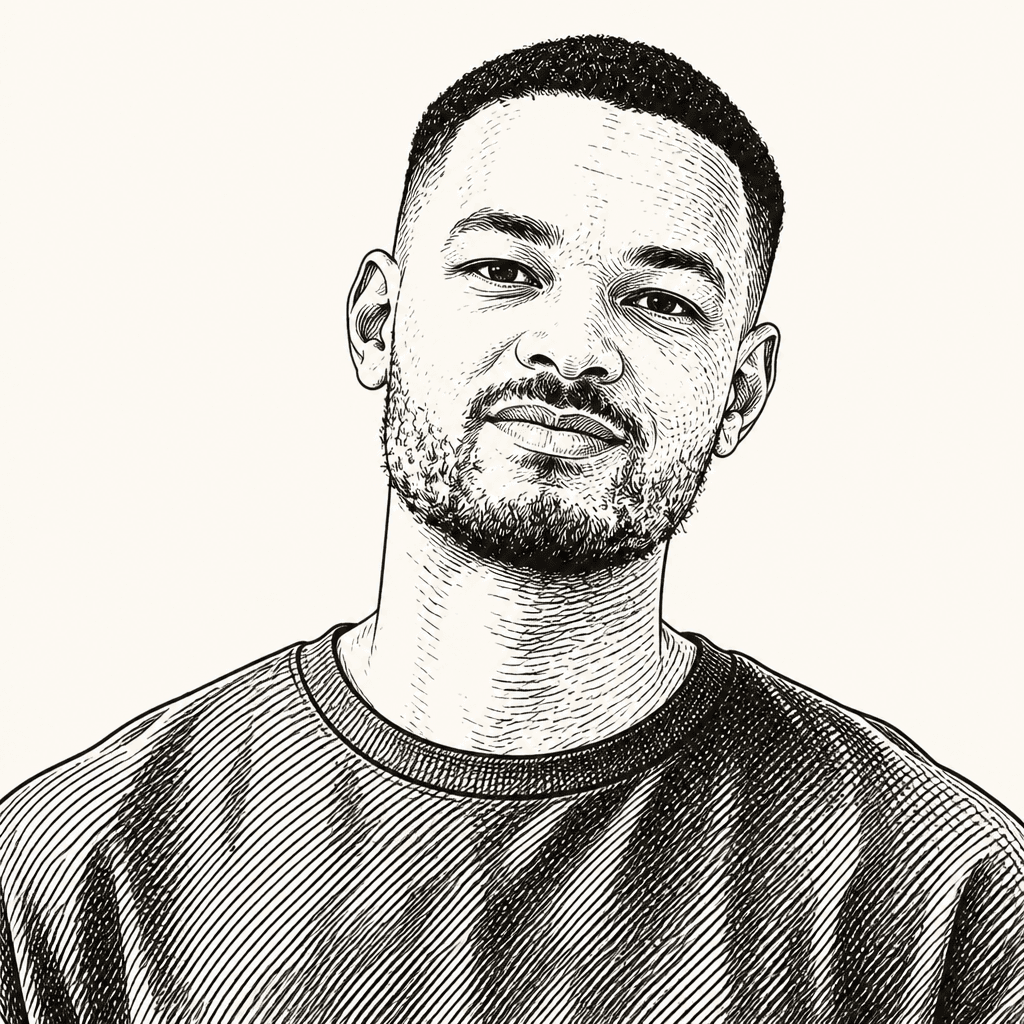
Former Navy SEAL and podcast host Shawn Ryan says the pursuit of intensity that shaped his military and contracting careers continued after he left service, drawing him into drugs and dangerous situations. In an interview with Steven Bartlett, Ryan describes how therapy, psychedelic treatments and a turn toward Catholicism changed his life, while acknowledging that he cannot establish what caused the frightening experiences he interprets as spiritual oppression. He argues that personal alignment also means turning down money and opportunities—and limiting work—to protect his independence and time with his family.
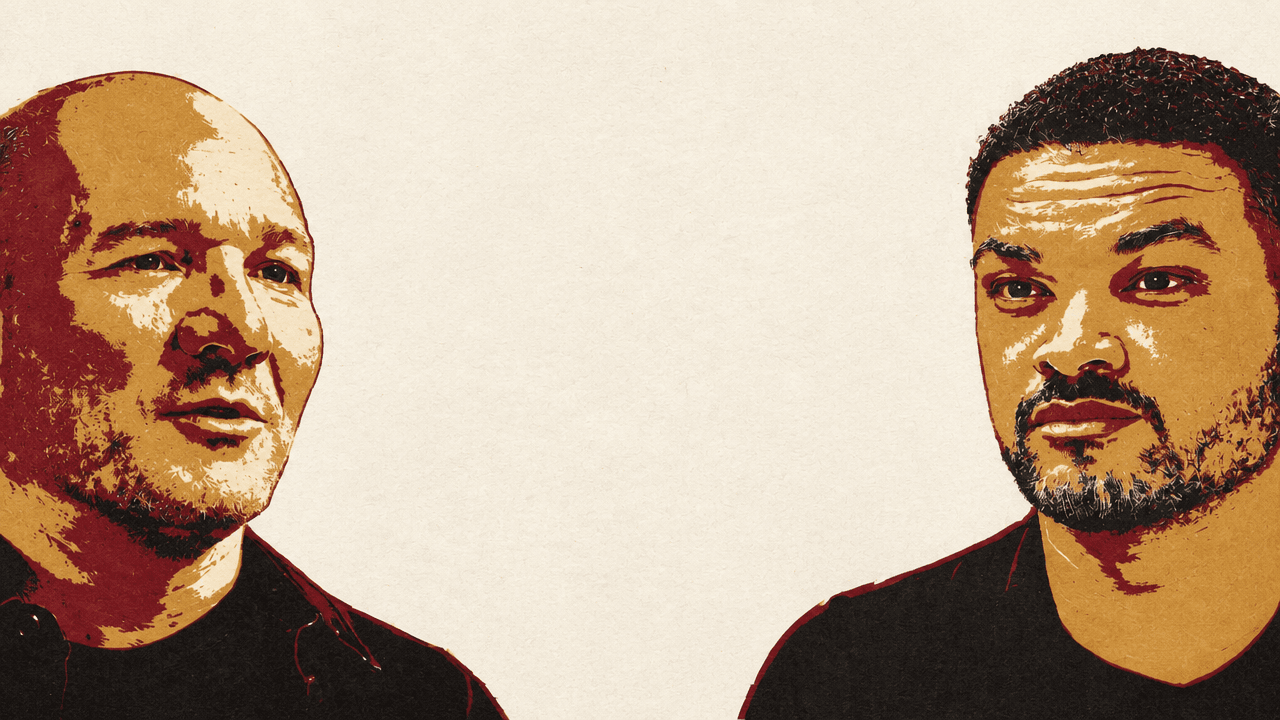
The pursuit of intensity followed Ryan out of the military
Shawn Ryan enlisted in the Navy at 17, went straight into the SEAL program and served with SEAL Team 8 for five and a half years. After leaving the Navy, he tried real estate, then became a government contractor, eventually working directly for the CIA. Later, he built a large podcast. The jobs were different; Ryan describes one appetite running through them: pressure, risk and intensity. He also describes the cost of trying to live without them.
Becoming a SEAL took years. Ryan spent about nine months in Basic Underwater Demolition/SEAL training after being rolled back, then went through jump school and SEAL Qualification Training. After receiving his Trident, he trained with his team for another year to a year and a half before he had the opportunity to deploy. The training covered diving, parachuting, land warfare, demolition and small-unit tactics, across environments including desert, winter and jungle.
His early deployments exposed him to different kinds of disorder. In Haiti in 2004, after Jean-Bertrand Aristide was removed from power, Ryan saw poverty on a scale he had not encountered before. He described sewage running through streets, prisoners who had escaped, dead bodies in the water, bullet holes and cars on fire. It was his first experience of that kind of chaos, he said, though later deployments would be more intense.
Ryan arrived in Afghanistan several months after Operation Red Wings, the mission in which a SEAL sniper element was compromised and ambushed. He described the element’s position on a mountain, where it was watching a town containing a high-value target. A goat herder saw the team and told people in the town, Ryan said; the element was ambushed, helicopters went down, and one person survived. Ryan’s team arrived in late September or early October, he believed. It conducted operations and took prisoners, but mostly found “dry holes.” He later went to Iraq.
Ryan said he had expected more combat in Afghanistan: direct-action missions, close-quarters battle and sniper work. Those opportunities were scarce. In Iraq, his platoon attached to conventional units facing roadside bombs and suicide bombers. The SEALs trained those units in surveillance, mission planning, setting up sniper positions, inserting and extracting teams, and coordinating operations. They then went out with the units to hunt the people attacking them. Ryan said they often killed attackers within a day of arriving, then moved on to another unit. That was his last deployment.
The experience changed his sense of what a person could accomplish under stress. His personal drive, he said, “goes through the roof,” as does his ability to work in extreme stress. But he also described a cost that followed him out of the teams: a pull toward the same environments and the culture around them, including drinking and fighting. “You get addicted to adrenaline,” he said.
After leaving the Navy, Ryan tried to become a real estate agent. A book by Donald Trump, How to Get Rich, had encouraged him to become an entrepreneur. He said the attempt failed miserably. He then looked into government contracting, took a small State Department job and moved through several companies before working directly for the CIA.
When contracting ended, Ryan moved to Colombia. He said he was bored in the United States: going to a bar held no appeal, and he did not want to hear people discuss the war when they had not experienced it. He wanted to be away from English and from other people’s opinions. In Colombia, he said, the search for a rush became a game of access and risk.
Ryan acknowledged becoming involved in drug networks, while distinguishing that from dealing drugs himself. What gave him a rush, he said, was setting up the network, finding out who the players were, moving up the chain and inserting himself into the middle of it. In retrospect, he called the period probably the most dangerous thing he had done. He said he did not value his own life much at the time, though he did not describe himself as suicidal. He thought that if the danger stopped being exciting, he might die there.
One episode in Medellín brought the danger close. During a cocaine binge that may have lasted three to five days, Ryan went to a neighborhood where, he said, it was difficult to enter without passing several police checkpoints. He had previously gone there to find out who was connected to whom in the drug trade. On one visit, he went to a bridge with a large amount of cash and threw it into a crowd. Hundreds of people rushed toward the money. Ryan and his companions nearly failed to get away.
He returned to his building and initially thought a trusted doorman was lying when he said police were looking for him. The doorman said officers had asked for Ryan’s passport and information about his work, and had photographs of him throwing money at the bridge. He also said they had placed a bug in the light fixture outside Ryan’s door and set up an observation point in a building across the street. Ryan cleared out drugs and other possessions, tried to work out whether he was being watched, and took a surveillance-detection route through several internet cafés. He bought tickets to different destinations and left within 12 hours. He never returned.
The close call did not end the pattern. Ryan said he cut back on cocaine but continued to seek danger elsewhere, including trips to Panama, Costa Rica and Honduras. He went to San Pedro Sula, which he described as the most dangerous place on the planet at the time, because he wanted to feed his adrenaline. Leaving Colombia did not immediately give him a stable life; he continued looking for a stronger experience.
Recovery began when Ryan had to model it for someone else
Ryan named several turning points in his effort to change his life. One came when a close friend was leaving contracting and struggling with opioid addiction. Ryan wanted to help him get clean, and saw that doing so required cleaning himself up as well.
“He became my purpose,” Ryan said. He began therapy partly to set an example for his friend: if he was asking his friend to seek help, he had to do it too.
Going to therapy was a blow to his ego. He also did not have much of a social circle where he lived in Florida; most of his friends were still operational, and he had few friends nearby. He tried therapy because he needed something and had little else to lose. It helped, he said, because talking through a problem with someone who listens and asks a few questions can allow a person to work it out for themselves. He also valued having someone who could hold him accountable.
The danger had felt immediate in Colombia. Ryan recalled a friend warning him that, when using cocaine, a person should worry when things begin to slow down. On one Mother’s Day, he thought he might be close to an overdose and called his mother because he believed it could be his last day alive. He described the call as a realization point, though it did not by itself end his drug use.
Later, after he had started his podcast, Ryan sought ibogaine for a different reason. His son was six months old, and Ryan said his thoughts were consumed by the business. He wanted help slowing his mind so he could be present with his wife and child. He was also trying to sort through the demands of a growing show: whether every opportunity was worth taking, whether turning one down would be foolish, and how to manage the stress of business.
Ryan said his first ibogaine experience changed his relationship with substances. He had already stopped using cocaine and drinking hard alcohol, but still sometimes took sleep medication and Adderall. After the treatment, he said, he had no interest in drinking again and stopped the medications without difficulty. He also found it easier to be present with his family. At the time of the interview, he said he had not had a drink in more than four years and no longer took sleeping medication or Adderall.
That first experience was not the end of his psychedelic use. Ryan said he had taken ibogaine twice, psilocybin several times and 5-MeO-DMT several times. He described some psychedelic experiences as helpful in thinking through complicated decisions. During one, he said, he might see the possible motivations behind a business proposal or imagine what could happen if he accepted or declined it. He said similar experiences had helped him think about family, relationships and friendships.
But he had also taken seriously the possibility that psychedelics exposed a person to a spiritual realm people did not understand. He had prepared carefully for earlier experiences, then became less cautious after seeing other people use psychedelics more casually. His faith journey was also becoming more important to him, and he said he prayed before and during those experiences.
His second ibogaine treatment, about three months before the interview, was different. Ryan said the treatment center gave participants 5-MeO-DMT the day after ibogaine. He described the experience as an hour and a half or so of total emptiness, fear and anxiety. He did not see flames or a visible place. He felt no presence of God or Christ, and experienced the period as if it lasted for eternity.
Ryan called it the most frightening experience of his life. He said his body contorted in ways he could not imagine a human body moving. A friend who had accompanied him later told him he had heard Ryan and feared he might be hurting someone. The friend, a Marine special-operations veteran, said he had never seen a person’s body move that way. Ryan said he did not want to speak with anyone for weeks afterward, apart from his wife, a spiritual mentor and priests.
Ryan believes psychedelics can open a person to a spiritual realm that may be dangerous, and said the experience felt like trying to get something out of him. He said the psychedelic experience seemed to be the trigger point for what followed, though he did not know for certain that it was the cause.
His account holds two claims in tension: psychedelic experiences had sometimes helped him, and he now believes they may involve risks he did not fully understand. He had been a proponent of the psychedelic community and the good he believed the treatments could do. He also said people reacted angrily when he described a negative experience. His stated aim was to make room for both sides, leaving people to make their own decisions.
Ryan interprets the aftermath through faith, while leaving its cause uncertain
Ryan said the experience changed his life and that the months afterward had been “dark.” He reported nightmares, coincidences and other events he considers supernatural. He said the events drew him closer to Christ and back toward Catholicism, which he had left after growing up Catholic.
One sequence took place while he was staying at his in-laws’ house in Maine. Ryan said he was having recurring nightmares about harm coming to his family. In one dream, a bishop he had never met sent him sexual messages. He woke angry at the Catholic Church and wondered whether he wanted to remain involved with it.
Priests had put him on a routine of prayers at set times each day, Ryan said. He began the routine after waking from the dream. While saying the Prayer to Saint Michael, he said, a picture frame flew off the wall. Later, he went to Mass with a spiritual mentor. Ryan said that after receiving Communion, his face felt hot and appeared red, and the veins in his forehead seemed to stand out. He thought he might be having an allergic reaction, though he said it happened within seconds. He described these events as part of a pattern that had continued for three months.
Ryan said he had undergone several exorcisms with two priests who were also spiritual mentors. He distinguished what he understood as possession—when someone is not in control of their body and mind—from oppression, in which events around a person are understood as spiritual attacks. He said oppression might affect health, finances, family or faith while the person remained in control of their mind and body. The priests he had spoken to believed his case was oppression, not possession.
He described the exorcisms as a series of prayers, some in Latin and some in English. The priests, he said, tried different prayers and watched for reactions to particular parts, which they used to narrow down what they thought was happening. Ryan said he was still in the process and did not know how long it would continue.
The uncertainty extended into family life. Ryan wondered what his wife thought when she went to bed beside him, whether she feared he was losing control, and whether the experience would ever end. He said it had been rough for his family, but that his wife had stayed with him and had witnessed some of the events.
Ryan said other military veterans contacted him after he spoke about his experience. Some, including SEALs, special-forces personnel and Delta operators, told him they had been through something similar and thought they were the only ones. He said he might be the only one willing to describe it publicly. He knew that listeners could dismiss his account, but said he did not particularly care what people thought of him.
His Christian faith had developed over time, including through interviews on his own show. Guests spoke about faith, and he became interested in their experiences while remaining uncertain about his own beliefs. Ryan believed he was baptized on Easter in 2024. At the time of the interview, he had read about half of the Bible, he said, but understood only a small portion of it.
He wanted to begin a series examining every book of the Bible, a project he expected could take several years. Ryan said supernatural events happened the night before he interviewed Cardinal Burke, a senior Catholic figure. He took the timing as a sign that he was supposed to do the series. He described what was happening as a battle over his soul, and said the prayer routine was meant to release oppression. He did not know when the process would be over; he had been told he would know when it was.
The distinction matters to his account: Ryan presents the spiritual explanation as what he believes, not as something he can establish for an audience. He said he did not know for certain that psychedelics caused the events, even though the treatment seemed to him to mark their beginning. His confidence is in the meaning he has drawn from them and in the religious practice he has chosen in response.
Credibility depends on knowing what not to publish
Ryan described several interviews he chose not to release, drawing a distinction between making an error and knowingly publishing something he thought might be false for the sake of views. He said he had published misinformation unknowingly before and corrected the record publicly. But with an audience of millions, he did not want to knowingly give people a claim that could shape consequential decisions.
In one interview, a guest made what Ryan initially found to be a compelling case that a COVID-19 vaccine had been patented before the pandemic. Afterward, Ryan noticed that the guest repeatedly moved between talking about COVID and talking about SARS. The distinction made him question whether the argument supported the conclusion the guest was drawing.
The distinction Ryan noticed was between a SARS vaccine and a COVID-19 vaccine. A community note shown during the interview also distinguished the two: it said SARS vaccines targeted SARS-CoV-1, while COVID-19 vaccines target SARS-CoV-2. Ryan decided not to release the interview because he did not want someone in his audience to make a medical decision on the basis of a claim he could not trust. He said he had taken the vaccine and regretted it, but that did not make him willing to publish an argument he doubted.
In another interview, Ryan said, a guest presented himself as an expert on the World Economic Forum but could not explain what it was when asked whether it was a business or a nonprofit. The guest then moved into conspiracy claims. Ryan ended the interview, telling him that if he could not explain the organization, he had no business discussing it on the show.
A third interview involved a woman who said she had worked for the CIA. Ryan said she did not discuss the agency work he asked about and focused instead on polygraphs. He wondered whether she had researched polygraphs to sound credible, then ended the interview. He said he would not release it.
The particulars differ, but Ryan’s threshold was whether he trusted the guest’s account enough to publish it. In the vaccine interview, the guest’s changing terminology was what made him stop. In the World Economic Forum interview, the guest could not answer a basic question about the subject. In the CIA interview, Ryan felt the guest’s emphasis did not match the account she had offered. “I don’t want to knowingly put things that are bullshit out there,” he said. “Not just for views.”
That standard sits alongside a more speculative concern about how guests and hosts can be drawn into political narratives. Ryan said he had no proof of a coordinated effort to plant guests on podcasts, but believed that some guests—and possibly hosts—could be part of one without knowing it. He described guests who appeared to come from nowhere and quickly gained traction by speaking about current events. A long interview, he suggested, might serve a narrower purpose: one sentence that the guest hoped would be clipped and circulated.
He gave the example of Blerim Skoro, whom he described as a former informant recruited from prison to infiltrate terrorist networks. During their interview, Skoro unexpectedly spoke about Russians getting nuclear weapons into the United States. Ryan said the claim felt out of place in a discussion of Skoro’s work infiltrating terrorist groups, and challenged him on air: how could Ryan know that the guest had not been sent specifically to put that sentence into the show? Ryan said he did not know whether Skoro was an asset. His point was that a long, apparently coherent interview could contain a single line intended to make a separate point.
Ryan also said he found it odd that his show did not appear in YouTube’s “popular podcasts” section, despite what he described as 150 to 200 million monthly views and a high position on Spotify. The screenshot shown during the discussion displayed The Shawn Ryan Show at number five, below Kill Tony and above Good Mythical Morning. That image establishes a displayed ranking on the list shown; it does not establish why the show did not appear in YouTube’s popular-podcast section. Ryan said he had a good relationship with YouTube and was not complaining about the platform. He found the absence difficult to explain and speculated that platform employees might be working on behalf of intelligence agencies, while saying he did not know whether the companies themselves were aware.
Ryan’s concern about proximity to political power followed the same question of appearance and independence. He said public figures could be made to look captured by photographs at White House events, football games or other public gatherings, even without making a formal commitment. He said he had turned down such invitations because he did not want to be portrayed as belonging to a political team.
His own political position had changed. Ryan said he wanted Donald Trump to win, though he did not describe that as an official endorsement. He had tried to book Kamala Harris before the election and said her team had discussed an outline with him, but objected to some of the topics. Ryan offered to let the team choose the subjects; the appearance did not happen. He said Trump had no guidelines for his interview. Ryan later said he was unhappy with Trump’s actions and believed he had gone against what he had promised.
On Iran, Ryan said he saw no positive outcome for the United States and did not understand the rationale for the conflict. He said former military colleagues believed the deployment served another country’s interests and that he thought Israel had the greatest interest. He said he did not know the reason for the war. He also said he had grown disillusioned with politicians from both parties and saw them as increasingly alike.
Ryan’s wider concern was that the United States could lose its position as a superpower. He pointed to China’s power and to what he saw as inconsistent American treatment of allies, including Canada. He described the sequence as Canada wanting to build a pipeline, the Biden administration rejecting it, and Canada then pursuing arrangements with other countries before facing escalating tariffs under Trump. He argued that allies need a dependable partner and that shifting policy makes the United States difficult to do business with.
Bartlett added that strength can look different from bullying: a powerful country need not constantly announce or display its power. Insulting allies, he argued, could make strength look like insecurity and encourage other countries to cooperate without the United States. Ryan said China could watch the United States damage its own relationships.
Ryan said he wanted to interview a historian about what Britain’s loss of superpower status looked like, rather than rely on predictions of American collapse. He also proposed “50 States in 50 Days,” a project to visit poor parts of each state and show conditions at home while politicians sent money abroad. These were ideas he wanted to pursue, not settled conclusions about what would happen to the country. For Ryan, the more immediate editorial question was how to ask difficult questions without allowing political access—or suspicion itself—to substitute for evidence.
Alignment means refusing some easy incentives
A long-time advertiser cancelled after a meeting about deepening its relationship with Ryan’s show, explaining that it did not advertise on faith-based content. Ryan questioned the decision because he thought the company wanted to reach people who cared about their families. He interpreted the cancellation as an attempt to influence what he said. His response was that he could not justify dropping the Bible series simply to retain the revenue. He said business goals mattered to him, but he did not believe he could take money with him after death.
Steven Bartlett connected this kind of choice to a pattern he had noticed in the lives of successful people: rejecting an immediate reward to pursue something they believed was right for them. Bartlett cited comedians Jimmy Carr and Derren Brown, whom he said had left more secure work to perform for years for little money. Decisions like those can look irrational in the short term, he argued, while leading to a life more aligned with what a person wants.
Ryan agreed. He described the alternative as becoming part of “the herd.” For him, the same question applies to booking guests: a famous person might bring a short-term increase in subscribers, but taking the booking could move a show away from the host’s own judgment.
Ryan said the good life now means creating memories with his wife and children. He and Bartlett had both built businesses and were in strong financial positions, but money could not buy peace or happiness. It could relieve financial stress, while bringing other kinds of stress with it. Ryan did not want to stop working: he described himself as a workaholic who loved business and the creativity of finding another route when an initial plan failed. But he wanted to choose opportunities more carefully and build things he believed in.
That included reducing the pace of his podcast. Ryan said two episodes a week, along with travel and work abroad, was too much for him and his family. He expected eventually to move to one a week. He also wanted to use the platform to start businesses that solved problems he cared about, rather than accept every opportunity that came his way.
Ryan described the attention demands of a fast-moving business: plans change, a guest or episode gets moved, a new opportunity has to be considered, and the team may need a decision within hours. Even when a person is physically at home, he said, the mind can remain at work. A child may ask a parent to play trains, but knows whether the parent is actually present.
He told Bartlett, who did not yet have children, that the time to build was now, before children arrived. But he also described how quickly a child grows: a parent looks back after six months and sees the change, then looks again several years later. Ryan said the thought made him emotional. He had guilt about time spent working, though he also said he was close to his children. “You’re everything to them. And if you’re not there, somebody else will be everything to them.”
Bartlett responded with a memory of his own parents’ work. He described his mother sleeping on a bag of rice in the back of her shop and said her hard work had taught him about striving and resilience. Her absence had been part of what she gave him, he said: the example of someone working to provide for her family.
Ryan did not reject that account. He called it a trade, then distinguished necessity from abundance. A parent may have to work to support a family; that is different, he said, from pursuing the next business level when the family’s financial needs are already met. He did not offer a formula for deciding where to draw the line. He said he was still figuring it out.
His practical advice was to look for “power plays,” wait for the right deals and do only what he believed in. He described quick money as a poor reason to take an opportunity that did not fit. His newest business, Glacier, was an example of an idea he said emerged from a problem he wanted to solve. Ryan described the phone privacy app as including a VPN, secure DNS and disposable phone numbers. He said its secure DNS was intended to block information from being sent to data brokers; users could discard a burner number if it was abused.
Ryan said his military and intelligence work had taught him that there was usually another way to reach a goal, if he was persistent and creative enough to find it. He wanted to bring that approach to business without allowing business to consume all of his time. The work still mattered to him; so did being with his family. The constraint he named was not to stop striving, but to stop treating every opportunity as if it deserved the same claim on his attention.