Health Routines Should Follow a Daily Cortisol and Light Rhythm
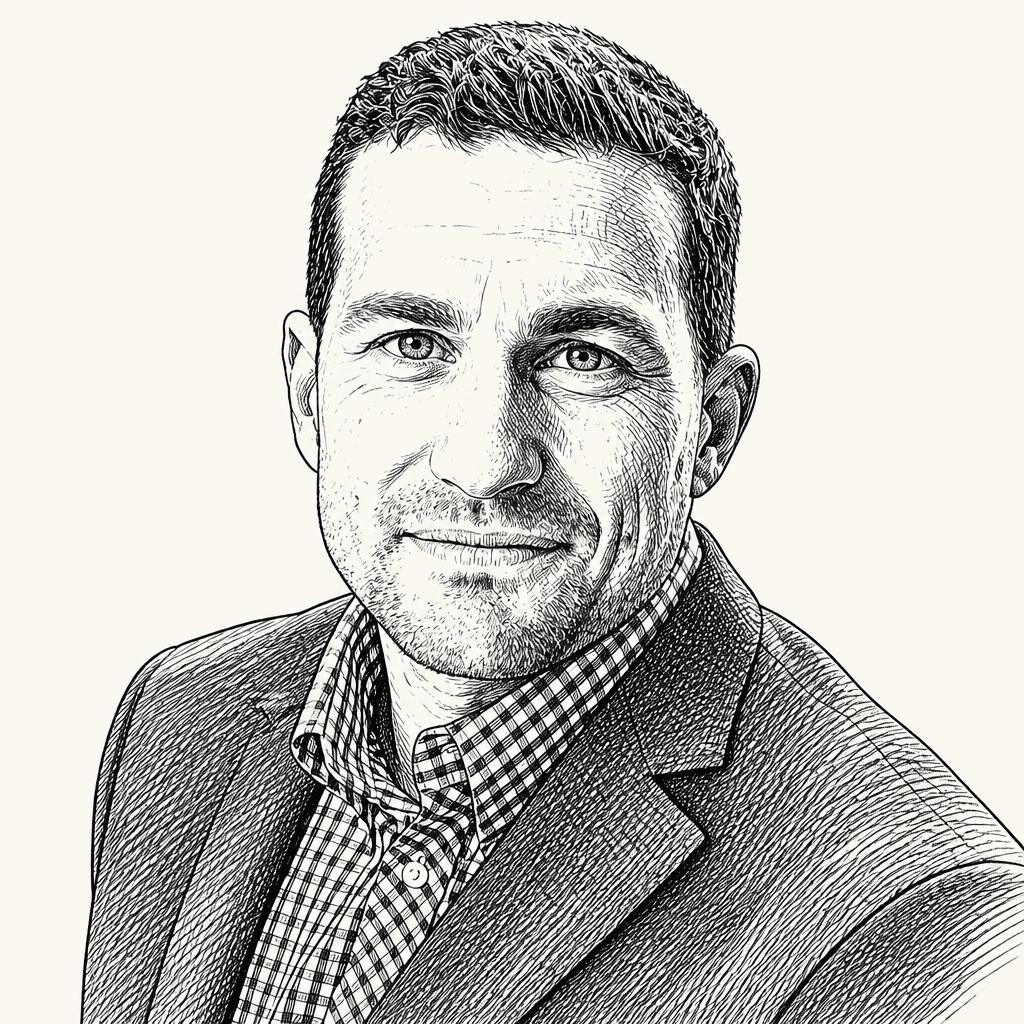
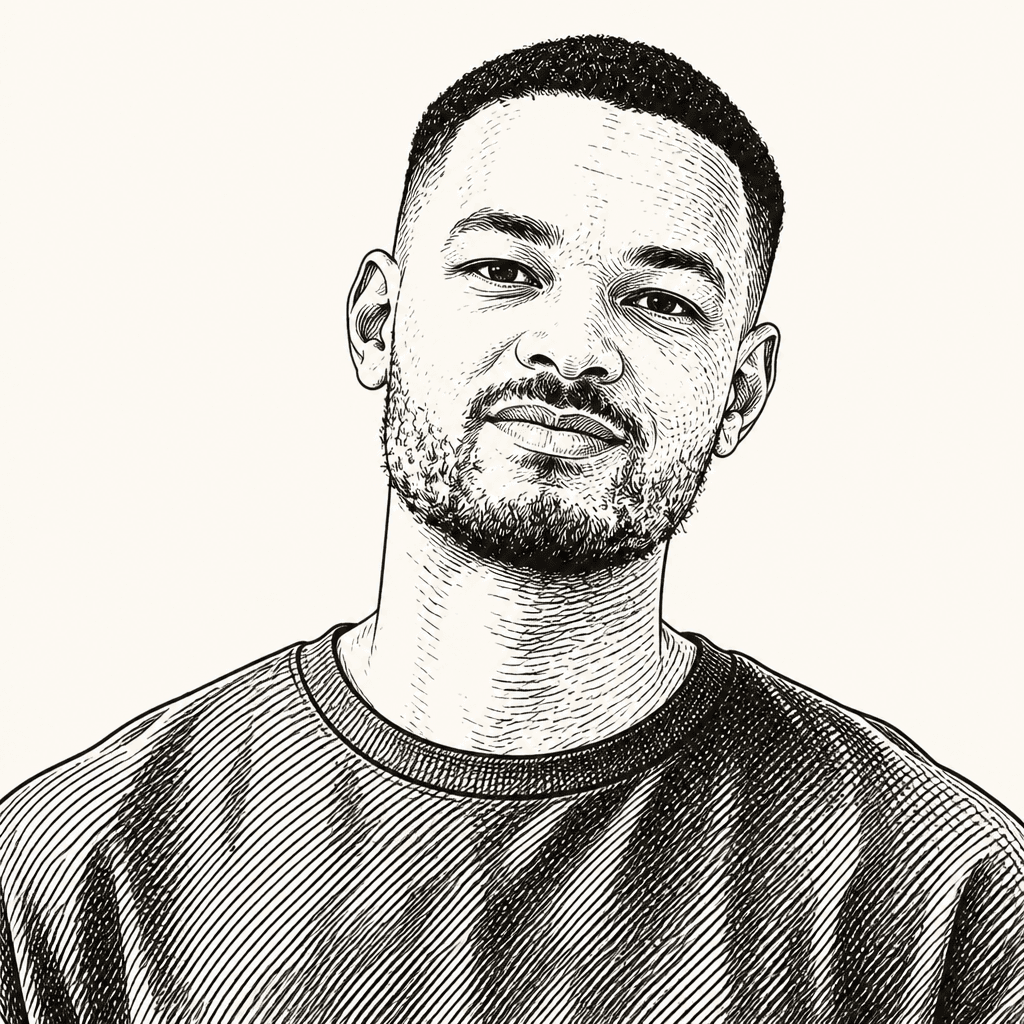
Stanford neuroscientist Andrew Huberman argues that health routines should be organized around a daily biological rhythm rather than around suppressing stress or maximizing isolated metrics. His protocol calls for light, hydration, exercise and difficult work early in the day; movement and manageable eating through it; and darkness, lowered arousal and sleep protection at night. He places drugs, peptides and supplements behind those behavioral foundations, while arguing that deliberate non-instrumental time and faith can counter the urge to treat self-optimization as total control.
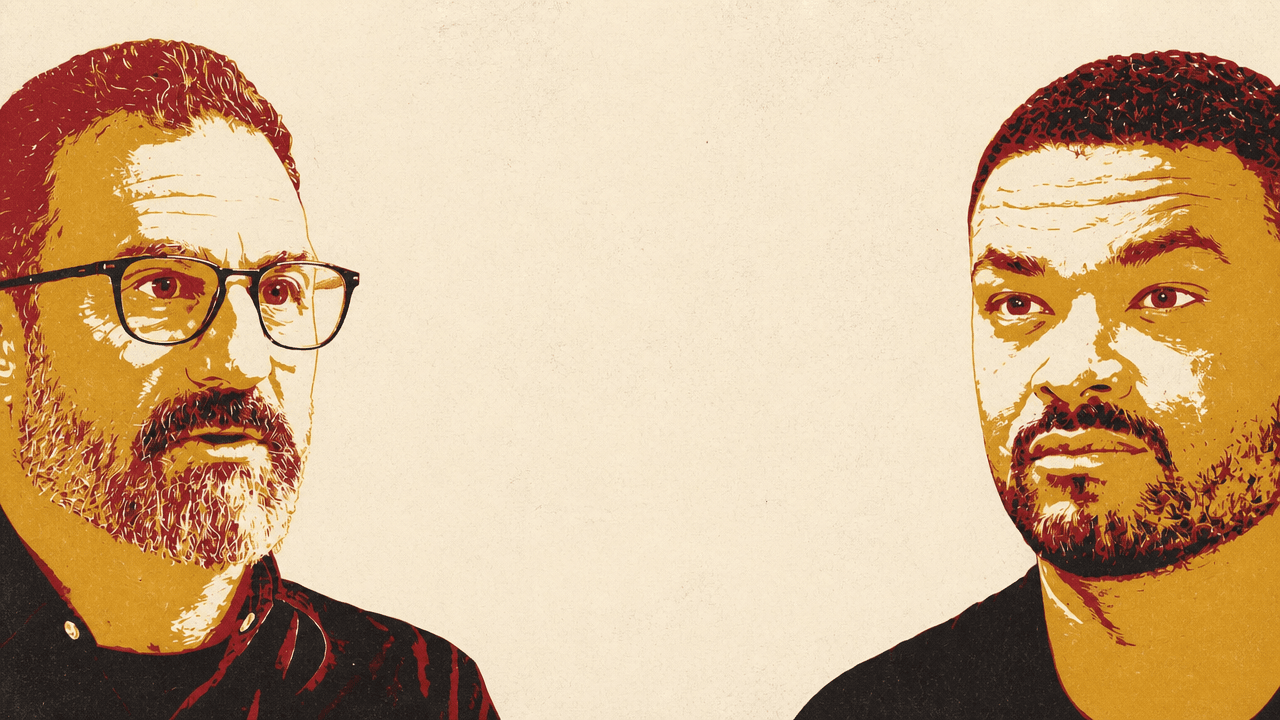
The aim is not low cortisol, but a useful daily curve
Andrew Huberman frames the day as a linked system rather than a menu of isolated health habits. The ten protocols he selected from his book are meant to work in sequence: sleep, light exposure, exercise, stress, food and attention each alter the conditions under which the next one operates. The central image is a cortisol curve—a steep morning rise followed by a gradual decline toward night—alongside melatonin rising later and adenosine accumulating through waking hours.
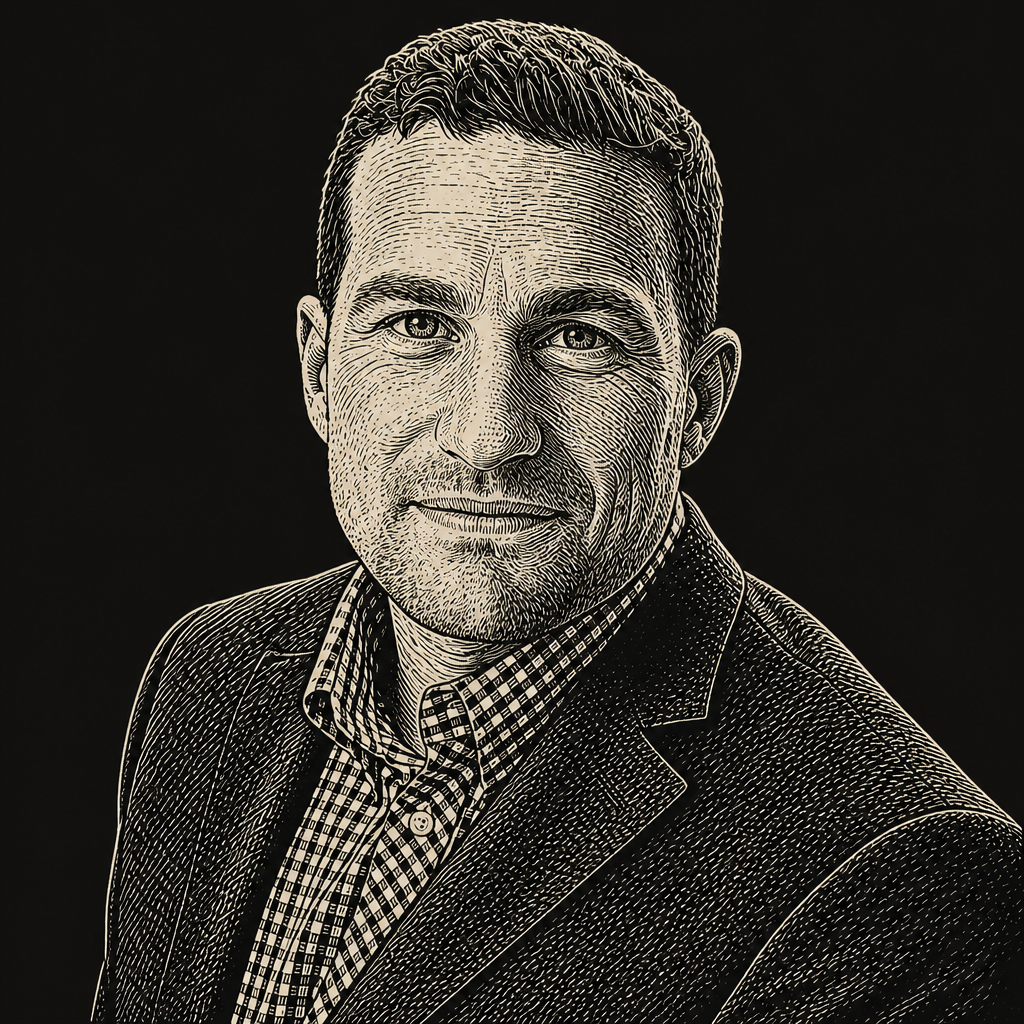
Cortisol, in Huberman’s account, is routinely misunderstood as simply “the stress hormone.” It rises during stress, but he describes its job as mobilizing energy. A robust rise early in the day supports mood, focus, attention and learning, he says, while also helping establish the lower afternoon and nighttime cortisol required for sleep. The desirable pattern is therefore not low cortisol at all times; it is high morning cortisol and low nighttime cortisol.
High cortisol in the early part of your day is what provides for elevated mood, focus, attention, your ability to learn. It’s also what establishes low cortisol in the afternoon and at night, which is a requirement for falling and staying asleep.
The implication is that resilience includes the capacity to have brief stress responses and then recover. A stressful message or event can produce a cortisol spike, but Huberman argues that someone with a healthy, high morning peak is better positioned to return toward baseline. With a flattened curve, stress bouts become “bigger and longer,” riding on an already elevated baseline and interfering indirectly with melatonin and sleep.
He distinguishes that pattern from Cushing syndrome, a rare condition involving massive cortisol overproduction. The more common problem, in his telling, is morning cortisol that is too low and afternoon and nighttime cortisol that is too high. Advice to avoid anything that “spikes cortisol” can therefore confuse useful, time-limited activation—exercise, daylight, an anticipatory challenge—with chronic psychological rumination.
The daily sequence follows from that model.
- After wakingHydrate and get outdoor daylight; use a 10,000-lux light when daylight is not available.
- First three to four hoursExercise when practical and reserve a 90-minute to two-hour bout for difficult learning or focused work.
- Any point of over-arousalUse one to three physiological sighs—a double inhale followed by a long exhale—to bring arousal down.
- Last third of the dayGet outdoor daylight before nightfall, particularly if evening indoor work or screen use is likely.
- Before sleepDim lights, limit screens, sleep in darkness, and use long exhales or closed-eye movements if awake during the night.
The first protocol is deliberately simple: hydrate after waking. Huberman recommends 16 to 32 ounces of water first thing, with electrolytes optional, and about 80 ounces over the day. He links the morning sequence of emptying the bladder and rehydrating to ascending vagal signals that help wake the brain. His broader rule is to place more fluids, movement and stimulation earlier in the day, then reduce them as evening approaches.
The next step is bright outdoor light. Huberman calls it sunlight, but repeatedly clarifies that daylight is the practical target, including on an overcast British winter morning. The retinal cells he emphasizes are melanopsin-containing intrinsically photosensitive ganglion cells, which project to the suprachiasmatic nucleus in the hypothalamus—the brain’s master circadian clock. Morning light tells that clock that the day has begun.
He recommends getting daylight into the eyes in the first hour after waking, ideally within 30 minutes. If someone wakes before sunrise or cannot get enough daylight, he recommends a 10,000-lux artificial light as an alternative. He advises against trying to obtain the effect through a windshield or window, suggesting instead a short period outdoors, on a balcony, or with a car window open.
The point is not that a screen can replace outdoor light. Huberman’s concern is nearly the reverse: screens are generally not bright enough to generate the morning effect he wants, but can still disrupt the low-cortisol nighttime state. Devices can fail to start the day properly while making the night biologically brighter than it should be.
That distinction matters for people who work late or use devices heavily after 6 p.m. Huberman interprets the night-shift literature broadly: not only overnight hospital or factory work, but habitual late-evening work at home on screens may expose people to a version of the same problem. He cites associations between bright nights and shorter life, cancer risk and metabolic ill-health. The on-screen note adds that the International Agency for Research on Cancer classifies night-shift work as “probably carcinogenic,” while human evidence remains limited and cannot rule out chance, bias or other factors.
The practical protocol is not an absolutist demand to avoid evening screens. In the final third of the day, Huberman recommends going outside, sitting near a window, or taking a brief walk before nightfall. He calls it a “Netflix inoculation”: late-day daylight may buffer the eye against some effects of artificial light that night. He says this effect does not appear to protect adolescents in the same way, making nighttime device exposure a particular concern for them.
At night, the direction reverses. Dim the house lights, dim the phone or set its display to red, and keep the sleeping environment as dark as possible. Huberman’s suggested boundary is no screens for the final 30 minutes before sleep, just as the first 30 minutes after waking should be oriented toward daylight, hydration and movement. An eye mask and earplugs can be useful, but the core goal is darkness—not only because light can suppress melatonin, but because bright light can raise cortisol when it should be falling.
Daylight is the intervention; red light is one part of the mechanism
Huberman’s case for outdoor light extends beyond circadian timing, but his practical recommendation remains sunlight rather than specialized equipment. Full-spectrum daylight includes short, medium and long wavelengths; he contrasts that mix with indoor LEDs. Early and later daylight, when the sun is low, is his preferred setting: it has lower UV exposure than overhead sun while still including the red and infrared wavelengths he considers useful.
He describes work from Glen Jeffery’s laboratory at University College London in which long-wavelength red light was shone on participants’ backs during a glucose-tolerance test. According to Huberman, the study found a reduction of more than 25% in peak blood glucose alongside increased metabolism. He attributes the effect to red and infrared wavelengths penetrating tissue and affecting how mitochondria handle electrons.
When Bartlett suggests listeners will buy red-light lamps, Huberman’s answer is direct: “Not necessary.” His recommendation is to go outside. He says long-wavelength light can pass through a T-shirt, so exposing skin does not require being shirtless, and suggests getting sunlight on as much skin as is socially appropriate two or three times a week when the UV index is low.
He also discusses brief red-light exposure studies in people over 40 with age-related vision loss. He says improvements occurred particularly when exposure was in the first three hours of the day, and links that possibility to the exceptional metabolic demands and mitochondrial density of photoreceptors. Yet the broader practical lesson remains timing and spectrum: daylight early in the day matters more to him than optimizing one wavelength indoors.
Huberman cites a Swedish observational study of 29,518 women followed for 20 years in which self-reported greater sun exposure was associated with longer life. The on-screen note qualifies the result: exposure was self-reported, and the finding did not establish that sunlight caused the difference. It also did not find that smokers lived longer; it found similar life expectancy among non-smokers who avoided sun and smokers reporting the highest sun exposure. Huberman’s conclusion is simpler: do not smoke, but do get daylight.
Exercise is controlled strain, not a failure of stress management
Andrew Huberman places exercise in the first three to four hours of the day when possible. Training later is acceptable, he says, but morning exercise has an advantage because it produces the kind of large, controlled cortisol increase that helps entrain the daily rhythm. A 45-minute resistance session taken near failure, or a hard 30-minute run, is the kind of effort he has in mind.
This is where he most strongly rejects blanket fear of cortisol. Resistance training and intense cardiovascular work raise it substantially, he says, and that is useful. Deliberate cold exposure, by contrast, produces only trivial cortisol increases in both women and men, according to the data he cites. Cold does produce major increases in adrenaline, norepinephrine and dopamine—signals of alertness and focus—but Huberman does not accept the claim that cold plunges are meaningfully cortisol-elevating.
His general-purpose weekly structure alternates three resistance-training days and three cardio days, followed by a rest day. The resistance work uses compound movements—pull-ups, rows, dips, squats, hack squats or deadlifts—with two or three hard work sets per exercise after a warm-up. The point is not specialized bodybuilding but a mix of muscle, definition, strength, endurance and reasonable sprint capacity.
| Day type | Huberman’s example |
|---|---|
| Long endurance | About 60 minutes, long and slow |
| Moderate cardio | About 30 minutes at moderate intensity |
| High intensity | Brief sprints or Airdyne-bike intervals: 30 seconds hard, 10 seconds easy |
| Resistance training | Three days of compound movements, with two to three hard work sets per exercise |
| Recovery | A rest day after a demanding leg session |
For people who can train only in the evening, he suggests long-exhale breathing afterward, or a hot shower. Warming the body’s surface, he says, prompts a thermoregulatory response that lowers core temperature and can make sleep easier.
Regularly exercising at roughly the same time also trains anticipation. Just as meal timing can create a food-anticipatory signal, Huberman says the circadian system learns a recurring exercise time. A person who has trained early for several days may begin to feel more ready to move before the workout starts. He treats this not merely as improved willpower but as a biological expectation created by repetition.
His larger point about difficult activity is that voluntary strain can be practiced. He describes the anterior midcingulate cortex as involved when someone experiences pressure and chooses to lean into resistance. That resistance can be physical, cognitive or emotional: mobility work, cold water, a language, a new skill, or any task a person genuinely does not want to do.
When you do something that you don’t want to do, that you don’t reflexively do, your anterior midcingulate cortex gets bigger and more willing to engage in challenging things going forward.
The relevant stimulus is not pain for its own sake. Cold water is useful in Huberman’s framework because it offers a controllable encounter with adrenaline: someone enters a cold shower or bath, experiences a strong response, and practices not escaping or panicking. He contrasts that with uncontrolled psychological stress, which is more likely to persist through rumination.
That distinction also shapes his advice about acute conflict. In the first 20 to 30 seconds of a stressful event, Huberman says, the prefrontal cortex is less effective. The source’s on-screen note describes this as temporary impairment rather than structural brain damage. The practical implication is straightforward: step away from danger if necessary, but avoid consequential speech or reaction until the initial surge has passed—especially when tired, sleep-deprived or late at night.
A fast stress tool matters because baseline habits cannot help in the moment
The acute tool Huberman considers most useful is the physiological sigh: a double inhale followed by a long exhale, repeated one to three times when needed. He distinguishes it from meditation, sleep, hydration, adequate food, massage and relationships, which may improve baseline resilience but cannot reliably help once someone is already over-aroused.
Andrew Huberman traces the practice to an involuntary breathing pattern observed in animals and people. The second inhalation, he explains, helps reopen small air sacs in the lungs that are prone to collapse because of fluid and surface tension. The extended exhale then releases more carbon dioxide.
His laboratory compared four five-minute daily practices in roughly 100 participants: meditation, box breathing, cyclic hyperventilation and physiological sighing. All groups saw benefits, he says, but the physiological-sigh group benefited most. The work was reported in Cell Reports, and Huberman credits Melis Yilmaz Balban for much of the study’s work and analysis.
The mechanism he emphasizes is not simply oxygen. Long exhales slow the heart through respiratory sinus arrhythmia, a process mediated in part by the vagus nerve. Although the vagus is often described as a calming nerve, Huberman says it is mixed: most of its information travels from body to brain, but signals also travel downward to influence the heart. Its relevance here is the pressure exerted on heart rate during the exhale.
This is also his practical answer to people trying to increase heart-rate variability. Training, including high-intensity work, may improve HRV over time. But deliberate exhales throughout the day can change the relationship in the moment.
The tool applies when someone is about to speak on stage, waiting for medical news, unable to organize thoughts, or simply more alert than they want to be. One physiological sigh can be enough to bring heart rate down quickly, Huberman says; ten long exhales are his recommendation for waking in the middle of the night and struggling with rumination.
Focus and learning depend on friction, error and removing the phone
Huberman’s fourth protocol is a 90-minute to two-hour bout of effortful work: learn something difficult, try hard enough to feel friction, then stop and return later. He presents that daily effort as a focus practice as much as an educational one.
The first environmental intervention is physical distance from the phone. He cites a study comparing people whose phones were face-down on the table, in a bag under the chair or in a separate room. Participants could focus in all three conditions, he says, but cognitive flexibility was diminished whenever the phone was anywhere in the room. Even without notifications, some capacity is allocated to anticipating the device.
The solution is not merely turning the phone over. Put it outside the room.
Huberman rejects the popular statement that every experience changes the brain. Most experiences do not, he says, at least not in the meaningful sense people usually mean. Plasticity is induced when a baby is trying to learn, or when an adult makes a genuine effort at something they cannot yet do. The error signal is what matters.
Practice therefore has two distinct purposes. Rehearsing a mastered skill aims at near-perfect performance and reinforcement. Learning a new skill requires a real chance of failure. Huberman cites a rough target of about a 15% error rate for new learning: enough difficulty to generate mistakes, but not so much that the task becomes chaotic or demoralizing. The cerebellum helps process the mismatch between intended and actual performance, and those error signals help drive change.
Arousal still matters, but this is a different use of it. He says intense resistance training or high-intensity intervals can leave a person primed to learn for about four hours because they increase alertness-related molecules, including adrenaline and cortisol. Long, slow cardio is not bad for the brain, he says, but he does not regard it as comparably useful for immediately priming learning.
The desirable level is the top of an inverted-U relationship between stress and performance. Too little alertness produces boredom and inattention; too much produces strain and burnout. Effortful work asks a person to move from “I don’t want to do this” into a workable stretch zone without tipping into panic.
Huberman’s preferred method for retaining declarative knowledge is self-testing. He describes studies in which students either reread passages, highlighted, took notes, or read once and later tested themselves. The self-testing condition—read once, then test about a week later and look up what was missed—produced more stable learning over months and years, he says.
He uses large language models for this rather than treating them as a substitute for learning. A learner can ask ChatGPT to generate questions at an appropriate level and tune the difficulty. The principle is retrieval: the best way to learn is not to forget, and the way to identify what will be forgotten is to test oneself.
Food and movement should make energy manageable, not become an ideology
Huberman’s nutrition protocol is intentionally broader than a branded diet. His practical baseline is enough calories but not excess; high complete-protein-to-calorie foods; vegetables and fruit; low-sugar fermented foods; olive oil; and starches eaten without large accompanying loads of fat or sugar.
His “complete protein to calorie ratio” distinguishes amino-acid quality from total caloric cost. Beans and rice can provide complete protein, he says, but obtaining 30 grams that way may require four to five times the calories of a chicken breast. His examples of high-ratio foods include eggs, lean meat and fish; the source also identifies Greek yogurt, cottage cheese, tofu, tempeh and edamame as options.
Vegetables and fruit are his default recommendation for fibre and micronutrients, though he acknowledges that some people who remove starches or vegetables report improvements in autoimmune or digestive symptoms. The on-screen note says elimination diets may reduce digestive symptoms by removing triggers or changing gut fermentation, but does not establish that removing vegetables or starches resolves autoimmune disease.
Fermented foods are one point on which Huberman is more emphatic. Citing Justin Sonnenburg’s work at Stanford, he recommends low-sugar fermented foods such as sauerkraut, kimchi and beet kvass. A 2021 Stanford trial referenced on screen found that a high-fermented-food diet reduced several inflammatory markers while a high-fibre diet did not. Huberman’s narrower claim is that too much fibre can be noxious or inflammatory for some individuals.
His frustration with the seed-oil argument is methodological. Nutrition research repeatedly compares bundles of variables—processed-food diets containing seed oils against diets with other confounders—and then makes confident causal claims, he argues. His practical conclusion is less dramatic: use olive oil, use small amounts of butter if desired, and stop treating weakly designed nutrition studies as ideological ammunition.
Starches have a specific role in his account. People who eliminate them completely may encounter sleep problems, he says, because carbohydrate-containing foods raise blood glucose and thereby buffer cortisol. Since cortisol mobilizes energy, a body with low available glucose may lean more heavily on a cortisol-driven survival response. A reasonable portion of rice, pasta or oatmeal can therefore make some people feel more even psychologically and physically, particularly later in the day.
That is not an endorsement of eating heavily before bed. He advises against both a very late meal and going to bed with gnawing hunger. The concern is the common combination of starch plus a large amount of fat or sugar, which makes overconsumption easy.
Walking is the complementary intervention. Huberman calls it necessary but not sufficient for health, and gives 7,000 to 8,000 daily steps as a reasonable target rather than insisting on 10,000. He recommends ordinary forms of movement: pacing during calls, walking after meals, taking stairs and carrying bags.
Five to 10 minutes of walking after a meal is his practical glucose-management tool. He points to the soleus, a calf muscle that comprises about 1% of total musculature but has substantial glucose use. In a study he describes, repeated seated calf raises—“soleus push-ups”—regulated post-meal glucose. He does not urge people to do calf raises constantly; walking is the usable translation because it recruits repeated, low-level slow-twitch contractions.
His larger claim is that metabolic decline with age is not simply inevitable. Maintaining muscle matters, but so does spontaneous, non-exercise movement: standing, walking, pacing, carrying and fidgeting. The older people he admires are not merely people with formal workout programs. They move frequently, remain mentally active and preserve strength and engagement.
Sleep is protected by darkness and lowered arousal, not by chasing every metric
Huberman recommends side-sleeping with the head slightly elevated. He says this can modestly improve glymphatic clearance: the movement of waste products out of brain tissue during sleep. He connects poor sleep to feeling unrefreshed and to visible puffiness around the eyes, and suggests getting upright and moving in the morning to help the lymphatic system circulate fluid.
The actionable sleep advice is more basic than the mechanism: keep the room dark, reduce bright light before bed, and lower arousal if waking occurs. An eye mask and earplugs can help. If someone wakes in the middle of the night, Huberman recommends long exhales first.
He also describes a closed-eye sequence he uses himself: move the eyes slowly left and right, then up and down; make counterclockwise and clockwise circles; then orient the eyes toward the nose without crossing them and take a long exhale. Repeat two or three times. He says the technique has indirect scientific support through circuits linking eye movement, the cerebellum and proprioception, and that it may reduce active monitoring of body position enough to facilitate sleep.
Huberman cites a Proceedings of the National Academy of Sciences study that he says found a short meditation increased glymphatic clearance during the day. He says regular meditators may be able to shave roughly an hour from their sleep needs with 20 minutes of daily meditation because they are getting some glymphatic clearance while meditating.
His own meditation practice is deliberately minimal: ten breaths before getting out of bed. If he cannot sustain attention for ten breaths, he asks, what quality of day is he preparing to have? The point is not a perfect ritual, but beginning the day with enough attention to follow the larger rhythm.
The behavioral foundation comes before the pharmacological frontier
Huberman draws a firm conceptual line between the behavioral protocols and what he calls the “front edge” of hormones, peptides and psychedelics. The book, he says, is about what he knows “for sure”; peptide therapies are an area he follows, discusses with clinicians and sometimes experiments with personally.
The foundation remains sleep, hydration, sunlight, exercise and nutrition. Building pharmacology or supplementation on top of that may create meaningful benefits for some people, he says, but relying on it without that foundation is unlikely to hold.
The GLP-1 discussion is explicitly conditional. Huberman says he has not tried GLP drugs, though he is interested in very-low-dose tirzepatide or retatrutide. For people with serious obesity, he says, tirzepatide, semaglutide and related drugs could be life-saving. He also describes nausea, reduced appetite, reduced alcohol and sugar craving and, at sufficiently high exposure, apathy as concerns.
He relays anecdotes of “microdosing” GLP drugs, including a friend with chronic fatigue syndrome who reported restored energy and lower inflammatory markers on a very small tirzepatide dose once every 10 days. Huberman calls these anecdotes and says randomized trials are unlikely to test such dosing approaches.
On eye risk, Huberman objects to broad claims that GLPs are making large numbers of people blind. He says concern may be concentrated among people with a structural feature of the optic nerve head that makes the nerve more vulnerable, and recommends eye imaging or an eye-pressure test through an ophthalmologist or optometrist. The source notes possible early worsening of diabetic retinopathy, particularly with pre-existing disease and rapid HbA1c reduction, alongside mixed cohort evidence on NAION risk with semaglutide.
His comments on other peptides follow the same problem-specific logic. He says Pinealon increased his REM sleep when he used a very small amount every third night for about a month, but does not use it regularly. He says growth-hormone secretagogues he tried gave him more deep sleep but “nuked” his REM sleep. On BPC-157, he says animal data on healing are compelling while human clinical trials are sparse, and raises the concern that promoting vascularization could also affect tumors.
Asked about supplements, Huberman resists a universal stack. If someone sleeps well, he sees no reason to add a sleep supplement; if not, he suggests magnesium threonate or magnesium bisglycinate as options. He favors EPA omega-3, vitamin D, alpha-GPC for some people seeking focus rather than prescription stimulants, and creatine for strength, with possible cognitive usefulness under stress or sleep deprivation.
The caveats are part of the answer. He notes that alpha-GPC can increase TMAO, which he associates with cardiovascular risk. The source’s on-screen note warns that higher vitamin-D doses can increase risks including hypercalcemia and hypercalciuria, and should be discussed with a licensed clinician. The recurring point is not that a stack is required. It is that any intervention should be selected for a defined problem and placed on top of behavioral foundations rather than in place of them.
Discipline needs time that is not instrumental
The final tension in Huberman’s system is that a life can be improved by routines and still be diminished by relentless self-management. His tenth protocol is therefore not another performance tool. Once a day, he says, do something “not about doing” or “about humans”: meditate, draw, listen to music, camp, run, or sit quietly without trying to achieve an outcome.
Andrew Huberman presents this as a way of leaving what Jungian analyst James Hollis calls “stimulus-response mode.” The unconscious mind, Huberman says, does not offer a clean answer when asked what one should do with a life. It communicates through emotion, analogy and association, gradually helping someone recognize connections, preferences and “deepest heart’s desires.”
Hollis’s formulation gives Huberman a structure for the more demanding side of personal development. First: “shut up,” meaning cultivate gratitude and recognize that others are suffering. Second: “suit up,” meaning prepare—maintain health, get organized and do the work. Third: “show up,” meaning fulfill outward roles as a parent, child, teacher, engineer, mechanic or colleague.
But role performance is not sufficient. A person can spend decades doing all of those things and still become miserable if there is no space outside obligation. The daily non-instrumental activity is meant to create that space, not to produce immediate answers about a calling.
Huberman does not think people discover vocation by sitting still and asking what their passion is. They find it while working hard at something else, then moving toward work they hate slightly less, and eventually toward what pulls them forward. Nor does he think there must be one permanent, singular passion. His own planning horizon is five-year chunks: he knows what he intends to carry forward—exercise, faith and hydration—but does not pretend to know what being 60 will demand.
That account of non-instrumental time leads to faith. Huberman tells Steven Bartlett that he believes in God, despite—and partly because of—his professional interest in brain mechanisms. Biology may be “compartmentalized chemistry,” he says, but that does not exhaust the questions people bring to life.
At the point where I decided to really embrace the idea of faith, of a God—that there are powers outside of human understanding that can be very useful—everything got better. It relieved me of the pressure to control everything internally and externally.
Huberman says he prayed privately from an early age, later began openly embracing faith, and has prayed nightly for nearly three years. Before the interview, he says, he prayed to remove his ego from the room, maintain humility and clarity, and make the discussion useful to listeners. He does not claim proof and does not prescribe a denomination. His claim is personal: prayer and faith have reduced the pressure to control every process and made life more meaningful.
He uses the limits of perception as an analogy. Human beings do not see infrared light without technological help; a pit viper can detect information people cannot. Likewise, he argues, faith can be an aperture for questions that logic and scientific mechanism do not settle. His father, a theoretical physicist, had told him that quantum mechanics itself cannot be made intuitively complete through ordinary logic: its results can be used to build things, but one must rely on the mathematics.
Huberman does not offer faith as mathematics. He describes it as an active willingness to live with doubt while still praying and practicing. His criticism is directed at the attempt to demand total control from individual psychology and biology. In his view, seeking perfection from other people, personal achievement or technology is asking human systems to provide something they cannot provide.
The protocols are built to make a person more alert, resilient, capable and deliberate. But Huberman argues that relentless self-optimization can become another form of confinement. The final practice is a boundary on optimization itself: prepare, fulfill responsibilities and work hard, but leave room for reflection, relationships, mystery and purposes that cannot be engineered.