New Fathers Face Elevated Depression Risk as Caregiving Demands Rise
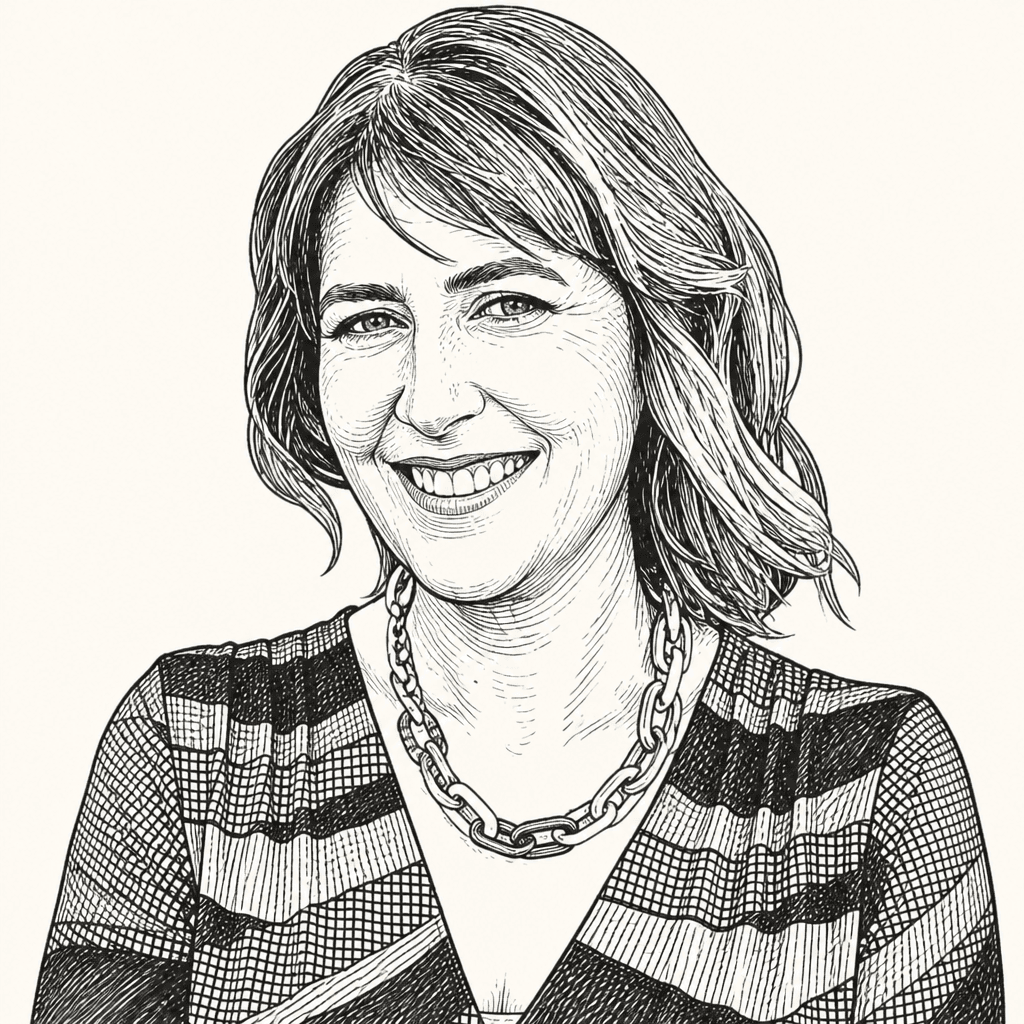
Clinical psychologist Darby Saxbe argues that fathers’ growing role in infant care carries real psychological demands that are often dismissed: about 10% of new fathers experience depressive symptoms, while sleep loss, relationship strain, financial pressure and uncertainty can compound the transition. Her research frames “dad brain,” hormonal shifts and changes in attention not as evidence of paternal decline, but as adaptations shaped by direct caregiving. If fathers are expected to share care, Saxbe argues, they need the leave, preparation and support that make it sustainable.
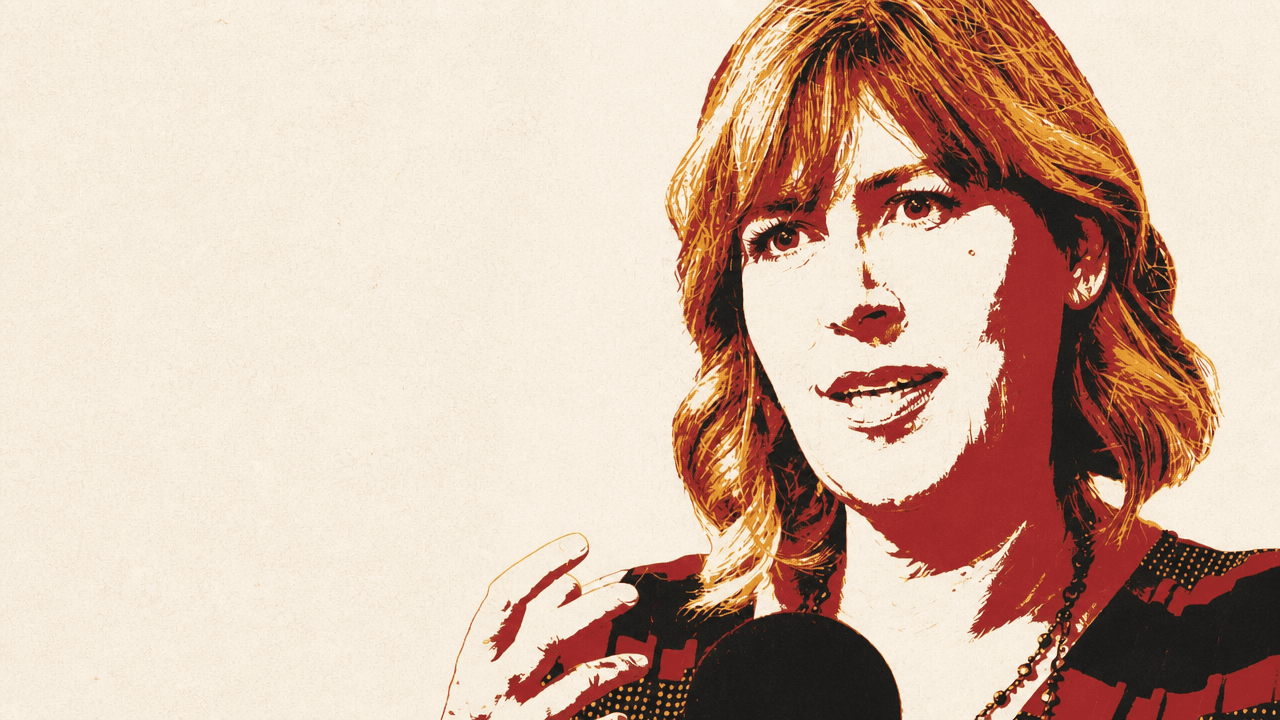
Hands-on fatherhood carries a mental-health cost that often goes unrecognized
Darby Saxbe puts the prevalence of depressive symptoms in new fathers at about 10%—roughly twice the rate in the general population. She gives a higher range for new mothers, around 19% to 21%, while noting that women also have about twice the general-population rate of anxiety and depression.
The numerical difference should not obscure the practical problem. Fathers are increasingly expected to be present at birth, take night shifts, provide emotional support to a partner, perform domestic work, take leave where it is available, and become active caregivers. Yet men are often told, implicitly or directly, that these demands should not affect them in the ways they affect a primary caregiver.
Saxbe sees a contradiction in that expectation. If a culture wants fathers to participate fully in care, it has to acknowledge that care can be isolating, exhausting, identity-disrupting, and psychologically demanding. Sleep loss, relationship conflict, financial pressure, new responsibilities, hormonal shifts, brain changes, and uncertainty about how to care for a baby are not confined to the parent who gave birth.
She prefers the term perinatal depression for fathers, though she considers the naming dispute less important than whether people recognize distress and get support. “Postpartum” means after the birth of a baby; it does not, in strictly linguistic terms, require that the person experiencing depression physically gave birth. Still, Saxbe understands why some mothers resist extending the language to fathers. Mothers have had to fight for recognition and treatment of postpartum mental-health needs amid broader neglect of reproductive health. Acknowledging paternal distress can feel, to some, like a bid to flatten experiences that are physically and emotionally different.
Her argument is not that maternal and paternal depression are equivalent. It is that they are connected.
Depressive symptoms tend to correlate within couples: when one parent is more depressed, the other is more likely to be depressed too. Conversely, a parent who is well enough to support a struggling partner can be a major source of resilience. Saxbe says the best predictor of a mother’s mental health is the support she receives from her partner. Treating a father’s distress is therefore not a diversion from maternal or infant well-being. It is part of supporting the family around the child.
A clip shown from The Times illustrates how difficult recognition can be. Mat Lewis-Carter described struggling to bond with his daughter after her birth, feeling ashamed that the immediate attachment he expected was absent, and eventually finding language for men’s postnatal depression only when his daughter was about a year old. He said therapy had not initially raised the possibility. The on-screen TikTok comments dismissed his account as ordinary discomfort, uncertainty, or resentment over attention shifting to the baby.
That reaction matters because shame can turn a difficult but treatable adjustment into a private failure. Saxbe says new fathers need to know that delayed bonding, exhaustion, and depressive symptoms can occur without proving that they are bad fathers. She also emphasizes that distress exists on a continuum. Baby blues, temporary depressive symptoms, and a serious incapacitating depression are not the same thing. Recognizing the continuum is not an attempt to medicalize every hard day; it makes it easier to identify when someone needs help.
The public dispute over terminology can become a form of gatekeeping, Saxbe argues. The more important question is whether parents can form the stable team a baby needs. A father who is overwhelmed, depressed, or detached may be less able to support his partner; a mother who is struggling may leave a father carrying demands he does not know how to manage. The mental-health unit is not the individual parent but the household and its support network.
Caregiving—not fatherhood alone—drives the adaptation
Saxbe’s research offers a mechanism for why involved fatherhood can be both psychologically meaningful and taxing. Her lab scanned men midway through a partner’s pregnancy and again after the birth of a first child. Across that transition, the fathers showed a reduction in gray-matter volume.
She cautions against treating the finding as damage or decline. The observed reduction may reflect pruning and specialization—the brain becoming more efficient for a demanding new role—but the biological meaning of volume reduction is not fully settled.
The changes were smaller than those reported in mothers, more variable, and closely linked to what fathers actually did. Saxbe says new mothers lose roughly 2.5% of gray-matter volume across the transition to first-time motherhood, with changes in the cortex and in subcortical regions associated with hormones, reward, drive, and emotional salience. Fathers in her study lost about 1%, mostly in the cortex, which is associated with executive function, reasoning, and higher-order thought.
The men with the largest changes were not simply those who had become fathers on paper. They were men who felt more bonded with their babies before birth, were more motivated to take leave, spent more time in day-to-day care, and reported more bonding and pleasure in interactions with their children.
That makes “dad brain” a use-dependent adaptation rather than a fixed paternal condition. Saxbe describes fathers as having the biological capacity to become sensitive caregivers, but with a caregiving system that responds strongly to circumstances: whether a partner needs help, what a culture expects of men, whether work allows leave, how stable the parental relationship is, and how much direct contact a father has with the child.
“I think what’s really cool about dads is that they come equipped with the biology that makes them ready to adapt to become sensitive caregivers,” Saxbe says.
She calls this a facultative adaptation: a capacity that can come online when it is needed. Mothers arrive at birth with what Saxbe calls a higher floor of investment because pregnancy itself has required substantial physical and energetic commitment. Fathers’ caregiving “dial” may begin closer to the middle and turn up or down according to cultural expectations and local demands.
Humans are cooperative breeders. Infants require more continuous care than any one person can easily provide, and humans evolved with care distributed among parents, siblings, grandparents, kin, and wider communities. Fatherhood is one expression of that system, not a role with one fixed biological script.
The specific behaviors that build paternal attunement are unglamorous and repetitive: picking up the baby, feeding, bathing, diapering, sharing sleep space, settling distress, and learning the child’s patterns. Those tasks exercise what Saxbe calls the mentalizing network—the brain systems used to infer another person’s emotions, intentions, and states of mind.
An infant cannot say whether it is hungry, uncomfortable, tired, cold, overstimulated, or in pain. It cries, moves, makes faces, and changes its rhythms. The parent must infer meaning from limited signals and try again when the first response fails. That requires empathy, but also problem-solving.
Saxbe compares the process to learning an instrument, a language, or a city’s routes: practice builds the relevant capacity. Competence does not precede contact. It follows it.
That matters for expectant fathers who worry that they do not yet feel what they are supposed to feel. Saxbe hears this anxiety frequently, including from men who otherwise see themselves as highly competent. Caring for a particular baby is not a skill that can be mastered in the abstract. Attachment may develop through repeated exposure, mistakes, repair, and accumulating evidence that a father can meet the child’s needs.
The popular framing of “mom brain” or “dad brain” as a cognitive loss misses this selective change in priorities. Some forms of working memory may be compromised, Saxbe says: parents can become less sharp about objects, tasks, or plans that have nothing to do with the child. But other forms of attention and memory become highly tuned—the baby’s smell, sounds, feeding patterns, preferred objects, signs of discomfort, and small emotional changes.
The hippocampus, a brain region associated with memory and sensitive to smell, is especially plastic in new parents. Saxbe’s point is not that parents become globally less capable. They may lose sharpness in some domains while becoming more skilled in others.
The immediate cost can be a reprioritization of work, social life, errands, and personal optimization. The longer-term gains, ideally, include empathy, relational competence, and stronger social ties. Saxbe mentions UK Biobank research suggesting that people with more children, up to around three, have better cognitive functioning in later life and brains that machine-learning models classify as younger than their chronological age. Because the finding appears in fathers as well as mothers, she suspects that social integration may be part of the explanation rather than pregnancy, birth, or breastfeeding alone. That remains a proposed mechanism, not an established one.
Paternal roles change with the conditions under which families live
Fatherhood has varied sharply across societies, and Saxbe uses that variation to resist the idea that either intensive caregiving or paternal distance is simply “natural.”
Among the Aka in the Congo, men are highly involved with infants and often remain within arm’s reach of them. Saxbe connects that pattern to an egalitarian social structure and cooperative net hunting, in which couples work together to gather resources. Women’s economic contribution is substantial, so rigid specialization between male provision and female infant care is less useful.
She contrasts the Aka with the Kipsigis, a nearby society in which men are prohibited from picking up babies during the first year and are not supposed to share a sleeping surface with them. Fathers are involved with older children, teaching them to hunt and provide, but direct infant care is treated as potentially compromising masculine status. Saxbe links the different arrangement to a riskier and more hazardous mode of resource gathering, where stronger specialization between men’s economic labor and women’s care work is more adaptive.
The comparison is not an argument that one model is morally superior. It is an argument that parenting arrangements respond to ecology, work, risk, household structure, and cultural beliefs about gender.
Contemporary societies are in flux between these arrangements. Women can earn income in jobs that generally do not require upper-body strength or high risk tolerance. At the same time, inherited expectations about men’s and women’s responsibilities have not changed at the same pace. Saxbe says estimates place fathers’ daily parenting time at three or four times its level in the “Father Knows Best” era of the 1950s and 1960s.
The pandemic, she says, was an inflection point. Men who had commuted and missed much of ordinary day-to-day parenting were suddenly home for more of it. The increase appears to have persisted: millennial fathers are spending more time with children than earlier U.S. generations, and Saxbe says there is evidence that Gen Z fathers may be spending more still.
That shift complicates the familiar absent-versus-present father binary. Saxbe says 88% of U.S. children lived with a father at home in 1960, falling to 67% in 2005 and then rising to about 76% today. Some of those homes include biological fathers; some include stepfathers or other father figures. Residential status is not a direct measure of care, and non-residential fathers can remain deeply involved.
Bonding is not restricted to an early neonatal window, either. Saxbe thinks public discussion often overstates the importance of the first hours, days, or month after birth. Adoptive parents and stepparents can form profound connections with children. Saxbe met her own stepfather when she was nine and describes him as formative in her life.
What matters is having a meaningful stretch of a child’s development in view and participating in it. The relationship will differ depending on when a father arrives, but Saxbe believes a man can become a genuine parent during any period of a child’s youth. That is why she rejects the suggestion that fathers are useful only in infancy. The opportunities to build competence and connection continue through school years, trips, education, identity formation, and adolescence.
The bad advice, in her view, is that fathers are innately useless with babies and should keep their distance. That belief can become self-fulfilling. A man who is denied leave, excluded from daily care, or treated as an auxiliary parent loses the experiences through which he learns to read a child and becomes more attached.
Mothers are not simply born knowing what to do, either. Saxbe recalls confronting her own children with the thought: “What am I supposed to do with these people?” Parenting is learned. The relevant distinction is not between a naturally competent mother and a naturally helpless father, but between people given repeated chances to practice care and people kept at a distance from it.
Pregnancy and birth can either prepare a couple or expose its weak points
Saxbe’s imaging study began midway through pregnancy, not before conception. She regards that as a limitation. Some brain changes may already have occurred by the time fathers entered the study. She points to research on women recruited from a fertility clinic that found brain changes during pregnancy itself. A preconception baseline can capture transitions that a mid-pregnancy scan cannot.
For fathers, Saxbe suspects that much of the neural remodeling occurs after birth, when care becomes repetitive and concrete. But she does not present that timeline as established. Fathers-to-be can experience hormone changes, new worries, sleep disruption, relationship shifts, and practical stress well before the baby arrives.
The idea of sympathetic pregnancy, or Couvade syndrome, is particularly uncertain. Some men report nausea, weight gain, gastrointestinal distress, sleep problems, or labor-like pains while a partner is pregnant. Saxbe considers the evidence anecdotal and mixed. In her own sample, fathers’ hormones were not associated with self-reported pregnancy symptoms. Stress and anxiety can produce genuine gastrointestinal and sleep symptoms without making male experience biologically equivalent to pregnancy.
What is clearer is that the couple’s way of managing tension can affect the transition. Saxbe’s lab found that couples who fought more negatively during pregnancy had births that were more medically complex and risky, and both partners rated the experience as more stressful. Her proposed mechanism is partly physiological: labor requires the body to release and relax; fear, pain, tension, and stress can make that harder.
Fathers can be valuable during birth, particularly when close intergenerational networks are absent. Historically, childbirth assistance was often provided by women—midwives, mothers, sisters, and other community members. Fathers being present in delivery rooms is relatively recent. Saxbe says it became common only after men began advocating for it in the 1960s and 1970s.
Presence is not automatically helpful. A father who is terrified, unprepared, or unable to communicate effectively can add stress rather than reduce it. The practical implication is not that fathers should stay away. Saxbe argues that birth education should include them, normalize what labor may look like, and teach them how to provide calm and useful support.
The same principle applies to the relationship before birth. A child is not a relationship intervention. Saxbe says studies reliably find a drop in relationship satisfaction around the arrival of a baby. The couple goes from being “good time pals,” as she puts it, to operating a small business with a customer who is unhappy around the clock: sleep is interrupted, money and housing become urgent, and someone always needs something.
The transition does not require perfection. Saxbe stresses that children and parents are resilient. But it does require a couple to learn how to listen, communicate, and recover from conflict rather than escalating each other’s stress.
Lower testosterone is not the same as diminished masculinity
Chris Williamson raises a concern that appears frequently in discussions of involved fatherhood: if testosterone falls in caregivers, does becoming a father make a man less masculine?


Saxbe rejects the premise. Testosterone tends to decrease around a new baby’s arrival when men participate in care, alongside the brain changes she studies. But she does not treat high testosterone as intrinsically bad or lower testosterone as universally preferable. The value of a hormone, she argues, lies in its responsiveness to context.
She frames the pattern through the challenge hypothesis. In birds, testosterone rises at the beginning of breeding season, when males compete for status and mates. Once mating has occurred, the reproductive task changes. Rather than maximizing the number of offspring, the priority becomes improving the odds that a particular offspring survives. Saxbe says maintaining perpetually high testosterone also has immunological costs. Related shifts toward nurturing behavior appear in primates, rodents, and humans.
In early fatherhood, lower testosterone is associated in her account with greater investment in a partner relationship, less aggression, less risk-taking, and more conscientious behavior. Men may drive less recklessly, fight less, use fewer substances, and become more attentive to routine health care. Those changes can look like caution, but Saxbe sees them as behavior that keeps a parent alive and available.
“I would argue that being a good dad is one of the most manly things you can do,” Saxbe says. “You’re literally rearing the next generation.”
The relevant question is not whether a father maintains a particular hormone level at all times. It is whether he can adapt to the environment he is in. Testosterone may serve a competitive or dangerous setting; it may be less useful when someone is trying to soothe an infant in the middle of the night.
That is why Saxbe is cautious about simplistic assumptions regarding testosterone supplementation during the transition to fatherhood. She has heard anecdotes from mothers who believe a partner taking testosterone has less patience with the baby, but she says rigorous research is needed. Her broader objection is to the idea that positive masculinity requires permanently elevated testosterone. Adaptability—showing up in the way a changing situation requires—is the more useful model.
The same argument applies to the cultural fixation on “bouncing back.” Pre-baby bodies, brains, careers, and lifestyles are often treated as the standard to which parents should return as quickly as possible. Saxbe sees this as a failure to value care. Parenthood is supposed to transform a person’s role, priorities, and abilities. The change is not necessarily a loss, even when it comes with real costs.
The practical response is more support, not more self-sufficiency
Saxbe does not see postpartum depression as obviously adaptive. She is more persuaded by an evolutionary-cultural mismatch explanation: humans evolved to share child care widely, but modern parents are often asked to compress the work of an extended community into an isolated nuclear household.
In hunter-gatherer settings, she says, new motherhood can bring greater social integration rather than greater isolation. A mother can carry a baby while gathering food or working, remain economically active, and stay embedded in the community. Contemporary parents are often separated from work, community, and one another at the point when demands for support are highest. Babies may be unwelcome in workplaces and public spaces; work and home are sharply divided; and leave may be unavailable or insufficient.
Saxbe points to the lack of universal paid maternity and paternity leave in the United States. Some mothers return to work less than two weeks after giving birth. Shift workers, gig workers, and low-wage retail workers may have little time to recover, establish routines, sleep, or bond. Socioeconomic circumstances shape perinatal-depression risk through access to leave, child care, rest, practical help, and community resources.
The involvement of fathers can materially affect maternal mental health. Saxbe cites research on a Swedish paternity-leave reform that expanded flexibility for fathers. Comparing births before and after the policy intervention, the study found that new mothers filled anti-anxiety prescriptions less often after the reform. Her lab has also found that when fathers have access to paid paternity leave, mothers are less likely to become depressed after a baby’s birth.
Those findings do not mean leave eliminates depression or substitutes for clinical care. They support the narrower but consequential claim that time, support, and shared responsibility can improve a family’s capacity to absorb the strain of a new baby.