Physiological State Determines Which Capacities People Can Access
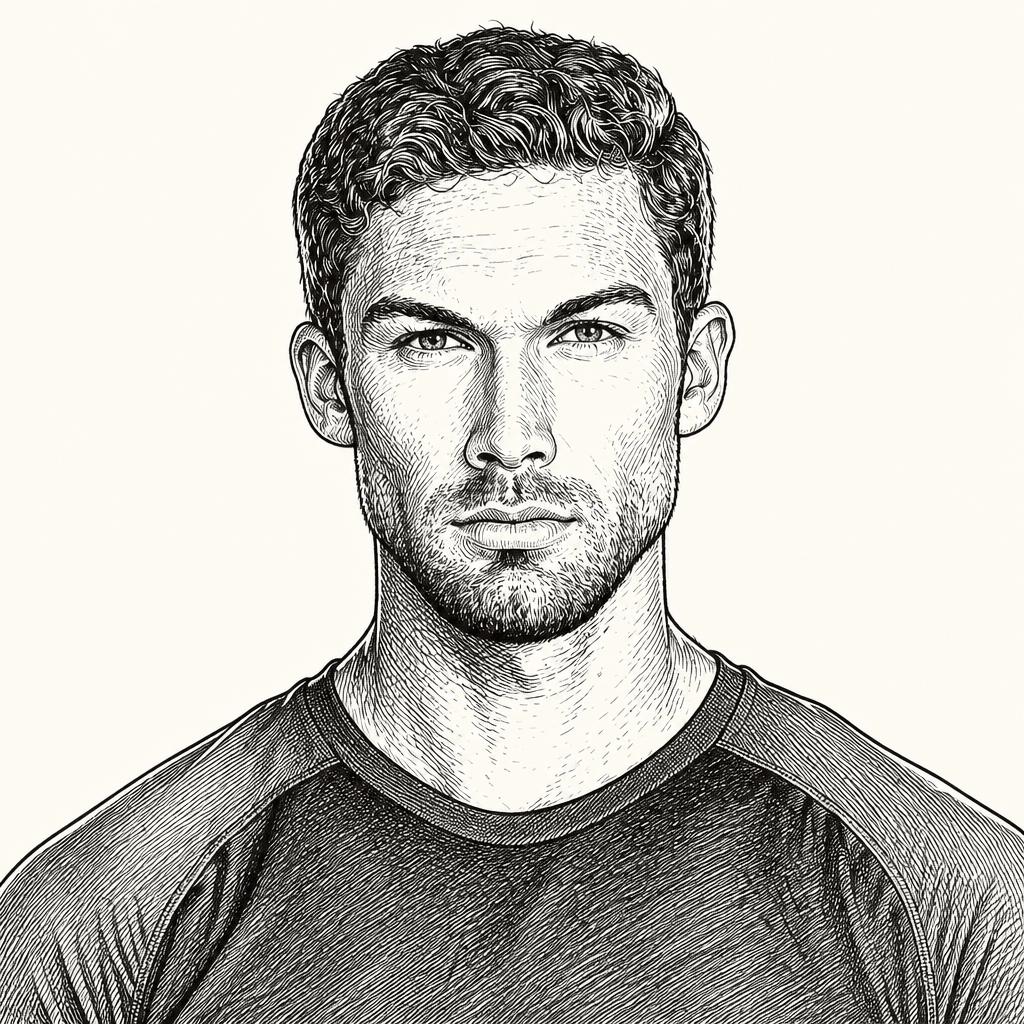

Neuroscientist Stephen Porges argues that anxiety, withdrawal, and loss of capacity are often consequences of a nervous system organized around defense rather than failures of will or mindset. His polyvagal theory holds that physiological state shapes what people can perceive, feel, and do—from social connection and creativity to fight, flight, or shutdown—and that safety depends on positive signals of connection, not simply the absence of threat. Porges says the practical aim is flexibility: the ability to meet demands, recover, and re-enter relationship without remaining on alert.
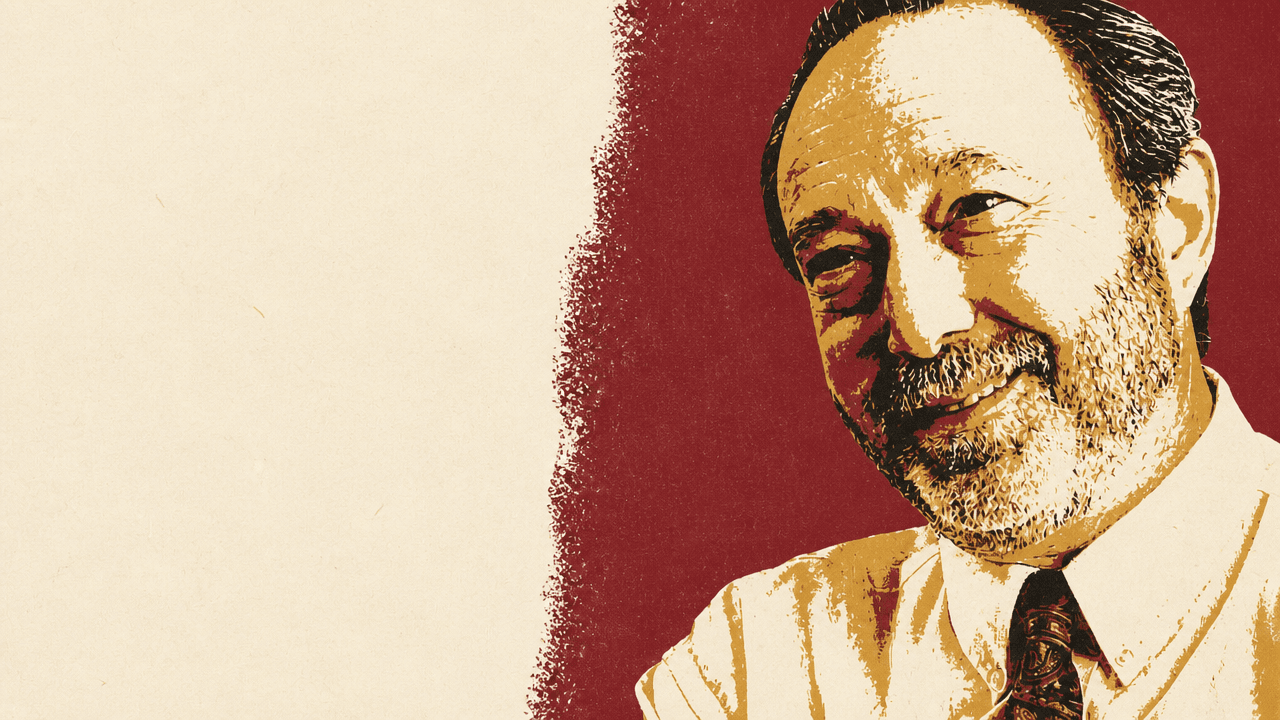
Physiological state sets the terms of engagement
Stephen Porges describes polyvagal theory as a claim about the conditions under which perception, behavior, and connection become possible. An underlying physiological state affects how a person perceives the world, responds to others, and receives other people’s attempts to engage them. Behavior, in this account, cannot always be understood as a fully intentional choice.
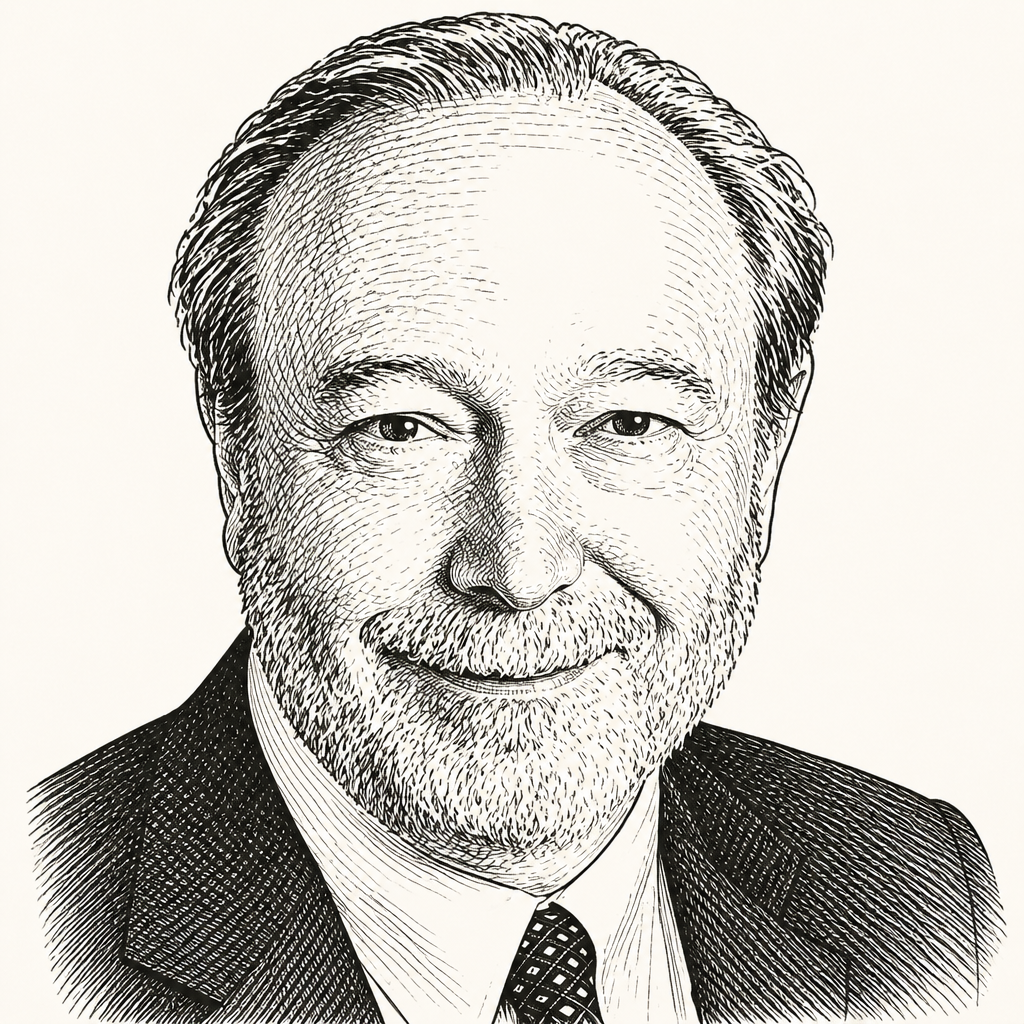
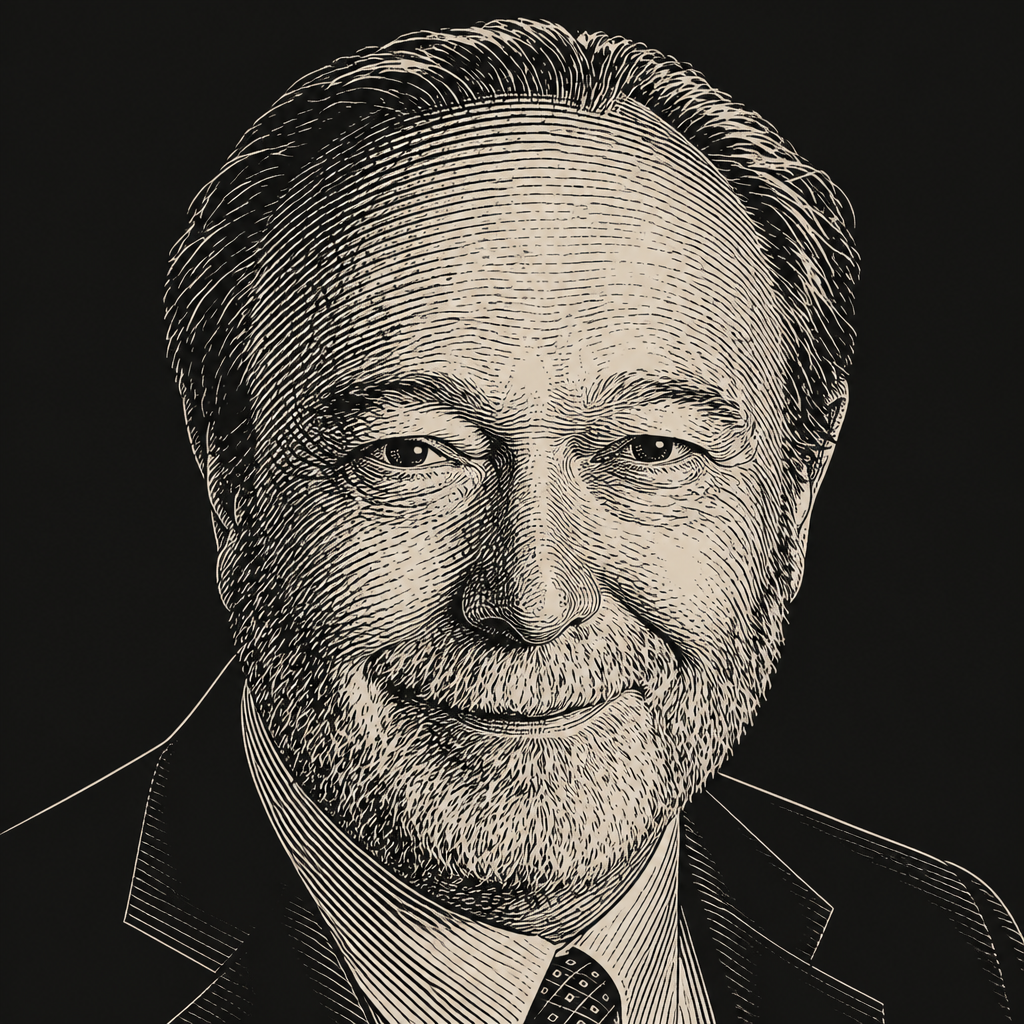
People construct narratives in which they are controlling their circumstances, Porges says, while often being “swept away” by environmental demands and bodily states they notice only after those demands cross a threshold. On some days, a person is expansive, energetic, social, and able to explore; on others, the same person feels constrained, overwhelmed, or withdrawn. The difference need not reflect a change in values, character, or effort. It may reflect a change in physiological state.
Porges’s framework is influential in clinical settings, but it is also contested. He addresses those criticisms directly later in the discussion, arguing that critics often misstate the theory by reducing it to a claim about a single nerve rather than an integrated system. That disagreement matters because the practical language built around polyvagal theory—safety, shutdown, co-regulation, and vagal state—rests on Porges’s broader account of how social and autonomic systems are organized.
That account challenges a reflex Porges sees in achievement culture: that difficult feelings should simply be suppressed, worked through, or overridden. He is not arguing against agency. His argument is that agency has physiological boundary conditions. A body organized around defense may not have access to capacities that remain present in principle: creativity, curiosity, flexibility, empathy, or social engagement.
Part of being a successful person is feeling good about being a person.
Porges frames this as a challenge to prevailing measures of success. Wealth, influence, recognition, and acquisition may be useful, but they do not answer what those gains are for. He contrasts accumulation with curiosity, learning, exploration, humor, compassion, and meeting other people. A person may pursue external success partly to compensate for feelings of inadequacy, then ignore the bodily feedback that reveals the cost of that pursuit. Burnout, in this account, is not merely an unfortunate side effect of productive ambition. It is evidence that the system has stopped being heard.
The language of “listening to the body” can become vague, but Porges gives it a specific meaning: preserving feedback loops. A feedback loop is the body monitoring its own functioning and influencing subsequent action. When people numb themselves, ignore feelings, or train themselves not to register internal signals, he argues, they make those loops less effective. The result is not toughness so much as reduced self-regulation.
Chris Williamson identifies the tension. The injunction to work harder can be useful for someone overly governed by momentary feelings. But it can also deny that a human being is an organism continually interacting with its environment. Porges’s point is not that every feeling should dictate action. It is that feelings may be signals from a physiological system, rather than obstacles to defeat with a better narrative.

Defense is not one state
Porges’s original question was not simply how stress works. He was interested in what was happening behind people’s smiles: what they felt, what their bodies were doing, and why someone could become unable to inhabit a formerly familiar social world.
He recalls developing pneumonia while already an established academic. Before the illness, he had been highly social; afterward, crowds became difficult to tolerate. His threshold for stimulation had changed. He connects that experience to people with chronic fatigue syndromes, long COVID, and other chronic illnesses who report that their bodies no longer respond as they once did, only to be dismissed as tired, underslept, or insufficiently motivated.
The formulation of polyvagal theory took shape through Porges’s work with preterm infants in neonatal intensive care units during the 1990s. Those infants complicated the familiar fight-or-flight/rest-and-digest shorthand. Their defensive response was not always mobilization. Some shut down: their heart rates slowed through vagal activity so severely that oxygen delivery to the brain could be compromised.
That was Porges’s “vagal paradox.” How could a system associated with restoration, growth, and health be implicated in a defensive response that could become dangerous? His answer was that the vagus should not be treated as one simple, uniformly beneficial mechanism. Through anatomical and evolutionary work, he developed a model with three broad autonomic response systems.
The older dorsal vagal system is associated, in his framing, with immobilization and organ regulation. Sympathetic activation supports mobilization, including fight or flight. A newer mammalian ventral vagal system supports social engagement: the capacity to be calm in another person’s proximity, communicate through voice and face, and mobilize without fear in activities such as play and dance.
None of these states is inherently pathological, Porges emphasizes. Mobilization can protect a person under threat, while immobilization also has an evolutionary function. The difficulty begins when a response suited to one context becomes persistent, poorly coordinated, or triggered in settings where it blocks access to needed capacities.
For mammals, Porges argues, survival depended on more than the ability to flee or hide. Mammalian infants require care; parents and infants had to communicate internal state through vocalizations and facial expressions. This created a repertoire of signals that can alter another mammal’s physiology: a melodic voice, a responsive face, mutual attention, and an invitation to proximity.
We didn’t evolve as an independent self-controlled or self-contained system. We needed others in our world.
Co-regulation follows from that dependence. Humans do not merely choose to be social because connection feels rewarding. Social contact can help regulate physiological state. For people whose experiences with humans have been unsafe, animals may be more accessible sources of co-regulation: horses, dogs, or cats can offer contact without the same interpersonal demands.
Porges points to everyday exchanges with pets as a familiar example. People tend to use melodic voices with dogs, cats, and infants, and he argues that this kind of vocal signaling is part of a mammalian system for communicating accessibility and calming one another. He says dogs, cats, horses, and humans overlap in the auditory range used for social communication, which is why a calm human voice can help settle those animals.
Safety requires positive signals
Safety, in Porges’s usage, is not a security check, a metal detector, or an objectively low-risk environment. Removing obvious threats does not automatically produce a physiological state of safety. Safety requires its own signals.
Stress can include a high heart rate, sweating, muscular tightness, rumination, intrusive thoughts, concern, and reduced creativity. Williamson calls it “constrained capacity.” Porges agrees: in a defensive state, a person may be unable to access capacities they otherwise possess.
Safety is the contrasting condition in which a person experiences options. They can be exploratory, expansive, curious, and available for connection. Porges calls it the product of a homeostatic physiology: a system that is monitoring and regulating itself effectively.
A smiling face and a melodic, prosodic voice are among the signals he considers especially powerful. He describes research in which an upset infant’s heart rate dropped rapidly when a mother used a more melodic voice; the same effect did not occur in the same way when the mother engaged without that prosody. Mammalian communication, as he describes it, carries physiological information as well as semantic content.
This helps explain why two superficially similar scenes can land differently. Children running in play may be smiling and expressive, producing an inviting signal. Children running from danger communicate something else through their faces and voices even if the movement itself looks similar. The receiver responds to the total signal, not movement alone.
That is also why a person can remain uneasy when circumstances appear “objectively fine.” The body is not responding only to a visible inventory of risks. It is reading accessibility, connection, vigilance, and potential danger. In an ordinary conversation, someone may be tracking whether the other person feels available or defensive, whether they themselves want to remain, and whether the exchange produces connection or a desire to leave.
Porges resists treating sensitivity as fixed temperament too quickly. What looks like a settled personality trait may be a defensive physiological state that has become retuned and locked in. But history matters. Signals that ordinarily reassure can be aversive for someone who was abused in what appeared to be a safe relationship. If warmth, soothing voice, or closeness preceded injury, the bodily feeling of calming itself can become linked to vulnerability.
The sequence, as Porges describes it, begins with a reflexive physiological response rather than a conscious judgment. Bodily feeling then becomes available to awareness; memory and interpretation can associate that feeling with prior harm. Being triggered is not itself the central failure—everyone can be triggered. The consequential question is what happens next: escalation, escape, and a ready-made story, or recognition that physiology has shifted and a pause before acting.
Illness can leave the system prepared for war
Poor sleep, digestive dysfunction, tachycardia, fatigue, anxiety, low mood, and concentration problems are often separated into individual complaints. Porges sees a regulatory disorder: a system that is no longer coordinated.
Your body is in a chronic state of defense.
Williamson describes a prolonged period involving long COVID, fatigue, and other health problems, followed by a tilt-table test in which he fainted after 11 minutes and was told that his heart had stopped for five seconds. He understood the event as a personal illustration of reduced autonomic flexibility: under the test conditions, his body could not remain upright without a severe vasovagal response.
Porges relates this to his own vasovagal syncope during a cardiac checkup, which he attributes to manipulation around blood-pressure receptors. People who fail such tests, he says, can have a broad range of symptoms and may be treated as though nothing is wrong because no individual symptom supplies a complete explanation.
A pathogen can leave behind a defensive pattern even after the body has cleared it, Porges argues. The organism has “won the war,” but the nervous system may not have been retuned to reflect that outcome. He compares this to the aftermath of trauma, humiliation, or a car crash—not because the events are psychologically identical, but because the body can react to each as a mortal threat.
He calls these “sentinel trauma”: events that harden a threat-response pattern. People readily understand why a car crash can make driving feel dangerous. They may not make the same connection after infection because the relevant event occurred below conscious awareness. Yet a body does not need a conscious story to remain organized around defense.
The result may be a reduced range of resilience. Intellectual, emotional, and practical capacities may remain intact while becoming unreliable in access. Porges insists on the distinction: the capacities have not necessarily disappeared; the physiological conditions that permit their expression have narrowed.
Recovery, on this account, is gradual rather than a switch that can be flipped. A person’s range may be greater than it was at the height of illness even if it remains below its former level. The useful question is not whether someone is trying hard enough to become flexible, but what is imposing the constraint and what conditions might help restore flexibility.
State-shifting tools matter when they expand flexibility
Porges is skeptical of language about “hacking” the nervous system. A vagus-nerve stimulator, a breathing exercise, or calming audio may alter state temporarily, but cannot substitute for a life in which the nervous system can practice responding, recovering, and engaging again.
You want to make the nervous system available, and then you want to exercise it to expand its range and increase its flexibility.
His model is challenge followed by recovery. Porges uses his own daily inversion and tilt exercises as an example: he changes body position, exercises, and breathes in a way he believes challenges his baroreceptors, the body’s blood-pressure sensing system. The point is not simply to induce stress. It is to let the system rise to a demand, settle, and meet another demand without collapse.
That is also how he thinks about exercise in someone whose system is already highly activated. Heart rate alone is not the key measure. A person may be unable to tolerate added exertion not because movement is inherently harmful, but because their system cannot regulate a further increase in demand and may instead shut down.
Porges is open but qualified about resonance breathing. Slower rhythmic breathing can be useful, he says, though he doubts everyone requires an exquisitely individualized resonant frequency. His view is that bodies tend to respond to rhythms slower than ordinary breathing and closer to vascular oscillations. Williamson reports finding his largest measured oscillation at 4.5 breaths per minute. Porges’s interest is not just the metric: Williamson was also observing how the practice felt, connecting sensory information with action.
That sensory side matters to Porges. During breathing, exercise, yoga, play, or dance, he advises people not merely to perform the activity while distracting themselves with television or metrics. They should register the body’s response. He calls this less a matter of forced attention than of allowing feedback loops to complete.
He notes that roughly 80% of vagal fibers carry sensory information from body to brain. The vagus is therefore not only a command pathway from brain to body; it is also an internal surveillance system. Porges suggests that breathwork and body-scan practices may reduce the damping of this information, while explicitly acknowledging that he does not know of direct research establishing that mechanism.
Sound interventions have a similarly qualified role in his model. Porges describes the Safe and Sound Protocol as modulated sound designed to mimic acoustic features of a mother’s voice. Its intended function, he says, is to signal calmness and engagement and make a person more accessible to social or therapeutic contact. His newer Rest and Restore Protocol is designed to evoke rhythmic floating or rocking rather than social connection.
In a government-funded remote study involving people with long COVID, Porges says, a vagal nerve stimulator and the sound intervention both improved self-reported fatigue, anxiety, depression, and other symptom measures over four weeks. The measures were questionnaires and symptom arrays, not blood samples or other biological markers. He presents those reported results as support for a signaling model: if a nervous system receives a signal profile it is seeking, regulation may become more available.
The intended use of these tools is preparatory rather than standalone. Porges says the Safe and Sound Protocol is often used alongside therapy to make a client more accessible to the therapist and to other interventions. In his terms, it can create a temporary “window of flexibility,” in which social exposure, therapy, or other work becomes possible.
That window has to be opened gradually. Some highly sensitive people, Porges says, begin with seconds or minutes of listening and extend the duration over days. He was surprised to find that sounds intended to convey safety could trigger defense in people with histories of being harmed by a biological parent. In that history, warmth and engagement may have become cues that precede injury.
The same complication applies to stillness. Meditation may be difficult for a traumatized person not because they are unwilling to calm down, but because immobilization itself has become a signal of vulnerability. Porges’s account does not treat calm as universally reassuring. The history attached to bodily states and social signals determines whether a given intervention is tolerable.
Metabolism, inflammation, and the gut belong to the same system
Porges places metabolic capacity, inflammation, and gut function within the same broad regulatory picture, while resisting a simple one-way explanation.
His discussion of metabolic support is explicitly personal. After radiation and prostate-cancer treatment left him unable to walk up a flight of stairs, Porges says he was told that mitochondrial function might be involved. He took L-carnitine and reports completing two miles on an elliptical the next day. He uses the experience to make a broader conceptual point: a person may be doing relational or somatic work while lacking the metabolic resources needed to respond to it.
He similarly describes fish oil through his own experience. Porges had tinnitus associated with an acoustic or vestibular neuroma, which he describes as a non-malignant tumor on the vestibular branch of the auditory nerve. Stress worsened the tinnitus, he says; after he began taking high doses of fish oil, which he characterizes as anti-inflammatory, it disappeared for him.
The broader point is that tinnitus is not one condition with one mechanism. Porges says other forms may involve auditory-cortex activity or other pathways. In his account, inflammation can also be part of the broader cluster that includes altered heart-rate regulation, sweating, fatigue, anxiety, and digestive symptoms.
The gut is bidirectional, not a master cause of nervous-system state. Porges notes that most vagal fibers are afferent and says many carry information from the gut. He describes the gut as “a farm for molecules,” a complex environment whose flora matter to the body, rather than merely a digestive tube.
In his gastroenterology work, he says, autonomic dysregulation has appeared in many people with gastrointestinal symptoms, including chronic vomiting syndromes. Daily experience demonstrates both directions: events in the environment can alter gut function, while gut pain can sharply restrict a person’s available capacities. A systems account has to hold both at once.
Porges says critics are arguing with the wrong theory
Stephen Porges does not deny that polyvagal theory has drawn criticism. His objection is that the criticism, as he sees it, usually does not address the theory he actually developed.
The recurring error, Porges says, is to reduce polyvagal theory to a claim about the vagus nerve or a single anatomical structure. His theory is instead about an integrated mammalian brainstem system: an organization that links autonomic regulation with facial expression, vocal prosody, social engagement, co-regulation, health, and behavior.
He specifically addresses criticism concerning evolutionary anatomy. A relevant brainstem nucleus may predate mammals, he says, but that does not settle whether mammals developed different cardioinhibitory components or a different functional organization. For Porges, there is a distinction between identifying an anatomical structure and understanding its neurophysiological components and its role in a larger system.
Show me in the literature where I made that statement.
Porges says critics may accurately describe physiology that is nevertheless irrelevant to what polyvagal theory claims. He argues that the theory has evolved through decades of clarification and that criticism can be useful when it leads to more precise articulation. What he rejects is criticism that, in his view, begins with a simplified version of the theory and treats that simplification as his position.
He also contrasts the theory’s clinical uptake with what he regards as a more siloed neuroscience culture. Clinicians, he says, have found the framework useful for thinking about threat, shutdown, connection, and regulation. Neuroscience, in his telling, often evaluates isolated pathways rather than the organizing relationship among multiple systems. Porges is confident that the broader framework will outlast him, but his standard for debate is narrow: represent the published theory accurately before disputing it.
Compassion begins with limits people did not choose
Porges’s broader ethical claim is that people should have more humility about the capacities they have been given and more compassion for those who cannot access the same capacities.
He does not reduce all social difficulty to trauma. But apparent imperviousness, aggression, withdrawal, self-preoccupation, or difficulty forming relationships may partly reflect a system organized around vulnerability. Someone who has not experienced consistent co-regulation may find closeness difficult because relationship requires tolerating vulnerability. Boldness and the refusal to acknowledge vulnerability can sometimes serve a person; in other settings, they can lock that person out of community.
Williamson describes how prolonged illness changed his response to others. The defining feature was not merely hardship, he says, but a long stretch of not knowing whether he would get better. That uncertainty made him more compassionate not only toward visibly ill people but toward people whose difficult behavior might otherwise seem elective or simply irritating.
Porges responds by grouping the vulnerabilities Williamson names—illness, mold sensitivity, fatigue, autonomic symptoms—under reduced resilience. The practical question is not only whether someone can keep performing the role through which they define themselves. It is whether that work is nourishing or sapping at their current stage of recovery.
He extends the concern to end of life. Porges is interested in palliative medicine not only as a way to prolong life, but as a way to approach death with less fear and greater compassion: to “smile and wave goodbye,” as he puts it.
On cultural transmission, he prefers “transgenerational” to “intergenerational” trauma. Genetic modification need not be assumed for defensive patterns to persist, he argues. Culture can teach and reward them repeatedly. He cites British boarding-school traditions as an example of an environment that may encourage emotional constriction and reproduce it among people who later hold power.
Safety is not sedation or risk avoidance
The final concern is whether safety itself can become a liability. Could someone whose nervous system feels “too safe” become risk-averse, unambitious, or unable to tolerate challenge?
Porges reframes the question. His concern had been whether a person who feels safe might fail to detect genuine danger and become vulnerable. After considering it for years, he says he has become reassured that the healthy capacity for connection, trust, love, and co-regulation generally travels with the capacity to detect threat.
A well-regulated system, in his formulation, is not one that never mobilizes. It can shift into action when needed, then return from action. It can rest without falling into shutdown and connect without becoming defenseless. It can recognize danger without treating danger as the permanent organizing fact of life.
That is why the practical aim throughout Porges’s account is flexibility rather than calm for its own sake. A narrow defensive range can leave someone trapped between overdrive and collapse. A broader range does not eliminate challenge. It allows a person to meet challenge while retaining access to curiosity, recovery, relationship, and choice.