A Secure Career Can Still Leave Work Feeling Wrong
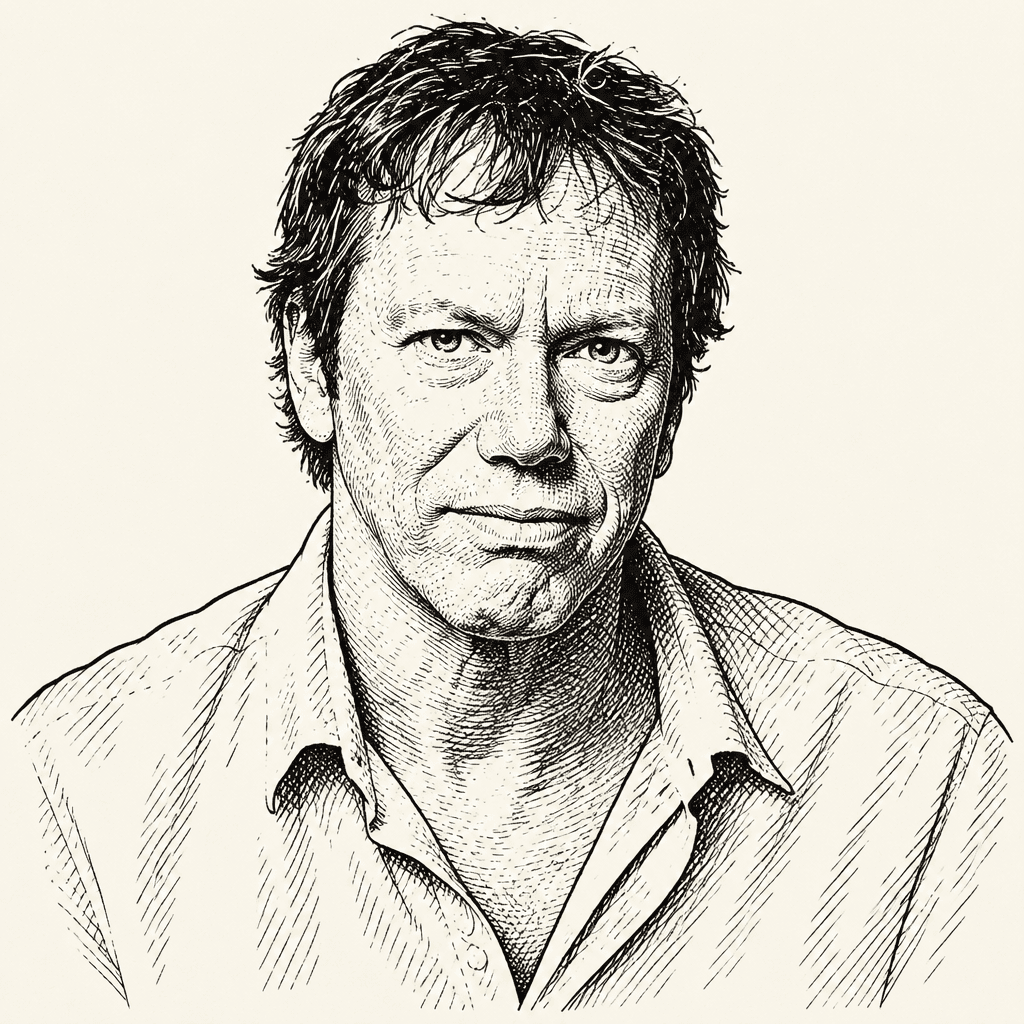
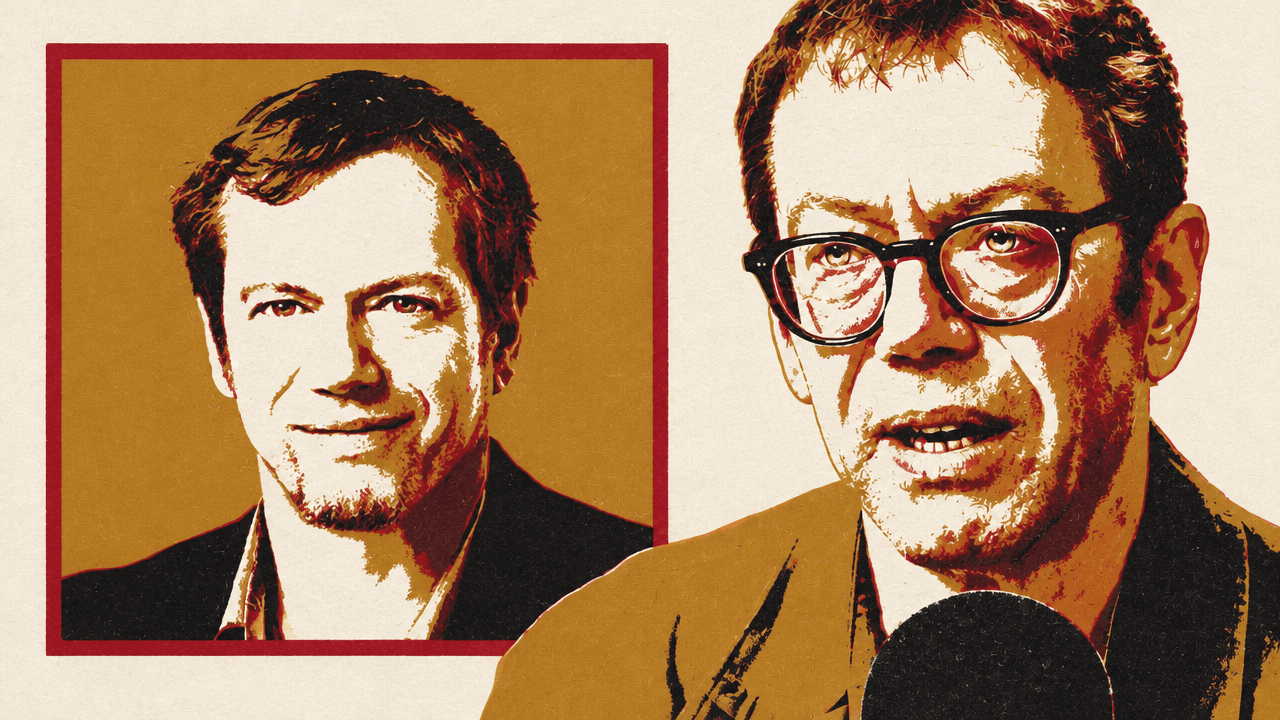
Robert Greene argues that career stability can become a trap when the work no longer fits the person doing it. In an interview with Chris Williamson, Greene recalls feeling unsuccessful until he wrote *The 48 Laws of Power* at 39, after leaving a television job he hated; even that book’s success, he says, did not mean he should simply repeat the formula. He urges people to take seriously the pull toward work that feels like their own, even when choosing it means risking income, security or other people’s approval.
Work can succeed while still feeling wrong
A career can provide money, family life, and stability while remaining “not quite you,” Robert Greene says. He describes that tension in his own life: at 39, after years of struggling to hold a job, he wrote The 48 Laws of Power. Its success brought money—and pressure to produce another book like it. Instead, Greene chose to write about seduction, a subject that had fascinated him since his twenties, despite his publishers’ and partner’s preference for something else.
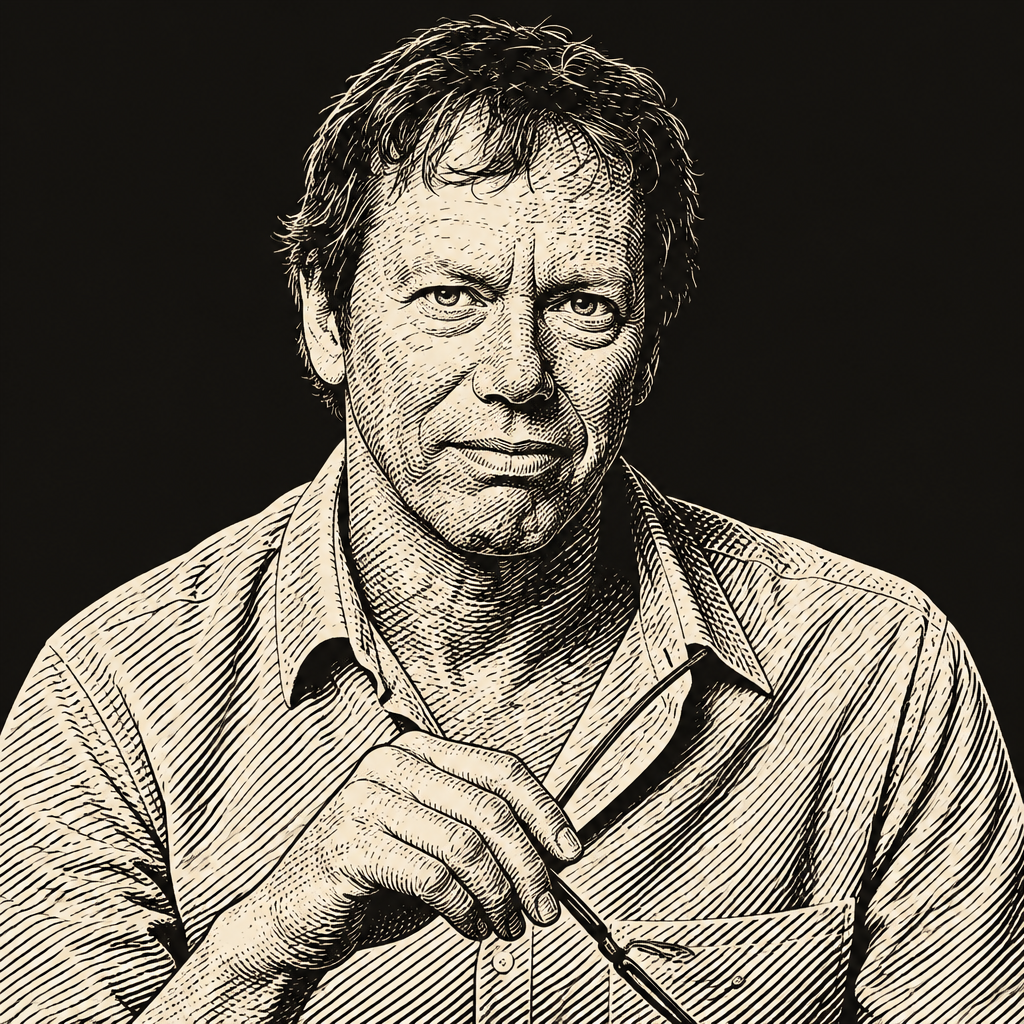
For Greene, the distinction is not simply between a successful book and an unsuccessful one. Each book has to take him somewhere new; repeating the previous one leaves him feeling that the work does not fit. A first version of his book with 50 Cent made that discomfort clear. Greene says it was cancelled because it was late and not good. It focused on 50 Cent’s business and empire, rather than Greene’s own interests and way of thinking. After they changed direction and put more of Greene into the book, it took off. His example makes personal fit a condition of engagement: he could not make the project work while remaining absent from it.
I had to do it even if it’s an abysmal failure, because my daemon was saying, this is what you have to do.
A safe path can become harder to leave
Greene warns that the mismatch between a secure career and a person’s sense of fit can deepen over time. He describes people reaching their forties disengaged from work and caught up in personal turmoil; by their fifties, they may feel locked into a life they no longer know how to change. His point is not that stability is worthless, but that treating it as the only priority can defer a choice until it feels impossible.
He says the cost may show up physically as well as emotionally. Greene describes the body as eventually rebelling when someone disconnects from who they are, and mentions weight gain, addiction, and illness, including diabetes, as possible consequences. Those are his warnings about what can happen, not a diagnosis he applies to everyone. His advice to people in their twenties is to explore and accept some uncertainty rather than assume money and stability are all that matter. Work that suits you may pay less than another path, he says, but ignoring that need also carries a price.
A story about a G-League basketball coach gives the choice a practical shape. Greene says the coach was offered an NBA head-coaching job but feared public scrutiny, failure, and losing the comfortable position and relationships he already had. Greene told him to take it. According to Greene, the team eventually won a championship, though he stresses that this took about five years, not one season. The example is not a promise that risk pays off in a particular way; it shows what the coach stood to learn by taking a job that frightened him.
Your fear is holding you back and your fear is making it seem like you're being reasonable, but in fact you're just afraid.
Greene describes a comparable decision at 35. After struggling to keep jobs, he had finally found work in television in Hollywood, but says he hated it and was miserable. His mother wanted his then-girlfriend to persuade him to stay. He quit anyway, despite the disappointment of people around him. Staying could have meant settling into television writing and earning a good income; Greene believed that remaining in work he could not stand would destroy him over time. In both stories, the question is whether apparent prudence is actually fear of being judged, failing, or giving up security.
Perspective can loosen the grip of immediate fears
Greene’s account of scale offers a wider frame for the same choices. Awareness of vastness can make a person feel insignificant, he says: the universe is 13.8 billion years old, a human life might last 80, and there are eight billion people on Earth. But the ability to grasp those distances and numbers is also astonishing. A person is small within that expanse, yet capable of being aware of it.
Greene associates this mix of unease and wonder with childhood. Children are physically small and vulnerable, and the world can seem strange, frightening, and exciting at once. Looking at the night sky captures that combination, which he calls the sublime. The feeling can put immediate concerns in perspective. Applied to the choices he has described, that perspective does not make risk painless or guarantee success; it makes the fear of a single failure, or the comfort of one safe path, less likely to stand in for the whole of a life.