Tiimo Wants Siri to Make Adaptive Planning Less Manual


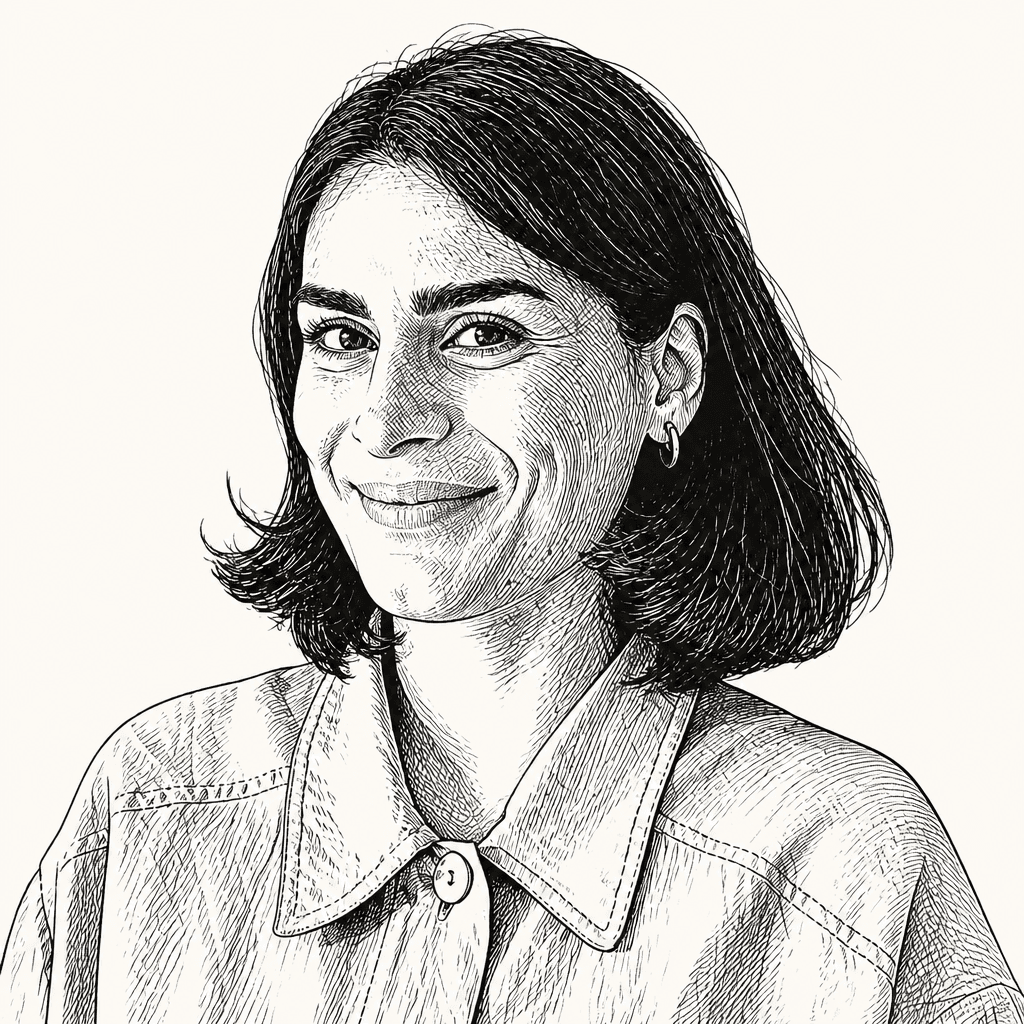
Tiimo co-founders Melissa Azari and Helene Nørlem told Bloomberg Technology that Apple’s AI and accessibility work could help make adaptive planning support less manual and easier to reach across devices. Their argument is not that a more capable Siri should replace Tiimo, Apple’s 2025 iPhone App of the Year, but that system-level intelligence could reduce the cognitive load of planning for users with neurodivergent or otherwise less visible needs.

Tiimo wants Siri to reduce the work of planning, not replace the planner
Tiimo’s founders treated Apple’s AI work as potentially useful because it could make adaptive planning support easier to reach across Apple’s system. For the Denmark-based company, the practical question around a revamped Siri is whether Apple can make planning feel less like planning.
Helene Norlem said Tiimo is watching Apple’s announcements because stronger system-level intelligence could help the company do what it already wants to do for its users: take the cognitive load out of planning, make planning “more effortless,” and make it feel smart.
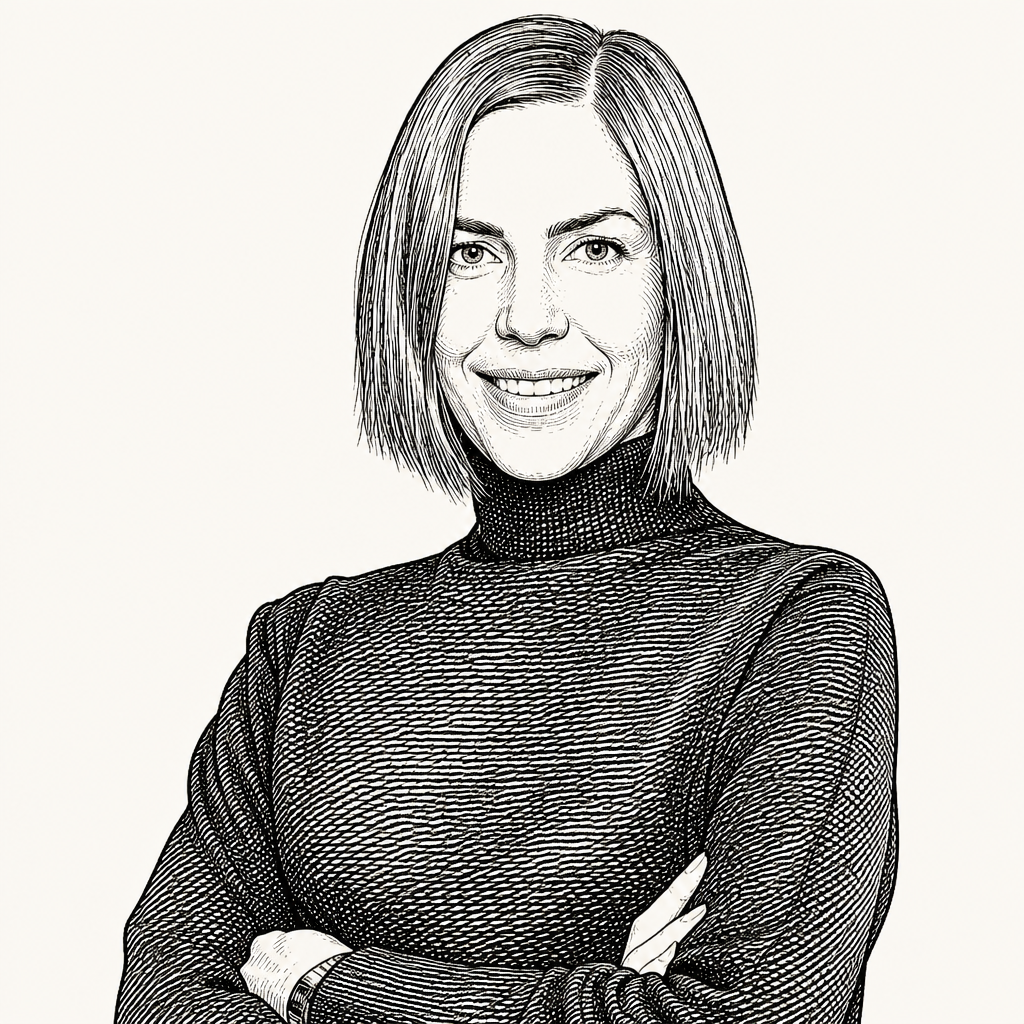
What we basically really want to achieve for our users is to take this cognitive load out of planning, make it feel more effortless, make it feel smart.
That matters because Tiimo’s product is not framed as a generic calendar or task list. Melissa Azari described it as a visual planning app with AI built into the product so users can make planning “more smart” and more adjustable to their daily plans in real life. The company’s emphasis is on adaptive planning: not only listing tasks, but helping people see what they are doing, when they are doing it, how long it will take, and how larger activities can be broken into subtasks.
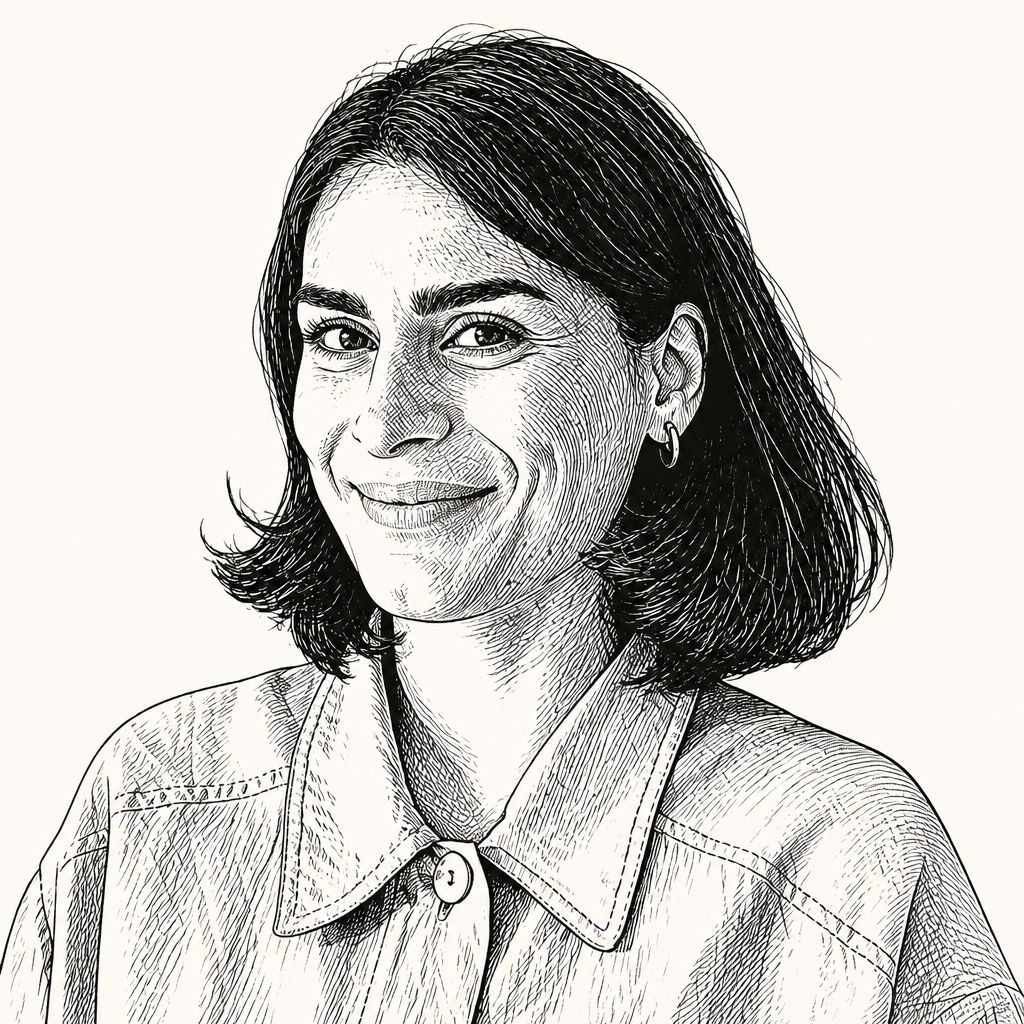

Ed Ludlow put the competitive question directly: if Siri moves from single voice commands and single responses toward multi-step tasks, does that make Siri a substitute for something like Tiimo? Nørlem’s answer was that Tiimo sees value in integrating with Apple technologies because they can support users throughout the operating system. A user may be able to speak to Siri, use Shortcuts, or interact with preferred apps without opening Tiimo each time they need support.


Nørlem’s point was not that the app disappears into the operating system. Tiimo still designs specifically for its own user base. But Apple’s system-level tools can become another way for that design to reach users when they need help.
You don’t necessarily have to go into the app to get the support you need.
The founders therefore treated a more capable Siri less as a straightforward replacement risk and more as a possible way to deliver the kind of assistance Tiimo wants to provide: planning support that can be invoked in the moment, by voice or automation, in the Apple context the user is already using.
The accessibility problem Tiimo is addressing is often invisible
Tiimo’s design premise is that “different brains thrive with different tools,” as Nørlem’s quoted statement on screen put it. The same Bloomberg graphic described Tiimo as “adaptive by design, built for accessibility and neuroinclusion from the very start.” Nørlem emphasized that Apple has a strong focus on accessibility, while Tiimo focuses in particular on “invisible disabilities” and needs that are not always obvious from the outside.
The concrete need she named was organization and structure for people whose brains work differently from “the norm.” Azari then described how that translates into interface choices: visual support, tangible representations of time, timers, and subtasks that break larger activities into visible pieces. The point is not merely to add reminders. It is to reduce the mental work required to understand what is happening next, how long it may take, and how a larger task can be broken down.
| Interface element shown | What it surfaced |
|---|---|
| Daily planner | A Tuesday view with an “Anytime” task, “Make presentation,” and a “Morning Routine” with times attached. |
| Completion feedback | A screen telling the user, “You completed 20 tasks. Well done! Keep it up - see you tomorrow.” |
| Mood check-in | A prompt asking how the user felt overall, with options from “Very Unpleasant” to “Very Pleasant.” |
| Wellbeing reflection | A summary noting a “Pleasant” day, marked as powered by Apple Health, and connecting completed tasks with mood. |
| Priority to-do list | Tasks sorted into “High,” “Medium,” and “Low” priority areas, alongside ordinary to-dos such as booking a doctor or paying a bill. |
Those interface details show the kind of accessibility Tiimo is emphasizing: visible time, broken-down work, emotional check-ins, completed-task feedback, and priority sorting. Azari framed that as accessibility beyond the visible or conventionally recognized forms of need.
Apple’s platform matters because support has to follow the user
The founders’ interest in Apple’s platform is tied to continuity across devices. Ludlow described the “big pitch” of the new phase of Siri as following users from iOS to macOS, and asked whether that would open things up for Tiimo. Helene Norlem said it would, because the goal is to reach users “where they are,” whether on a phone or a computer, and provide support throughout the day where it is needed.
That is the same logic behind Tiimo’s interest in Siri and Shortcuts. If planning support requires a deliberate trip into one app, it is less available than support that can be called through the operating system. Nørlem described Apple’s broader system as a way to interact with “your favorite products and your favorite apps,” while Tiimo continues to design the underlying experience for its own users.
Melissa Azari also pointed to Apple’s existing accessibility features as part of what Tiimo builds with. She said Apple’s technology supports accessibility throughout the operating system, and that Tiimo has used some of those features in its app. Azari described the relationship at the level of accessibility features, not specific developer tools: Apple provides an operating-system accessibility environment, and Tiimo builds a more targeted planning experience for its own users inside that environment.
The announcement Nørlem most wanted to hear about was Apple Intelligence. She tied it back to Tiimo’s ambition to build smart planning that feels effortless: “this little personal assistant” that understands the user and can support them in the best possible way. The value of Apple’s AI work, in her answer, is whether it can make adaptive, neuroinclusive planning less manual and more available throughout the user’s day.