Camera Glasses Face a Privacy Test Beyond Hardware


Bloomberg’s Mark Gurman argues that Samsung’s Z Fold 8 offers a practical preview of Apple’s expected foldable, using a wide-open format to make reading, video, gaming and multitasking more usable than on a conventional phone. Samsung’s planned camera-equipped smart glasses point to a harder problem for the broader wearables market, he says: comparable hardware will not matter if companies cannot persuade bystanders that they are not being recorded without their consent.
Foldables must prove utility; camera glasses must earn social permission
Mark Gurman drew a distinction between Samsung’s foldable strategy and its planned smart-glasses launch. Its new foldable is meant to make a phone more useful through a broader screen and a different shape. Its coming smart glasses face a less technical constraint: users may want to wear camera-equipped frames, but people around them also need to accept being near them.


That makes Samsung’s latest devices relevant in different ways to Apple’s expected product plans. Gurman described the Z Fold 8 as a practical preview of Apple’s anticipated foldable design. The glasses, meanwhile, illustrate a category in which comparable cameras and audio hardware may not be enough to overcome privacy concerns.
Samsung’s wide foldable previews the format Gurman expects from Apple
Samsung introduced three phones: a new Flip, a high-end Z Fold 8 Ultra, and the Z Fold 8, a mid-tier foldable that replaces the larger-format model Samsung has sold for several years. Gurman focused on the Z Fold 8 because, he said, its design closely previews the foldable Apple is expected to release in the fall.
The key feature is not merely that the phone folds. Opened, it becomes a broad display: shorter than a conventional handset, Gurman said, but wider. That shape gives more usable space to activities that otherwise feel constrained on a phone—gaming, split-screen multitasking, e-book reading, and watching YouTube or other video.
The wide format is awesome for gaming. It’s pretty good for multitasking. Where it really shines is e-book reading and watching video on YouTube and what have you.
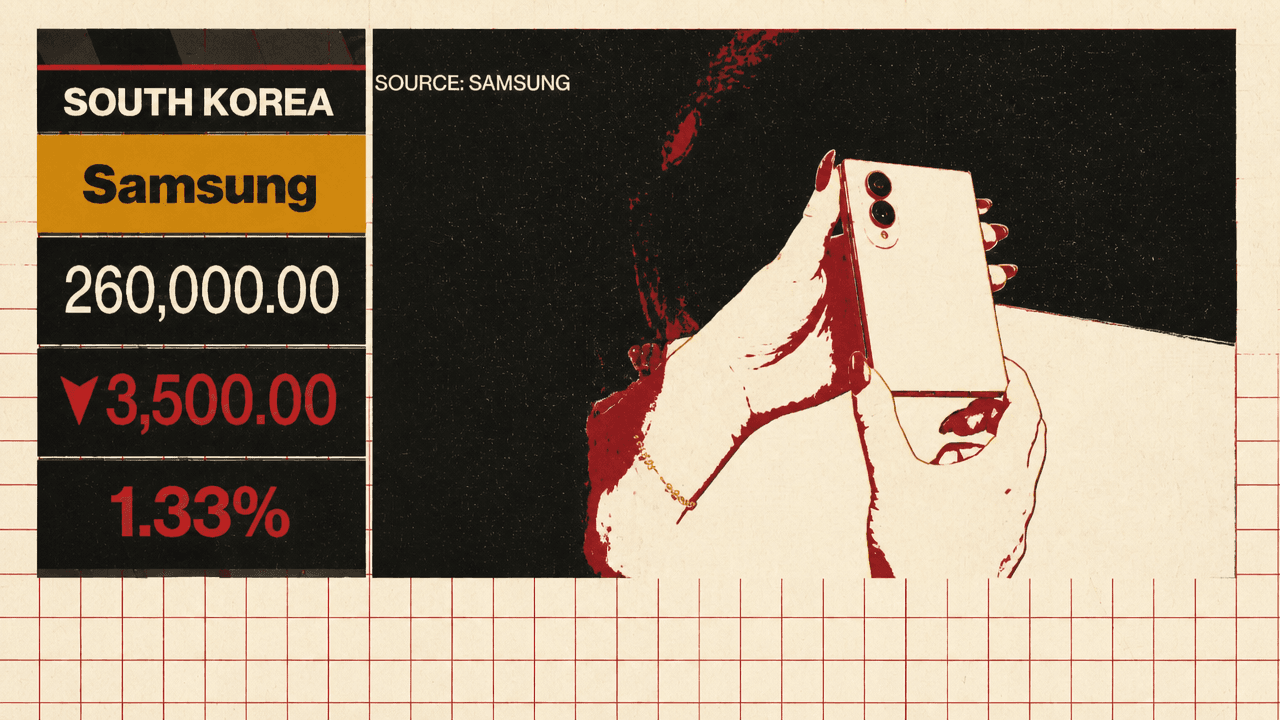
Samsung’s promotional footage showed a light-colored foldable being opened and operated, then rotating in its closed position on a black pedestal. Gurman called the Z Fold 8 “incredible” and “amazing,” and said he expects it to sell very well. But he also argued that the form factor is difficult to grasp through specifications alone: “You have to get your hands on it to really understand it.”
His claim is not simply that Apple will enter an established product category. It is that Apple is expected to use the same wide-format approach—one intended to make a phone more capable for reading, viewing, playing, and working across multiple apps.
Camera glasses have to earn permission from people nearby
Samsung plans to launch smart glasses later this year with Google, Warby Parker, and Gentle Monster. Mark Gurman said the glasses are expected to provide about nine hours of battery life and fit a familiar category: display-free eyewear with cameras and audio technology integrated into ordinary-looking frames.
Samsung’s promotional material showed dark-framed Warby Parker glasses and several Gentle Monster designs, including models wearing the frames in fashion-oriented images. The pairing with established eyewear brands presents the product as ordinary-looking glasses as much as a new piece of technology.
Gurman’s central concern, however, was not battery life or styling. The products themselves are converging, he said: Meta, Google, Samsung, and eventually Apple are all pursuing glasses built around cameras and audio. As sales and usage of the category grow, he said, concern about their privacy implications is growing too.
He cited Royal Caribbean’s ban on the glasses in casinos, bathrooms, and children’s play areas on its ships. He also said courthouses in Wisconsin, New York, and Pennsylvania have prohibited them. The issue extends beyond whether an owner finds the glasses useful. Camera-equipped frames can leave bystanders uncertain about when they are being recorded.
Gurman linked much of that anxiety to Meta’s longstanding privacy baggage, but did not treat it as a Meta-only problem. Samsung, Meta, and Apple need to make both wearers comfortable using the devices and people nearby comfortable being around them.
They’re really going to need to figure out the privacy story here to get people not only comfortable wearing them, but to get people around people who are wearing them to be somewhat comfortable.