Oura Seeks Clinical Validation for Longer-Term AI Health Prediction

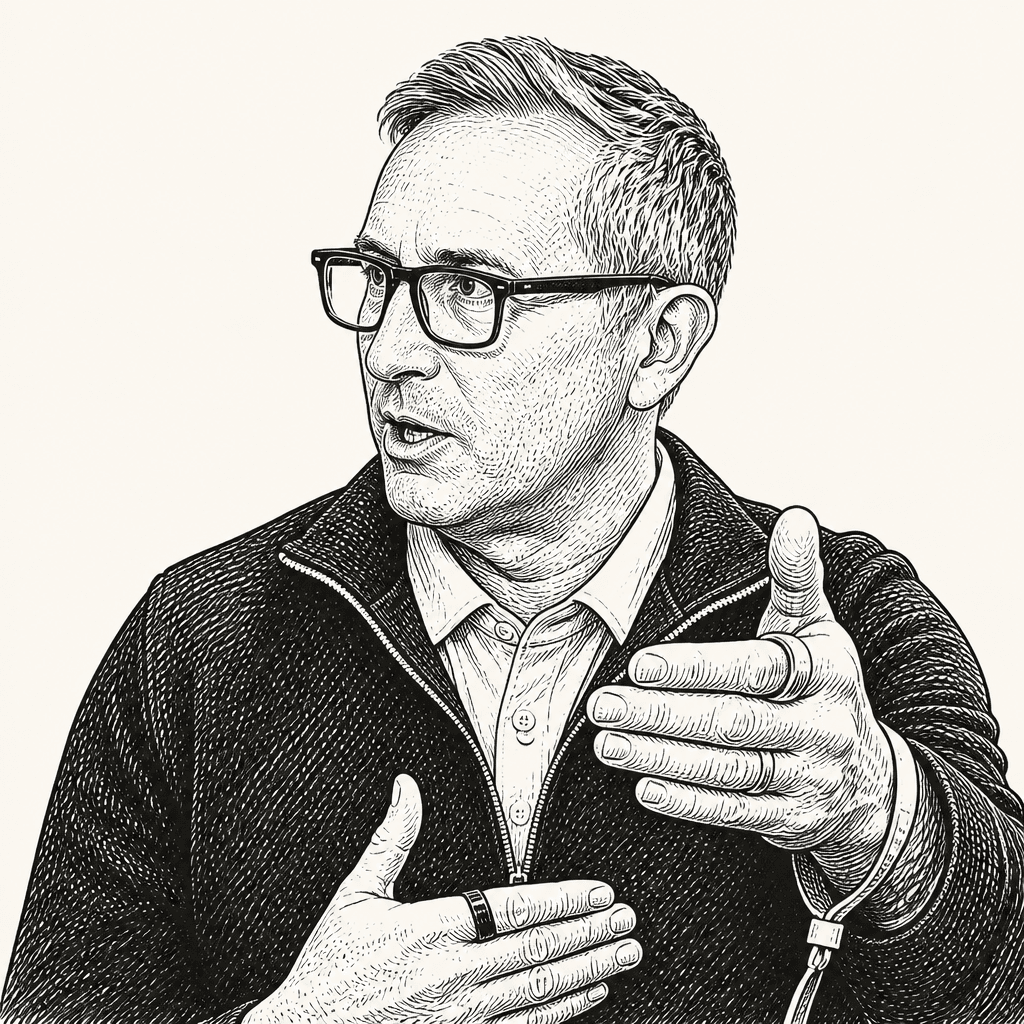
Oura chief executive Tom Hale told Bloomberg Technology that the company’s AI work is not a new response to the current market cycle but an extension of years of prediction work in wearables. His argument is that Oura can move from near-term wellness signals, such as illness or menstrual-cycle alerts, toward longer-range health guidance, provided the science and regulatory validation support it. Hale said the company is still stopping short of diagnosis while it works with the FDA, including on blood-pressure submissions, and framed Oura’s hardware as an advantage in an AI market where software is easier to copy or generate.
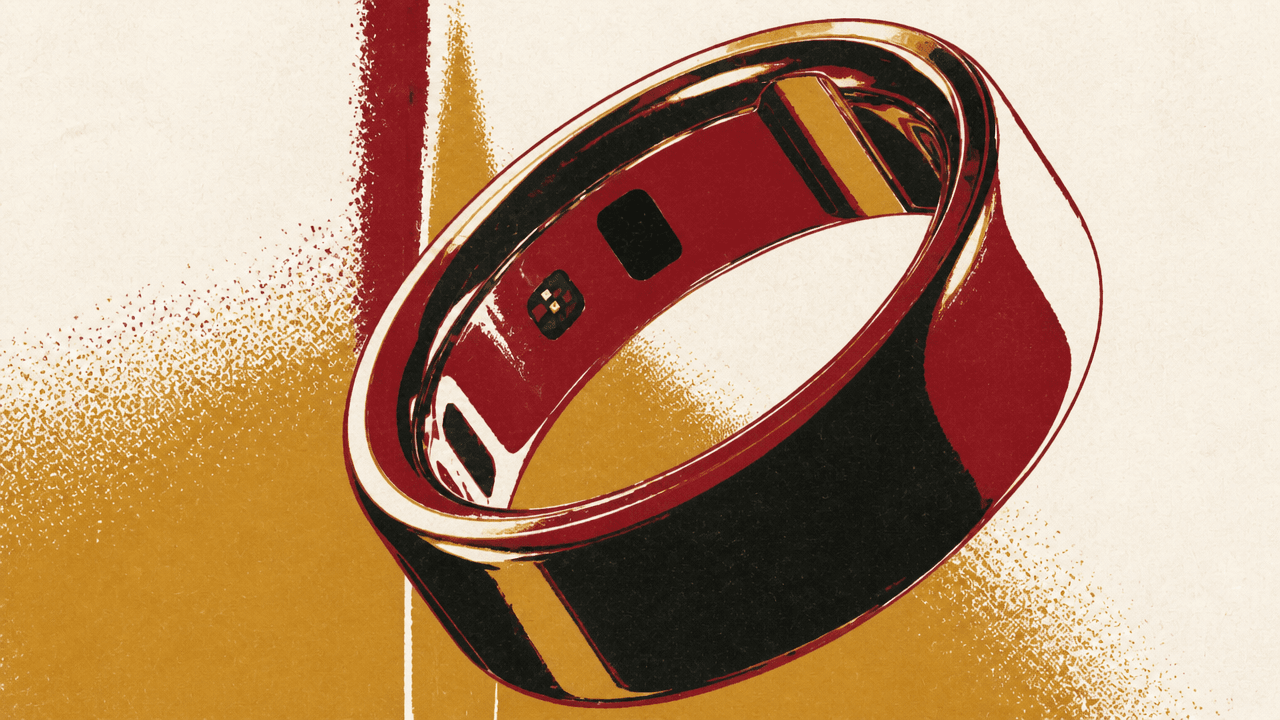
Oura’s AI ambition runs ahead of its current medical authority
Tom Hale framed Oura’s use of AI as an extension of work the company has been doing “for many years,” not as a new response to current market exuberance. Its existing predictions are short-horizon signals: a user may be getting sick in a couple of days, or a menstrual cycle may be coming in a couple of days. Hale attributed the accuracy of those predictions partly to the fact that they are near-term.
The more consequential opportunity, as he described it, is longer-range health prediction. Instead of only telling a user what is likely to happen soon, Oura wants to help people see how behavior could “bend the curve” on health outcomes over time — and perhaps eventually on healthcare costs.
That is where Hale located AI’s disruptive potential. Healthcare, in his view, has a supply problem: “there’s just simply not enough care to be provided for everybody.” AI could lower cost, broaden access, and provide medical information at scale, but only if the information is high quality, scientifically validated, accurate, and “good.”
AI lowers the cost and provides access and provides medical information. It has to be high quality, it has to be scientifically validated, it has to be accurate and good, but that opportunity exists.
The tension in Hale’s argument is that Oura is pitching a future in which AI-enabled wearables influence longer-term health outcomes, while its present posture still stops before medical diagnosis. The value depends not only on prediction, but on proving that those predictions are reliable enough to support clinically relevant use.
The regulatory line is wellness insight, not diagnosis
Caroline Hyde put the regulatory boundary directly to Hale: Oura’s ring is currently treated as a general wellness product, while features such as blood pressure could move the company further into the medical space and require FDA approval.


Tom Hale said Oura wants to be “as aligned with the FDA as possible” and to keep its work on a path of scientific and medical validation. He said that includes the FDA, and that Oura is working on multiple submissions. Blood pressure is one of them.
The central evidence he cited was Oura’s “blood pressure profile study,” which he said includes almost 300,000 people taking cuff measurements and comparing those measurements with predictions made by the ring. Hale described the purpose of that data set as supporting the case that the ring’s output is accurate, validated, and clinically relevant.
Until that validation process is complete, Hale said Oura will likely continue operating as a wellness device. That means providing insight, but not diagnosis. “We’ll stop short of that,” he said.
The absence of someone at the top of the FDA, in Hale’s account, has not changed Oura’s work with the agency. He pointed instead to collaboration with CDRH — the FDA division focused on medical devices — and to the “rank and file” people working on device evaluation.
Apple overlap supports Oura’s complement argument
Hyde described Oura’s relationship with Apple as a kind of “frenemies” dynamic: the companies overlap in wearables, and Oura has hired significant talent from Apple.
Tom Hale pushed the relationship toward complementarity. He said almost two-thirds of Oura ring wearers have a second wearable, most often a wrist wearable, and most often an Apple Watch. In his telling, that makes the ring less a replacement for existing wearables than an additional device worn alongside them.
On talent, Hale acknowledged Apple’s role in producing “icons of health and hardware” and said Oura was proud of the people who had joined from the company. He also described his own long history as an independent software developer on Apple’s platform, framing the relationship as one with “great connectivity” rather than only rivalry.
Hardware has become a defense against software disruption
In an AI market where software developers have become expensive and software itself can be generated more quickly, Tom Hale recast Oura’s hardware burden as a strategic advantage.
He said that a year earlier, people questioned why Oura would choose hardware at all. “Hardware is hard,” he said, invoking the software-world rule that one should avoid it. Hale joked that he must have missed that class. But he argued that the same constraint now looks valuable because AI has made parts of software feel more vulnerable to rapid disruption.
His phrase for the hardware moat was blunt: “you can’t vibe-code atoms.” Software can be generated or accelerated with AI tools, but physical products still require manufacturing, supply chains, materials, and execution in the real world.
For Oura, Hale said, being a hardware company with strong software backing has become advantageous. Investors, in his account, now tell the company they are glad it is not simply a software provider.
Supply-chain pressure has not materially hit demand, Hale said
On inflation and supply-chain risk, Tom Hale said Oura has not seen inflation affect demand. He acknowledged some inflationary impact on the supply chain, but described it as not material.
Tariffs were the more specific pressure point. Hale said Oura was “quite lucky” during the prior year’s tariff drama for two reasons. First, the company had announced an intention to build a factory in the United States. He said that factory is underway, though not yet fully rolled out. Second, because Oura manufactures around the globe, Hale said it was able to manage tariff issues carefully and effectively.
Hale’s narrower claim was that demand has held up, supply-chain inflation has not been material, and Oura’s manufacturing footprint has helped it navigate tariffs.