Oura Tests Whether Continuous Monitoring Can Improve Care
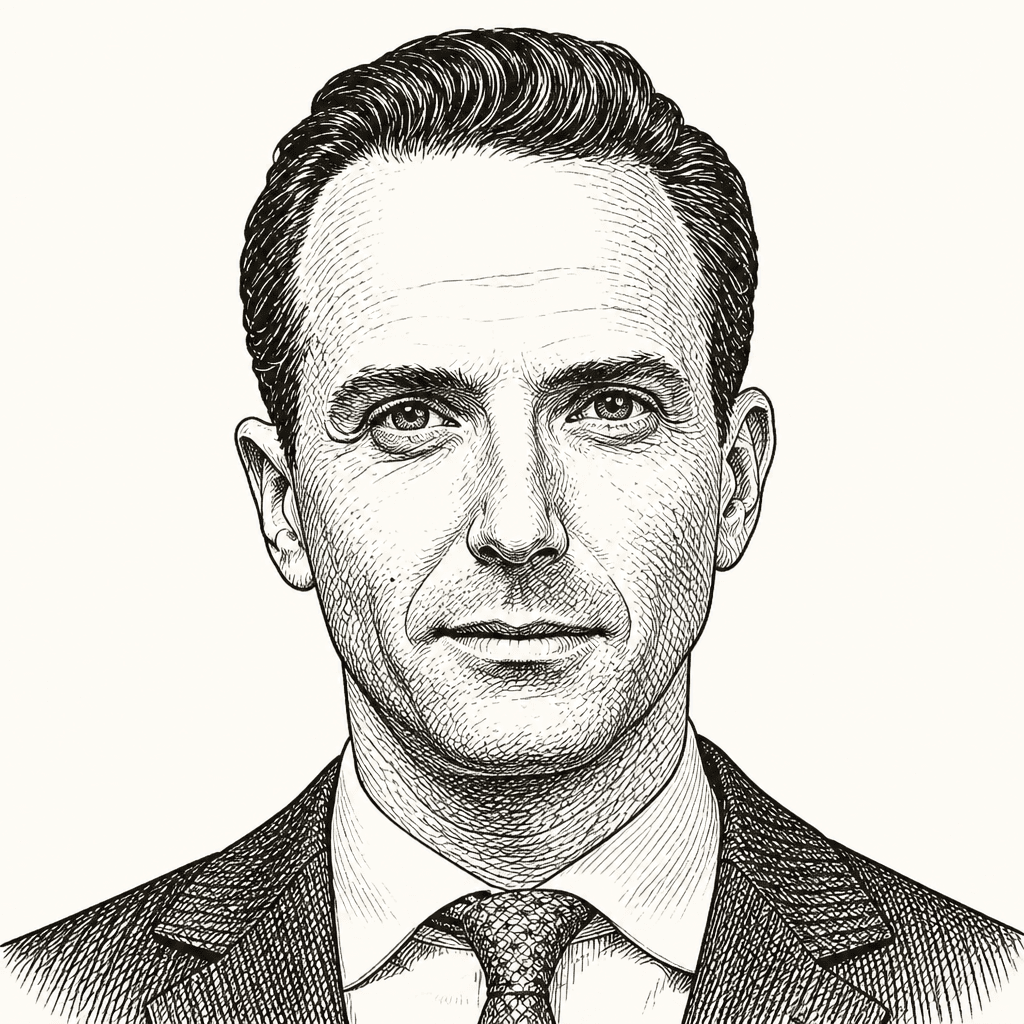

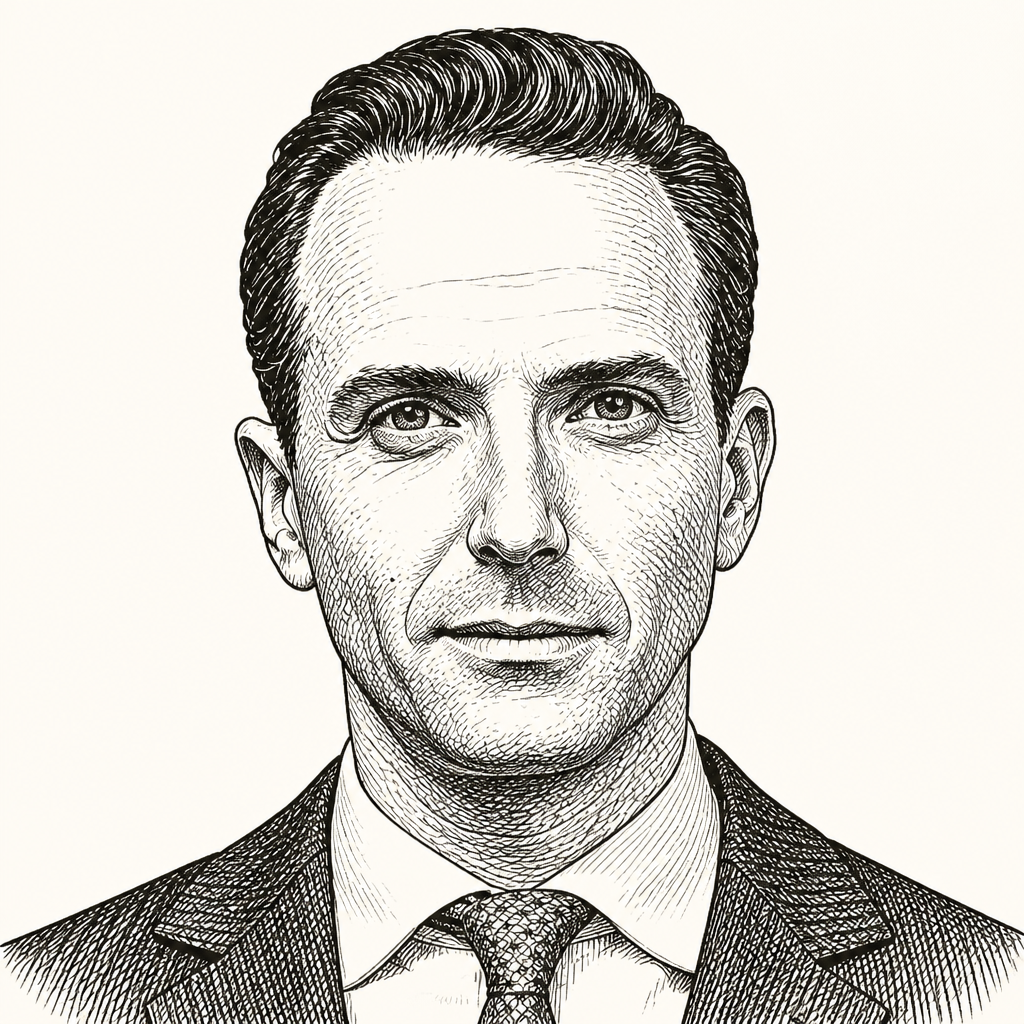
Oura Chief Medical Officer Ricky Bloomfield argues that wearable devices can fill a gap in conventional care by tracking health between brief doctor visits and flagging changes earlier. But he says continuous data matters only when it prompts clinical review or helps people change their behavior; a ring’s signal, for example, is not itself a diagnosis. Oura is testing that approach with a Medicare Advantage plan, while evaluating whether the program produces health and economic benefits.
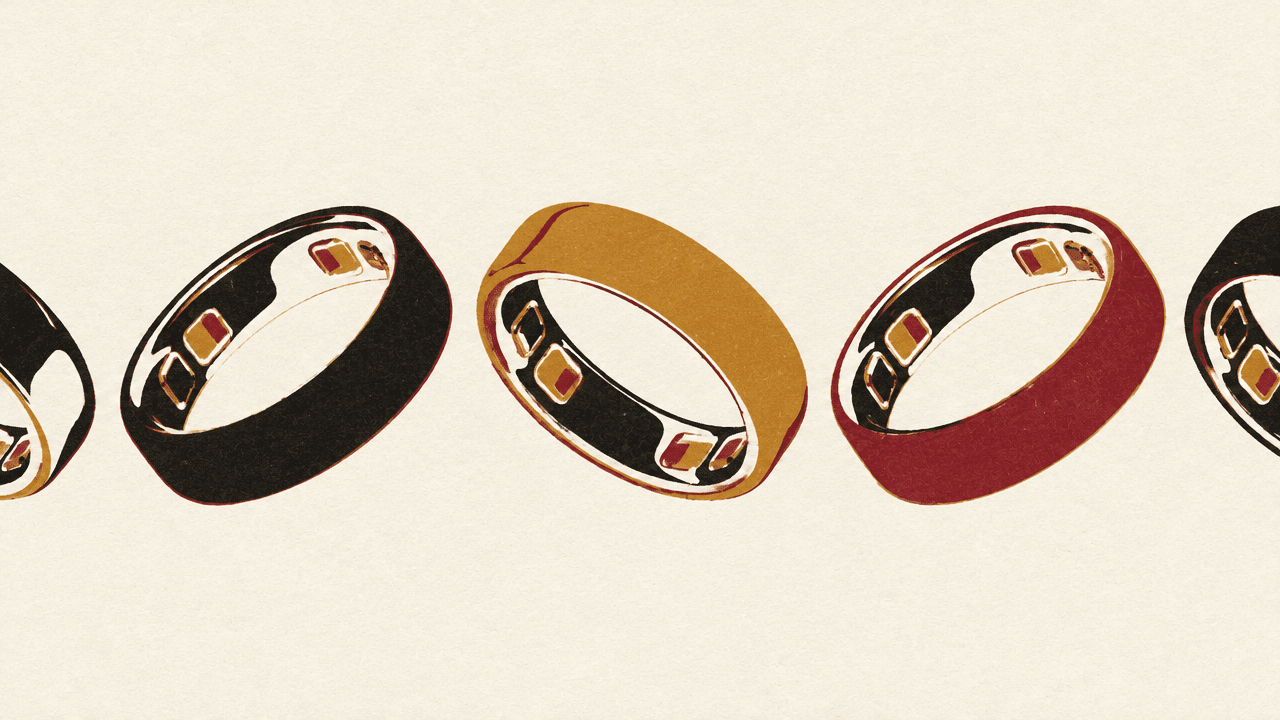
Continuous monitoring matters only if it changes care
Ricky Bloomfield sees wearable health tracking as a way to fill a gap in conventional care: clinicians get brief snapshots during appointments, while a wearable can collect measurements between them. He contrasted a physician listening to a patient’s heart and lungs for perhaps 30 seconds during a year with a ring that can measure around the clock, including when the wearer is not thinking about their health.

Caring about your health shouldn’t start when you step into the GP’s office, and it shouldn’t stop when you leave.
The aim, Bloomfield said, is to detect changes earlier and connect people with care sooner—not simply to accumulate more personal data. That distinction is central to how Oura is testing clinical uses: a measurement matters when it can lead to review and, if needed, treatment.
Bloomfield said the company is working with Essence, a Medicare Advantage plan in the Midwest that provides an Oura ring to its members as a covered benefit. In one program, the ring can detect signs of sleep apnea. The information goes to Oura’s physicians and AI, which can then support follow-up: the signal is reviewed and confirmed before the individual is contacted about getting the issue addressed and appropriate treatment.
Bloomfield stressed that the ring does not diagnose sleep apnea. Its role in this program is to provide data that can prompt clinical review, not to make a diagnosis on its own. Oura is measuring how well the program works with Essence; Bloomfield presented it as an effort underway, not as a proven outcome.
That evaluation connects to a broader measurement effort. Bloomfield said Oura is building a team to assess outcomes from both a health and an economic perspective, which he considers critical to making continuous monitoring work. The company is therefore looking not only at whether a device collects data, but at whether a programme built around that data produces results and makes economic sense.
A signal has value when it prompts a response
The potential benefit, in Bloomfield’s account, depends on what happens after a measurement—and on whether people understand it well enough to act. He pointed to Oura’s cardiovascular age feature as an example of presenting data in a form that might encourage behavior change.
The feature uses pulse wave velocity, a measurement of large-artery flexibility or stiffness, to estimate the age of a person’s cardiovascular system relative to peers of the same chronological age. Bloomfield said an estimate five or eight years older than a person’s peers can become a trigger to change behavior. He said Oura has seen that response repeatedly.
When Tom Mackenzie asked what he would add to the ring, Bloomfield declined to discuss unreleased work. He said the company’s scientists are researching additional sensing and software features, and offered cardiovascular age as a hint of the direction. The example illustrates the problem beyond sensing itself: more measurements do not automatically improve health. Their presentation has to make a potential concern meaningful enough to motivate action.

Engagement broadens the audience claim, but does not settle representativeness
Mackenzie raised a concern about who is represented in wearable data: Oura rings are not inexpensive, require a subscription, and may appear most common among younger, healthier, more affluent consumers. If that is the user base, the resulting data may not reflect broader populations.
Bloomfield disputed the idea that the audience is limited to that stereotype. He said Oura is proud of the diversity of its dataset and pointed to both very young and older members, including people in the Medicare Advantage population. The specific comparison he offered was about engagement: among Medicare Advantage users, he said, usage is as good as or better than among younger users. That engagement comparison is not itself a measure of how representative the dataset is.
His explanation centered on ease of use. The ring is worn on a finger and, according to Bloomfield, needs to be removed only once a week for charging. Each time someone takes a device off, he said, there is an opportunity never to put it back on. The ring’s simplicity, in his view, may help sustain use across a wider demographic.
Bloomfield said Oura is working to make the product more accessible while arguing that its current users span a broader demographic than the stereotype suggests. For continuous measurements to support earlier intervention, people have to keep using the device—and clinical systems have to be able to respond when its measurements raise a concern.