Waymo Says Validation Infrastructure Is Its Edge Over Tesla
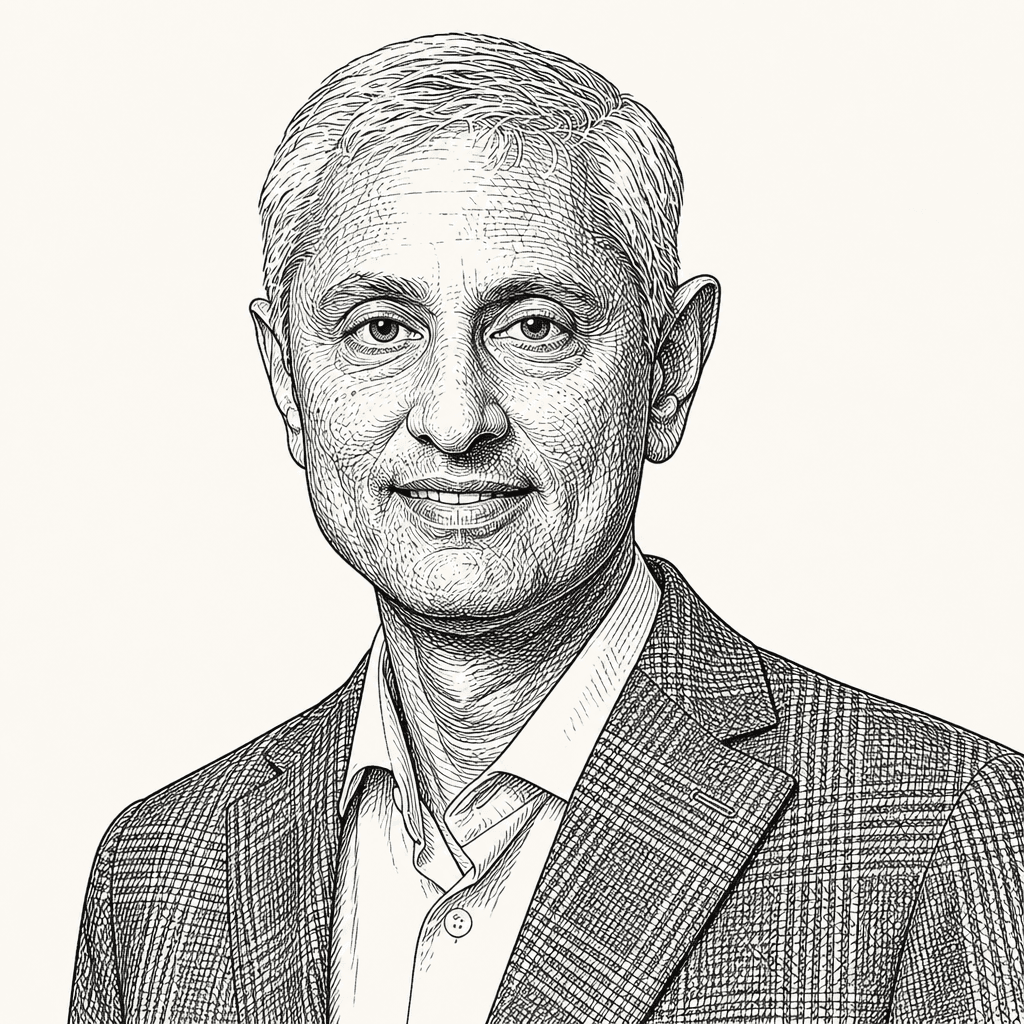
Waymo’s Srikanth Thirumalai tells Bloomberg that the company’s driverless strategy is built around validation infrastructure as much as the driving model itself. In contrast to end-to-end approaches associated with Tesla and others, he argues that Waymo’s path to scale depends on a full stack of driver software, simulation, real-time safety checks and a critic that identifies weak performance and feeds improvements back into the system.
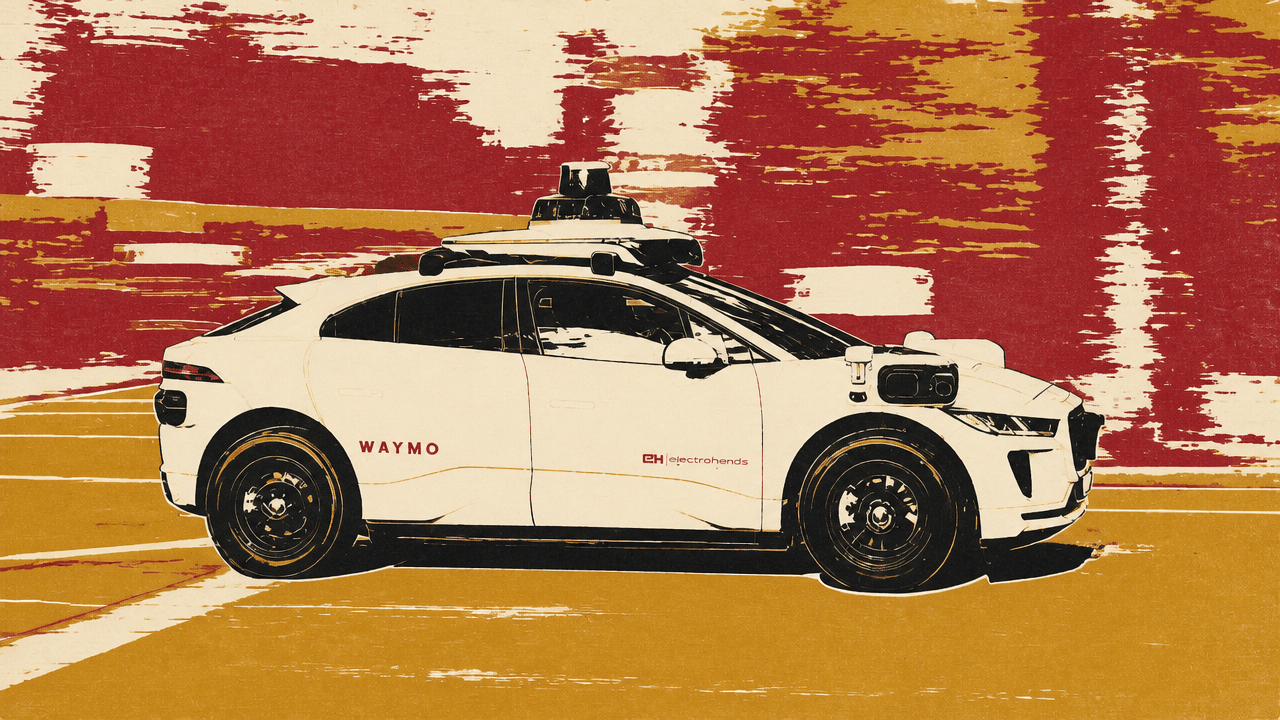
Waymo’s answer to Tesla is validation infrastructure, not just a better model
Tom Mackenzie framed the strategic divide as a contrast between Waymo’s full-stack approach and competitors pursuing a “brain-only” or end-to-end machine-learning strategy. In that competing model, he said, companies use less hardware and do not necessarily separate the system into the same components Waymo emphasizes.
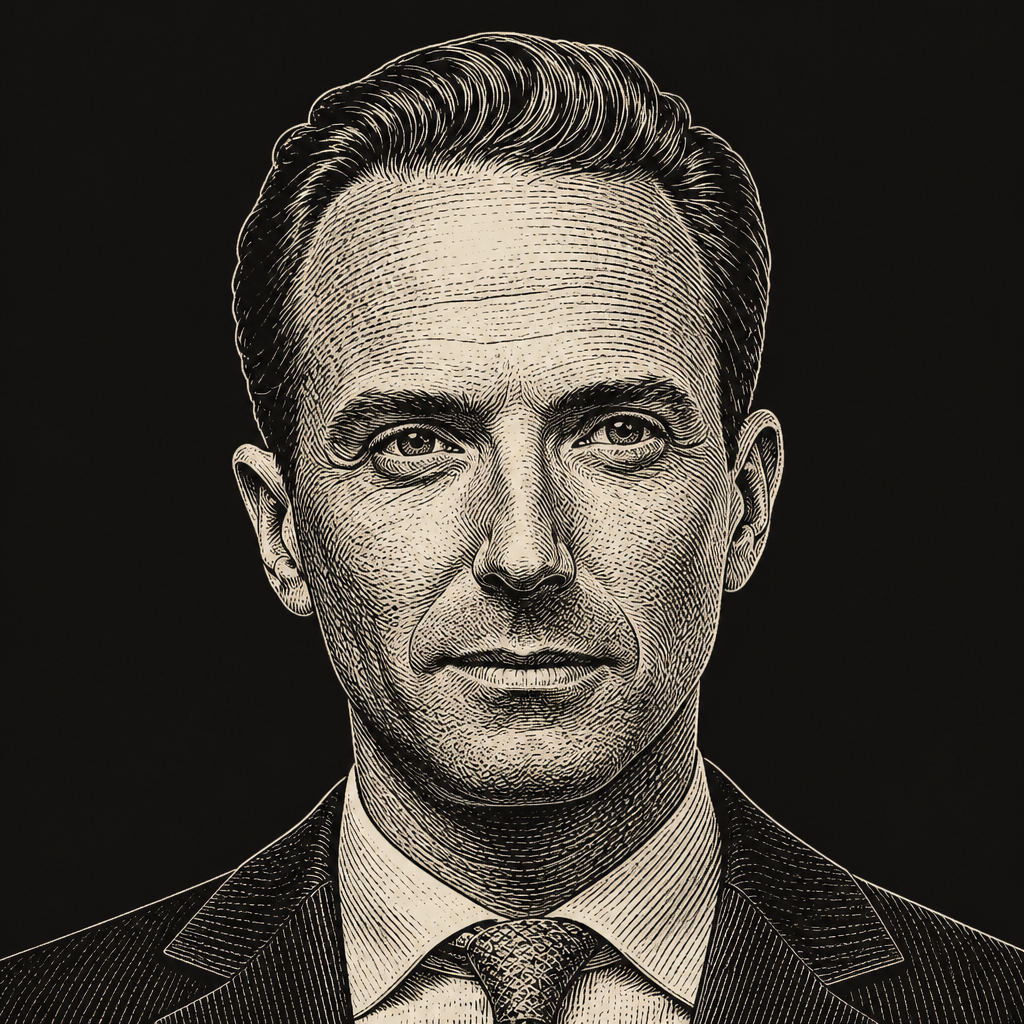
Srikanth Thirumalai accepted that the approaches differ. Waymo’s conviction, he said, does not rest on the driving model alone. It rests on the surrounding system that checks what the model produces, finds where it performs poorly, and feeds those findings back into the next version.
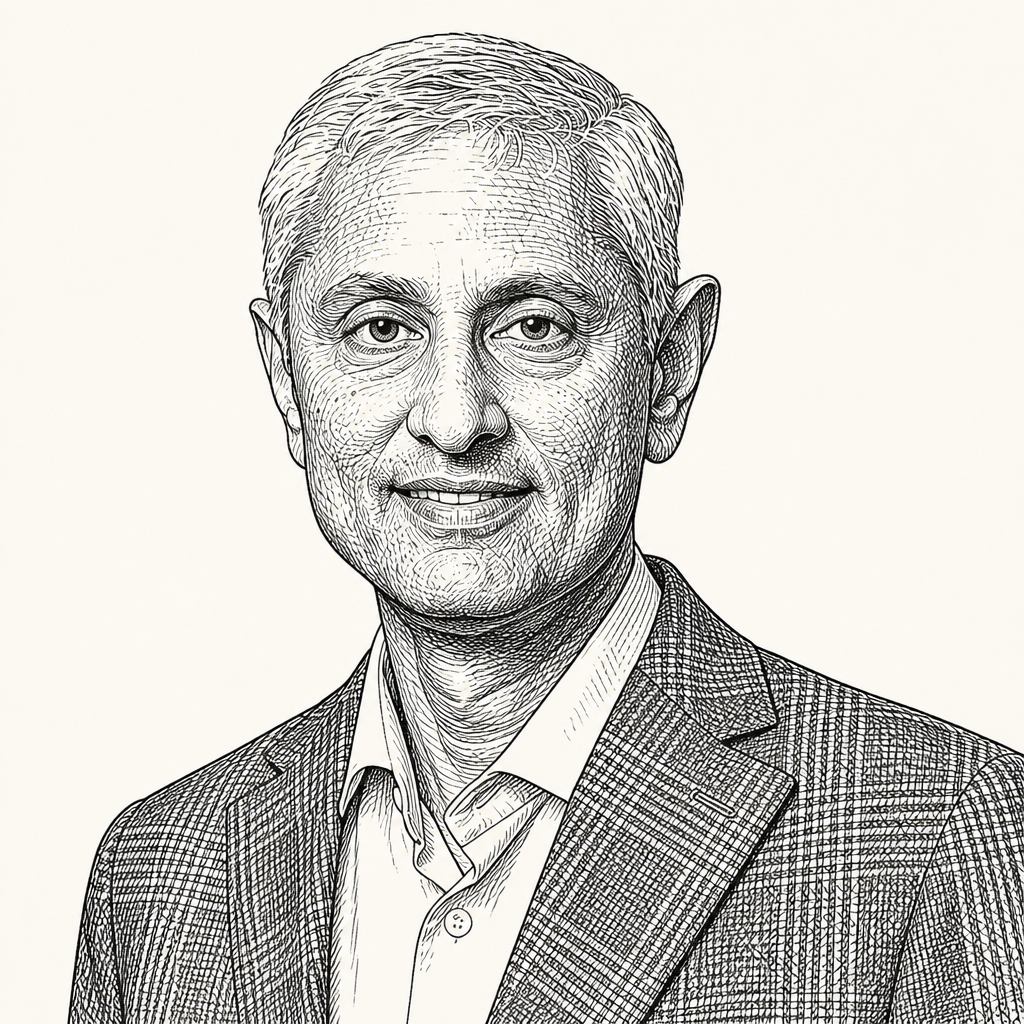
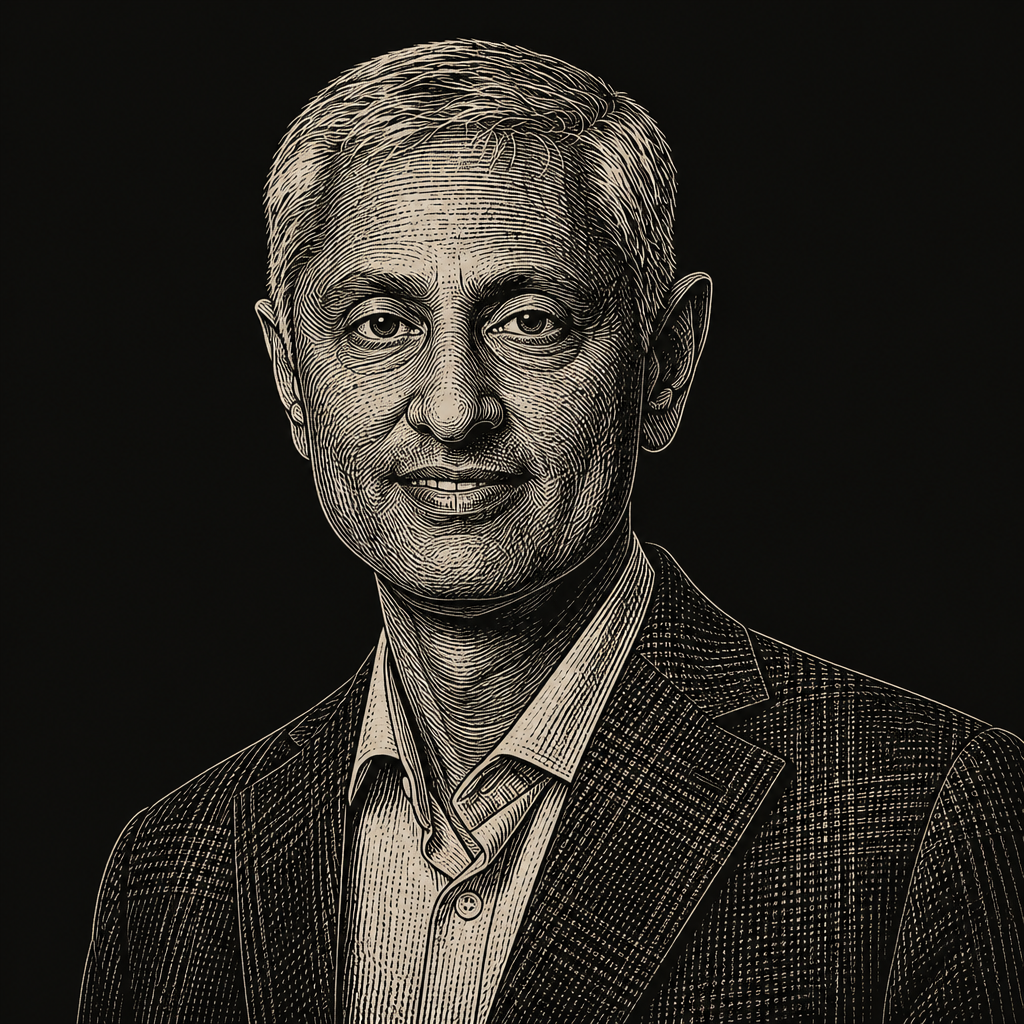
Thirumalai described the Waymo driver as generative: it produces plans for how the vehicle should move. But a generated plan is not enough. The system also needs real-time safety checks and an onboard validation layer that is independent of the driver itself.
You have to make sure that those plans that it generates are safe. And so you need to build in safety checks in real time so you can make sure the driver is prioritizing safety.
That is the core distinction he drew. The safety system is not only a simulator-side process; Thirumalai described onboard components that prioritize safety and an “independent validation layer” meant to ensure the driver does the right thing. For Waymo, autonomous driving at scale requires both a driver that can generate behavior and mechanisms to validate that behavior.
The driver, simulator and critic form the scaling stack
Srikanth Thirumalai described Waymo’s autonomy technology as a three-part stack: the driver, the simulator, and the critic. The driver is the obvious piece — the onboard software that runs the car. The simulator is the virtual environment where Waymo can test the car before deploying changes on public roads. The critic is software that detects “suboptimal performance” in simulation or in the real world.
The critic turns weak performance into a target for improvement. Once those suboptimalities are identified, Waymo can work on the driver and then use simulation to verify whether the fixes worked. The simulator and critic are not peripheral tools; they are the mechanisms that help Waymo improve the driver and confirm those improvements before deployment.
So it's really the driver, the simulator, and the critic is that triad, right, in our tech stack that allows us to scale.
That triad is also how Thirumalai answered the comparison with end-to-end machine-learning competitors. Waymo’s system is built not only to generate driving plans, but to test, critique and validate them. The point is not simply that Waymo has more components. It is that those components are part of the autonomy problem itself.
The flywheel is Waymo’s response to the claim that others may win later
The competitive concern was put in sharp terms: Waymo may be “winning the present,” while Wayve AI, Tesla, or others could end up “winning the future.” Srikanth Thirumalai did not answer by predicting that rivals would fail. He argued that Waymo’s system lets the company “learn fast” and learn the right solutions to the problems it encounters.
Inside the company, he said, Waymo talks about a “Waymo flywheel”: a continuous learning loop built from both real-road experience and simulator experience. The sequence is repetitive by design. Waymo collects miles, learns from them, trains models, simulates the results, validates them, deploys updates, and then collects more miles.
Every additional mile becomes more experience for the system, whether it comes from public roads or simulation. The flywheel is Waymo’s answer to the “present versus future” critique because it is built around the same stack he says allows the company to scale: driver, simulator and critic.
Convergence is plausible because the safety problem is shared
Tom Mackenzie asked whether the two approaches could eventually converge. Companies pursuing end-to-end machine learning might add LiDAR or radar as safety backups, while Waymo might reduce some hardware to meet cost pressures.
Srikanth Thirumalai said he could not predict the future, but treated convergence as plausible because autonomy companies are solving the same underlying problem. They want to drive safely, and they need good solutions to the challenges that arise along the way.
That framing puts safety ahead of model elegance or hardware minimalism. Thirumalai did not map out a specific end state for the industry. He presented the shared safety requirement as the force that could pull different architectures closer together.
Tesla is treated as a serious threat if it reaches L4 at fleet scale
The Tesla hypothetical matters because it combines two conditions: reaching L4, or fully autonomous, capability and then shipping it across Tesla’s fleet. Srikanth Thirumalai did not dismiss that scenario. He said Waymo is always looking at competitors, called Tesla “a formidable competitor,” and said competition is good.
If there is that breakthrough moment, we'll be right there with it.
The competitive threat is real in Thirumalai’s framing, but it does not change Waymo’s stated route to scale. Tesla may be formidable if it reaches L4 and distributes it broadly. Waymo’s answer remains the full system around the driver: simulation, criticism, real-time safety checks and validation.