Apple Lawsuit Threatens OpenAI’s Access to Hardware Talent


Apple’s trade-secrets lawsuit against OpenAI could complicate the AI company’s effort to build a consumer device by making former Apple hardware talent more cautious about joining, Bloomberg’s Mark Gurman argues. Apple alleges that OpenAI’s recruiting, including under hardware chief and former Apple executive Tang Tan, involved confidential information and prototypes; OpenAI denies any interest in other companies’ trade secrets. Gurman reports that OpenAI remains on track to announce a device this year and ship it in 2027, but says the litigation may reshape its hiring environment well before the facts are tested in discovery.
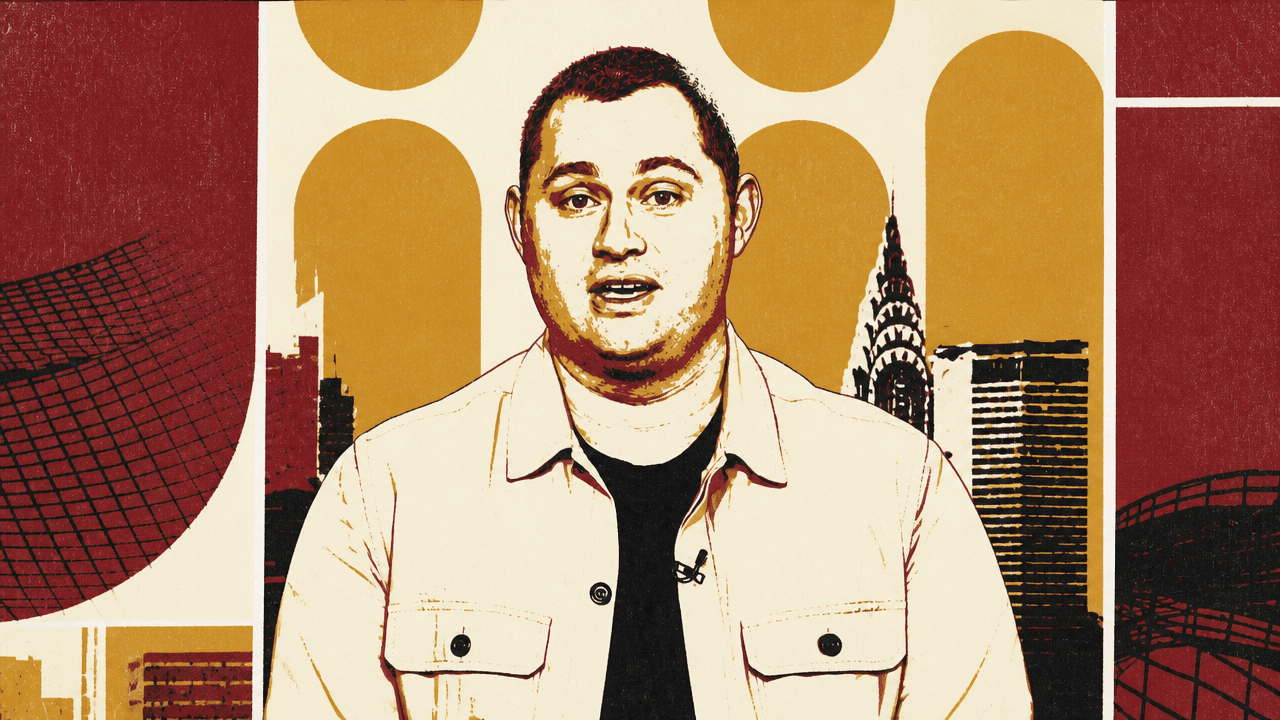
OpenAI’s device timetable now runs into Apple’s talent pipeline
OpenAI is still working toward announcing its first device this year and shipping it in 2027, according to Mark Gurman. But Apple’s trade-secrets lawsuit puts a central input to that hardware effort—recruiting people with deep Apple product experience—under new pressure before the case has reached discovery.

Apple alleges that OpenAI encouraged former Apple employees to bring confidential information and unreleased hardware as it expanded its own device ambitions. A Bloomberg News graphic summarized the complaint’s claims: OpenAI recruits allegedly brought confidential information, prototypes were allegedly brought to interviews, and OpenAI allegedly coached hires to avoid detection.
Gurman’s analysis is that the suit could change prospective employees’ behavior regardless of what a court ultimately finds. Apple employees considering an OpenAI offer, applying for a job, or speaking with OpenAI recruiters are now likely to weigh the possibility of scrutiny more heavily. Those who join OpenAI could face litigation later, he said; those known to have considered leaving may also invite an unwelcome response from Apple leadership.
The strategic issue is not simply whether Apple can prove its allegations. OpenAI’s stated device schedule is proceeding alongside a legal dispute that, in Gurman’s view, may make the company’s access to Apple hardware talent less straightforward. That tension matters because the people Apple is alleging were recruited are not peripheral to a generic AI hiring push; they are connected to the experience of designing, developing, and bringing consumer hardware to market.
OpenAI rejected Apple’s account in a statement displayed by Bloomberg: “We have no interest in other companies’ trade secrets. We remain focused on building innovative technology that empowers people everywhere.”
Apple has placed OpenAI’s hardware leadership at the center of its account
The complaint names Tang Tan, OpenAI’s hardware chief, as a defendant. Gurman described Mark Gurman’s account of Tan’s former role at Apple: he was vice president of iPhone product design until 2024, making him one of the company’s most senior product executives.
After leaving Apple, Tan created the device company with Jony Ive, Sam Altman, and other partners, Gurman said. Apple’s allegations therefore reach directly into the leadership of the hardware operation OpenAI is building, rather than describing an isolated former-employee dispute.
According to Gurman, Apple alleges that Tan told Apple employees to bring prototypes and other components to job interviews. Apple presents him as the “ringleader,” Gurman said. The allegation is consequential because it links the claimed movement of confidential material to recruiting for OpenAI’s device work—not merely to a former executive’s departure.
Gurman did not treat Apple’s characterization as the final record. He said the case’s factual picture will depend on what happens as the parties move through discovery. For now, the lawsuit establishes Apple’s accusation that OpenAI’s hardware effort benefited from conduct Apple says crossed the line from recruiting experienced employees into obtaining proprietary information and physical components.
A launch plan can remain intact while the organization behind it changes
Gurman said that, based on what he is hearing, OpenAI remains on track to announce its first device this year and ship it in 2027. That is the company’s reported operating timetable, not a conclusion that the lawsuit will have no effect.
The immediate effect Gurman identifies is narrower and more practical than a prediction that the device project stops. Apple’s complaint may cause prospective recruits to reconsider whether joining OpenAI is worth the professional exposure it creates. In a hardware organization whose leadership and recruiting are now central to Apple’s allegations, that could affect the conditions under which OpenAI pursues its timetable.
The lawsuit also creates two parallel tracks. OpenAI can continue developing toward an announcement and planned shipment. At the same time, the company’s recruitment practices, its former Apple employees, and the alleged handling of hardware-related information will be subject to the scrutiny of litigation. Gurman’s point is that the latter can influence the former before discovery determines what the evidentiary record shows.