Apple’s Stores Build Customer Relationships That Online Shopping Cannot Replace


Ron Johnson argues that retail can adapt to online shopping and AI without losing the customer relationships that physical stores help build and sustain. He sees AI improving shopping across channels, but says human service still matters in stores; his failed effort to change J.C. Penney’s offer shows the risk of moving faster than customers’ values allow.
Apple’s stores sustain relationships that online sales cannot
Ron Johnson rejects the idea that 530 Apple stores are too many, noting that Gap still has nearly 1,000 stores in the United States while Apple’s footprint is global. His case for Apple’s stores rests less on the count than on what a store can do after a sale. Wherever customers buy an Apple product, they may later need help or a repair. A store, he says, can “restore that relationship.” Apple’s strength includes its 2 billion users worldwide, and stores let the company launch relationships with new buyers, deepen them when customers return, and restore them when something goes wrong.

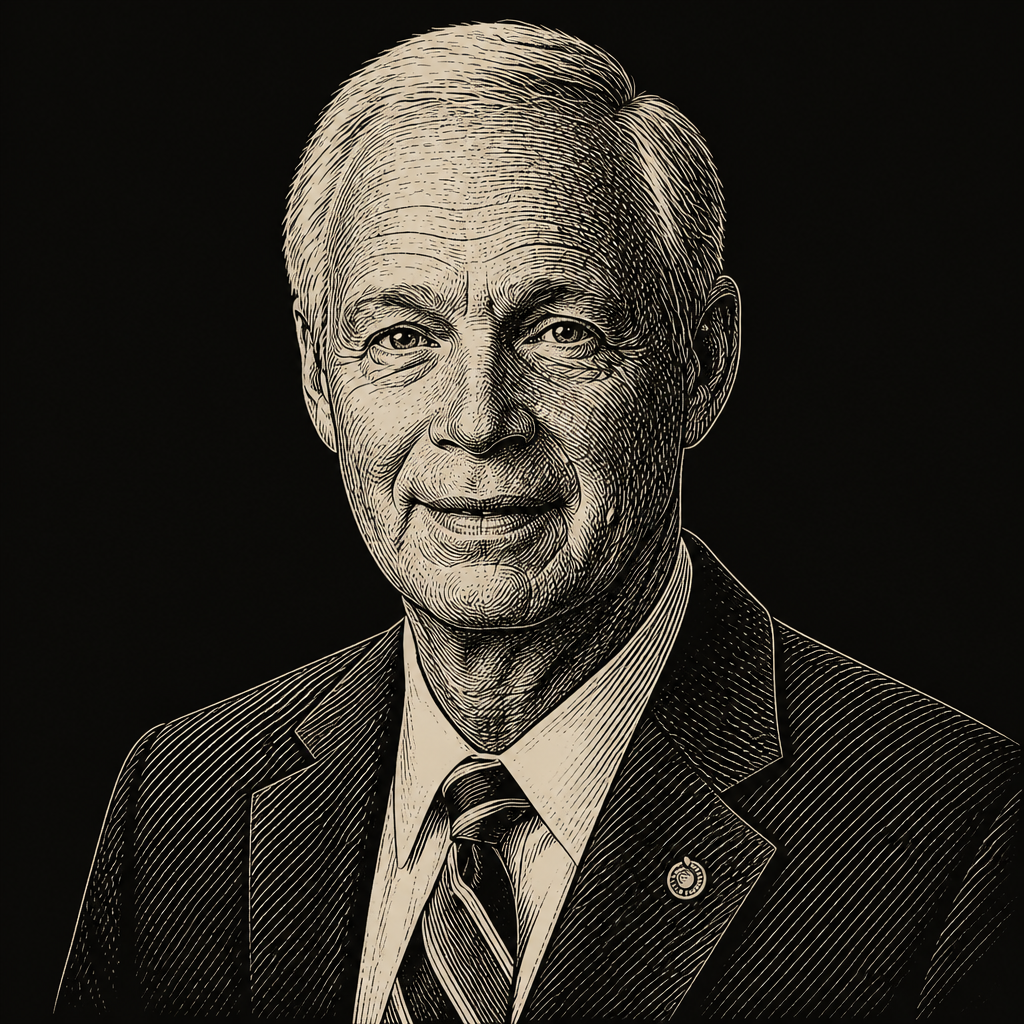
The stores are not in a product business. They're in a relationship business.
That role also matters before a purchase. Johnson says a physical presence is irreplaceable when customers are considering unfamiliar products such as a foldable phone or Vision Pro. An Apple-credited video demonstration shows hands opening and closing a folding-screen phone; Johnson’s separate point is that customers want to see products firsthand. Even when upgrading to an iPhone that has changed little, he says, people often visit a store to look before buying. With an entry-level Pro phone costing more than $1,000, he argues, buyers want to make the right choice.
Johnson connects those visits to a broader demand for physical retail. Store traffic is up, he says, and competition for space is strong: Simon Malls has its highest occupancy and rental rates in its history, while finding space on Madison Avenue, Fifth Avenue, or in Soho is difficult. He points to those conditions as evidence against the idea that retail is failing. In his account, physical stores remain valuable even as retailers develop other ways to sell.
Retail adapted to online commerce rather than disappearing
Johnson says the prediction that the internet would kill retail underestimated retailers’ ability to adapt. The adjustment took time as businesses learned to operate across physical and online channels. Target’s store was run by Amazon until 2008, he says; after taking it back, Target developed services including buying online and picking up in a store. Walmart also adapted to online shopping. Johnson says it is worth eight times what it was in 2000 and has built a strong marketplace.
He does not describe the current consumer as uniformly strong or weak. Dollar stores have been performing exceptionally well, he says. Luxury stores have been soft but remain successful overall. He also sees established middle-market brands—including Macy’s, Gap, Levi’s, and Target—performing pretty well. Retailers can succeed in different formats, in his view.
On Target’s current direction, Johnson says its focus on merchandising, differentiation, and improving in-store service is the right kind of work, with signs of improvement beginning to appear. That assessment sits alongside a caution from his own experience at J.C. Penney: adapting a retailer’s offer requires understanding not only who its customers are, but what they value in the experience.
AI may alter how people shop without displacing human service
Ron Johnson sees no necessary trade-off between AI-driven commerce and the face-to-face service behind the Genius Bar. AI is improving online shopping and the in-store experience, he says. He expects it to elevate the experience across channels rather than change where people shop.
Retailers should embrace new technology fully and move faster than many did when online shopping emerged, Johnson says. Customers will use AI to help them shop, and retailers should participate. He argues that online shopping needs a major upgrade: the buying experience has been much the same for about 30 years. Agents that help customers decide what to buy could improve it. By contrast, he expects fully automated replenishment—an agent keeping a household pantry stocked—to appeal to only a small group.
That shift does not eliminate the need for people in stores. Johnson says customers still need and want the human Geniuses at Apple’s Genius Bar. When he started the Apple Stores, he told Steve Jobs that they were “in a relationship business,” not a product business. For Johnson, helping customers in person remains part of how a retailer begins and maintains those relationships, even as AI changes how people shop.
Retail changes can fail when they erase what customers value
Ron Johnson says he understood J.C. Penney’s customers but moved too quickly in trying to reach a younger customer base. He alienated a core segment: shoppers who sought coupons and valued the feeling of saving money. The marketing was poor, he says, and he made many mistakes.
The everyday prices at Penney’s were lower than what customers had been paying after using coupons, Johnson says. But the comparison did not capture what those shoppers valued. For middle-American families, saving through coupons could feel like part of being a smart shopper. Removing the coupons took away that psychological lift.
The episode qualifies Johnson’s broader account of retail adaptation. Moving from physical-only to omnichannel commerce required retailers to change, but changing the offer itself can also damage the relationship if a retailer mistakes lower prices for a better customer experience. Retailers trying to move beyond constant discounting should move slowly and communicate well, he says. His mistake was trying to replace the coupon system too quickly: “You can’t just pull the needle out and go to everyday prices.”