John Ternus’s First Apple Test Is Restoring Design’s Authority


Bloomberg’s Mark Gurman argues that John Ternus, framed in the segment as Apple’s incoming CEO, should make restoring industrial design’s authority his first priority. Gurman says Apple’s design studio has shifted from the product-defining center associated with the Steve Jobs and Jony Ive eras into a service function for operations and engineering, and that a real reset would have to show up in products such as a foldable iPhone, AirPods, and Apple Watch.
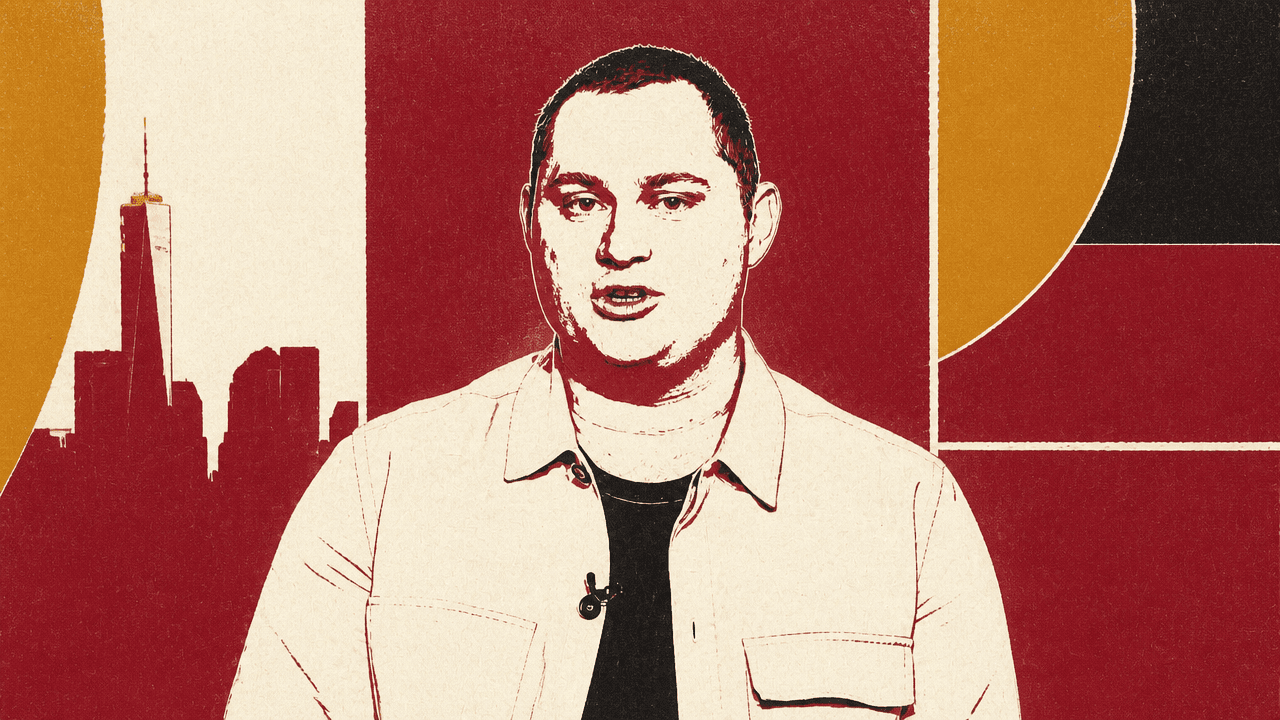
Ternus is being framed around whether design regains power
Mark Gurman frames John Ternus, identified in the Bloomberg segment as Apple’s incoming CEO, around a specific organizational question: whether industrial design can move back from a service function to a product-defining power center. The issue is not only whether future devices look fresher. It is whether the group responsible for the look and feel of Apple hardware again has enough authority to shape what the company builds.


Bloomberg’s on-screen framing is blunt: “Incoming Apple CEO Ternus Eyes Design Revival.” Another visual asks how Apple “lost its design magic.” Those captions match the substance of Gurman’s argument. He is not describing a cosmetic refresh cycle. He is describing a loss of institutional power by the design organization.
Gurman says Apple’s industrial design studio has changed sharply over roughly the past decade. It used to be where “the future products are dreamed up,” the place the company rallied around when developing major new devices. He ties that earlier role to products including the iPhone, iPad, iMac, iPod, and Apple Watch. In that version of Apple, design was not a late-stage styling layer; it was central to product conception.
That role has diminished. The design studio is now “more of a service organization,” where operations and engineering teams come in, get what they need, and leave. The consequence, in Gurman’s account, is that the studio is “no longer the central hub, the influential center of innovation for the company.”
Ed Ludlow places the issue in the context of Apple’s earlier internal power structure. During the Steve Jobs and Jony Ive eras, Ludlow says, the industrial design studio held significant authority inside the company. Gurman’s view is that Ternus knows “things need to be shaken up there.”


The Power On excerpt shown by Bloomberg makes the succession argument more explicit: “The incoming CEO knows a major design shake-up is needed and is getting ready to put his firm imprint on the team.” It adds that Ternus’s decision to oversee the design team last year was one reason the move “ultimately signaled his ascension to the top job.”
That makes design, in Bloomberg’s framing and Gurman’s reporting, an early test of Ternus’s authority. The question is whether he uses that position to restore design’s decision-making role inside Apple, or whether the studio remains downstream of other functions.
The leadership critique is about ambition, not Molly Anderson’s design ability
Mark Gurman makes a narrow but pointed criticism of Apple’s current design leadership. Molly Anderson, the head of the industrial design team, is described by him as “a great individual designer” and as someone beloved by her team. The problem he raises is not her talent or standing inside the group.
The question is whether Apple chose design leadership from ambition or from protection. Gurman says the company did not seek out “the best industrial design leader in the world” for the post-Jony Ive era. Instead, Apple chose from “a place of defense,” focused on preventing more people from leaving the design team.
They made that choice from a place of defense, not wanting any more people to leave the team.
For a company Gurman describes as worth more than $3 trillion and capable of recruiting nearly anyone it wants, continuity and retention are not enough. A defensive appointment may stabilize a team, but his standard for Apple is higher: the design organization should be led with the ambition of a company trying to define new categories and refresh existing ones.
Ternus’s move to oversee the design team connects the personnel critique to the broader reset Gurman says Apple needs. If Ternus is preparing to put his own imprint on the group, the test is whether that imprint restores authority to industrial design, rather than simply reorganizing a team that remains a service provider to operations and engineering.
The product tests Gurman names are iPhone, AirPods, and Apple Watch
When Ed Ludlow asks where a renewed design focus would become visible in Apple’s hardware roadmap, Gurman points first to the iPhone. He says Apple is approaching, “for the first time in 20 years,” a meaningful shake-up to the iPhone through a foldable model he calls the iPhone Ultra.
Bloomberg illustrates the segment with design-heavy hardware imagery: close-ups of smartphones, iPhones on Apple Store display stands, and a presentation image labeled “iPhone Air” beside the program caption “How Apple Lost Its Design Magic.” Those visuals reinforce the segment’s emphasis on product form and industrial design, but Gurman’s stated roadmap example is the foldable iPhone.
The foldable iPhone example gives the critique a product test. A stronger design function would not only refine familiar devices; it would support more substantial changes in form and product identity. Gurman’s wording is “meaningful shake-up,” not routine iteration.
The iPhone is not the only category he names. Gurman says “there’s a lot more to be done” and specifically cites AirPods and Apple Watch as product lines that need major changes. In his view, both have “essentially looked the same since 2016.”
That makes the design problem broader than one flagship iPhone cycle. In Gurman’s account, a design revival under Ternus would have to become visible across the products he identifies: a foldable iPhone, and more significant changes to AirPods and Apple Watch.