Apple Plans to Make Siri a System-Wide AI Interface



Bloomberg’s Mark Gurman says Apple is preparing a broad Siri overhaul for iOS 27 that would turn the assistant into a system-wide AI interface rather than a voice tool. The changes, expected to be announced at Apple’s June 8 Worldwide Developers Conference, include a standalone chatbot-style Siri app and a “Search or Ask” interface for typing requests, searching the device and web, and invoking AI tools across the iPhone. Gurman argues Apple’s advantage is distribution across more than two billion devices, even as Siri trails ChatGPT and Gemini in AI credibility.
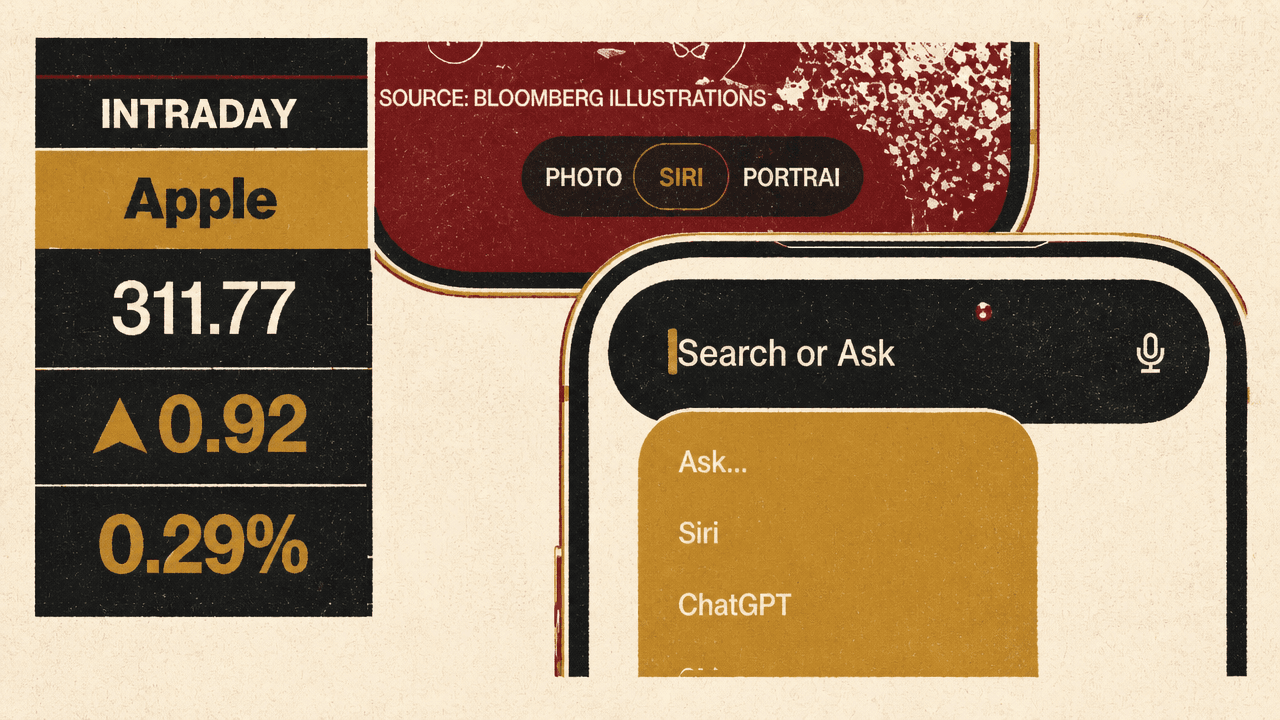
Apple is trying to make Siri the system-wide AI layer, not just a voice assistant
Mark Gurman described Apple’s planned Siri overhaul as a major shift in how the company intends to put artificial intelligence inside its products. Apple, he said, has watched what OpenAI, Google, and Anthropic have done, concluded that AI belongs “at the center” of its products, and is now moving to implement that through Siri.


The planned changes are expected to be officially announced at Apple’s June 8 Worldwide Developers Conference. Gurman said he strongly believes consumers will get the rebuilt Siri this fall, framing it as both a long-delayed repair of Siri and part of Apple’s effort to “bring AI to the masses” by taking a somewhat different route from its rivals.
People have been clamoring for a version of Siri that works properly for the better part of 15 years.
The overhaul has three reported elements that matter strategically: a revamped Siri interface, a chatbot-style app, and a role in Apple’s broader AI strategy. The point is not simply that Siri may answer more questions. The reported design changes put Siri in more places inside the operating system and expand the ways users can invoke it, type to it, and ask it to mediate tasks.
Caroline Hyde characterized the look and feel as building on prior Apple software updates rather than replacing them wholesale. Existing Siri activation methods remain, but Apple is adding interfaces that make Siri less voice-only and more continuously available across the phone.


The new Siri has two fronts: an app and an interface built into the iPhone
Ed Ludlow separated the reported changes into two pieces: a standalone Siri app, comparable in category to a ChatGPT app, and a redesigned way to interact with Siri directly from the iPhone screen. He clarified that the images shown were Bloomberg-generated illustrations based on its reporting, including discussions with sources and documentation it had viewed, not Apple-released product images.


In the current Siri model, users can invoke the assistant by using the Siri wake word, saying “Hey Siri” on older devices, or holding down the power button. That continues. What changes is the visual and functional layer that appears afterward. Gurman said a new animation comes out of the Dynamic Island, the iPhone interface feature introduced with the iPhone 14 Pro in 2022, making the redesign oriented toward modern iPhone hardware.
The more substantial interaction change is a new gesture: swiping down from the top center of the iPhone. The same motion used today to open notifications would open a new Siri interface called “Search or Ask.” In the version shown on screen, the panel drops down from the top of the display and includes an “Ask...” input field, with options including “Siri” and “ChatGPT.” Another mockup placed the panel over a news article, suggesting the interface is meant to appear within ordinary phone contexts rather than only inside a dedicated assistant screen.
That “Search or Ask” interface is, in Gurman’s description, a type-to-Siri interface and “basically a system-wide AI agent.” Its intended scope is broader than answering a spoken query. Users would be able to ask it to do things on their behalf, search their device, and search the open web. Gurman also described an Apple-built, Apple-developed, Apple-designed search-and-answer experience inside Siri — a Perplexity competitor in function, if not in branding.
The interface examples made the proposed breadth concrete. One screen showed conversational answers to factual questions, including “Who is number 77 on the Lakers?” returning “Luka Dončić,” and “Where is Apple headquarters?” returning an answer about Apple Park. Another showed AI tools inside editing contexts, including “Clean up,” “Extract,” “Rename,” and a grammar suggestion changing “Long-time” to “Longtime.” The useful point is the placement. Siri is shown not as a separate destination only, but as an interface that can appear over ordinary phone activity and inside work already happening on the device.
The standalone Siri app is the other front. Chatbot apps, Gurman said, have “taken the world by storm,” with ChatGPT at nearly one billion users and people also using Gemini and Claude. In that context, Apple’s planned Siri app would put Apple in the same product category as Google Gemini and other chatbot interfaces, while embedding the experience inside Apple’s own operating systems.
More than two billion devices make Siri a platform threat
Apple’s competitive advantage is distribution: a chatbot built into iOS, macOS, and iPadOS across more than two billion devices. Mark Gurman said that scale would be threatening to Gemini, ChatGPT, and Claude, especially if Apple is able over time to make the product competitive with ChatGPT.
When Hyde asked whether OpenAI should be worried — and referred to Gurman’s reporting that the company may be considering legal action — Gurman pointed to Apple’s history of releasing standalone apps of its own that are built into the operating system. A Siri chatbot would follow that familiar pattern: Apple enters a category not only with an app, but with a default experience integrated into its platforms.
Brand is the counterweight. Gurman acknowledged that ChatGPT has the stronger brand and said Siri does not have a very strong one. He even said Apple should rebrand the whole effort, though he treated that as separate from the immediate competitive question. The product can be threatening because of where it sits, even if the Siri name itself does not carry the same AI credibility as ChatGPT, Gemini, or Claude.
In the short term, the effect may be less about displacing heavy users of existing chatbots than about introducing conversational AI to people who have not sought out a separate app. Gurman said many people will encounter the concept of a chatbot or conversational AI interface through Apple, despite ChatGPT’s popularity.
There is also an infrastructure wrinkle. Gurman said Bloomberg reported last year that the underlying models for many of the new Siri technologies are powered by Gemini and run on Google’s cloud infrastructure. On that account, Apple’s AI interface may compete with Google’s Gemini product while relying on Gemini models and Google infrastructure for parts of the experience.
The strategic bet is concrete rather than abstract: keep the existing Siri wake methods, add a Dynamic Island animation, make a top-center swipe open “Search or Ask,” let users type requests, search the phone and the web, and offer a standalone chatbot-style app. Gurman’s bullishness rests on Apple putting those entry points inside operating systems people already use, and on the possibility that a rebuilt Siri can become competitive over time.