Anthropic Frames IPO Path as Capital Access for Frontier AI
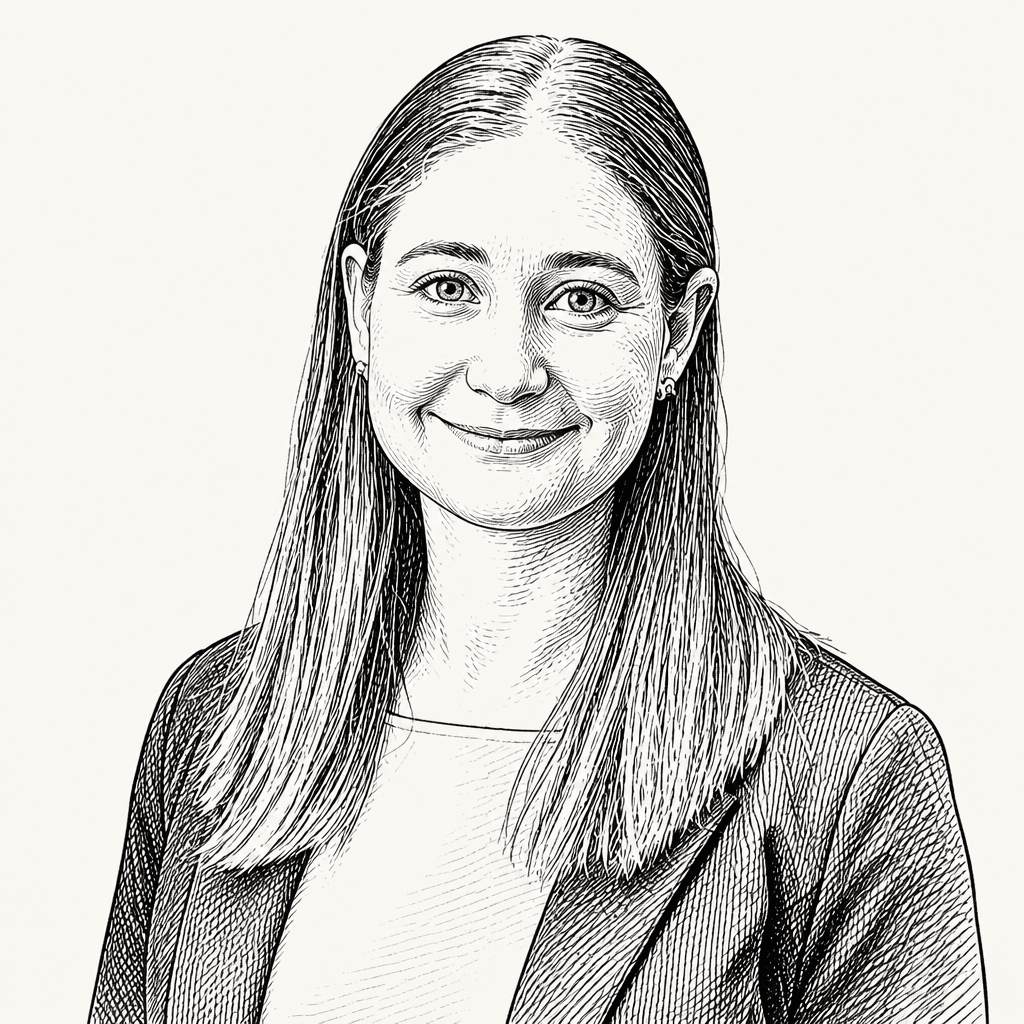
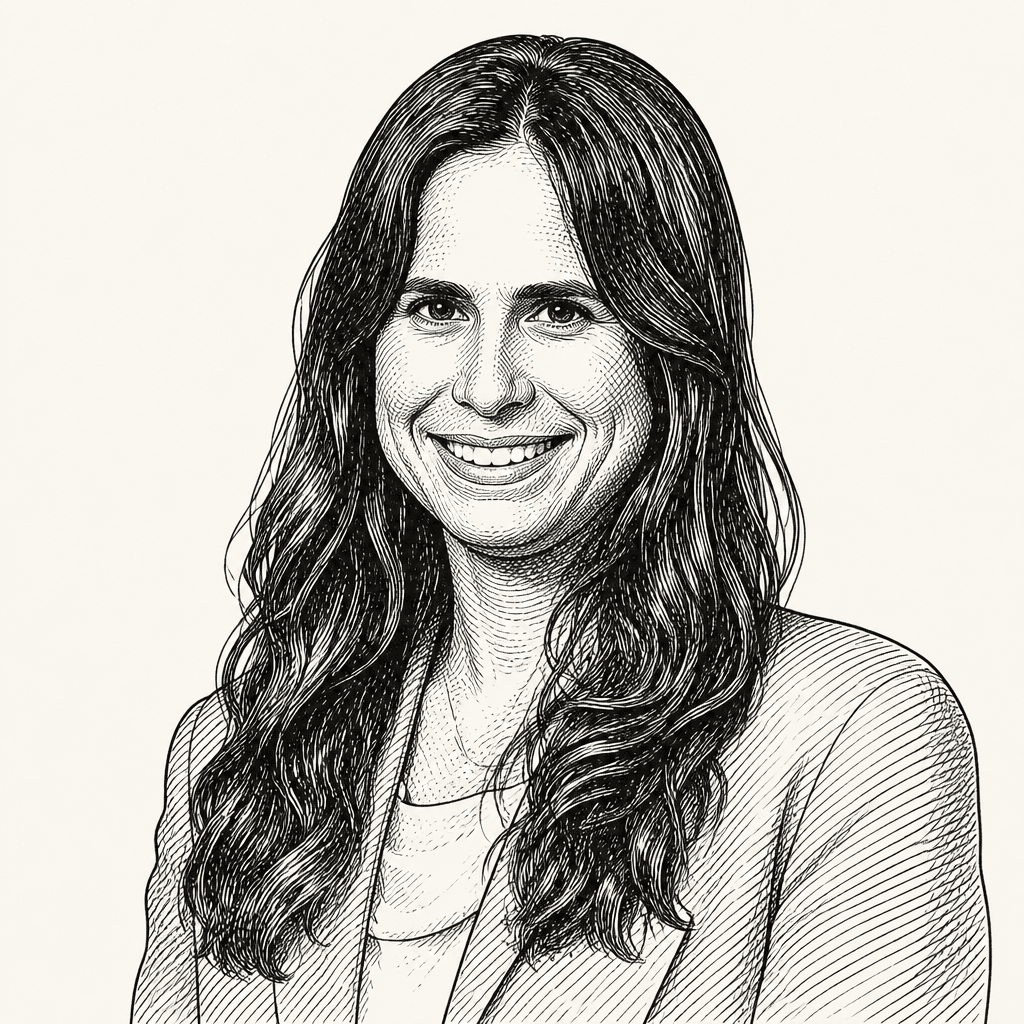
Anthropic president and co-founder Daniela Amodei told Bloomberg’s Shirin Ghaffary that the company’s push toward public markets, compute deals and government work should be understood as the operating reality of frontier AI, not as a race for symbolic leadership. She argued that Anthropic needs access to large amounts of capital because model training and inference are expensive, but said the company is trying to scale cautiously: buying compute it can use, widening access to powerful models only after defenders get a head start, and maintaining red lines in national-security work.
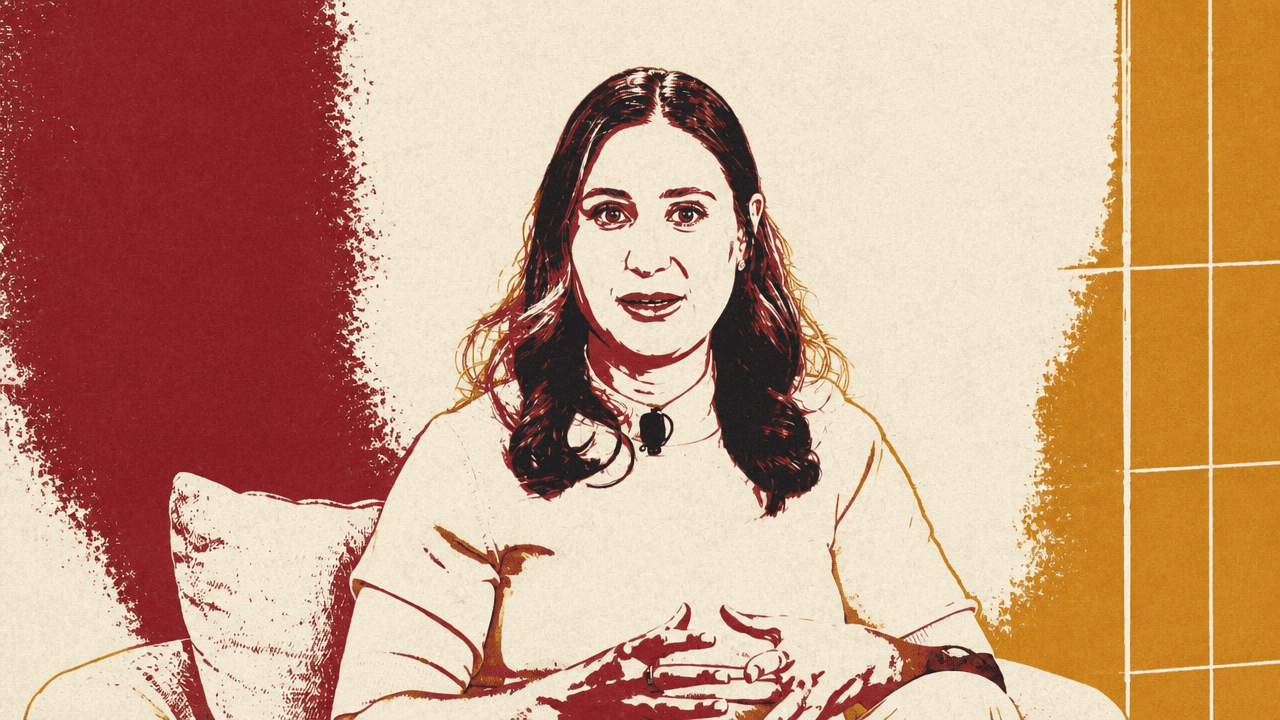
Anthropic is scaling into capital markets without accepting the race frame
Daniela Amodei confirmed that Anthropic had confidentially filed its S-1, giving the company the option to go public after SEC review, but declined to say more about IPO timing or strategy. Asked by Bloomberg’s Shirin Ghaffary whether AI companies were racing to be first to public markets, she stayed within that constraint.
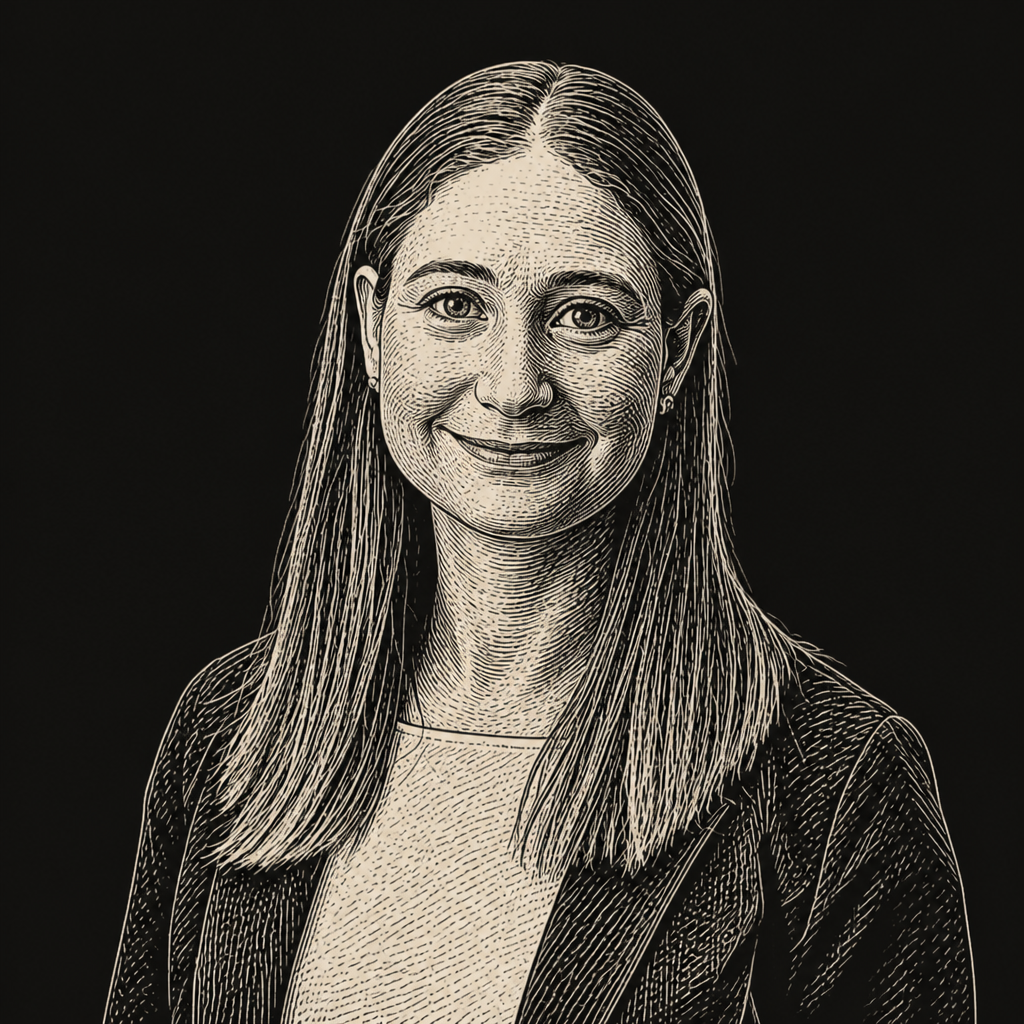
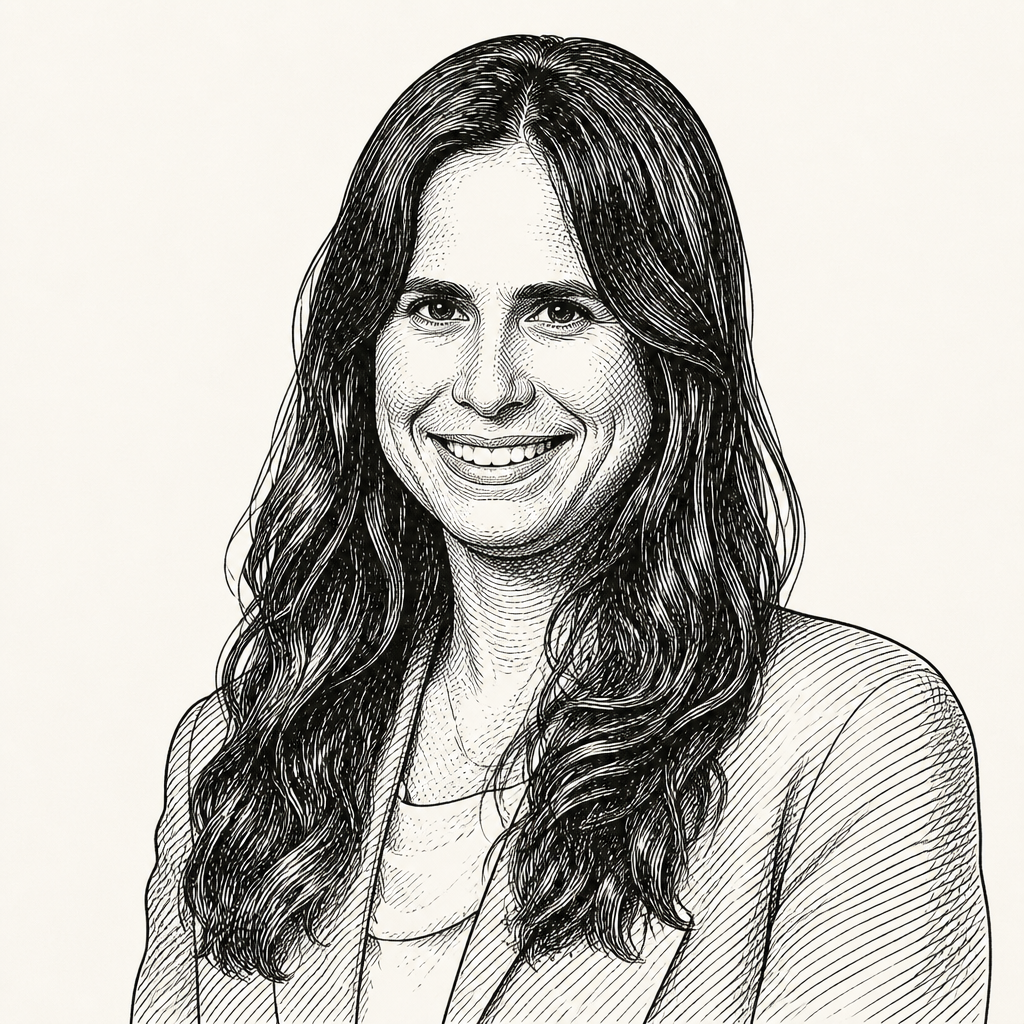
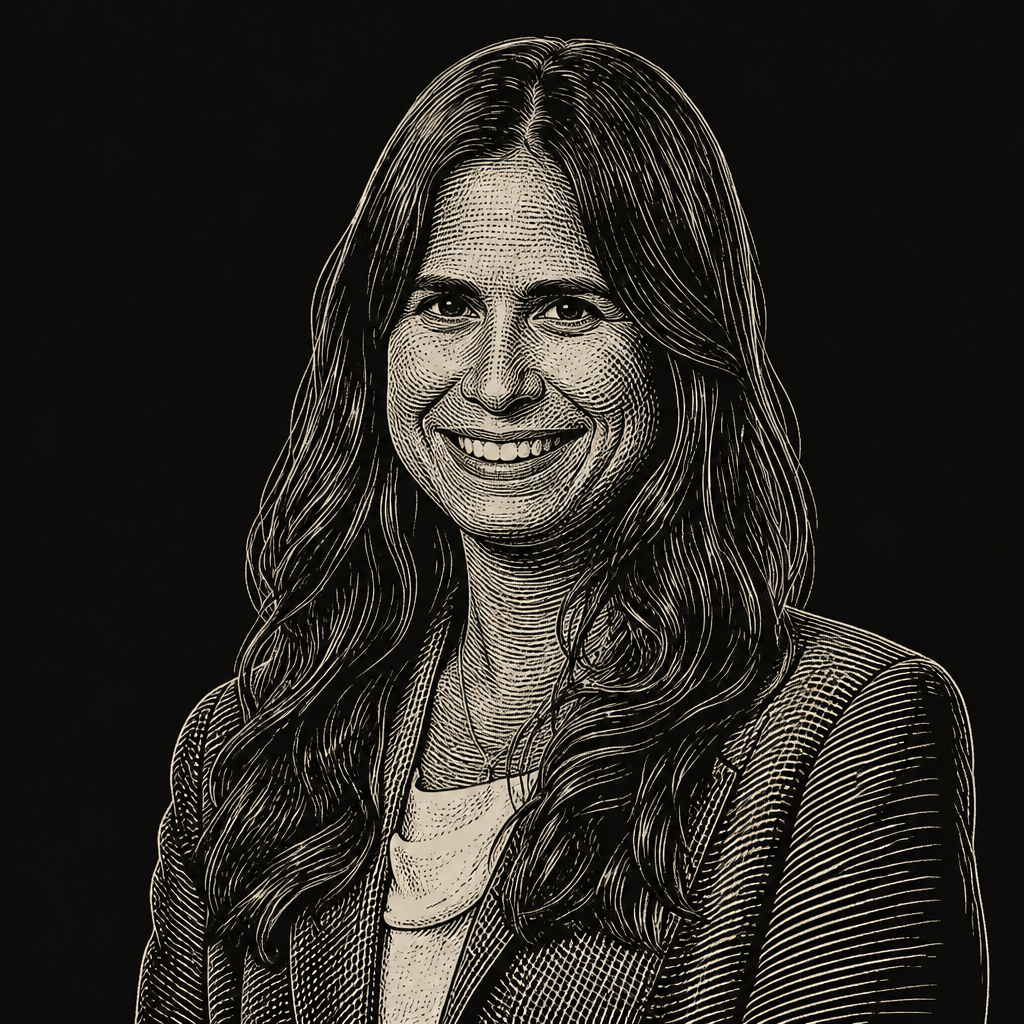
When Ghaffary widened the question to the general calculus for AI companies, Amodei’s answer was direct: frontier AI is capital intensive. Training models, and serving inference on them for customers, requires large upfront expenditure. That underlying cost structure, she argued, makes access to capital a central issue for the “core set of companies” trying to advance the frontier.
The public market, in her view, is “very well suited” to that need, even though Ghaffary’s question had named the familiar trade-offs of going public: access to capital on one side, quarterly results and shareholder calls on the other. Amodei did not present an IPO as a branding event or a race milestone. She framed it as a financing mechanism matched to the way frontier AI is built and served: large model training costs, ongoing inference costs, and the expectation that frontier labs will need continuing access to capital.
That answer sits alongside Amodei’s resistance to describing Anthropic as a frontrunner. Ghaffary framed the company as having moved from underdog to possible leader: Claude, she said, is a “runaway success,” particularly among coders; Anthropic is projecting $47 billion in annualized run-rate revenue; and the company has eclipsed OpenAI’s valuation for the first time. Amodei rejected the premise that Anthropic should think of itself that way.
Her answer was less about denying the numbers than about denying their centrality. Anthropic’s leadership, she said, tries to “hammer” the opposite message internally: the point is showing up for customers, staying humble, and remaining focused on the mission that led the founders to start the company — building AI in a way they regard as ethical, responsible, and fair. As AI becomes a larger part of office workflows, personal lives, and business operations, she called that position “a huge privilege and responsibility.”
All of these numbers, they’re actually not the point.
Amodei repeatedly returned to a phrase about Anthropic’s job being to act as “the best version” of itself. In this setting, that meant resisting a market-race framing even while acknowledging that the company is operating at a scale that makes capital, compute, customers, and government relationships unavoidable.
Compute strategy is a bet under uncertainty, not just a spending contest
Shirin Ghaffary said Anthropic’s leadership has been vocal about needing more compute, and asked why the company had taken a different approach from competitors that pursued very large data-center and infrastructure commitments earlier. She also referred to a recent major deal with xAI to lease compute, then asked whether, in hindsight, Anthropic should have done more sooner.
Daniela Amodei’s answer centered on what Anthropic has called the “cone of uncertainty” around compute. Compute deals require commitments far in advance, she said, which means companies must estimate future demand, model capability, customer uptake, and their own ability to use the capacity productively. Anthropic’s position has been to plan for strong outcomes without overextending itself by buying more compute than it can use.
She acknowledged that predicting the right amount is hard and that the whole industry is still working out how these deals should be structured. But she made clear which error Anthropic would rather make.
We would much prefer to be on the side of having a little bit more demand for the product than we’re able to serve, than the inverse where you overshoot and then you’re actually not in a great situation because you’ve bought something you can’t pay for down the road.
That is a more cautious posture than simply maximizing visible infrastructure commitments. Amodei described it as fiscal responsibility: buy what the company can use, accept that it may undershoot or overshoot at times, and avoid commitments that assume too much certainty about the future.
Ghaffary also asked about Anthropic’s stated preliminary interest in possible data centers in space as part of an announcement with SpaceX. Amodei did not treat that as an immediate roadmap item. Data centers in space, she said, are not on Anthropic’s 2027 to-do list. But she left the door conceptually open, saying AI has surprised her and the world in what it makes possible. “No immediate plans” to work with astronauts on data centers, she said, but “you never know.”
Claude 3 is being widened slowly because Anthropic wants defenders to move first
Shirin Ghaffary asked about Anthropic’s restricted release of Claude 3, described as its most powerful model, and the company’s earlier concerns that it could be used to identify and exploit security vulnerabilities in critical software. Now that Anthropic plans broader access to Claude 3-level models, she asked what had changed and whether the models were safer.
Daniela Amodei said Anthropic had expanded Claude 3 access “on Tuesday” relative to the Bloomberg Tech event, to about an additional 150 organizations in 15 countries. The company’s approach, she said, has always included a time component. Initial access went to cyber defenders: nonprofit groups, governments, and critical-infrastructure organizations working to protect against possible cyberattacks.
The logic is borrowed from security practice.
In any kind of security vulnerability situation, you have to give the defenders a head start.
AI models will continue advancing, she said, and if Anthropic does not eventually release a Claude 3-level system, another AI company will. In Amodei’s sequencing argument, the relevant question is who gets access first and how long they have to patch vulnerabilities the model can reveal.
That is why Anthropic is using what she called a cautious, tiered approach: give access first to organizations capable of defending against the risks, then slowly widen the circle to more critical infrastructure, and only later release the model more broadly once the company feels it is safe. She acknowledged that this is frustrating for people who want access, but connected the rollout to Anthropic’s stated principles of being ethical and responsible.
The answer did not say the underlying capability risk had disappeared. It said Anthropic is trying to manage the risk through sequencing: defenders first, broader access later.
AI usage has to move from token counting to workflow value
Shirin Ghaffary raised a concern increasingly familiar inside companies adopting AI: “token maxing,” or the creation of internal leaderboards that reward employees or teams for using the most AI tokens, regardless of whether that usage produces measurable value. She cited concern from customers and an Uber executive’s view that AI spend becomes harder to justify without clear, metrics-backed return on investment.
Daniela Amodei accepted part of the premise while resisting a simple “overspending” conclusion. Two things, she said, are true at once. Current AI tools are powerful, especially compared with systems available two years earlier, and they already provide economic value. But the industry is still in an experimental phase, and the models may be far more capable two, four, six, or eight years from now. Businesses, therefore, are still learning which workflows benefit most.
She expects use cases to evolve rather than simply expand in their current form. Coding may remain a major driver of efficiency, as may areas such as financial services, legal work, and healthcare. But as the broader business community becomes more familiar with AI, Amodei said, companies will learn how to apply tools in ways that support employees rather than simply pressure them to use AI for its own sake.
Anthropic, she said, does not use a leaderboard “in the way” Ghaffary described. The company does track internal Claude usage and use cases, but the purpose is product development and internal prototyping rather than coercion. Anthropic builds tools internally before offering them to customers, she said, citing Claude Code, Claude Design, and “co-work” as examples she gave of products that began with internal needs: “could Claude help us with this?”
Amodei described measurement as a feedback loop for product and workflow design, not as a mandate that employees must use AI more. “There’s not,” she said, “like, you must use AI and you must use Claude and it’s better if you use it or not.”
Inside Anthropic, coding and research are not the only heavy-use areas. Amodei said the whole company uses Claude “for topics large and small,” with finance probably the second-largest area of internal use. She pointed to financial planning, analysis, and number analysis as especially useful applications. She also described an internal performance-review tool built by Anthropic’s people team that uses Claude to make self-assessment more interactive and to pull in information about an employee’s work over the previous six months. Feedback from employees, she said, had been positive because the process felt “more fun,” more interesting, and more useful.
Claude’s value, in her account, comes from generality: the ability to ingest large amounts of information and help employees succeed in their roles. But she also suggested that the mature version of enterprise AI adoption will not be “who used the most tokens.” It will be more embedded, less performative, and more connected to work that people can recognize as valuable.
Enterprise remains the center, but Claude.ai is for productive consumer use
Although Anthropic’s commercial focus remains enterprise, Daniela Amodei said the company already has a consumer product in Claude.ai and a growing consumer base. But she drew a line around what kind of consumer product Anthropic wants Claude to be.
Enterprise and business, she said, have always been the “best spiritual fit” for Anthropic because trust, responsibility, reliability, and transparency are deeply baked into the company’s identity. The consumer base, as she described it, is mostly professionals and individuals using AI for productive purposes. That may mean work, but it may also mean building skills, pursuing knowledge, managing a hobby, or handling administrative tasks at home.
Amodei used her own experience as a parent as an example: Claude helping organize preschool applications when her son was younger. The broader point was that Claude can abstract away some administrative burdens of ordinary life.
But Anthropic does not see Claude primarily as an entertainment tool. It can be fun to use, she said, but the intended orientation is productive activity, whether at work or at home. She expects that to remain a large enough category of consumer demand, even as enterprise remains the primary focus.
National security work requires partnership and red lines
Asked by Shirin Ghaffary about what she described as a public fight with the Pentagon over restrictions on Anthropic’s AI software, Daniela Amodei emphasized continuity rather than rupture. Anthropic, she said, has been “leaned in from day one” on national security and was the first AI company available on the top secret cloud. Its values and principles around such work, she said, are “very, very old” inside the company rather than newly adopted.
At the same time, she described the company’s recent government engagement in optimistic terms. She said she had been impressed by the ability to work productively with the administration on a wide range of topics, and she cast that long-running partnership as the larger story. Artificial intelligence, she argued, is and will remain a geopolitical issue. For Anthropic to be an ethical and responsible lab, she said, it must work with governments in the United States and partner countries to roll out the technology safely, protect people, and protect democracy.
The tension Ghaffary pressed was whether Anthropic’s stance had allowed competitors such as OpenAI or Google to negotiate better deals with the government. Amodei did not directly compare those deals or say whether rivals had negotiated better ones. Each company, she said, will have its own stance, principles, red lines, and values. Anthropic’s role is to be as open as possible about its principles and why it holds them, to be able to explain them to employees and to the public, and to stay true to them.
She also said Anthropic cannot control what other businesses do. Its decision test, as she described it, is counterfactual and self-contained: if Anthropic were the only organization in the situation, how would it want to behave? That, she said, has been the company’s way of navigating difficult decisions.
The wealth question is inseparable from the labor question
Shirin Ghaffary raised philanthropy and the founders’ pledge, initially saying she believed Amodei and other Anthropic co-founders had pledged to give away half their equity. Daniela Amodei corrected the figure: 80%.
That correction led into a broader question about whether she would support proposals such as a one-time California tax on billionaires. Amodei did not endorse or reject that specific measure. She said Anthropic has been public about its view that AI will create a huge amount of wealth and that some of that wealth should be redistributed “in some fashion.” The founders’ pledge and Anthropic’s views on potential labor displacement, she said, are grounded in the belief that without intentional action, AI — like many technologies — will probably widen inequality and disparity.
Her emphasis was on both personal agency and institutional limits. The part Anthropic’s founders can control is what they choose to do with economic benefits they receive from AI. But the broader question of redistribution, she said, goes beyond any individual company.
Ghaffary then put the labor displacement concern more sharply, referring to Dario Amodei’s prior warning that AI could potentially wipe out half of white-collar work. Daniela Amodei did not claim to know whether that specific outcome will occur. She said AI is already disruptive, but the exact type of disruption one, three, or five years from now is unknown.
That uncertainty, in her view, is why companies should study and publish what they are seeing now. She pointed to Anthropic’s societal impacts research, which examines how people are using AI and whether it is replacing or supplementing jobs. So far, she said, in 2025 and 2026, outright replacement is a “tiny, tiny, tiny fraction” of AI’s use. Where replacement appears, she said, it is mostly in overseas jobs and mostly in customer support — areas already being automated by traditional machine-learning and non-generative AI systems.
Amodei did not use that current evidence to dismiss future displacement. “Could that change in the future? Absolutely,” she said. Anthropic is unusual, in her telling, because it talks openly about that possibility. The question she sees is not only how to retrain workers or fund income supports, though Ghaffary named taxes, basic income, and retraining as possible tools. It is also how society defines work, meaning, income, and human relationships when AI can perform many productive tasks humans perform today.
Her answer became more philosophical but remained tied to economic design. The default path, she said, would be to treat AI like past technologies: integrate it into existing workflows and stop there. She sees an opportunity to accentuate the parts of work and meaning that only humans can do. Humans like spending time with other humans, creating things together, relating to one another, and sometimes disagreeing with each other. AI, she said, will not fundamentally take that away. But society has to decide how to apply that within existing economic infrastructure so people can still find meaning and earn a livelihood.
The Amodei leadership model splits ambition from daily operating discipline
Daniela Amodei described Anthropic’s leadership model as a division between technical ambition and operating discipline. Dario Amodei, she said, functions as “this incredible technical visionary” who had a strong conviction in the early 2010s that artificial intelligence would become important, long before the current commercial race. Her role as president is more operational: managing the executive team, making decisions about customers and products, and connecting the company’s research to the people and businesses using its systems.
The sibling structure is presented as a practical operating split. Amodei said she does not know how one chief executive runs a company alone, because the balance works better with two people who know each other well. When she and Dario disagree, she said, the default is curiosity rather than escalation: if a call seems obvious to her and he sees it differently, she assumes he has information or perspective she lacks. In “80 to 90%” of cases, she said, the result is neither side simply winning but a third approach that combines the two views.
Amodei connected that pattern to decades of sibling practice: learning how to fight and still love each other, from arguments as small as “why did you take my toy?” The point was not that they never disagree. It was that disagreement, handled through mutual respect and curiosity, becomes a source of better decisions rather than a governance problem.