LIV Golf Seeks New Funding as Saudi Support Recedes
 Rory McIlroyReshmi Basu
 Lindsey Reiser
 Bryson DeChambeau
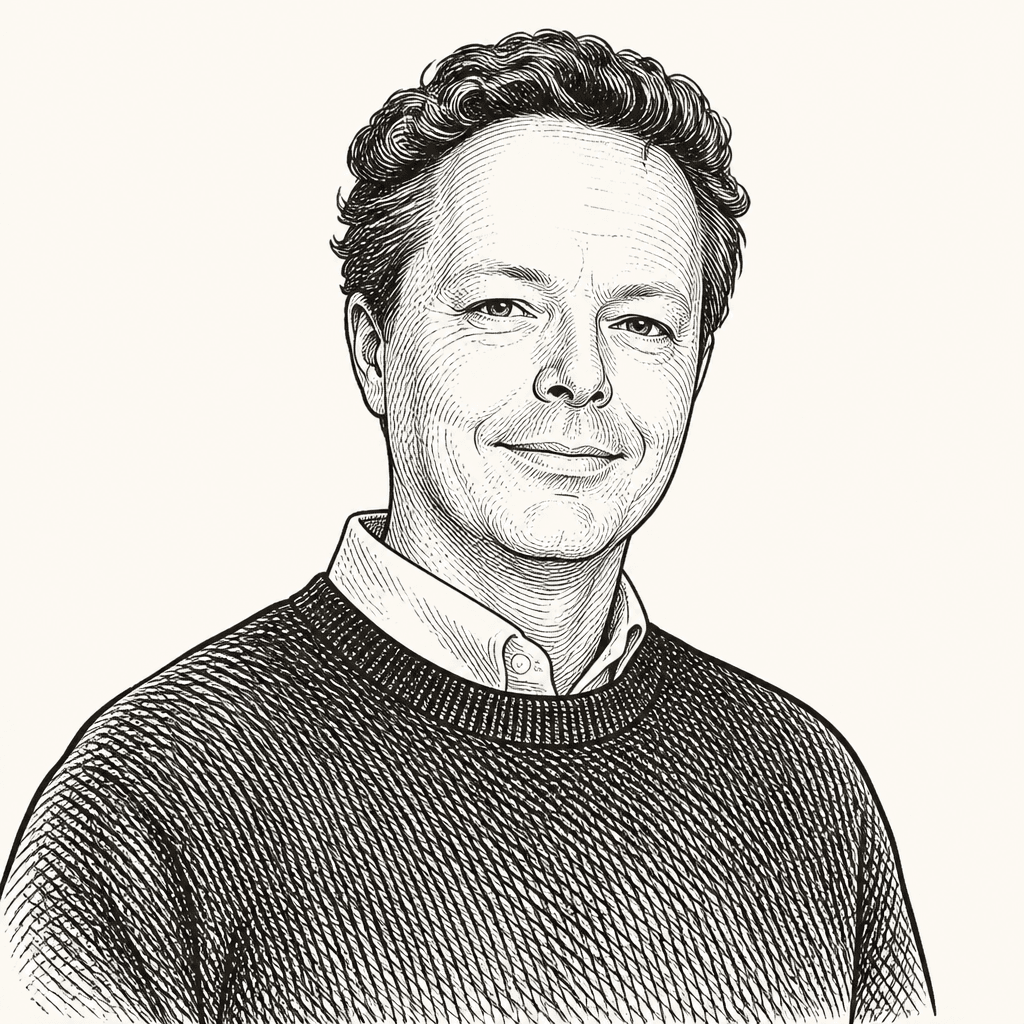 Adam Minter
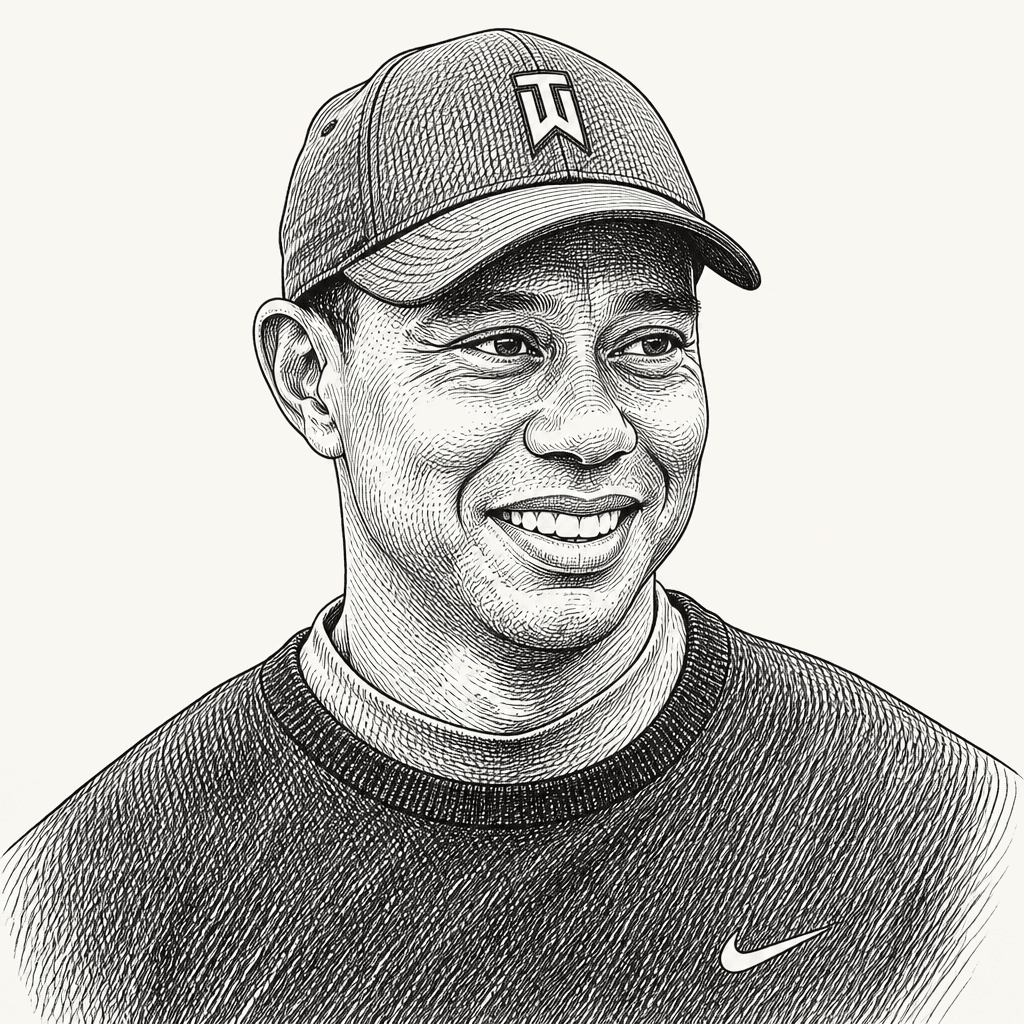 Tiger Woods
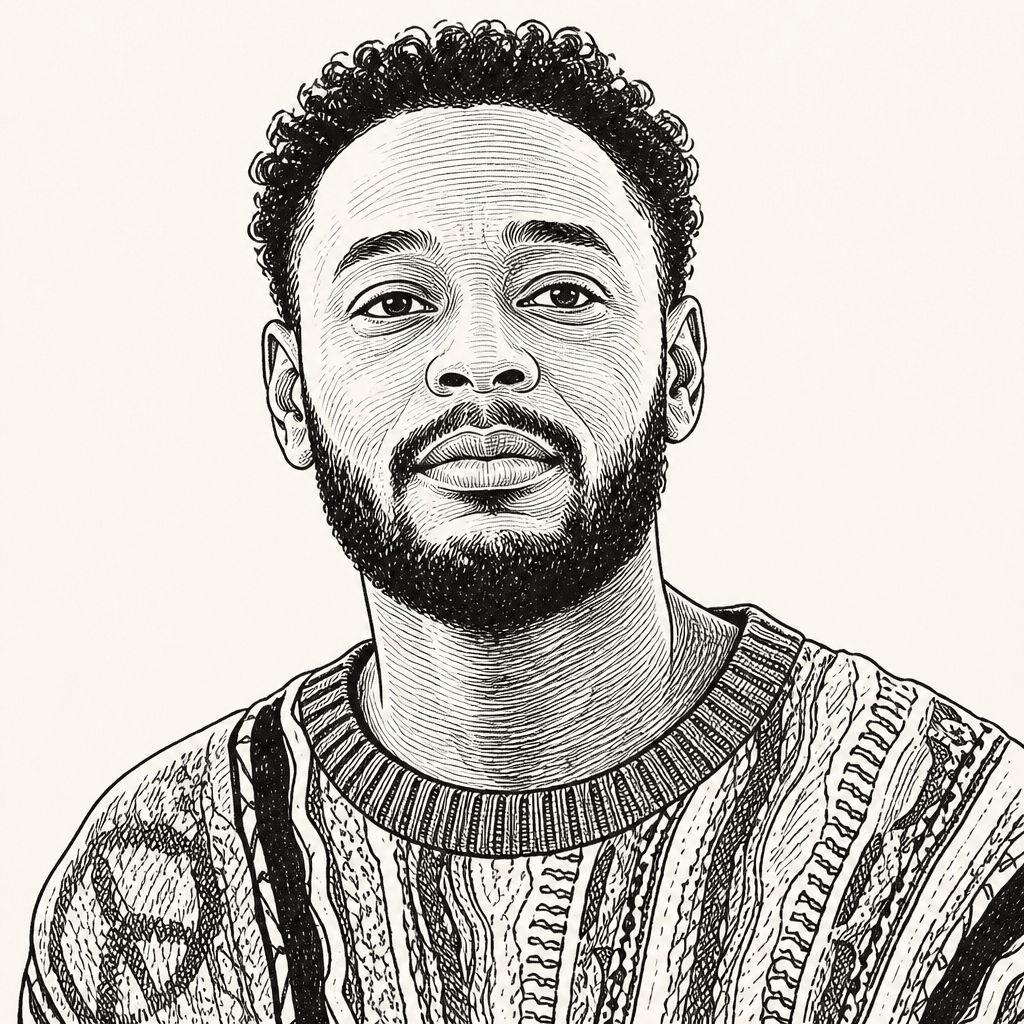 Randall Williams
 Alan Shipnuck
 Juliette Saly
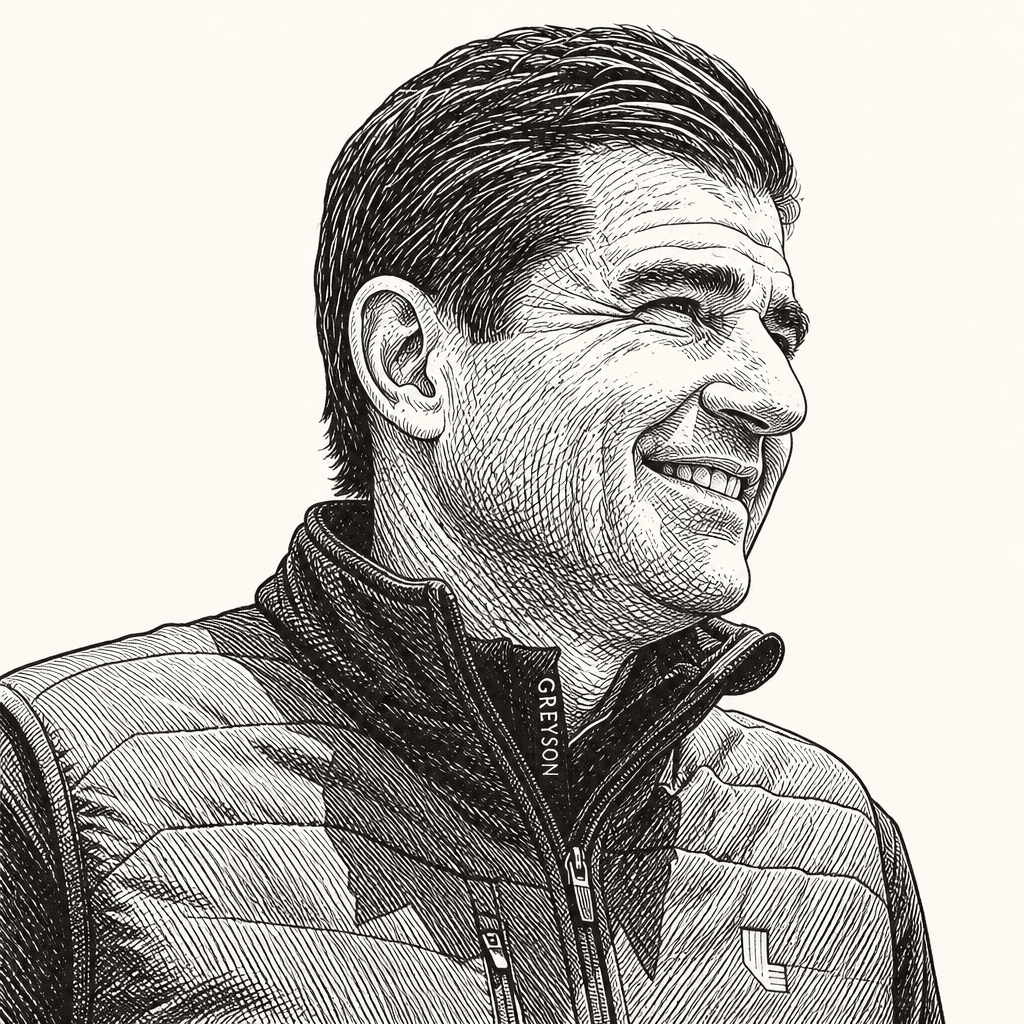 Scott O'Neil
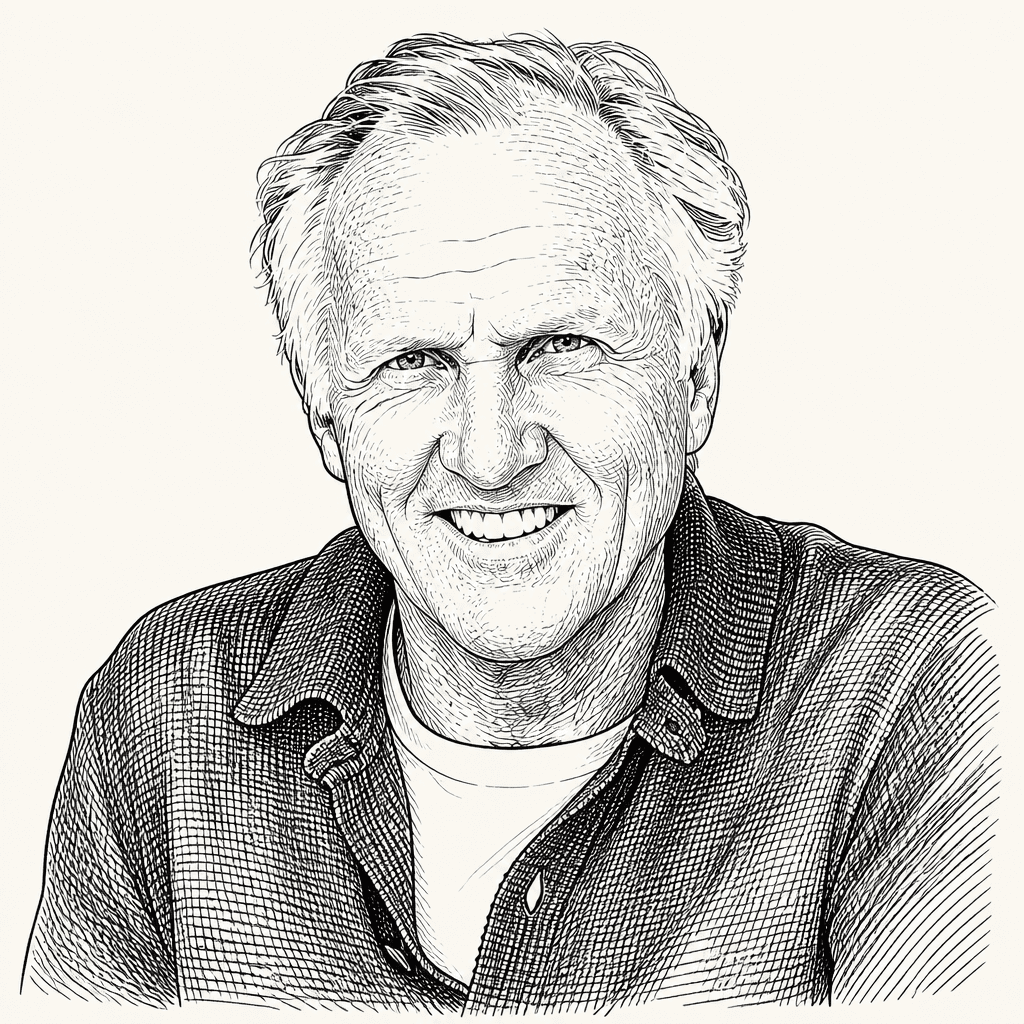 Greg Norman
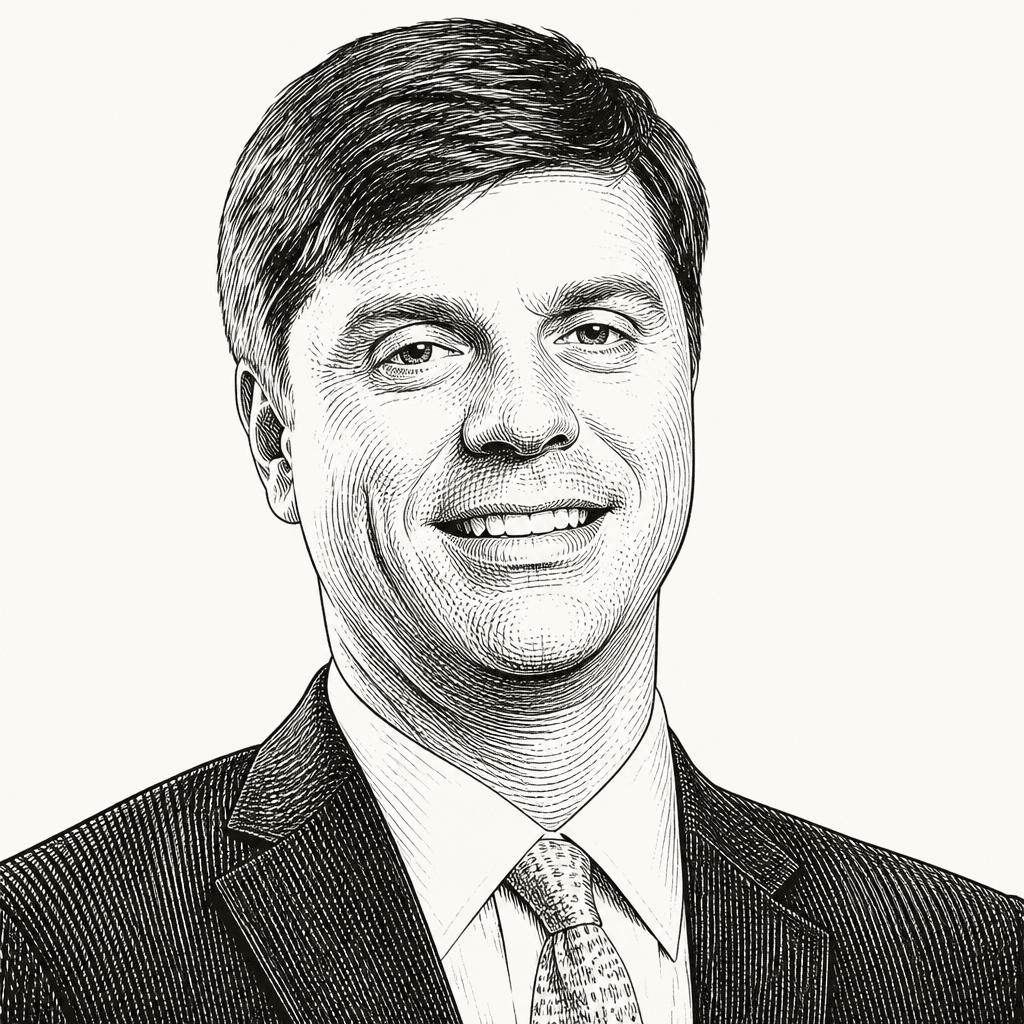 Brian RolappBloomberg OriginalsFriday, August 28, 20265 min read
LIV Golf’s future is uncertain as Saudi Arabia’s Public Investment Fund prepares to end its backing and the league seeks new financing, Bloomberg reports. League leader Scott O’Neil says a lead investor has signed a board-approved term sheet, though the deal is nonbinding; Bloomberg’s Reshmi Basu identifies BC Partners as the prospective investor and says potential backers have questioned the player equity required. The league must now show it can become a commercial business after more than $5 billion in Saudi spending failed to produce a television audience comparable with the PGA Tour’s.
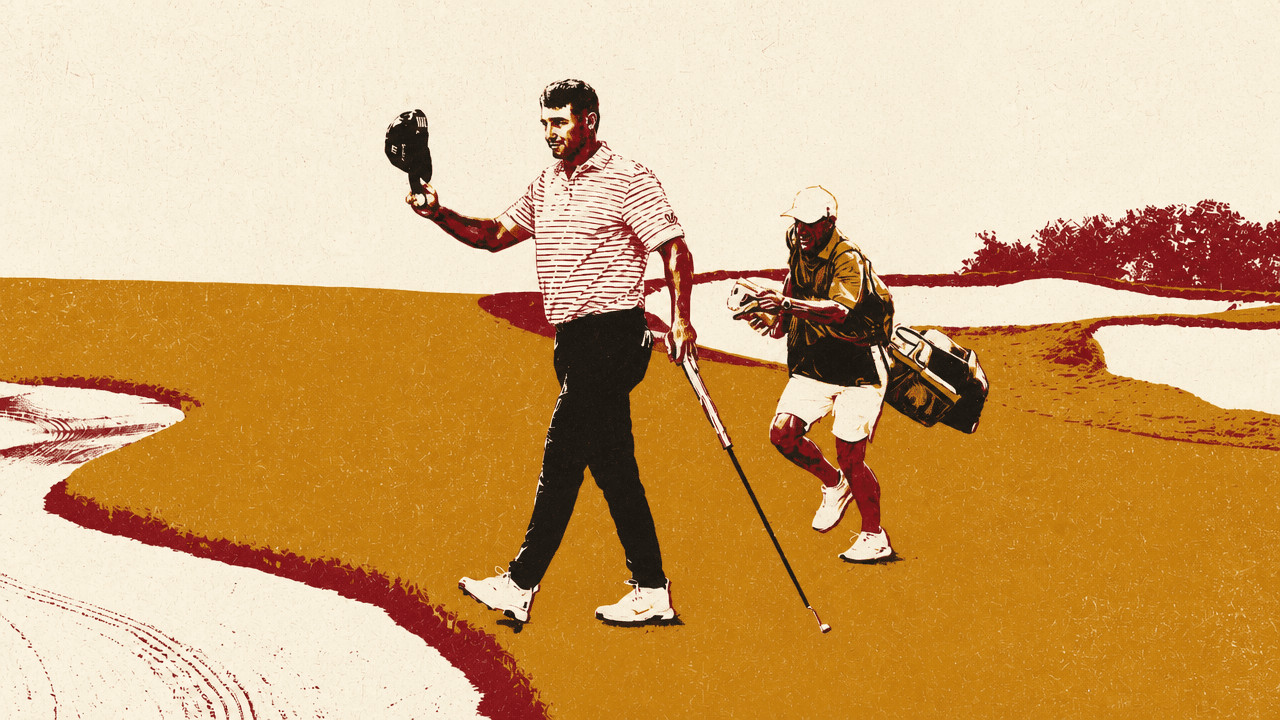
LIV’s survival now depends on turning a subsidized challenger into a business
LIV Golf was built on an unusually simple proposition: Saudi capital could buy elite players, richer purses and a new audience for professional golf. The money achieved the first two. Its smaller television audience and the search for fresh financing now leave the league trying to establish what comes next without the same level of Saudi support.
Saudi Arabia’s Public Investment Fund has said it will end its funding at the close of the season, leaving LIV to find another party willing to finance the league. Scott O'Neil says a lead investor has signed a term sheet approved by LIV’s board. But the prospective deal remains nonbinding. Reshmi Basu says BC Partners is the lead investor under discussion, with negotiations still to come, and that people examining the financing have been wary of the scale of player participation required.
The proposed solution includes asking players to take equity in the league. That changes the bargain that brought many of them over. LIV’s original appeal was guaranteed money: a payment for joining and competing, rather than the PGA Tour’s more familiar arrangement in which players earn when they win. Alan Shipnuck calls equity “a big ask” for athletes with only a finite period to maximize their income. Basu puts the downside plainly: if the league fails within a few years, an equity holder could be left with nothing.
We're very fortunate that a lead investor signed a term sheet approved by our board.
The uncertainty follows an extraordinary period of spending. Randall Williams says the Saudis spent more than $5 billion on LIV in fewer than five years. The PIF, Saudi Arabia’s principal sovereign wealth fund, manages about $1 trillion and is chaired by Crown Prince Mohammed bin Salman. Its resources allowed LIV to offer inducements that a conventional rival league could not plausibly match.
Guaranteed cash built the league, but viewers did not follow
LIV differentiated itself through a more expensive version of professional golf. Its events initially offered $25 million in prize money, including $4 million for the winner, against a $2.7 million winner’s prize at the 2022 Masters. It eliminated the cut, so even the last-place finisher received $120,000. The league also began with 54-hole events before moving to 72 holes, and added a team-franchise structure alongside individual competition.
Bryson DeChambeau described his move as “a business decision, first and foremost.” Williams says LIV’s offers—often in the hundreds of millions of dollars—were life-changing because they were checks paid to join and compete, not winnings contingent on performance.
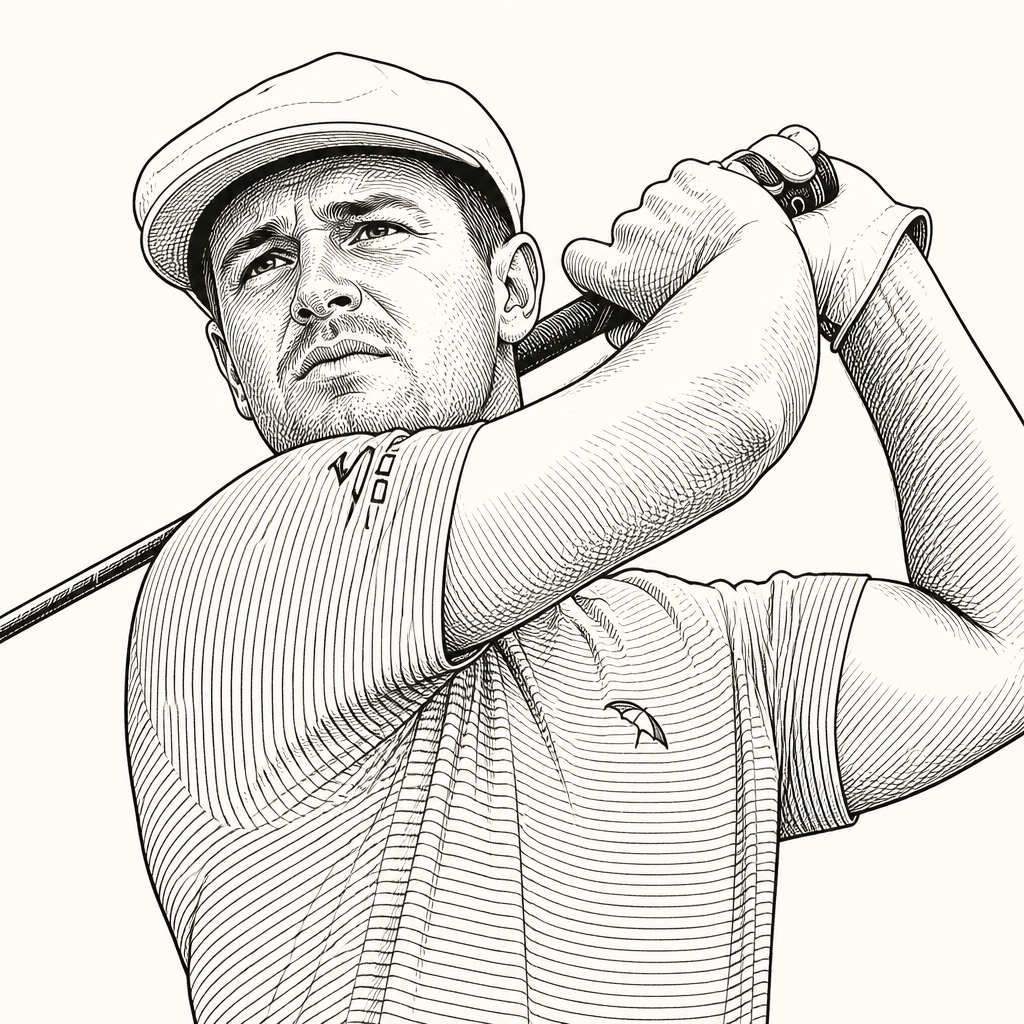
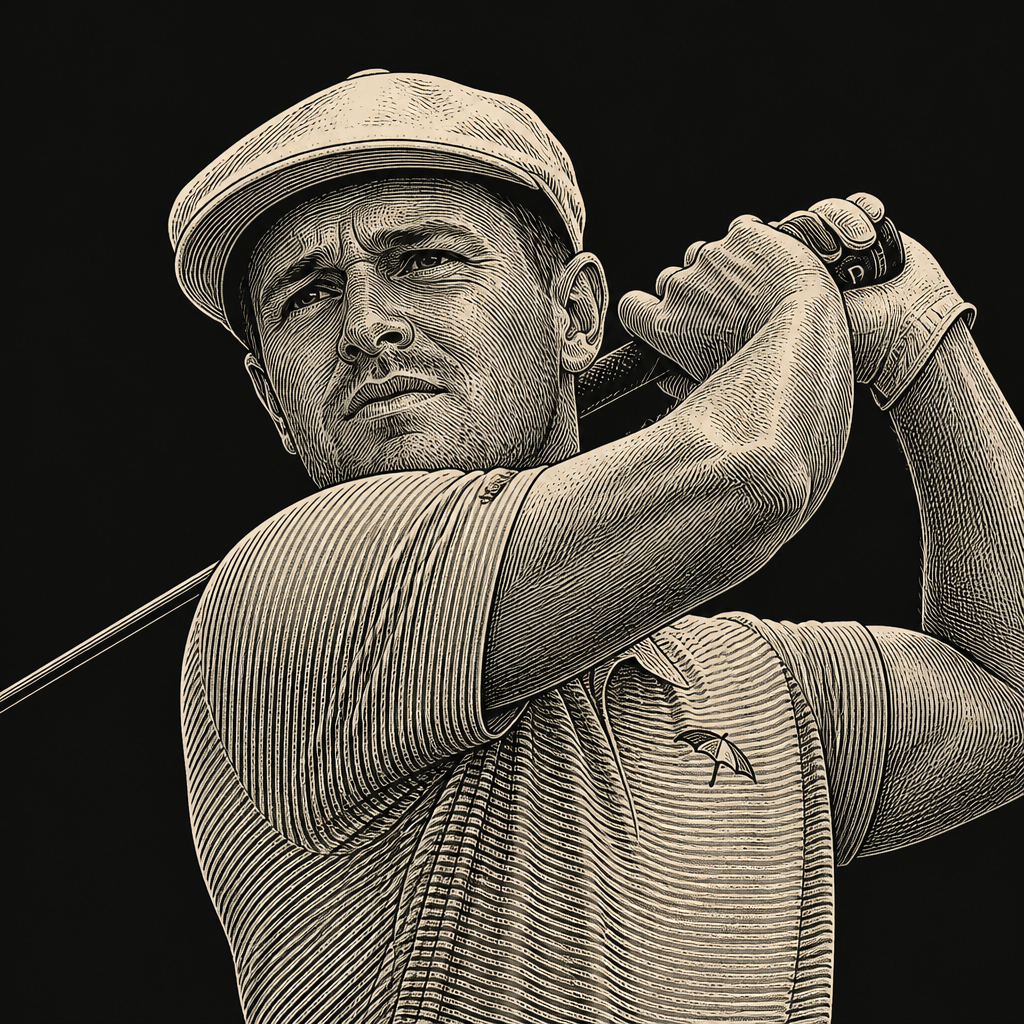
| Player | Reported LIV signing bonus | PGA events and FedEx bonuses |
|---|---|---|
| Phil Mickelson | $200M | $104M |
| Bryson DeChambeau | $125M | $31M |
| Brooks Koepka | $125M | $43M |
| Dustin Johnson | $125M | $102M |
| Jon Rahm | $300M | $44M |
The commercial premise was that star power and larger purses would create an audience. It did not produce viewership close to the PGA Tour’s. LIV’s Mexico City final round in April averaged 49,000 US viewers on Fox Sports 1; the PGA Tour’s RBC Heritage final round that same day averaged 4.35 million on CBS.
| Final round | Average US audience | Network |
|---|---|---|
| LIV Golf, Mexico City | 49,000 | Fox Sports 1 |
| PGA Tour, RBC Heritage | 4.35M | CBS |
Williams says LIV had major names and a Fox Sports relationship, but could not overcome the PGA Tour’s legacy and audiences’ familiarity with the incumbent. Sridhar Natarajan identifies a related problem: a league can spend freely, but it loses a core attraction if fans conclude the competitive drive is missing.
Saudi spending faced a demand for commercial results
Natarajan describes LIV as the “ultimate soft power flex”: part of a Saudi effort to use sports—including boxing and combat sports—to extend the kingdom’s political, cultural and social influence. The push came amid heavy spending on giga-projects and after the international fallout from the killing of Jamal Khashoggi, which a Bloomberg headline shown in the reporting says the US found Saudi Crown Prince Mohammed bin Salman implicated in.
For a time, Natarajan says, LIV’s costs were small relative to Saudi Arabia’s broader investments. But his analysis is that setbacks in some mega-projects, along with other economic shocks, made blank checks for the league harder to sustain. LIV would need to translate into commercial success or face serious trouble.
Google Trends data shown from September 2025 through May 2026 put PGA Tour search interest above LIV’s throughout the period. LIV’s lone pronounced late-April spike coincided not with a tournament but with news of the PIF funding pullout.
You can throw out all the money in the world, but if your fan base sees that the competitive drive is missing, then you're losing the key ingredient that in the first place draws fans to the sport.
That is the problem a new investor would inherit. LIV is not merely seeking money to sustain operations; it needs a model that can justify continued spending after sovereign backing recedes.
The split forced the PGA Tour to give players more
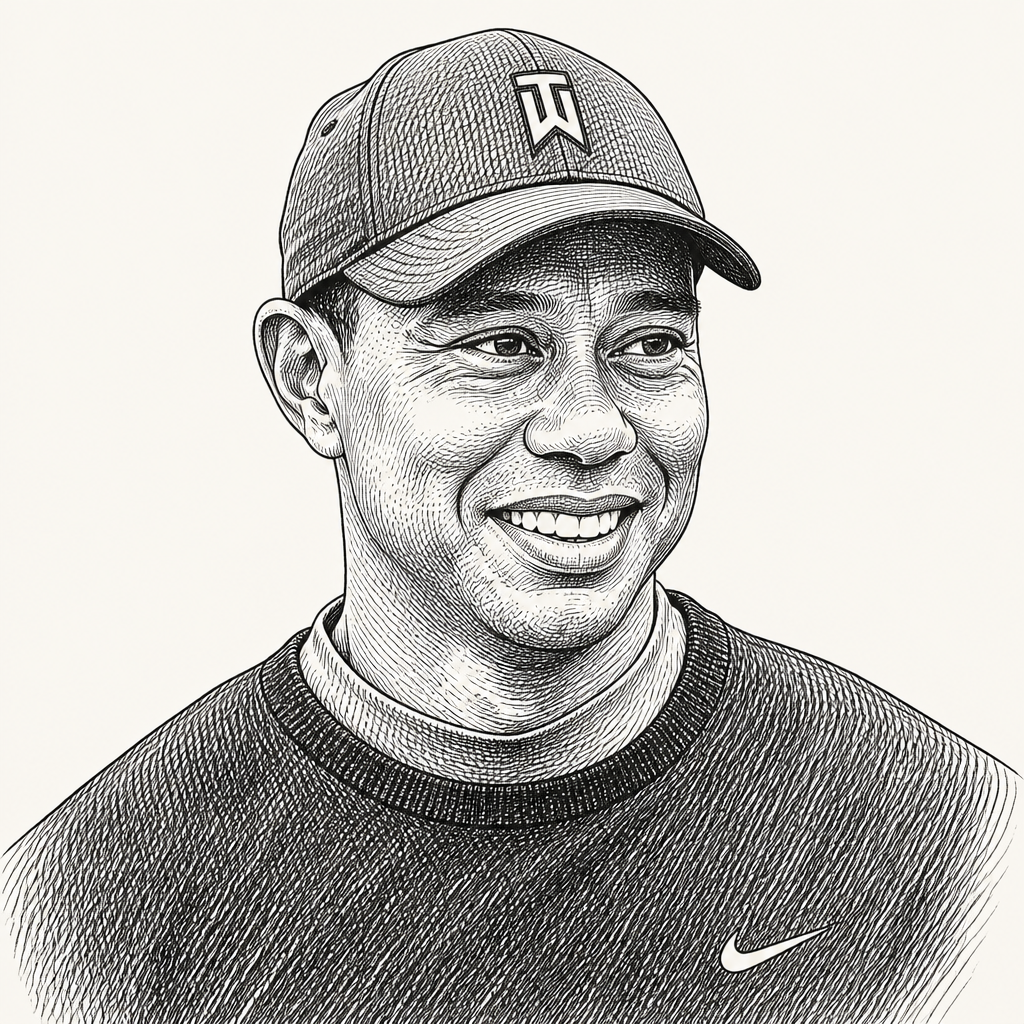
The PGA Tour suspended players who joined LIV, prompting litigation by 11 golfers. Tiger Woods objected that defectors had turned their backs on what enabled them to reach their positions.
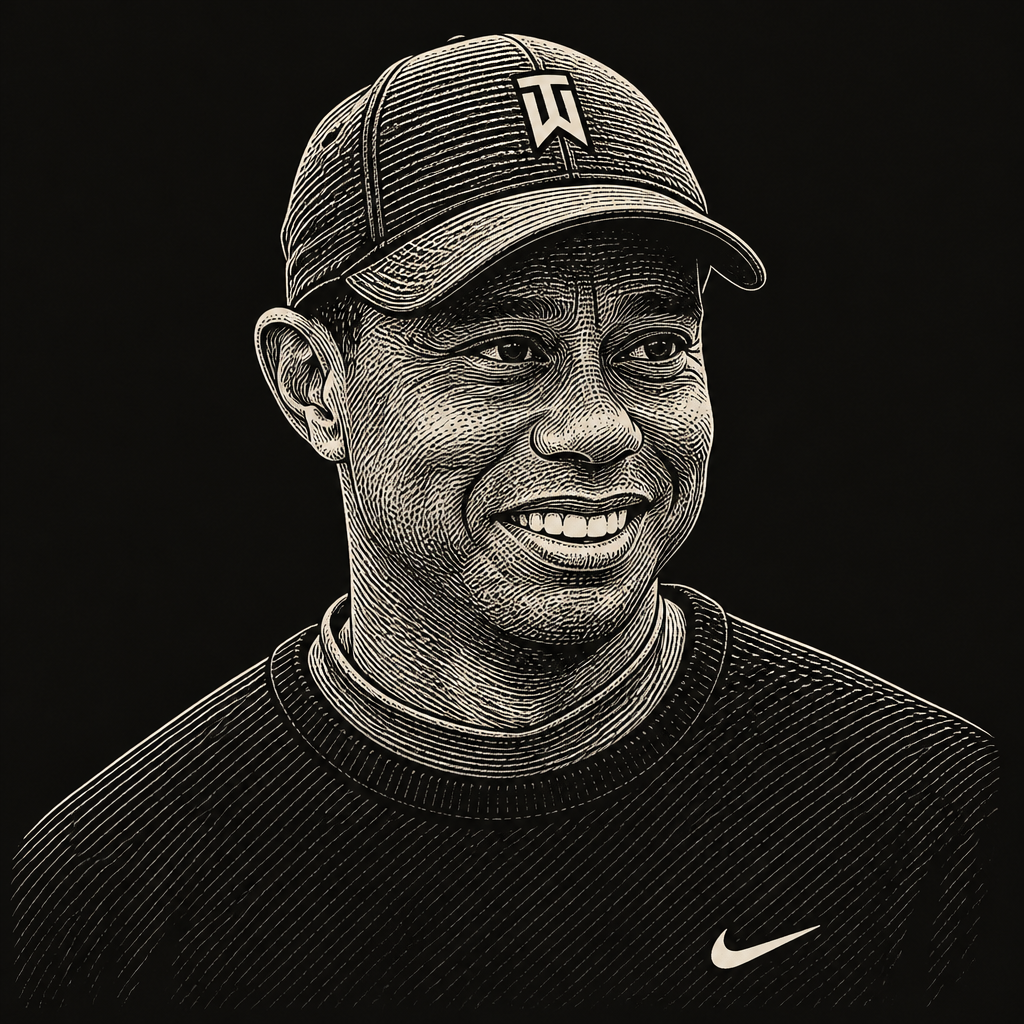
Natarajan says the breakaway nevertheless forced the Tour to recognize deep-seated player frustration and meet some demands. The Tour’s response included sharing more of the economic upside with players and raising purses at certain events. The purse for the 2026 PGA Championship rose to $20.5 million.
The PGA has also opened a path back for some prominent LIV players, and some have already rejoined. But the prospect is not universally welcomed. Rory McIlroy asks whether returning players bring value, and whether they brought value to LIV in the first place.
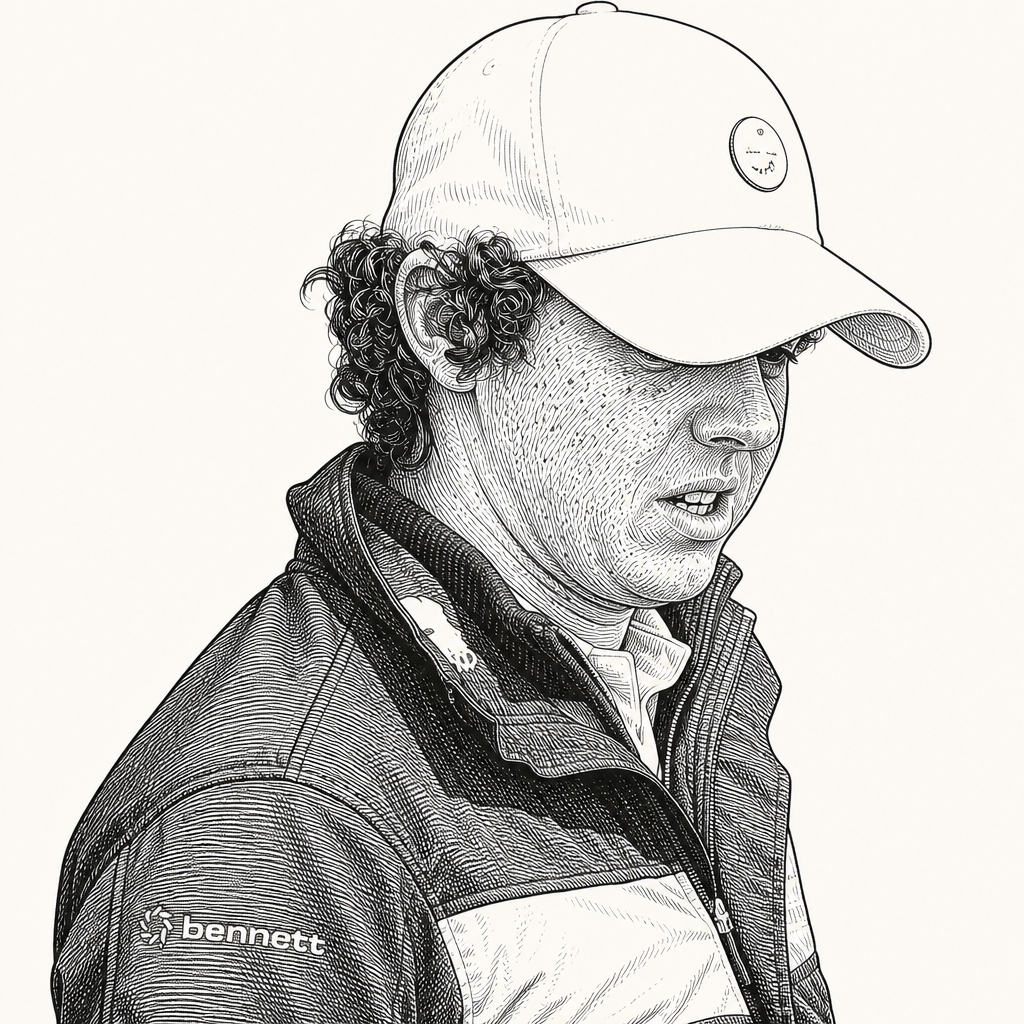
A combination of the two leagues appears no closer. One speaker says joining the leagues in some form would be good for golf, but the PGA Tour CEO has said there is “no merger,” and the Tour has shut the door on a tie-up for now.
Brian Rolapp frames the lasting effect differently: “Huge innovation usually doesn't happen without a crisis.” LIV may have failed to establish the audience its spending sought, but its challenge altered how the incumbent shares money with the players it depends on.