FIFA’s Expanded World Cup Pushes Costs Onto Fans and Host Cities
 Donald TrumpDjibril Gueye
 Vanessa Perdomo
 Andrew Zimbalist
 Gianni InfantinoSean Duffy
 Daniel Cancel
 Don GarberBloomberg OriginalsFriday, June 5, 20268 min read
Bloomberg argues that the expanded 2026 World Cup is built to generate record revenue for FIFA while shifting much of the cost and risk onto fans and host cities. The tournament’s 48-team, three-country format creates more matches, broadcast inventory and ticketing opportunities, but dynamic pricing, resale fees, transport costs, visas and security obligations are making attendance and hosting more expensive. The result, the piece says, is a World Cup marketed as a mass global event while increasingly priced and managed like a premium spectacle.
FIFA’s bigger World Cup creates more revenue opportunities, and higher costs for everyone else
FIFA’s 2026 World Cup expands the tournament and creates revenue opportunities at several points at once: more teams, more matches, dynamic ticket pricing, an official resale platform, and larger broadcast revenue. For fans, the affordability problem does not stop at the ticket window. It extends into resale markups, local transportation, parking, visas, flights, and the public costs host cities must absorb to make the event work.
The tournament will be the first World Cup staged across three countries, with 16 host cities in the US, Mexico, and Canada. It will also be the first with 48 national teams instead of 32, producing 104 matches. That scale gives FIFA more inventory to sell, and the ticketing model makes that inventory variable-priced.
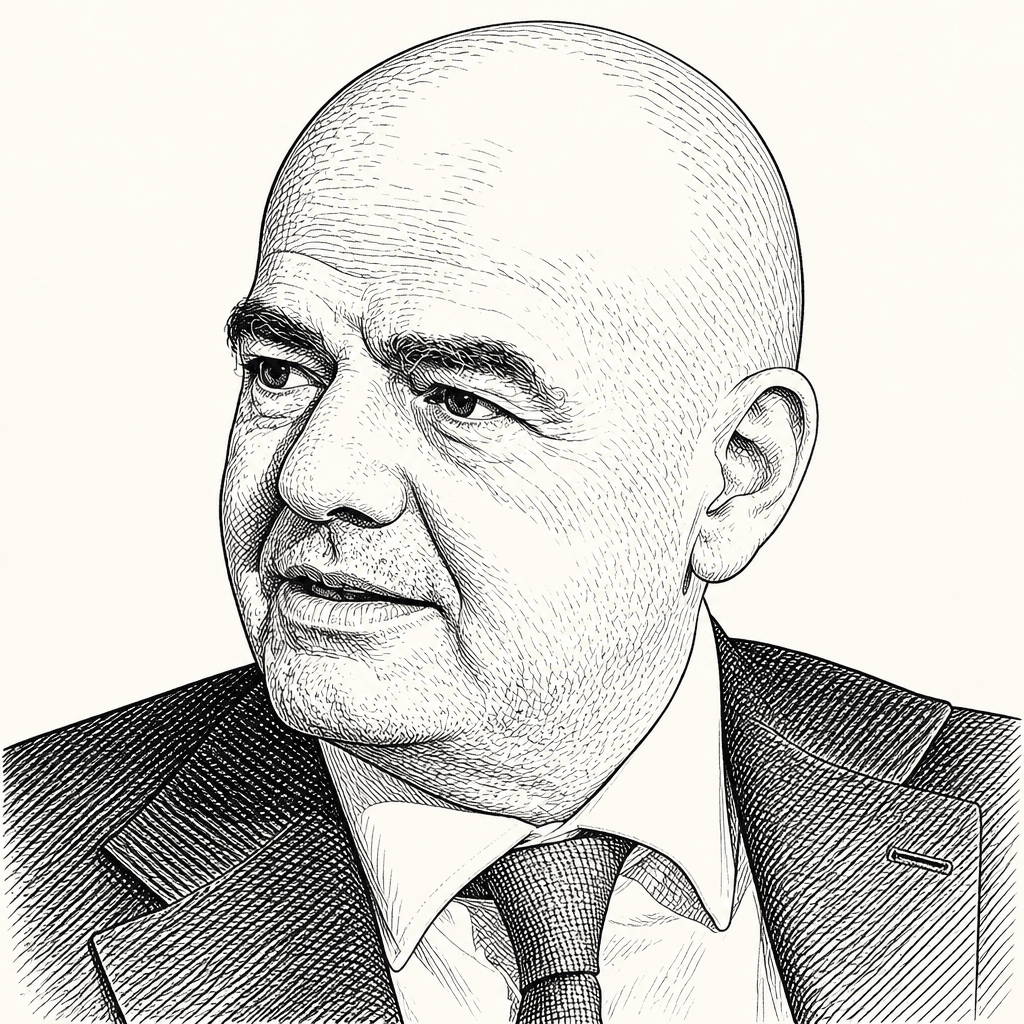
For the first time at a World Cup, tickets are subject to dynamic pricing, meaning prices can change hourly, daily, or weekly according to supply and demand. Vanessa Perdomo says the model is familiar in the US but new for a global World Cup audience. FIFA President Gianni Infantino defends the approach directly: “We have to apply market rates. This is the World Cup.”


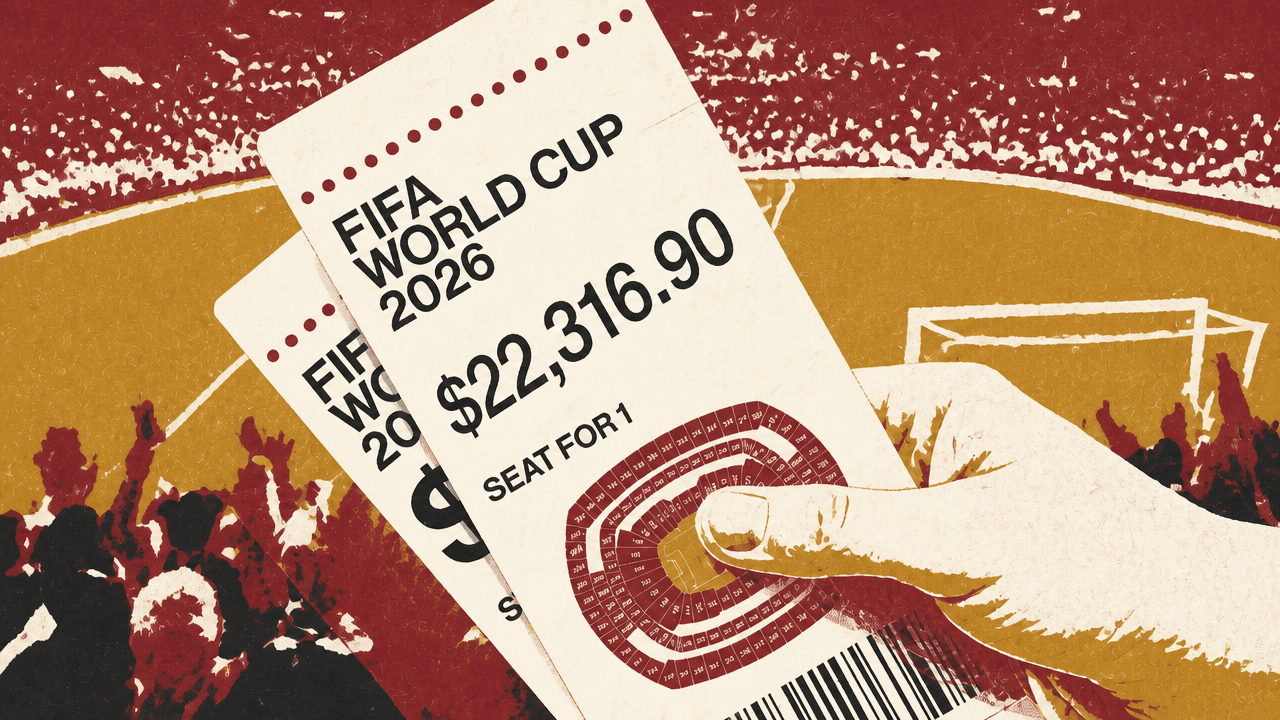
The ticket backlash has been driven by extreme examples circulating among fans. One social video showed a Colombia-Portugal ticket with an original purchase price of $446.34 and a resale price of $22,316.90. Another displayed a seating map where the cheapest available section was $7,110. The question is whether those prices reflect durable fan demand or speculative buyers entering the market to resell at a markup.
FIFA has also organized its own resale platform, where it will take commissions from both the buyer and the seller. That means resale activity can add revenue even when tickets change hands after the initial sale.
Following a backlash, FIFA added a $60 ticket option for some loyal fans of participating teams. A Bloomberg Opinion graphic said those cheaper seats would make up less than 2% of total tickets. The concession exists, but it does not change the basic economics of attendance.
FIFA is expected to earn about $13 billion over the four-year cycle that includes this World Cup, a five-fold increase compared with the cycle ending with the 2006 World Cup in Germany. A FIFA reports chart put expected World Cup broadcast revenue at $3.9 billion. FIFA is a nonprofit, and says money left after operating costs is reinvested in growing soccer around the world, distributed among national soccer organizations for youth and adult development.
But the same structure that produces record revenue creates pressure elsewhere. Fans face dynamic prices and resale markups. Host cities face security, transportation, and fan-infrastructure obligations. International supporters face travel costs, visa risk, and political unease.
Host cities carry the obligations while FIFA captures the game revenue
The US, Mexico, and Canada begin with one major advantage: they already have large stadiums. Andrew Zimbalist says the hosts did not need to build facilities from scratch, although FIFA still requires modifications.
That advantage does not remove the public cost. Host cities sign contracts requiring them to provide security, transportation, fan festivals, and other services. New York expects about $3.3 billion in economic impact, Dallas about $2.1 billion, and Los Angeles around $1 billion. Those projections are immediately qualified: economic impact numbers produced by FIFA and cities are described as “typically inflated,” while cities front the bills and FIFA “really just takes all of the revenue from the games.”
A University of Lausanne chart compared costs and revenues for 14 past World Cups from 1966 to 2018. The pattern presented was stark: nearly every host nation lost money, with Russia as the only exception.
| City or host item | Amount described |
|---|---|
| New York | About $3.3 billion in expected economic impact |
| Dallas | About $2.1 billion in expected economic impact |
| Los Angeles | Around $1 billion in expected economic impact |
| Host city financial fallout | Potentially $100 million to $200 million |
| US federal security funding | $625 million across 11 US host cities |
The US government agreed to provide $625 million for security measures across the 11 US host cities. A New York Times headline said the funding was awarded after a delay. Zimbalist calls that “a good chunk of money,” but says it is not nearly enough to handle potential security problems. If cities have major costs and essentially no game revenue, the remaining burden is partly offset by local sponsorships and private donations, with taxpayers covering the balance.
Daniel Cancel gives one example of how cities may try to close the gap: fan fests. These are usually public spaces with big screens where supporters can gather free of charge. Cancel says some cities, under financial pressure, are already considering charging admission.


Transportation follows the same logic. A round-trip ticket from New York to the stadium in New Jersey is described as costing about $100, reduced from $150 after backlash, compared with $13 for the same trip on a non-World Cup day. FIFA is also limiting parking near stadiums to make room for more infrastructure, leaving the remaining spaces to sell at premium prices. Cancel describes cities as trying to “claw back” some of their investment without passing more of the bill to taxpayers.
The US is lucrative for soccer, but high prices work against mass adoption
The tournament arrives after three decades of growth for US soccer. Vanessa Perdomo says the sport has grown massively since the 1994 World Cup, pointing to Lionel Messi’s presence at Inter Miami and the club’s business growth. Major League Soccer Commissioner Don Garber says MLS now has 30 teams and an enterprise value above $20 billion.
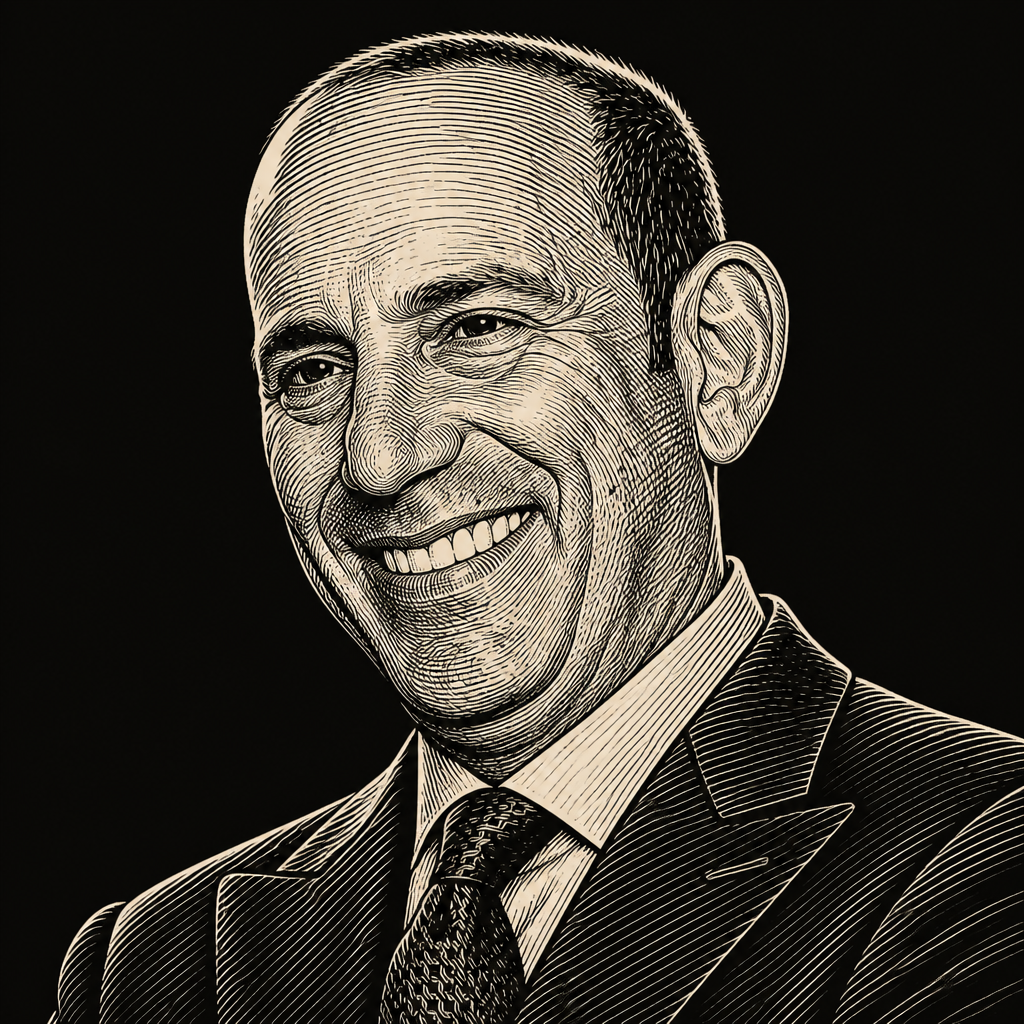
But Perdomo also says soccer is still not on par with other US sports leagues. That makes 2026 both a commercial opportunity and a cultural test: a chance to capture global attention and deepen the US audience.
The risk is that the pricing model works against that goal. Exclusivity threatens the tournament especially in a country where soccer is not necessarily embedded in mainstream sports culture. One speaker says that if a comparable pricing strategy were used in a country where football is the number one sport, there could be the potential for “a bloody revolt.”
There is also a broadcast problem. Some stadiums may struggle to fill for matches between countries without large diaspora communities nearby. Prices could fall close to the tournament if seats remain unsold, because FIFA will not want broadcasts showing empty stadiums.
How do you have a mass base if the masses can’t afford to go to the games?
That question captures the central pressure. The US is described as the “ultimate market” for FIFA, but the pricing strategy treats the event less like a mass sporting ritual than a premium corporate product. The final, in particular, is framed as an event increasingly accessible through corporate packages rather than ordinary fan budgets.
International fans face visas, politics, and higher travel costs
For international supporters, the cost problem extends beyond match tickets. Airline prices have soared, and US politics has complicated the event’s appeal. Transportation Secretary Sean Duffy is shown telling visitors: “If you come to see some soccer, we want you to come, we want you to celebrate, but when the time is up, they’ll have to go home. Don’t overstay your visa.”
Perdomo says Trump administration immigration and tourism policies have made it difficult for some people from specific countries to obtain visas, and have put some off visiting the US. Djibril Gueye, a fan in Senegal, says in French that he had an appointment at the US embassy, completed the formalities, paid the associated fees, and was refused a visa. He calls it a strong disappointment and says he had no interest in immigrating to or remaining in the United States.
Zimbalist adds that groups numbering in the thousands have signed petitions saying they have attended World Cup games for the past 20 years but will not go to the United States because they oppose immigration policies set by the Trump government. A CNN headline framed this as an unintended consequence of US immigration policy: some fans are skipping the World Cup in the US.
Those concerns matter to the tournament’s finances. If people cannot attend, or decide not to attend, an event host cities expected to be profitable can become a financial black hole.
Infantino’s alliance with Trump makes the tournament political
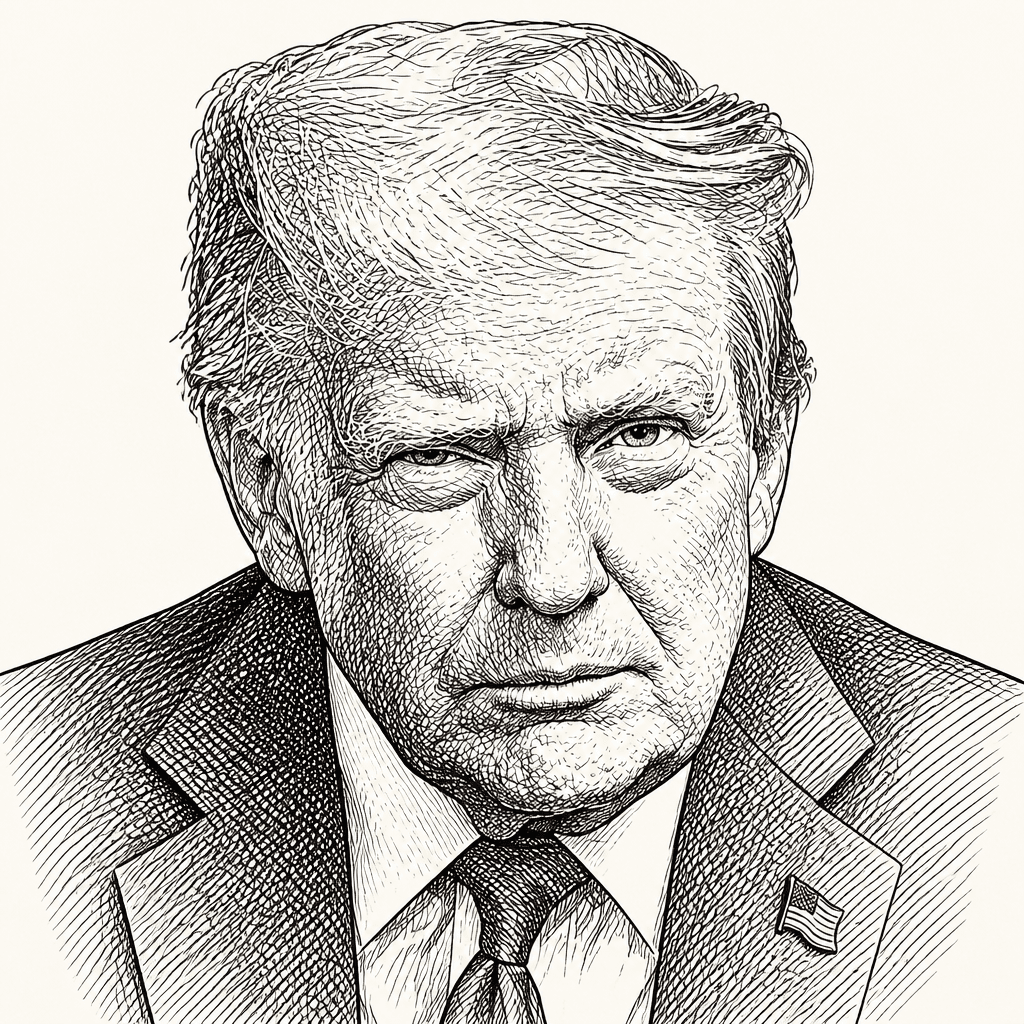
The World Cup’s politics are tied to its economics. Donald Trump is positioned around the event as both host-country president and beneficiary of FIFA attention, while Infantino has cultivated the relationship. Infantino has visited the White House many times. Zimbalist says Infantino created a new FIFA peace prize and gave it to Trump after Trump complained about not receiving the Nobel Peace Prize.
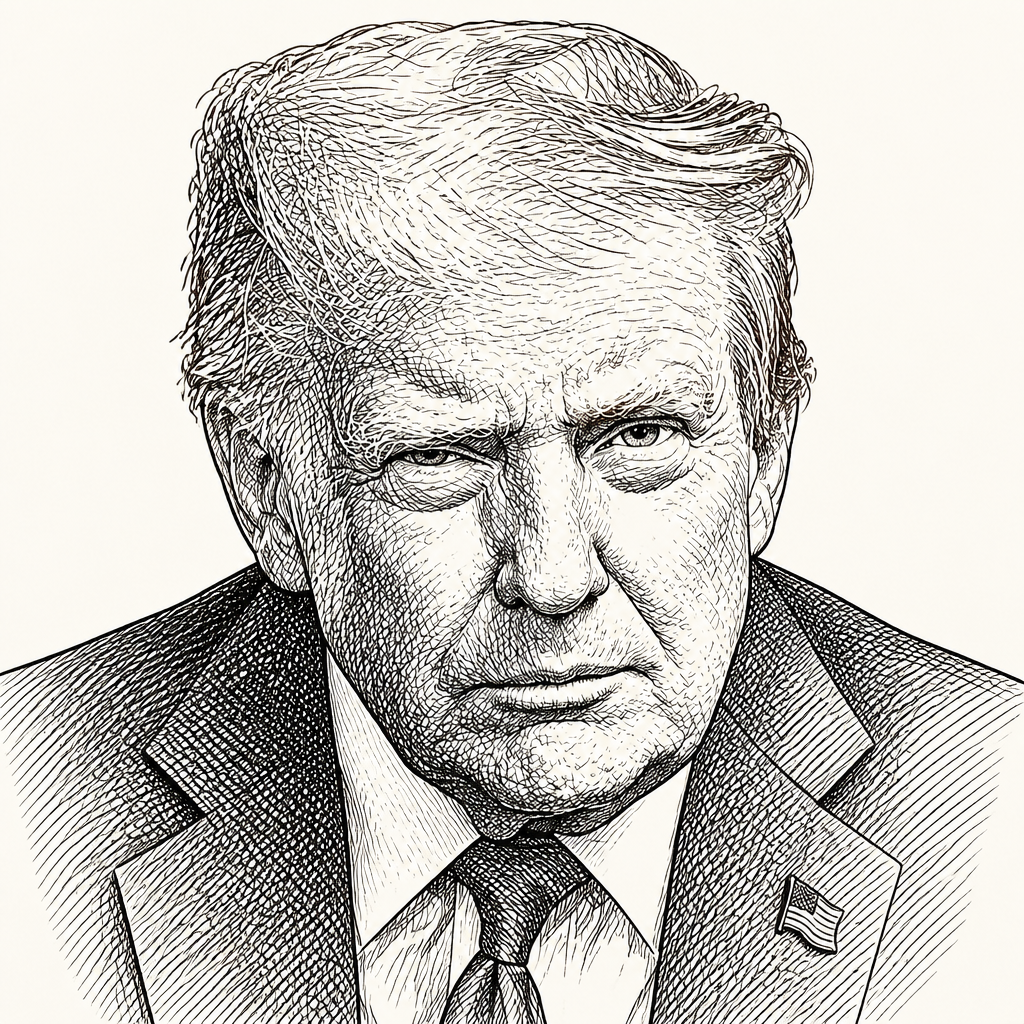
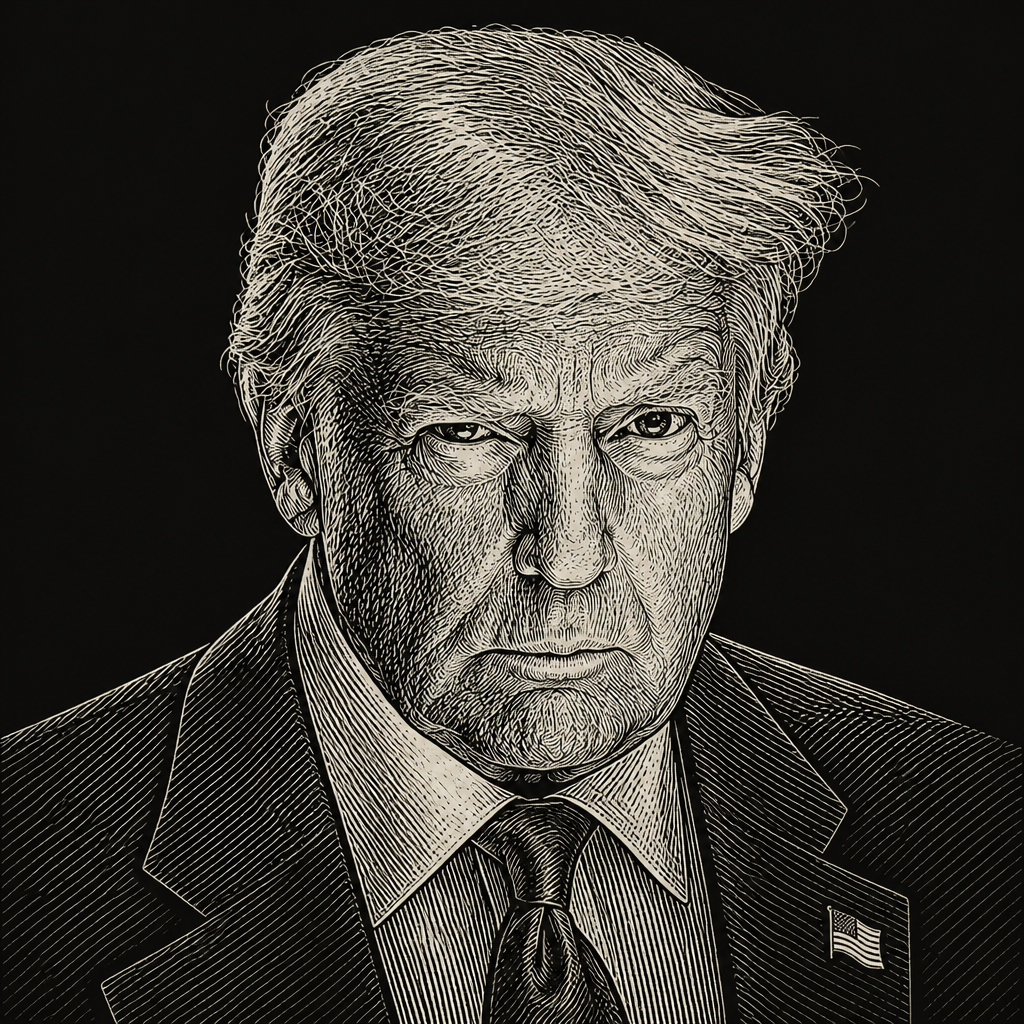
The relationship is clearest in the discussion of Iran’s participation. Infantino says Iran will participate in the 2026 World Cup. Trump responds by asking whether Infantino said it, then says, “What if they win?” before calling Infantino “fantastic” and “a friend of mine.”
Cancel says the tournament offers Trump publicity: he will be seen in the stands and as someone partly responsible for staging what Infantino has called “a hundred and four Super Bowls.” The phrase captures the political and commercial spectacle at once. A 104-match World Cup creates more games, more attention, and more chances for leaders and institutions to attach themselves to the event.
The scrutiny around FIFA has not disappeared. A Bloomberg headline said the FIFA World Cup ticketing process was being investigated by New York and New Jersey over seat-assignment concerns. A Guardian headline recalled FIFA’s history of money scandals through US prosecutors’ allegation that officials pocketed $150 million in a “World Cup of fraud.” The 2026 tournament is therefore being sold as a bigger, more lucrative global event while also testing how much cost, politics, and distrust fans are willing to absorb.