Strong Growth Hasn’t Made Everyday Costs Feel Manageable
 Kailey LeinzJeffrey Sparshott
 Paul Ringold
 Joe Mathieu
 Robin Roberts
 Joe BidenJennifer Lee
 Michael McKee
 Julia FanzeresZohran MamdaniReade Pickert
 Donald Trump
 Scott BessentBloomberg OriginalsFriday, October 30, 20265 min read
Bloomberg’s report argues that the gap between strong US economic data and widespread financial pessimism reflects affordability, not a lack of growth: inflation has slowed, but prices remain far above pre-pandemic levels. Reporters Reade Pickert, Julia Fanzeres and Jeffrey Sparshott describe how fuel costs, housing and uneven job prospects leave many households under pressure, even as consumer spending and AI investment support the broader economy. Strong spending, they note, does not necessarily mean people feel financially secure.
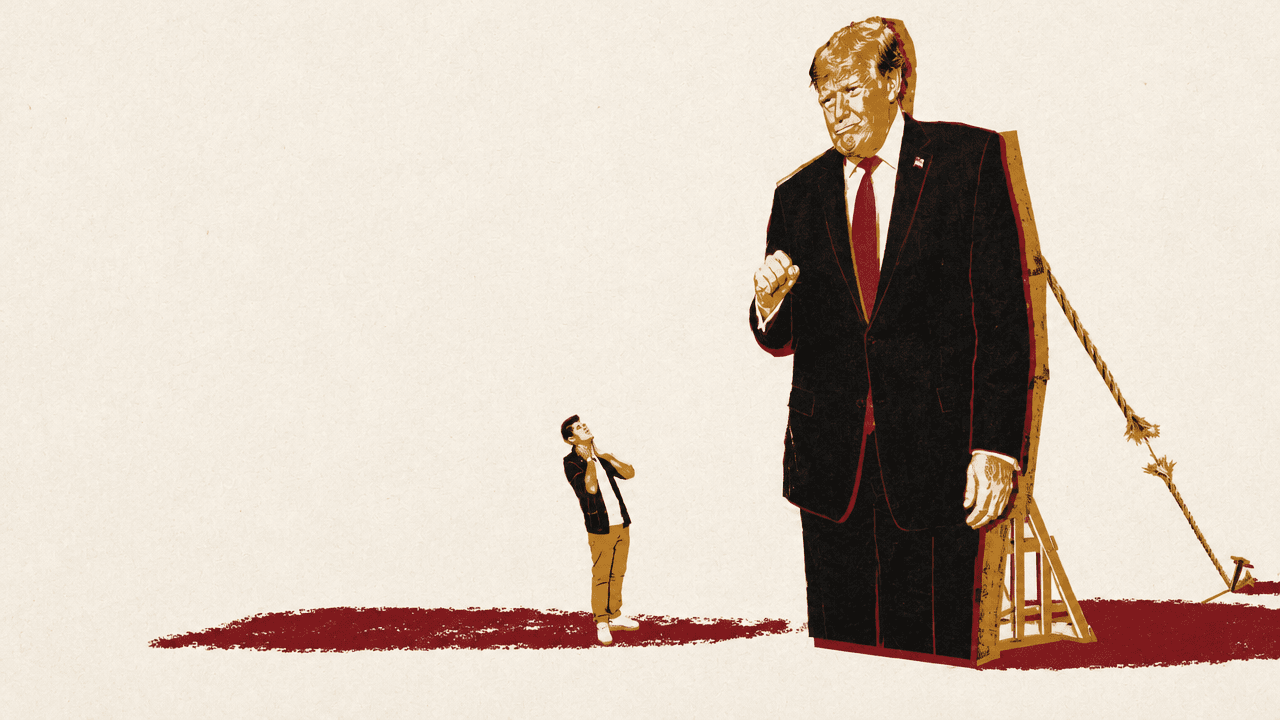
Strong aggregate numbers conceal a squeeze on household budgets
The US economy can be strong by conventional measures and still feel punishing to many households. The stock market is booming, consumer spending remains strong, business investment is solid and layoffs overall are subdued. Yet many people are struggling to keep up with the cost of living.
The distinction between the level of prices and the rate at which they rise matters. Even when inflation slows, it does not bring prices back to where they were. Reporter Reade Pickert says that, compared with before the pandemic, groceries cost more than 30% more, rents more than a third more and car insurance nearly 50% more; energy prices are higher still.
The rise followed pandemic supply-chain disruptions and a surge in consumer demand when the economy reopened. Later, Russia’s war with Ukraine drove up fertilizer prices, tariffs raised the cost of some goods, and the US-Israel war with Iran pushed energy prices higher. Those successive shocks, Julia Fanzeres says, have prevented prices from easing enough for consumers to feel relief.


The Consumer Price Index chart shows inflation’s pace cooling after a peak in 2022, then rising again: the rate was 2.4% in 2026 before reaching 3.7% in September, more than six months into the war with Iran. A slower rate of increase does not undo earlier price increases, and the renewed rise makes it harder for households to feel they have caught up.
Fuel costs travel from the pump to the store
Diesel connects geopolitical shocks to the everyday cost of living. Trucks move packages and groceries, Fanzeres notes, so higher fuel costs can feed through to what consumers pay. For pastor and independent truck driver Paul Ringold, weekly fuel costs rose from about $800–$1,200 before the Iran war to around $1,700–$1,800.


Ringold describes trying to control the expense by driving at fuel-efficient speeds and checking tire pressure. But those measures cannot erase the increase. He says he would much rather have $500 in his pocket than in the tank—a comparison that conveys the strain, not a calculation of savings. As both a business owner and a consumer, he says he feels the costs in his truck and then again at the pump and the store.
That pressure helps explain why consumer spending can stay firm even as people report feeling bad. Jeffrey Sparshott points to a disconnect between consumers’ expressed pessimism and the hard spending data.
What consumers are saying, people say they feel pretty bad. If you look at the actual hard spending numbers, consumers are still spending. There does seem to be a bit of a disconnect.
The consumer sentiment index is lower than it was during both the financial crisis and the pandemic. People are finding different ways to keep spending: some take side jobs or side hustles, some may get money from the stock market, and others use buy-now-pay-later services or make tradeoffs. Strong spending does not necessarily mean households feel financially secure; it can coexist with efforts to keep a lifestyle or stay afloat.
Paychecks and jobs do not offer the same security to everyone
Wages initially rose as businesses competed to meet demand after pandemic restrictions eased. But inflation eroded those gains. As inflation slowed, workers began to regain ground; more recently, inflation-adjusted wages have started to fall again. The improvement that had left some people feeling even—or a little ahead—is fading, Sparshott says.
A low overall unemployment rate does not describe everyone’s experience. Unemployment is more bleak for young workers aged 22 to 27, according to the comparison with all workers. Those who have jobs but dislike them may feel unable to leave because opportunities are limited. New graduates and people who have lost jobs can find it harder to get hired.
For people laid off, the time spent unemployed is lengthening. Sparshott says it is around six months, a duration that has historically coincided with recession, even though the economy is still growing. That combination makes a headline unemployment figure an incomplete guide to how secure workers feel.
Housing and AI widen the divide
The same split appears in housing. People who bought homes in 2020, when interest rates were low, may feel well positioned. For those still trying to buy, the median US home price is about 50% higher, while mortgage rates have risen from below 4% to above 7%. A typical monthly payment is roughly double what it would have been in 2019.
Residential construction is weak—some economists say it is effectively in recession—while construction tied to the AI buildout is helping support growth and employment in non-residential sectors. A Bloomberg Economics analysis of government data estimates that AI-related investment added about one percentage point to GDP growth in 2025, roughly half of overall growth.
That boost comes with costs. People may not want data centers built near where they live, and workers worry that AI may replace their jobs. The investment surge is also straining resources and raising prices for items including software and computers, with effects on inflation beyond those categories. AI can lift measured growth and benefit Wall Street while adding to price pressures elsewhere. That growth does not resolve the affordability problems facing people who are shut out of housing or exposed to rising everyday costs.
Growth and inflation policy pull in different directions
Larger-than-usual tax refunds provided a buffer for consumers facing higher gasoline and energy costs, but that support is largely over. The source describes Trump taking targeted approaches intended to help at the margins: making a deal with Russia to try to get more diesel supply onto the market, and launching initiatives on prescription drug prices. It says those moves are unlikely to move the needle broadly.
The Federal Reserve faces a difficult tradeoff. Inflation has been above its target for more than five years, while pressures such as energy prices and AI-related investment are not directly addressed by interest rates. As the source explains, getting inflation down may mean raising rates to reduce consumer spending and business investment. That can slow growth—including investment that is supporting parts of the economy—and bring real pain for Americans. The same economy can therefore register strong growth while households face costs that monetary policy cannot quickly relieve.