Lectric Made E-Bikes Mainstream by Lowering the Cost of Adoption
 Levi ConlowRobby DezielTina
 Raja RajamannarTonyBloomberg OriginalsWednesday, September 23, 202610 min read
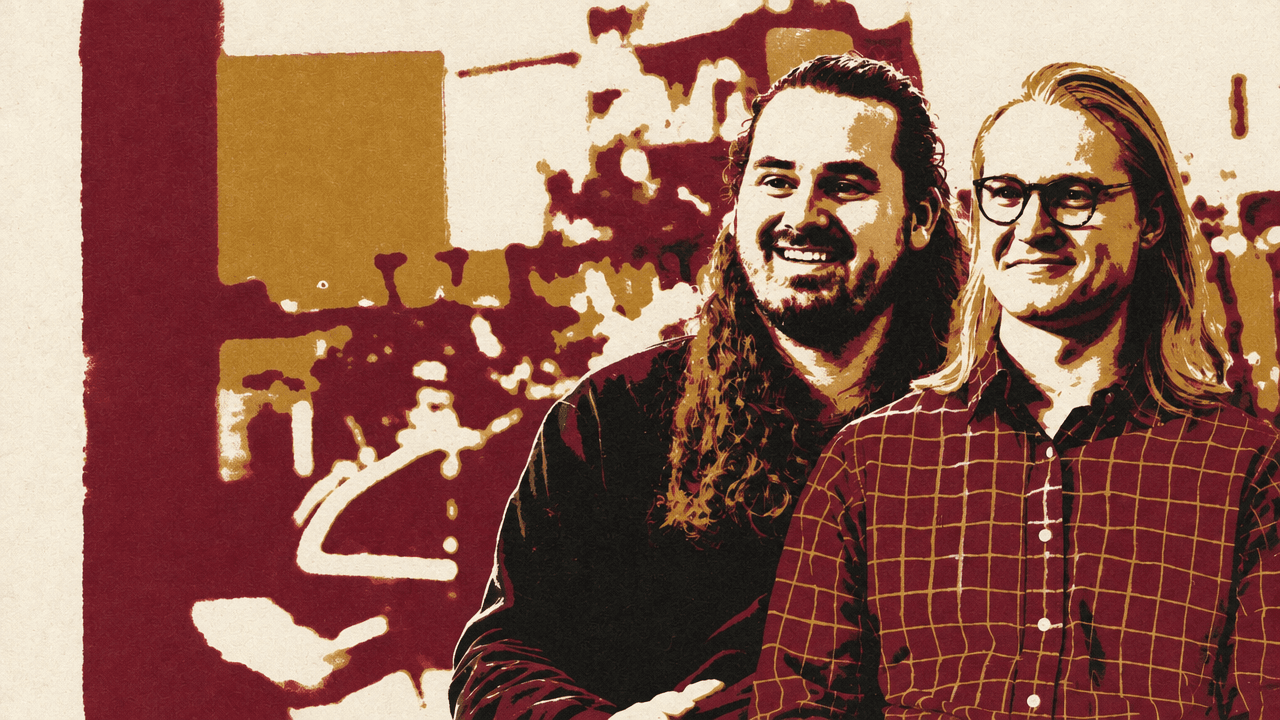
Lectric eBikes’ co-founders, Levi Conlow and Robby Deziel, argue that wider adoption of electric bikes depends less on making them faster or more premium than on making them affordable and easier to trust. In an interview with Raja Rajamannar, they describe a strategy built around direct sales, customer service, influencer recommendations and product changes prompted by riders. Their aim, they say, is to turn the e-bike from a leisure purchase into practical everyday transportation.
Lectric competed by lowering the cost of trying e-bikes
Electric bicycles had been around for decades, but their sales in the United States rose sharply between 2015 and 2022 before leveling off. As demand slowed and competition intensified, many manufacturers focused on making bikes faster, more powerful, or more premium. Lectric’s founders, Levi Conlow and Robby Deziel, took a different route: make electric mobility affordable, practical, and easier for everyday riders to adopt.
The chart shown alongside Raja Rajamannar’s introduction traces US e-bike retail sales from 2015 to 2025. Rajamannar described a rapid increase through 2022, followed by a plateau. In that more difficult market, he said, manufacturers faced slower demand, pricing pressure, and growing competition. His framing of Lectric’s strategy was that lasting success would depend not just on excitement about the product, but on earning trust.
The founders’ starting point was modest. They met as middle-schoolers playing Xbox Live and were in their early twenties when they tried to sell an electric bike through Craigslist and Instagram. They took it to local trade shows, where potential buyers told them plainly why they did not want the bike. Conlow said the feedback prompted them to redesign it. Lectric held its price at $999, making affordability central to the offer rather than an afterthought.
The founders showed Rajamannar their original business plan, which called for raising $40,000 to $50,000 and included a marketing plan they said they followed. Conlow described the company’s ambition through the example of Honda: a business that began with motorized bicycles and expanded into other forms of transportation. He wants Lectric to be understood not only as a maker of bikes, but as a company that can change how people move.
That ambition shaped a straightforward product principle. Conlow said the company aims to make the bike as good as it can while keeping it affordable, then pair it with strong customer service. Lectric could not offer what he called the world’s best bike if that meant using components that would push the price to $10,000 or $15,000. But, he argued, offering the world’s best customer service was within the company’s control.
Selling direct gave Lectric control of both price and experience
Lectric initially went direct to consumers partly because bike shops were difficult to access for two young founders without an established industry presence. But the choice also served the company’s cost and customer goals. By bypassing retailers, Conlow said, Lectric could reduce expenses, keep the bike affordable, and build a direct relationship with buyers through its own customer-service operation.
Deziel added that the founders saw electric bicycles differently from many people in the legacy cycling industry. For riders who identify strongly with conventional cycling, he suggested, electric assistance could seem at odds with the sport. The founders instead viewed the e-bike as a tool for improving everyday life. Selling direct let them explain that use case themselves, rather than relying on someone else to frame the product.
The name for the company’s first bike, the Lectric XP, carried a similar idea. Deziel said “XP” referred both to experience points in video games and to the prospect of “leveling up” one’s life. The reference drew on the way he and Conlow had first become friends, but it also positioned the bike as something more than a sporting device.
Lectric treated customer service as part of its marketing, not simply a function that handled problems after a sale. Conlow described a team of about 40 people at the headquarters and another 35 nearby, an investment he said was unusually large compared with the US operations of the company’s biggest competitors. The aim was to use every customer interaction to strengthen the buyer’s connection to the brand.
That commitment mattered in part because direct sales made the company responsible for the whole experience. A customer might encounter Lectric through a product video, place an order online, and then call the company for help. Conlow argued that the company could not control whether its bike had the most expensive components on the market; it could control how hard it worked to take care of the person who bought it.
Influencers helped Lectric reach riders through trusted communities
Lectric first saw a promising audience in the RV community. At trade shows, RV owners approached the founders with interest in the bikes but also explained what needed to change for the products to fit their lives. The company used that feedback to develop prototypes, then sent eight bikes to RV YouTubers. Conlow said Lectric asked them to make a video if they genuinely liked the product; it did not pay them or provide affiliate links.
The decision rested on a discovery the founders made while researching the format. Conlow recalled being surprised by how many RV channels existed and by the close ties between creators and their viewers. The comment sections suggested to him that these audiences were not just watching product demonstrations: they were following one another’s lives and responding with personal encouragement.
The resulting videos showed the bikes being unboxed and used in the context of RV travel. One demonstration described the battery’s position in the frame and said the bike shipped folded and fully assembled. Deziel remembered the first influencer video as so effective that he and Conlow thought they could not have scripted a better commercial.
For the founders, the value was not just exposure. A long video could show how the product fitted under an RV, how it arrived, and what using it looked like—details that a short advertisement might not convey. More importantly, the creator’s relationship with viewers gave those details a social setting. The product was being introduced by someone whose audience already knew them.
Conlow said Lectric’s early response was striking: after the influencer initiative, the company had about $15 million in sales. He also described tracking customer referrals through surveys and a dashboard that showed where sales were appearing, down to places such as a rural town or an apartment complex. The customer-comment screenshot shown during this discussion displays positive remarks about Lectric and helps make visible the kind of audience response the founders described.
Anecdotes made that network tangible, too. One early customer, Barry, had bought bikes for himself and his wife, then helped sell more than 26 bikes through a riding group he built in The Villages. Conlow said there were hundreds of customers like him.
He described community not as an accidental benefit but as a design goal that informed the product, service, and marketing from the first business plan. The customer, in that model, was not only the target of marketing. The customer could become a distributor of trust.
Customer feedback changed the product, not just the pitch
Conlow said customer input had shaped Lectric from the beginning. A clear example was the company’s move from a two-wheel bike to a trike. Deziel recalled that some customers liked the Lectric XP but did not feel comfortable balancing on two wheels. One customer’s formulation was that the bike was perfect except that it had “only two wheels.” Lectric eventually added a trike to its lineup.
The founders’ account of listening goes beyond adding a feature. Deziel described a service principle: a customer who has a problem but receives a response that exceeds expectations may end up more satisfied than someone whose purchase went smoothly. Rajamannar connected that idea to trust. A problem handled well, he said, can take the relationship beyond the satisfaction a customer would have felt if nothing had gone wrong.
That emphasis also helps explain why the founders were willing to make customer service a major operating expense. If the product is bought online and the company owns the relationship, a service interaction can either weaken confidence or reinforce it. Lectric’s approach was to treat that moment as part of the brand experience.
The company’s customer base expanded beyond the audience the founders first imagined. Conlow said the product initially seemed especially suited to RV owners, who had approached them at trade shows. But feedback from those customers—and the use cases they revealed—helped Lectric shape products around people’s actual needs rather than a narrow idea of who an e-bike rider should be.
Growth has meant reinvesting rather than maximizing margin
As Lectric expanded, it added brands including Monarc and Juiced. Conlow described those acquisitions as an extension of the same strategy, not a departure from it: if a part of the market was succeeding but Lectric did not serve it, he argued, the company should consider showing up there. He framed expansion as a way to offer more consumers a relevant product.
The Juiced bikes, for instance, were aimed at a younger customer. Conlow said the company brought in components associated with the dirt-bike world to appeal to young riders whose parents might not want to buy them an actual dirt bike. The product was designed to meet some of that interest in a different form.
Conlow also contrasted Lectric’s economics with a growth model he associated with venture-backed competitors. In his description, those companies raise substantial funding, spend heavily on marketing to gain market share, and expect to make adjustments later. Lectric, by contrast, grew while remaining profitable, he said, gaining operational efficiencies as its scale increased.
The company’s reinvestment policy is central to that account. Conlow said Lectric sets both a margin floor and a margin ceiling. The floor protects a minimum margin; when the company rises above its ceiling, it puts the excess back into the product. His argument was that this creates a moving target for competitors: Lectric can use efficiencies from growth to keep improving the product, rather than treating margin gains solely as profit to retain.
Rajamannar said that annual figure was 50 percent more than Lectric’s closest competitor. The founders’ broader claim is not that every customer buys an e-bike for the same reason. Conlow said some early buyers treated the bikes as leisure products, a way to enjoy cycling again or explore their own cities. Over time, he saw those same riders begin using them for errands such as trips to the pharmacy, replacing some journeys they otherwise would have made by car.
Deziel said the company’s story mattered alongside the product. In the early days, the founders answered customer calls and appeared in product videos themselves. He recalled early customers who believed in what Lectric was trying to build and then organized group rides, including a Southern California group that grew to dozens of regular participants. Even as the company grew, he said, the founders continued livestreams and direct conversations with consumers.
That personal presence connected the company’s marketing to the customer experience: buyers could see the founders in a video and later speak to the same people. For some customers, Deziel suggested, the appeal was not only the bike but the story of two Midwestern founders taking on an established industry with a new category.
Asked whether Lectric ultimately sees itself as an e-bike company or a mobility platform, Conlow chose the latter. He said the founders were drawn to electric transportation, not because they were cyclists, but because they saw the bicycle as an efficient way to travel and the electric bicycle as an efficient form of motorized transportation.
The product’s reach depends on whether it becomes part of daily life
Rajamannar drew a distinction between building a community and creating a movement. For Lectric, Conlow said, that shift began on a small scale: early customers and family members first used the bikes for recreation, then began to see them as practical transportation. The change matters because it moves the e-bike from an occasional purchase for leisure into a tool that can alter everyday routines.
The account leaves Lectric’s marketing inseparable from its operating choices. Affordable pricing widened the number of people who could consider the product. Direct sales gave the company control over how it explained the bike and how it served buyers. Influencers introduced it within communities where viewers already had relationships. Customer feedback then shaped products, while customer service offered a way to build trust when a customer had a problem.
That is a different answer to a crowded market than simply building a more powerful machine. Lectric’s bet, as its founders describe it, is that adoption follows when the barriers around a new technology are reduced—and that the work continues after the sale, as customers find reasons to use it in ordinary life.