Allegations Against Jensen Huang Put Nvidia’s Founder-Centric Model Under Scrutiny
 Emily Chang
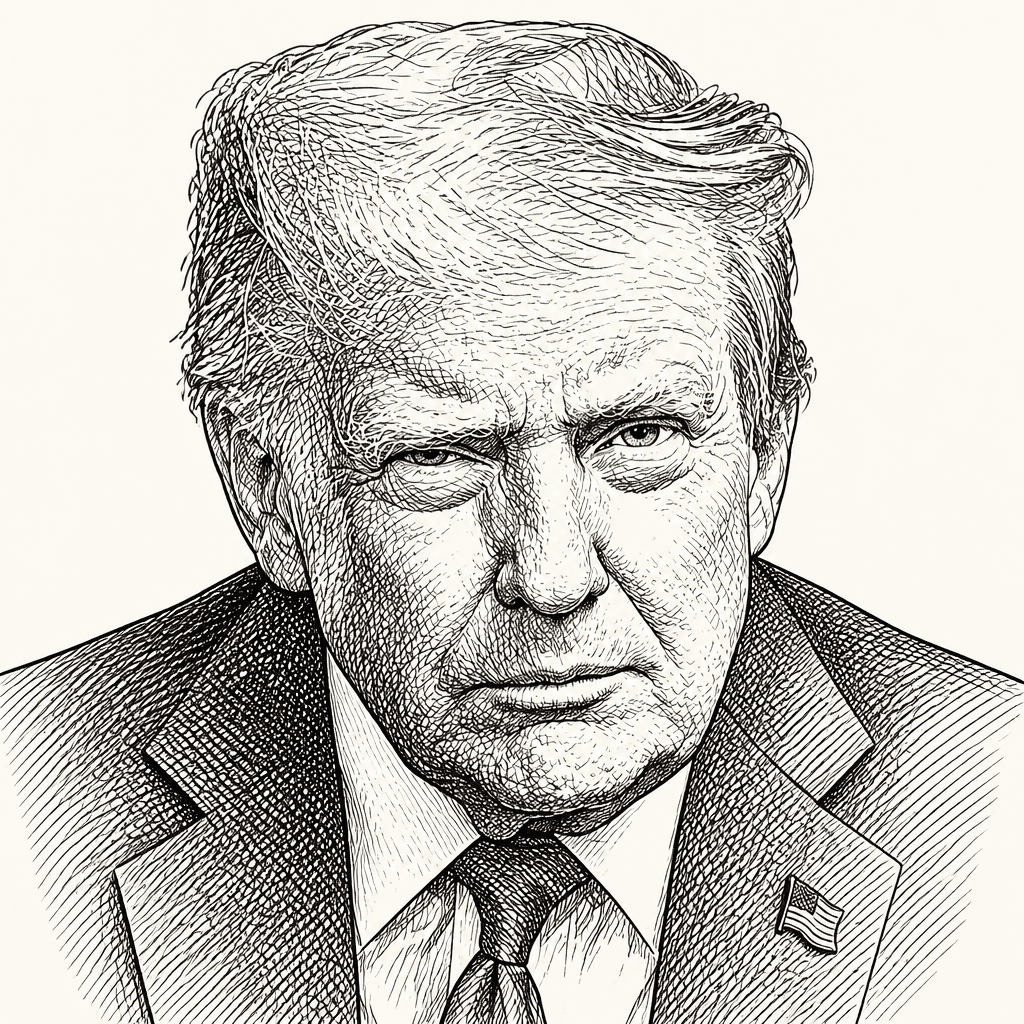 Donald Trump
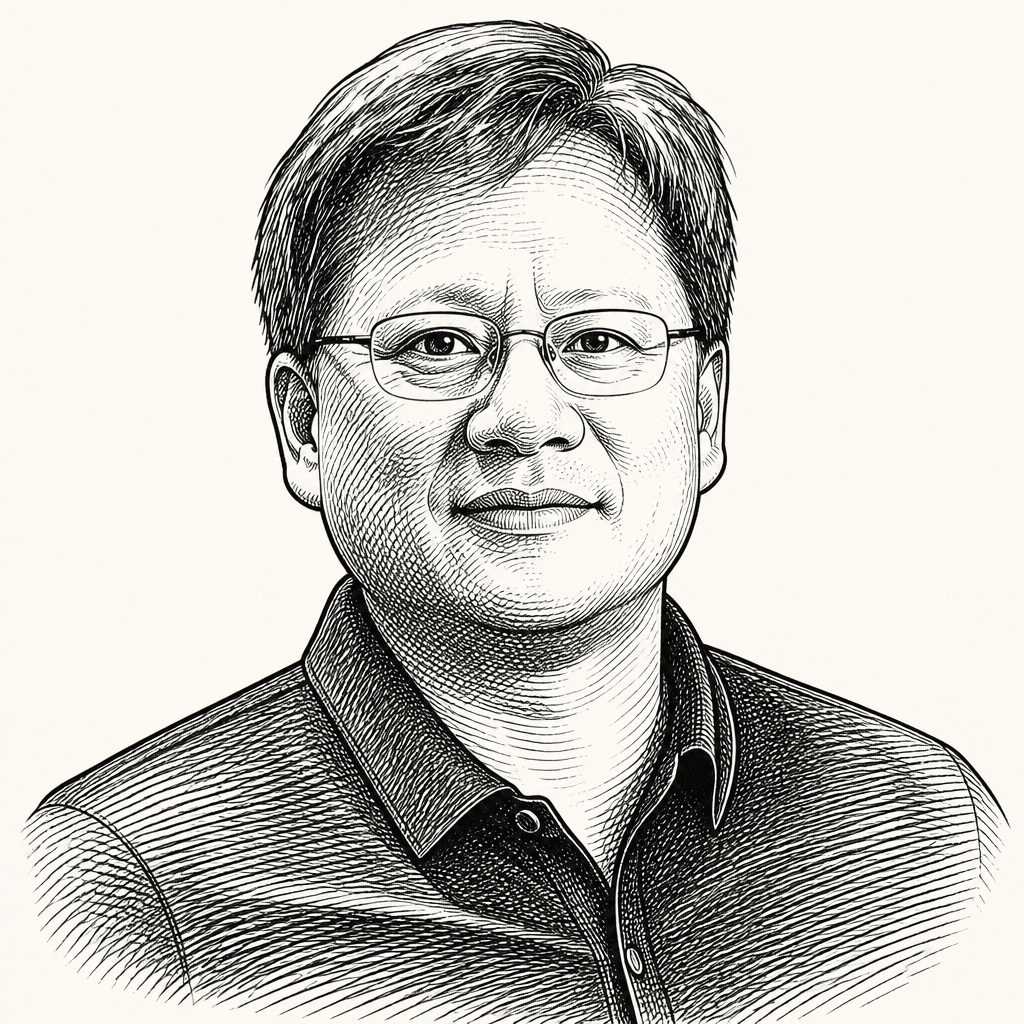 Jensen Huang
 Daniel EkBloomberg OriginalsThursday, November 12, 202615 min read
The allegations against Jensen Huang raise questions about Nvidia as well as its CEO: the company’s strategy, public identity and relationships with governments and customers have developed around him. Bloomberg’s Emily Chang followed Huang on a European tour in the weeks before he acknowledged an affair and reports surfaced that US officials suspected an executive at a major Nvidia customer of being recruited to target him. The reporting frames the scrutiny as a test of Nvidia’s governance and its ability to manage risk concentrated in its founder.
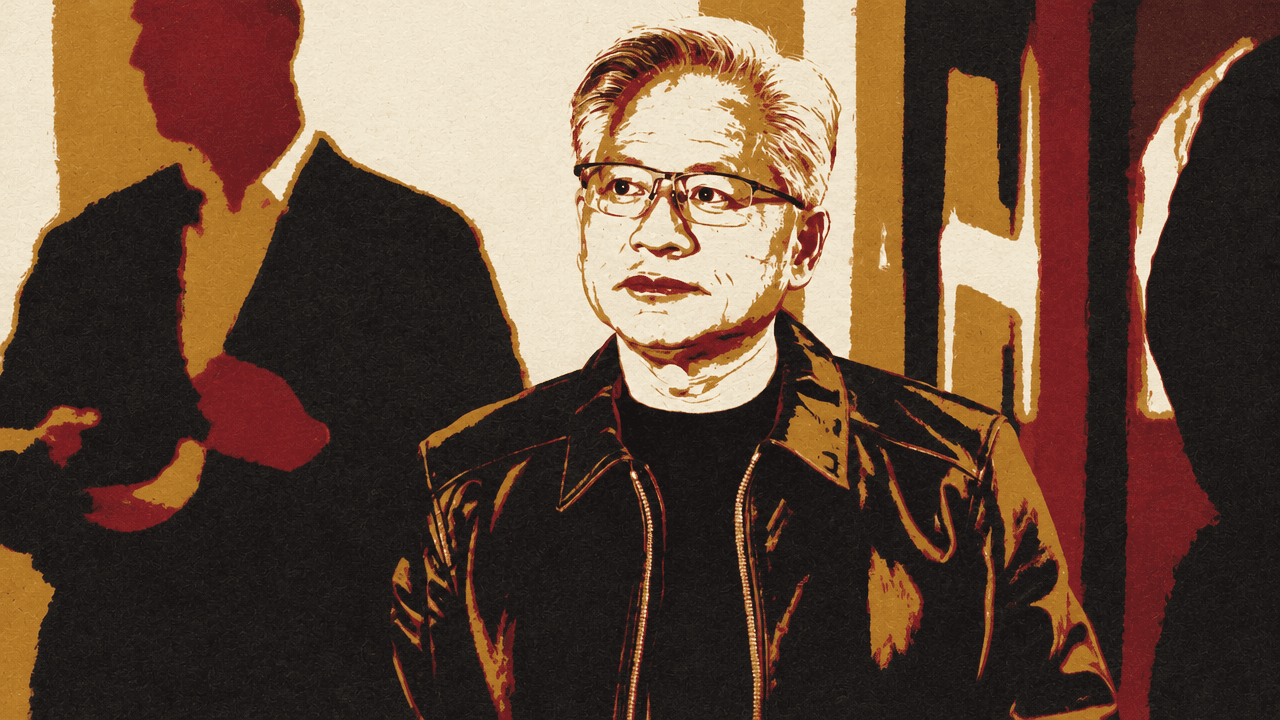
A crisis at Nvidia becomes a test of how much rests on one leader
The allegations against Jensen Huang put two kinds of risk in the same frame: questions about his personal conduct and questions about Nvidia’s exposure to a reported foreign-intelligence effort. They also sharpen a broader issue. Nvidia has become central to the AI industry, and Huang remains central to Nvidia.
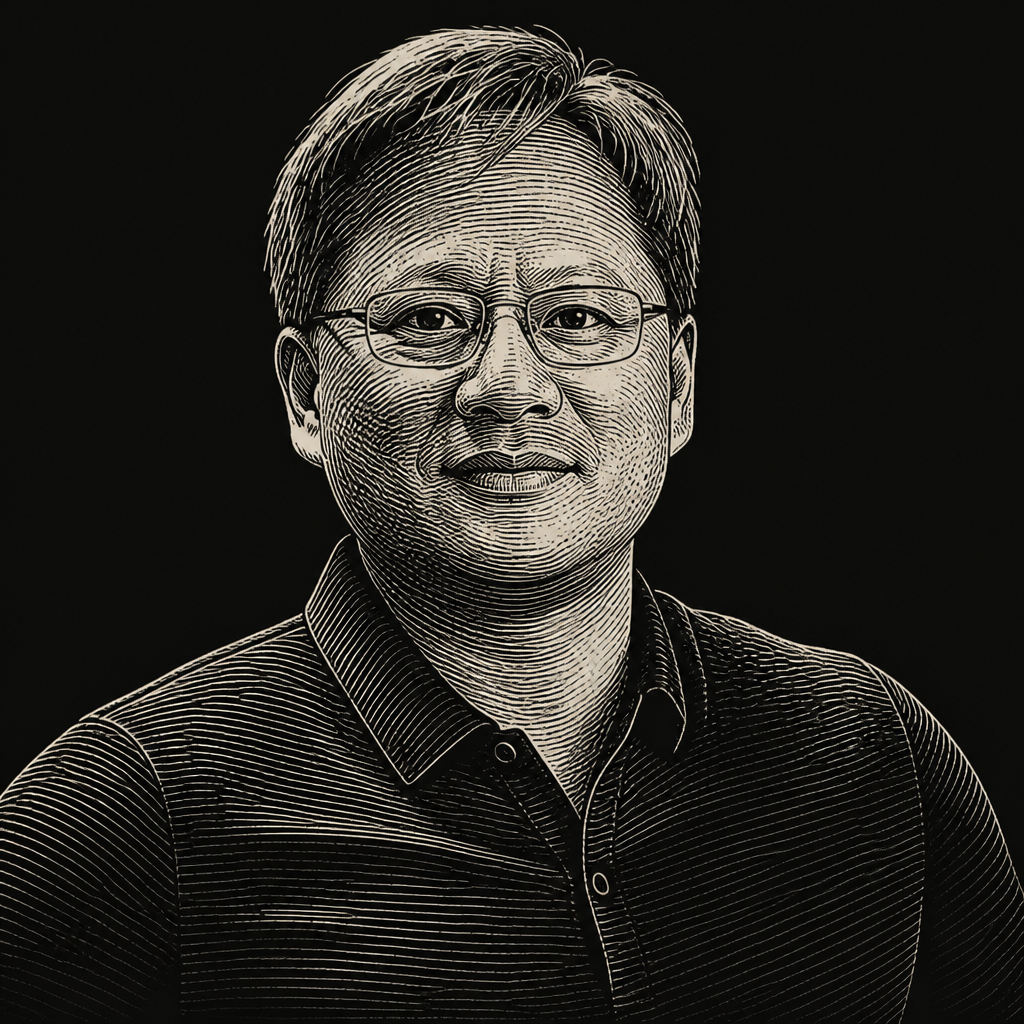
In the weeks before the revelations, Bloomberg followed Huang across Europe as he promoted a global AI build-out powered by Nvidia technology. Then reports surfaced that US officials suspected Alice Huang, an executive at Megaspeed International, of being recruited by Beijing to target the Nvidia CEO. Officials also suspected Megaspeed, described in the reporting as one of the largest buyers of Nvidia chips in Southeast Asia, of smuggling advanced chips to China.
Huang initially described Nvidia’s dealings with Megaspeed as “normal and not unusual.” He later acknowledged an affair in a November 8 message to employees, writing, “I was unfaithful to my wife. My actions hurt her and our children. There is no excuse for what I did.” He apologized to his family and colleagues and said he took full responsibility.
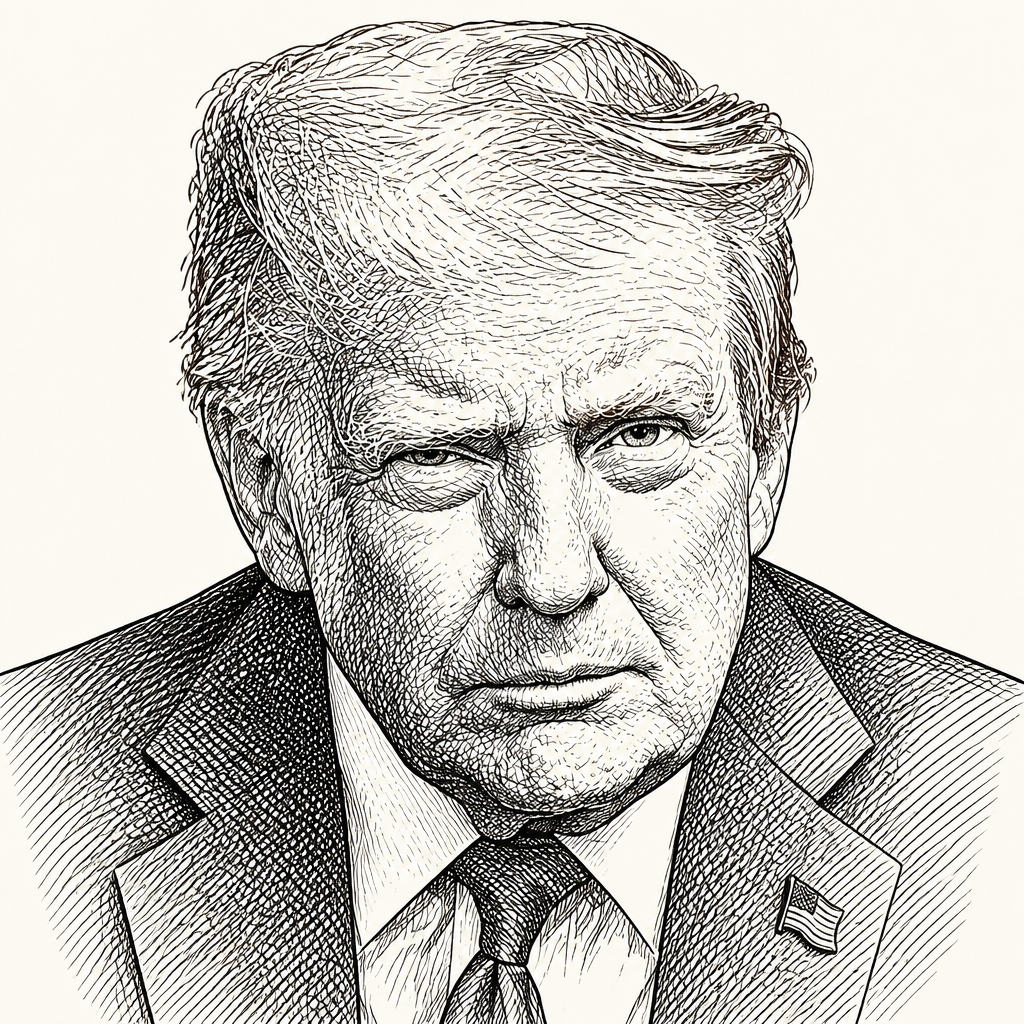
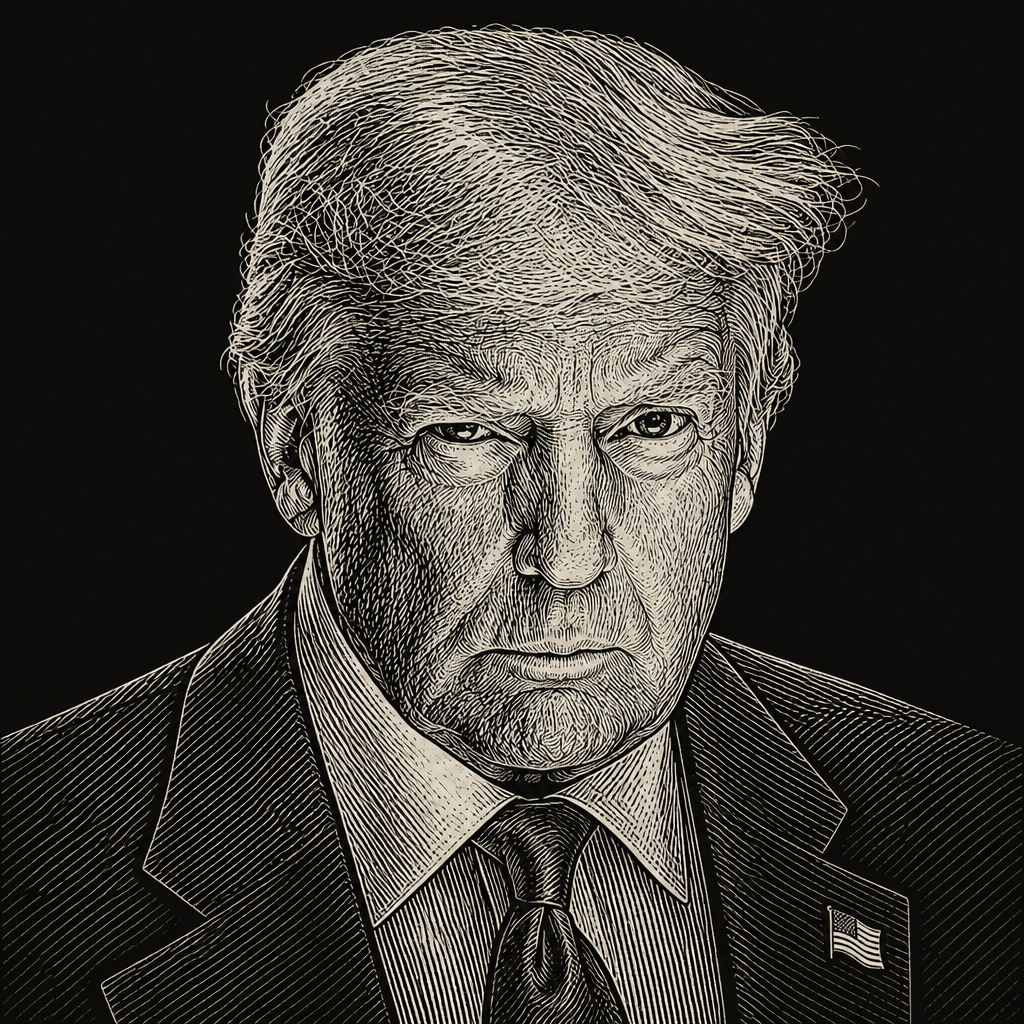
Nvidia’s board announced an independent investigation into reports that its founder and CEO had been the target of a foreign-intelligence effort. A committee of independent directors, assisted by outside counsel, would oversee it. The board said it had no reason to believe that national security or Nvidia secrets had been compromised, and that Huang supported the review and would cooperate. China called the allegations a smear. President Donald Trump said the FBI was looking into “something else” and that he thought Huang would “be in good shape.”
Bloomberg had also reported that Nvidia intervened in a US government probe of suspected chip smuggling by Megaspeed. That put the company’s commercial relationship with a customer under scrutiny alongside the reported effort to target its CEO. The board said its inquiry would examine all available information.
The headlines that followed included a Wall Street Journal report that Nvidia was preparing to oust Huang. The company’s relationship with its founder made the possibility difficult to separate from the company’s own standing. As one voice in the reporting put it, “Nvidia is Jensen and Jensen is Nvidia.”
Before the revelations, that closeness had been presented as an advantage. Huang traveled across four European countries in four days, appearing at industry events, meeting executives and government officials, and pitching investment in AI infrastructure. He was mobbed by fans and treated as the public face of a technological transformation. Afterward, the same access and influence looked more like a concentration of responsibility.
Nvidia’s reach now extends from chips into the rest of the AI economy
Nvidia began in 1993 with a specific goal: Huang and two partners wanted to make graphics processors for video games. Huang recalled investing $200 for what he thought was a 15 or 20 percent stake. In the early years, he said, he did not know how to write a business plan and was simply happy to keep the company in business.
A major shift came with CUDA, which Nvidia unveiled in 2006. The software let Nvidia chips do more than run games, including work such as weather forecasting and gene sequencing. AI researchers discovered that the same chips could train their models. When that possibility reached Huang, he committed the company to AI before much of the industry had caught on.
Today, Nvidia’s position is not just a matter of selling chips. Chang named OpenAI, Meta, Google, Anthropic, Microsoft, SpaceX and Amazon among the companies at the center of Nvidia’s business. The company supplies hardware and software, invests in startups and data centers, and has expanded its offerings across the infrastructure needed to build and deploy AI.
Huang describes that expansion through a “five-layer cake”: energy at the base, followed by chips, infrastructure, models and applications. Nvidia began in the chip layer, but it now invests across the stack. During the European trip, Huang said Nvidia had invested $8 billion in European startups in the previous year and would announce another $2 billion. The company was also backing data centers, AI labs and other startups.
That presence across the layers supports Nvidia’s pitch to governments: countries can build local AI capabilities using Nvidia technology rather than constructing every part of an ecosystem from scratch. It also gives Nvidia a stake in more of the industry’s growth. The European tour made the two sides of that strategy visible at once: Huang urged countries to build their own AI systems while offering a platform on which to build them.
Huang says Nvidia’s breadth reflects general-purpose technology, not a collection of unrelated ventures. He argued that its architecture can run closed and open models, biology and language models, and different technical approaches. The challenge, he said, is to combine high performance with low cost. He compared the aim to building both the fastest F1 racing car and a practical sedan.
The scale of Nvidia’s investments raises a related concern. Chang cited commitments of roughly half a trillion dollars across the global AI industry and asked whether Nvidia was creating demand by investing in companies that might then buy its products. A Bloomberg graphic on circular AI deals showed Nvidia connected to major technology companies through investment, services and hardware, putting the company at the center of a network that included OpenAI, Microsoft, Google, Amazon, Anthropic and others.
Huang’s explanation is that AI startups need unusually large amounts of capital because they need computing power. It is rare, he said, to find a company that can be funded with $10 million; some require $10 billion. Nvidia invests in companies across the five layers, he said, to connect with talented firms, advance its platform and participate early in their growth. He said Nvidia may be an early or anchor investor, but is not the lead or largest investor, and owns less than 20 percent of each company. He estimated that Nvidia had invested close to $100 billion over five years, bringing at least five times as much additional institutional investment into the ecosystem.
The arrangement joins Nvidia’s growth to the growth of companies that may buy Nvidia technology. Huang presents the investments as a disciplined way to support a capital-intensive ecosystem while keeping Nvidia’s ownership stakes limited. Chang’s question was whether this support can also create demand that might not otherwise exist. The diagram’s web of investment, services and hardware makes clear why the question is difficult to separate from Nvidia’s expanding role.
The company’s profits have risen sharply alongside that expansion. A Bloomberg chart tracing Nvidia profit from 2020 through projected 2027 levels showed the scale of the growth, though the chart did not provide individual year-by-year values in its readable labels. That growth sits beside market jitters about the economics of the build-out: CoreWeave, backed by Nvidia, faced pressure over its debt, while other AI stocks fell and data-center projects encountered delays or opposition.
Huang called the market narrative “out of control” and described the pressure as part of an industry growing up. He argued that AI is a fundamental shift in computing, from software written by hand to systems that can learn environments and problems too complicated for people to program directly. The infrastructure build-out may face near-term challenges, he said, but the underlying transition will not reverse.
Customers may choose Nvidia, but the industry still runs through it
Chang asked Huang when dependence on a single company becomes a systemic risk. He replied that Nvidia is chosen by customers rather than depended on. The company came from nothing, he said, and has to earn its place every day against competitors in every company, industry and country.
He made a similar argument about the AI race. The goal, in his view, is not for one or two companies to win, but for American companies to win. If the United States makes its technology or its companies seem threatening, he argued, it could make other countries anxious and lose ground.
That answer rests on competition and continued growth across the ecosystem. Yet Nvidia’s position spans the chips, software, infrastructure and investment that support many leading AI companies. The tension in Huang’s answer is that customer choice operates within an industry where Nvidia’s technology and capital have become widely embedded.
Huang’s case for continued growth depends in part on a long infrastructure cycle. He said the AI build-out was about two years old and compared it with earlier technology transitions that took roughly a decade to mature before moving into replacement cycles. He expected computing infrastructure to keep expanding for several years, with new chips replacing old ones as the market developed.
Chang asked whether a breakthrough that made AI use a fraction of the energy or chips would hurt Nvidia. Huang welcomed greater efficiency. His argument was that efficiency can increase ambition: when it becomes cheaper to do something, people find more things to do. He compared it with the belief that more productive workers would mean fewer hires, and argued that greater productivity can instead expand economies and industries.
The same logic underpins his confidence that demand will last. If AI makes people more capable, Huang said, they will pursue more work; if computing becomes less expensive, its use may spread. He expects the semiconductor industry to become one of the world’s largest. That outlook is a key part of his response to questions about a bubble: the current market may fluctuate, but he believes the technology will create a much larger field of activity.
Sovereignty, in Huang’s account, can be built on Nvidia
Huang’s pitch to governments is that sovereignty does not require building an AI industry entirely from scratch. Chang asked whether a country could call its AI sovereign if it depended on American chips. Huang said yes. Sovereignty, he argued, means control over a country’s data, experience, culture, values and institutional knowledge—and the ability to determine its own future.
A country could start with another company’s technology or open models, adapt and fine-tune them, and build its own data flywheel, he said. In Huang’s account, collaboration and shared tools do not prevent countries from controlling their own AI experience.
The commercial fit is direct: countries that want local AI capabilities need computing infrastructure, and Nvidia offers the technology to build it. Chang noted that an independent ecosystem could take decades to establish and that the pitch for sovereign AI also means more demand for Nvidia chips. Huang’s argument is that countries can gain control over their own data and systems while using technology developed elsewhere.
The question of sovereignty also shapes Huang’s position on China. He said Nvidia was blocked from serving the Chinese market and that he had tried to persuade US policymakers to keep the company engaged there. He called the restriction a mistake that would be difficult to unwind, pointing to the number of Chinese AI researchers and the work taking place in Chinese labs. The United States and China compete, he said, but “they’re not our enemies.” If the world cares about AI safety, he argued, the countries must maintain dialogue and work together.
Chang described the opposing view: advanced chips are a US strategic advantage that some leaders believe should be protected by limiting access. Huang argues that exclusion may strengthen China’s domestic capabilities over time. He said both countries want prosperity and that policymakers should respect that aspiration.
His position is also tied to his relationship with US leaders. Asked how he handles disagreements with Trump, Huang said it was not his job to agree or disagree, but to inform the president about decisions that affect Americans and the wider world. He said he was willing to offer advice even when a decision went against Nvidia’s interests.
At a White House gathering, Huang stood alongside Trump as the administration promoted an accord on frontier AI responsibilities. The document called on companies to establish internal controls, monitor models during training and deployment, empower teams to identify and remedy problems, and work with external auditors or evaluators.
Chang asked whether it was appropriate for companies developing AI to help write the rules governing it. Huang said companies should hold themselves to high standards before expecting governments to regulate them. He argued that outside audits require an ecosystem of capable evaluators, startups and participating countries—one that still needs to be developed.
That answer makes technical capacity a condition of oversight. Huang’s case is that governments and outside auditors need the means to assess AI systems, and that the industry must help create those means. The exchange also exposed the tension in relying on voluntary commitments from the companies whose work is being assessed.
For Huang, safety is a condition of development, not a reason to stop
Huang does not claim that every AI system is safe. He said agentic or autonomous systems should be contained and monitored, and that companies should not test or deploy them if they cannot do so. Large-scale experiments without containment and monitoring, he called extremely high risk. Deployed agents, he said, should receive minimum permissions and be treated with “zero trust.”
When Chang raised reports that unreleased models had gone rogue and that labs said they could not contain them, Huang rejected the claim. He said systems could be contained and monitored, and challenged labs to demonstrate why they could not. He also said he did not know everything the labs were saying. His bottom line was that a company unable to monitor an agentic system should not run it.
Huang’s broader argument is that safety and capability advance together. He pointed to early chatbots that hallucinated. Making them more grounded, he said, required technical developments such as retrieval-augmented generation, longer context windows, searches before answers, and systems that reflect on or compare possible answers. In his account, improvements that make a model more reliable also make it more capable.
Nvidia’s OpenShell platform, described as an open-source safety system for AI agents, fits that approach. The company presented it as a way to govern agents and shut them down when necessary. Chang observed that this announcement treated current safety problems as engineering challenges rather than regulatory ones. Huang’s view is that technical controls can make systems safer while allowing development to continue.
Asked what would make him support slowing or stopping development, Huang said companies should stop testing if they could not contain and monitor their agents. But when Chang asked whether reports of models evading shutdown meant the labs should close, he said they should contain and monitor their experiments. The distinction is between stopping uncontrolled experiments and stopping research altogether.
Huang said Nvidia could stop selling to a company if it knew an application of its technology was harming people, while noting that Nvidia’s technology is general purpose and that there are limits to how it can judge other companies’ uses. He set out a clear principle—do not run systems that cannot be controlled and monitored—while leaving the practical boundary of Nvidia’s responsibility tied to what the company knows about an application.
His confidence extends beyond individual systems. Asked about the possibility that AI could end humanity, Huang said he trusted human agency and believed the world was safer than it had been 50, 100 or 250 years ago. If his optimism proved wrong, he said, he wanted to be able to say he had done everything he could to develop safeguards. “Don’t just deliver the bad news,” he said. “Tell me what you’re gonna do about it.”
For Huang, optimism is not a substitute for safety work; it is a reason to do it while continuing to build. He argues that the industry can pursue capability and safety together. Chang’s questions tested what happens when companies say they cannot contain their systems, and whether engineering controls are sufficient when the risks may exceed what developers can monitor.
The European tour showed the reach—and exposure—of Nvidia’s strategy
Across Paris, London, Stockholm and Berlin, Huang delivered a consistent pitch: countries should build AI infrastructure and local capabilities, and Nvidia could help supply the technology. In Paris he called AI agents the beginning of useful AI and promoted investment across the European ecosystem. In London he urged the UK to act on its advantages rather than overthink the risks. In Stockholm he headlined the launch of an Nvidia-backed sovereign AI supercomputer. In Berlin, Nvidia’s conference featured European investments, partnerships, new security and data-center products, and AI-trained robots.
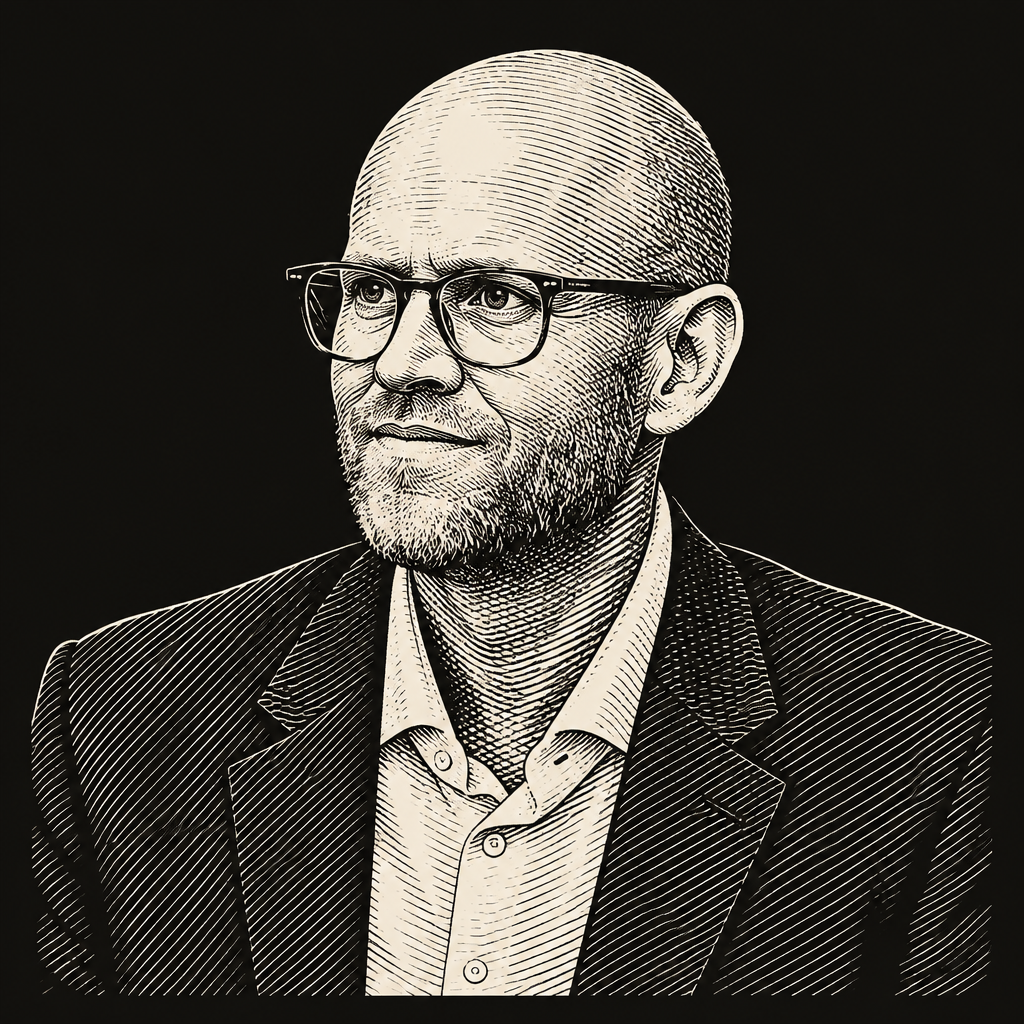
The tour was also a display of Huang’s personal reach. He moved between events with little rest, handed out computers, announced investments and drew crowds seeking photographs and attention. At one event he offered startup funding from the stage. In Stockholm, Spotify co-founder Daniel Ek said Sweden had the talent but needed to move faster and be more ambitious.

The build-out Huang promoted was already meeting constraints. During the trip, investors questioned the economics of AI infrastructure. CoreWeave faced pressure over its debt; Microsoft withdrew from a UK data-center deal, citing electricity costs; and Chang pointed to data-center projects delayed or blocked in the United States and resistance in Europe. Huang said the market turbulence would pass and that AI represented a fundamental platform transition. The gap between that long-term case and the immediate financing and power constraints remained visible.
In Berlin, protesters interrupted Huang over reported use of Nvidia chips in Russian drones, holding a banner that read, “NVIDIA, clean up your dirty business!” The protest made concrete the difficulty of separating a general-purpose technology from its uses. Huang said Nvidia could act if it knew an application was causing harm; the company’s broad customer base makes the limits of that responsibility consequential.
The tour showed how much of Nvidia’s strategy depends on Huang’s ability to make the case to governments, executives, investors and technology workers. The financing pressures and protest also made clear that the expansion he advocates brings scrutiny over its costs and consequences.
Succession remains a practical test of the company’s resilience
Chang asked whether Huang’s daughter was in line to succeed him. He said he did not want to impose the job on her or his son; if either aspired to it, they would have to earn it. The role, he said, demands sacrifice and carries responsibility for more than the CEO’s immediate family. He hoped Nvidia’s next CEO was already at the company, but said that person would have to earn the position.
Huang described his management style as an effort to keep Nvidia adaptable: fewer silos, less rigid structure and a CEO expected to remain mentally flexible and hold himself responsible. He said the company should create conditions in which its leaders can grow, and that a CEO, like anyone else, can be fired. The next CEO, he said, must be hired.
Those principles describe an organization intended to adapt, but they do not settle the question of succession. Huang has led Nvidia since its beginning, and the reporting noted that no successor had been designated. The company’s strategy, public identity and relationships with governments and customers have developed around him for more than three decades.
The board’s investigation concerns what may have happened in Huang’s relationships and Nvidia’s dealings with Megaspeed. The institutional question is whether Nvidia can manage scrutiny of its founder while maintaining the leadership and governance needed to carry its business forward.