Japan’s ¥370 Trillion Investment Plan Tests Its Fiscal Limits
 Donald Trump
 Nate Lanxon
 Erica YokoyamaBloomberg OriginalsFriday, October 23, 20265 min read
Japan’s Sanae Takaichi is betting that ¥370 trillion in public and private investment can revive growth and strengthen the country’s economic and security position. Bloomberg’s documentary examines the plan’s prospects as Japan contends with a weak yen, rising living costs, a shrinking workforce and heavy public debt—and as Takaichi’s harder stance on defense and China adds to the risks.
The investment target is also a test of Japan’s fiscal limits
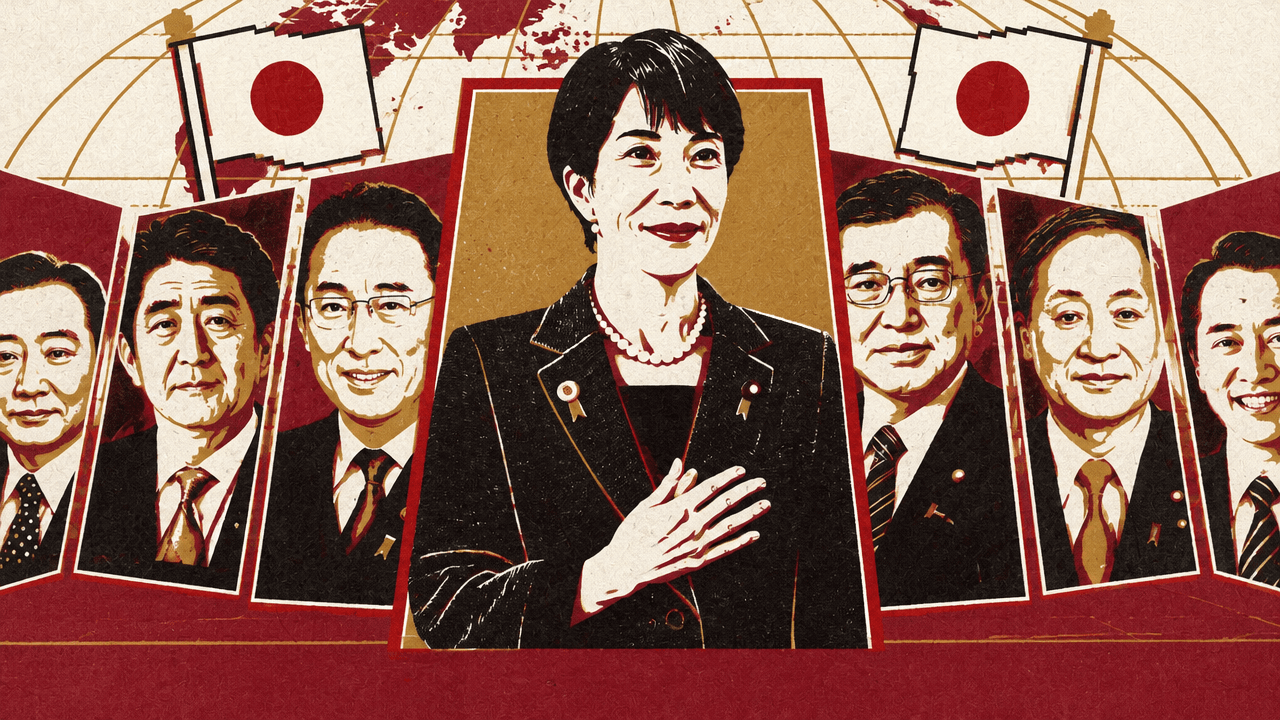
Sanae Takaichi’s central economic promise is to mobilize ¥370 trillion in public and private investment over 14 years, across 17 sectors. The list ranges from artificial intelligence, semiconductors, energy and defense to food technology and content such as manga and anime. Bloomberg’s Alastair Gale says the aim is to put Japan shoulder to shoulder with other major economies.
The target is not a single government appropriation. It depends on attracting private investment, while the government may need to issue additional bonds to fund its share. Sakura Murakami says more borrowing could add pressure to markets’ concerns about the plan.
Those concerns sit alongside Japan’s unusually large public debt: more than twice the size of its economy. Debt service already takes about a fifth of the annual budget. Murakami notes that the debt-to-GDP ratio has recently been falling as pandemic-era spending normalizes, but says failure of the investment program could leave a substantial burden on public finances.
The stakes are not only financial. A stronger economy could support sturdier supply chains and make Japan a more capable economic and security partner in Asia. But the promised revival must work in a country with a shrinking workforce, persistent cost-of-living anxiety and limited fiscal room.
A weak yen has made inflation newly visible
The exchange rate helps explain why the cost of living has become politically urgent. Nate Lanxon traces the dollar’s movement from about ¥160 in 1986 to ¥76 in 2011 and back above ¥160 by July 2026, near the yen’s weakest level in four decades. The chart of the dollar-to-yen exchange rate makes that reversal visible. A weaker yen makes imported goods more expensive, including food and energy that households and businesses rely on.
Erica Yokoyama describes Japan’s exposure to oil-price increases, while Lanxon links higher oil and material costs to the US-Israel war with Iran. One small example of supply disruption was visible in convenience stores: unstable ink supplies left some potato-chip bags silver, so shoppers had to imagine the packaging’s usual design.
The more consequential change is that inflation has returned after decades of flat prices, weak wage growth and very low borrowing costs. Yokoyama says Japan is not accustomed to inflation; Murakami calls it a potential make-or-break issue. The pressure is compounded by a weak workforce and an aging population: deaths outnumber births, while Japan’s centenarian population passed 100,000 in 2025. Longevity is welcome, Lanxon says, but difficult to fund with fewer workers.
That tension also runs through immigration policy. Japan needs more foreign workers, yet Takaichi has tightened immigration rules and promised tougher enforcement. A weak yen has meanwhile brought more foreign tourists, which Gale says has created social problems in crowded areas.
Takaichi’s popularity gives her room, but not a guarantee
Takaichi’s path to power differed from that of many Japanese politicians: she did not come from a political family, and her background was described as ordinary and middle-income. She won leadership of a struggling Liberal Democratic Party after recent election defeats. Gale says she could draw on conservative sentiment, particularly around immigration, and take energy away from newer right-wing parties.
Her popularity translated into an election landslide, and her first-year approval rating remained higher than those of recent predecessors in the NHK figures shown. But Murakami says approval has declined gradually. Takaichi is Japan’s first woman prime minister, a milestone in a country where women hold 14% of political positions, compared with a global average of about 30%. She opposes same-sex marriage and allowing married couples to keep separate surnames, positions Gale says were considered helpful in attracting conservative voters to the LDP.
Her public style is distinctive. In her first speech, she said she would discard the phrase “work-life balance” and “work, work, work, work, and keep on working.” Bloomberg’s calculation, Lanxon says, found that she met ministry officials less often than her predecessors. Yokoyama contrasts that with earlier prime ministers’ practice of meeting lawmakers over dinner; Gale says Takaichi does fewer media interviews and uses social media to communicate.
She has also acted on immediate household costs. Her government subsidized gasoline and energy prices over the summer and worked to diversify oil supplies. She pledged to reduce the consumption tax on food and soft drinks from 8% to 1% for two years, beginning in April 2027. Lanxon says markets are concerned about the effect of the cut on government debt.
The economic program is tied to a harder security posture
Takaichi wants to expand defense spending beyond roughly 2% of GDP, a level reached after a shift under her predecessor, Fumio Kishida; Japan had spent around 1% for decades. The defense-budget chart traces spending from 2016 through a projected 2028. Gale places the policy against growing challenges from China, North Korea and Russia.
The sharpest diplomatic tension concerns Taiwan. Takaichi called a war over Taiwan an existential threat to Japan. China reacted strongly and, Gale says, mounted a diplomatic campaign to isolate her and pressure her to retract the remark. She refused. Previous prime ministers had been more circumspect, he says. The dispute matters economically as well as strategically: China is Japan’s neighbor and its biggest trading partner.
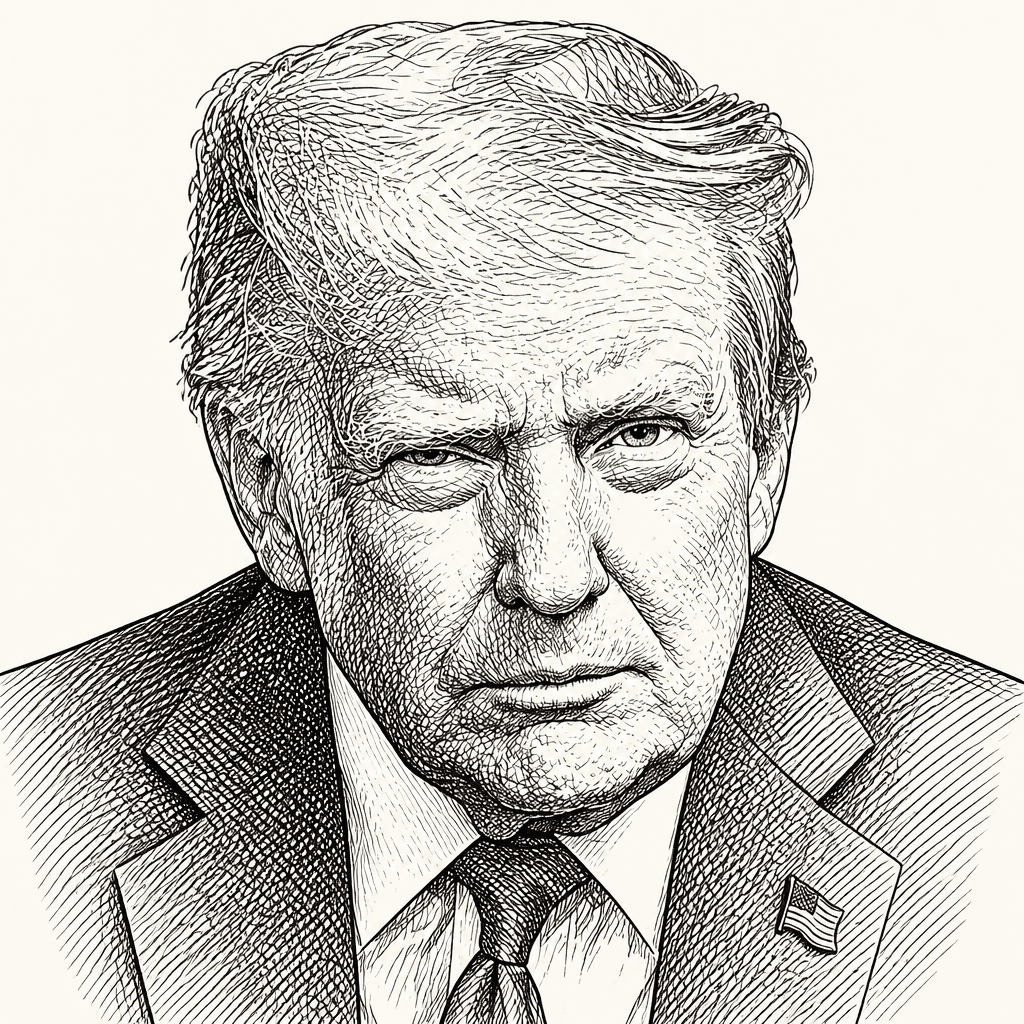
Takaichi has also worked to build a close relationship with Donald Trump. Trump has pressed US allies to spend more on their own defense. Gale says she has faced domestic criticism for seeming too eager to impress him. Trump has raised concerns about the yen’s undervaluation; after it fell further, Japan and the US Treasury intervened together in currency markets to support it. A separate narration in the source describes the intervention as the first coordinated action in about 15 years and says Treasury Secretary Scott Bessent warned the US would not hesitate to intervene again.
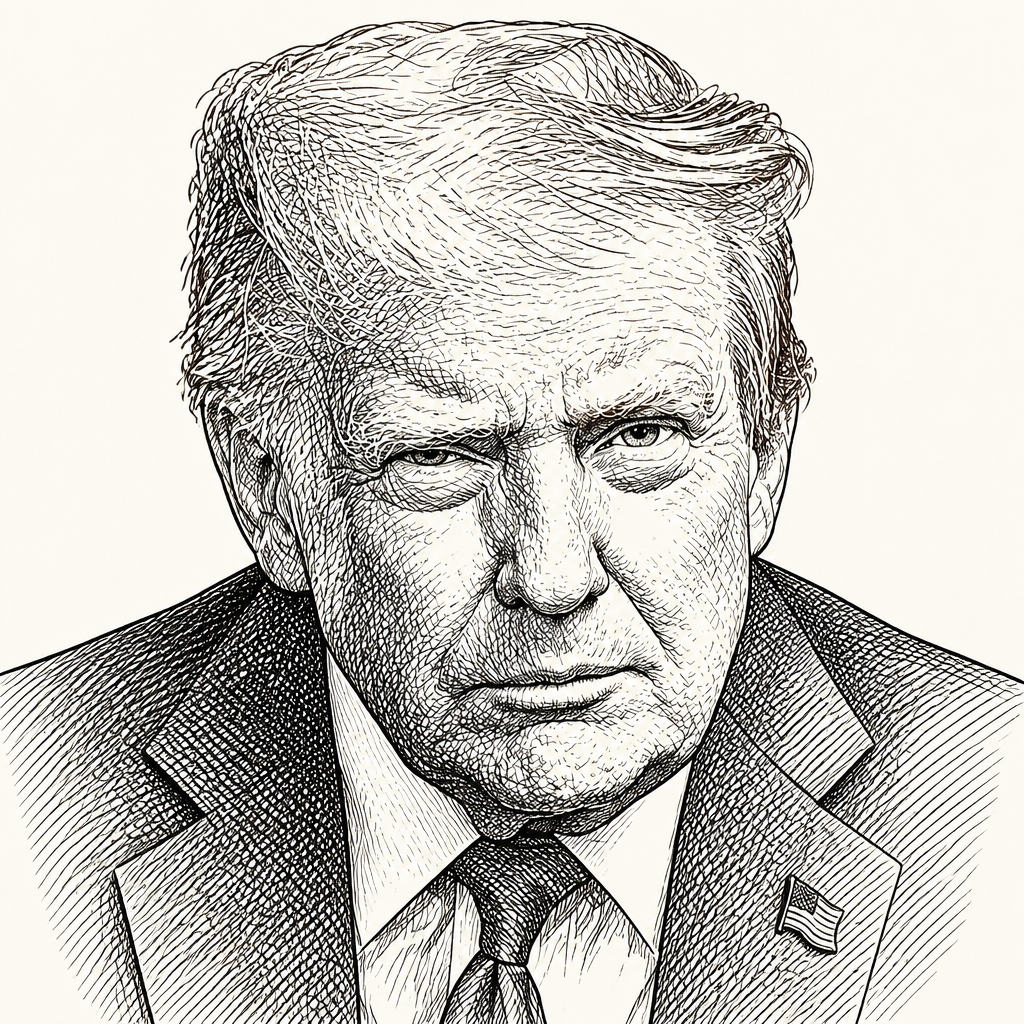

The currency has consequences beyond Japan. Lanxon notes that Japan holds more than $1 trillion in US government debt and that Japanese investors represent one of the world’s largest pools of capital.
Takaichi’s political position remains vulnerable. Yokoyama says she lacks a solid base within the ruling party, leaving her power dependent on public popularity. Murakami says people are responding more positively to her economic policies and feel more hopeful than they did a few years ago. But the central questions remain open: whether markets will support the investment plan, whether growth can be revived as the population declines, and whether Takaichi can manage relations with China. Her mandate gives her room to try; whether a stronger Japan becomes richer and safer is still to be proved.