Athletic Brewing Built Non-Alcoholic Beer Around Better-Tasting Beer
 Rosalie Kennedy
 Raja RajamannarJohn WalkerBill ShufeltBloomberg OriginalsWednesday, October 7, 20269 min read
Athletic Brewing co-founder and CEO Bill Shufelt argues that non-alcoholic beer can grow by competing on the qualities of beer, not by presenting itself as a lesser substitute. In an interview with Raja Rajamannar, Shufelt says the company built its product around flavor and variety, then used sampling and partnerships in fitness and other social settings to make it easier for consumers to try. He sees the strategy as a way to make drinking without alcohol feel like participation, not an explanation.
The opportunity was a beer occasion with no good option
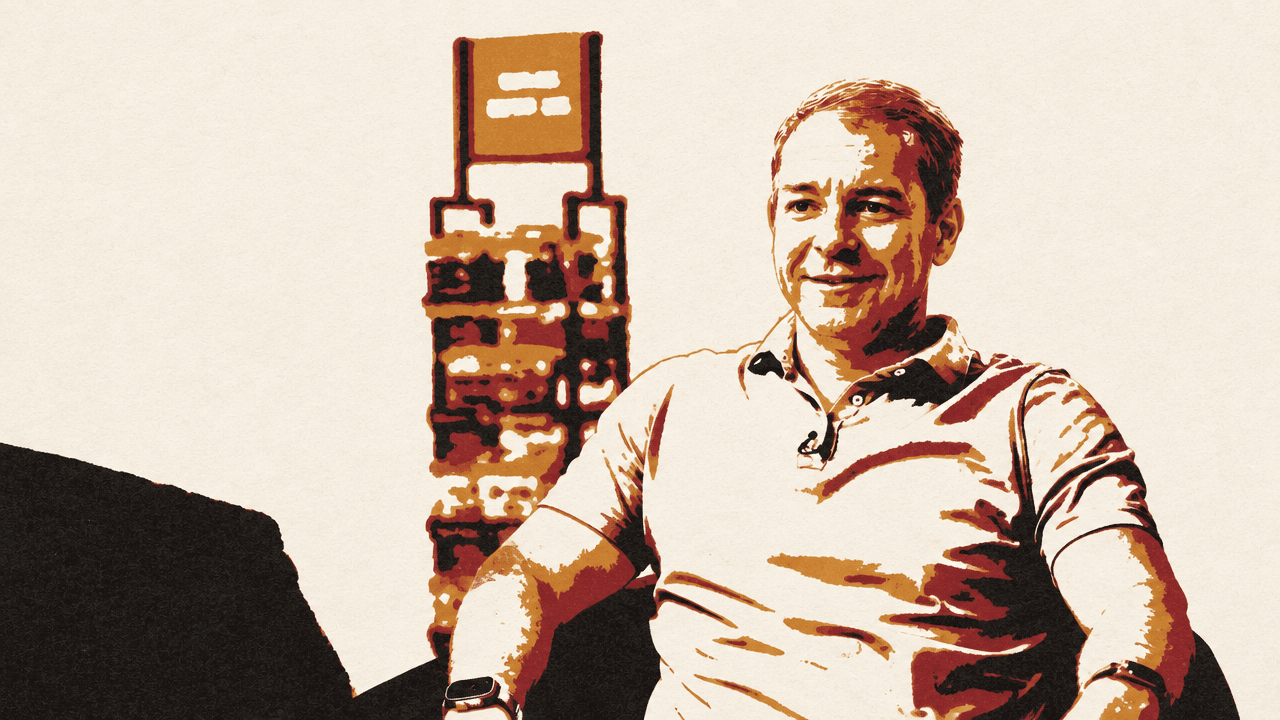
Bill Shufelt traces Athletic Brewing to a personal problem. While training for his first ultramarathon, he stopped drinking for a month and found that the change improved his life. He decided not to return to alcohol, but his social and professional life in New York still revolved around it: he attended roughly 150 broker and research dinners a year, as well as dinners with his wife, parties and weddings. When he looked for something to drink instead, he found “no other side of the menu.”
Shufelt saw himself as “customer zero”: someone who wanted the social experience of beer without alcohol, but had no satisfying product to order. Raja Rajamannar says he has never drunk alcohol and recognized the social friction Shufelt described. Beer, in his view, is part of the social fabric—not merely a beverage—and that made the absence of a credible alternative consequential.
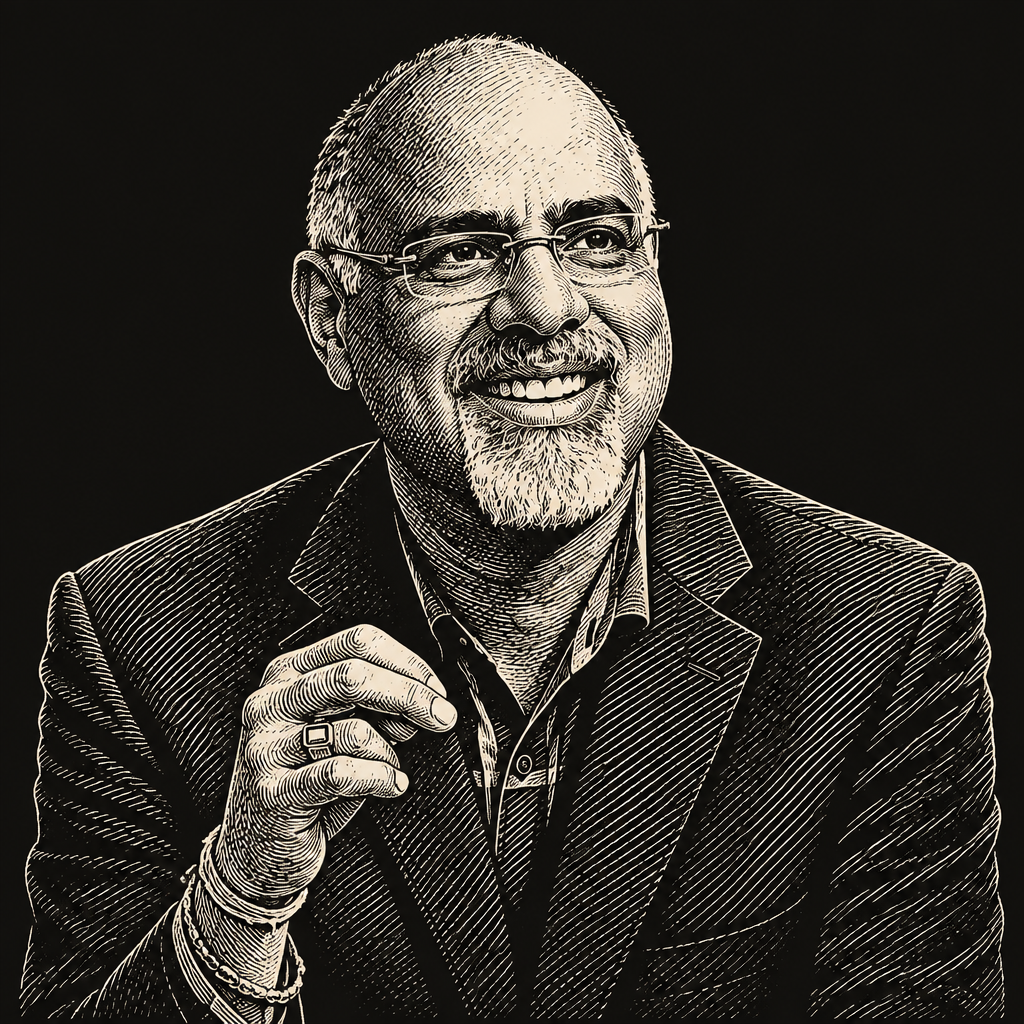
Athletic’s premise was that people should not have to choose between participating in those occasions and drinking alcohol. Shufelt describes the company’s founding ambition as enabling a high-performing life without alcohol. He also sees moderation as part of a broader health-and-wellness shift, though he says that shift is still in its early stages. The narration connects the opportunity to a broader decline in alcohol consumption after a pandemic-era spike, but the company’s strategy does not depend on treating every customer as someone who has quit drinking.
The company’s ambition goes beyond offering an alternative for people who have already decided not to drink. Shufelt wants people to be able to order Athletic without having to announce whether they are drinkers or non-drinkers. He says the US market carried more stigma around not drinking than many other countries, creating what he calls a social “wall.” Athletic’s principle of “without compromise,” he says, applies to the social experience as much as to the beer itself.
There was like an anonymity and a shame around not drinking in this country to some extent. And so there was a social stigma and a wall too.
That framing also shapes the language the company wants customers to use. “Non-alcoholic beer” begins with what a drink lacks, Shufelt argues. He hopes people will instead ask, “What kind of Athletic do you have?” The goal is for the brand name to become a natural entry point to the category, rather than making customers lead with an explanation of why they are not drinking alcohol.
The beer had to compete as beer, not as a substitute
Athletic’s early product problem was not simply how to remove alcohol from beer. Shufelt says the category was largely built around lager, as if every potential customer wanted the same flavor. He and John Walker took a different approach: start from the beer they wanted to make, rather than adapt a conventional beer by subtracting alcohol.
Walker recalls that the initial thesis was to create a beer that did not have alcohol in it in the first place. Removing alcohol from an already-made beer, he says, takes away components that contribute to what people enjoy. He and Shufelt spent about nine months on research and development, making hundreds of trial and pilot batches before settling on a process designed not to remove anything from the finished beer.
Shufelt says he suspected that if existing methods could reliably produce great non-alcoholic beer, the category would already have it. So the founders set those methods aside and worked from first principles, initially brewing at home in modified Gatorade jugs. Walker says he would not sell a product unless it was great beer, judged as beer—not merely as the best available non-alcoholic option. That standard led the founders to rethink both the production process and the category’s expectations for quality.
The product strategy also included variety. Shufelt says Athletic wanted to improve the taste profile while offering different styles and flavors, giving more people a reason to try the category. Rather than asking consumers to accept one familiar but limited option, the company could offer flavor profiles to seek out. Shufelt says that broader range opens the category to people with different preferences and makes it easier for them to find something they like.
Walker describes another way to lower the barrier: putting non-alcoholic beer on draft. A customer can taste a sample at a bar rather than commit to a six- or 12-pack. Walker says trying it on tap removes some of the perceived risk; people can experience the beer in a familiar setting before deciding whether to buy more.
Rosalie Kennedy says one of the category’s central obstacles was the assumption that non-alcoholic beer would not taste good. Athletic’s emphasis on flavor and quality is meant to answer that concern and give beer drinkers confidence that the product will satisfy them. The brand is positioned as a premium beer, Raja Rajamannar suggests, rather than an apology for beer. Kennedy agrees: customers should be comfortable being seen with the label, and wearing it can signal something about them.
A JungleScout chart displayed in the source gives Athletic Brewing Company 45% of the US non-alcoholic beer market share shown, followed by Go Brewing at 31%. Other entries include “Non-Alcoholic Beer Variety” at 8%, “Generic” at 4%, and several named brands at 2% to 4%.
A name and a way of showing up made the category easier to try
The name Athletic Brewing was designed to make the product easier to ask for. Shufelt says he wanted a simple, memorable name that would work as a “bar call.” He had experienced the awkwardness of trying to order non-alcoholic beer in a crowded bar or in front of a large group, and wanted customers to have a phrase they could use without explanation. The company also had national and international ambitions, he says, so the name needed to travel across borders.
The brand’s marketing began in places where the product made intuitive sense. Shufelt started with health and wellness and endurance athletes, rather than professional sports stars, which he says the young company could not afford. He worked with local fitness influencers and Ironman athletes, and approached race directors around New England with a practical offer: he would bring beer to the finish line and add energy to the event. For races held at high schools, he could provide a beer experience that organizers might not otherwise have been able to offer.
That approach required more time than money. Shufelt says he drove to races with hundreds of cans, built relationships with organizers and eventually became involved in entire race series. Ironman and Spartan Race were among Athletic’s early partners. Sampling put the beer in people’s hands before the company could afford broader marketing, in social settings where they could try it without first seeking out a non-alcoholic option in a store or asking for one at a bar.
It also meant facing rejection in person. Shufelt recalls driving five hours to a race, setting up a tent with a thousand beers, and sometimes failing to attract anyone to the table. On occasion, he pretended to be a customer to get a line started. Those difficult events taught him how to describe the product clearly. When people are walking by, he says, the company may have only five or ten words to persuade them to try something they have never considered.
At one event, an interviewer asked a woman whether she would have known the beer was non-alcoholic if she had not been told. She answered, “No, I would have no idea.” Shufelt says experiences like that taught him to communicate the offer clearly and concisely.
The broader storytelling strategy connects the beer to people’s lives without restricting the brand to sport. Kennedy says Athletic wants customers to see themselves in the brand’s personality and understand how the product could fit into their routines. Athletes and chefs, including chef and restaurateur Chris Cosentino, can explain the role Athletic plays from their perspective. The intended effect is to offer concrete examples of when and why someone might choose the beer, rather than confining it to a single kind of consumer or occasion.
High retention makes awareness and availability the next test
The narration reports that over the last decade, Shufelt and his team helped grow the non-alcoholic beer category from $100 million to more than $1 billion in annual revenue. It also identifies awareness and distribution as Athletic’s next challenges: nationally, brand awareness is about 25%, while distribution is under 40%. The company graphic displays national awareness at 25% and distribution at 40%.
Rosalie Kennedy says more than three out of four consumers who try Athletic stay with the brand. She also says more than 30% of people who have shopped the non-alcoholic beer aisle had not been there in the previous six months. Kennedy argues that Athletic is not only taking customers from alcoholic beer; it is bringing people back to the beer category, which can benefit the wider industry.
Bill Shufelt says the company tries to build trust by doing as much as it can itself. Athletic builds its own breweries, controls quality and relies on full-time employees across the company; it outsources as little as it can. He describes the brand as an onion: he wants customers to find more to value as they learn more about the company. That belief in authenticity also informs the company’s restraint. Shufelt says Athletic should avoid chasing every trend or becoming “funnier and funnier every year.”
For him, awareness is difficult partly because it takes time. Even in his own town, he estimates there is a 70% chance that people in a restaurant will not know Athletic. The answer, he says, is consistency: showing up in settings that fit the brand, telling aspirational stories and making the beer part of occasions people already care about. That work ranges from event sampling to larger advertising as the company grows, but Shufelt says direct contact remains important.
His central marketing idea is to be “the best part of people’s day, every day.” That means being present at celebrations, meals and moments of relaxation, while not getting in the way of the rest of a customer’s life.
We want to be the best part of people's day, every day.
Shufelt says he spoke face to face with more than 250,000 consumers at events in the first quarter of the year. He argues that interactions which are small individually can add up when repeated over a year, or five or ten years. His “thousand true fans” idea describes building a committed base of customers and extending outward from there.
Shufelt describes Athletic’s competition in positive-sum terms. The company is not trying to eliminate alcohol, he says; it wants to make moderation accessible and win more occasions for beer, including occasions when people want a beer at a different time of day or more often during the week. Within non-alcoholic beer, it competes with major domestic and international brewers. Developing the category, in his view, requires strong brand identities and products available to different kinds of customers.