Local Ownership Determines Who Benefits From New Investment
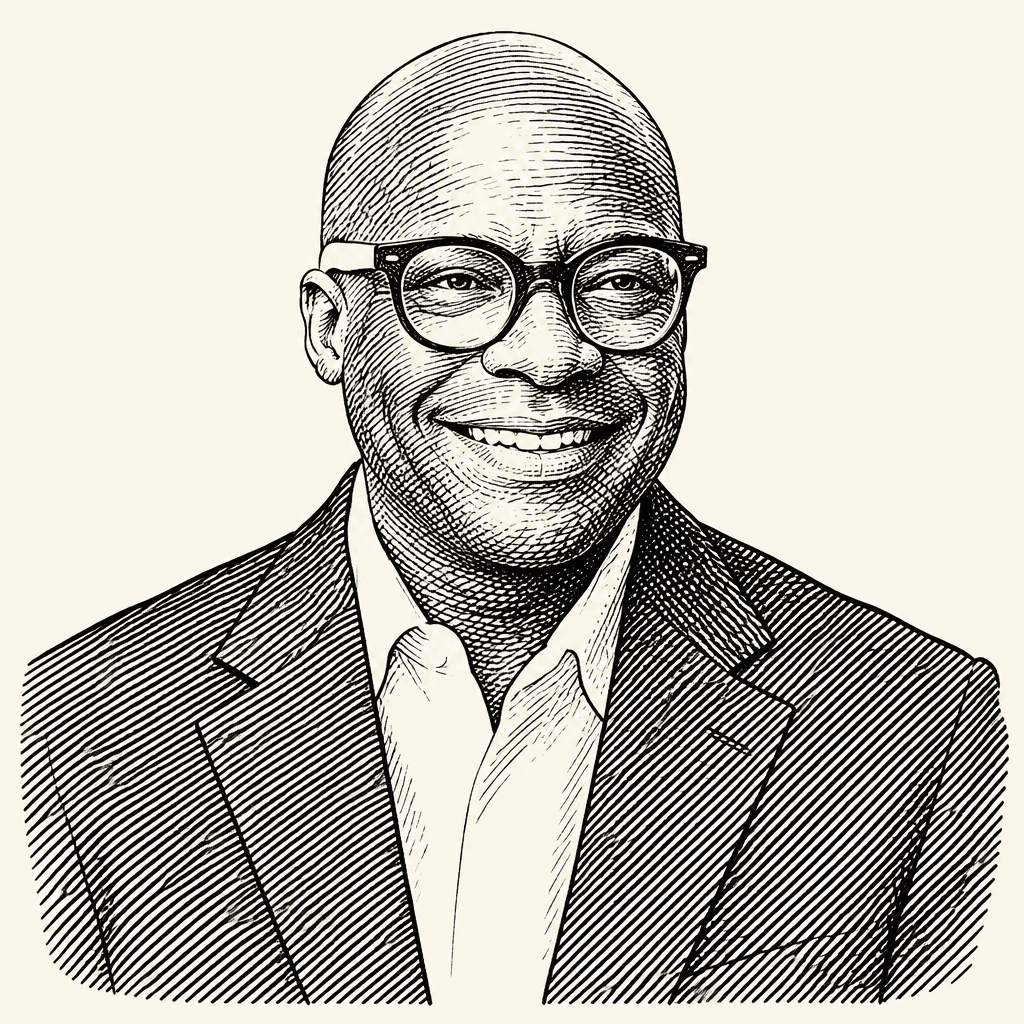
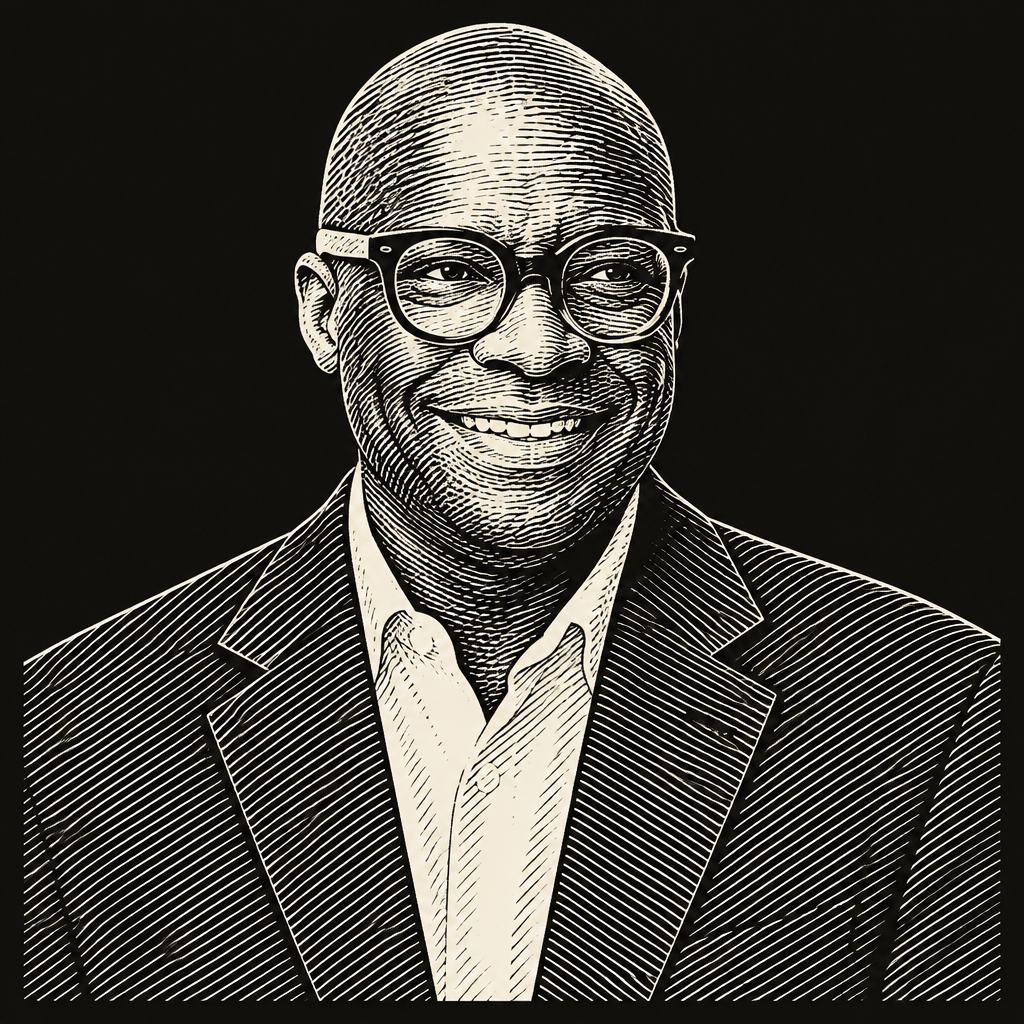
 Jay Bailey
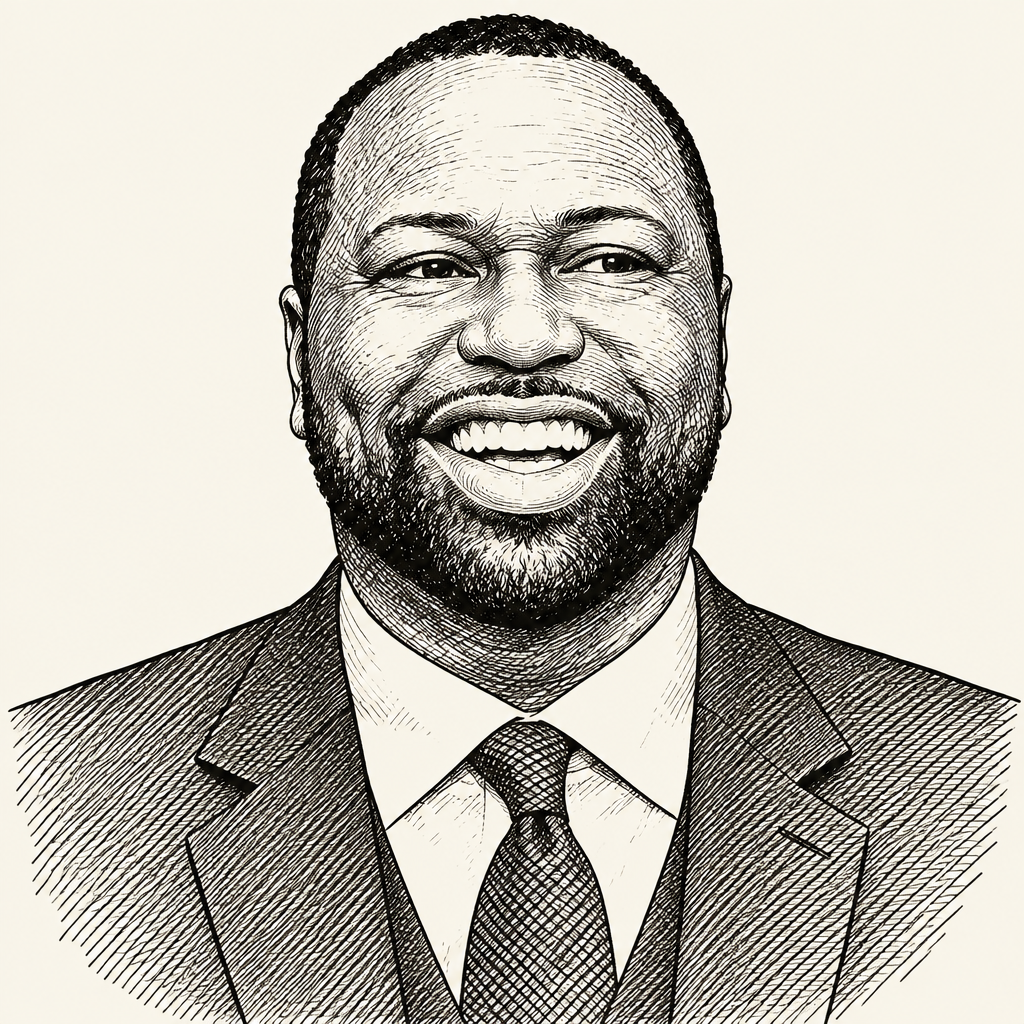
 Dale King
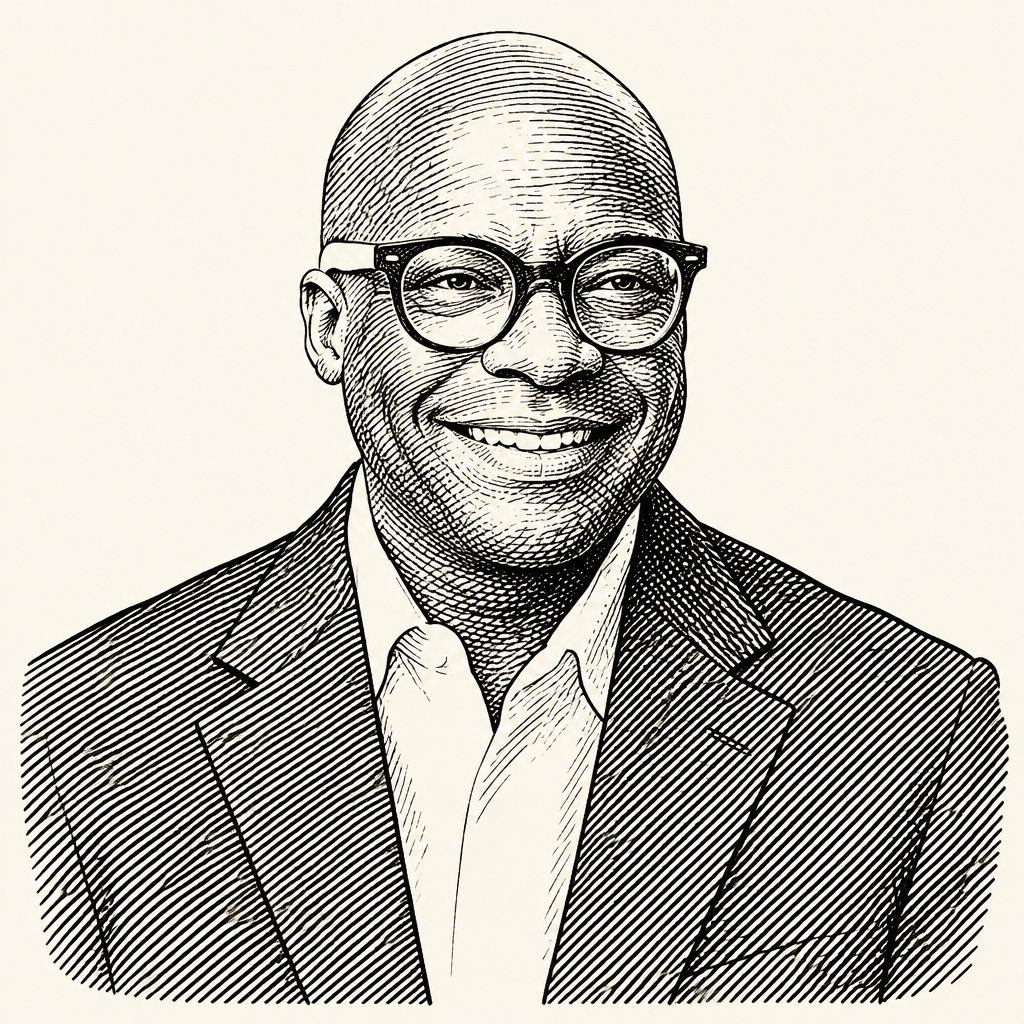
 Cordell Carter
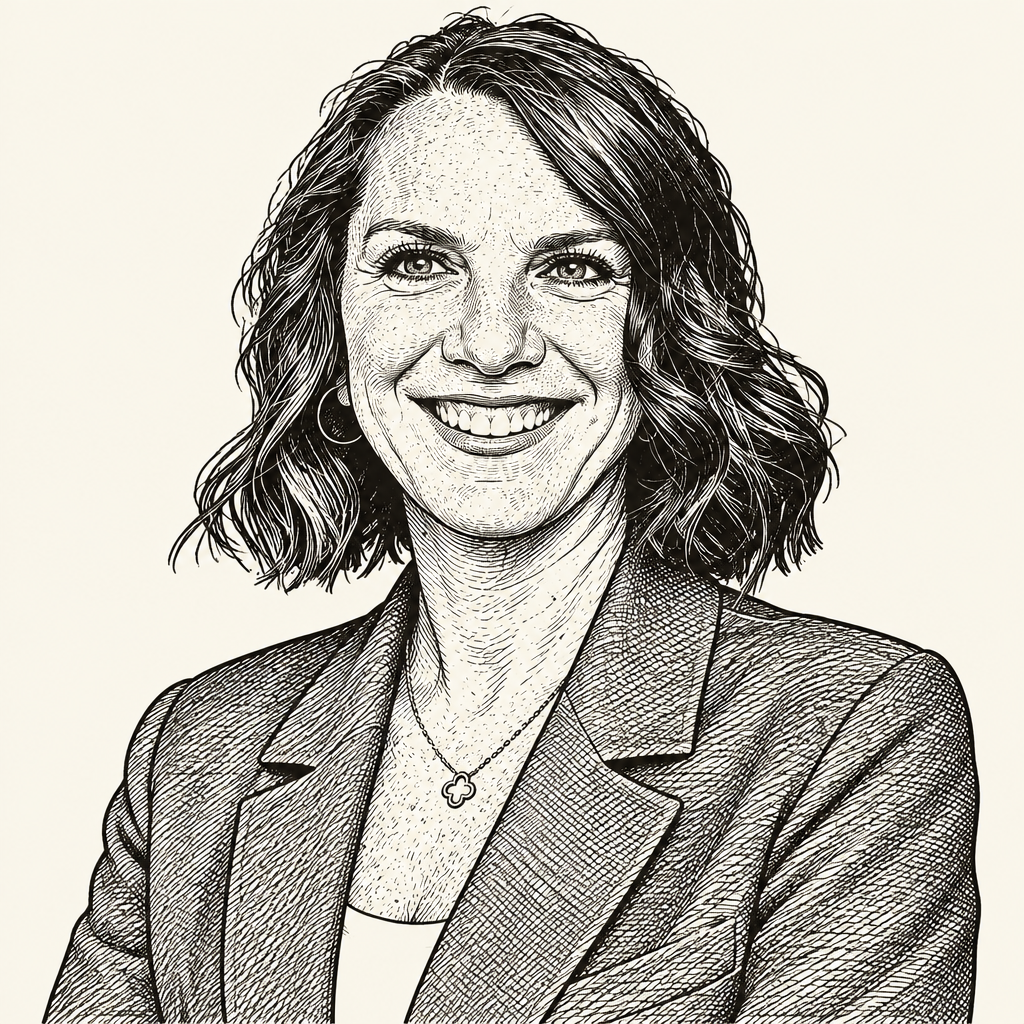
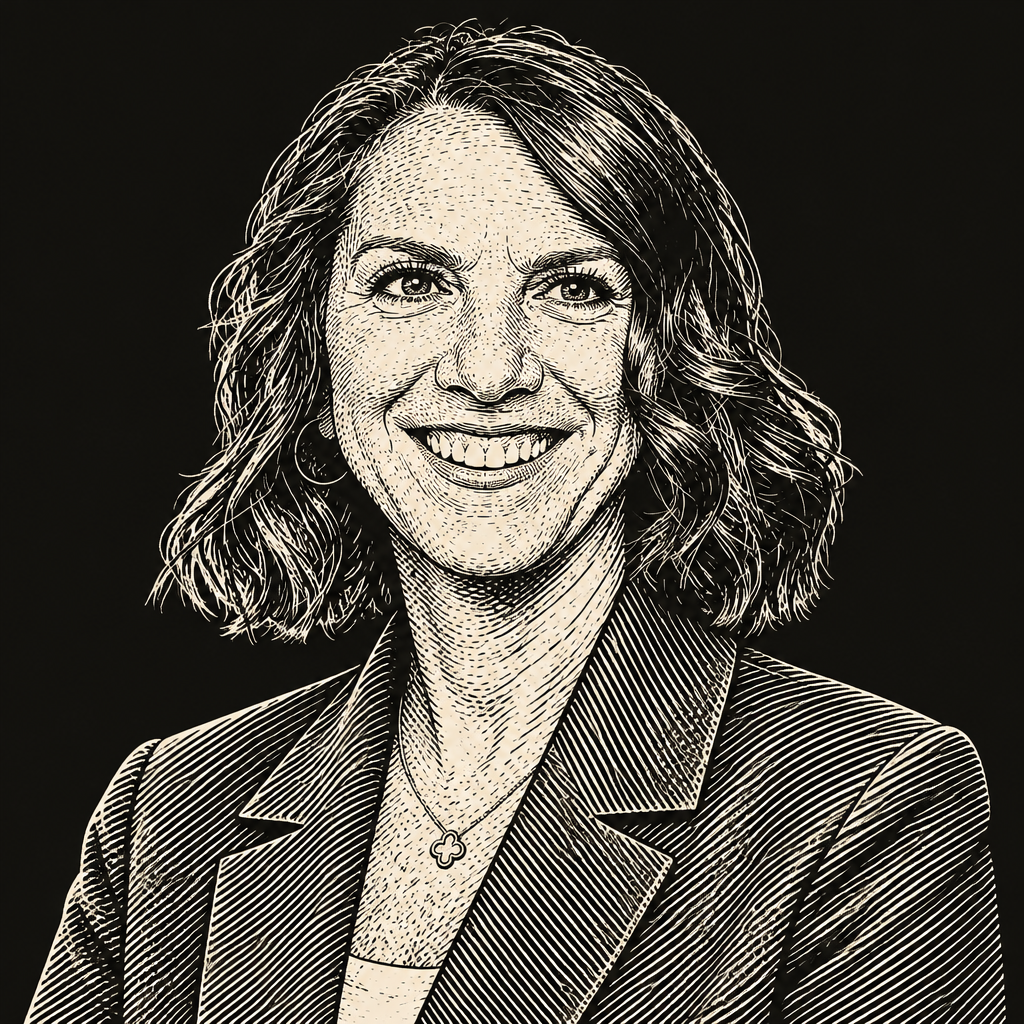
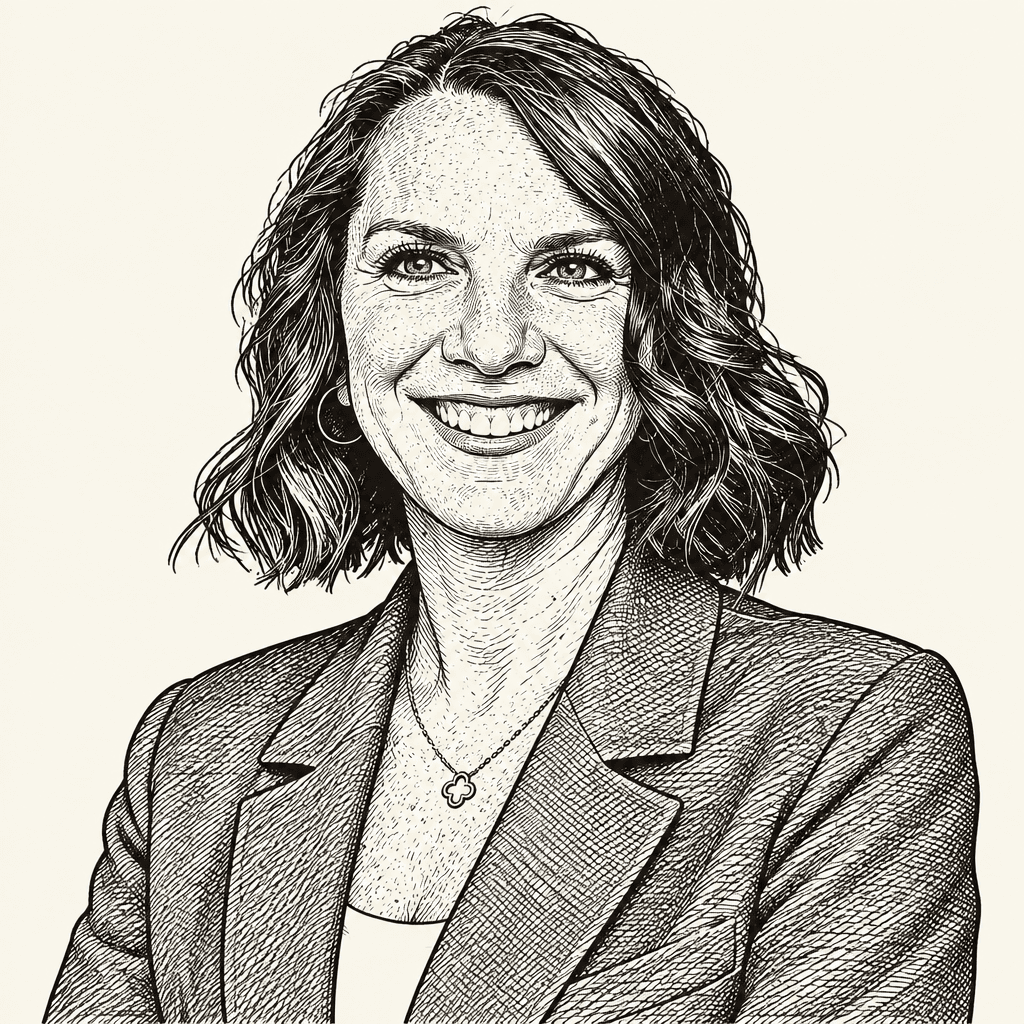 Jailan GriffithsThe Aspen InstituteTuesday, October 20, 202613 min read
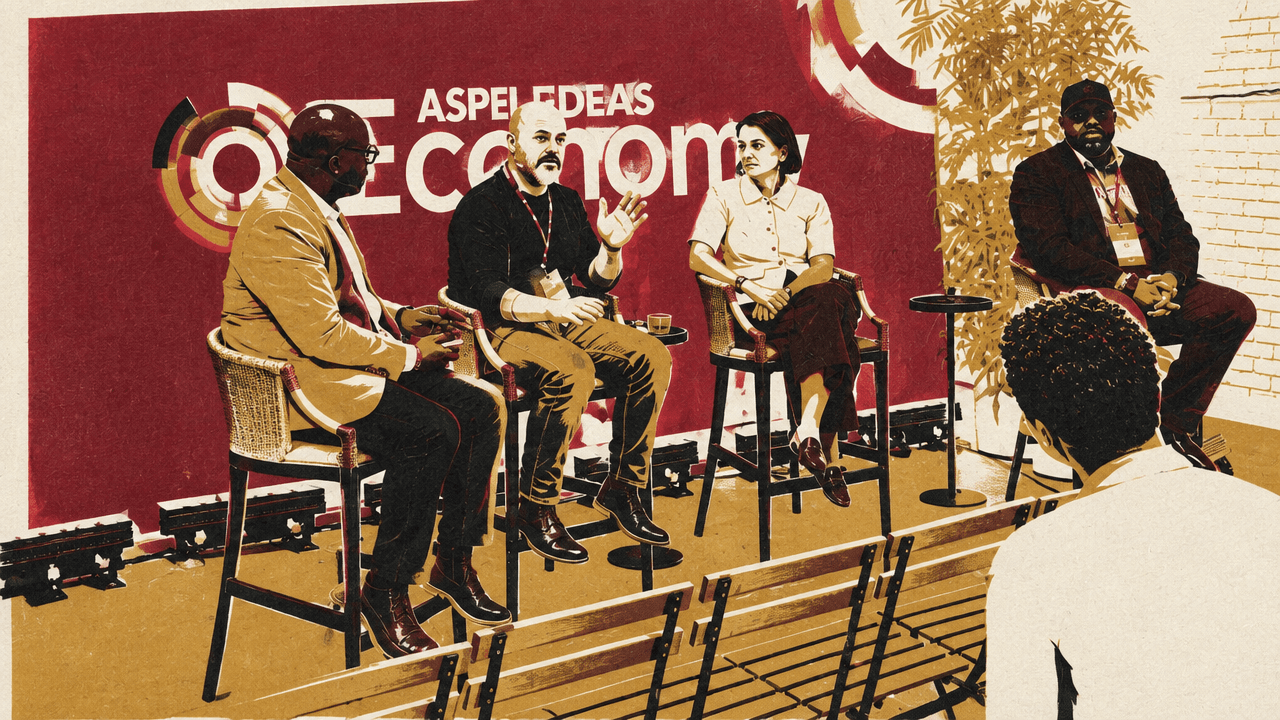
Starting a business is easier than making it durable, and growth alone does not determine who benefits. Dale King argued that communities facing major investments should negotiate for benefits such as a fund to seed local businesses, rather than wait to see what a project brings. At an Aspen Ideas: Economy discussion in Tulsa, Jay Bailey and Jailan Griffiths made the broader case that founders need capital, networks and support to sustain businesses, recover from failure and retain ownership.
The data center is coming; the local deal is still being shaped
A proposed data center near Portsmouth, Ohio, puts the ownership question in practical terms: who gets a say in a major investment, and who shares in what it creates? Dale King said it is planned for thousands of acres at a decommissioned uranium-enrichment site where he once worked. He considers the brownfield a suitable location. But the community has heard promises of a “magic factory” before, he said, often every two or four years around election season. That history has left residents inclined to wait and see, rather than demand a role in shaping the project.
King said SoftBank and OpenAI are among the main players, alongside Nvidia. He described an announced $80 million fund in the context of a projected $500 billion total investment. The fund is substantial in absolute terms, he acknowledged, but he argued that the community should be more ambitious about how the opportunity is used. One idea is a community investment fund to seed local businesses—businesses that could grow alongside the data center but would not depend on it to survive.
The question is not only what the project might eventually bring in revenue. It is whether local people can help decide what the investment should deliver while it is taking shape. King said residents know what their community needs, but may need help translating those needs into proposals that investors and officials can act on. His formulation was direct: if a company comes to take local land, it should also build up local people. He said that need not make the relationship antagonistic; the point is to negotiate for the best deal.
That could mean a community fund. It could also mean helping existing businesses whose owners are nearing retirement find a route to new ownership. King suggested that local groups might explore private-equity approaches that enable people to buy those businesses and turn them into employee-owned companies. These were ideas for what the community could pursue, not benefits he said had already been secured.
The community’s leverage, in King’s view, depends partly on whether local organizations can act together. Groups that each pursue a small share may have less influence than a coalition with common priorities. A unified voice could negotiate for a stronger deal and help local businesses stand on their own beyond the activities of the data-center operators.
Cordell Carter opened the discussion by placing ownership against Greenwood’s history in Tulsa. Before 1921, he said, Greenwood was a vibrant economic center where ownership was central; in a few hours, ownership could be taken away. He drew a parallel to technology: it can help an enterprise scale, but used the wrong way, it can also remove ownership. The question, Carter said, is not only who gets to start a business, but who can build one that lasts and share in the wealth it creates.
Jailan Griffiths described the rural challenge as a missing or underdeveloped business ecosystem. Rural communities have talent and ambition, she said, and businesses are being started. What may be lacking is the infrastructure that helps those businesses grow: capital, advisers, supply-chain connections and financing that supports ownership. Investors, capacity builders and innovators need to work with local communities; no single actor can close the gap alone.
Bringing technology to a rural community is only part of the task. Griffiths said communities also need access to capital created by technological growth and ownership structures that help keep wealth and knowledge local, rather than farming them out to distant investors. Growth in a region does not by itself determine who benefits from it.
Jay Bailey added a longer view. A city resident with rural roots and a cattle farm, he said he is more comfortable on his tractor than in his Rover and is betting on small towns over the next quarter-century. He pointed to the spread of fiber and suggested that people may choose the space and lower density of smaller communities. That possibility does not settle the ownership question. The challenge is to make sure rural communities can build and retain businesses as conditions change.
Starting a business is easier than making it durable
Technology and AI can lower the cost of starting a business and reduce overhead, Griffiths said. But starting is different from sustaining a company, hiring employees and giving its founder stability. The Nasdaq Entrepreneurial Center has worked with about 147,000 entrepreneurs and founders since opening. Griffiths said its research points to difficult transitions that can stall a business even after it has begun.
Only about one in six small businesses hires employees, she said. Many founders therefore stall between running a business alone and becoming employers. Another difficult stretch comes between six months and five years, when founders have to stay relevant and get through hurdles that threaten the business’s durability. The founder’s own position matters too: whether they pay themselves, retain ownership, and have basic stability such as health care and child care.
Those gaps change what support needs to do. It cannot stop at helping someone launch. Griffiths said scaling requires an ecosystem that includes patient capital—capital that gives a founder time to make investments and grow, rather than pressing for a quick exit. It also requires talent pipelines, workforce development, and policy and public infrastructure that reduce barriers. Employee ownership can connect workforce development with wealth creation, she said, by giving employees a stake in the business they help build.
Education matters, but so does the environment in which founders can use what they learn. Griffiths cited research suggesting that areas with an R1 research institution are more likely to incubate inclusive entrepreneurial ecosystems, while also opening a pipeline to talent. In rural communities, where those resources may be limited or absent, the task is to build the connections a founder needs rather than assume they will appear after a business is underway.
Griffiths described work with the Center on Rural Innovation and TechSoup to help founders use technology and AI to build businesses and business processes, and to become investment-ready sooner. Technology can serve as a bridge to scale, she said, but it is not the whole support system. Founders also need resilience: the ability to turn a good idea into a sustainable business. Peer mentorship and expert advice can help with specific needs, from building a sales pipeline to managing production. The aim is a support system that lasts beyond a 12-week program.
This view treats failure and fragility as ecosystem problems as well as individual ones. A founder may need capital, advice or a supply-chain connection at a particular point in the business’s development. A program that simply delivers general information may not address the obstacle that is actually preventing growth. Griffiths said the Center grounds its work in research and data about trends and barriers, then builds resources around what founders need to become more prepared for capital and more resilient.
Bailey agreed that capital and business education can be addressed, but argued that mindset is a deeper constraint. He pointed to the fact that, in his experience, 97% of Black businesses in America have only one employee: the owner. The problem, he said, cannot be reduced to access to capital. A founder might receive $100,000 and still not grow the company, instead giving themselves seven different jobs. For Bailey, support has to change what founders believe is possible and give them room to try, fail and learn with a safety net.
The Russell Innovation Center for Entrepreneurs in Atlanta is built around that wider conception of support. Bailey said the center supports more than 600 entrepreneurs full-time and reaches about 10,000 people annually. He described it as more than a place to take classes. Programs can inform people, he said, but the center aims to transform whether entrepreneurs see value in their own ideas and feel that they belong. When people talk about what they valued about college, Bailey suggested, they often remember community and culture rather than a particular class. He wanted to make those conditions part of the entrepreneurial support system.
The center’s 73,000-square-foot building makes the idea tangible. Bailey said it is owned and controlled by the people it serves, and that entrepreneurs supported by the center handled work ranging from architecture and general contracting to audiovisual services, snacks and building management. In his account, the building was made by the people it was designed to support. Ownership, he argued, is also a matter of voice: if people have no place or space and own nothing, they have little voice in what happens.
Belonging, in this account, has a practical function: it can make it possible to ask for help. Bailey said people who feel they must be twice as sharp, five times as on point and ten times as perfect may not be able to show uncertainty. He wanted the center to be a place where people could be vulnerable enough to say what they do not know, and where belief in their potential was normal. A founder who cannot admit to a problem may not get the advice needed to keep a company moving.
Bailey connected that approach to his own experience. He said he bought his first house at 19, made his first million at 23 and lost everything by 28, ending up in a 9-by-9-foot storage unit. He had believed the scorecard was cars, clothes and houses, he said; the experience led him to distinguish material success from significance. His mother, Millie Bailey, was his strongest supporter. A civil servant who never earned more than $40,000 a year, she was, in his words, the greatest philanthropist he had known.
He said the Russell Center grew from wanting to create the safe spaces he had lacked. Entrepreneurship is too difficult to do alone, Bailey argued, and he had to learn that there is no such thing as a self-made person. Support, as he described it, means more than encouragement at a distance: it means building places where founders can meet, learn and ask for help without first having to prove they deserve the opportunity. He also said a six-figure check from Jailan Griffiths helped make the Russell Center possible when it was still a vision.
King described another way that a place and a group can help someone through instability. After serving in the Army and returning from tours in Iraq, he left security and intelligence work to open a gym in an abandoned warehouse, charging five dollars per workout. The gym gave him somewhere to show up, a group of people around him and a way to serve the community. He said it helped save his life. His Army experience, he added, taught him “mission first, people always”; he also felt that an early and intimate relationship with death gave him a different perspective on problems that might otherwise feel overwhelming.
That experience later informed King’s work with people in recovery in Portsmouth, which he described as an epicenter of the opioid crisis. He said fitness could help people regain stability, but he also saw employment and economic opportunity as running in parallel with long-term sobriety. He had several small businesses and began placing people in transitional jobs as they rebuilt their lives. In this example, a business is not only a vehicle for its owner’s wealth. It can also offer work and stability to people who are rebuilding their lives. For King, belief is not an abstraction: kindness, appreciation and a word of encouragement can change the direction of someone’s life.
Support has to fit the founder, not just the program
The discussion of women entrepreneurs tested how broadly the panel’s ideas about support should apply. Griffiths said Nasdaq does not assume that all women founders need a different kind of assistance. Some programs are open across gender, race and sector; others are intentionally designed for women when a particular need calls for it. That need might be a support structure that gives founders room to learn and grow, rather than a program focused specifically on technology.
AI can lower startup costs and overhead, Griffiths said, but using it wisely does not necessarily mean taking bigger risks or scaling faster. For some founders, the useful application may be efficiency or investment readiness. The right support depends on what the business needs and what role technology can play in meeting that need. She emphasized that technology programs should ask founders how they would use the tools, rather than assume that every business should pursue the same kind of growth.
Bailey said the Russell Center creates spaces for women within its larger community, including opportunities to learn from women who have advanced in technology and other fields. He argued that access to technology is not enough if founders cannot see where it might take them. The work also involves shifting assumptions about possibility and capability, and helping women claim a place at the top without having to ask so many people for permission.
Bailey described the fastest-growing segment of new business owners as women, and Black women in particular as a rapidly growing group of business owners. He said the center has to be deliberate about how it nurtures their growth. That includes creating safe spaces where women can see themselves in leadership and learn from people who have taken that path, not just making tools available.
Griffiths said women may be more likely to interpret a failed business as proof that they are not successful, while men may be more likely to try again. She pointed out that companies reaching Nasdaq are not necessarily their founders’ first companies: some founders have tried a second, third or fourth time. Her point was about the value of being able to try again, not a claim that all women or all men respond to failure in the same way. She also emphasized knowing why one is building a business and being able to state the ask: define the purpose, identify what is needed, and ask for it.
The panel tied that willingness to try again to the conditions in which founders operate. Bailey said the Russell Center tries to give entrepreneurs room to attempt something that could fail badly and still have a safety net—something he argued many of the people it serves have never had. Sector-specific spaces can help make that support credible. Founders may dismiss advice from someone who does not understand their industry, Bailey said; gathering people who know the same sector can give them a more useful place to learn and take risks.
Griffiths also described how she manages her own responsibilities. She said she relies on an excellent team at work and a support network at home, particularly because she and her family do not have relatives nearby. She is organized, she said, but has also learned to allow herself to “consciously drop a ball” when something is not adding value or is getting in the way of what matters. It is a personal practice, not a formula she prescribed for other founders. It nevertheless echoed the panel’s wider point: persistence does not mean managing everything alone.
Measured impact helps make the case, but does not remove the funding squeeze
The Russell Center’s ability to provide support depends on its own funding. Bailey said it opened in 2019 with a plywood door, just before the pandemic. He described corporate funding as becoming more cautious afterward, including requests for organizations to take a more “thoughtful” approach to their work with Black entrepreneurs.
He said the center’s economic-impact measures helped make its case to corporations. Coca-Cola knows where it sells the most product, Bailey said, and JPMorgan Chase knows where it wants to expand its market share. Showing that the center’s entrepreneurs generate substantial economic impact gave the organization a way to connect its work to corporate interests across political lines. The figures helped make the case in terms corporations recognized; they did not make funding automatic.
Bailey said deals that used to take six months to close now take 18. For a young nonprofit without an endowment or a larger organization underwriting its work, that delay means a great deal of tightrope walking. The center has to get every dollar “out of the mud,” he said, and slower decisions make that harder.
He also said he has been asked to remove references to women entrepreneurs, Black founders and equity from funding applications because corporate legal teams might reject them. He described being told that the organization’s work was valued, but that the application needed to be adjusted. Bailey called the pressure real and said it should be discussed openly. In his account, impact metrics can help make the case for funding, but they do not eliminate constraints on how that case may be presented or how long it takes to secure support.
The panel’s answers return to the difference between access and ownership. Technology can make it easier to start a business; capital and advice can help it scale. But communities still have to shape major investments, and founders need conditions in which they can ask for help, try again and share in the value they create. Growth alone does not settle who benefits. In the examples the speakers gave, that depends on the relationships, institutions and ownership structures built around it.