350 Young People Will Take Festival Ideas Back to Their Communities

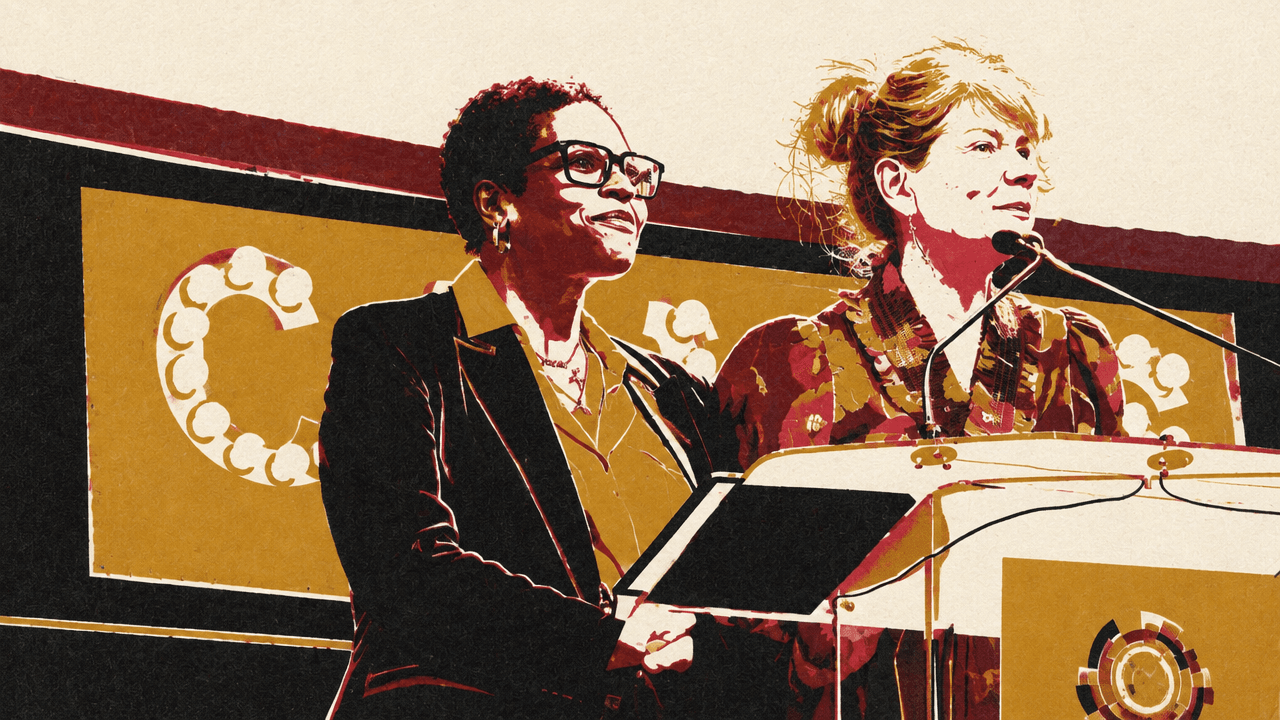
At Aspen Ideas: Economy in Tulsa, Aspen Institute leaders Ida Rademacher and Kaya Henderson cast the coming generation’s economic future as a responsibility that must be carried beyond the conference. Rademacher described the transition to the institute’s Rising Generations gathering as a hand-off; Henderson said young attendees would take ideas from the festival back to their communities and convene youth-led discussions. Their account makes the case that preparing young people to engage with economic and social questions is part of what leaders owe the next generation.
The festival is designed to send young people back as conveners
The measure of Aspen Ideas Rising Generations, as Kaya Henderson described it, is not only what happens during its four days in Bentonville. Participants are being asked to return to their communities and host at least three youth-led conversations about ideas from the festival. Henderson said the organizers expect more than 1,000 such conversations.
The request follows a planned part of the gathering: teaching participants civil-discourse methodologies. Henderson connected that training to a concern raised during a panel in Tulsa: people have forgotten how to talk to one another and debate ideas. The intended sequence is practical: young people learn ways to engage, then lead discussions in their own communities.
As we talked about on a panel, we've forgotten how to talk to each other, we've forgotten how to debate ideas and to engage.
This makes the festival’s reach depend on its attendees carrying its discussions beyond Bentonville. Henderson said the event is limited to people aged 18 to 24; sponsors may attend as well. The planned conversations are specifically youth-led, and are meant to take up ideas participants hear at the festival.
Young people chose the questions the festival will take up
Henderson described Aspen Ideas Rising Generations as the first Ideas Festival “for young people by young people and about young people.” About 30 young people planned it, including choosing its subject areas: AI and technology, economic mobility, creativity and joy, and spirituality and purpose.
She said those choices reflected both subjects discussed in Tulsa and questions about where young people fit and what it all means. The list therefore spans economic and technological issues as well as questions of purpose. Henderson presented that breadth as a reflection of what the young planners wanted to explore, rather than an agenda imposed on them by the organizers.
The organizers selected 350 young people from across the country from 8,000 applicants. The event graphic separately describes the gathering as “350 leaders” over four days; Henderson’s spoken description is that 350 young people were selected to attend. It gives the dates as November 13–16, 2026, and the location as Bentonville, Arkansas.
For Ida Rademacher, the move from Aspen Ideas: Economy in Tulsa to a gathering focused on rising generations was a “hand-off.” She said the Tulsa event began as an inquiry around Adam Smith and urged its participants to keep asking questions. Rademacher also noted that the Aspen Institute has a center dedicated to the economic possibilities of rising generations. Henderson called the transition from the economy gathering to Rising Generations a natural bridge.