Music’s Future Is Framed as Conversation, Not Prediction
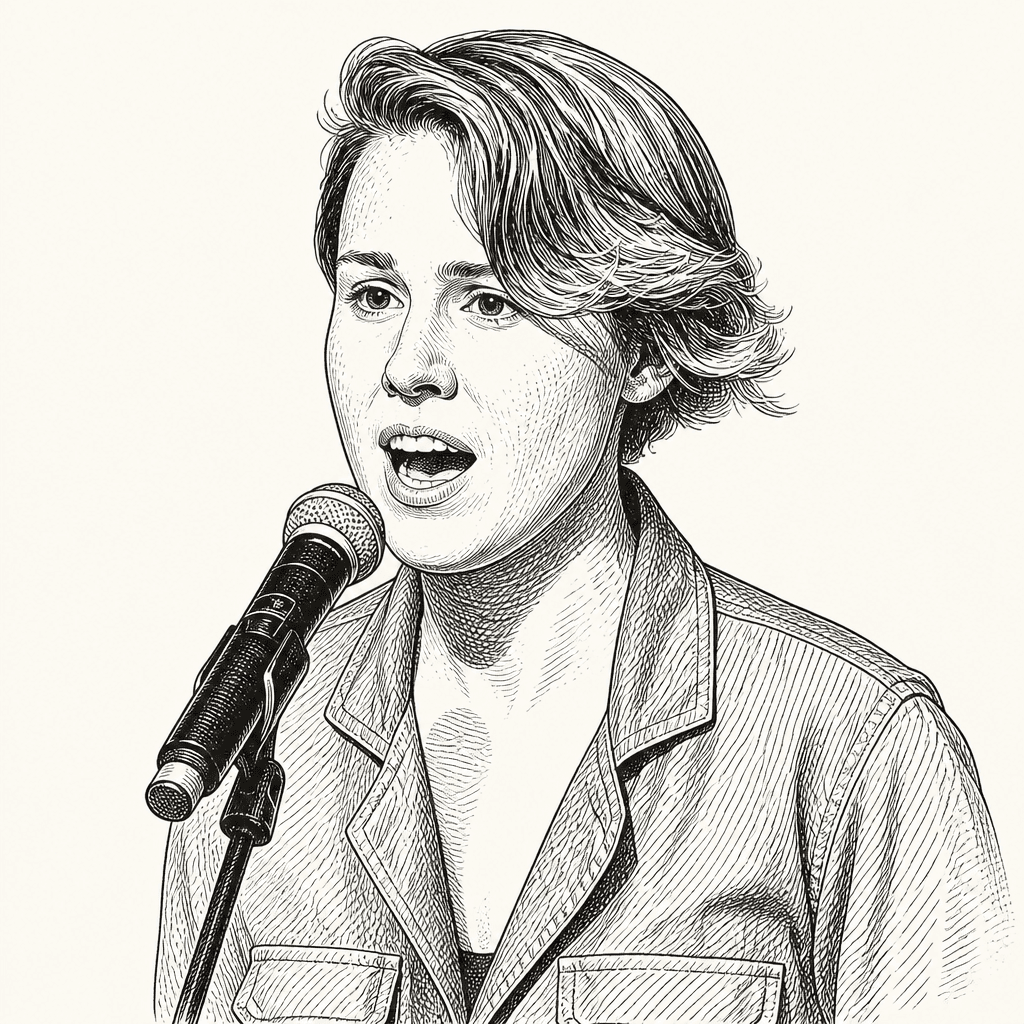
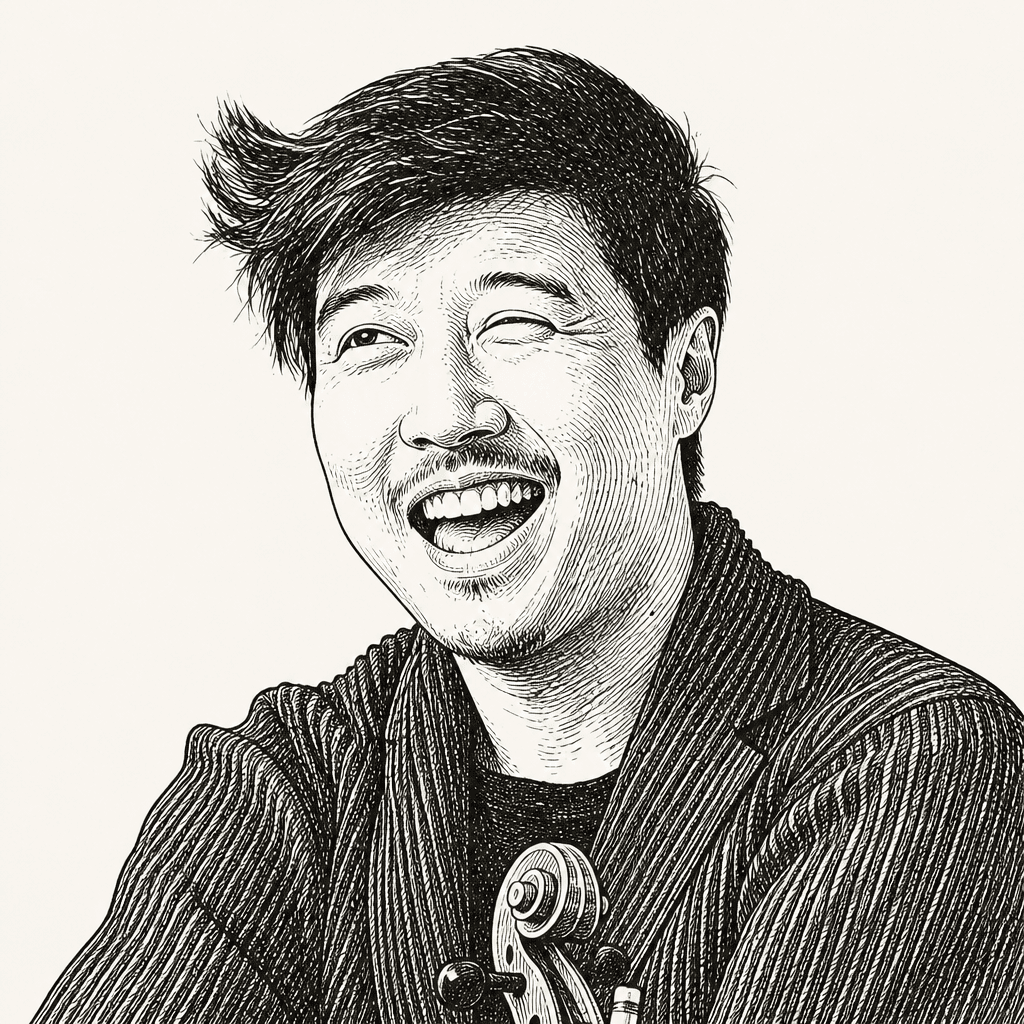
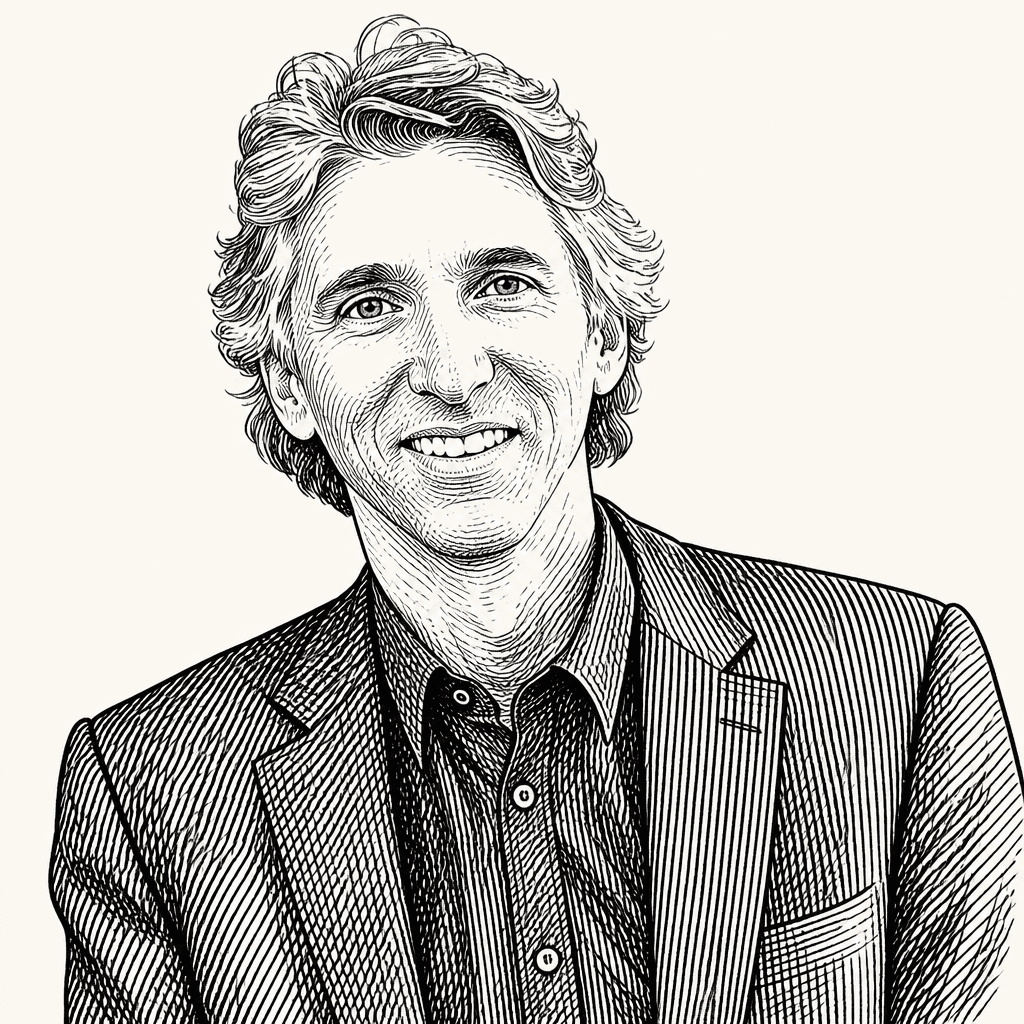
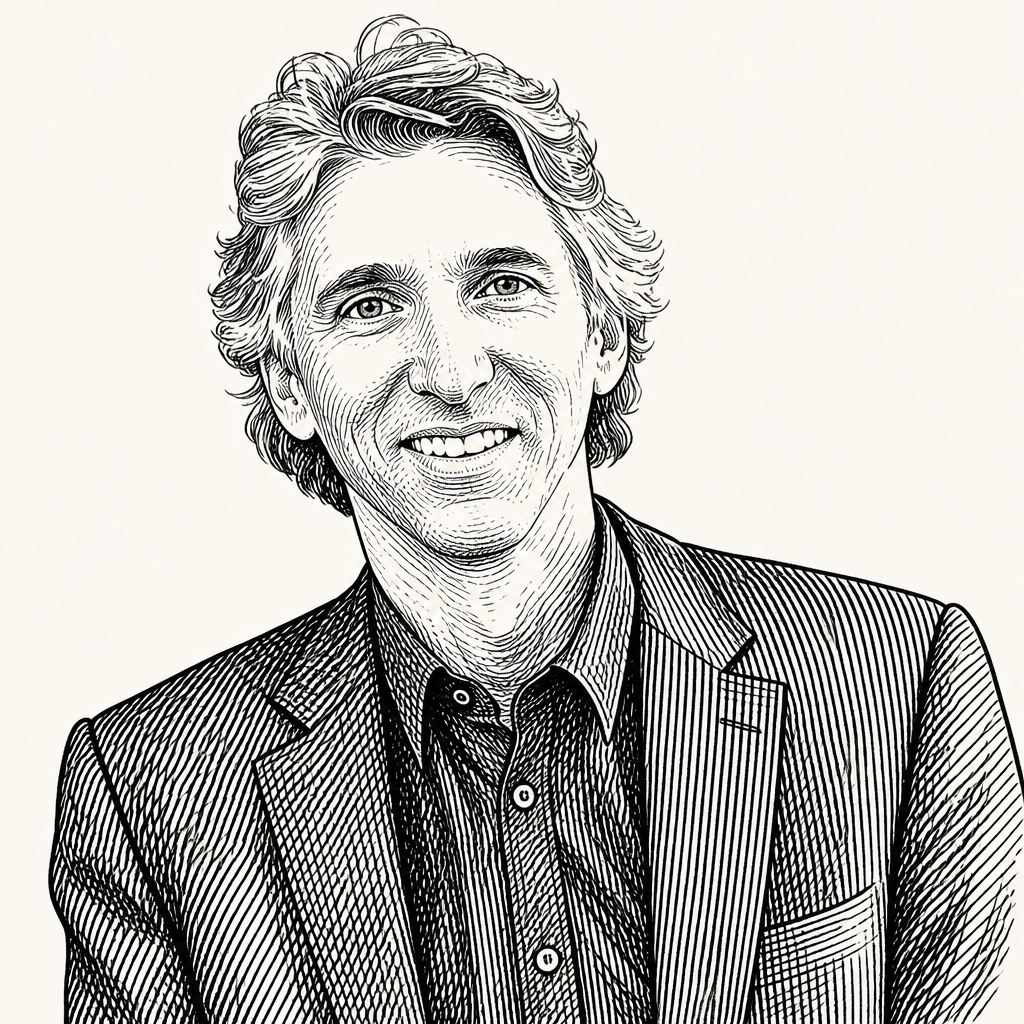
At the Aspen Ideas Festival, Damian Woetzel, Caroline Shaw and Charles Yang turned a question about the sound of 2276 into an argument about what music should preserve. Rather than forecast future genres or technologies, they treated music as a continuing exchange among inherited forms, bodily practice and responsive listening. Through discussion and performance, Shaw and Yang made the case that the future worth hoping for is not novelty for its own sake, but musical conversation marked by curiosity, attention and mutual respect.

The question was not what music will become, but what artists hope it remains
Damian Woetzel framed the assignment as a prediction about 2276, then quickly moved away from prediction. The more useful inquiry became music’s origin, function, and hoped-for future: where it came from, why it began, and what kind of human exchange might still be possible 250 years from now.
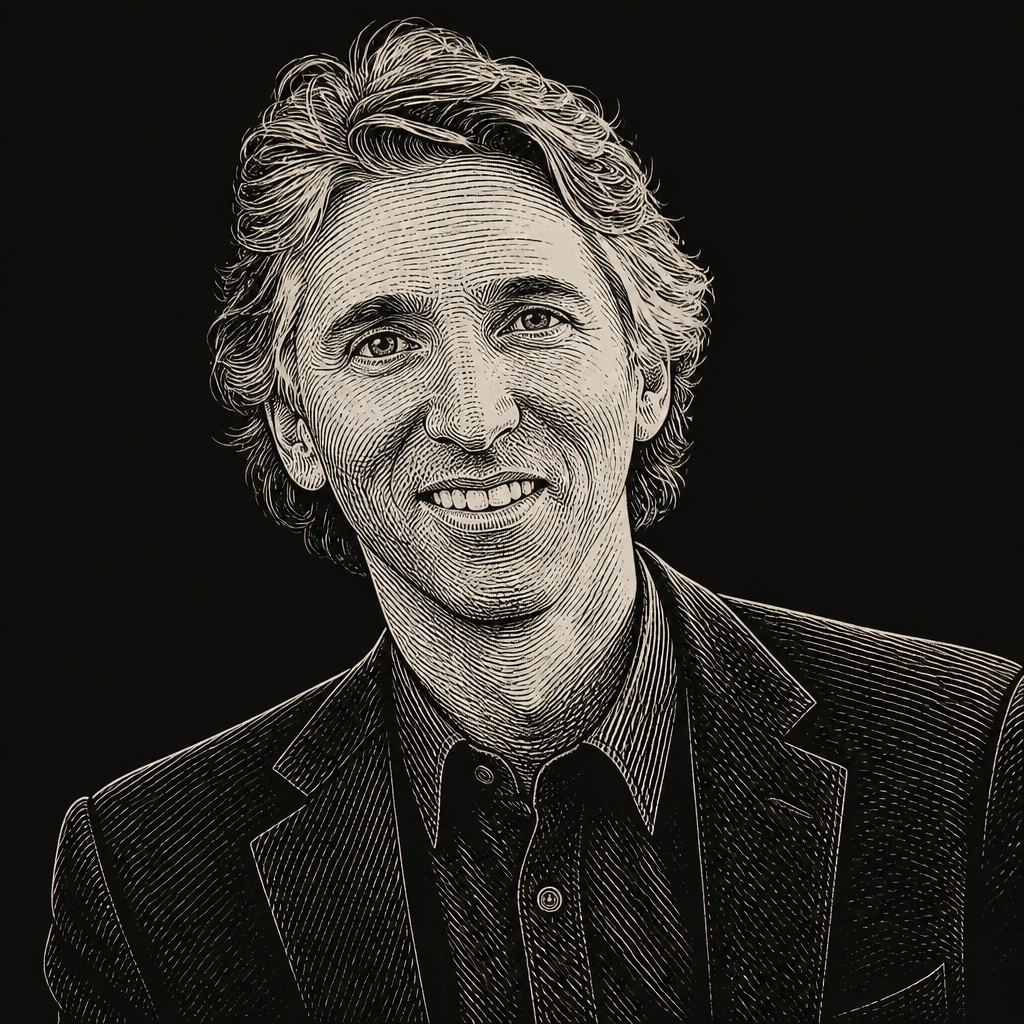
Neither Caroline Shaw nor Charles Yang treated music as a linear march toward novelty. Shaw described composition as an attempt to find a sound that feels “inevitable and rich and somehow necessary” to her, not as a top-down design problem. Yang described his own musicianship as a long process of learning multiple “dialects” at once: Chinese traditional music and European classical music at home, blues and classic rock at school in Austin, Texas, and later the institutional rigor of Juilliard.
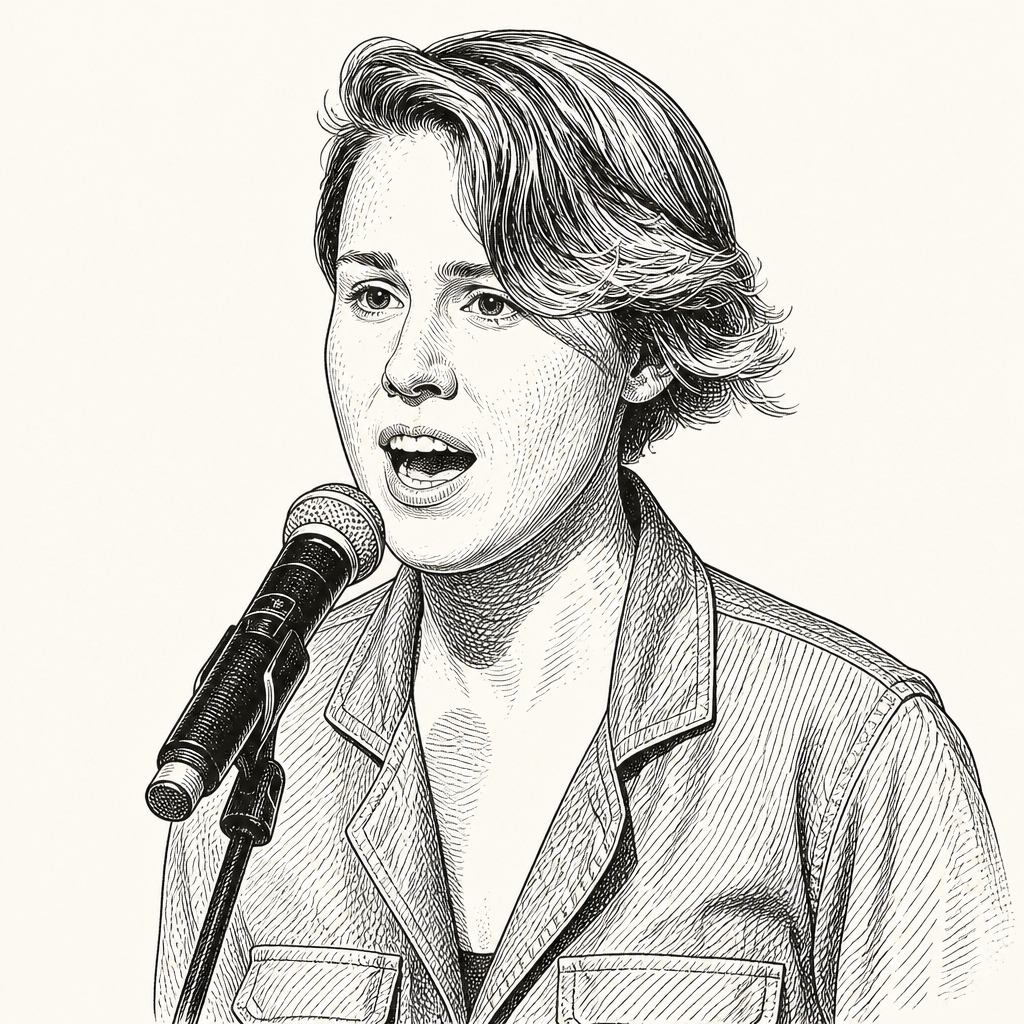
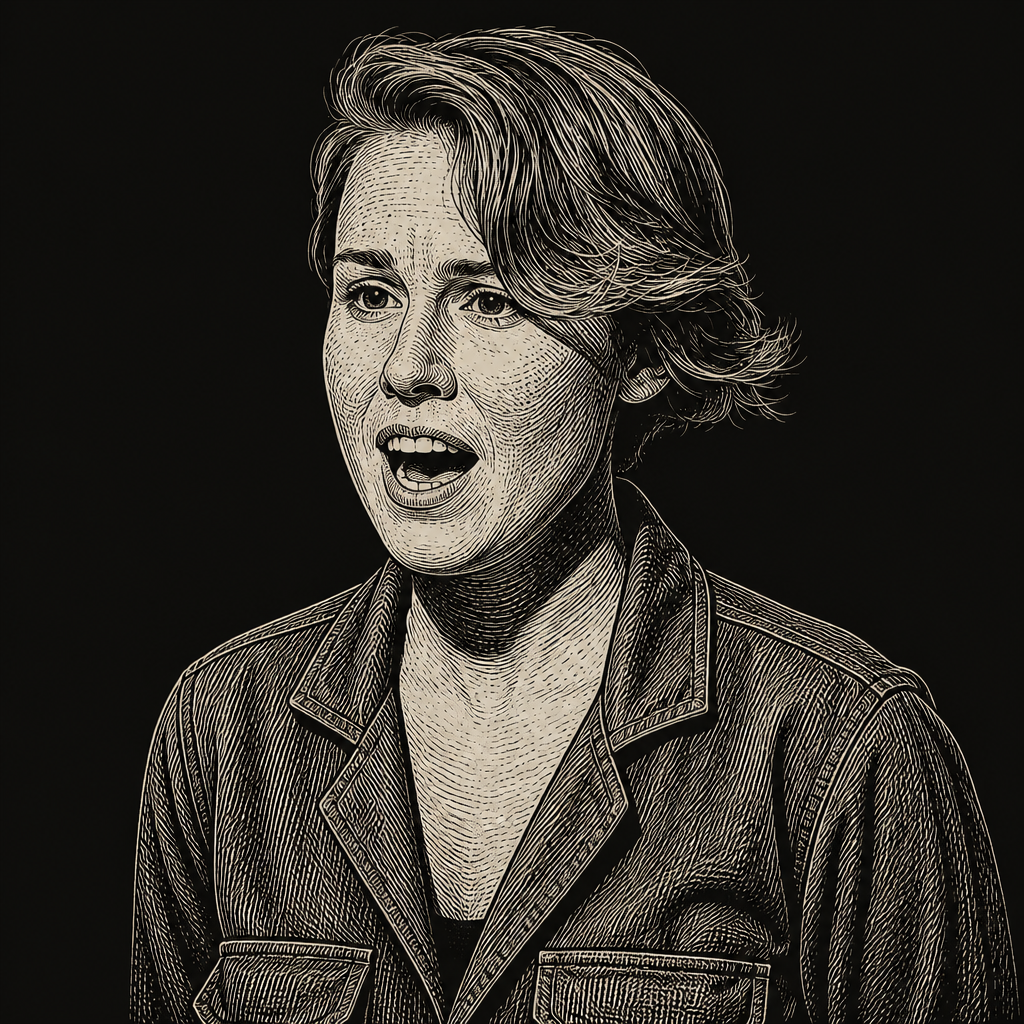
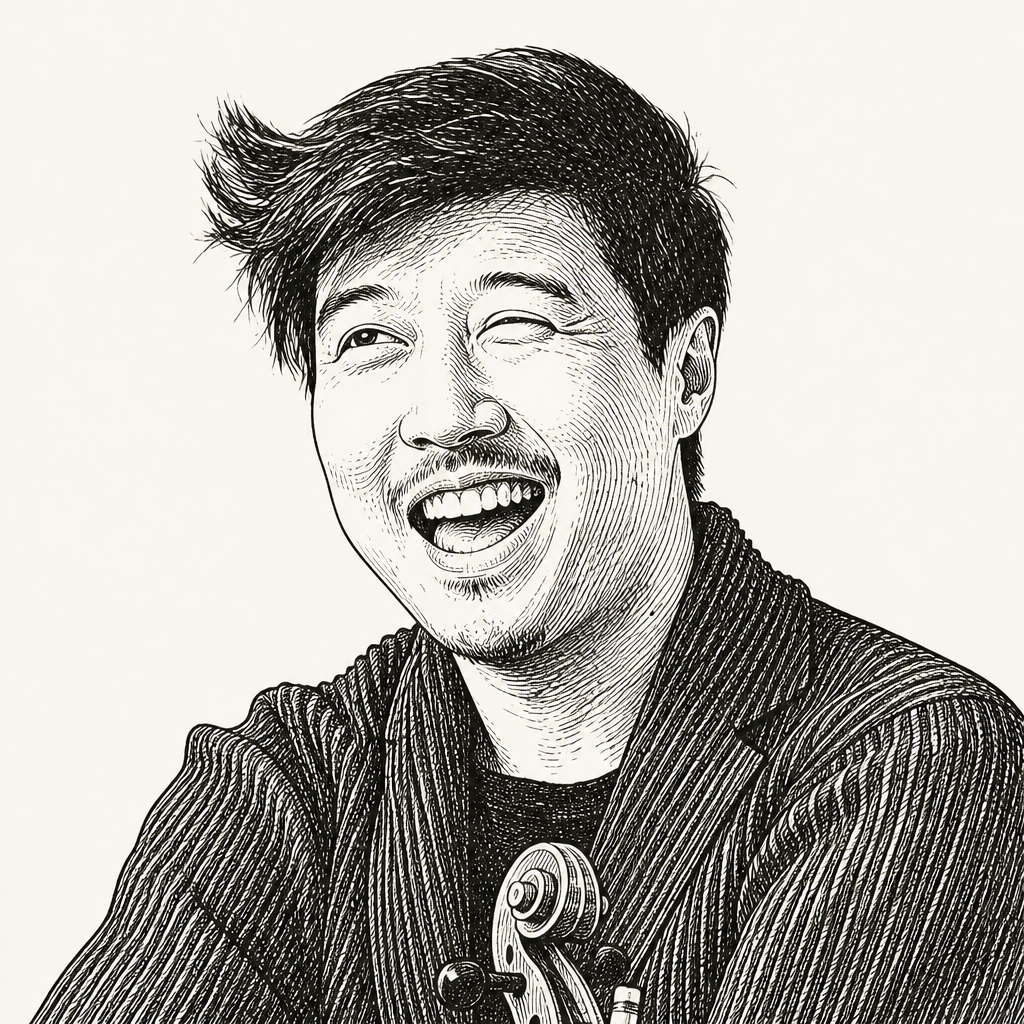
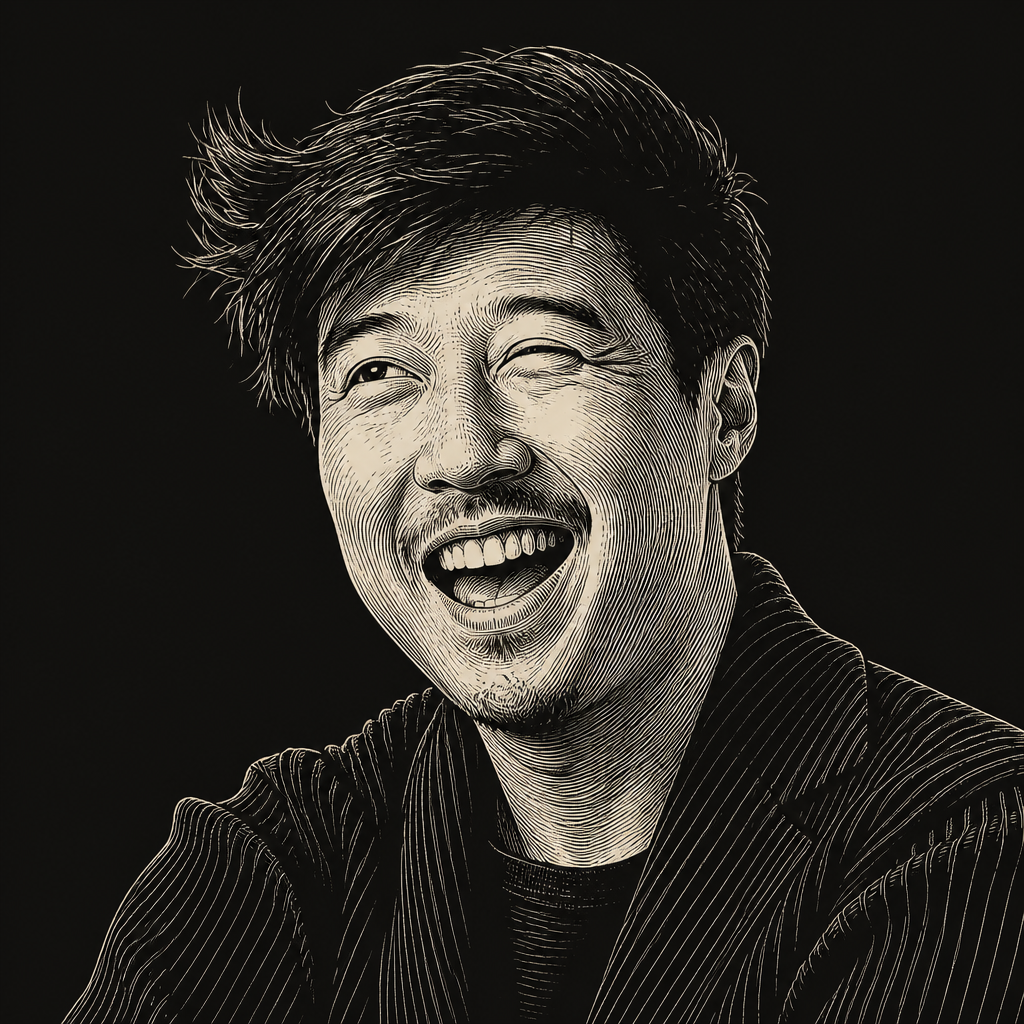
Live demonstration carried much of the argument. Shaw sang old choral material and later led the audience through hums, vowel sounds, vocal fry, and breath. Yang played Bach and improvised with Shaw. The final answer to the 2276 question arrived less as a verbal claim than as a musical exchange.
Woetzel acknowledged the broader festival context: conversations about happiness, AI, and concern that machines might diminish humanity. But the musical question was grounded less in technology than in older human habits: responding to need, listening for what a room is asking, and allowing one person’s sound to call forth another’s.
Shaw’s shorthand for her compositional aim was the desire to write “music that has always existed but never been heard.” Asked what that means in practice, she rejected an image of the composer as architect first and listener second. She described going inward toward a sound she needs to make happen, often inspired by something else, and then working out how to construct it. The measure is not whether it is unprecedented in the abstract, but whether it feels necessary from the inside.
I try to write not sort of like from the top down, like as a composer, it's like let me design this thing that's complicated and then figure out what it is, but like going very, very internal and imagining a sound that I need to have happen or I haven't heard before.
Woetzel connected that account to the possibility that the first music arose from need. Shaw agreed, imagining early sound-making as imitation and transformation: humans responding to the sounds around them, wanting to fill space, wanting to express something, perhaps asking a question as open as “if the moon was a sound, what might it be?” That image returned later as a way of naming the nonverbal exchange between Shaw and Yang: after they improvised together, an unattributed voice described it as “what the moon sounds like.”
The moon image was not purely aesthetic. Woetzel pointed to the moon visible in Aspen during smoke-filled nights, beautiful partly because of fires that were threatening elsewhere. He left the smoke-lit moon as an unresolved image of beauty and threat, and as a reminder that art-making remains tied to circumstance rather than abstraction.
Old forms became useful when they entered a living exchange
Charles Yang grew up with a strict division between musical worlds. At home, he heard classical music and traditional Chinese music. His mother was a violinist; his parents were immigrants from China; the household repertoire, as he remembered it, was Bach, Beethoven, and occasionally the Three Tenors. At school in Austin, he encountered classic rock and the blues, music his home training had not given him as a language.
That split made him feel like “a misfit,” but it also shaped the way he heard. He was “learning the language of music but different dialects at the same time.” For a while, he said, the categories blurred: he did not know what was old or new, only that sounds around him were merging.
The crucial turn came when friends invited him to jam. Yang asked whether they had sheet music. They said they did not read music but could teach him the blues scale and a 12-bar blues. That moment changed the function of everything he had been practicing. Scales, Bach, and disciplined technique were no longer only chores performed for teachers or parents; they became tools he could use in a communal setting.
All the scales I was practicing at home, Bach, suddenly it was all functional. You know, I could see why how the scales I was practicing at home could be functional within a jam session, how to improvise.
Yang did not reject the foundation. He said he was grateful for the fundamentals laid by his mother and teachers. But the foundation changed meaning once it connected to a context of exchange. Practicing alone for a concert stage had implied one model of musicianship: soloist, score, discipline, presentation. Playing with friends who did not read music disclosed another: community, listening, improvisation, function.
Caroline Shaw recognized the pattern. She too grew up with a narrow musical diet: “only Bach, Beethoven, and Mozart,” until a Beach Boys CD appeared in the house and, later, a burned Fiona Apple CD introduced another kind of sound. But her account emphasized not just plurality of influence but the persistence of love for inherited material. She described falling in love as a child with a Mozart sonata because one chord moving to another “turns something in your heart or stomach.” Her own writing, she said, keeps chasing that feeling.
That chase led to a phrase she uses to describe her own work before others can define it for her: “classical music fan fiction.” The point is not parody or rejection. It is the imaginative extension of beloved material: if Beethoven had gone “over here,” what would that have sounded like? Shaw called it “making new doors and windows out of the old material.”
Woetzel recalled once asking Shaw why her work could feel instantly intelligible. Her answer then, as he remembered it, was that the material was “very, very old.” Shaw affirmed it: “It’s all old.” Newness, in this account, is not purity from the past. It is old chords, old gestures, old bodily impulses, and old forms brought into a present room.
Shaw’s demonstration made the past audible as usable material
Caroline Shaw demonstrated the argument by singing a fragment from an old choral work she attributed to Victoria, a Spanish composer, from roughly the 16th century. What interested her was not historical citation as such but the simplicity of four voices resonating together. She sang the opening shape — “Oh my people” — and described the sound as “very very old,” about 500 years old.
Then she explained how that sound became material for her own piece “Passacaglia,” part of “Partita.” She wanted to hear the old sonority again, but “raw,” “wide,” “resonant,” full of breath and “edges of sound,” including things singers are often taught not to do. Her summary was blunt: she took something 500 years old and “made it a little dirty.”
That detail mattered because it showed how directly Shaw thinks about inherited sound as material to be handled. She did not present the old piece as an untouchable object. She described altering its surface and body: adding breath, roughness, width, and contemporary vocal texture while preserving the force of the older chordal resonance.
Woetzel connected this to “Partita for 8 Voices,” which he noted won the Pulitzer Prize, and mentioned its blend of elements including line dancing and square dancing. In his reading, the work turns form on its side while still carrying reverence for what it inherits. “Fan fiction,” in Shaw’s usage, is not a demotion of classical material. It is a way of staying close enough to inherited music to ask what other rooms, bodies, and textures it can enter.
The exchange then moved from compositional method to concert behavior. Woetzel asked Yang how he feels about applause between movements of chamber music. Yang said he loves it. If someone is moved to clap between movements, he sees that as a return of energy from the audience to the performer. What he finds more distracting is not the applause but the policing of it: the “shh” that spreads through the audience.
Shaw supplied a comic but pointed phrase from her wife’s T-shirt: “let the soft animal of your body clap between movements.” Woetzel added a caveat from prior conversations with Shaw: there are also moments when silence should hold, when everyone in the room shares the desire to remain suspended before the next thing. Shaw’s distinction was between imposed rule and collective perception.
It's like letting that be organically decided by everyone in the room rather than this is the rule, but more like we have all collectively decided to be quiet because it's so powerful.
The point was larger than applause etiquette, but it stayed close to the practical question. A room can decide to clap because energy demands release; it can also decide to remain silent because the music has created a shared stillness. For Shaw and Yang, the better response is the one that comes from listening, not from enforcement.
Practice was described as recognition, pattern, and mental rehearsal
Damian Woetzel pressed the two artists on craft: what does practice look like after inherited forms have become functional? Yang’s answer returned to understanding. When he recognizes what a passage is doing, he can use it as a template or pattern. That recognition “fast tracks” practice because he is not merely reading notes; he understands the material.
The distinction resembles reading words versus understanding a book. For Yang, recognizing patterns matters especially because of his professional conditions. He said he was preparing to premiere a new concerto in a week while traveling more than 200 days a year. He no longer has the four hours a day he had as a child, when he complained about practicing. Under those constraints, comprehension is not decorative; it is practical.
Shaw’s answer moved away from visible labor toward internal rehearsal. She began with “Pass,” then said practice can be many things. For her now, a lot of it is mental practice: imagining tasks away from the instrument, whether a shift or a chord change. Composition works similarly. Much writing happens without pencil or paper, through planning and imagining before anything is fixed.
This account of practice helped explain why the session’s performances could seem spontaneous without being ungrounded. The musicians did not present improvisation as freedom from craft. They presented it as craft becoming responsive. Yang’s blues awakening made scales functional; Shaw’s mental rehearsal made sound available before notation; both accounts placed the musician’s preparation beneath the event rather than in place of it.
Dance revealed a bodily context hidden inside the score
Damian Woetzel used dance to argue that music can lose visible contact with an original context while still carrying it internally. He recalled work involving a Bach partita and the dancer Lil Buck, when the recognition arrived: “Oh my God, it’s a dance.” His point was that music may later live apart from the social or bodily form that generated it, but the connection remains available to be rediscovered.
Charles Yang answered through his work with Twyla Tharp. One of his first substantial paid jobs after Juilliard was performing in Tharp’s “Partita,” based on Bach’s D minor Partita. He remembered arriving at her New York apartment for an audition and being asked, “What is Bach to you?” Terrified, he answered: “Bach is my Bible.”
For string players, Yang said, Bach is fundamental. At Juilliard, students had to play Bach in juries and learn the sonatas and partitas. But Tharp’s choreography showed him the music counted and moved differently from how he had internalized it as a violinist. Dance steps did not map neatly onto the score as he had been trained to read it; nevertheless, the elements came together. Seeing music he had practiced his whole life visualized on stage was, for him, “magical.”
Yang then turned to the Bach Chaconne, describing it as related to a passacaglia: a dance based on a harmonic pattern. He played the underlying harmony and indicated how Bach takes that basis into a longer journey. The important detail was the smallness of the seed relative to the scale of the piece. A harmonic ground could sustain 12 to 15 minutes because Bach kept finding new implications inside it.
Shaw, hearing the progression, wanted to sing with him. They had not planned it. Yang played; Shaw sang. Afterward, both treated the moment as evidence of Bach’s continuing generative force.
Yang was struck by the encounter. He said they had met only the day before and had not planned the collaboration. Yet Shaw had sung what he said he had been hearing internally in practice rooms for years. He reached for “telepathy” as the word for the experience: not supernatural certainty, but recognition through shared musical structure. Shaw said the harmony contains “a song inside.” Yang agreed.
There's a song inside.
Woetzel used the moment to distinguish living context from duplication. The goal was not to reproduce Bach as an artifact. The goal was to discover what the material could do in that room, between those people. He connected this to an improvised encounter the previous night with Paula Crown’s bell artwork outside the venue, where musicians played the bell and discussed its tone and possibilities. The question in both cases was the same: what is possible with this sound?
That emphasis on context separated the Bach/Chaconne moment from Shaw’s Victoria/Passacaglia example. Shaw had shown how old material could be recomposed through breath, roughness, and contemporary vocal texture. Yang’s Bach example showed another route: the score’s dance origin, harmonic structure, and shared training made an unplanned collaboration intelligible before words could organize it.
The audience became part of Shaw’s compositional method
Caroline Shaw described questioning as a way to find sounds one would not otherwise find. When producing or working with other artists, she said, the first question is what they are looking for and how she can be part of it. Woetzel recalled her asking dancer Lil Buck about the sound of Memphis while making a piece with him. Shaw’s method, in that example, began not with imposing a sound on someone else’s story but with inquiry.
She then recreated, with the Aspen audience, the seed of a larger piece. She asked everyone to hum. Then she moved them to “oh.” Then to “ah.” Then she asked for vocal fry — the rough, low edge of the voice — and the room supplied it. What she wanted, she explained, was the sound of a group going from vocal fry into a “perfect chord.”
The compositional problem was not just the chord itself. It was how to arrive there and what to do after it happens. Shaw gave the room a destination note, asked for vocal fry again, and used her hand to cue the slide into “ah.” She asked for the sound once more, this time with “a big breath afterward.” The breath mattered as much as the pitch: it made the event bodily and collective, not merely harmonic.
This was one of the clearest demonstrations of her earlier claim about necessary sound. The “morsel” began with a desired sonic event: a collective roughness opening into resonance. The rest of the composition becomes a problem of before and after, approach and consequence. Shaw said that is what writing music is: figuring out how to get there and what happens after.
Woetzel heard a progression in it, and Shaw agreed. The progression was not merely harmonic; it was social and physical. The audience’s hum, “oh,” “ah,” vocal fry, slide, and breath became part of the demonstration. It also returned to the earlier argument about applause. A room is not passive material. It can listen, decide, clap, remain still, hum, vocal-fry, breathe, or become the instrument through which a compositional idea is tested.
The future sound of 2276 was imagined as conversation rather than prediction
When Woetzel finally returned to the 250-year frame, he stated the premise clearly: they had decided not to talk about what music “is going to be,” but what they hope it will be or dream it might be in 2276.
Charles Yang was cautious about prediction. Looking from classical lineage — Mozart to Beethoven to Brahms, each expanding or recreating what was already there — then to America’s jazz and hip-hop, and to the traditional Chinese music he encountered while touring Asia, he imagined future music as an accumulation of combined inheritances. The Asia tour mattered to him because the traditional Chinese music he heard there felt like home, linking his family background to a sound world he had not presented as separate from the others. But he would not specify the sound. “We’re not even sure what kind of people we’ll be,” he said. Music, in his view, will grow with whatever humans become.
Woetzel widened the frame by naming Chief Adjuah, who was expected but had not yet arrived, and by referring to West African traditions. He mentioned Yuba Sissoko, whom he described as around the 200th generation of kora players in his family, as an example of lineage functioning as a channel to what comes next. Yang added that Adjuah was going to bring a large harp, a new instrument, and that he makes instruments as well. Against that, Yang noted, the violin and viola onstage are old instruments. The contrast was not old versus new as value categories, but different kinds of continuity: inherited tools, invented tools, family lineages, hybrid practices.
Woetzel then offered his own proposition: whatever music becomes will be “the function of conversation,” of one person doing something and another person responding. It will not be an isolated experience. He set that against discussions elsewhere at the festival about happiness, AI, and humanity. He repeated a line he had heard from a rabbi: while some work to put humanity into machines, “my business is putting humanity into humans.”
That line clarified the human stakes of the musical speculation. The future worth hoping for is not merely more sophisticated sound production. It is a future in which musical making keeps humans responsive to one another.
Shaw proposed testing that claim without words: a nonverbal conversation. She and Yang improvised together. The transcript does not identify every speaker in the exchange that followed, but the descriptions are clear enough to show how the participants understood what had happened. They named delight, play, childlike attention, relaxation, surprise, call and response, echo, and the feeling of communication without ordinary language. One response singled out the moment when the room was brought back into the piece, linking the final improvisation to Shaw’s earlier audience-participation exercise.
Yang said Shaw took what he played and carried it elsewhere, building through response. The feeling, he said, resembles knowing someone deeply, even though they had only just met; they knew each other “through the music.” Shaw described the exchange as marked by “gentle respect,” not one-upmanship. It felt like the kind of conversation she would want at a party — and, by extension, in 250 years — not a contest of expertise but a mutual inquiry into delight.
It felt very like, this is the kind of conversation I get to I wanna have with someone in 250 years which is like not here's everything that I possibly can tell you about this thing but like what delights you about it right now?
The answer settled there: not a sonic forecast, but a prescription. The hoped-for music of 2276 would preserve the kind of exchange Shaw named — gentle respect, curiosity, no one-upmanship, and the question of what delights another person in the moment.