Smaller Cities Draw Investment When Business Cases Meet Local Readiness
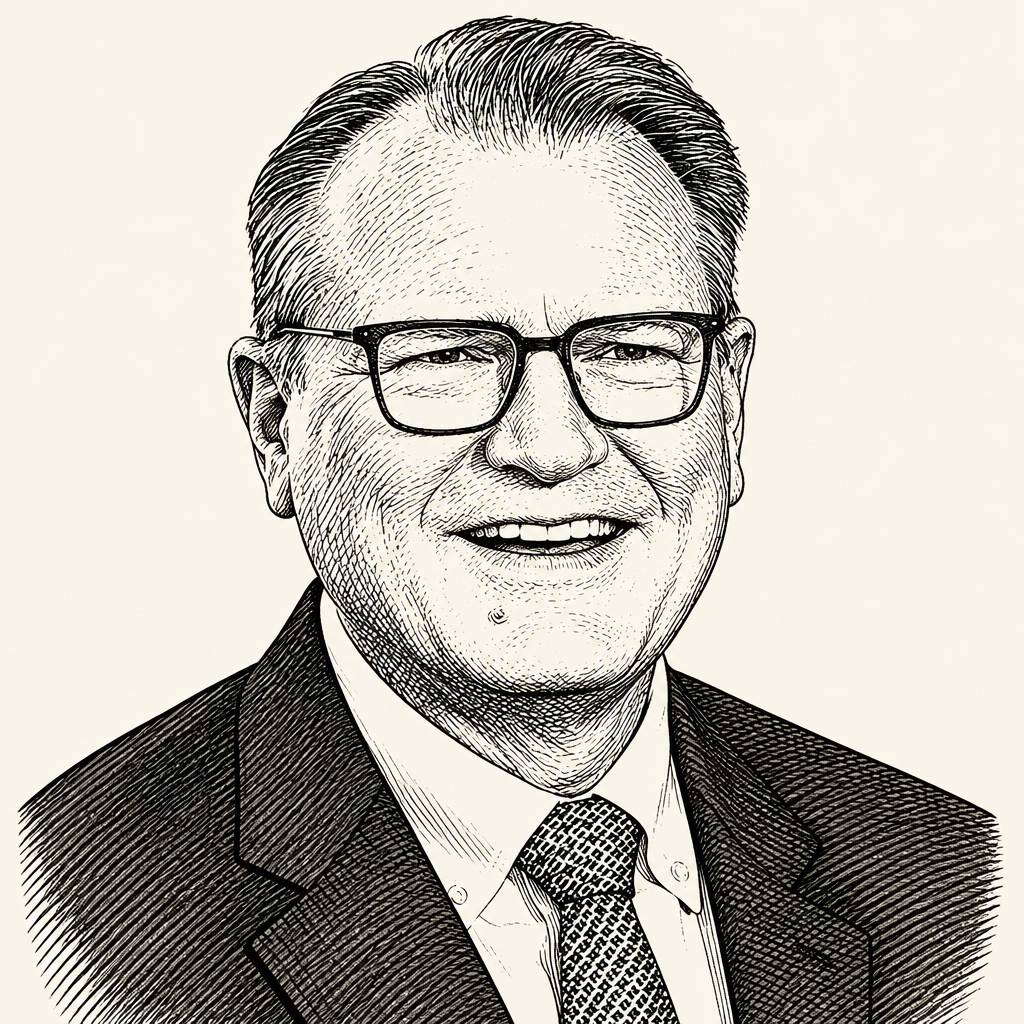
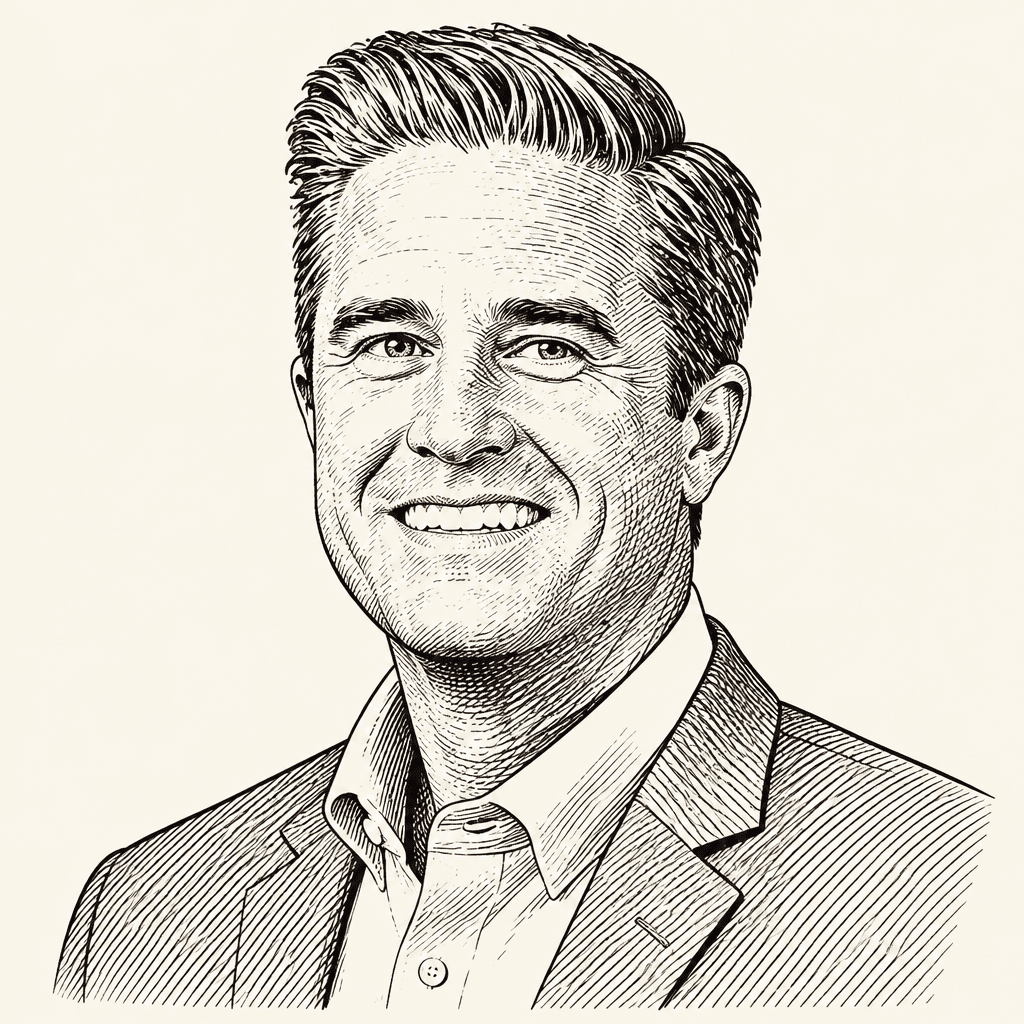 Brian Kelsey
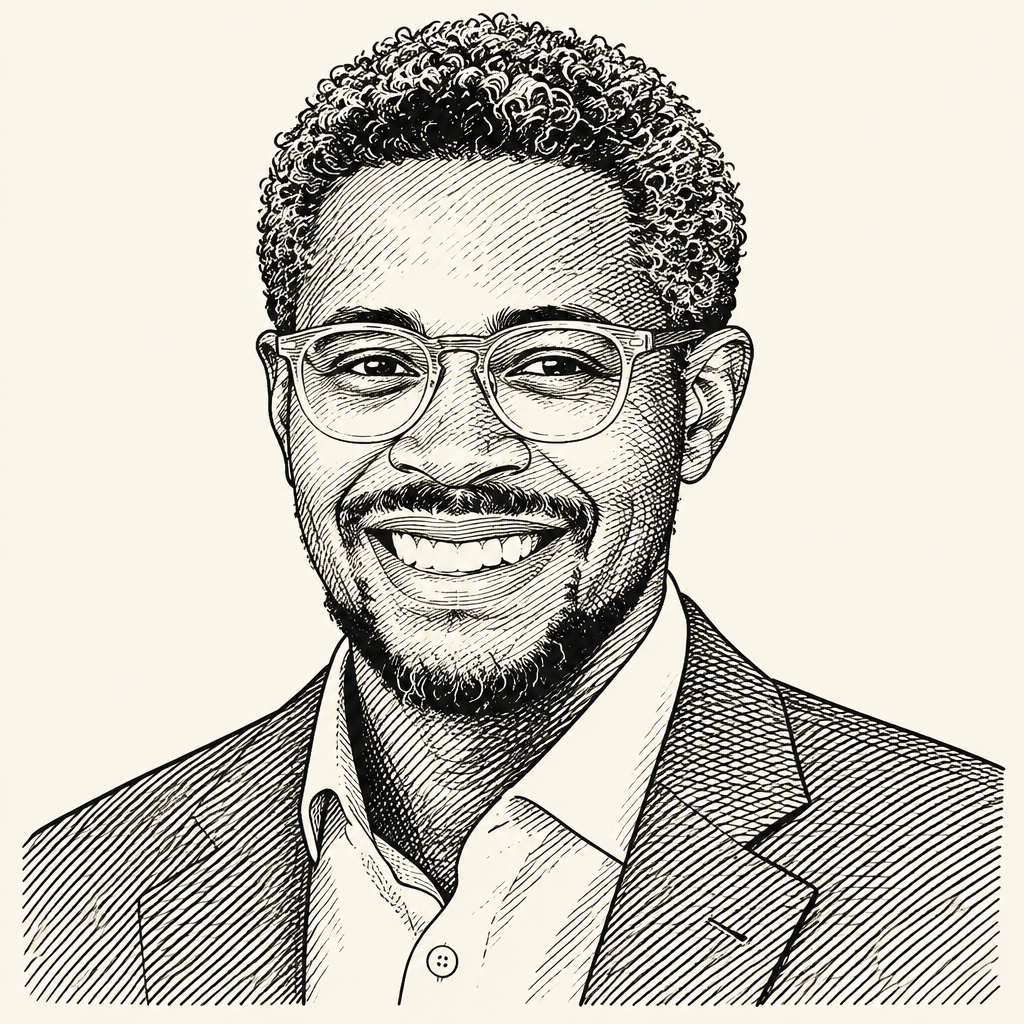
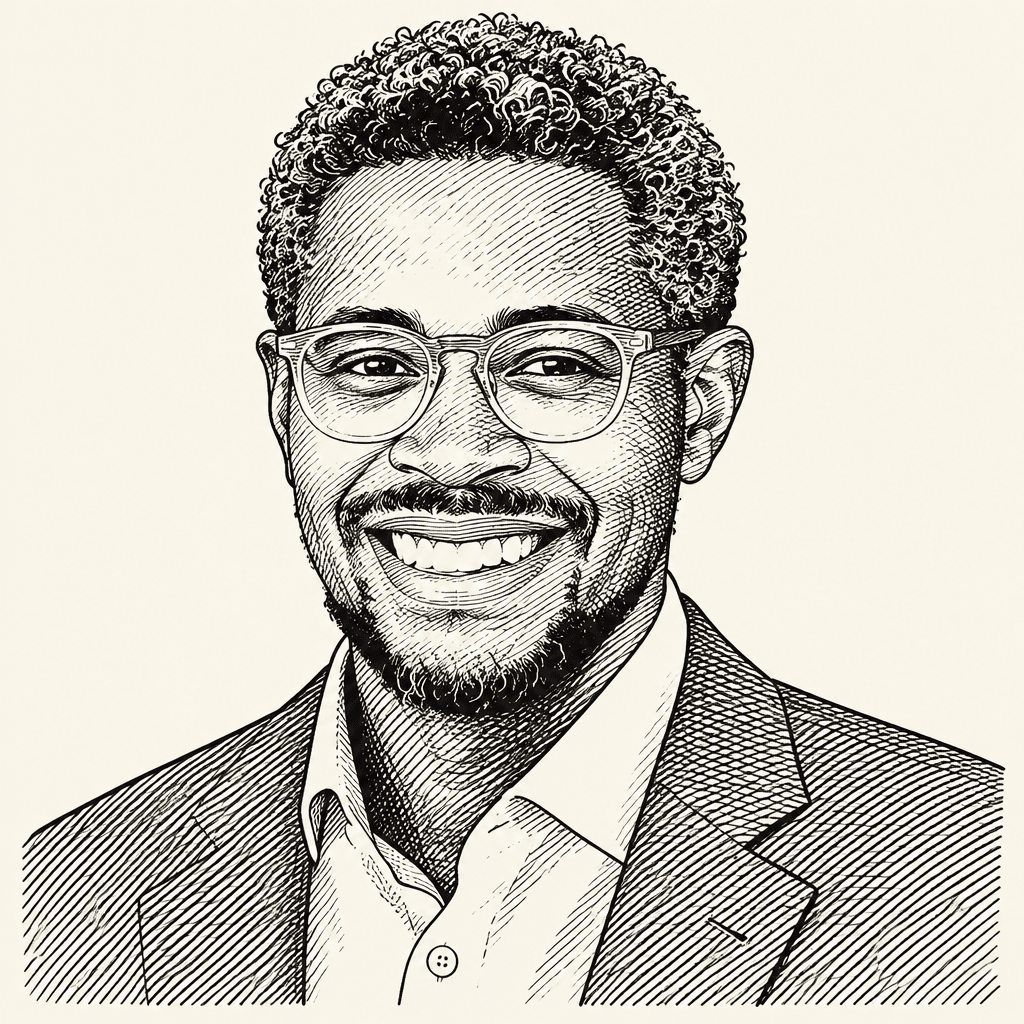 Dominic Williams
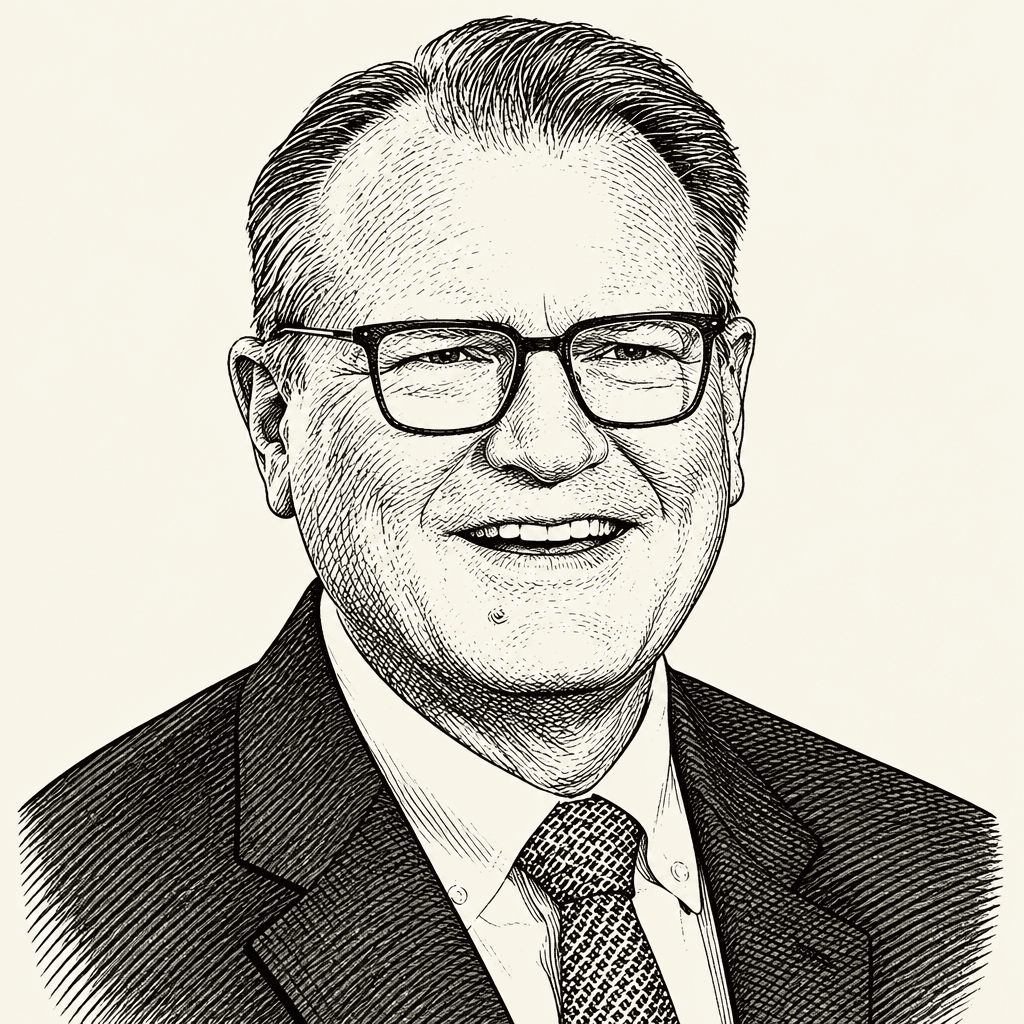 Tom HalversonDavid MasonThe Aspen InstituteTuesday, October 27, 202612 min read
Attracting investment requires more than a promising business case: communities also need the services, infrastructure and financing to support businesses and workers. Heartland Forward’s Brian Kelsey and McKinsey’s Dominic Williams emphasized local priorities and the conditions that allow projects and people to take hold; CoBank CEO Tom Halverson said investments must be commercially viable. Enid Mayor David Mason described the difficulty of building amenities that may help recruitment succeed while facing rising costs and constrained municipal revenue.

Investability is a choice set, not just a business case
A place is investable when it can attract businesses and capital, retain people who want to stay, and give residents meaningful choices about their futures. That was the framing Brian Kelsey offered from Heartland Forward: communities need to create the conditions for people to stay or leave by choice, rather than treating departure as the only route to opportunity.

For Tom Halverson, CEO of CoBank, the first test is whether a business can repay its capital. CoBank serves rural businesses and cooperatives, but its mission does not remove the need to operate commercially. It is a regulated, profit-making bank that borrows in capital markets and must pay its lenders back. An investment may benefit a community, Halverson said, but it still has to be commercially viable. In the long run, he argued, businesses and communities alike need sustainable sources of growth and revenue.
That distinction matters because “investable” can sound like a call for capital at any cost. Halverson’s account is narrower and more demanding: investment must make business sense, while the community must be able to support the people and institutions that make that business possible.
Dominic Williams, of McKinsey’s Institute for Economic Mobility, described the work as identifying both the underlying business opportunity and the conditions that let it take hold. In ten communities studied with Heartland Forward, he said, the business case differed from place to place. Some had companies that could be underwritten as sound businesses; others did not yet show the same prospects. But the business case is only one part of the decision. Housing, education, health care, and the ability of employees to build a life there also shape whether an investment can work.

The distinction is between having an opportunity and being able to unlock it. A town may have land, workers, or a promising industry, but those assets do not automatically produce investment or economic mobility. The community has to make the opportunity legible to outside investors and prepare the broader conditions that allow it to endure.
The Heartland’s economic weight is larger than its share of investment
Williams put the case for paying attention to smaller cities and towns in economic terms. Taken together, he said, the Heartland accounts for about a third of U.S. gross domestic product and more than a third of the population. Yet, according to the research he described, the region receives only about 10 percent of venture capital.
The gap is not simply a lack of economic activity. Williams said the researchers estimated that raising economic activity in smaller cities and towns toward the level of the top quartile could produce close to $1 trillion in additional U.S. GDP. He described the comparison as “for like”: the question was not whether these places could match the country’s total economic activity, but what the potential uplift would be if smaller places reached the activity levels of the top quartile.
Williams said the barriers behind the gap include perception and awareness, but also structural differences in how public resources are accessed. Larger metropolitan areas, he said, often have established pathways to formula-based federal funding. Smaller places may have to organize, apply, and advocate for resources that larger cities receive through a more predictable process. That adds work before a community can even begin to use the funding.
This is one reason local readiness cannot be reduced to a list of assets. Communities need to understand what they have, what is missing, and how to make a case for investment within systems that may not automatically direct resources their way. The work involves advocacy as well as planning.
Kelsey’s account of Heartland Forward’s investment-readiness initiative reflected that practical approach. The organization worked in ten communities across its 20-state footprint, beginning with an open question: what would be useful to the places themselves? In some cases, the support involved data and research. In others, it meant connecting community leaders with funders, capital providers, or peers who had navigated a similar challenge. The effort was not organized around a single prescribed development goal; it began by asking communities what they wanted to pursue.
Williams said a common set of considerations emerged, but no two places had the same version of the opportunity. Data could help a community see its economic context, yet it could not capture everything that shaped local decisions. He recalled one town with a major public university where residents quickly raised a question about how the community and the university worked together—a concern that did not stand out in the dashboard of public data. A visitor evaluating the town would need to know that relationship mattered.
For advanced-industry projects, the questions widened beyond available land or a workforce. Williams said companies considering data centers, battery facilities, or semiconductor investments also asked about water hookups and how the local power cooperative operated. A site can appear suitable on paper and still encounter practical constraints that determine whether a project is feasible.
The lesson is not that every community must solve the same checklist. It is that investment decisions reach into the operating details of a place: infrastructure, institutions, services, and relationships that may not show up in an economic profile.
Growth depends on the people and services that make a place livable
Halverson described a set of conditions that tend to draw people and businesses to smaller communities: access to a high-quality airport; being within roughly 90 miles of a micropolitan or larger place; and having good housing, education, and health care. People who move from major cities, he said, still expect access to many of the things they had there.
Those amenities are often treated as separate from economic development, but the panel repeatedly connected them to whether employers can recruit and retain workers. Williams said site selectors are not only assessing whether a company can operate in a location. They are also asking what it would mean for employees and their families to live there. That includes schools and primary care, and even whether a person working at a facility could find a nearby place to give birth.
Enid, Oklahoma, offered David Mason a concrete example of how these conditions affect recruitment. The city has grown from 50,300 residents in the 2020 census to nearly 62,000, he said. Mason wants his grandchildren—and other young people—to be able to build careers in Oklahoma rather than leave for larger cities. The mayor’s role, as he described it, is to clear obstacles so local economic-development organizations can recruit businesses and create jobs.
But recruiting employers can hinge on the quality of life available to the people they need to hire. Mason said Enid had lost major industry because senior employees were unwilling to move there. He said Continental Resources moved to Oklahoma City because it could not recruit upper-management employees to Enid. When the city recruits doctors, he said, a question from a prospective doctor’s spouse is almost inevitable: “So what is there to do in this town?”
Mason argued that communities cannot always wait for a new employer to arrive before investing in the amenities that might help attract one. He cited a $20 million event center in explaining the challenge of building amenities before recruitment. The public argument can be difficult: residents may ask why a city should spend on an amenity before a particular employer or group of workers has committed to the town. Mason’s answer was that the amenities have to exist before the recruitment conversation reaches that point.
The same logic applies to basic services. Mason said rural Oklahoma struggles to recruit doctors, and Enid’s hospitals sometimes work with a group to bring physicians to the area. Housing is another constraint: population growth and the presence of Vance Air Force Base have left the city short of places for incoming pilots to live. Quality of life, in this account, is not a decorative extra. It is part of the infrastructure of recruitment.
There is a tension here between what a community must build to attract people and what it can afford to maintain. Mason said Oklahoma municipalities can rely only on sales-tax revenue, which makes long-term planning difficult. Enid’s sales-tax revenue had been rising by about 3.5 percent a year, but construction costs for infrastructure had increased by 50 percent since COVID, he said. The city spends $10 million to $15 million annually on capital improvements, much of it on underground infrastructure residents may not notice. With rising costs, that same budget buys fewer projects.
Mason said the city’s waterline project cost $356 million, the largest rural infrastructure project in Oklahoma. It was financed through the Oklahoma Water Resources Board at a 1.87 percent interest rate. At the interest rates and construction costs prevailing when he spoke, he said, the same project would cost $800 million at 6 percent interest and would not be feasible. The example shows how a community’s ability to build can depend on the timing and terms of financing as much as on the underlying need.
An anchor institution can be an asset only if the community keeps preparing for it
Vance Air Force Base is a major anchor for Enid. Mason described it as a longstanding partner, with military families connected to local schools and the wider community. It also trains fighter pilots, with the base’s airspace among the reasons it operates there.
But the value of an anchor institution is not guaranteed by its history. Decisions about a military base are not all made locally, Mason said, and Enid learned that when Vance was placed on a list for closure in the early 1990s. The city had not secured enough land around the base, extended its runways, or upgraded its dormitories to meet the needs under review.
In response, community partners formed the Vance Development Authority, a group that includes realtors, bankers, and other local organizations. It meets quarterly, Mason said, but can mobilize quickly when the base’s future is in question. In one week during the closure threat, the group marketed, purchased, and closed on land at the end of a runway. Mason acknowledged that the acquisition involved the possibility of eminent domain if the owner did not sell. The episode illustrates both the urgency of the effort and the cost of having left the issue unresolved until a crisis forced action.
Enid is now trying to address another gap before it becomes a liability. With too little housing for incoming pilots, the city arranged an intergovernmental agreement involving the Department of Defense and Northern Oklahoma College to build 258 officer dormitories. Mason said the project would cost about $70 million through the local arrangement, compared with an estimated $150 million if the federal government built the dorms to its own standards. The city’s aim is to turn a potential red mark on a future review into a green one.
A larger modernization is also approaching. Mason said Vance is due to receive 100 new planes, a roughly $3 billion investment that will require new hangars and ramps. The base’s current training aircraft are about 60 years old, he said, though their avionics have been updated. For Enid, the incoming aircraft represent a major opportunity, but also a reason to keep preparing the infrastructure and relationships needed to support the base.
Mason’s broader point was that local officials cannot plan only for what is already happening. He tells commissioners to think a year, five years, and twenty years ahead, and to “think like a CEO, not like a line worker.” The job of local leadership, in his view, is to anticipate the next needs of major employers and institutions rather than wait for those needs to become emergencies.
That emphasis on relationships and anticipation connects the base story to the panel’s wider definition of investability. An anchor institution brings employment and economic activity, but it also creates obligations: housing, land use, infrastructure, and continued coordination with decision-makers outside the community. A local connection to the base commander helps, Mason said, but it cannot substitute for meeting federal requirements.
Shared priorities help align capital, but do not pay for the work
An audience member asked about the Capital Absorption Framework, describing an approach associated with building a pipeline of projects and aligning capital with community priorities. Kelsey did not claim familiarity with that named framework. He responded to the idea as presented: when a community identifies its own priorities, develops projects around them, and aligns capital with those priorities, it can bring people into agreement about the outcomes they want. He contrasted that approach with telling a community it has to accept a particular project, such as a data center, or treating economic development as if there were one formula.
“Capital follows coherence,” Kelsey said. In his description, coherence means having shared priorities and a pipeline of projects, along with an environment that helps those projects proceed. Halverson agreed that leadership must help create a common vision and confidence in the future. In his account, the process can reinforce itself: success attracts more resources and activity, which can make further success more likely.
That process does not eliminate the need for viable projects or financing. It does, however, put the order of work in sharper focus. A community needs to decide what it wants, develop projects that fit those aims, and create the conditions for them to move. Investment is not a substitute for local priorities.
Mason’s account of municipal finance underscored the limits communities face in carrying out that plan. Enid recently raised its hotel-and-motel tax from 8 percent to 12 percent, he said, choosing a source that would not directly affect local residents. The measure passed by 500 votes. He described public resistance to taxes as a recurring obstacle: some residents oppose any tax increase without considering the particular revenue source or the projects it could support.
At the same time, a city dependent on sales tax has to plan its budget before knowing how much people will spend there. Mason said that leaves municipalities hoping residents and visitors continue spending locally while construction costs and infrastructure needs rise. He argued that Oklahoma’s restrictions on municipal revenue make it harder to fund projects that could support growth.
Enid has shown it can assemble partners, secure favorable financing, and negotiate arrangements with state and federal institutions. But it cannot make every needed investment on those terms. Mason warned that aging infrastructure across Oklahoma—much of it 50 to 75 years old—will keep deteriorating if the resources to replace it remain inadequate.
A business case, community assets, and financing capacity are different tests
The panel’s examples distinguish three questions that can be blurred together. First, is there a business case? Halverson’s standard was direct: capital has to be repaid, and a project must be commercially viable. A community’s need for investment, on its own, does not make a business opportunity sound.
Second, can the community support the people and operations the investment requires? Williams’s examples included housing, schools, health care, water hookups, power, and relationships with local institutions. These conditions can affect whether employees will move, whether a company can operate, and whether a site that looks promising in a dashboard will work in practice. They are not interchangeable with a business case, but they can determine whether that case holds up.
Third, can local institutions finance and deliver the priorities that make the place viable? Kelsey’s account of coherence emphasized community-defined priorities, a pipeline of projects, and alignment among the people and institutions involved. Mason’s examples show how that ambition runs into revenue constraints, aging infrastructure, and the price and availability of financing. A place can recognize what it needs and still lack the means to build it.
These tests can reinforce one another, but they are not the same. A strong local asset does not guarantee a return; a viable business does not ensure that workers and families can build a life nearby; and a shared plan does not resolve a funding shortfall. The practical work of becoming investable is to identify which test is holding a community back, and to build the case, supporting conditions, and financing capacity in response.