The Middle-Class Promise Now Depends on Security, Mobility, and Access
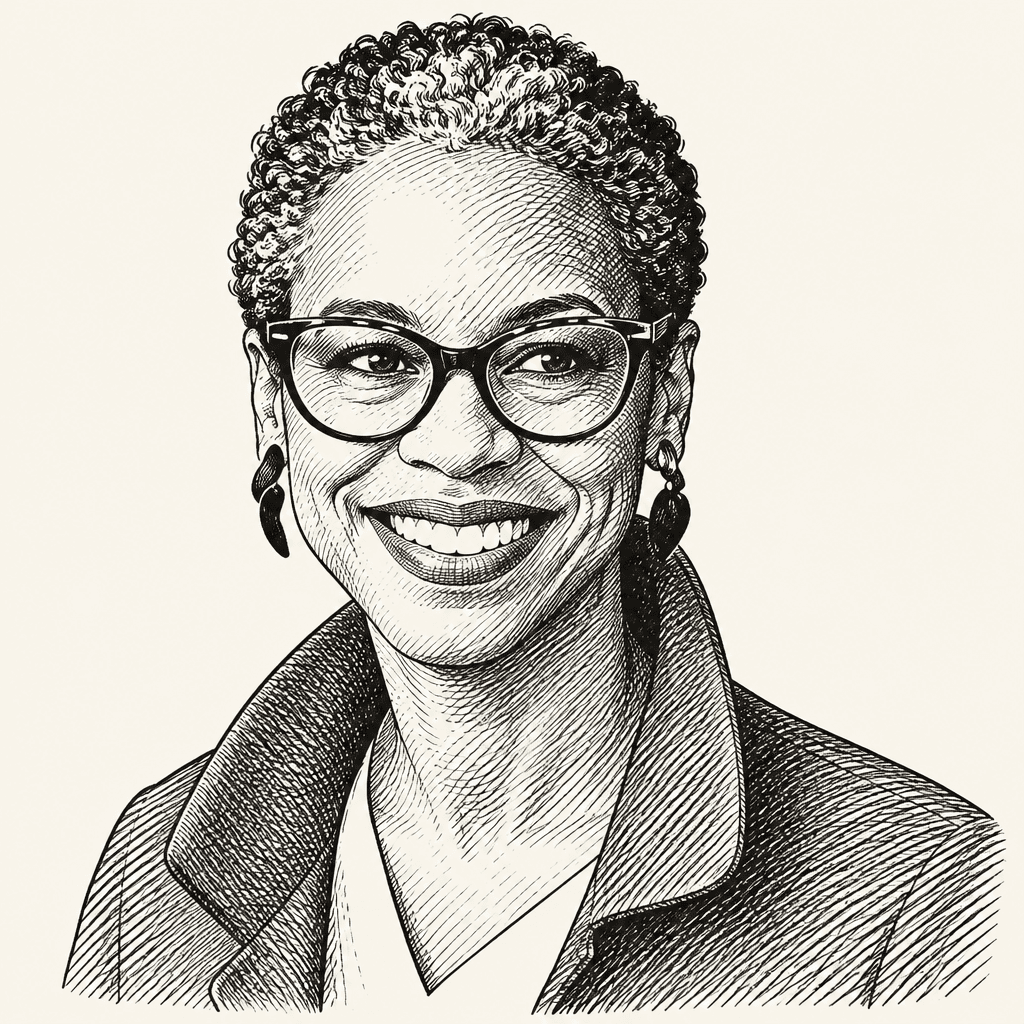 Elizabeth Wilkins
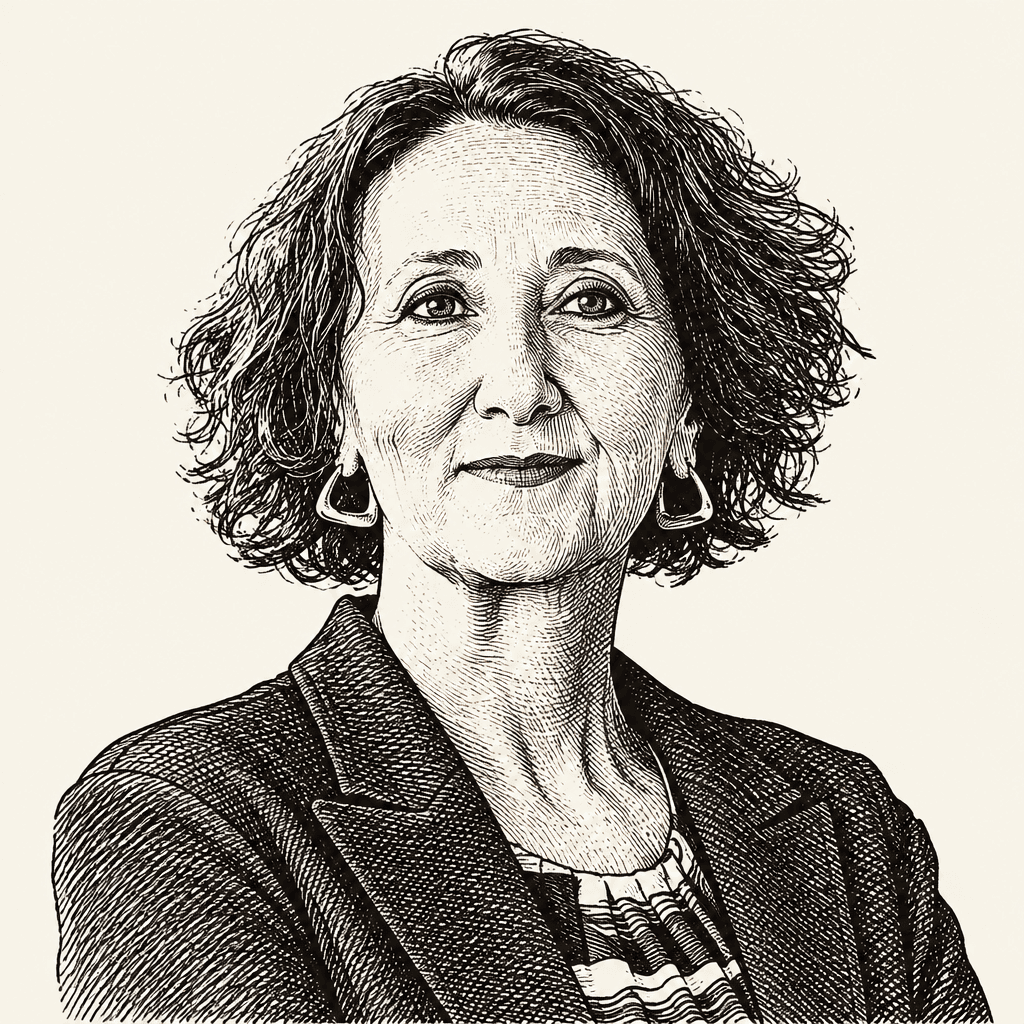 Stacy LeedsShafeka HashashMechele Dickerson
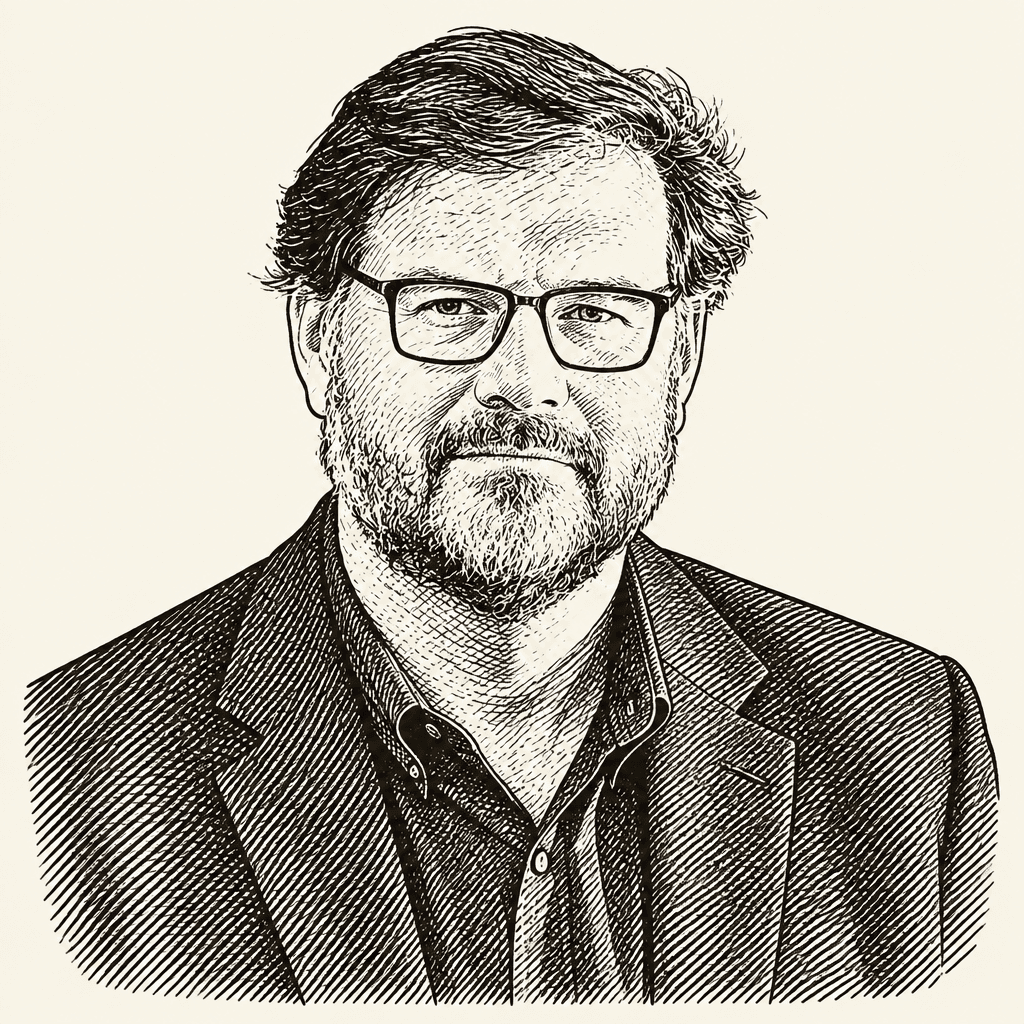 Jonah GoldbergThe Aspen InstituteThursday, October 22, 202612 min read
The panelists argue that a middle-class life depends on more than income: people need security and a credible path from work to a better future. Elizabeth Wilkins says that path has weakened as workers lose bargaining power and the gains of economic growth become less widely shared; the answer, she argues, is to adapt policies that support workers, social insurance and access to essentials. The discussion also points to local decisions on housing, education and child care as part of making that promise attainable.

The middle class is a promise, not just an income band
The middle class is usually measured by income, but the panelists described it as something broader: a sense of security, room to make choices, and confidence that children will have a better life than their parents. By that measure, the middle class can feel as if it is shrinking even when some incomes are rising.
Elizabeth Wilkins said the idea of the middle class is part of the American imagination, not only a statistical category. People who call themselves middle class are often describing a family’s prospects: whether it can withstand setbacks, find opportunities, and expect that effort will lead somewhere. She argued that this expectation has weakened for many Americans.
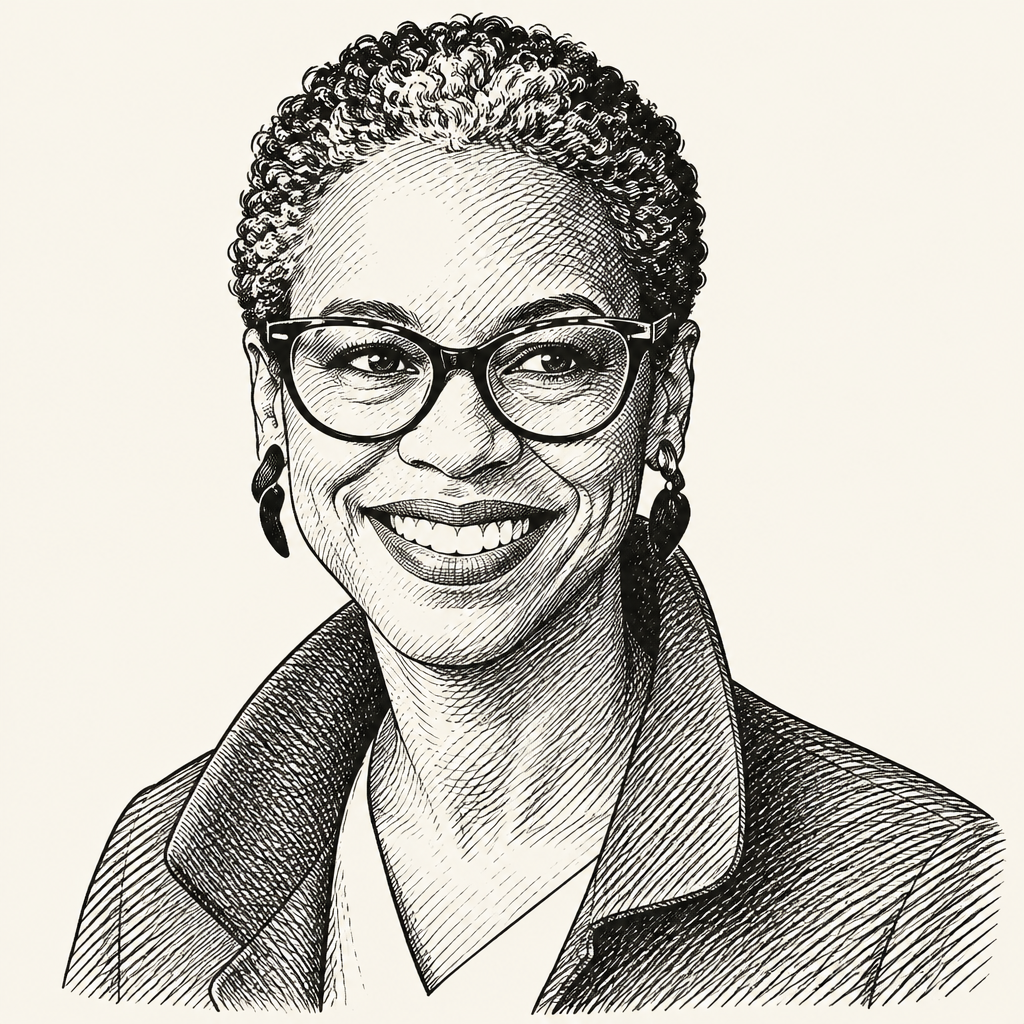
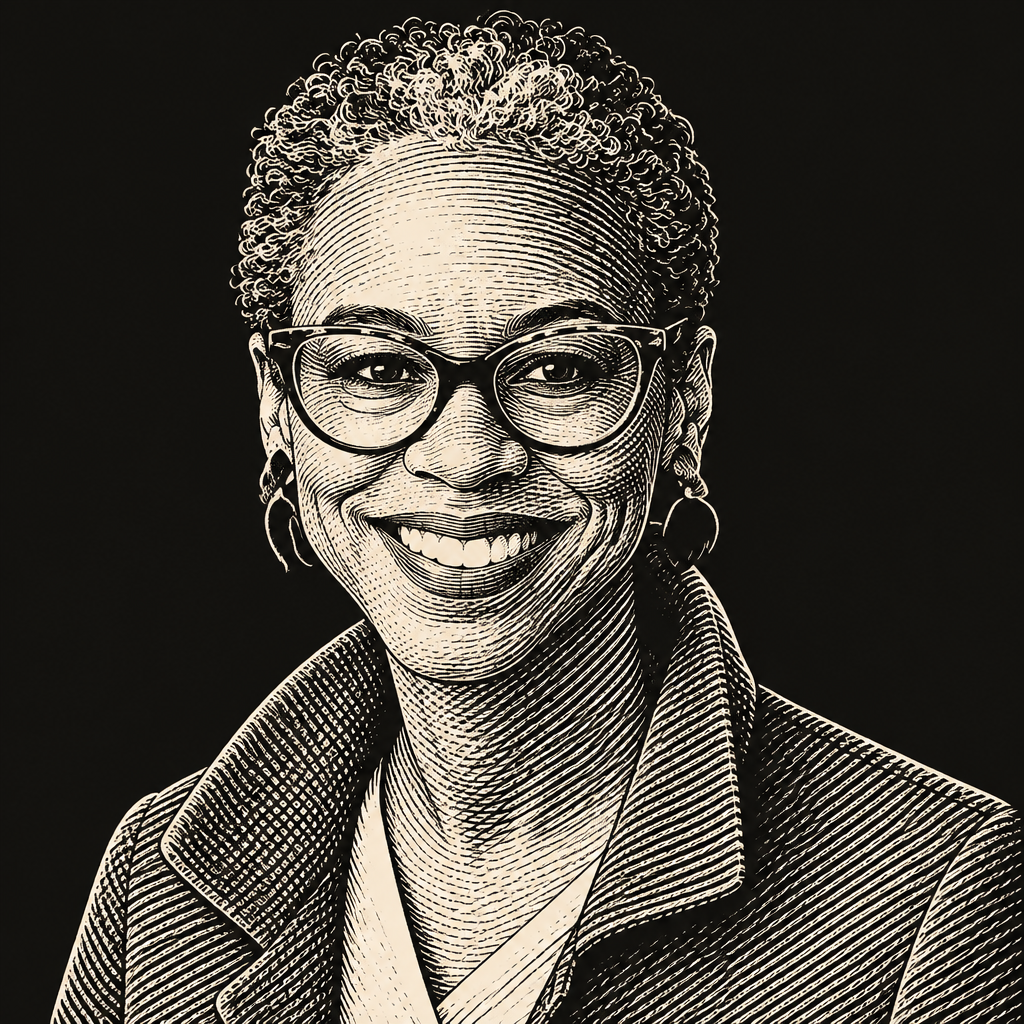
Her examples joined material conditions to that loss of confidence. Wilkins cited an AFL-CIO report finding that CEOs at S&P 500 companies make 312 times as much as the average worker, compared with a ratio of 20 to 1 in 1965.
She also pointed to a Federal Reserve story, reported in the Wall Street Journal, on wealth changes over the previous three years: wealth among the top 10 percent of wage earners had risen 30 percent, while wealth among the bottom 40 percent had fallen. And a Roosevelt Institute poll found that fewer than half of respondents felt they could save for retirement.
Those measures matter not only because they describe what households can afford, Wilkins said, but because they shape whether people believe the bargain of work is fair. If people are working multiple jobs, lack control over their schedules, or take on debt to cover regular expenses, economic insecurity becomes psychological insecurity. The problem, in her account, is not simply that some people earn less than others. It is that the promise “I put in, I get out” no longer seems reliable to many.
Mechele Dickerson added that the middle class has also functioned as a social norm. People may feel unsettled not only because they cannot afford the usual markers of middle-class life, but because they no longer feel they belong to the group that represents ordinary American experience.
Dickerson described those markers as attending college—or helping one’s children attend—having a home or at least affordable housing, holding some short- and long-term savings, and avoiding excessive debt. The difficulty is that earnings can rise without making those things attainable.
The meaning of having a job has shifted, too. Dickerson recalled that when she graduated from college, an older relative could simply ask whether she had a job. Today, a graduate might have to explain that the job is part-time, temporary, or classified as independent contracting rather than employment. The distinction is consequential: a job title by itself no longer guarantees the stability people once associated with work.
Jonah Goldberg accepted that the material pressures were real, while adding that people also measure their lives against what others appear to have. Social media makes those comparisons constant, he said, and presents curated images that can distort people’s sense of how others are doing. But he did not treat that as an alternative explanation for economic insecurity. The loss of predictable work and community stability can make people feel unmoored even if their material circumstances are better than they realize.
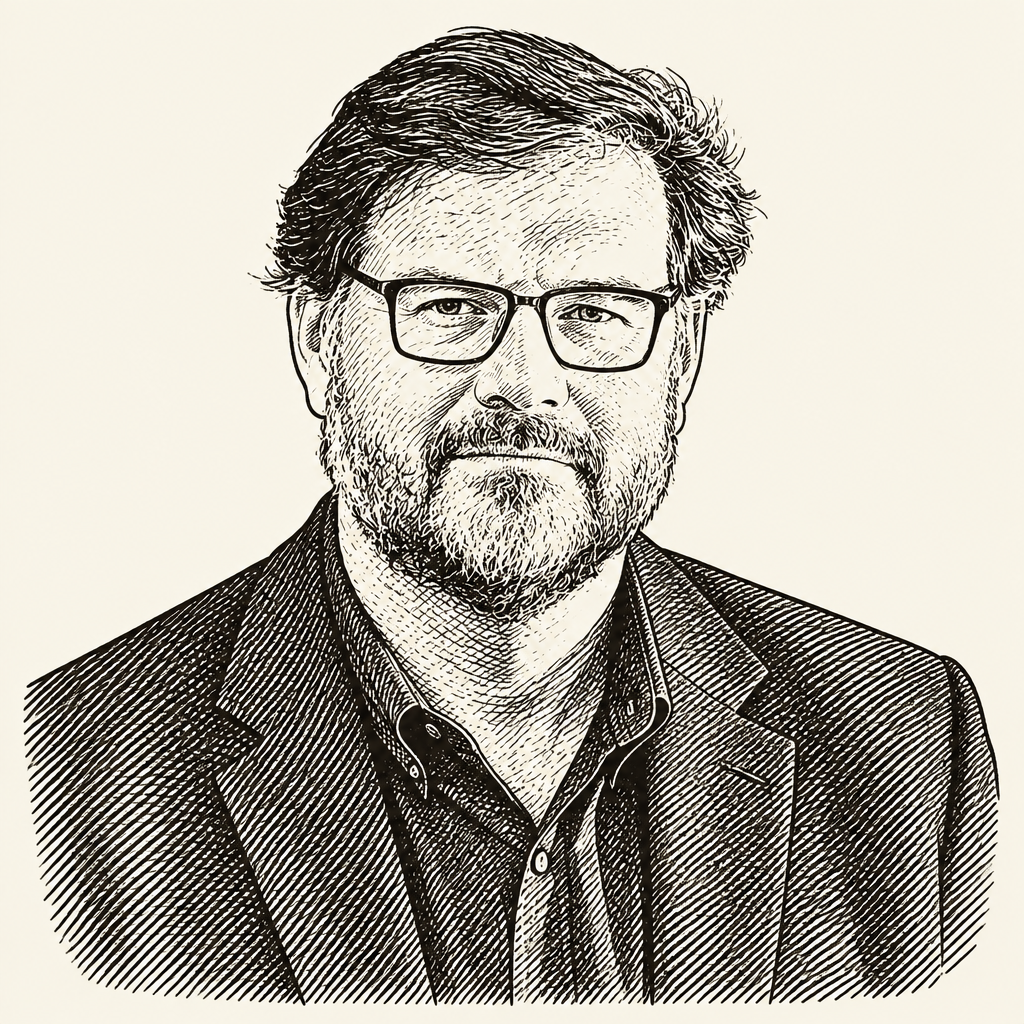

A middle-class life depends on resources, but also on whether people can see a path from their work to a secure future. A definition based only on income misses the second part.
The old playbook has become harder to read
For Stacy Leeds, the phrase “middle class” carries the idea of a playbook: follow certain steps and, at minimum, you should be able to live a good life. Do a little more, and there should be a path to advancement. The problem now is that the goalposts keep moving, and the instructions are not equally available to everyone.
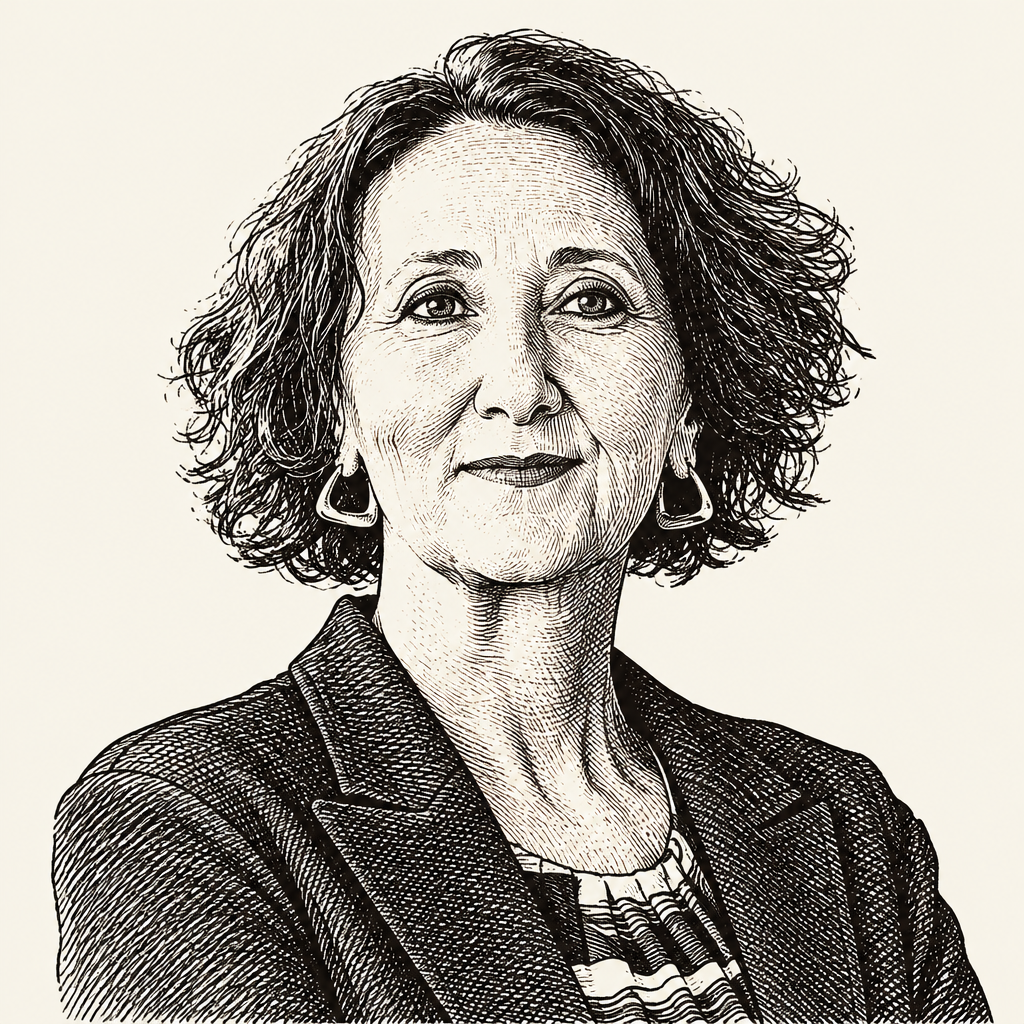
Leeds connected that problem to the University of Tulsa’s tuition. Over time, the university substantially raised its price. Enrollment began to decline before the widely discussed enrollment cliff: on the university’s graph, Leeds said, the downturn began when tuition rose above Tulsa’s median household income.
The university had been following a common private-college model: set a high sticker price, then offer large discounts and scholarships. Students who understand how those discounts work may pay far less than the listed price. Those without guidance may see the sticker price and conclude that the university is beyond their reach. Leeds described changing the policy as an attempt to make the real cost clear to everyone, rather than leave access dependent on knowing how to navigate the pricing system.
Her account points to a wider problem with the education bargain. Higher education is often presented as one of the steps toward middle-class security, but rising and opaque costs can make that step look inaccessible. At the same time, criticism of higher education’s return on investment has grown across party lines. Leeds said the university wanted to address both access and trust: students should know what it costs to educate them, and the answer should not depend on who is asking.
Goldberg raised a related concern about nostalgia for the 1950s. The economy and international context that supported postwar growth cannot simply be recreated, he argued. The United States had expanded industrial capacity during World War II, while industries in Europe lay in ruins; later, Germany and Japan rebuilt and became competitors. The postwar economy also came with institutions such as the GI Bill. Remembering the era’s stability without accounting for those conditions risks treating an exceptional moment as a ready-made model.
Wilkins agreed that neither the economy nor the social order of the 1950s should be restored. Work has changed, and a return to factory-centered employment is not a realistic goal. Nor, she said, should anyone want to return to the exclusions and gender roles of that period.
But she argued that the underlying policy bargain can be renewed in a different form. In her account, the New Deal order treated government as a force that could set rules for markets: allowing rewards for work and innovation while limiting extraction at the top, maintaining a floor through social insurance, and supporting workers’ ability to share in rising productivity. The point was not to freeze the economy. It was to ensure that people felt they had a stake in it.
That bargain, Wilkins said, could be adapted through tax policy, labor law, and antitrust law. The goal would be to encourage innovation that solves real problems, rather than financial arrangements that concentrate wealth, and to address the balance of bargaining power between employers and workers. The historical form would change; the principle would be that following the steps of a working life should offer a plausible route to security.
Building security requires choices at more than one level
Asked what policies could restore a sense of agency, Dickerson pushed back on the idea that political leaders lack the tools to act. The middle class, she said, was created through political choices; the country did not always have one. Leaders had also made difficult choices during COVID, passing measures they might not otherwise have supported because they judged them necessary.
She pointed to Social Security as a federal issue that should be addressed rather than left for a future decision-maker. At the local level, she argued, school schedules could be better aligned with the lives of working families. A long summer break can be especially difficult for parents who have to work through the summer. Schools, she suggested, could organize their hours and calendars around a typical worker’s needs rather than preserve a schedule that does not fit them.
Another panelist, speaking as a tribal citizen in Oklahoma, described tribal governments’ responses to COVID, minimum wage, and child food insecurity. In a state and community where residents may be politically conservative, those choices suggested that policy need not be a simple contest between left and right. The decisions made by tribal governments, compared with those made by state and local governments, had a marked effect on people’s lives.
That speaker also raised the role of companies when government does not act. Businesses can make choices about investment in education, housing, and child care, and sometimes take on functions that resemble public responsibilities. The examples raised a question rather than offering a complete answer: how much should communities rely on companies to fill gaps in public policy, and what happens when they choose not to?
Wilkins argued that policy should enable people to thrive, not only keep them from falling below a minimum standard. She connected the idea of year-round schooling to a broader approach to child care, and said the decision to have children can depend on whether families can afford care and housing. She cited reports about couples in New York who said they might reconsider having children if universal child care became available. She also pointed to Oklahoma’s universal pre-K as an example of a policy that can cross political boundaries.
The common test, in her view, is whether people have enough stability to make important decisions for themselves. If high child-care costs or inaccessible housing prevent families from choosing the life they want, that is a failure of the conditions surrounding them—not simply a matter of individual preference.
Goldberg argued for devolving more decisions from Washington. Federal dysfunction, he said, has left people imagining that distant, unaccountable actors are making choices for them, even as Congress often fails to do basic legislative work. Local officials are closer to the problems, and residents can hold them accountable in local elections. Disagreement does not disappear at that level, but it becomes more concrete: people have to deal with one another rather than argue with an abstraction.
Leeds described local economic development as a place where universities, nonprofits, businesses, and residents can work together. Universities can serve as anchors for communities trying to build or reshape local economies. She named Dayton, Waco, New Orleans after Katrina, and Nashville as examples, while noting that Tulsa was trying to play that role but was not there yet. Outside disaster relief in New Orleans, she said, these efforts were driven largely by regional decisions.
Housing offers a clear example of why local action matters. Dickerson said zoning decisions that restrict the supply of affordable housing are made locally; even a fully functioning Congress could not resolve that problem by itself. Communities can decide whether to permit multifamily housing or affordable homes, and can examine whether objections to those developments are supported by evidence. She challenged the assumption that allowing such housing necessarily damages a neighborhood, noting that residents may invoke “common sense” without data showing that home values will fall.
Workers need the power to leave
Goldberg brought the local-policy discussion back to workers’ ability to find jobs, including the possibility of helping people move to places where employers need labor. He described a proposal by his colleague Michael Strain for federal support to cover moving costs. People may be qualified for jobs elsewhere but unable to leave because the costs of moving are too high, particularly if they must navigate the expenses of leaving public assistance.
Wilkins agreed that workers gain power when labor markets allow them to move. She described two sources of worker power: voice and exit. Voice can come through a union or another way of bargaining within a workplace. Exit means being able to leave for another job. Many workers, she said, cannot easily quit because of their financial circumstances or because their contracts restrict them.
At the Federal Trade Commission, Wilkins worked on a proposed rule to ban non-compete clauses in employment contracts. These clauses can prevent employees from taking jobs with competitors or starting similar businesses, sometimes within a specified time and geographic area. She said the restrictions can apply even to workers such as janitors, not only employees with sensitive technical knowledge. Research she cited found that one in five American workers had signed a non-compete.
The FTC regulation was struck down in court, and the administration then declined to defend it, Wilkins said. But she maintained that non-competes are one example of unnecessary barriers to changing jobs. They matter even when other laws protect intellectual property, because a contractual restriction can make it harder to leave a workplace and bargain for better conditions.
Wilkins pointed to the post-COVID period as evidence of what greater mobility can mean for workers. When people had some financial cushion and employers were competing for workers, she said, workers could look for better jobs and wages rose. She welcomed Goldberg’s suggestion of relocation support as one possible way to give people more freedom, while acknowledging that residents of underinvested communities may reasonably want good jobs where they live, rather than assistance to leave.
Goldberg noted that non-compete agreements may deter workers even when they are not enforceable: people can believe they are bound and fear the legal costs of testing the contract. He said he was sympathetic to restrictions that protect intellectual property, while recognizing that other protections exist.
The broader point was not that every worker should move or that every employer restriction is unjustified. It was that a worker who cannot leave has less leverage. Making it easier to move between jobs can help workers bargain over wages and working conditions.
Political commitment determines whether known tools get used
An audience member asked whether people with political power care about preserving a middle class. Wilkins answered that money in politics makes government less responsive to demands that conflict with the interests of campaign funders. She cited industries targeting politicians who oppose them, naming cryptocurrency and also pharmaceuticals and health insurance as areas closely connected to people’s life opportunities.
Her proposed counterweight was collective organization. Wilkins said she came from the labor movement and believed that organized public pressure could force political actors to respond. She pointed to anger around data centers as one sign of a public backlash capable of changing what politicians think they can safely ignore.
A mayor in the audience responded that local officials do care, and urged people to look to their mayors. Local governments, the mayor said, change people’s lives more often than federal institutions do. Local action can make a difference, but Wilkins’s answer leaves a condition attached: public pressure has to be strong enough to overcome the interests that make government unresponsive.
The discussion of universities raised a related question about what institutions are for. An audience member worried that treating universities chiefly as pipelines into good jobs could subordinate civic education and family life to employment. Extending child care to accommodate long workdays, the questioner argued, might leave parents with little time with their children.
Leeds responded that universities are more socially embedded than they were decades ago, through clinics and partnerships with surrounding communities. She argued that colleges, including community colleges, can fill gaps in local services and respond to what students say they need. Public frustration with higher education does not necessarily mean families reject its value: Leeds said that when people who express opposition to higher education are asked whether they want it for their children, 85 percent say yes.
The practical choices, in the panelists’ accounts, range from school schedules and tuition transparency to social insurance, housing rules, and workers’ ability to change jobs. The harder question is whether institutions will choose to make those routes to security accessible. Dickerson argued that political leaders should be asked plainly whether they support a strong middle class—and that voters should reject those who will not commit to it.
Wilkins’s formulation was specific: social insurance to keep people from falling too far, power for workers, tenants, and consumers, and limits on corporations’ ability to extract wealth. She said the basic ideas are not new; the country has used them before. Leeds added that higher education must not sort people into closed-off tracks, with access and belonging limited to those who can navigate a particular kind of institution. Partnerships across sectors, she argued, are part of keeping those opportunities open.