Employee Ownership Takes Hold Through Transparency, Voice, and Shared Responsibility
 Matt Helmer
 Katiuska Yanez
 Paulette LaDouceur
 Craig MossRandy GalloMary WilderThe Aspen InstituteTuesday, November 3, 202614 min read
The Aspen Institute Economic Opportunities Program’s report *What Employee Ownership Means to Workers* finds that a legal stake alone does not make employees feel like owners. Drawing on focus groups with 85 workers at 12 companies, it argues that ownership becomes meaningful when employees can understand the business, share in its financial outcomes and help shape decisions. The report also finds that how those opportunities work depends on the ownership model and the practices companies build around it.

Ownership becomes real when workers can see and shape the business
Employee ownership means more than receiving shares or a future payout. In the worker accounts collected by the Aspen Institute Economic Opportunities Program, it also meant knowing how the business works, having a say in it, and feeling accountable to colleagues and customers. Those experiences differed across ownership models, but a recurring point was that the legal structure alone did not make people feel like owners. The practices around it did.
The research behind the discussion drew on focus groups with 85 employee-owners at 12 companies: five ESOPs, three employee ownership trusts, two worker cooperatives, and two companies that partnered with Ownership Works on broad-based equity plans. Participants worked in fields ranging from manufacturing and transportation to care, swimming instruction, and vegetation management. Matt Helmer said many companies came through referrals or were selected because they had strong ownership cultures. The findings are not a representative sample of the field, but Helmer said they offer useful accounts of what ownership can mean in practice.


Workers most often described ownership as a financial stake: a share in profits, equity, or the company’s value. They also spoke about shared goals, responsibility to coworkers, and the ability to influence decisions and improve their work. In some cooperatives and ownership trusts, ownership carried another meaning: a way to protect a company’s social purpose.
For Craig Moss, the shift became real when Integrated Specialty Coverages’ leadership started discussing finances with employees. After the company announced that it was employee-owned, executives held quarterly meetings about subjects discussed in the boardroom, including where money came from, where it went, and how employees’ work affected the business. Moss described the moment the leadership team brought employees into those discussions:
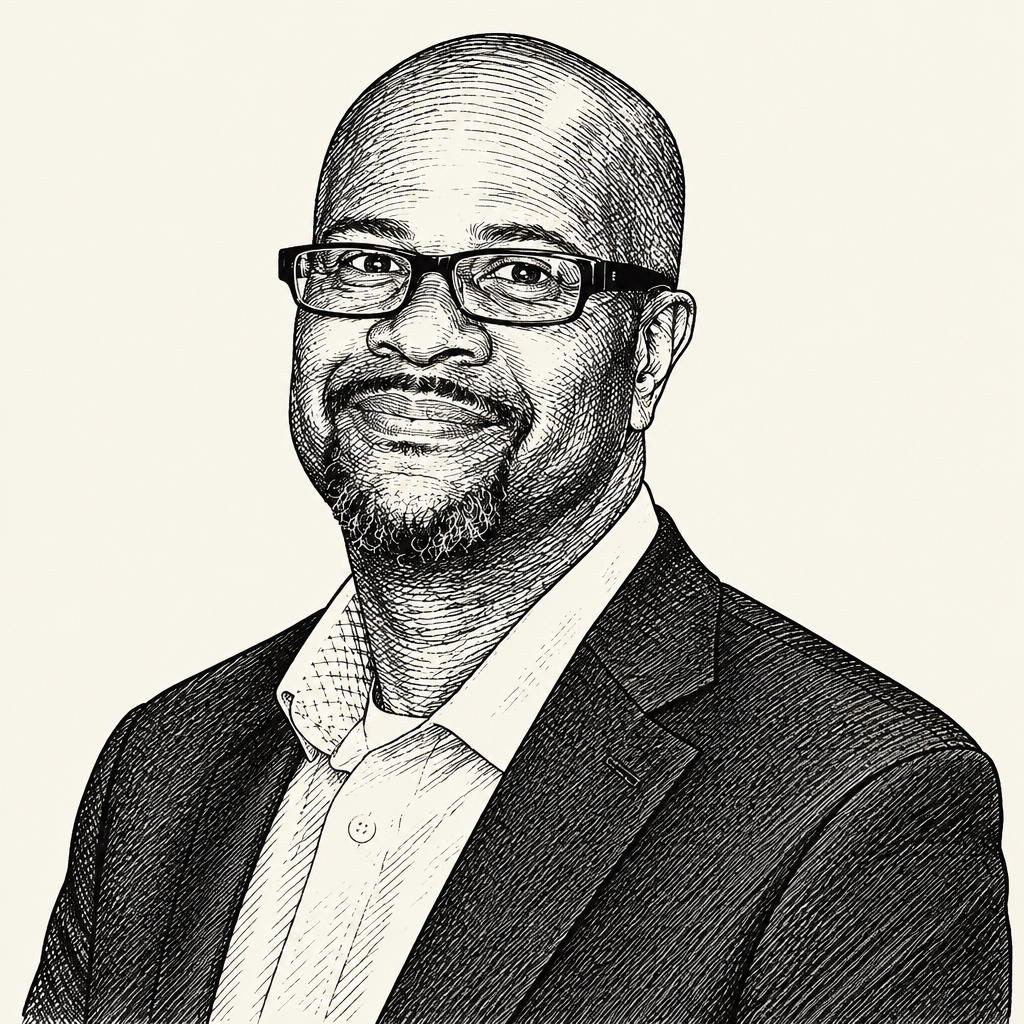
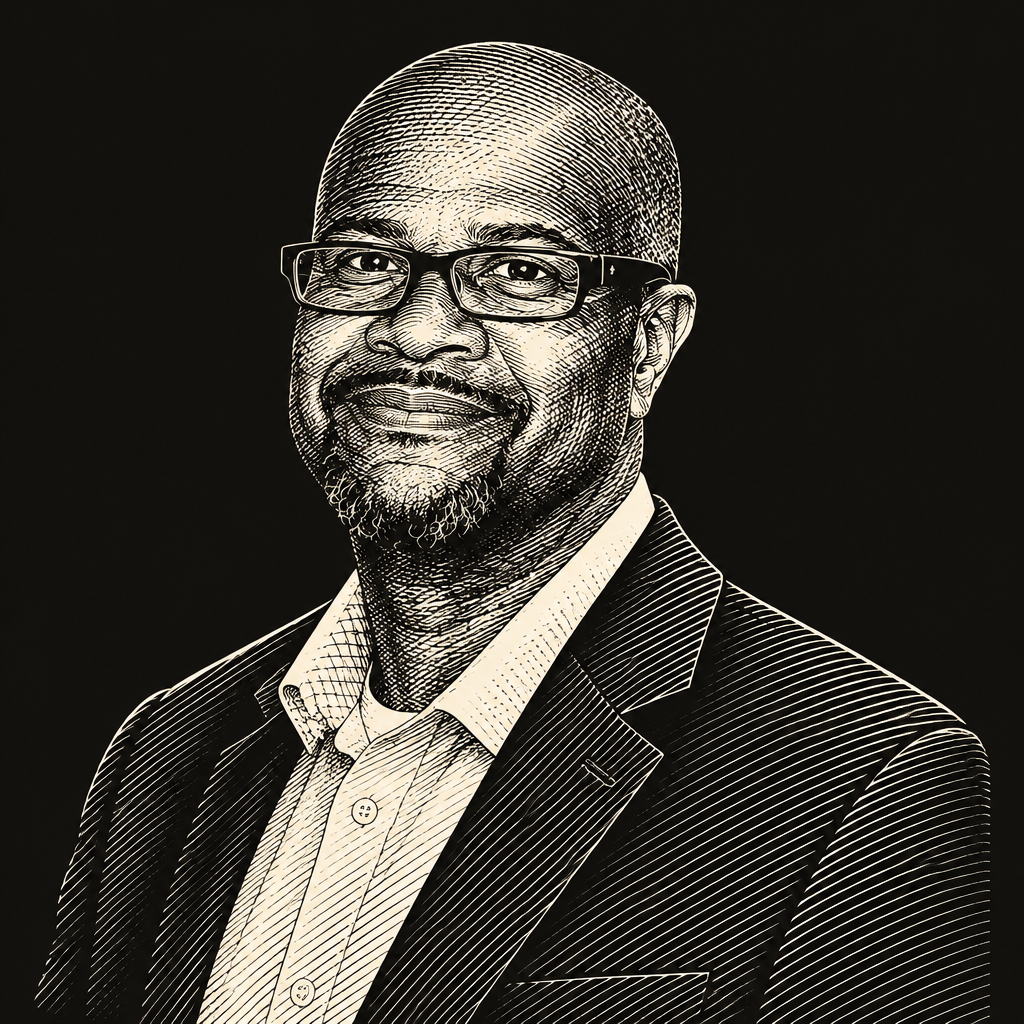
When they pulled everyone in and made us one of them to talk about how finances are affected by what we do, that's when it clicked.
The meetings linked business information to workers’ decisions. Moss said employees discussed financial results, problems and solutions, and how their work related to both. For him, ownership became more than a promised future payout when employees could see how the company operated and where they fit into it.
At Threaded Fasteners, Randy Gallo said the first ESOP statement often marked that moment. Seeing the number of shares and their value helped employees understand that the promised stake was real. The statements became more meaningful over time, as workers received them year after year and began to understand the value of their shares.
Other turning points came through responsibility rather than a financial statement. Paulette LaDouceur, who began as a caregiver at Capital Homecare Cooperative, said she began to feel like an owner when she joined the board and took on work connecting her to clients and other caregivers. A wider moment of recognition came when the cooperative had to raise wages and client rates. LaDouceur and her colleagues agreed to adjust rates, collect the new revenue for a couple of months, and then give workers raises. She recalled seeing the idea land with the group: they had identified a business problem and made a solution together.


Mary Wilder’s first unmistakable experience of ownership was more difficult. At Shine Nurture Center Cooperative, where she was an original worker-owner and board director, she had to help decide whether to fire an employee and sign the termination letter. The decision made her confront the consequences of running a business: “I am determining if somebody can pay their bills next month.” She said colleagues began to feel ownership in board meetings and when they had to resolve workplace problems. Responsibility was not simply a benefit of ownership; it also meant making consequential decisions on behalf of the business and the people in it.
Katiuska Yanez described a different sequence. Ocuatics Swim School taught employees to take responsibility for its successes and mistakes, and practiced open-book management before becoming 100% employee-owned through an ownership trust in March 2024. By the time the trust was announced, Yanez said, employees already behaved as if the company were theirs. Still, she remembered the announcement meeting as the point when ownership became official and emotionally real.


The moments when ownership “clicked” were not identical: a financial discussion, an ESOP statement, a group decision about rates and wages, a difficult personnel decision, or an announcement that formalized a culture already in place. The accounts point to more than one route into ownership. Workers described both a financial stake they could understand and opportunities to take part in the business.
A shared stake depends on how the workplace is run
Matt Helmer identified five practices common among the companies in the research: communicating shared values and goals; teaching employees how their ownership model works; making business and financial information understandable; creating ways for workers to shape decisions; and investing in mentoring, coaching, and leadership development. The details varied, but the purpose was to make ownership something employees could understand and exercise in their daily work. Helmer said the companies differed in how intensively and consistently they carried out those practices.
The models themselves are not interchangeable. ESOPs, worker cooperatives, and ownership trusts are generally structured for long-term ownership, while the broad-based equity plans in the study offered a shorter-term experience. The amount and timing of workers’ financial stakes also differ. A worker may receive value through shares, profit distributions, or another form of equity, and the time before that value is realized can vary.
Governance differs more sharply. Worker cooperatives are controlled and managed by their workers. ESOPs and trusts can give employees substantial input without giving them the same formal governing role. In those companies, workers may have channels to offer ideas and influence workplace decisions, but that is not the same as formal worker control. One ESOP in the research had a worker on its board, Helmer said, and implementation can vary even within the same ownership model.
The distinction between participation and governance is visible in the panelists’ examples. Craig Moss described channels through which workers could raise ideas and identify community priorities. Those practices gave employees ways to contribute, though Moss did not describe ISC as worker-governed. Mary Wilder and Paulette LaDouceur, by contrast, spoke about cooperatives in which worker-owners participated in boards and business decisions. That formal responsibility can make a worker’s voice more direct, while also demanding time and effort from people already doing difficult work.
At Ocuatics, investment in employees includes book clubs, financial-literacy training, mentoring, and a program intended to develop future managers. The company promotes from within; Katiuska Yanez began as a swim instructor in 2017 and moved through leadership roles before joining the lead team. She said many employees in senior positions also started in entry-level roles. The company treats its team as its “number one customer,” on the grounds that employees who are cared for will take care of customers and families.
Yanez also described Ocuatics’ community commitments as part of its culture. The swim school offers scholarships to expand children’s access to lessons, and employees lead beach and community cleanups. She said its B Corporation certification means an independent group evaluates how it treats workers, the community, and the environment, not only its profit. In her account, the ownership trust sits within a company that already linked employee development and community responsibility.
Threaded Fasteners takes a different approach to employee development. Randy Gallo said every location holds a monthly “character core” meeting on a shared topic, such as dependability or enthusiasm. The company also offers mentoring and seeks employees who want to learn and grow. Gallo connected that work to succession planning: the company’s future ESOP payout, he said, depends on its ability to keep growing and prepare people to carry the business forward. He wants to leave knowing he has trained others to lead, whether they remain at Threaded Fasteners or take what they learned elsewhere.
For the two care cooperatives, culture is inseparable from the work itself. Wilder said Shine treated care for employees as part of providing care for children. Staff could take mental-health days or step away when overloaded; team members participated in interviews for new hires; and the cooperative tried to respond when employees needed help, including with housing. The team also held informal gatherings when they felt they needed to reconnect. “If you need it and we can do it, we’re going to do it,” Wilder said. The goal, she explained, was to help staff be better able to care for children.
LaDouceur described the connection as reciprocal. In her view, caregivers who feel invested in and supported can be more patient and provide better care. She contrasted the cooperative’s approach with her account of large corporate agencies, where caregivers may not have the same involvement in decisions or ongoing communication. Capital Homecare, she said, maintains a communication stream among caregivers, clients, and the organization, allowing workers to raise concerns and remain aware of what is happening with care plans.
Cooperative governance can be demanding. LaDouceur said the work itself is difficult, and employees may have little capacity left for board responsibilities. Capital Homecare has struggled at times to fill board seats. She also acknowledged that worker ownership is not for everyone: people do not enter a job already prepared to run a business, and she herself was initially frightened by the responsibility. The cooperative tries to make expectations clear in recruitment and onboarding and to keep sharing information so employees can develop their voices. The shared responsibility, she said, also means no one has to carry it alone.
The benefits reach beyond the payout
The financial gains described by workers took different forms. ESOP participants spoke about retirement security and the possibility of retiring with dignity. Employees at companies with broad-based equity plans described payouts that helped them pay a mortgage or cover college costs. Cooperative members discussed profit distributions that increased their pay and made them feel valued. At ownership trusts, workers described distributions that helped with retirement savings or day-to-day expenses.
Matt Helmer emphasized that the amount of equity or profit shared, and when workers receive it, differ across models. Long-term ownership structures can give workers a stake whose value builds over time, while payouts from broad-based equity plans may come on a shorter horizon. For workers facing immediate expenses, a benefit that may arrive much later can feel different from a distribution available now. Helmer raised affordability as an open question: if ownership payouts are distant, what can employee-owned companies do to help with current financial pressures? He noted that some companies already address short-term needs in different ways.
Paulette LaDouceur said Capital Homecare Cooperative distributed more than $34,000 in shared profits the previous winter, a moment she described as empowering and exciting. The cooperative began operating in 2018, and 2025 was the first year it had a distributable profit.
Workers also connected ownership to job security. Helmer said participants in ESOPs and ownership trusts in particular valued the sense that a company would not be sold out from under them. At Ocuatics, Katiuska Yanez tells friends and family that, under the trust, the school cannot be sold to an outside buyer who does not share its culture or care about its team and families. She added that present-day decisions must protect the co-owners who come after today’s employees.
Randy Gallo described teamwork as one of the most visible effects at Threaded Fasteners. Employees, he said, come in with a common goal because the results benefit them too. Craig Moss made a similar point about ISC’s first “turn,” the company’s sale under its ownership arrangement. He said what stayed with him was not primarily the payout but the way teams came together before and after the transaction to improve everyday work. Employees were trying to make processes more efficient, and Moss said that collaborative momentum continued after the sale.
Helmer said workers in the focus groups often reported more voice and control than they had experienced at earlier employers. Many also described a sense of family and job quality they considered better than anything they had encountered in their careers. Some said ownership changed how they approached life beyond work, making them more engaged in their communities.
Mary Wilder described a lasting personal effect. Her experience at Shine, she said, made her more conscious of what she put into the world and more respectful of other people. It changed how she viewed children: adults, in her words, should foster who a child already is rather than try to create that person. She said she had turned down jobs after seeing staff fail to respect children as individuals, regardless of the pay or the workplace’s outward reputation.
The stakes are especially visible in care work, where LaDouceur said workers have long been marginalized. She described the cooperative as a way for caregivers to build skills and practice workplace democracy while addressing shared problems. The work is difficult, and systemic shortcomings such as limited health insurance and retirement security remain. But, she said, workers who feel valued and connected to their work can build trust with one another and with clients over time.
That distinction between what ownership can do and what still requires broader support came through in the discussion of policy. LaDouceur said home-care worker turnover was 34% in the cooperative sector, compared with 79% industry-wide. She argued that cooperatives need support to ensure workers have health benefits and people who need care can access it.
LaDouceur connected the need for support to rising care needs and the number of workers the sector will need. She said the cooperative experience offered lessons, while also pointing to larger needs—including health benefits and access to care—that require broader support.
Growth brings different risks, not a single template
Participants described practical problems that other companies could learn from. Craig Moss said ISC initially told employees they could make money if the company reached certain targets, but some employees found the prospect hard to believe without something concrete. In the company’s setup, he said, the shares were worth zero when employees received them because there was a floor. ISC created something tangible showing employees how many shares they had. That helped turn a promise that seemed “like a ghost” into something employees could see and understand.
The problem, Moss said, was not simply that employees lacked information. They had been told what could happen, but the promise was difficult to grasp without something they could hold onto. Once workers could see how many shares they had, he said, uncertainty gave way to buy-in. At Threaded Fasteners, Randy Gallo likewise emphasized the importance of employees receiving ESOP statements and being able to ask questions about them. For Gallo, regular education helped employees understand what ownership meant financially and personally over time.
Ocuatics’ experience suggests that preparation can begin before the ownership structure is in place. Katiuska Yanez said the company shared financial information and taught employees how the business worked before becoming an ownership trust. Building that culture first made the legal transition feel more natural, she said. Some ownership cultures, Helmer noted, predate formal conversion. In Yanez’s account, employees had already learned to think about the company’s success and mistakes as shared concerns before the trust gave that culture a formal structure.
For worker cooperatives, the challenge is not only understanding the ownership model but finding the time and willingness to govern. Paulette LaDouceur said recruitment and onboarding matter because employees need to know they are joining a different kind of workplace, and because democratic participation asks more of workers than simply completing their job duties. She described periods when Capital Homecare struggled to keep board seats filled because workers were already stretched by demanding care jobs. The cooperative’s shared responsibility can make that load manageable, she said, but it does not make the work effortless. Some employees may be drawn to the model, while others may not want the additional responsibility.
The differences across models also complicate a single policy or investment prescription. Helmer described the long-term orientation of ESOPs, cooperatives, and ownership trusts alongside the shorter-term experience of the broad-based equity plans in the research. He noted differences in how much workers receive and when. Governance ranges from formal worker control in cooperatives to input and engagement without the same formal authority in other models. A design that suits one company or workforce may not fit another.
Helmer pointed to unresolved questions about how to improve these arrangements. One is the distribution of the financial stake: what share should go to workers, compared with executives or investors? Another is how companies can support workers’ financial security when a payout may be far in the future and affordability is an immediate concern. A third is how workers might participate more directly in governance and decision-making. The example of an ESOP with a worker on its board suggested one possible variation, but Helmer did not present it as a standard practice.
The panelists made different cases to investors and policymakers. Gallo emphasized the possibility of stronger companies, better teamwork, lower turnover, and safer workplaces. He said employee-owners have reason to watch out for one another, including to reduce injuries that could affect their stake.
Yanez emphasized a different distribution of value: employee ownership can reward the founder who built a business while also helping workers build wealth, support their families, and keep more money circulating locally. At Ocuatics, she said, about 60% of co-owners were born outside the United States and 74% were women; the youngest was 20 and the oldest 83. For her, those figures illustrated that ownership need not be reserved for a narrow group.
Moss argued that transparency can change how employees understand questions about wages. He did not say wages should not rise; he said they should. His point was that employees who can see what is happening financially may have less reason to speculate about decisions made “behind the curtain.” That argument depends, he added, on management and implementation.
The discussion also left room for a broader lesson that does not depend on adopting an ownership structure. Helmer said open-book management, financial transparency, worker input, mentoring, and leadership development do not require employees to hold an ownership stake. The company’s structure shapes how workers share financially and how much formal governing authority they have; its practices shape whether workers can understand the arrangement and contribute to the business.