Democratic Transitions in the Americas Depend on Public Ownership
 Dominique Dupuy
 Albert Ramdin
 Leopoldo LópezMaria BozwanskiMarc CaputoThe Aspen InstituteThursday, July 16, 20269 min read
Democratic transitions in the Americas risk losing legitimacy when security-first or externally coordinated roadmaps lack credible evidence that power will change hands and domestic political ownership. Leopoldo López argued that Venezuela needs visible steps toward a credible election and the dismantling of repressive institutions; OAS secretary general Albert Ramdin backed country-specific pathways that extend beyond elections to durable governance. Former Haitian foreign minister Dominique Dupuy warned that Haiti’s prolonged interim rule shows how transition plans can perpetuate exclusion when the public remains outside the political process.

The security case for democracy turns on who owns the transition
The panel treated political disorder in the Americas as a security problem, not only a question of democratic values. But its speakers disagreed over the practical meaning of a transition: whether stability must come before elections, whether elections can create the stability that is missing, and whether an externally supported roadmap can earn legitimacy without meaningful ownership by the people living under it.
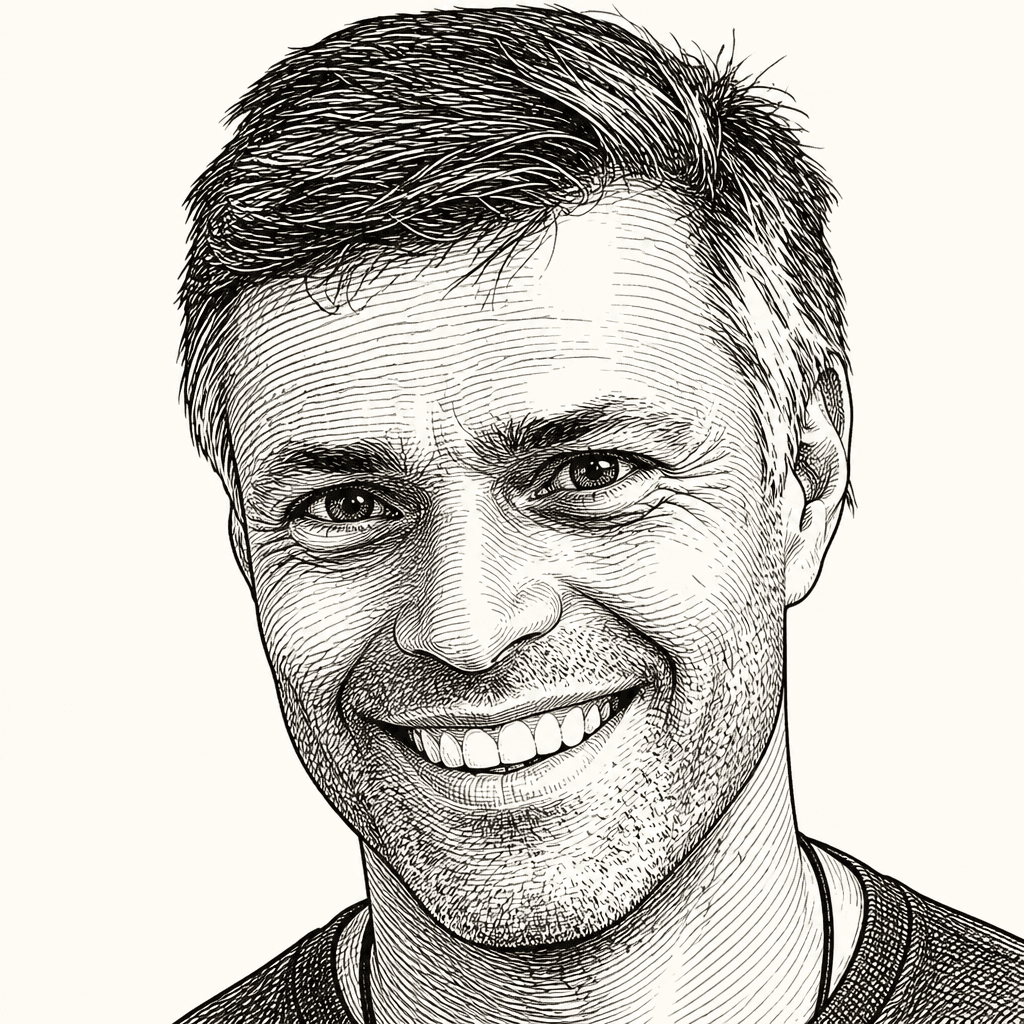
Leopoldo López framed Venezuela’s future around visible, near-term democratic movement. Nicolás Maduro’s removal on January 3, he said, created an opening that elections, protests, negotiations, and sanctions had not achieved under the prior government. But the opening is not self-executing. A transition that leaves Maduro’s former vice president, Delcy Rodríguez, in place without a credible route to elections risks becoming an arrangement Venezuelans experience as a new form of entrenchment.
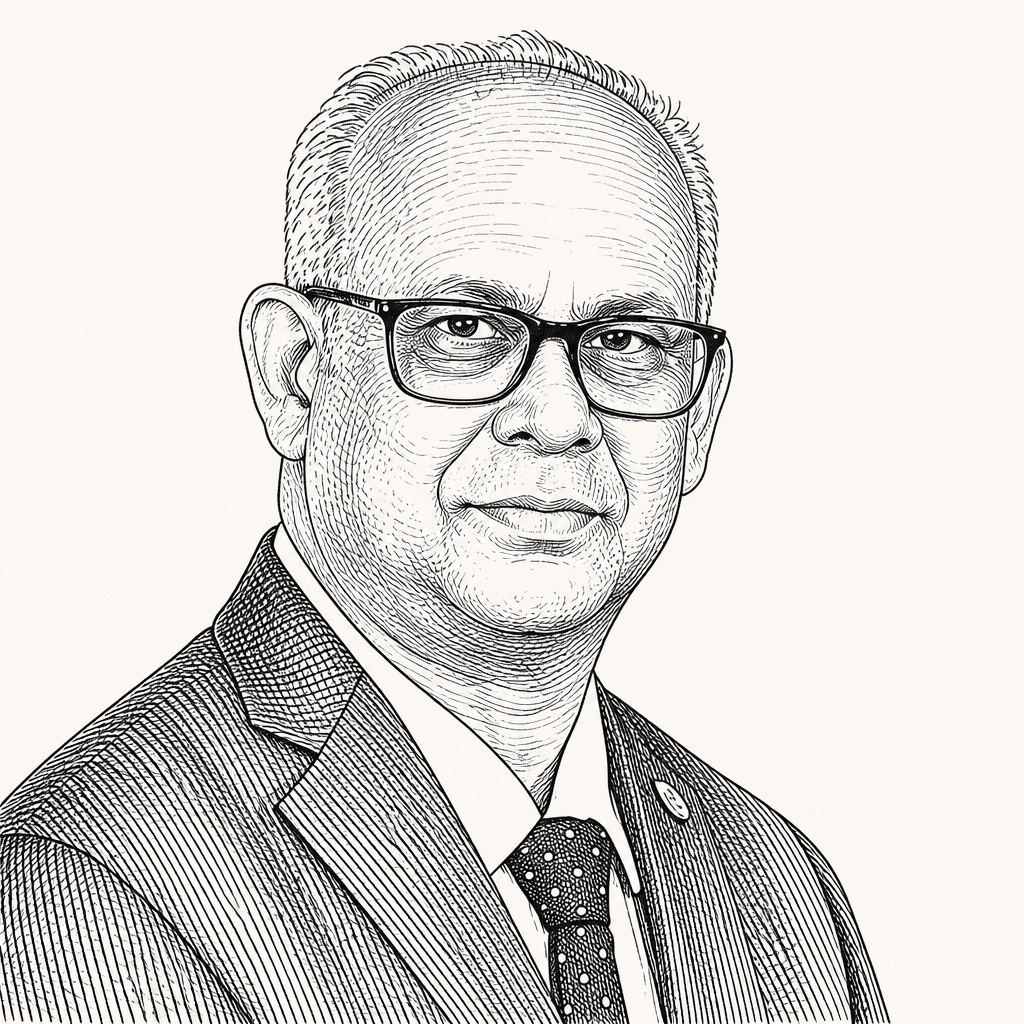
Albert Ramdin offered a more institutional account. The Organization of American States supports roadmaps toward stability, recovery, and democratic government, he said, but the roadmaps must fit the country. Venezuela, Cuba, Haiti, and Nicaragua cannot be approached with a single template. Elections matter, but they are not the end point: legitimate governance afterward is the harder task.
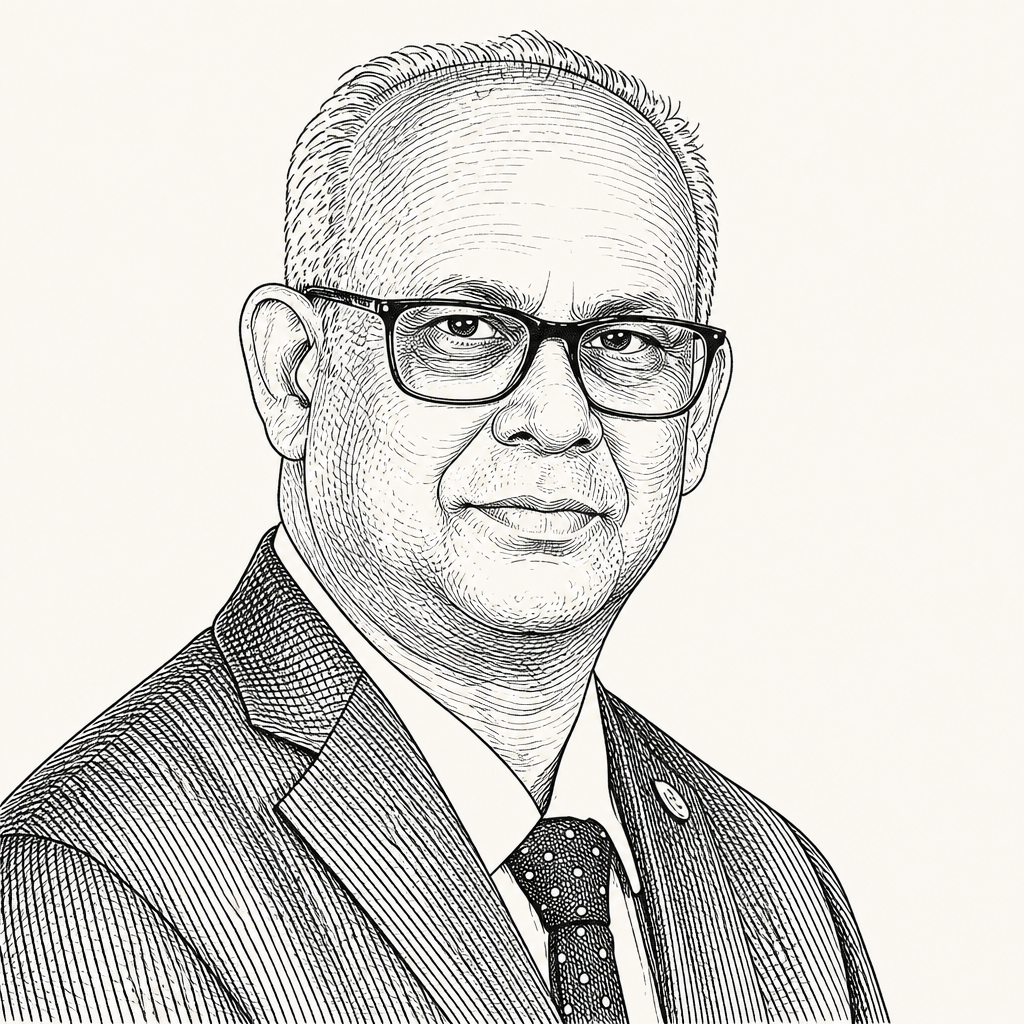
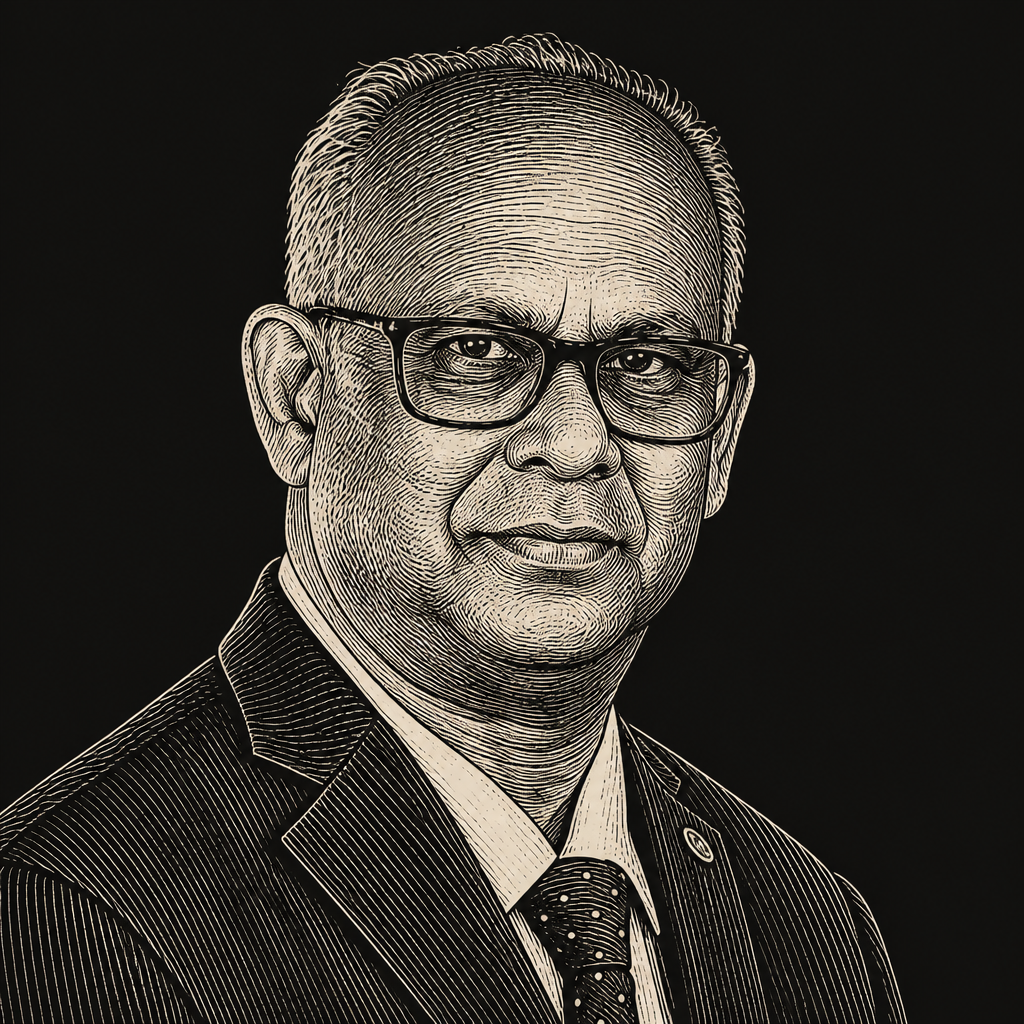
Dominique Dupuy argued that Haiti demonstrates the danger in treating a transition framework as progress by itself. Haiti has no elected officials, she said, its president was assassinated, and it has gone a decade without elections at any level. In those conditions, appeals to “leadership” can bypass the Haitian population whose political future is being decided. Security and elections are interdependent, she argued, yet the argument that elections must wait for security can become a rationale for an endless interim period.
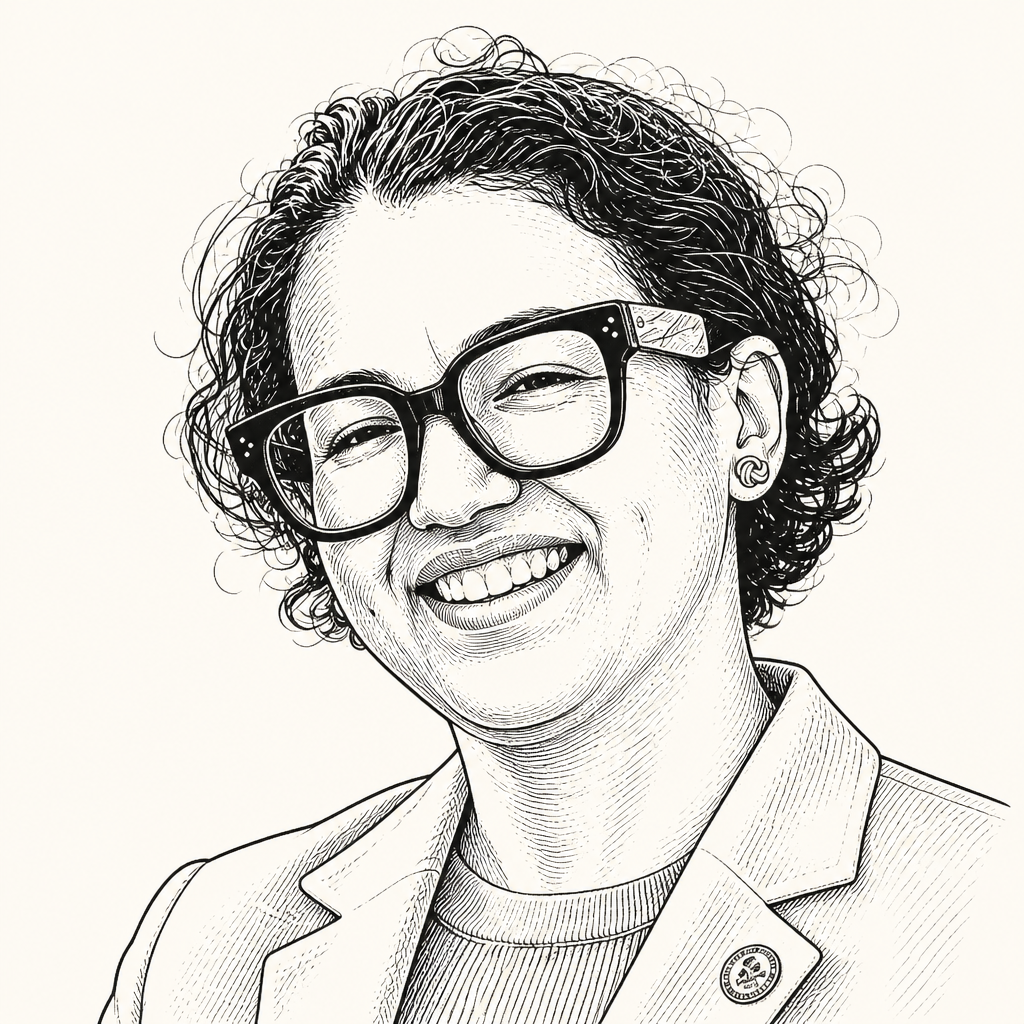
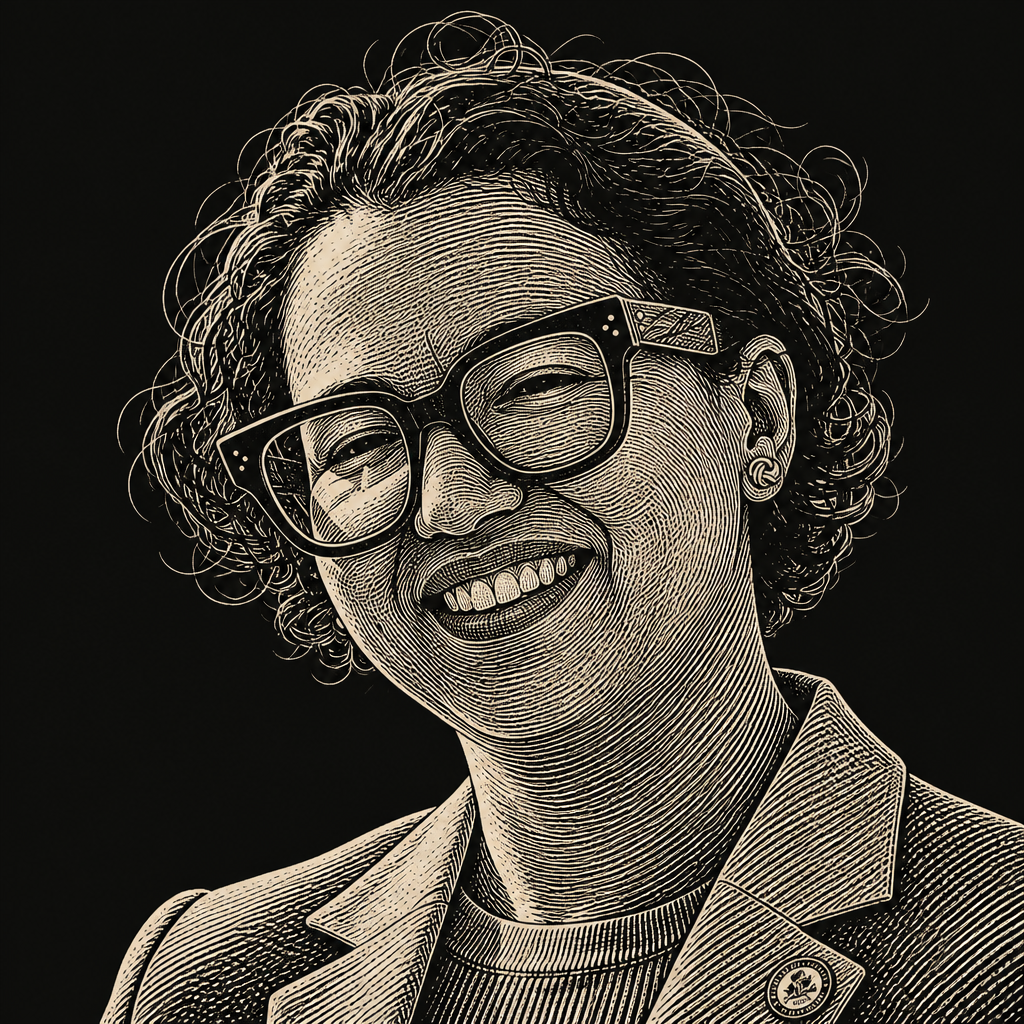
The disagreement is therefore not over whether democracy is desirable. It is over whether democratic legitimacy can be built through externally coordinated institutional sequencing, or whether that sequencing will fail unless domestic political actors—and, in Haiti’s case, the public beyond a narrow class of leaders—are substantively part of it.
Venezuela’s transition needs evidence that power will actually change hands
López endorsed the U.S. three-phase plan associated with Secretary of State Marco Rubio: stabilization, economic recovery, and democratic transition. He gave it a “B-plus, A-minus,” saying Maduro’s removal had stabilized the country and begun to create conditions for recovery. But he made democratic transition the measure by which the plan should ultimately be judged.
Before January 3, López said, Venezuela’s opposition had tried elections, repeated street mobilizations, negotiations through mediators including the OAS and the Vatican, and sanctions. None had produced change. He said Edmundo González won the 2024 election with 70 percent of the vote after María Corina Machado, the opposition’s intended candidate, was prevented from running. In his account, U.S. intervention broke an impasse that domestic opposition alone could not.
The remaining political-prisoner population is one immediate test of the new order.
López said Venezuela had approximately 1,200 political prisoners before January 3, leaving about 500 still detained after the releases. “No excuse” exists for holding them, he said. He also argued that the transition cannot wait for an election to begin dismantling the institutions of repression. In particular, he pointed to Interior Minister Diosdado Cabello, whom he described as an indicted individual with a $25 million U.S. reward, still in charge of security forces responsible for repression.
The institutional signal López wants most clearly is a new electoral board in 2026. That body, he said, should establish the conditions and timeline for a credible election. He was less concerned with naming an immediate election date than with creating a process that gives Venezuelans and potential investors confidence that a vote will occur under legitimate administration. Economic recovery, in his view, depends on clear rules of engagement, rule of law, and democratic legitimacy; stabilization alone cannot produce the scale of investment Venezuela needs.
That is also why he saw U.S. backing for Rodríguez as politically hazardous. López described her as illegitimate because she served as Maduro’s vice president, and he said Venezuelans will lose their goodwill toward the United States if Washington appears prepared to keep her in place indefinitely. Public commitments to elections are useful, he said, but insufficient without actions that demonstrate a transfer of power is being prepared.
Machado’s return is part of that demonstration. López said she has the right to return to Venezuela and should do so soon, particularly after an earthquake that, in his telling, exposed the Venezuelan state’s incapacity. He cited an official death toll of nearly 5,000, with unofficial estimates potentially far higher, and said the state did not provide a meaningful response for 72 hours while international rescue teams arrived first. The disaster revealed not simply weakened emergency response, he argued, but a country close to a failed state.
For López, then, an election is the pivotal event but not the whole transition. The legal basis of authority, the electoral administration, the security apparatus, and the return of democratic leadership all need to change before a vote can credibly settle Venezuela’s political future.
Haiti’s crisis makes delay economically and politically self-reinforcing
Dupuy rejected the view that Haiti is moving adequately toward stabilization. She described disrupted schooling, closed hospitals, displaced families, and an economy that has collapsed apart from criminal activity. More than 500,000 people are internally displaced, she said, while the state cannot reliably provide justice, water, health care, or territorial control.
Her central claim was that Haiti’s violence is not merely a breakdown to be contained. It has become an economic system with constituencies that benefit from its continuation. Gangs are criminal organizations, she said, but above all they are economic organizations. She identified kidnapping, business extortion, sexual violence, control over transportation corridors, organ trafficking, human trafficking, arms trafficking, and illicit financing as parts of the system.
Dupuy called the result a “hostage economy.” Local, state, and international actors, she argued, can make more money through instability than they could in a functioning Haitian economy. As this system expands, gangs replace the state in spaces the state can no longer occupy.
That diagnosis sharpens the sequencing problem around elections. International actors say elections require a secure environment; Dupuy said Haiti also needs elections to secure the gains that might be made on security. If the transition continues to be postponed, the danger is not simply missed electoral deadlines. It is that gangs will become the practical substitute for the Haitian state.
Ramdin agreed that security is indispensable. The OAS, he said, is coordinating with the United Nations and Caribbean Community rather than seeking to replace them. He described a Haitian-led OAS program, the “Roadmap towards peace and stability, peace and development in Haiti,” covering security, humanitarian aid, human rights, development, political dialogue, elections, and economic rebuilding. Its immediate priorities are mitigating insecurity and holding elections before another political vacuum emerges in February of the following year.
He said the OAS is moving in the right direction, though not quickly enough for him, and emphasized that conditions inside Haiti and the broader international environment constrain the pace.
Dupuy’s concern was not simply that coordination is too slow. It was that coordination around recognized “leaders” can reproduce the political exclusion at the heart of the crisis. A country with zero elected officials cannot be casually described as approaching democratic restoration, she said. Nor will public confidence be rebuilt through self-proclaimed leaders whom Haitians may regard as participants in the crisis, including figures supported by the United States.
She invoked a Haitian Creole saying: se grès kochon ki kwit kochon an—the pork’s own fat cooks the pork. Her point was that a Haitian solution requires the Haitian population itself as an active force, not merely as the object of international planning. Ramdin’s conversations with Machado offered Dupuy a positive example of engagement with domestic democratic leadership in Venezuela; she questioned whether comparable engagement was reaching Haitians beyond a narrow political class.
The potential loss of Temporary Protected Status for at least 350,000 Haitians in the United States belongs within that same question of state capacity and dignified return. Dupuy said the economic impact could be substantial in a country dependent on remittances, while noting that remittances come from the diaspora broadly, not only TPS holders. More immediately, she objected to treating the people affected as a single policy category rather than people who fled violence, established lives in the United States, and contributed to their communities.
She questioned the premise that Haiti is safe enough for return, saying that security has not improved significantly and living conditions are harder than they were five years earlier. Yet she did not portray return only as an external humanitarian problem. Haiti needs its diaspora to rebuild, she said. The national task is to create a country where return is dignified and voluntary in substance—not a return experienced as a death sentence.
Roadmaps must be country-specific, but democratic delivery is the common test
Ramdin placed Haiti, Venezuela, Cuba, and Nicaragua within a broader regional-security risk. Mishandling these crises, he said, could produce a hemispheric security emergency shaped by criminal organizations and transnational organized crime. His answer was not a uniform policy, but country-specific transition strategies that engage domestic leadership and build durable institutions.
For Venezuela, Ramdin supported the stability, recovery, and democratic-transition framework López described. The OAS has discussed support with the State Department, including work on an electoral roadmap. In Ramdin’s view, Venezuela’s institutional arrangements are generally “reasonably okay”; the central problem is the composition and staffing of the institutions. That assessment aligns with López’s demand for a new electoral board, though López placed greater urgency on dismantling the continuing repressive apparatus.
Cuba requires a different approach, Ramdin said, because its system is more deeply institutionalized. A transition there would need to be built from inside through engagement with the Cuban government, rather than imported from the Venezuelan model. Cuba is an OAS member and the organization stands ready to help, he said, but Cuba itself would need to participate.
The shared objective is a larger democratic space in the Americas. But Ramdin repeatedly distinguished formal elections from successful democratic government. Governance after an election is more critical, he said: the state must be able to deliver once political legitimacy is restored.
That delivery problem is also central to the region’s democratic backsliding. In response to a question from Maria Bozwanski about whether democracy should be understood as a hemispheric-security imperative, Ramdin said transnational organized crime has become too integrated for governments to address through separate silos. Drug trafficking, terrorist financing, human trafficking, illicit migration, cyber activity, and political interference are not separate problems in the way criminal organizations operate. In territories they occupy, those organizations can become governments in practice.
The OAS plans to present a new approach at a hemispheric conference in Panama City in October, Ramdin said. He argued that law-enforcement agencies may need additional temporary authority, while respecting human rights and due process, because existing public institutions are badly outmatched by criminal networks.
He linked that security imbalance to public confidence in democracy itself. Citizens do not principally want political infighting, he said. They want peace, safety, a future for their children, jobs, income, and ordinary prosperity. Ramdin cited a Harvard study finding that only 40 percent trust democracy at the moment. Restoring that trust requires democracy to work both as a value and as a system capable of delivering peace and prosperity.