KABOOM! Tests Playgrounds as Civic Trust Infrastructure in Uvalde
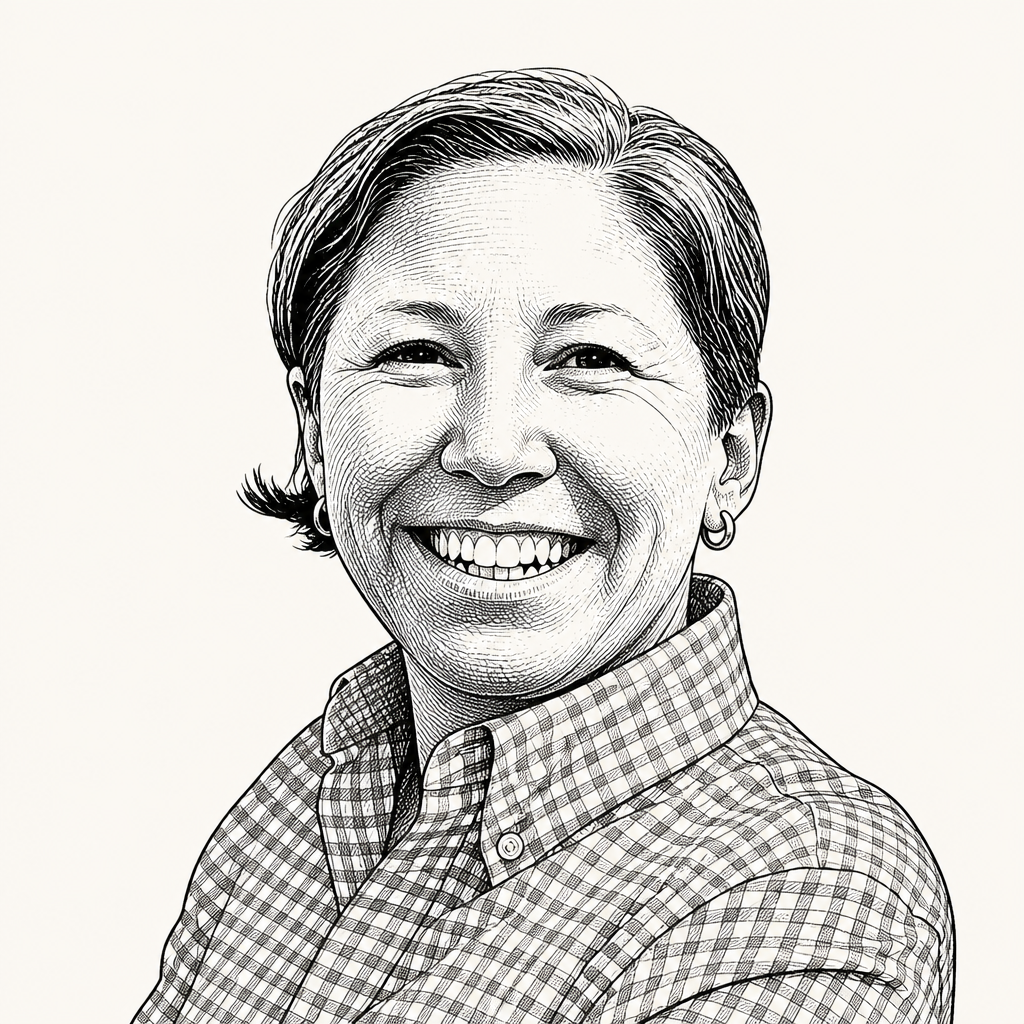
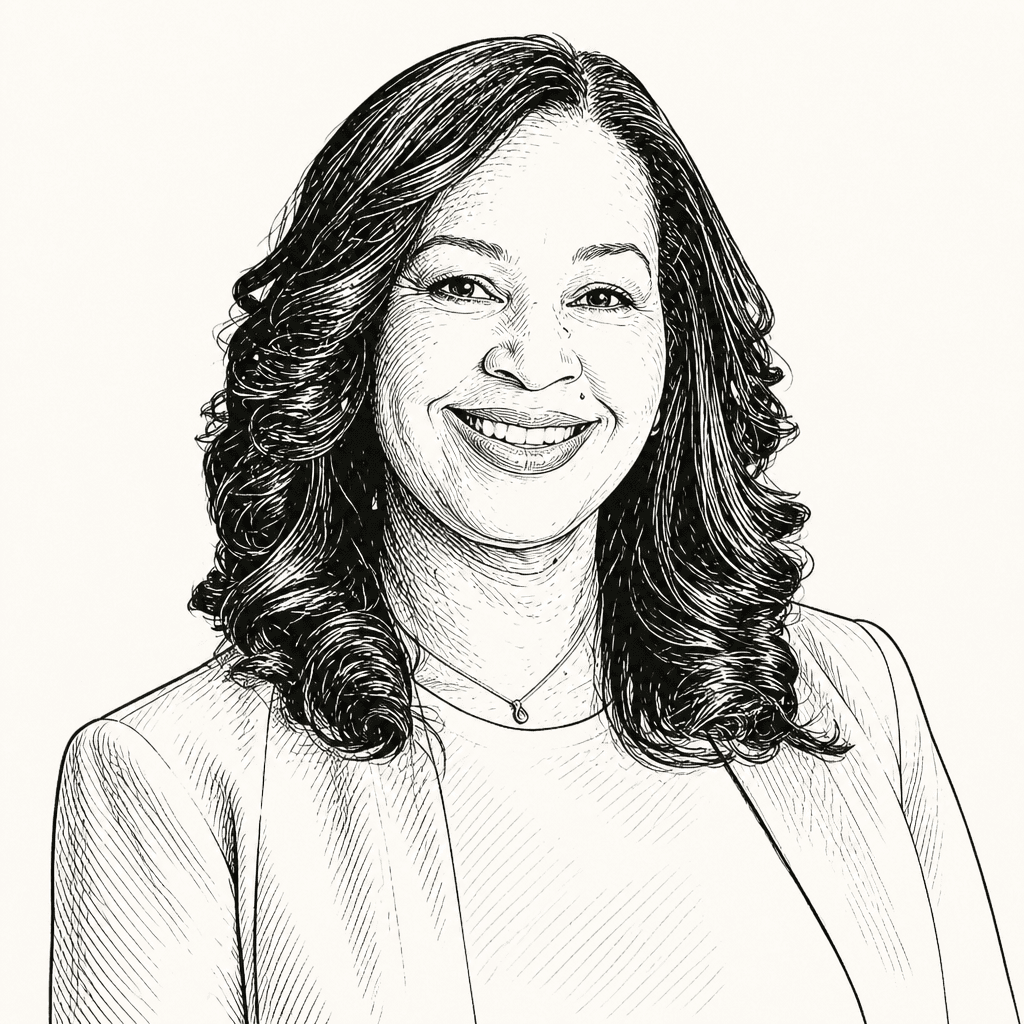 Lysa Ratliff
 Jen DeMeloLaura GarzaNorma Sandoval
 James HoltThe Aspen InstituteWednesday, June 10, 20267 min read
KABOOM! chief executive Lysa Ratliff used a Trust in Practice Summit awardee spotlight to argue that playgrounds can be more than a post-crisis gesture in Uvalde, Texas. She said the organization’s work after the Robb Elementary shooting shifted from building a single playspace to addressing a citywide access gap, with trust built through repeated presence and community-designed projects. Ratliff’s central claim is that joy can be productive: a measurable source of belonging, connection and problem-solving capacity, if KABOOM! and its research partners can prove the effect.
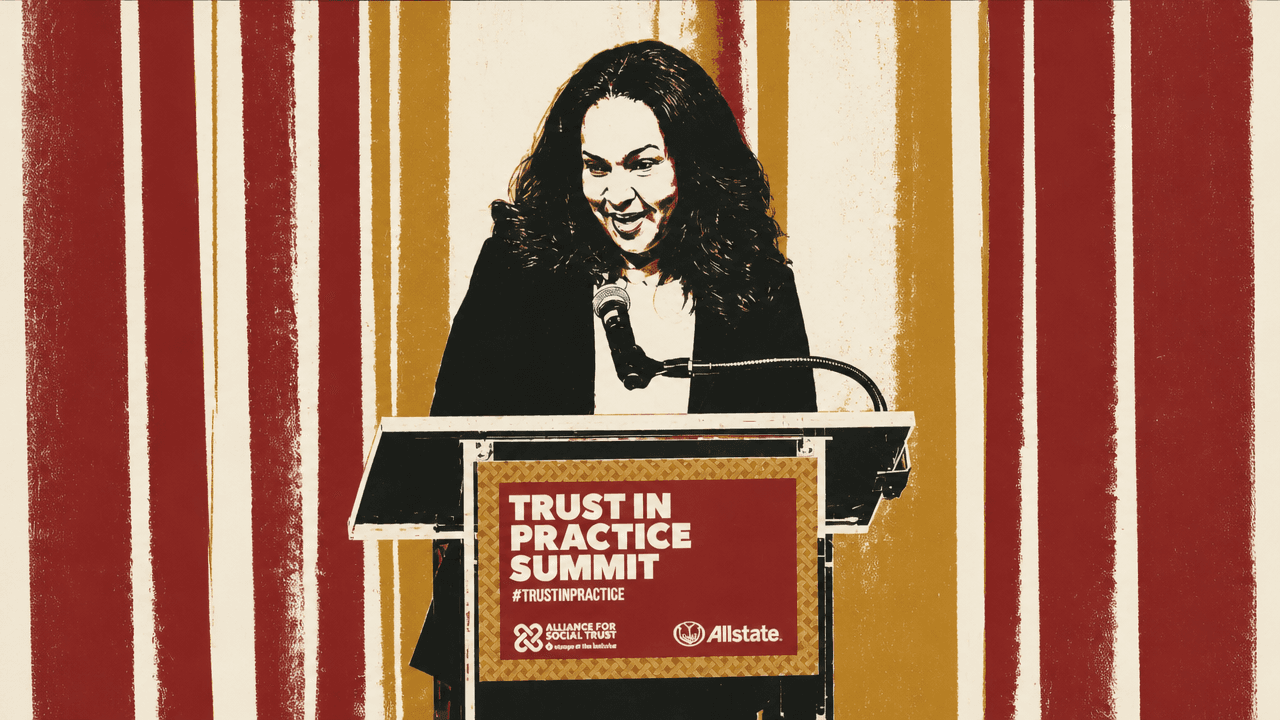
KABOOM! treats play as a way to rebuild trust
Lysa Ratliff described KABOOM!’s work in Uvalde, Texas, as a test of whether joy can be more than relief after trauma. The organization’s ordinary work is building playspaces that are “kid- and community-informed” and “volunteer-built.” In Uvalde, Ratliff framed that work as something larger: a way to rebuild connection in a community that had been wounded, scrutinized, and repeatedly approached by outsiders.
The immediate context was the May 24, 2022 mass shooting at Robb Elementary School, where 19 students and two teachers were killed. KABOOM!’s account of the Uvalde work identified DeLeon Park as one focus of the rebuilding effort and named several partners and community members involved, including Uvalde CISD coach Norma Sandoval, The Archewell Foundation’s James Holt, KABOOM!’s Jen DeMelo, and Laura Garza of Uvalde.
Ratliff said the request that became KABOOM!’s entry point came through Sandoval. Norma Sandoval recalled telling Meghan, the Duchess of Sussex, that children in Uvalde were carrying burdens at home and that “when kids are in playgrounds, they’re happy.” Sandoval said she asked for help figuring out how to create that space, and was then connected to KABOOM!.
The proposed intervention was deliberately modest in form: a playground. But the claim underneath it was more ambitious. Ratliff said Sandoval’s premise was that “play heals.” KABOOM!’s own condition for entering was that the community had to want them there.
If there was any path or any future for us to support the community, I wanted to be able to be a part of that. It for me was a no-brainer as long as the community wanted us to come.
That caveat mattered because Uvalde was not simply grieving. Ratliff said the town was also dealing with the consequences of outside attention: news cameras, visitors, false promises, people “coming in and quite frankly taking advantage,” and others arriving to do something briefly before leaving. Her description of trust-building began there, with the problem of a hurt community being repeatedly asked to receive outsiders.
The work changed from one project to a citywide access problem
When Ratliff and a colleague arrived in Uvalde in August 2022, they entered a city of just over 15,000 people, with children making up 24% of the population. She described encountering both “heaviness” and hope: a city trying to reconcile the loss of its children while honoring them through memorials, art, and other forms of remembrance.
At the same time, the visit forced an organizational reassessment. Ratliff had been at KABOOM! for 10 years and was about a year into her role as CEO. The organization was 25 years old at the time, and its model had long involved going into a community, building one project, earning trust around that project, and then leaving. The pandemic had already disrupted the basic mechanics of that model: public spaces were closed and people were not volunteering, which Ratliff called the “bread and butter” of KABOOM!’s work.
Uvalde sharpened the question. Ratliff said she recognized that the organization’s way of working needed to change. Rather than ask what one playground could do, KABOOM! began asking what it would take to address the playspace problem across the community.
The answer, after evaluating every playspace in Uvalde, was 12 playspaces. Ratliff said that if those 12 were built, all kids there would have access to great places to play. The work therefore became not a symbolic donation after a tragedy, but an attempt to address a concrete gap in children’s access to quality public play spaces.
The before-and-after images underscored the physical gap Ratliff was describing: empty swings in grassy fields, old wooden playground structures, a single bucket swing, a dilapidated outdoor court, and other underdeveloped or aging play areas. Ratliff called what they found “unacceptable.” The later images created the contrast: volunteers in KABOOM! shirts working on construction sites, finished playground structures, resurfaced courts, climbing areas, benches, and outdoor gathering spaces.
KABOOM! also wanted to measure whether its approach changed behavior. Ratliff said the organization planned to study playground usage to see whether playspaces built in this way were used more. The first reported result came from DeLeon Park, where she said usage increased by 17.5%.
Trust was built by returning, not by announcing a project
Ratliff emphasized the process around the builds as much as the completed structures. KABOOM!’s home base was El Progreso Memorial Library, with Tammy Sinclair’s team. There, the organization held Design Days with children, spent time reading with them, and learned about the community in ways that were not always explicitly about playgrounds.
The repeated action mattered: Ratliff described “coming back, and coming back, and coming back.” The shooting happened in May; by August 31, KABOOM! had returned and built the first playspace with the community at DeLeon Park.
The playground was treated as a vehicle for community formation. Jen DeMelo said KABOOM! and its partners talked about building a playground “as a vehicle to build community,” and that the community embraced it. In her words, the work provided hope and a place where people felt they belonged and were needed.
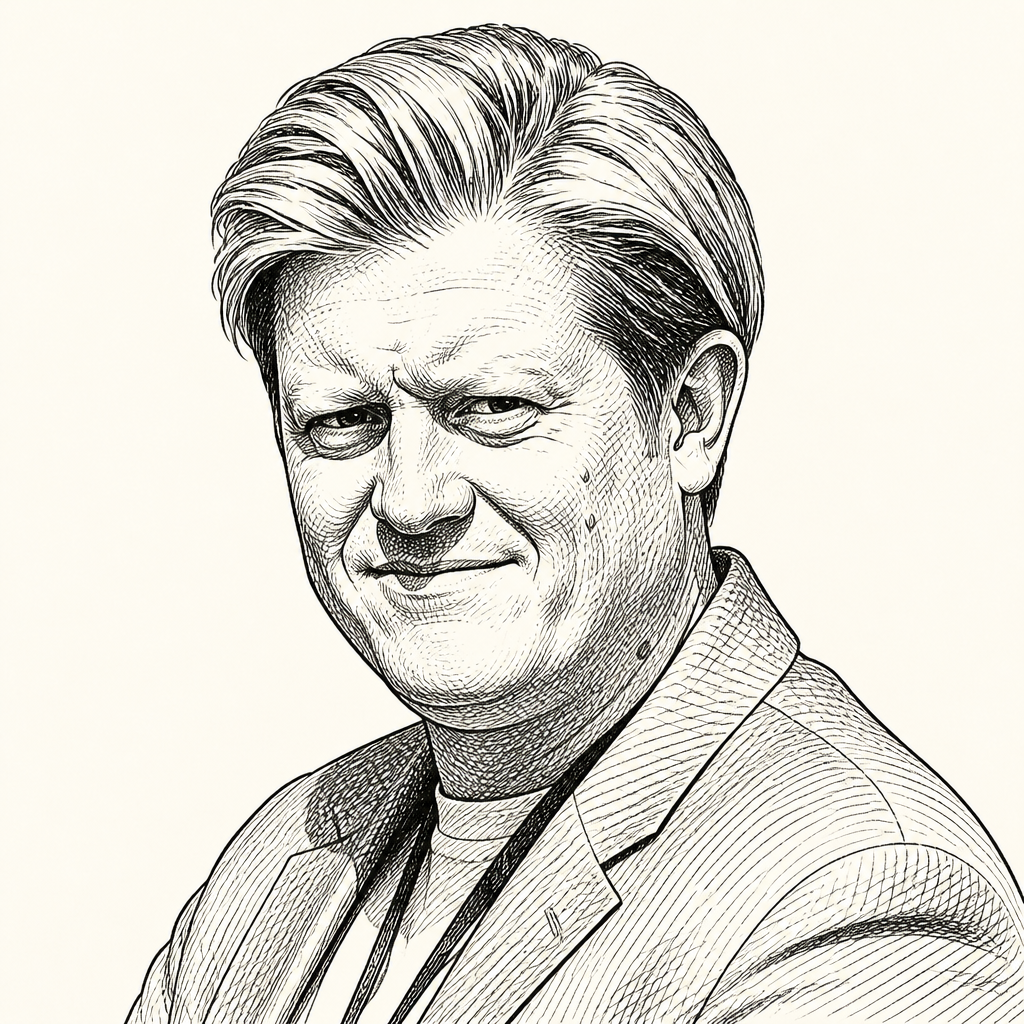
James Holt said The Archewell Foundation and the Duke and Duchess wanted to do something that was not only responsive in the immediate aftermath, but “long-lasting.” That aspiration aligned with Ratliff’s insistence that KABOOM!’s presence had to extend beyond the initial project.
For Ratliff, the clearest evidence of the work’s meaning came from a specific moment at the DeLeon Park opening. She described Jennifer, the first person she met in Uvalde, whose daughter Eliahna was killed in the shooting. At an earlier private day for families, Ratliff said Jennifer appeared visibly hurt, did not want to talk, and likely wondered why another organization was there. Ratliff said she “felt the weight of that.”
On opening day, families were invited to place small plaques in the playground. They played tetherball and used the merry-go-round. Ratliff watched Jennifer laughing on the playground and said the moment gave her the phrase that now defines the work.
Joy is productive.
Ratliff presented that phrase as a hypothesis to be tested. If KABOOM! could show that joy strengthens connection and community problem-solving in Uvalde, she said, then what happened there could be brought to other communities.
The next task is to prove the unseen work
After DeLeon Park, KABOOM! continued building. Ratliff showed a sequence of completed and in-progress playspaces: volunteers at construction sites, new playground structures, resurfaced courts, climbing areas, gathering spaces with benches, and outdoor learning or meeting areas. She counted through the sequence — “two, three, four, five, six, seven, eight, nine” — and said the organization stayed to build “community-informed, kid-designed playspaces” rather than leave after a single intervention.
She had just returned from Uvalde the weekend before the presentation with Tammy Sinclair. Ratliff said they had celebrated “certainly not the last, but the last of solving the problem,” referring to the citywide playspace work KABOOM! had taken on after identifying the access gap. She did not provide a final inventory against the earlier 12-playspace target, but she treated the weekend as a milestone in moving from building to demonstrating impact.
That next phase, Ratliff said, is to prove that joy is productive. At the start of her remarks, she named Sarah Welch of ideas42 as a partner and described ideas42 as strong in behavioral science research. She said KABOOM! was proud to be partnering with Welch and ideas42 in the next chapter of the work.
Ratliff credited Aspen and Allstate for funding trust directly, calling it rare for funders to recognize trust as hard, important, and “funding-worthy.” In her account, the visible builds are only part of the work. The less visible work is what allows communities to become more connected, solve problems better, and “live in joy and togetherness.”
She also placed the Uvalde work against what she called “the narrative that’s being built about the human race.” Her counterexample was the room of practitioners and the community partners doing problem-solving “under the surface,” including people with different belief systems who could still care for one another.
For Ratliff, KABOOM!’s Uvalde work is now a practical research question: whether shared, child-centered public spaces — and the repeated relational work required to create them — can help communities become more connected, solve problems better, and live with more joy and togetherness.