A Sustainable Care System Must Work for Families and Workers
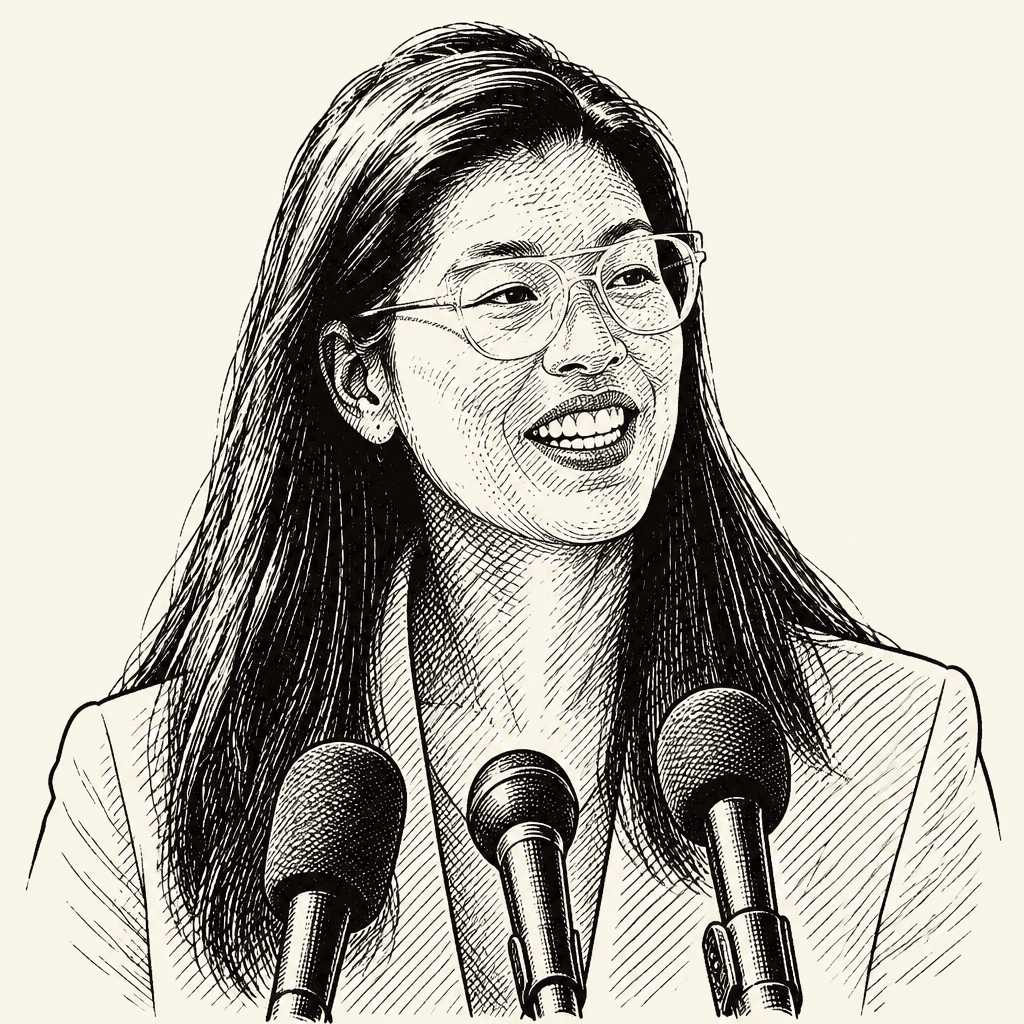
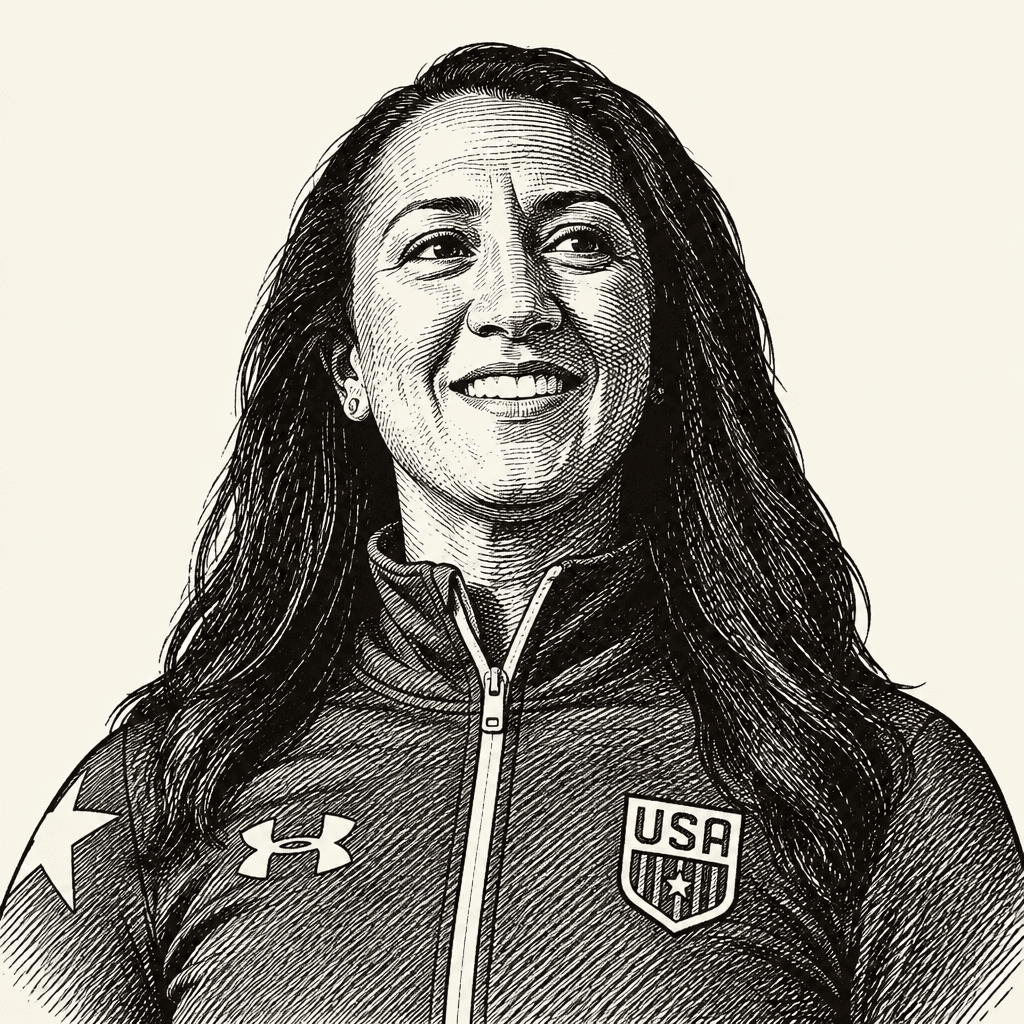
At the WIN Summit, Olympic bobsledder Elana Meyers Taylor described the caregivers who helped make her athletic career and family life possible—and the limits of a system that many families cannot afford. Taylor argued that access to care and fair pay for care workers must be addressed together; Ai-jen Poo, executive director of Caring Across Generations, called for affordable, quality care and good jobs for the people who provide it.

The care that made elite competition possible came at a cost
Elana Meyers Taylor’s return to bobsled after having a child depended on a care arrangement most families could not afford. Her husband initially traveled with her and cared for their son, but when he returned to bobsled too, the couple had to find another way to manage two elite athletic careers alongside parenting. They hired nannies, including Macy, who traveled with the family and helped them keep pursuing their goals. Taylor said Macy accepted a pay cut to do that work.
The arrangement met needs that went beyond supervision. Taylor wanted caregivers she could trust to support her children’s education and well-being, and, because both children are disabled, to accommodate their disabilities. She also wanted them to see the world and for the world to see them. People have told her that her children were the first deaf person or the first person with Down syndrome they had met. A caregiver had to help make that kind of participation possible.
Taylor described the support as a team effort: paid caregivers, family members and, at times, teammates who sat with her children so she could get something to eat at dinner. The care work was part of what made her athletic career possible, even though it would not appear in the official record of a medal. As she put it:
Gold medal moments do not happen without that type of care, without that type of people in your circle.

But the story is not simply that a family can assemble a village if it plans well. Taylor was direct about the limits of her own example: not many people can afford a nanny, much less one who travels with the family for six months of the year on a bobsled circuit. Macy, meanwhile, had to sacrifice some financial security to support the family’s ambitions. The arrangement worked for Taylor’s family, but it rested on resources and a worker’s willingness to accept less pay.
That tension matters to Taylor because, in her view, care is both hard for families to afford and poorly compensated for the people who provide it. Child care is out of reach for many, she said, and extra care for older parents can be extraordinarily expensive too. Meanwhile, care providers are severely underpaid. She argued that neither side of the problem can be treated in isolation: a system families cannot afford is not accessible, and a system that does not pay its workers adequately is difficult to sustain.
Access includes respite, disability support and room to choose
For Taylor, access to care means more than finding a person to cover working hours. Everyone needs help and respite, including stay-at-home parents, she said. The need can be especially acute for families in the disability community, where many parents are unable to get respite. Her own family had to find caregivers who could support her children’s needs while allowing them to build relationships and take part in the world around them.
That support has required the family to learn and adapt. Taylor said one early step was learning American Sign Language. They also drew on organizations including Gallaudet University, the Global Down Syndrome Foundation, the National Down Syndrome Society and GiGi’s Playhouse to work out what resources might help. The family needed support not just at home but on the road. Taylor described parenting as continual problem-solving—working out what a child needs in each situation and how to make it possible. Raising disabled children brings extra challenges, she said, but those challenges are not insurmountable when the right care is in place.
Care needs also shift over time. Taylor called herself part of the “sandwich generation”: she is caring for her children while taking on more responsibility for aging parents with health issues. She is also considering what support will look like as she moves into the next stage of her athletic career. The family is planning, she said, while recognizing that it will need extra help as circumstances change.
The wider point, Ai-jen Poo argued, is that people may provide care or need it at different points in their lives, often without knowing in advance when those roles will change. Yet cultural expectations can make caregivers feel alone or suggest that asking for help means failing. Taylor said she works against that guilt by reminding herself that her children benefit from trusting relationships with adults beyond their parents. Those relationships do not replace her care; they give her children other people they can rely on.
The practical question, then, is how families can make genuine choices about care. Taylor wants parents to be able to choose among a child-care facility, a nanny or more time at home with their children through longer maternity or paternity leave—and to have the financial means to make that choice. She pointed to New York’s push for universal child care as a step that could make a difference. For older adults, she wants families to have options such as qualified skilled nursing, staying home to provide care, or moving to the state where a parent lives.
Choice is meaningful only if the available arrangements work for families and workers. Taylor said she knows people who would like to work in child care or become pre-K teachers but cannot make the finances work. Better compensation could make it more possible for those workers to enter the field while helping families find care they can use. In the future she wants, families would have options and care providers would be compensated accordingly.
Making care visible has to lead to making it affordable
Taylor’s story brings the hidden labor behind achievement into view, but recognition alone does not resolve the financial constraints. Macy would not be on the Olympic podium or wear a medal, Taylor said, even though the family’s care arrangements helped make that achievement possible. Taylor makes a point of acknowledging her because the public image of success can leave out the people whose work supported it.
Poo framed that omission as part of a broader cultural problem. When she asked how many people in the room were navigating care for someone they loved, many raised their hands. She said caregiving was not an experience at the margins, despite the limited public conversation about the “villages” people rely on. Her organization and others were undertaking a campaign called 1 Million Care Conversations, which asks people to share their experiences, pain points and ideas for what would make care better.
Taylor’s answer to that question begins with the difference between her family’s resources and those of many others. She could afford a nanny who traveled with the family; that does not mean most families can arrange the same support. Nor does making caregivers visible ensure they are paid enough. Taylor’s account links those concerns: access for families and fair compensation for workers have to be addressed together.
Her vision is not a single arrangement imposed on every family. It is a system in which parents can choose how to care for their children, older adults can receive the support they need, and workers can make a living in care. Poo described that as affordable, quality care, with choices for children, disabled people and older adults and good jobs for the care workforce. Taylor called it a lot to ask. Poo disagreed, saying it was a future working caregivers and families deserved.