States Are Building the Infrastructure Federal Children’s Accounts Need
 Amanda Feinstein
 Colleen Quint
 Jason Ewas
 Brian HammonsThe Aspen InstituteMonday, November 23, 20269 min read
At the National Early Wealth Building Policy Forum, panelists argued that federal 530A accounts enter an established landscape of state and local children’s savings programs, rather than an empty field. They said states can extend the federal program’s reach by adding funds and helping families navigate accounts; Maine’s separate Alfond Grant can sit alongside a federal account, while its automatic enrollment ensures children receive the state grant without family action. California and Oklahoma are also drawing on local partnerships and state resources to connect families with accounts.

A federal account becomes useful only when families can find it
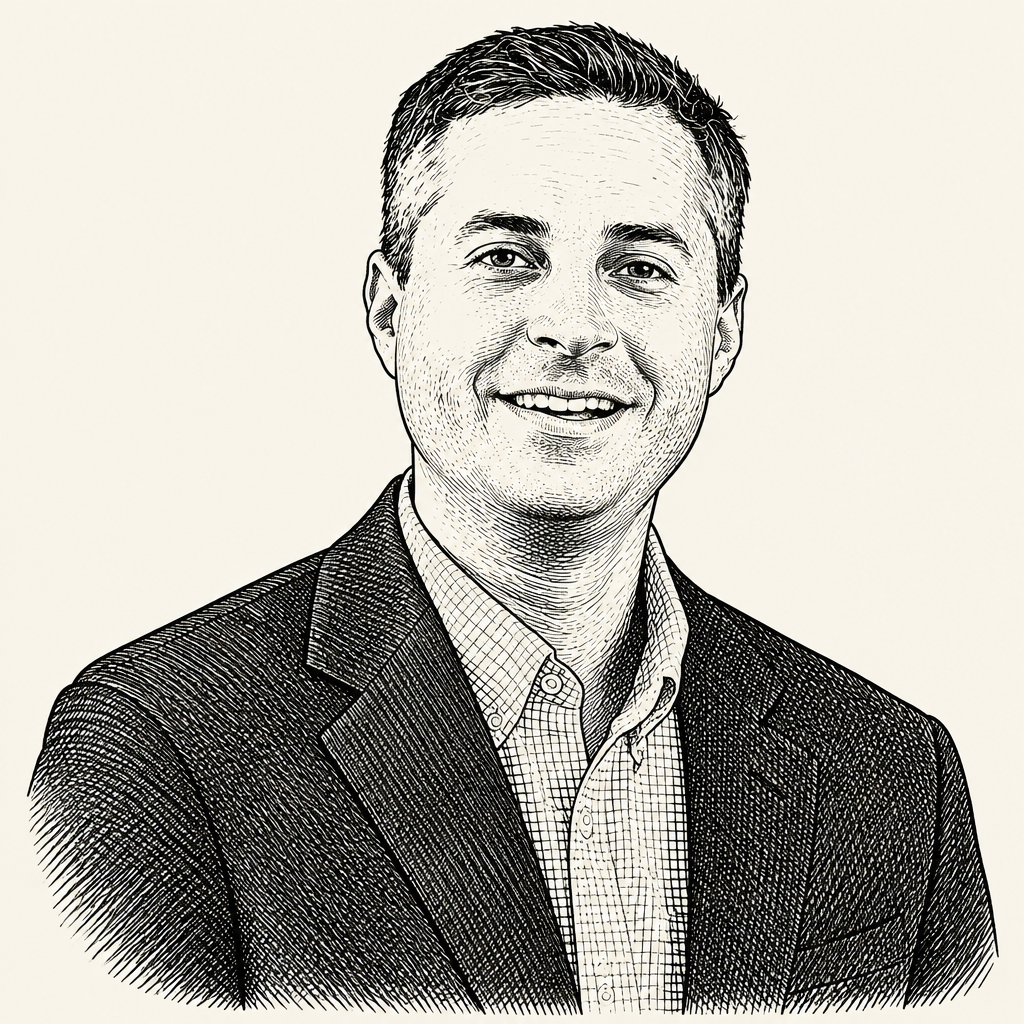
Jason Ewas framed state and local programs as the foundation on which federal early-wealth policy can build. The federal role matters, he said, because every child should have access—not only children in states that already operate savings programs. But Ewas, who began his policy work in Boston’s mayor’s office on early childhood, child care, and the city’s Boston Saves children’s savings program, argued that state and local governments and their research partners have built much of the field’s groundwork.

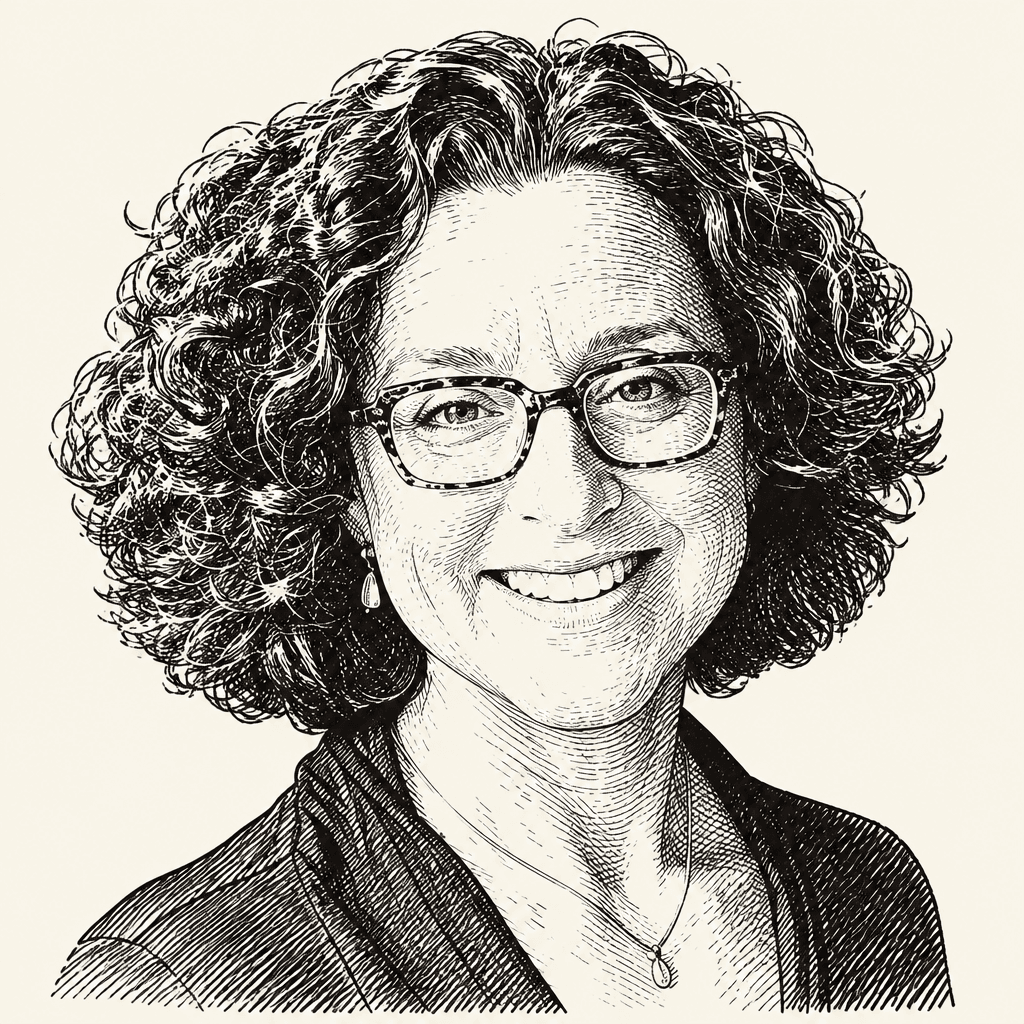
In California, that groundwork has become a crowded landscape of accounts. Amanda Feinstein said the state’s asset-building programs for children began with San Francisco’s Kindergarten to College in 2012. California now has more than 10 local child savings account programs, alongside CalKIDS, a state program that opens a 529 account seeded with $100 for every baby born in California and provides $500 accounts for low-income public school students. A newer pilot, HOPE Child Trust Accounts, provides $3,000 for children in long-term foster care or who lost a parent to COVID.
Feinstein described the Trump Accounts—also referred to in the panel as 530A accounts—as a major addition to this existing “ecosystem of opportunity.” But more accounts also make it harder for families to understand what is available to a child and how to activate each one. That problem prompted California partners, including the State Treasurer’s Office and the California Child Savings Account Coalition, to develop a statewide plan. With support from the BlackRock Foundation, the plan is intended to build infrastructure for informing families about the accounts they can use.
One product of that effort is Future Funds, a tool being developed by Google engineers. Families enter basic information—such as their ZIP code, a child’s birth month and year, whether the child is in public school, has a disability, or has a foster-care connection—and receive a summary of accounts for which the child may be eligible. The tool is designed to link directly to sign-up portals and let families text the information to themselves. Feinstein said the California version was expected in December, with versions for Maine, New York, and Texas expected in January; the technology would also be made available on GitHub for other places to adapt.
The tool is a directory, not a substitute for human support. Feinstein cautioned that families should not have to discover Future Funds on their own, any more than they should have to independently discover each account. For low-income families and communities with limited English proficiency, she said, access depends on organizations that already have relationships with families. If the goal is to help low-income children secure the $1,000 associated with their 530A accounts, those organizations might include Early Head Start programs, WIC, and birthing hospitals. They need the knowledge and capacity to explain the accounts and help families activate them.
The practical distinction is important: technology can make a complicated set of benefits easier to navigate, but it does not remove the need for trusted intermediaries. Feinstein called those partnerships central to reaching low- and moderate-income children.
Automatic enrollment changes who gets reached
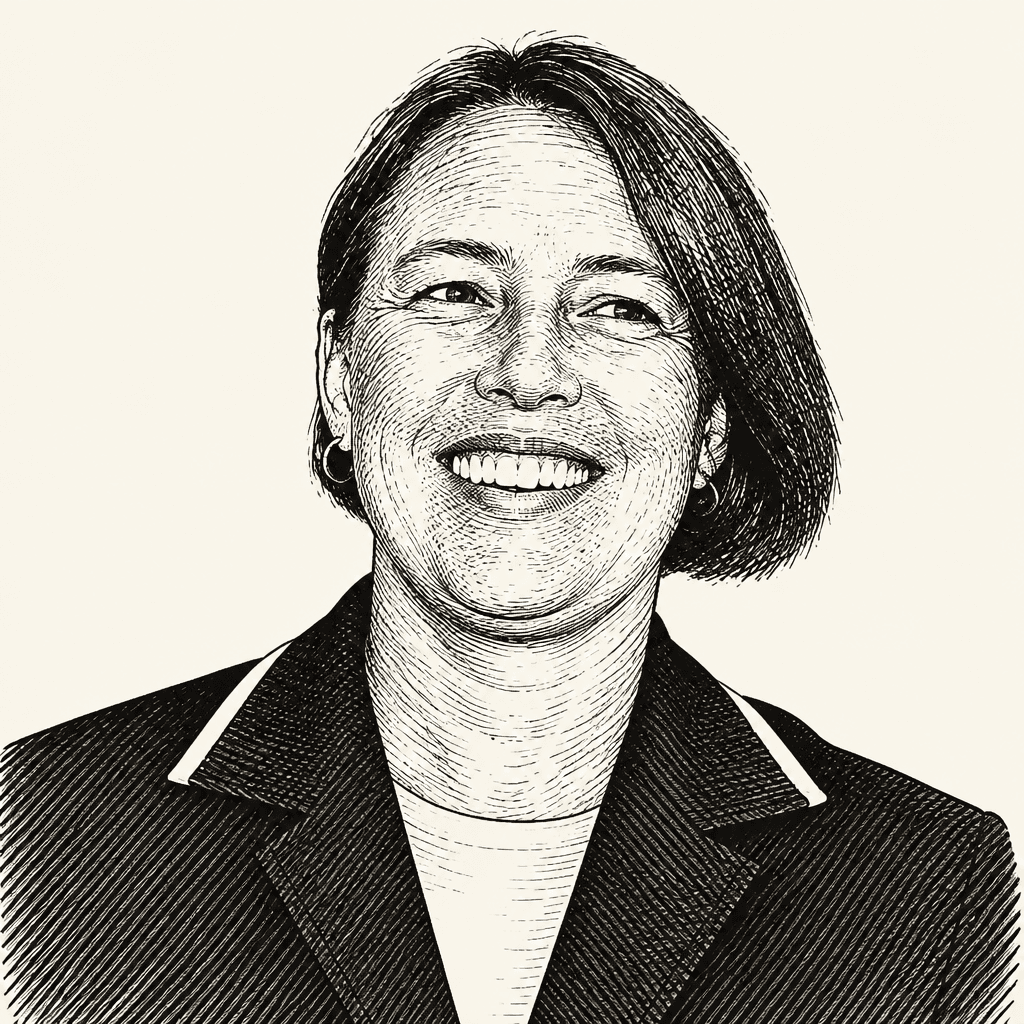
Maine’s Alfond Scholarship Foundation offers a different model of how a state can support a children’s savings program without funding or legislating it. Colleen Quint said the foundation invests $500 at birth for every Maine baby, for education after high school. It has reached 184,000 children and invested about $814 million. Quint said the initial $500 investment is worth about $2,400 by the time a child is a high-school senior, and projected that the program would reach $1 billion in investments within roughly 12 to 15 months.
The program is privately funded by the Harold Alfond Foundation, rather than through state dollars or legislation. But the state still plays an operational role. The foundation works with the Finance Authority of Maine, a quasi-state agency that helps administer the program and serves as its record keeper. The children’s funds sit in NextGen 529 accounts opened by the foundation; FAME also administers Maine’s NextGen 529 program. Quint said using an existing system lets the foundation focus its small staff on reaching children and families rather than building parallel infrastructure.
That outreach relies on trusted local partners: Head Start programs, employers, libraries, town offices, and hospitals. The foundation shares materials, holds information sessions, and meets with families. Quint said families have contributed three and a half times as much as the foundation has put into the accounts—a result she described as notable in a low-wealth state.
The program’s largest design lesson, she said, came from switching from opt-in to automatic enrollment. For its first four or five years, families had to open a NextGen account by a child’s first birthday to receive the grant. At the program’s peak, about 40% of families did so, leaving 60% of children unreached.
Starting in 2013, the foundation moved to what Quint called “true automatic enrollment”: the child receives the Alfond Grant without the family having to take any action. The foundation still works to encourage families to open accounts of their own and contribute, but the initial money is there regardless. The Maine experience separates two tasks that can otherwise be confused: ensuring a child receives a seed deposit, and helping a family engage with the account afterward.
That distinction is also relevant to the federal accounts. Quint said her goal is for every Maine child entitled to the $1,000 federal contribution to take the steps needed to receive it. Her organization is sharing information with families and partners, working with Maine tax-preparation sites and having conversations with H&R Block, among other efforts.
She emphasized that the Alfond Grant and Trump Account are not competing choices: families can have both. A starting contribution can matter even before a family is ready to add its own money. For families who are able to save, Quint said, the average contribution to Alfond accounts is about $250 per quarter—roughly $20 a week. That amount is beyond reach for some households, she acknowledged, but may be more manageable for others than they assume. Employer payroll deductions can also help families contribute; Quint said some Maine employers might extend that approach to Trump Accounts.
States can add money and connect accounts to household needs
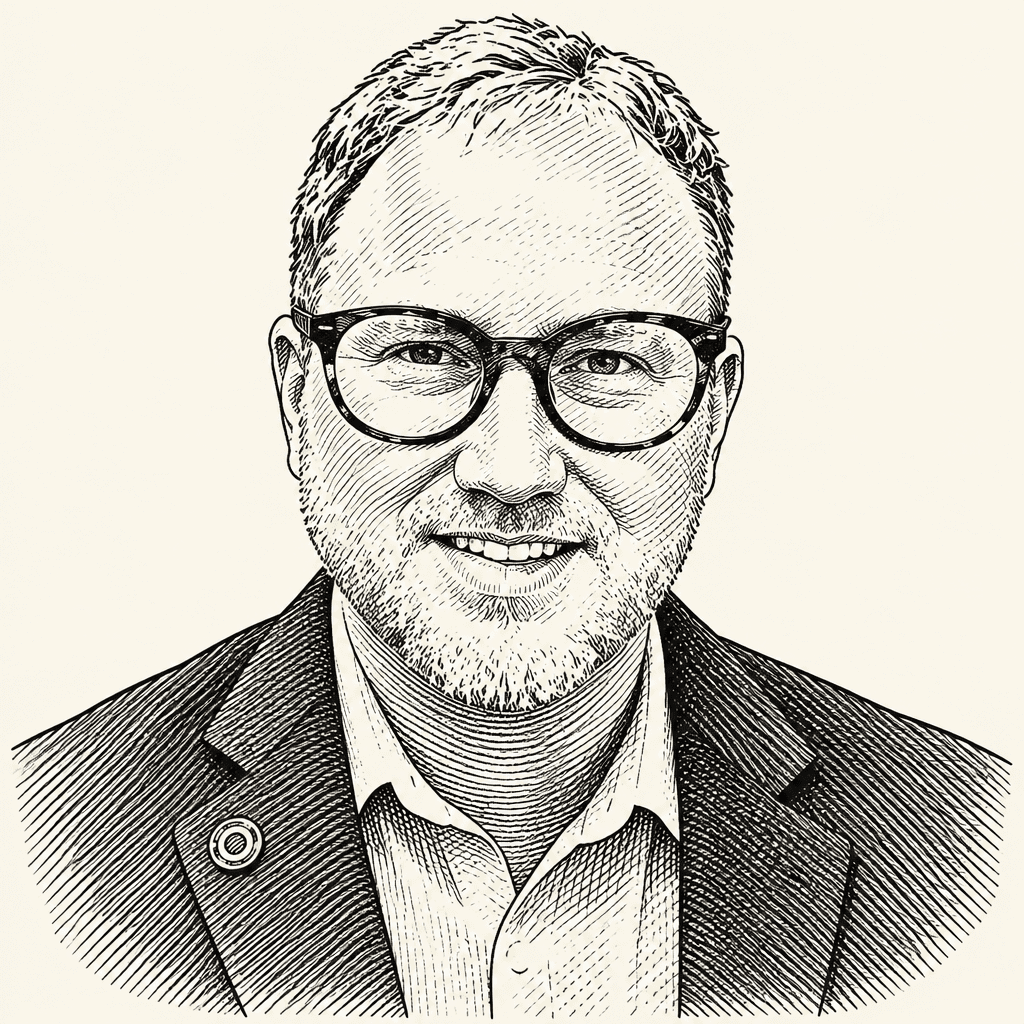
Oklahoma’s work grew out of research as well as state policy. Brian Hammons traced its early-wealth effort to SEED for Oklahoma Kids, launched in 2007 with Washington University. The initiative automatically opened college savings accounts for more than 1,300 newborn families, with a $1,000 starter deposit in each account and additional contributions to some. Hammons said the experiment offers comprehensive evidence on how states can implement early-wealth policies. He also pointed to account-design principles developed by Washington University’s Center for Social Development, which he said helped shape state child-development accounts, federal 530A accounts, and similar policies internationally.

Oklahoma has now committed $12.5 million in an initial legislative appropriation to put $250 into federal 530A accounts for as many as 50,000 children. Hammons described the contribution as building on the work of the U.S. Treasury and Bank of New York to give more families a start on long-term wealth-building. He also stressed that the appropriation was a beginning, not a permanent funding commitment: Oklahoma would need to appropriate more in future years.
For families, the challenge is not only to claim an account but to understand how it fits alongside other tools. Hammons said his small department has been speaking with families about activating 530A accounts and explaining their relationship to 529 college savings plans. He described the explanation as something staff had to reduce to about 30 seconds before people’s attention wandered.
In Oklahoma, Hammons said, the relationship between account types has been collaborative. He and a Washington University colleague presented at local convenings in Tulsa with foundations, nonprofits, city officials, and community leaders. He said the gatherings created the possibility of a citywide, statewide, and national coalition, with interest from cities and schools across Oklahoma in bringing resources together.
Hammons also argued that families need more than a college-savings message. He described a “trifecta”: emergency savings to stabilize a household, savings for college or career training, and longer-term savings. Emergency savings, in his view, can help a family feel secure enough to pursue longer-term saving. Jason Ewas made a related point: families need income and short-term relief as well as assets, and durable systems should make saving easier across local, state, tribal, federal, and county governments.
These state approaches address different parts of implementation. California is building ways to identify the accounts available to a child and connect families with organizations that can help them use them. Maine’s model puts a seed grant in place automatically, then uses partnerships to encourage further engagement. Oklahoma is adding state money directly to federal accounts while trying to explain how those accounts fit alongside existing savings tools. The panelists described these approaches as complementary to the federal program, not substitutes for it.
The state programs discussed on the panel predate federal accounts by years. Ewas cited other efforts, including NYC Kids RISE, Keystone Scholars in Pennsylvania, and Connecticut’s baby bonds program, as examples of a broader record of state and local work that has reached millions of children and put billions of dollars into accounts. The federal program therefore enters an existing field, not an empty one.
The federal design still has to earn trust
The panelists saw the federal account as an opportunity to expand awareness and build on existing programs, but they identified different changes that could make the policy work better.
Amanda Feinstein said the scale of attention around 530A accounts has increased public awareness of asset building for young people. She also argued that families should be encouraged to think of a child as having a “portfolio of accounts,” rather than treating each program as isolated. The federal initiative, she added, has helped mobilize philanthropic contributions to children’s accounts. Small initial deposits matter, but she said children need meaningful sums to support their futures, and philanthropy can add to public contributions.
Her main federal policy request was to protect account balances from asset limits for public benefits, including TANF, SNAP, and Medicaid. A young adult facing temporary financial distress at 18 or 19, she argued, should not have to spend down assets intended for the future in order to address an immediate hardship.
Colleen Quint’s priority was to make the $1,000 contribution permanent and fully automatic. As Quint understood the current process, families must claim the money through an app, even if the process is easy. But each required step is a point at which a family may not proceed. If the money is deposited automatically, it can have 18 years to grow; if a family claims it only when a child is older, those earlier years are lost.
Brian Hammons focused on the claim process and the confidence families need to complete it. He said Oklahoma and parts of Texas had raised questions about whether Hispanic families would feel comfortable claiming 530A accounts. Families had asked what information they would need to provide, and some were uneasy about taking a selfie as part of the process. From his perspective as a state employee working directly with the public, reducing application steps and building confidence in the process are important parts of implementation.