Trump Accounts Could Become a Community Platform for Building Children’s Wealth
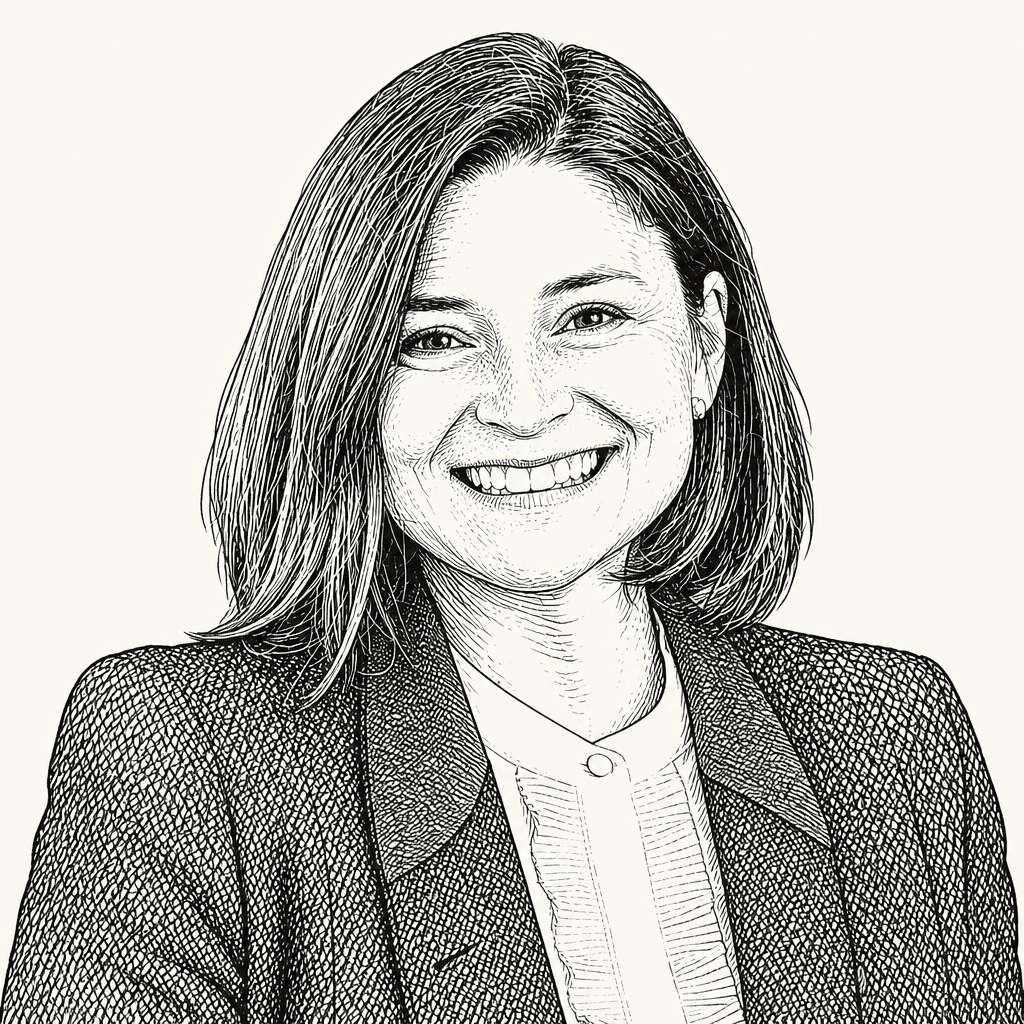
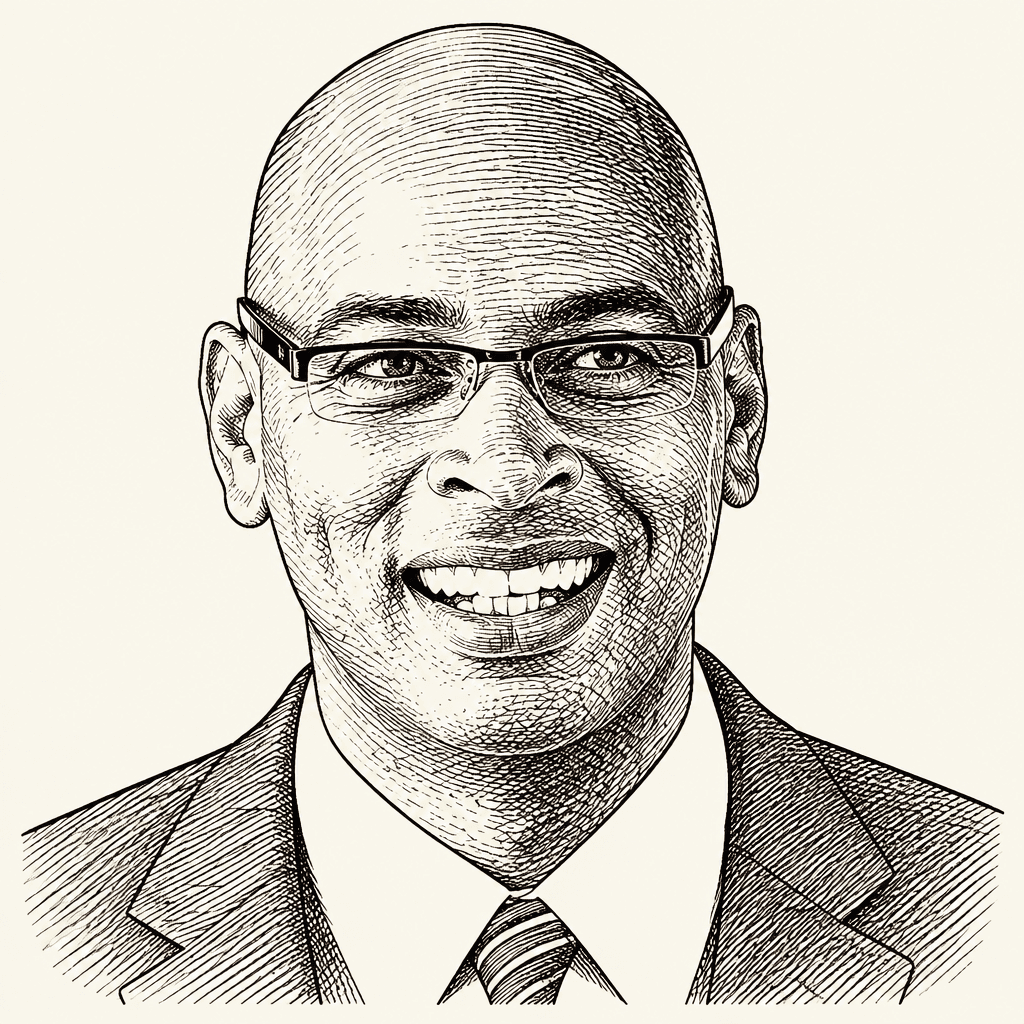
University of Michigan professor William Elliott III argues that Trump Accounts could become a platform for early wealth building, but only if they move beyond individual savings accounts and connect federal support with contributions from communities and local institutions. In a policy forum conversation with Aspen Institute Financial Security Program director Karen Biddle Andres, Elliott says the design must also account for how people experience institutions: automatic enrollment may help, but dashboards alone cannot build trust or engagement. He cautions that multiple accounts may compound financially while leaving families to navigate a fragmented system.

Income helps people meet the present; assets make change imaginable
For William Elliott, the case for giving children assets alongside income begins with a criticism of the institutions built to address poverty. Since the New Deal, he argued, social policy has largely operated within a “paradigm of survival”: helping people make it through a week or a month. When institutions and resources are organized around that goal, people develop skills and competencies for getting through the immediate term. Elliott said asset limits and other institutional arrangements can reinforce that orientation.
He sees a problem in carrying survival logic into wealth-building policy. Even measures of asset poverty, he said, are often framed around how much a household needs to get by for a few months. Security matters, but he argued that it is not the full promise people want from policy. They also want the opportunity to grow and build something. If people have spent years navigating institutions designed around survival, a new asset program cannot simply expect them to jump to a growth-oriented future.
His distinction between income and assets is not that income is unimportant. Income helps address immediate needs; assets matter to whether a person believes tomorrow can be changed through their own effort and ability. Drawing on his own experience of homelessness and leaving high school without graduating, Elliott said the hardest part of poverty was not the visible indignity of fetching water to wash. It was feeling unable to change what happened next.
The worst thing about being poor is thinking I can't change tomorrow through my own effort and ability.
That distinction, in his view, should change the goals of social policy. Getting someone above a poverty line is not the same as giving them the right to pursue financial well-being. Income support remains important—Elliott said guaranteed income would be critical in a future shaped by AI—but policy should also consider how much wealth people need to have something left over to save. A system focused on getting people through the present does not, by itself, create the conditions for growth.
Elliott framed this as a question about institutional purpose, not simply the size or form of a benefit. If institutions repeatedly orient people toward making it through the month, he argued, they help reproduce the conditions they are meant to address. A wealth-building policy should therefore do more than add an asset to a survival system. It should help create an environment in which people can imagine and pursue a future.
An account can become infrastructure, but not in its current form
Asked whether Trump Accounts could serve as a national early-wealth-building platform, Elliott’s answer was qualified: no, not as currently designed; yes, if they develop into the kind of infrastructure he hopes they can become. He pointed to the pace of policy change over the previous year as a reason not to treat current design as final. An imperfect program can be changed, he said; policy is made by people.
The possibility he sees in the accounts is not limited to whatever money the federal government puts in. Elliott has long argued for “multiple streams of assets”: a structure through which different institutions and communities can contribute to a child’s wealth. He contrasted that possibility with baby bonds, which he supports but said do not, by themselves, allow for the same multiple streams. In his view, the federal government alone will not provide enough wealth to solve wealth inequality. An account structure could give other contributors a place to participate.
He offered local examples as questions worth taking seriously. What would it mean if a housing development put money into every child’s account? Would that affect how families talk with children about their futures? What might a school district’s contribution mean to students? Elliott used $1,000 as an example, then emphasized that there was nothing special about that figure; a contribution could be larger. He also pointed to foundations as potential participants.
These examples point to a broader argument: deposits could do more than add dollars. They could involve institutions and communities in building children’s wealth. Elliott described the account as a platform for individuals, communities, and the nation to take part in addressing poverty—not a substitute for federal responsibility. The government should be held to its part, he said, but it cannot be the only source of wealth-building support.
Elliott referred to Deborah Ellen and work in New York City as an early example of a program taking this approach. He said the city could be a place to test some of these ideas. The question, in his framing, is not only how much money goes into an account, but what the contributions mean in the places where children live and learn. If a housing development or school district decides to invest in children, that decision could communicate that their futures matter to the community around them.
That makes the accounts potentially more than an individual savings vehicle. Elliott’s interest is in whether the structure can connect federal policy to contributions from local institutions and private organizations, and whether those contributions can help build relationships as well as balances. A thousand dollars was an illustration, not a target: the significant feature was the possibility of different institutions joining in, and of children seeing that participation as an investment in them.
Engagement depends on the experiences institutions provide
For Karen Andres, the design question is complicated by the accounts’ hybrid character: she described them as both a private-sector product and a government program. She asked what researchers should study to guide future design. Elliott’s answer returned to the institutional experiences people have already had—and what it would take for a new program to offer different ones.
He argued that account programs need to build social capital and community activity as well as wealth. That makes participation and engagement important questions, but he cautioned against assuming that a dashboard will produce them. A dashboard may be useful, he said, but it does not provide the institutional experiences people need. For him, the research question is not simply how to prompt people to use an account interface; it is how people come to trust institutions and take part in a program.
Elliott connected that question to automatic enrollment. He said there is substantial evidence behind the importance of automatic enrollment, and tied its value to the experiences poor people have had with “survival institutions.” Those experiences, he argued, can teach people to approach institutions with skepticism—to expect that what is being offered may not be real or may not work as promised. Enrollment design cannot be separated from that history. Making participation automatic can matter, but people also need opportunities to experience institutions differently.
He referred to findings from H&R Block, which he said had sometimes been misused. His interpretation was that a conversation with someone at tax time puts a person in a situation where they can experience that institutional interaction. That is one reason he argued for combining strong federal policy with local efforts, rather than expecting a digital tool to do all the work of engagement.
Elliott questioned a design approach that relies on people logging into a dashboard amid already demanding daily lives. He did not dismiss dashboards; he said they have some utility. But they are not a panacea, and he argued that policymakers should not assume that people will spend time on them or that a dashboard alone can create meaningful engagement. Schools and other settings where children regularly encounter institutions could offer different kinds of experiences, he suggested.
His example of going to Walmart with his family made the point concrete. When a card is declined because there is not enough money, he said, a child witnesses a tangible interaction with scarcity and institutions. To change what such encounters teach, policy needs to provide different institutional settings and structures. The aim is not only to give children access to an account, but to create repeated experiences that can shape how they understand institutions and their own possibilities.
Elliott’s research agenda therefore reaches beyond account uptake. It asks what forms of contact help build social capital, how institutions can earn trust from people whose prior experiences have taught them caution, and what role local organizations can play alongside federal policy. A program that opens accounts but leaves families to navigate it alone may not deliver the kind of engagement he has in mind.
Compounding does not settle the problem of fragmentation
William Elliott also revised his own position on whether families should have multiple accounts. After a conversation with Kwame, he said, he had come to accept that small contributions spread across accounts could compound to the same amount. He described his earlier resistance as mistaken. But he drew a distinction between how balances grow and how a social welfare system works for the people expected to use it.
In Elliott’s view, multiple accounts may add up financially while creating a fragmented administrative structure. A person may have to navigate several accounts, and organizations associated with different pots of money may end up positioned against one another. The system could also become costly to maintain. Dashboards may help, he acknowledged, but they are not the end of the matter.
The risk, then, is not that money in separate accounts cannot grow. Elliott accepted that the compounding can add up. His concern is what happens around those balances: whether people must manage a collection of accounts, whether separate programs and coalitions compete over different pots of money, and whether the overall structure becomes another version of the fragmentation found in existing systems.
The relevant question, he argued, is not only how an individual might invest money in each account. It is how to design a social welfare system that works well for poor people. That shifts the unit of analysis from the account holder making choices among financial products to the design of the institutions and programs that shape those choices. A tool that appears workable account by account could still leave people with a difficult system to navigate.
Elliott said he was writing a series of nine papers and described having to revise his own work when familiar assumptions crept back in. He urged people to be willing to change their minds when an idea does not hold up. His warning was that a program can attract early enthusiasm and still reproduce existing pitfalls over time. The design challenge is to build something that supports growth without recreating a survival-oriented, fragmented system.