Feel Beit Sustains Israeli-Palestinian Artistic Partnership Through Wartime Grief
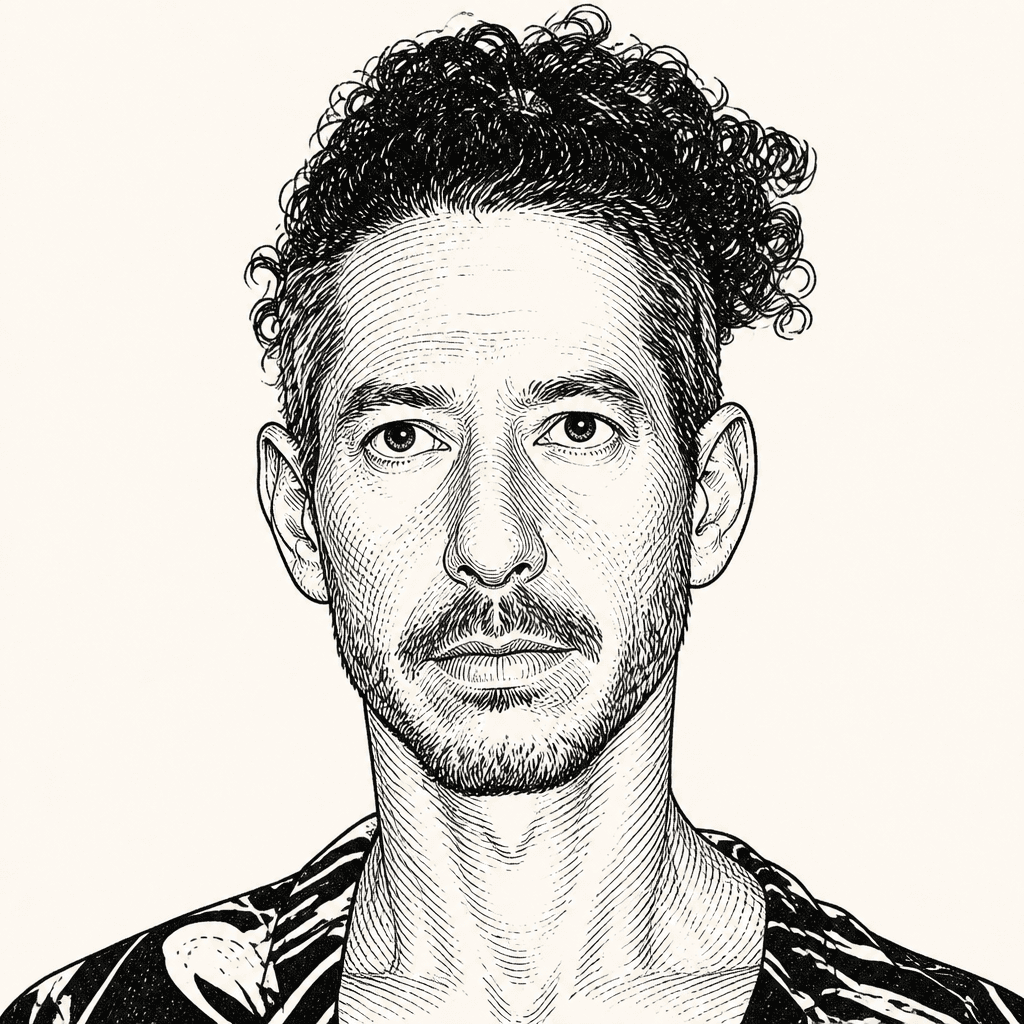 Noam Helfer
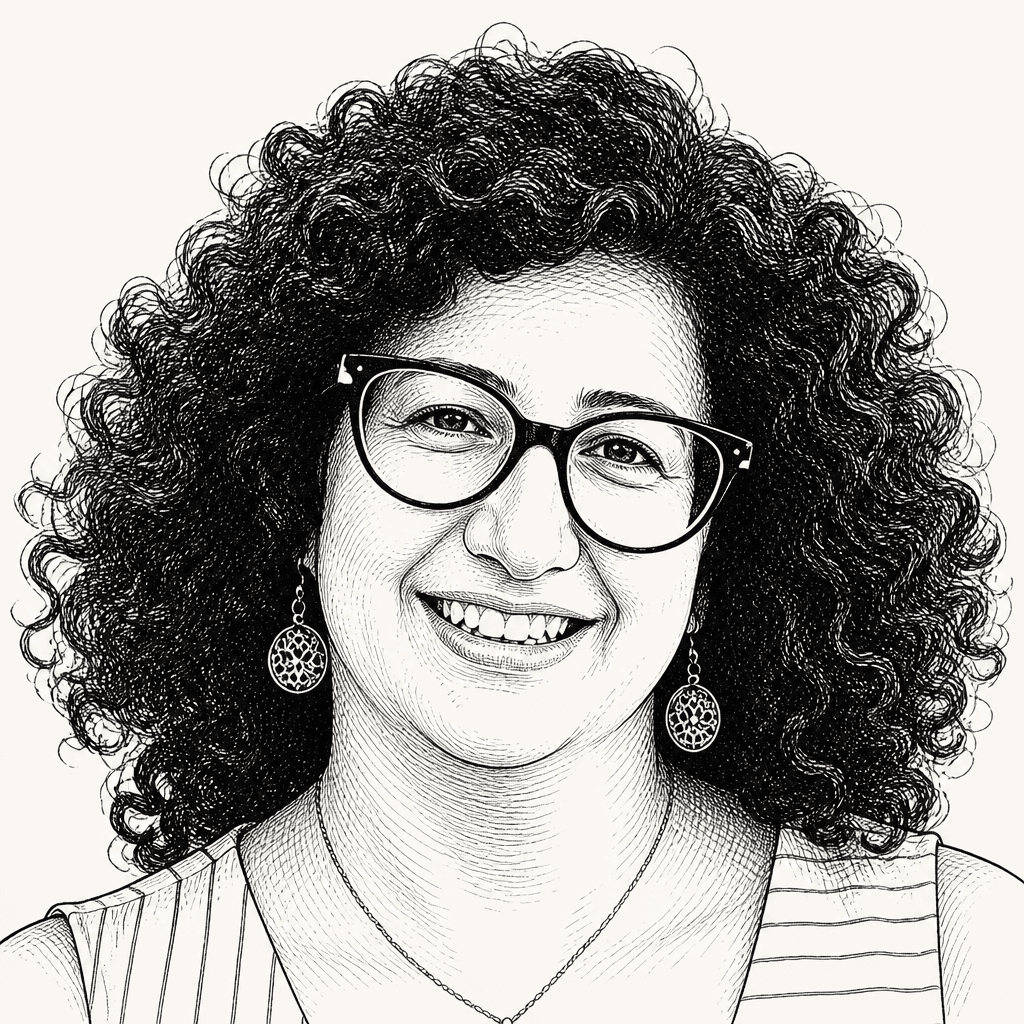 Riman Barakat
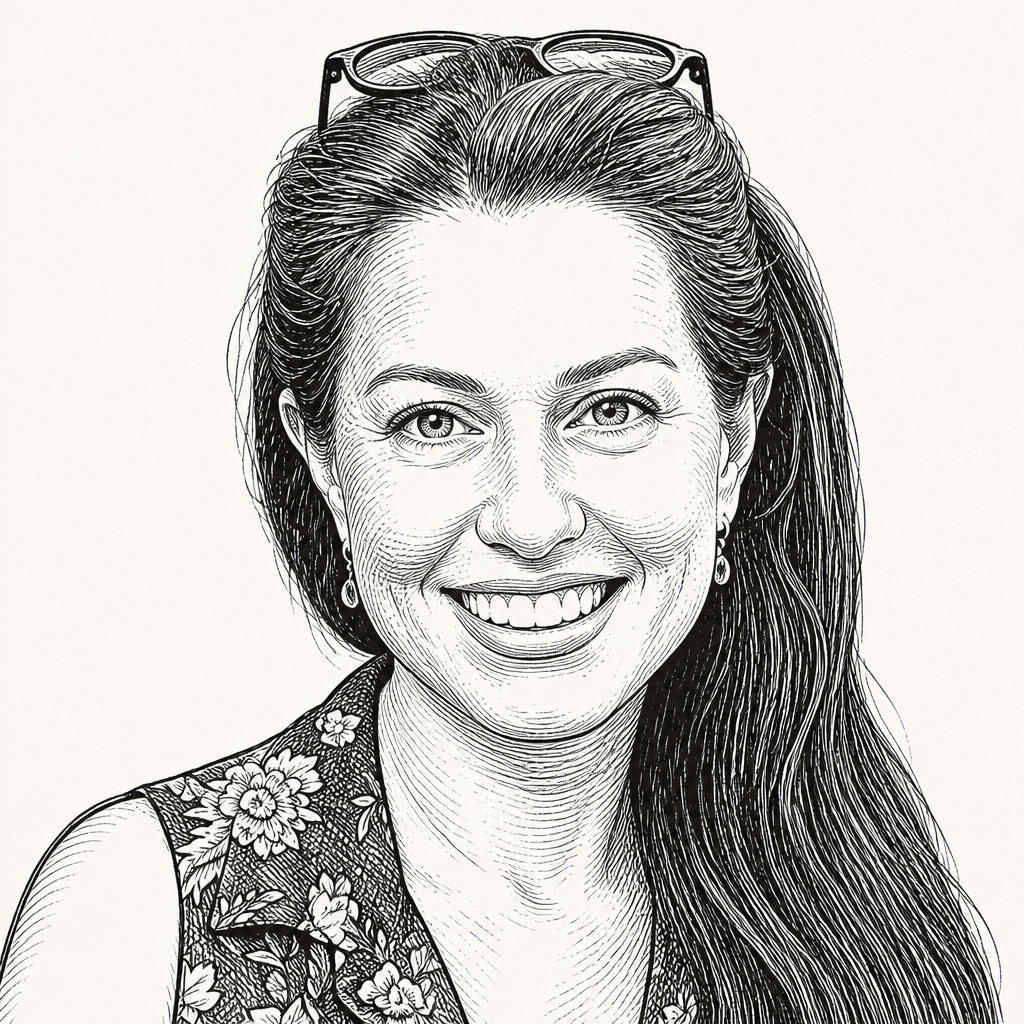 Karen Brunwasser
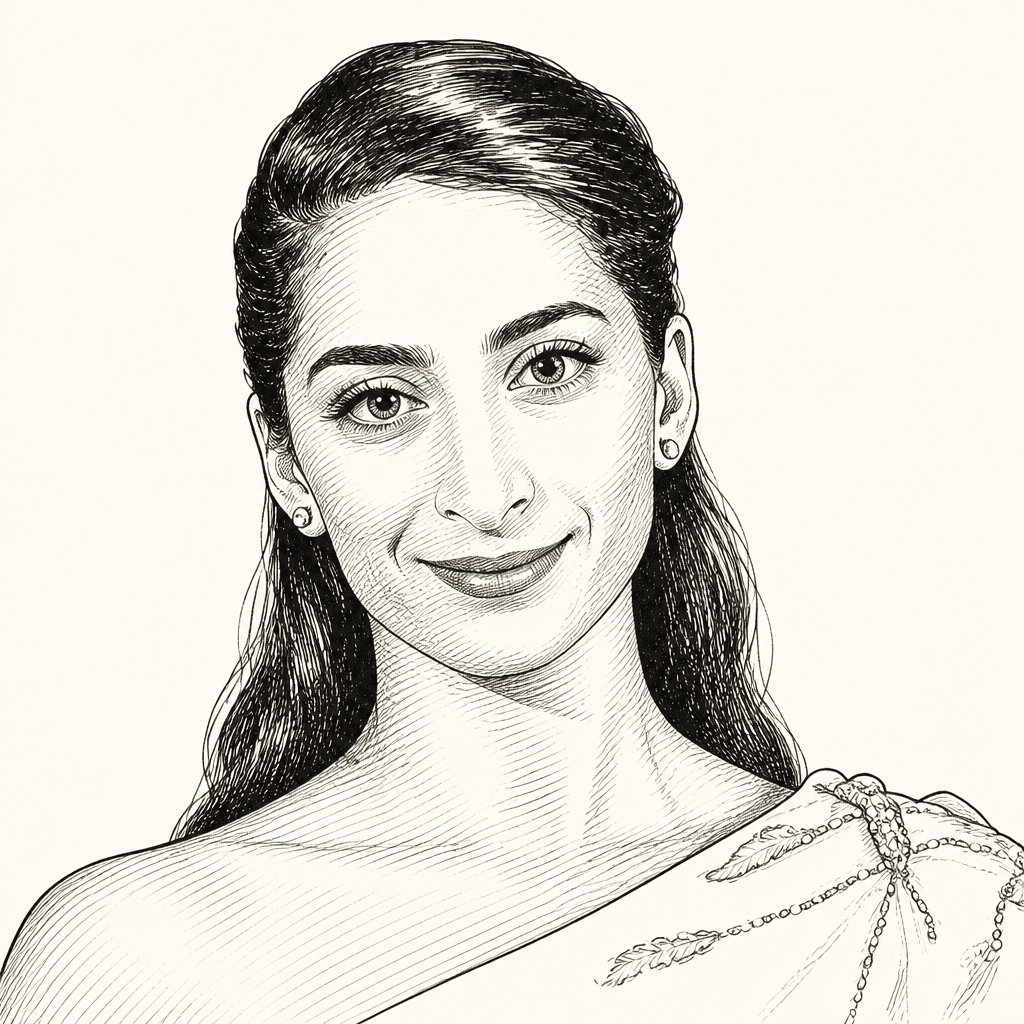 Nour Darwish
 Mary KellyThe Aspen InstituteMonday, June 29, 202619 min read
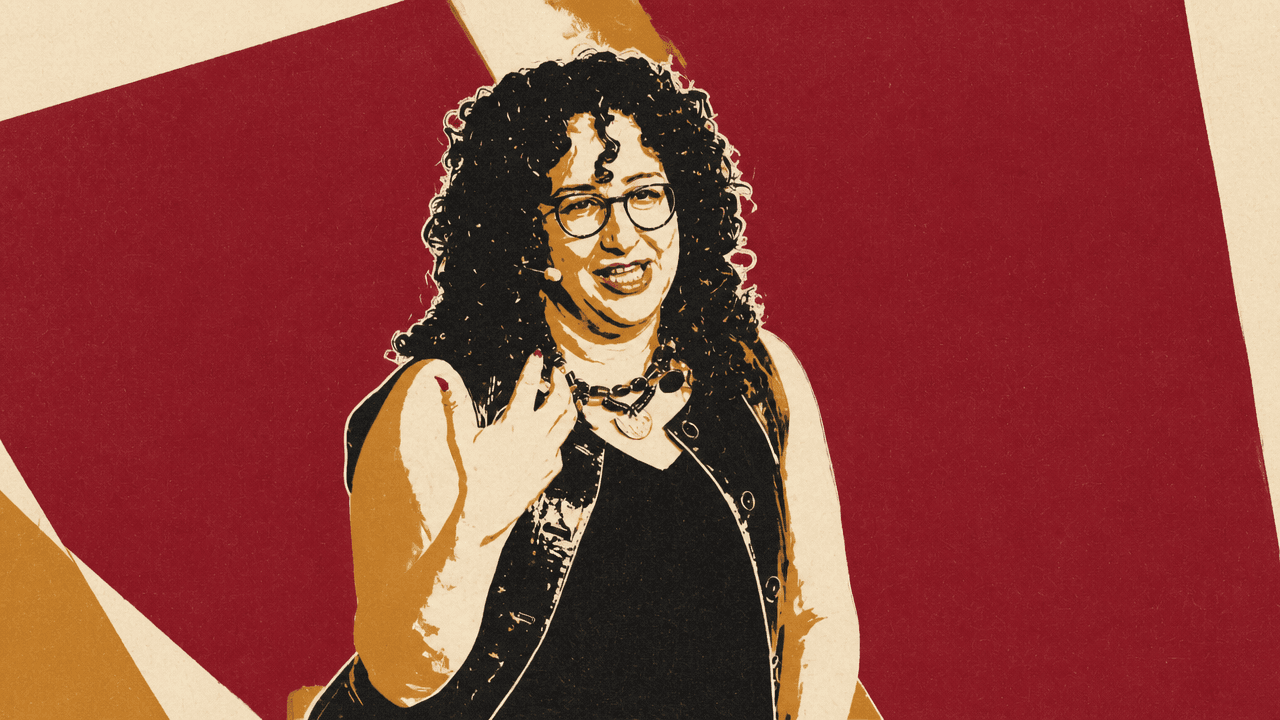
At the Aspen Ideas Festival, Feel Beit co-directors Riman Barakat and Karen Brunwasser described how their Israeli-Palestinian cultural center in Jerusalem nearly fractured after October 7, then recommitted to partnership by making room for grief, anger and fear rather than trying to smooth them away. Their case was that art cannot resolve the political conflict, but can create a shared space where Israelis and Palestinians keep enough trust, beauty and human contact alive to mourn, disagree and work together.
After October 7, the partnership almost broke — and then had to become more honest
Feel Beit’s co-directors did not present Israeli-Palestinian artistic partnership as an abstraction that survived war because everyone already agreed. They described a shared institution that nearly broke after October 7 and then had to decide whether the relationships built inside it were real enough to carry grief, fear, anger, and mutual recognition at the same time.
Karen Brunwasser called October 7 “horrific and earth-shattering,” and said the war that followed changed everyone’s life in the land. Feel Beit had already lived through boiling political tensions, repeated wars between Israel and Gaza, violence in Jerusalem, and COVID. But on October 8, one of its most idealistic Israeli colleagues told her, “I don’t know if we can get up from this one.” Even the center’s location — between Israeli and Palestinian neighborhoods, a source of pride — suddenly felt exposed. Brunwasser said she was afraid to be there.
For Riman Barakat, the rupture was personal and communal. After several days of shock, the senior team gathered on Zoom. Zuhdi, a Palestinian communications director who had deeply believed in the project, told them that he had once decided he did not want to work under Israelis or merely alongside Israelis; he wanted full partnership with Jews and Israelis. Now, he said, the gap felt so great he was not sure he could bridge it.
The pain was not abstract. Barakat had known Vivian Silver from a retreat and described her as “remarkable”; Silver was killed. A week into the war, Barakat’s nephew was beaten in East Jerusalem amid a crackdown on young Palestinian men, and his arm was broken. She later lost friends and family in Gaza.
When the staff gathered in person, about 17 people came together for what Brunwasser called a very difficult conversation. There were tears, yelling, someone stormed out, and one colleague resigned. Yet they did not let go of one another. Brunwasser’s explanation was unsentimental: they had built Feel Beit together “from the ground up,” and “you don’t give up easily on your shared baby.” One colleague looked at the bar and observed that nobody would be drinking there anytime soon, then brought out a bottle of gin for those who drank. Brunwasser said it helped.
The deeper repair came through recognition rather than resolution. Barakat recalled Brunwasser telling her and Zuhdi, “I cannot unlearn what I have learned about you.” For Barakat, that sentence mattered because it meant the relationships could hold under pressure. Brunwasser had told her that her young daughters were terrified of missiles but also asking about the children in Gaza. Barakat’s sister, who knew everyone at Feel Beit, was asking what they understood about Gaza.
That’s what I needed to hear, and that’s what, you know, that my pain is being seen, that my people’s pain is being seen.
Brunwasser described a separate moment that “reset” her brain. In September 2023, the Feel Beit team had gone to Nazareth with tourism entrepreneur Maoz Inon, who was exploring a cultural-tourism partnership in Jerusalem. Zuhdi was supposed to lead him on a Jerusalem tour on October 9. On October 7, Inon’s parents were killed in their home in Netiv HaAsara. Zuhdi decided to go to the shiva. Brunwasser called that act, by a Palestinian from East Jerusalem entering that mourning space, “incredibly brave.” Inon hugged him for five minutes and said, according to Brunwasser: “This happened to all of us, we’re going to bring the peace.”
When Israeli friends later asked Brunwasser how she could go back to Feel Beit and whether she felt safe, she said she told them Zuhdi’s story. Her answer became: “How can I not go back to Feel Beit with partners like that?”
The institution was built to hold full identities, not suspend them
Feel Beit was described by its co-directors as an Israeli-Palestinian cultural center on Jerusalem’s East-West border, built around a demanding premise: not occasional coexistence programming, but repeated co-creation under conditions that make ordinary contact politically and emotionally difficult.
Riman Barakat and Karen Brunwasser described the center as “a place where everyone can come in with their identity fully,” in Brunwasser’s words, “as long as they understand that other people will be in the space bringing their full identity as well.” The name itself compresses the center’s method: English, Hebrew, and Arabic blended into a phrase meaning “feel at home.”
The location matters. Feel Beit sits between Palestinian and Israeli neighborhoods, on the seam line dividing East and West Jerusalem. Brunwasser described the building as a 7,000-square-foot structure that had been abandoned and in disrepair, with a terrace overlooking the east toward the hills of Jordan. During the presentation, a dawn time-lapse from that terrace showed the city moving from darkness into a yellow and purple sunrise and then into bright blue sky.
The center began as a temporary cultural club during a festival: three weeks of music, exhibitions, lectures, and parties, all in Hebrew and Arabic, with Israeli, Palestinian, and ultra-Orthodox participants. When the pop-up ended, participants told the organizers not to give the place up. They turned it into a permanent home.
The need for a permanent space grew out of the limits of large cultural gestures. Barakat recalled a concert outside the Old City walls, also on the East-West border, that tried to put on stage “the new sound and look” of a shared future. During that event, an Israeli man approached her in Hebrew. She answered in English. He asked why. He did not know that, as a Palestinian from East Jerusalem, she had not learned Hebrew in school. They discovered that they lived five minutes apart and knew almost nothing about each other.
Barakat rooted the stakes in East Jerusalem’s political condition and in childhood memory. As a Palestinian from East Jerusalem, she said, she is neither an Israeli citizen nor a Palestinian citizen. She holds permanent residency, which she emphasized is “not at all permanent”: she must continually prove that her “center of life” is in Jerusalem or risk losing that status.
She grew up attending school near Damascus Gate during the first intifada, where tear gas entered classrooms and dead bodies lay outside the schoolyard. Israelis, she said, were enemies in her imagination until certain encounters opened other possibilities. One was literary: a Palestinian short story, “Soldiers Cry Too,” about a soldier at a checkpoint confronting whether to let a pregnant woman pass. The soldier cried. The story made Barakat imagine “what lies behind that uniform.” Another was her grandfather’s shop in the Old City, where she sometimes saw him drinking tea and doing business with Israeli retailers — her only memory, she said, of “a normal Israeli and Palestinian interaction.”
Those experiences eventually led her into peacebuilding and track-two diplomacy. But by 2014, during the war between Israel and Gaza and the eruption of violence in Jerusalem, she concluded that many Israeli and Palestinian leaders she knew “didn’t find the common sense to call upon each other when things became difficult.” Around that time she encountered Brunwasser and colleagues through an arts initiative. Their video-art work, which blended faces from many Jerusalem communities, reconnected her to the city and to the possibility that art could help people imagine a different future.
Brunwasser’s account of her own path was shorter but pointed to the same difficulty. She moved to Jerusalem in 2005, as the city was emerging from the bloodshed of the second intifada, and became involved in the Jerusalem Season of Culture, an arts initiative aimed at revitalizing the city as pluralistic and tolerant. But she stressed that aspiring to diversity in Jerusalem is not the same as realizing it. “If you’re a Jewish Israeli,” she said, “you don’t just waltz into East Jerusalem to the cultural organizations and say, let’s create art. It doesn’t work that way.” The suspicion was too strong, the cultural and political gaps too large.
The partnership with Barakat, and then with a broader Palestinian and Israeli team, changed the project from an Israeli organization trying to include Palestinians into what Barakat described as a team that is “half Israeli, half Palestinian today.”
The return to art began with proximity before performance
After the initial shock, Feel Beit’s first urgent action was to get people back into proximity. Riman Barakat said they invited members of the community to come for coffee, then communal lunch. At first 10 people came, then 20, then 30, then 50.
By December, Karen Brunwasser said, the team understood that the community was still with them and was ready, “very, very gently, very carefully,” to return to art. They began a weekly series called “No Words.” It was low-tech and simple because, she said, their budget had been “shot to shreds.”
Artists came from very different points in the cultural field. Brunwasser named Avishai Cohen, one of Israel’s most celebrated trumpet players, who played solo on a bare stage, something she said he does not usually do. She also named Sami Kak, an emerging calligraphy artist from East Jerusalem who brought an exhibition about hope during the war.
Nour Darwish was introduced as a classically trained opera singer who also draws on classical Arabic music and Palestinian folklore. Her performance began in English with an imagined escape into a dream: “If I just could close my eyes. Let the dream take my hands. Lead me to different skies. Where we all are safe. Where we all forget pain and sorrow.” She then sang in Arabic, repeating the longing to close her eyes, travel in imagination, let love and hope grow, and forget pain, while also naming a world marked by misery, injustice, oppression, tyranny, darkness, and selfishness.
Noam Helfer framed his contribution around belief as a human capacity. “As humans, we have superpowers,” he said. “And one of them is belief.” People gather in prayer houses to believe in God together, he said; people gather at the Aspen Ideas Festival to believe in humanity and possibility. “I go to Feel Beit to believe in peace.” In Israel-Palestine, he said, that concept can feel out of reach. At Feel Beit, it feels present “because there is place for everyone.”
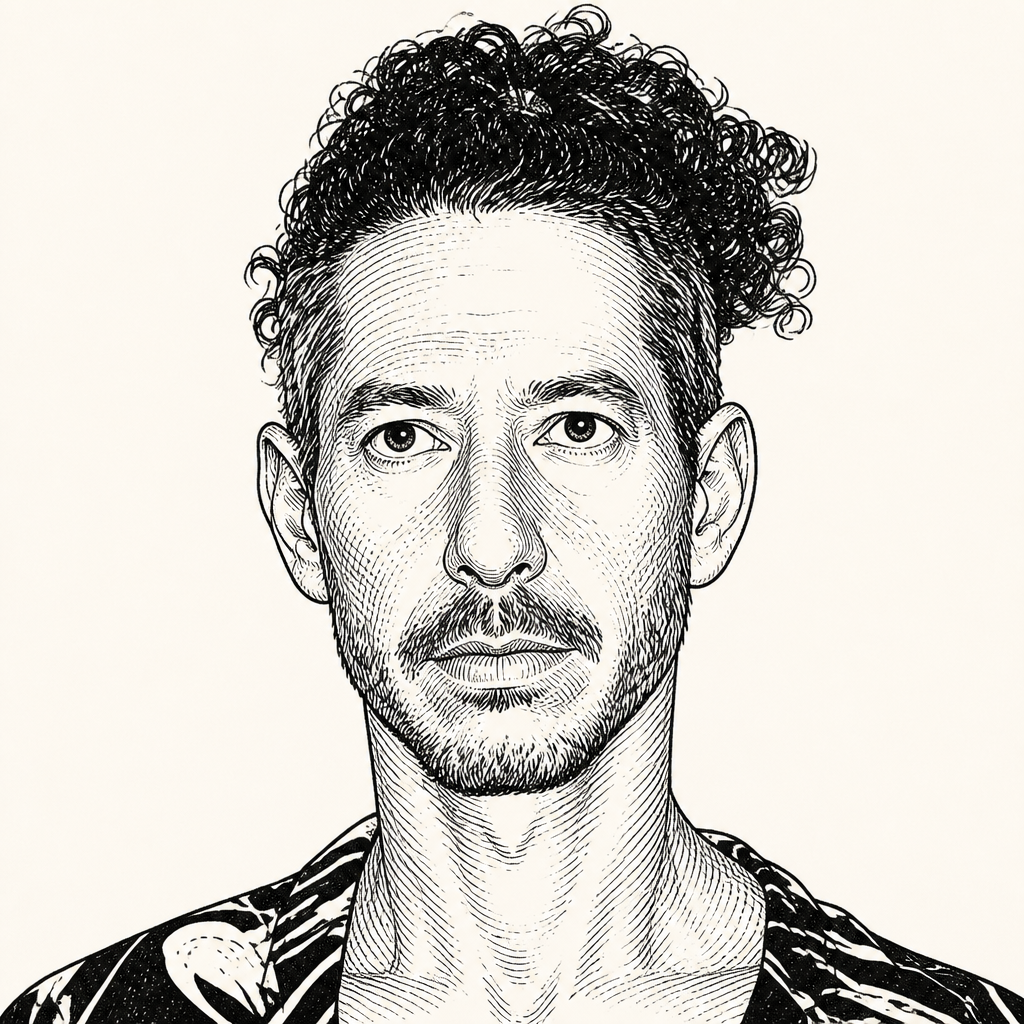
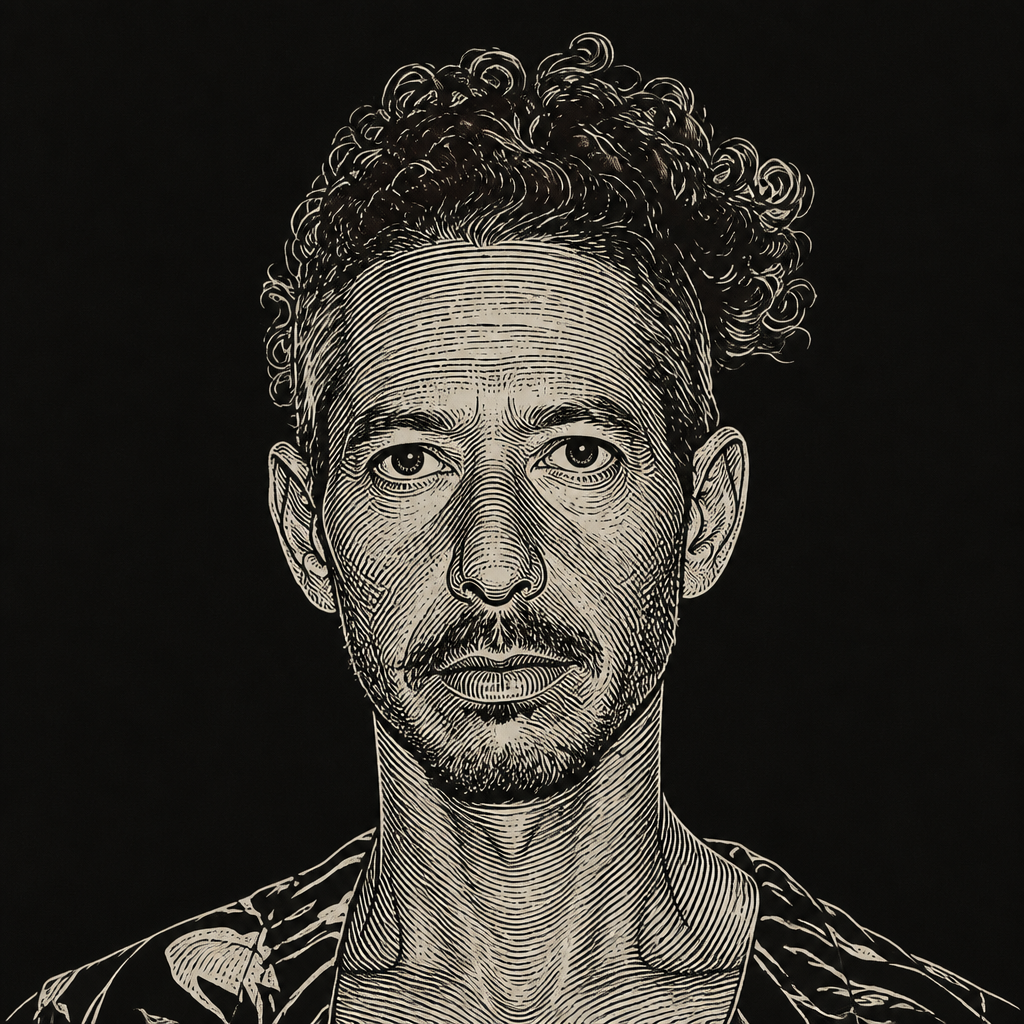
Helfer said he had made a sound collage combining Jewish prayers, Arabic prayers, and words from the Quran. The point was not to blur the traditions into sameness, but to place forms of prayer and study in a shared sonic environment: Hebrew prayer alongside spoken material about Quranic recitation, understanding, practice, and transmission.
As attendance grew, the program expanded from one day a week to two, then three. More people came, and more artists asked to participate. Brunwasser said people came “no matter what,” even though in war every day is horrible and some days are especially horrible for one side or the other. She heard versions of the same sentence repeatedly: “I wasn’t sure if I should come tonight given what happened today, but I’m so glad that I did.”
Her explanation remained tentative. She and Barakat did not claim to fully know why people came. Brunwasser offered a hunch: when people are in despair and loss, the additional possibility of losing humanity can feel unbearable. People cling to it “for dear life.” They may also want to see, however briefly, a different future together.
Co-creation meant translating the other’s songs — and letting them become difficult
Feel Beit’s leaders distinguished between artists merely appearing in the same space and artists creating together. Increasingly, Karen Brunwasser said, artists approached them not just to perform but to make work together as Israelis and Palestinians, to create a future artistic language. The collaboration between Nour Darwish and Noam Helfer became the clearest example offered.
Darwish performed “Hachnisini Tachat Knafech,” a poem by Haim Nahman Bialik, whom Helfer identified as one of Israel’s most famous poets. She sang the Hebrew and then her Arabic translation and interpretation. The song’s Hebrew request — “Bring me under your wing and be for me mother and sister” — became an Arabic rendering that held the image of being gathered under a wing, resting the heart in an embrace, and sending prayers upward. Darwish’s interpretation carried sorrow, longing, lost youth, and a hidden secret burning with nostalgia.
She then introduced a Palestinian folk song, “Ya Tal’een el Jabal,” “those climbing the mountain.” It was, she explained, sung by women to loved ones imprisoned during the British Mandate. It was not a regular song but a coded message: women inserted the “L” sound into certain words so British guards would not understand the message being sent to family members in prison. Darwish described the message as one of love, resilience, and support.
The collaboration did not require each artist’s inherited material to become frictionless. The most revealing example involved “Walk to Caesarea,” also known as “Eli, Eli,” a famous Israeli song. Helfer said he loved it and asked Darwish to translate it into Arabic. She refused. He thought of it as a beautiful song about nature; she said it was written by a soldier and “rubbed” her the wrong way.
Helfer treated the refusal as part of the work. He researched Hannah Szenes, who wrote the song, and told Darwish that Szenes had volunteered for the British Army as a parachutist to help rescue Holocaust survivors. He described her as “a good soldier” and a figure of women’s bravery. Darwish’s response shifted but did not dissolve the problem: “Okay, but this song hurts me. So the music has to hurt. It cannot be gentle and beautiful.”
That sentence became an artistic constraint. Darwish connected the beaches of Caesarea to the beaches of Gaza — “so close but so far,” in Helfer’s retelling — and described the sound of drones over Gaza during the war, a constant sound that did not stop. She showed him a video of a Palestinian music teacher who treated the drone not only as terror but as a musical drone, asking students to sing over it. Helfer said that was when they understood what they had to do.
A beloved Israeli song could not simply be translated as an act of goodwill. Its history, the identity of its author, the pain it triggered, and the sonic reality of Gaza all had to enter the arrangement. The music, as Darwish told Helfer, had to hurt.
The audience came because Jerusalem is not separable into clean categories
When Mary Kelly asked how ordinary Israelis and Palestinians living through the war were persuaded to show up, Karen Brunwasser resisted a simple answer. War, she said, is “much more idiosyncratic than people realize if they haven’t lived through war.” A person may want normal life at 11:00, become ideological at 11:02, and at 11:05 face something practical that must be handled.
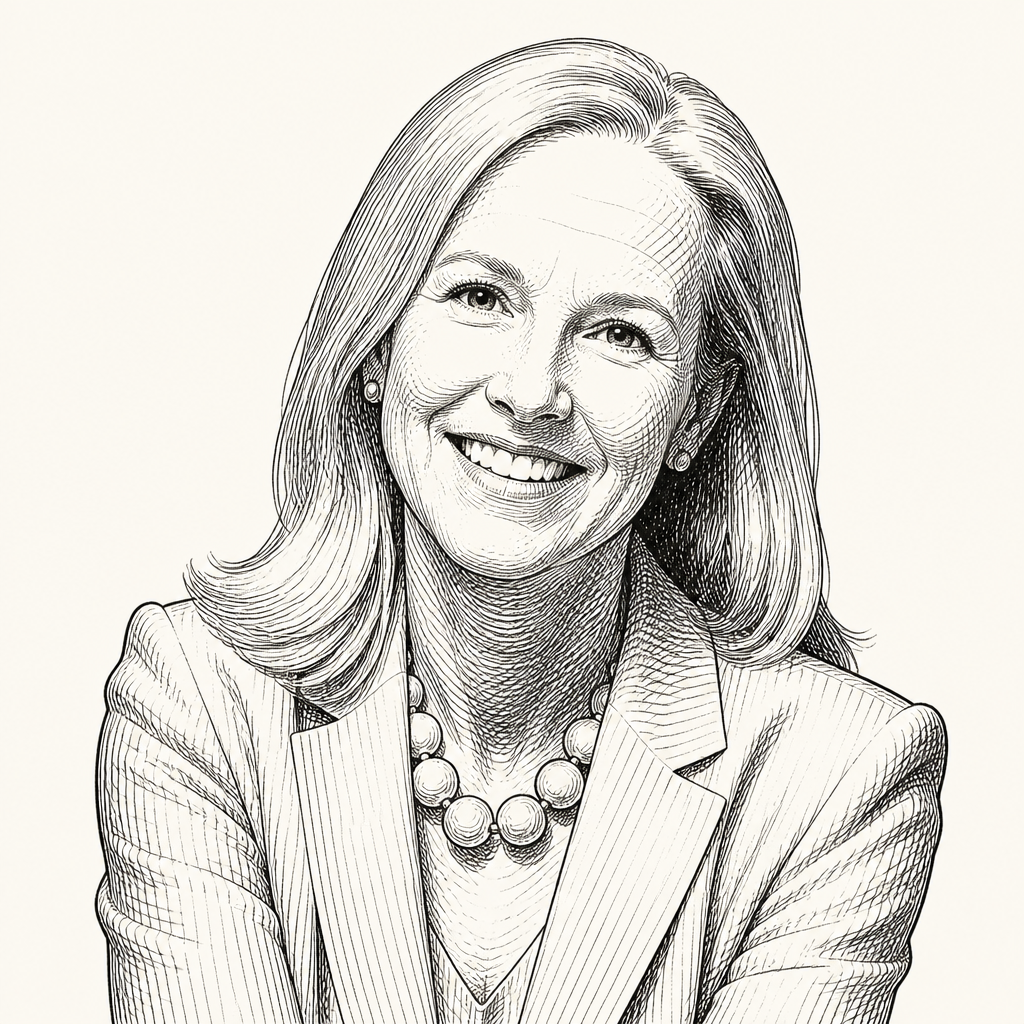
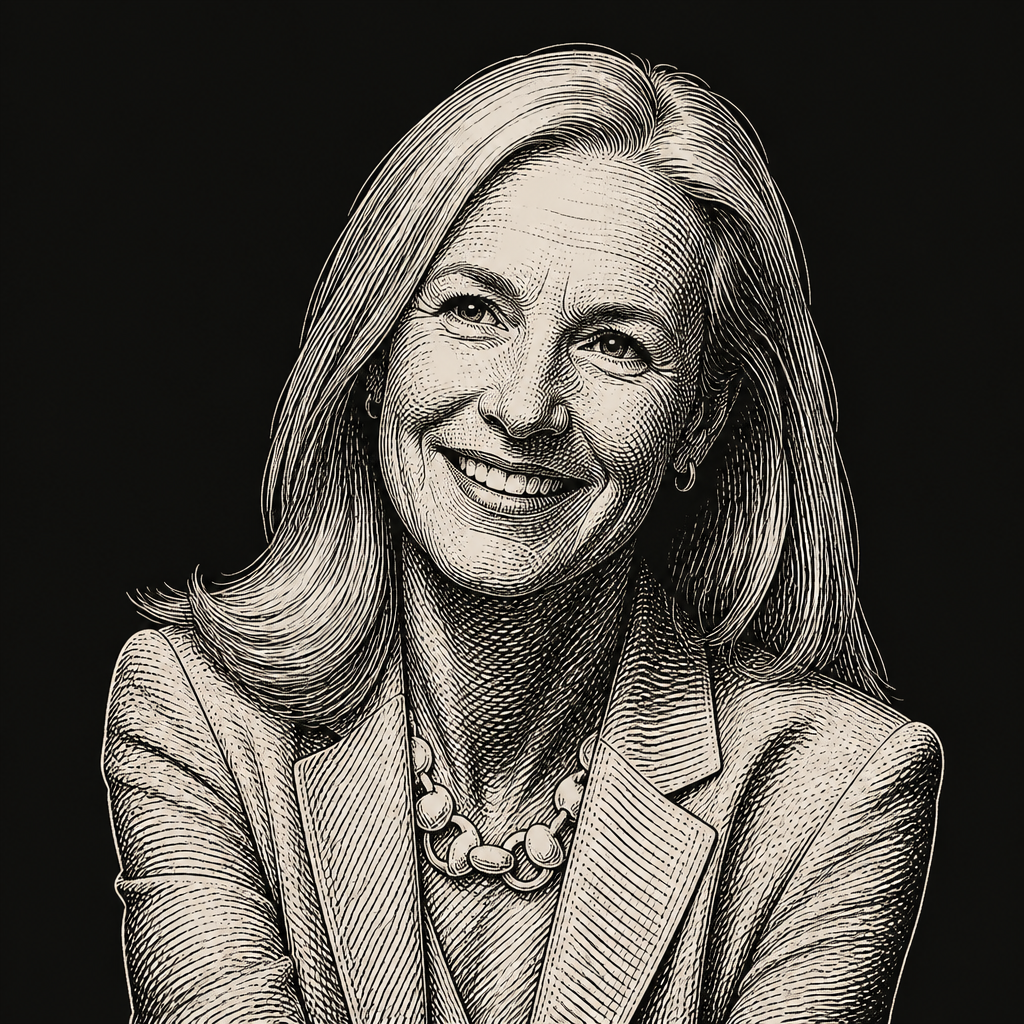
Brunwasser also argued that Feel Beit is not only an Israeli-Palestinian space. In Jerusalem, she said, there is also an extremist-versus-moderate divide. Moderate Israelis and moderate Palestinians who want free expression, freedom, and the ability to be who they are can hold on to each other. She named ordinary freedoms: a woman who wants to wear a tank top, someone who wants to drink a beer, someone from the LGBTQ community. Feel Beit is, in her framing, both a shared Israeli-Palestinian space and an open space.
Jerusalem’s physical and social reality reinforces the need. Brunwasser described the city as “40% Palestinian, 60% Israeli,” and deeply intertwined. People cannot extract themselves from one another. They meet at pharmacies, supermarkets, and on the train. “The meta meets the micro,” she said. Many people, in her view, know enough about the other side to distinguish between one person who may want to hurt them and another who is “actually amazing.”
Riman Barakat added that people come to Feel Beit wanting to “lose their guard.” They do not want to be forced constantly to perform Palestinian or Israeli identity, or to explain their suffering on demand. As a Palestinian, she said, she often carries the burden of having to talk about identity and what she has suffered. Israelis carry other burdens, including war and fighting. At Feel Beit, she said, people can meet each other as human beings without immediate demands. The talking happens eventually, but it is not forced at the door.
Music often serves as a low-barrier entry point. It connects people to what they already know while challenging them to encounter cultures they do not know. Over time, Barakat said, the center has developed enough trust with its audience to present more challenging work and allow the community to discuss it afterward.
The space itself is part of the argument. Brunwasser described a modern building with a glass facade, a multipurpose performance space, a visual arts gallery, and a planned multilingual Israeli-Palestinian wellness space. It is modular, constantly reconfigured, and intentionally beautiful. “People need beauty right now,” she said. “They need to feel that there’s a place that they can breathe.”
That need for breathing room does not mean the programming avoids the war. Brunwasser described the constant calibration required: sometimes the DJ playlist had to remain calm, not too happy or celebratory; sometimes someone argued that people needed release and wanted to dance; sometimes someone else was angry. Because many artists are local, they are highly attuned to the day’s grief.
One night, the bodies of six Israeli hostages were returned, including Israeli-American Hersh Goldberg-Polin, a Jerusalemite whose friends and some relatives were connected to the Feel Beit community. His aunt and uncle, prominent in efforts to bring him home, lived across the street from the center, with a balcony overlooking Feel Beit’s. Protests intensified; people moved between protests, the shiva at the relatives’ house, and Feel Beit. That night, three Israeli cellists and a Palestinian violinist performed a new work. Brunwasser said she did not know exactly what they did, except that “they played what people were feeling.” Again, people told the team they had not planned to come but were glad they did.
Barakat gave a parallel example: a Palestinian singer learned half an hour before performing that her first cousin in Gaza had been killed. She chose to get on stage anyway and sang beautifully. Barakat said she and Brunwasser often ask themselves how people do this — how they come when bodies have been returned, or when a cousin has just been killed. Their answer was not certainty but conviction: people want to choose a different kind of life, cling to hope, and imagine a different future. “There isn’t another option,” Barakat said.
Brunwasser also described the surreal normality of wartime life around the center: people on the terrace seeing a rocket fly through the sky; Israelis and Palestinians gathering during what she called the 40-day Iran war and looking at one another as if to say the world was irrational but the person across from them seemed normal enough to talk to. She said she had slept for 40 nights in a shelter with her children and about 30 other people. Her children were scared of the bombs, she said, but also liked the sleepover and the absence of school. “This is reality,” she said.
The center does not avoid political art, but it treats the audience as part of the work
Mary Louise Kelly pressed the tension between challenging art and the need for respite: had artists ever brought material so edgy that one of the co-directors thought it might go too far? Riman Barakat said there had been many such moments, and that the center chooses artists carefully. But she also described the center’s willingness to host work that carries sharp identity claims.
A recent Palestinian-only exhibition of women artists, she said, included artists who told Feel Beit that it was the only place in that environment where they could call themselves Palestinian. The center allowed that. When artists proposed material that might alienate part of the audience, the response was not censorship but conversation. Barakat described telling artists that if they say a particular thing, they should know there may be no Israeli audience. If the artists accept that, the conversation becomes about reframing rather than forbidding.
She gave the example of a dancer who initially came with a strong position and challenged the center as Palestinians and Israelis “normalizing.” After conversations, the dancer came once with her parents and without her friends; later she performed and brought friends from many places, filling the room with young dancers and artists.
Karen Brunwasser emphasized that serious artists cannot simply be censored. “Artists will not be censored,” she said. “They are who they are.” If an artist censors herself, Brunwasser argued, she may not be able to sing, or will sing without conviction. The responsibility of Feel Beit is therefore not to make the art painless, but to speak with artists about what the center is trying to do and to think carefully about how to help the audience experience difficult material.
Sometimes that means first inviting the closer community to see how a challenging work lands. Sometimes it means framing the work more carefully. Brunwasser returned to compassion as the governing principle: respect the art, respect what people are going through, and recognize that fear and anger are not intrusions into the work but part of the reality being worked through.
Barakat made the same point more directly: during the war, all the feelings people were having were legitimate — anger, pain, fear. Artists felt them, audiences felt them, and the center had to make room for them. Brunwasser added that under these circumstances, “real anger” and “real fear” are not merely reasonable; they have to be part of the space. Otherwise, she asked, “what are you doing?”
The “recipe” was ordinary human practice under extraordinary pressure
Feel Beit brought “recipe” cards for the audience — an attempt by Riman Barakat and Karen Brunwasser to name the ingredients that make the work possible. They did not go through all of them, but they discussed two in detail: compassion over righteous indignation, and self-love with self-critique. On stage, Brunwasser held up a small rectangular card with abstract line art, one of the cards placed in envelopes on the tables.
Barakat chose “compassion over righteous indignation” as a central ingredient. For her, it means recognizing that everyone has experienced pain and suffering, developing the capacity to see the other side, and seeing the whole picture rather than stopping at one’s own correctness. The collaboration between Darwish and Helfer, each singing and reworking the other’s song, served as an example. So did the leadership partnership: Brunwasser trying to understand what would keep Palestinians away from Feel Beit, and Barakat thinking about Israelis who would not come. “We’ve become so intertwined in our consciousness,” she said, that they choose compassion over “I’m right and she’s wrong.”
Brunwasser described the cards as a simple recipe, not a sophisticated theory. People often ask, especially in the United States, how Israelis and Palestinians can talk when Republicans and Democrats cannot. Her answer was that these are things “human beings know how to do”: compassion over righteous indignation, trust built over time. She suggested something has gone wrong recently, particularly in American civic life, such that people have forgotten ordinary human practices they once knew.
The ingredient most important to her was “self-love and self-critique.” She argued that healthy people need both serious self-reflection and self-love, and that the same is true for collectives. Serious self-critique is urgent, she said, for escaping the tragic mess they are in — including for her as an Israeli. But self-love is equally necessary. “I am a Jew and I am an Israeli and I love myself and I love my people,” she said. Barakat, she continued, is a Palestinian Muslim who loves herself and her people. Brunwasser said she would not want to partner with a Palestinian who did not love herself, because without that belonging, neither could influence their own people.
Love is not about loving what’s perfect. Love is about loving even when there’s so much that’s wrong.
Brunwasser extended the point to the United States through her own family story. When she moved away from the United States, she bought a “God Bless America” trinket that still hangs in her home. It matters to her because her Holocaust-surviving grandfather escaped a death march, hid behind a farm woman’s house, and eventually asked for food because he could not bear the hunger. The woman told him he could come out and pointed to the American flag. For him, Brunwasser said, that was the end of the war. Though he believed in Israel, he moved to the United States because he thought it was the greatest country in the world. That is how she was raised.
Her appeal to Americans was for both self-love and self-critique in what she called an “extraordinary experiment,” with all its faults. If things go badly in Israel-Palestine, she said, “it’s really bad for us.” If things go badly in the United States, she began to say more and then trailed off: “I mean, anyway. Happy July 4th.”