Israeli-Palestinian Artists Keep a Shared Jerusalem Space Open Through War
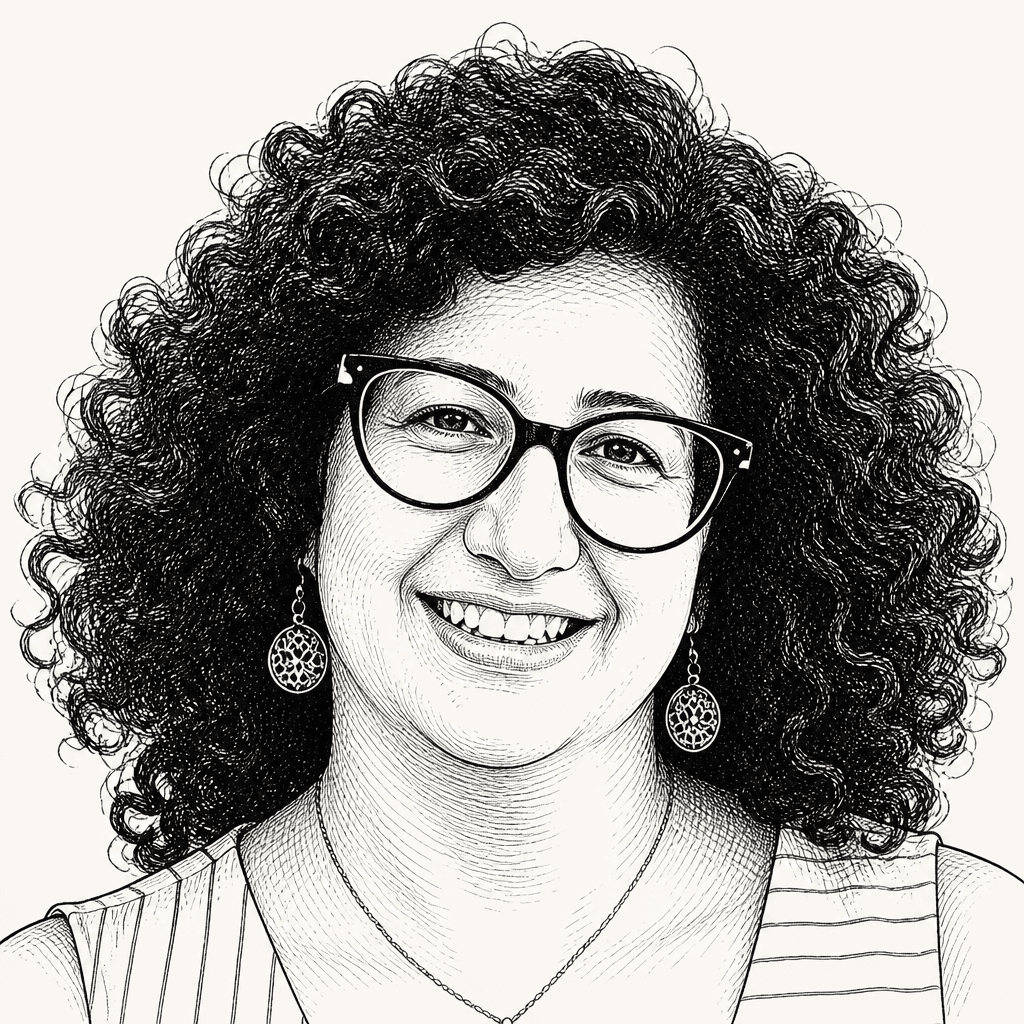 Riman Barakat
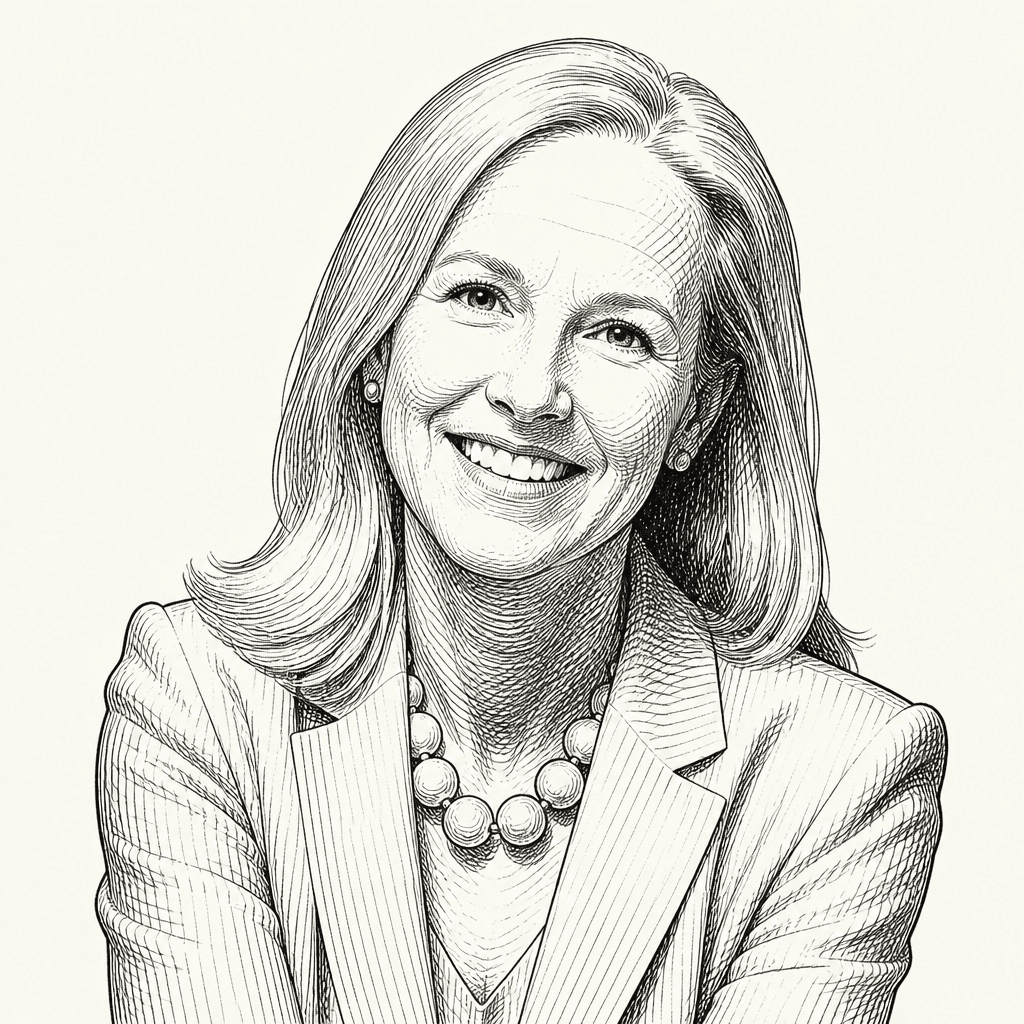 Mary Kelly
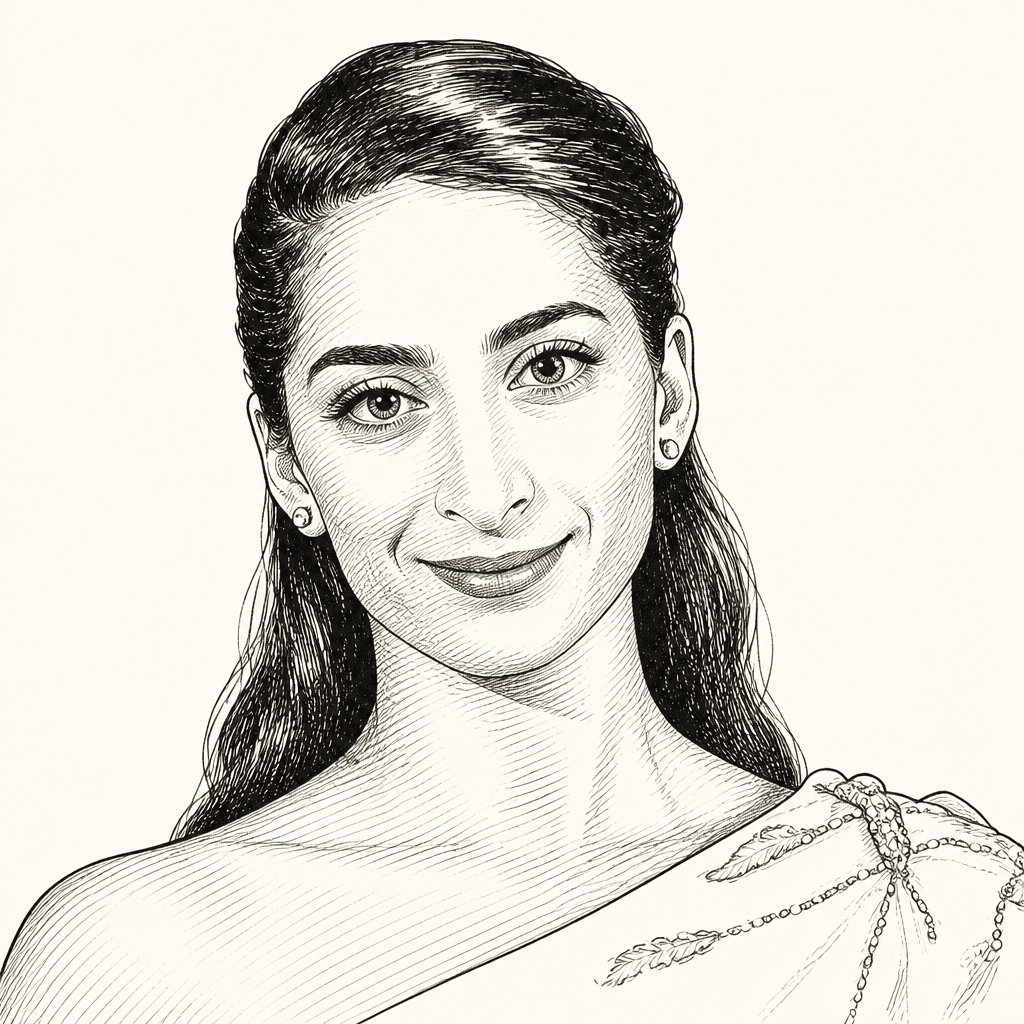 Nour Darwish
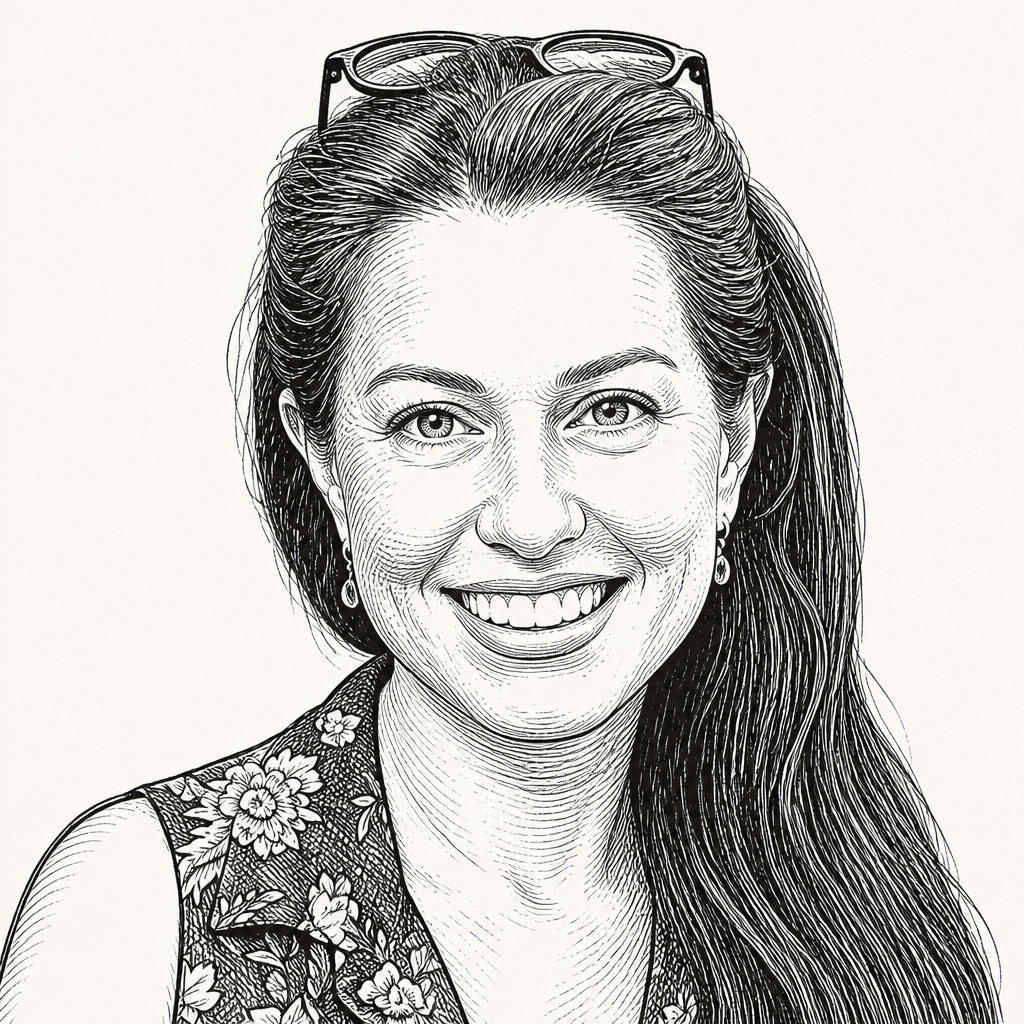 Karen Brunwasser
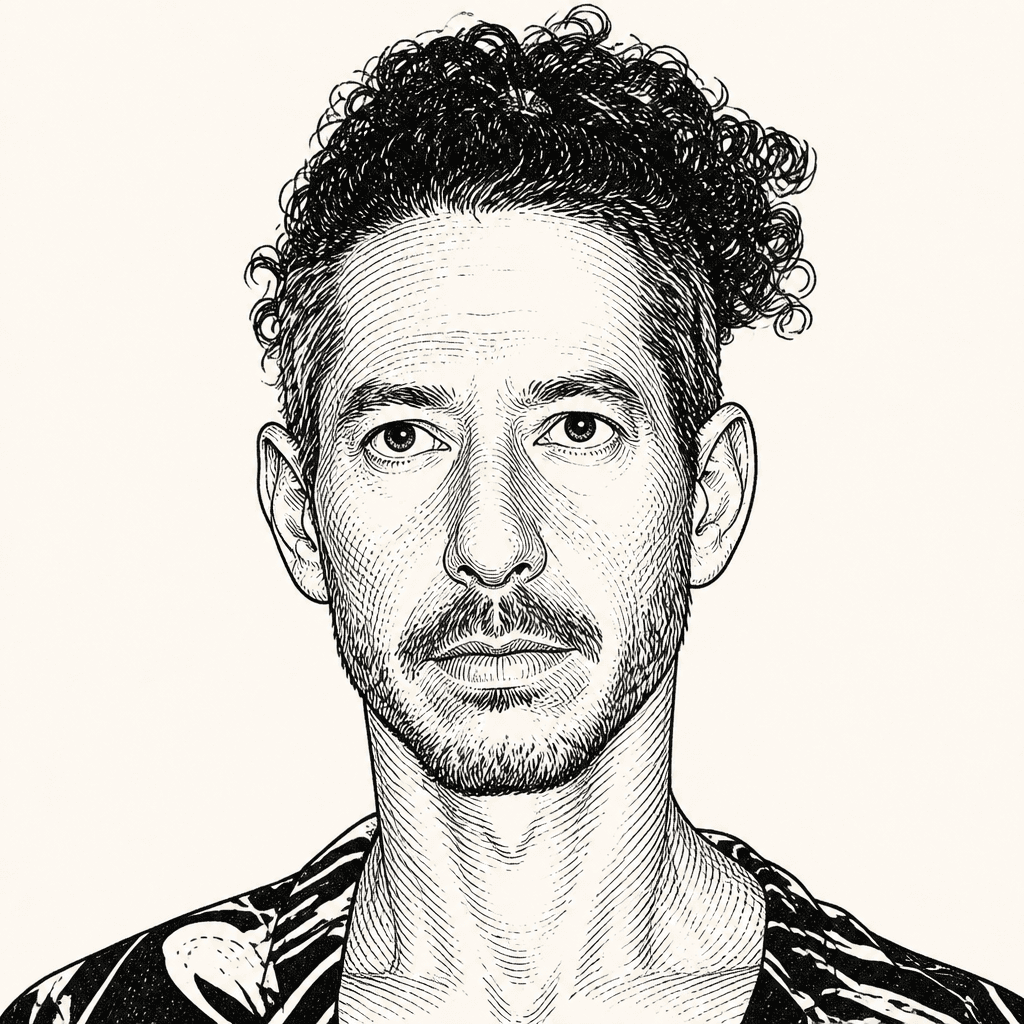 Noam HelferThe Aspen InstituteThursday, July 9, 202620 min read
At the Aspen Ideas Festival, Feel Beit co-directors Riman Barakat and Karen Brunwasser present their Jerusalem cultural center as a test of Israeli-Palestinian partnership under war, not apart from it. They argue that the center has survived since October 7 because it does not ask artists or audiences to mute their identities or grief, but uses music, performance and conversation to keep a shared civic space open when politics and violence are pulling it apart.
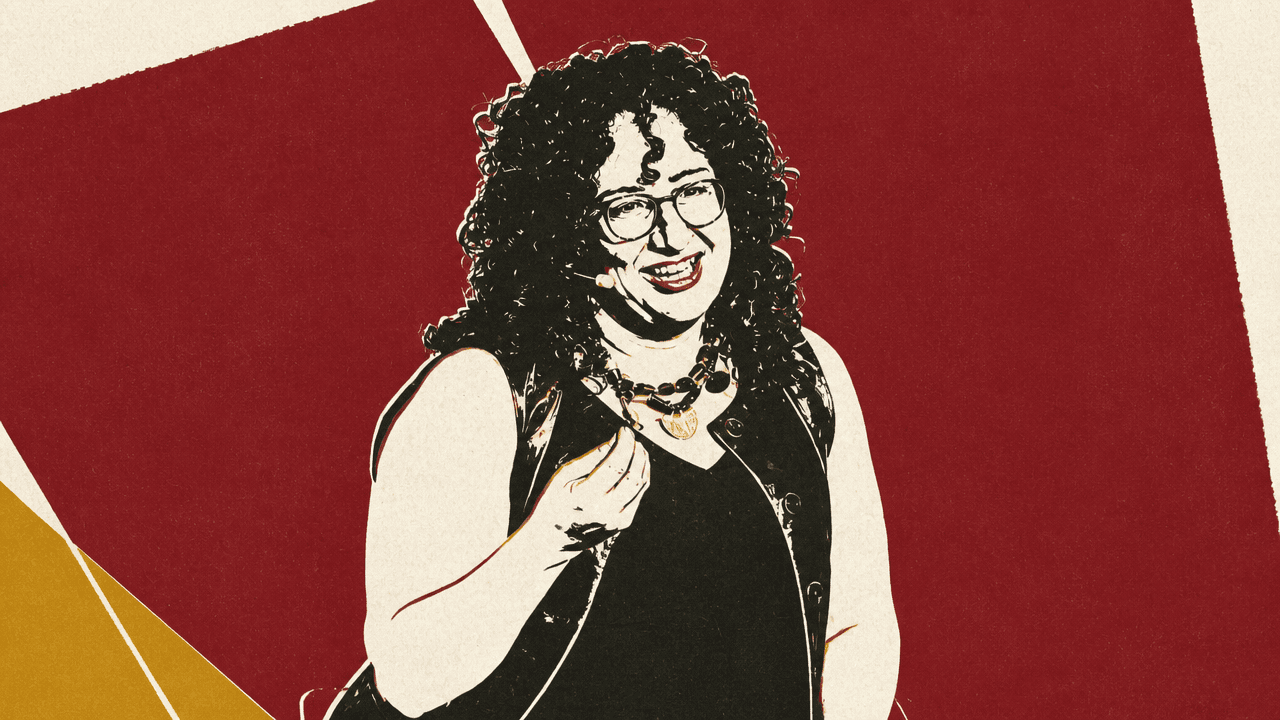
Feel Beit is built on full identity, not neutral ground
Riman Barakat introduced Feel Beit as an Israeli-Palestinian cultural center on Jerusalem’s East-West border, co-directed with Karen Brunwasser. The claim the two co-directors put before the room was not simply that the center had endured. It was that a team and community of Israelis and Palestinians, after more than two years of war, grief, and political division, “have not only held together, but have grown stronger.”
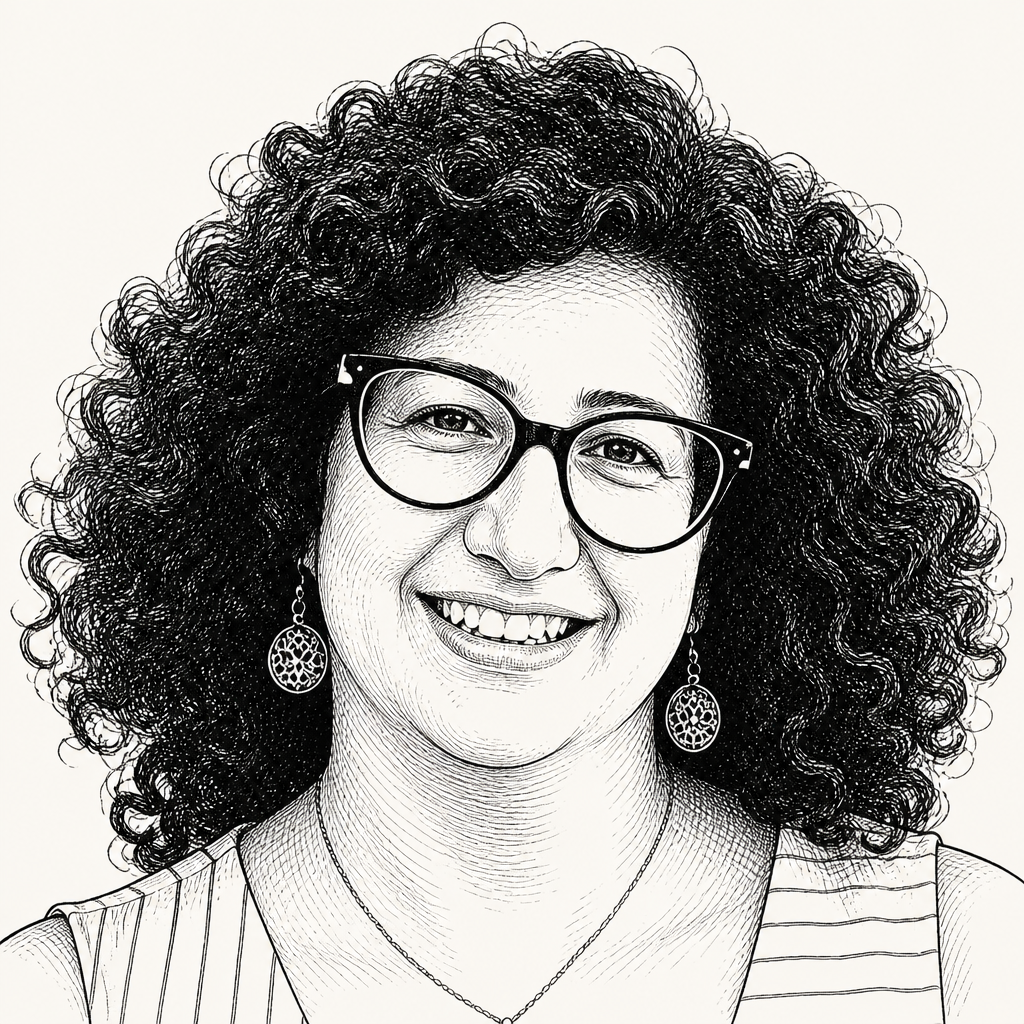
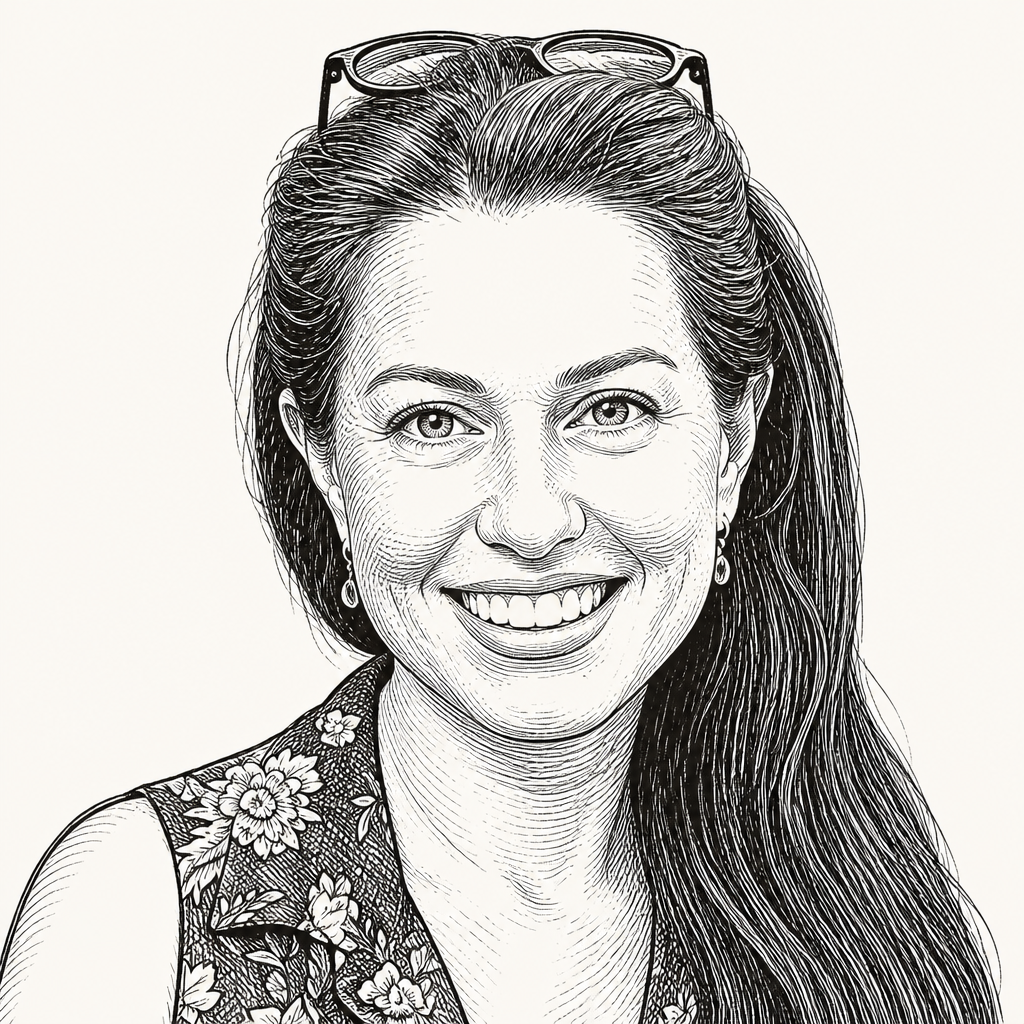
Feel Beit is not presented as coexistence by avoidance, or art as an escape hatch from politics. It commissions and presents music, theater, dance, visual art, and other forms of original work in Hebrew and Arabic, with Israeli and Palestinian artists, in a building deliberately sited between Palestinian and Israeli neighborhoods. Its name blends English, Hebrew, and Arabic into something meaning “feel at home.”
The center’s operating principle is that identity does not disappear at the door. Barakat described it as a space where everyone may enter “with their identity, fully,” on the condition that everyone else may do the same. It is not a neutral middle in which Israelis and Palestinians become less themselves. It is a room designed to withstand the fact that they remain themselves.
That principle grew out of two different relationships to Jerusalem. Brunwasser, born in Philadelphia, moved to Jerusalem in 2005 after what she called an “inconvenient passion” for the city. She found a city emerging from the bloodshed of the Second Intifada, one that people warned was no longer “for normal people” and was losing young creative residents to Tel Aviv. Through the Jerusalem Season of Culture, an arts initiative supported by philanthropist Lynn Schusterman, she worked on an effort to revitalize Jerusalem as pluralistic and tolerant through the arts. The aspiration collided with the reality of the city: a Jewish Israeli cannot simply walk into East Jerusalem cultural organizations and say, “let’s create art.” The cultural and political gaps are too large; suspicion is too strong.
Barakat entered from East Jerusalem, as a Palestinian who is neither an Israeli citizen nor a Palestinian citizen. She holds Israeli permanent residency, which she called “not at all permanent,” because she must continually prove that Jerusalem remains her “center of life” or risk revocation of her status. Her childhood school, outside Damascus Gate, was set in a flashpoint of the First Intifada. Israeli soldiers and Palestinian young men clashed outside, tear gas drifted into classrooms, and dead bodies lay near the schoolyard. She said she saw Israelis as enemies until later experiences complicated that picture.
One complication came through a Palestinian short story she read in school, “Soldiers Cry Too,” about a soldier at a checkpoint crying as he wrestled with whether to let a pregnant woman pass. The story opened, for Barakat, a question about “what lies behind that uniform.” Another came from her grandfather’s shop in the Old City, where she saw him drink tea with Israeli retailers he did business with. That ordinary scene — two people relating to each other over tea — was her only real memory, she said, of normal Israeli-Palestinian interaction.
After studying Middle Eastern politics and working in peacebuilding and track-two diplomacy, Barakat became disillusioned during the 2014 war between Israel and Gaza, when violence also erupted across Jerusalem. Israeli and Palestinian leaders she knew, she said, “didn’t find the common sense to call upon each other” as conditions worsened. Around that time, she encountered Brunwasser and colleagues through an artistic video project that showed many faces of Jerusalem from different backgrounds. It reconnected her to the city and opened her to what art might do: not settle the conflict, but help people imagine a different future.
Barakat joined what had been an Israeli-only organization and began meeting Palestinian artists and creatives, building trust over time. A large concert outside the Old City walls, again on the East-West border, was designed to manifest “the new sound and look” of a shared future. But the decisive lesson came in a smaller exchange. An Israeli man approached Barakat in Hebrew; she answered in English. He asked why. He did not know that, as a Palestinian from East Jerusalem, she had not learned Hebrew in school. They discovered they lived five minutes apart and knew almost nothing about each other.
That exchange clarified the limitation of grand symbolic events. Inspirational concerts mattered, Barakat said, but what was needed was a place where Palestinians and Israelis might meet every day.
A producer later found an abandoned 7,000-square-foot building on a hill, in disrepair but with a panoramic view east toward the hills of Jordan, exactly between Palestinian and Israeli neighborhoods. The dawn view from its terrace established the geography of the project: Jerusalem’s hills and cityscape coming into view from a seam-line building. The team persuaded the owners to let them use the site as a pop-up culture club for all Jerusalemites. For three weeks, it hosted music, exhibitions, lectures, parties, and other events in Hebrew and Arabic, Israeli and Palestinian. Ultra-Orthodox Jews came too. At the end, people told them not to give the place up. They did not.
After October 7, the partnership had to survive grief before it could resume programming
For Karen Brunwasser, October 7 was “horrific and earth-shattering.” Feel Beit had already endured boiling political tensions, smaller wars between Israel and Gaza, violence in Jerusalem, and COVID. But the day after the attacks, one of the organization’s most idealistic Israeli colleagues told her, “I don’t know if we can get up from this one.” Even the building’s seam-line location, once a source of pride, suddenly felt vulnerable. Brunwasser said she was afraid to be there.
Riman Barakat described the first days as shock and paralysis. The senior team then gathered on Zoom. Zuhdi, Feel Beit’s Palestinian communications director and one of its deepest believers, said that years earlier he had decided he did not want to work under Israelis or merely alongside Israelis; he wanted full partnership with Jews and Israelis. But now, he said, the gap felt so great that he was not sure he could bridge it.
The war touched the community directly on multiple sides. Barakat had spent time in a retreat with Vivian Silver, whom she called remarkable; Silver was killed. Barakat’s nephew was beaten in East Jerusalem during a crackdown on young Palestinian men and had his arm broken. She also lost friends and family in Gaza. The result was a community carrying different wounds at the same time, with no shared language adequate to all of them.
The week after October 7, the team gathered in person — about 17 people. Brunwasser described tears, yelling, someone storming out, and one colleague resigning. Yet they held on. Feel Beit, she said, had been built together from the ground up. It was their “shared baby,” and people do not easily give up on a shared baby. One colleague, Adan, looked at the bar and observed that nobody would be drinking from it soon; she got a bottle of gin and poured for those who drank. “It helped,” Brunwasser said.
The more serious holding came through recognition. Barakat recalled Brunwasser telling her and Zuhdi that what they had learned about each other before the war could not simply be undone.
I cannot unlearn what I have learned about you.
Barakat said that sentence was powerful because it confirmed that the relationships built before the war still existed. She was heartbroken, she said, but she also needed to hear that Brunwasser’s young daughters were terrified of missiles and asking about the children in Gaza.
My pain is being seen, that my people’s pain is being seen.
Her sister, who knew the Feel Beit team, was asking what they knew about Gaza. What mattered, Barakat said, was knowing “there’s still humanity on the other side.”
For Brunwasser, one pivotal moment involved Zuhdi and an Israeli tourism entrepreneur, Maoz Inon. In September 2023, the Feel Beit team had toured Nazareth with Inon to discuss cultural tourism in Jerusalem. Zuhdi was supposed to reciprocate with a cultural tour on October 9. On October 7, Inon’s parents were killed in their home in Netiv HaAsara. Zuhdi decided to attend their shiva. Brunwasser called it “incredibly brave” for a Palestinian from East Jerusalem to enter that space. Inon hugged him for five minutes and said, “This happened to all of us, we’re going to bring the peace.”
When Israeli friends asked Brunwasser how she could return to Feel Beit and whether she felt safe, she said she told them Zuhdi’s story. “How can I not go back to Feel Beit with partners like that?”
The first response was not dialogue but presence
The first post-October 7 programming was called “No Words.” Riman Barakat said that after the initial shock subsided, the urgent task was to bring people together and keep them connected. The first invitations were small: coffee, then communal lunch. Ten people came, then 20, then 30, then 50. By December, the team understood that the community was still with them and was ready, “very, very gently, very carefully,” to return to art.
The No Words series was weekly, simple, and low-tech because the budget had been “shot to shreds.” Artists came anyway. Avishai Cohen, described as one of Israel’s most celebrated trumpet players, performed solo on a bare stage, something he ordinarily did not do. Sami Kak, a young calligraphy artist from East Jerusalem, brought an exhibition about hope in a terrible time. Nour Darwish, a classically trained soprano who combines opera with classical Arabic music and Palestinian folklore, sang a piece whose English opening imagined closing one’s eyes and being led by dreams to “different skies, where we all are safe,” where pain and sorrow might be forgotten.
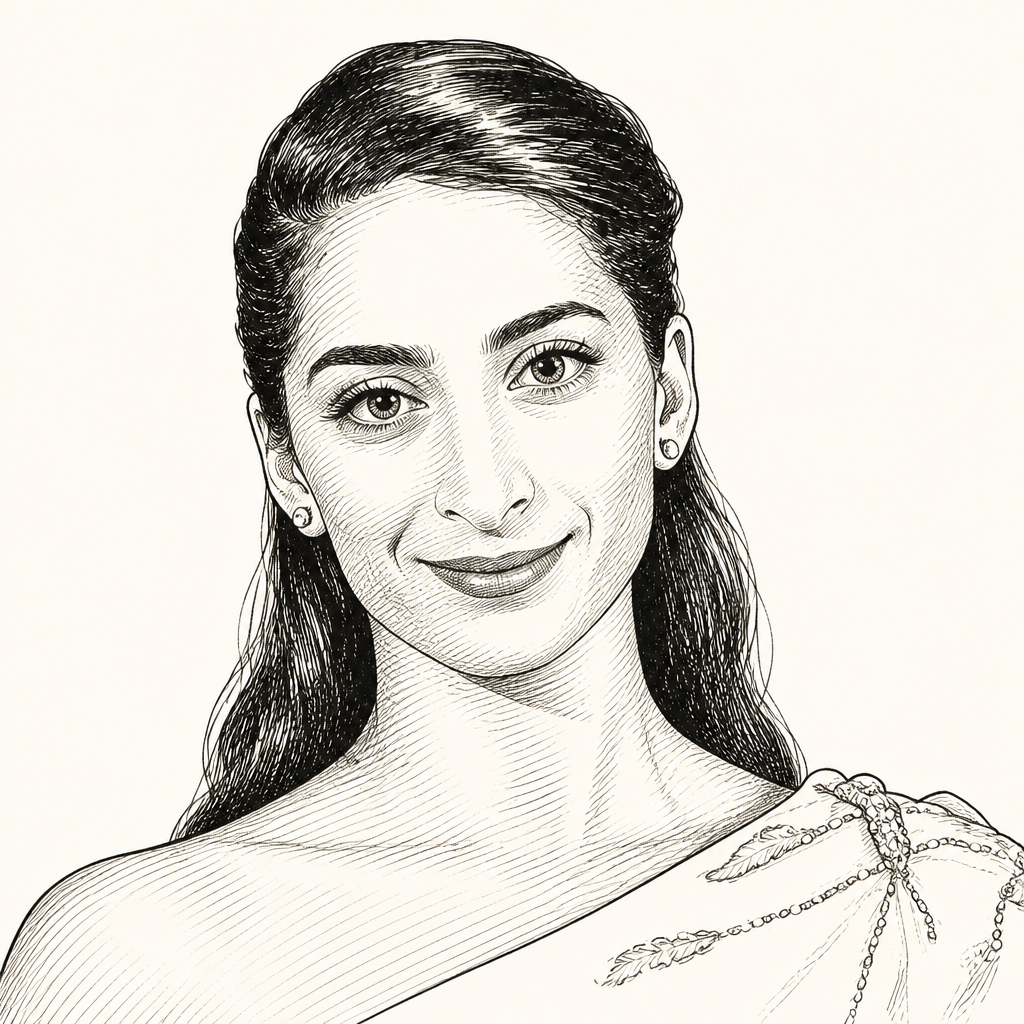
The organizers framed No Words as a response to a moment when speech itself was overburdened. The opening language of the evening had named an unclear future, grief, fear, and “absolute chaos,” then moved through Arabic and Hebrew toward a need for spaces that allow people to be together and to be “active in the making of hope.” Another opening line called Feel Beit “this place where the future is being built.”
Noam Helfer then described belief as a human “superpower.” People gather in prayer houses to believe in God together, he said, and gather at a forum like Aspen to believe in humanity, ability, and “magic.” He goes to Feel Beit to believe in peace. In Israel and Palestine, he said, that concept can feel out of reach. At Feel Beit, “it is just there because there is place for everyone.”
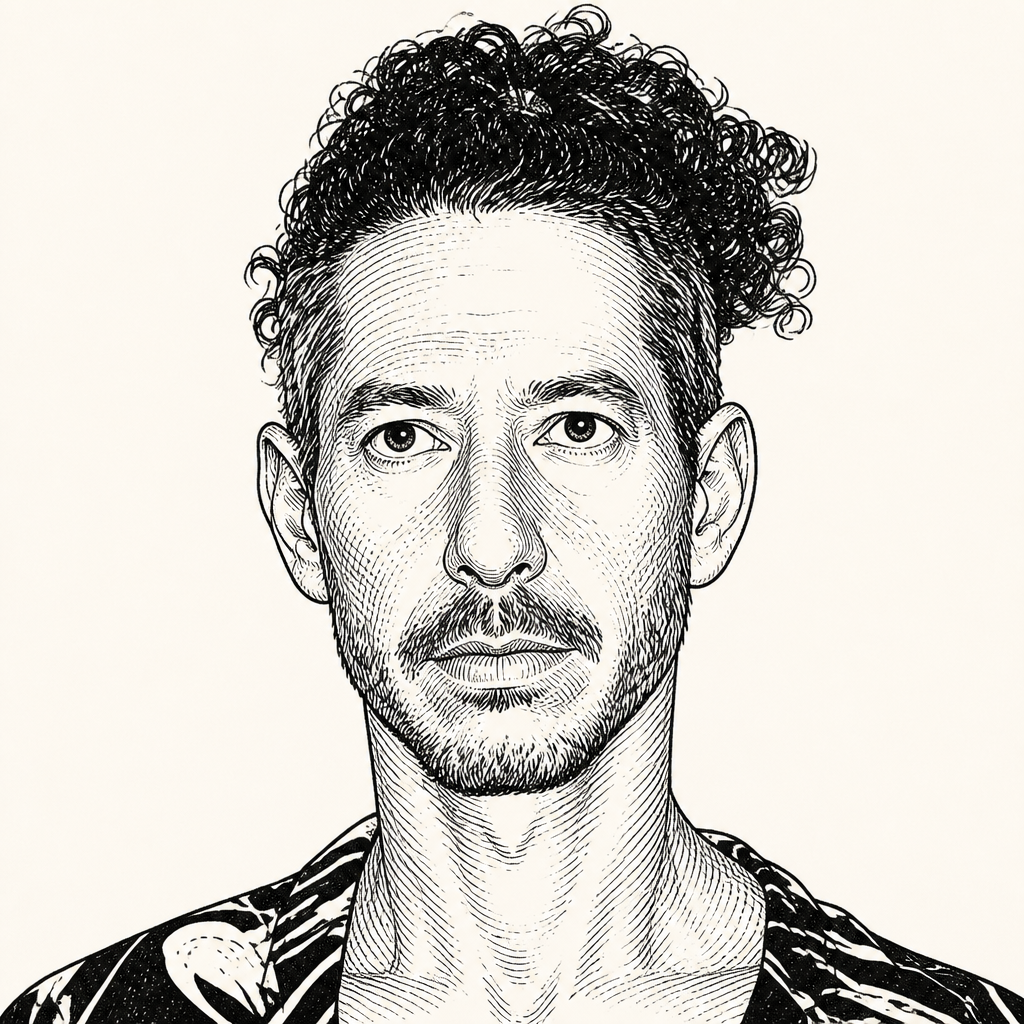
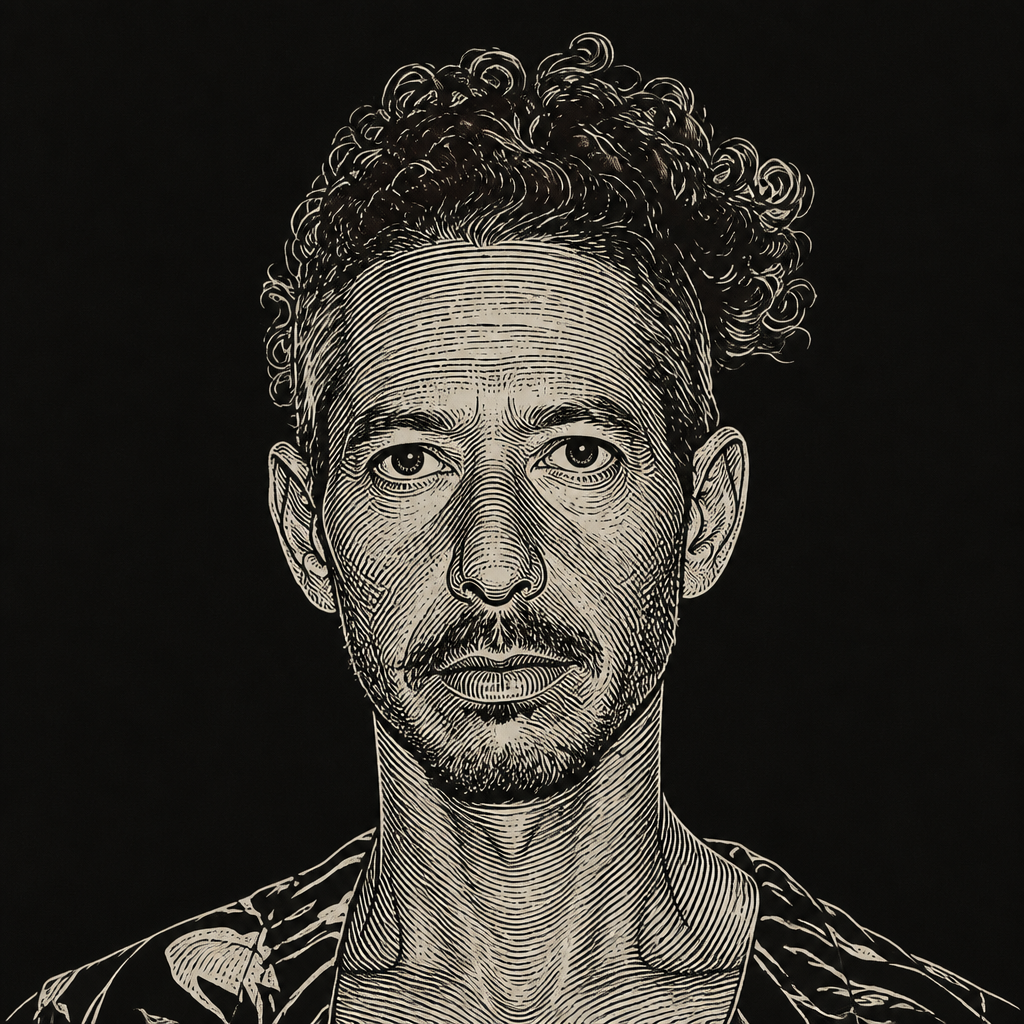
Helfer presented a sound collage combining Jewish prayers, Arabic prayers, and words from the Quran. He moved from a Jewish liturgical line, “Ana bekhoakh,” into spoken material about studying the Quran: recitation, understanding, putting into practice, and conveying to others. He also included a story about Yusuf, Joseph, whose beauty so mesmerized women cutting meat that they cut their fingers. The collage placed prayer, explanation, and fascination in the same listening space without requiring the traditions to become the same.
As No Words expanded, Feel Beit moved from one day a week of artistic programming to two, then three. More people came from the community, and more artists wanted to do something there. Brunwasser said the “crazy thing” was that people came no matter what. In war, every day is horrible, she said, but some days are particularly horrible for one side or the other. Still, people arrived, often saying some version of: “I wasn’t sure if I should come tonight given what happened today, but I’m so glad that I did.”
Brunwasser did not claim to fully know why. Her hunch was that when people are in loss and despair, the prospect of also losing humanity can become unbearable. Some cling to it “for dear life.” Perhaps, she added, people also want to see a different future together.
Co-creation is a negotiated artistic language
The clearest demonstration of Feel Beit’s method came through the work created by Nour Darwish and Noam Helfer. Their collaboration did not present shared art as frictionless harmony. It treated each side’s song as material that could be carried, translated, resisted, and changed.
Darwish performed a song by Haim Nahman Bialik, whom Helfer described as one of Israel’s most famous poets. Darwish said the Arabic was her translation and also her interpretation of the text. The significance lay not only in a Palestinian artist singing a canonical Hebrew poem-song in Arabic, but in Darwish’s insistence that translation also meant interpretation.
She then introduced “Ya Tale’in el Jabal,” a Palestinian folk song that women used to sing to loved ones imprisoned during the British Mandate. The song, she explained, was not a regular song but a coded message. Women added the “L” sound to certain words so British guards would not understand what they were sending to family members in prison. Darwish described it as a message of love, resilience, and support.
The performance was accompanied by a slow-moving image of a bright, sunlit landscape: rolling hills, trees, and stone buildings layered over the performers. The visual beauty sat beside a history of imprisonment, coded speech, and family members trying to reach one another under surveillance.
Brunwasser said that, over the last three years, Feel Beit had become “significantly stronger” than before. She described “tens of thousands” of Israelis and Palestinians in the space and “hundreds” of artists from both sides. A European Union grant was supporting multiple Israeli-Palestinian artistic productions in different disciplines, to premiere in the summer festival.
The final song brought the collaboration’s difficulty into focus. Helfer wanted to perform “Walk to Caesarea,” also known as “Eli, Eli” or “My God, My God,” a famous Israeli song by Hannah Szenes. He told Darwish he loved it and asked her to translate it into Arabic. She said no. The song, she told him, had been written by a soldier and “rubs me the wrong way.”
Helfer’s account of the exchange showed the mechanics of the project. He did not say the objection was overcome by insisting on the song’s beauty. He said he realized, “this project is about this. It’s about listening.” He researched Szenes and returned with her story: she had volunteered for the British army as a parachute glider to help rescue Holocaust survivors. “This is a good story,” he told Darwish; “she was a good soldier.” Darwish accepted that, but said the song still hurt her. Therefore, the music had to hurt. “It cannot be gentle and beautiful.”
She also told him that the beaches of Caesarea reminded her of the beaches of Gaza — close and yet radically different. During the war in Gaza, she said, drones flew over Gaza all day, making a constant sound that never stopped. She showed Helfer a video of a Palestinian music teacher who used that drone sound as a musical drone and had students sing over it. Then, Helfer said, they understood what they had to do.
The song that followed moved through Arabic material before reaching the Hebrew refrain “Eli, Eli, shelo yigamer l’olam,” with sand, sea, water, sky, and human prayer named in the lyrics. The performers were again overlaid with a sunlit landscape of hills and clouds. But the explanation preceding the song had already made the landscape double: Caesarea’s beaches called up Gaza’s beaches, and a beloved Israeli song had to be arranged in a way that acknowledged what the sound of drones over Gaza meant to Darwish.
That sequence captured a central premise of Feel Beit’s artistic partnership: a shared work is not created by selecting only what hurts no one. It is created by staying with the hurt long enough to find a form that can hold more than one memory.
The audience comes because Jerusalem is not abstract
Mary Kelly brought the discussion from performance into explanation by asking how ordinary Israelis and Palestinians, living through war, could be persuaded to show up at all. She quoted NPR colleague Daniel Estrin, who told her that Brunwasser and Barakat had created “the only space in Jerusalem where Palestinians and Israelis hanging out socially in the same place is just the norm.” Kelly’s question was simple: how?
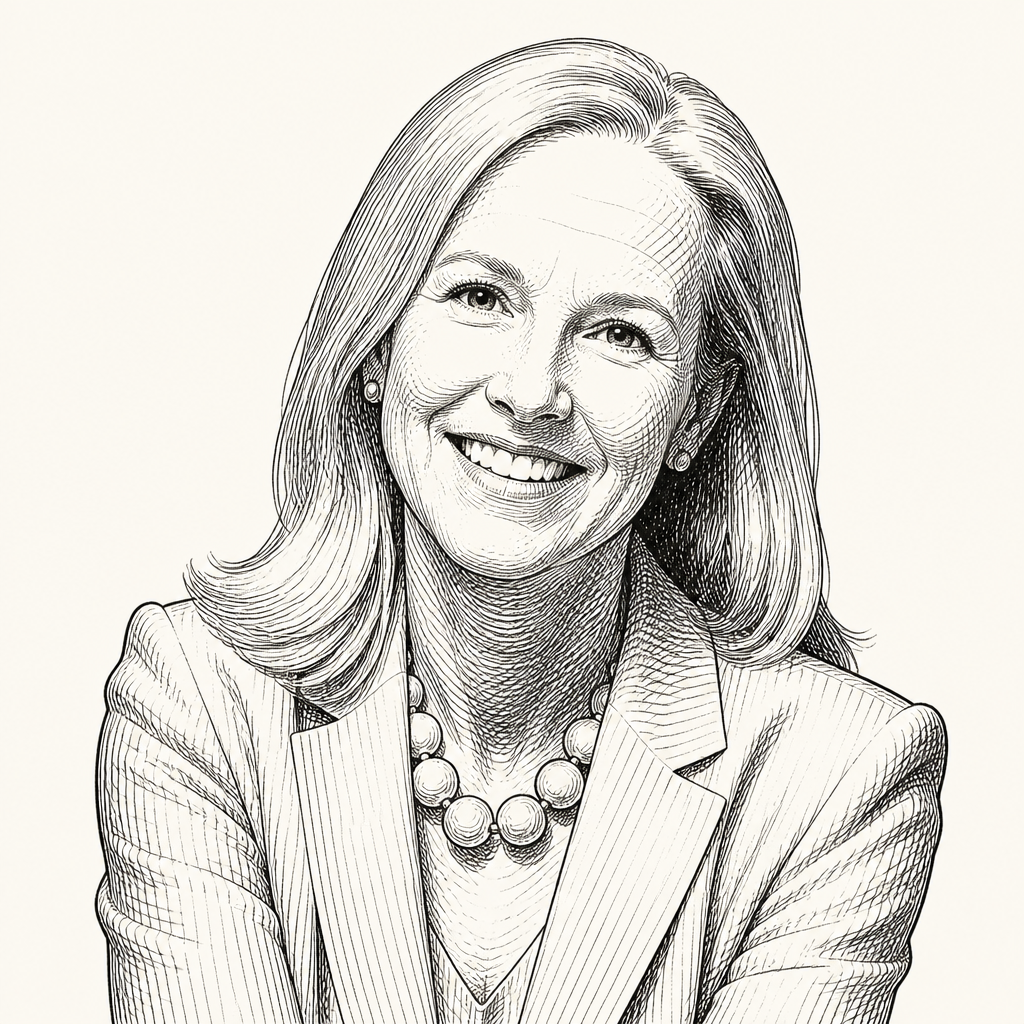
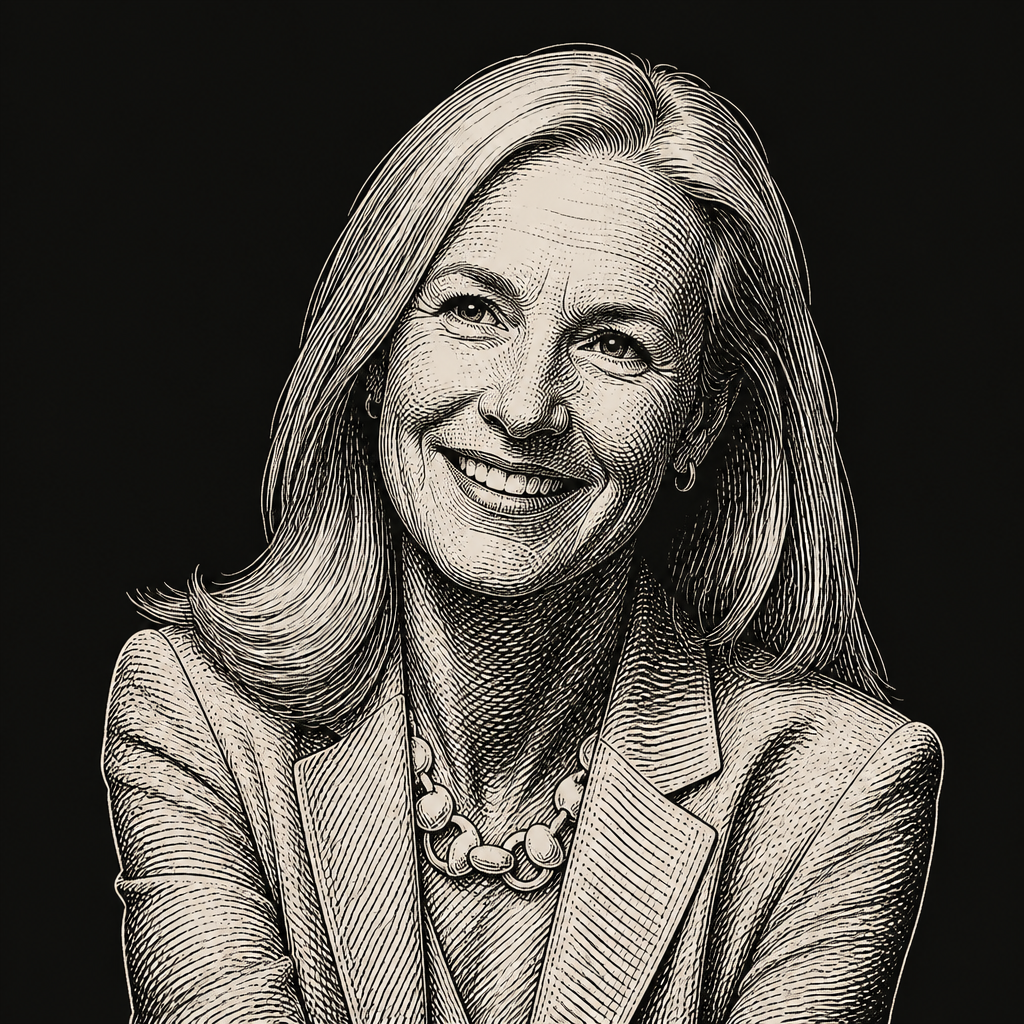
Karen Brunwasser answered first by resisting predictable categories. War, she said, is more idiosyncratic than people who have not lived through it may realize. People are not predictable. The same person may want a normal life at 11:00, feel ideological at 11:02, and face a practical life obligation at 11:05.
She also argued that Feel Beit is not only an Israeli-Palestinian space. In Jerusalem, there is also what she called an “extremist versus moderate” divide. Moderate Israelis and moderate Palestinians who want free expression, freedom, and the ability to be themselves may be able to hold on to each other. She gave ordinary examples: a woman who wants to wear a tank top; someone who wants to drink a beer; someone from the LGBTQ community. Feel Beit is both Israeli-Palestinian and open.
Jerusalem’s daily physical reality is part of the answer. Brunwasser called it “a real place,” 40% Palestinian and 60% Israeli, where the populations are intertwined and cannot be extracted from one another. People encounter each other at the pharmacy, the supermarket, and on the train. The “meta” meets the “micro.” In that space, she said, many people can distinguish: someone on the other side might be trying to hurt me; this other person is amazing.
Riman Barakat added that Palestinians and Israelis who come to Feel Beit often want to “lose their guard.” They do not want to be reduced to Palestinian or Israeli; they want to be human beings. As a Palestinian, she said, she often carries the burden of having to explain her identity and suffering. Israelis, too, may arrive carrying war, fear, or pain. Feel Beit does not demand that people talk about any of it immediately. The talking eventually happens. Music often provides a low-barrier entry point: it lets people connect to what they know while sometimes challenging them to encounter cultures they do not know.
The content is not always about war, but neither is war kept outside. Barakat said the team has earned enough trust that it can sometimes present work that is challenging, and the community will discuss it afterward. The condition is that no Palestinian is told not to be Palestinian, and no Israeli is told not to be Israeli.
The building itself is part of the method. Brunwasser described a glass-fronted modern space with a multi-purpose performance area, a visual arts gallery, and a back area planned as a multilingual Israeli-Palestinian wellness space. It is modular and often reconfigured. It is also beautiful, and Brunwasser stressed that beauty is not incidental. People need a place where they can breathe.
But the team calibrates beauty carefully. There are nights when the playlist must be calm, not too happy or celebratory. Then someone argues that people need release and want to dance. Someone else is angry. Because local artists are highly attuned to events, the space has to respond without shutting down.
One night, the bodies of six Israeli hostages were returned, including Israeli-American Hersh Goldberg-Polin, a Jerusalemite whose friends and family were known to the community. His aunt and uncle, prominent in efforts to bring him home, lived across the street from Feel Beit, their balcony overlooking its terrace. Protests intensified. People moved between the protests, the shiva at the relatives’ house, and Feel Beit. That night, three Israeli cellists and a Palestinian violinist performed a new work. Brunwasser said she did not know exactly what they did, but “they played what people were feeling.” People again told the team they had not planned to come but were glad they did.
Another night, a Palestinian singer learned half an hour before performing that her first cousin in Gaza had been killed. She chose to perform anyway and sang beautifully. Barakat and Brunwasser said they often ask themselves how people can do that — come when bodies have been returned, sing after a cousin is killed. Their answer was not that art solves grief. It was that people want to choose a different kind of life, cling to hope, and imagine a different future because there is no real alternative.
Brunwasser also described the surreal ordinariness of war around the space: people on the terrace suddenly seeing a rocket pass; Israelis and Palestinians looking at each other during the recent 40-day Iran war as if the world had gone mad and the person across from them seemed comparatively normal. She said she slept for 40 nights in a shelter with her children and about 30 other people. Her children were scared of the bombs, but also liked the sleepover and no school. “This is reality,” she said.
The curatorial line is conversation, not censorship
Mary Kelly pressed on whether artists ever bring material that is too edgy for the space — work that directly engages what is on everyone’s mind but may make it harder for people to breathe.
Riman Barakat said there had been many such moments. The team chooses artists carefully, but artists also come to them. She described a recent Palestinian-only exhibition of women artists who said Feel Beit was the only place in that environment where they could call themselves Palestinian. Feel Beit allowed that. Sometimes artists challenge the organization. The response is conversation: if you say this, Barakat might tell them, Israeli audiences may not come. The artists may accept that. The team may then discuss reframing without saying no to the artist’s identity or politics.
One dancer initially approached the organization with a strong position, suspicious of Palestinians and Israelis “normalizing.” After conversation, she came once with her parents and without her friends; later, when she performed, she brought friends from different places, and the room filled with young dancers and artists together.
Karen Brunwasser emphasized that political art exists in the space and must be allowed to exist in different ways. Artists, especially good ones, cannot be censored, she said. “If she censors herself, she can’t sing,” or she sings without conviction. The team can, however, talk with artists about what Feel Beit is trying to do and how an audience might be helped to experience difficult work. Sometimes more challenging events are first shared with the closer community to see how they feel.
The standard she articulated was not neutrality but compassion. The organization has to respect art, the lived experience behind it, and the audience’s capacity. Anger, fear, and pain are not merely permissible under the circumstances, she said; they are “completely reasonable.” If those emotions are not part of the space, “what are you doing?”
Barakat connected that to one of the “ingredient” cards the team had prepared for the audience: compassion over righteous indignation. The phrase, as she explained it, means recognizing that everyone has experienced pain and is suffering through different things, while developing the capacity to see the other side as part of the whole picture. Darwish and Helfer singing or playing each other’s songs offered an artistic example. In organizational life, it also means Brunwasser thinking about what would keep Palestinians from coming to Feel Beit, and Barakat thinking about what would keep Israelis away.
We’ve become so intertwined in our consciousness that that compassion, we choose that compassion over saying I’m right and she’s wrong.
Self-love and self-critique are treated as civic requirements
Karen Brunwasser said Americans often ask how Israelis and Palestinians can talk when Republicans and Democrats cannot. Her answer was that the “recipe” is simple: compassion over righteous indignation, trust built over time, and habits that human beings already know how to practice but seem recently to have forgotten.
The ingredient she singled out was “self-love and self-critique.” A healthy person, she said, needs both serious self-reflection and self-love. The same is true of collectives. In the current tragedy, she argued, serious self-critique is urgent — for her as an Israeli, and, she said, for everyone. But it cannot replace self-love. “I am a Jew and I am an Israeli,” she said. “And I love myself, and I love my people.” Barakat, she added, is a Palestinian Muslim who loves herself and her people. Brunwasser said she would not want to partner with a Palestinian who did not love herself, because without belonging to one’s people, one cannot influence them.
Her American identity entered the same argument. Raised to love the United States, she said the first thing she bought after deciding to move away was a “God Bless America” trinket that still hangs in her home. She tied that love to a family story: her Holocaust-surviving grandfather escaped a death march, hid near a farm until hunger forced him to ask for food, and was told by a woman, “It’s okay. You can come out now,” as she pointed to the American flag. For him, that was the end of the war. Although he believed in Israel, Brunwasser said, he moved to the United States because he thought it was the greatest country in the world.
Her point was not patriotic consolation. It was that love does not mean loving what is perfect. It means loving amid what is wrong while still maintaining critique. She said she hoped Americans could recover the ability to love their country with self-love and self-critique, because the world would not be okay if the United States could not.
Kelly read the final page of the Feel Beit packet aloud: “In these most challenging of times, Feel Beit stands as a living example of how the arts, the arts, can sustain compassion and uphold common humanity.” The strongest version of that claim, as demonstrated by Barakat, Brunwasser, Darwish, and Helfer, was not that art ends war or resolves political conflict. It was narrower and more demanding: under conditions of grief, fear, anger, and mutual suspicion, art can keep a shared room open, give pain a form, and make it possible for people who are not done being themselves to remain in one another’s presence.