Guarantees and Local Capital Are Reframing Development as Shared Security
 Alice Albright
 Comfort Ero
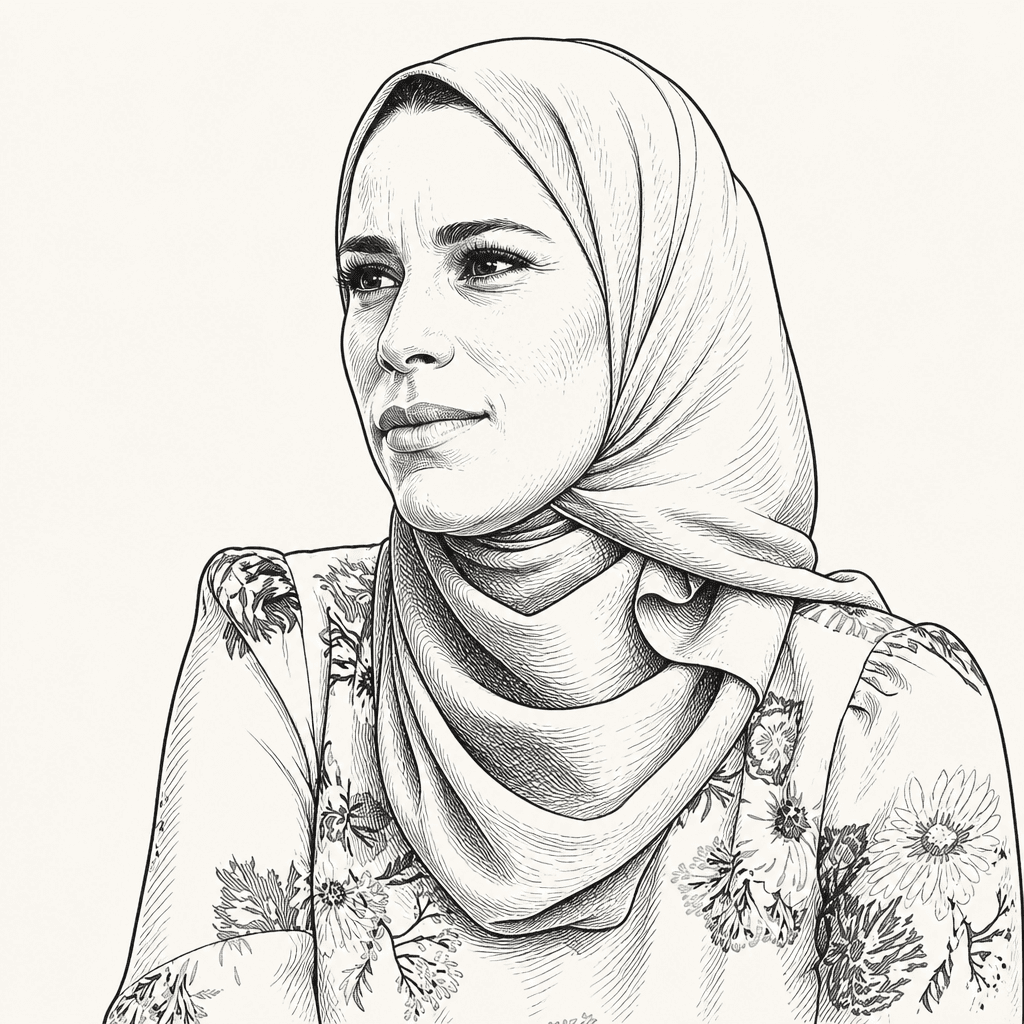 Alaa Murabit
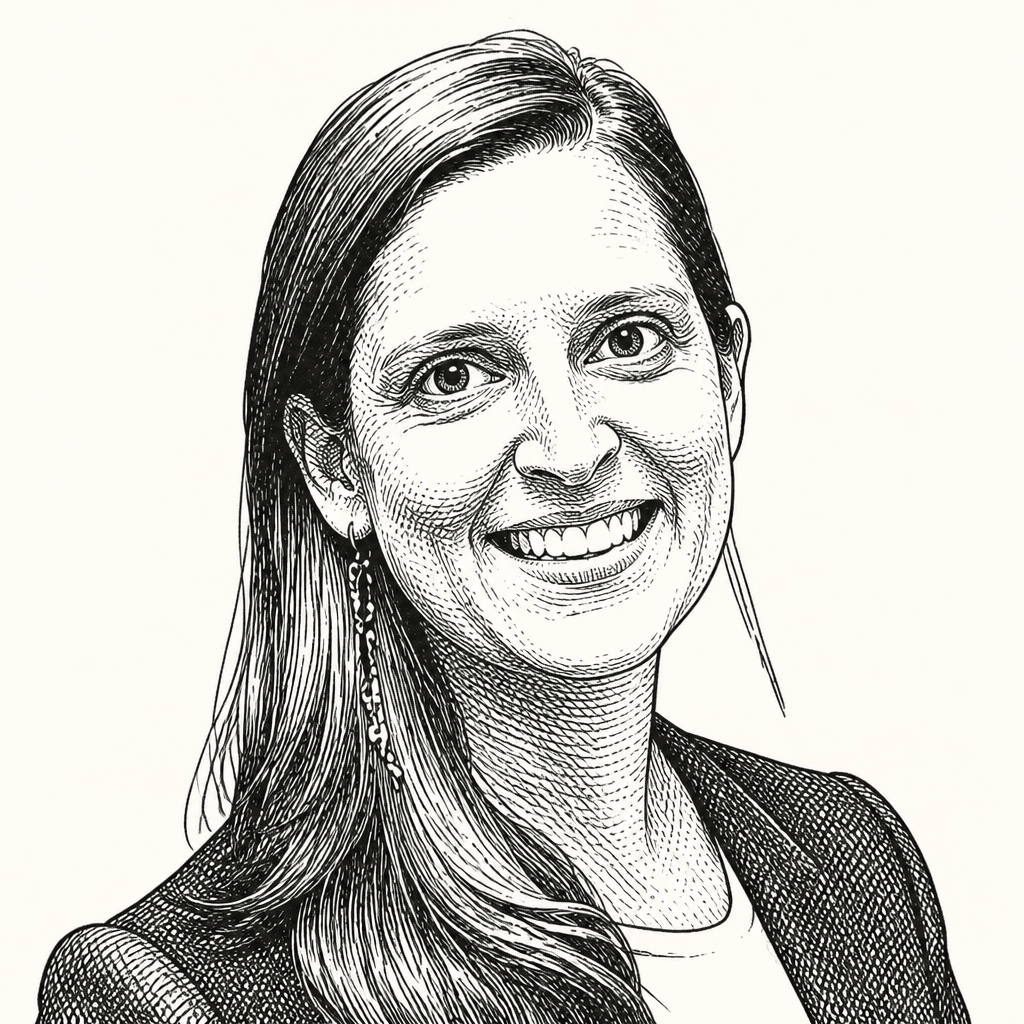 Ana ZacapaAustin Sawyers
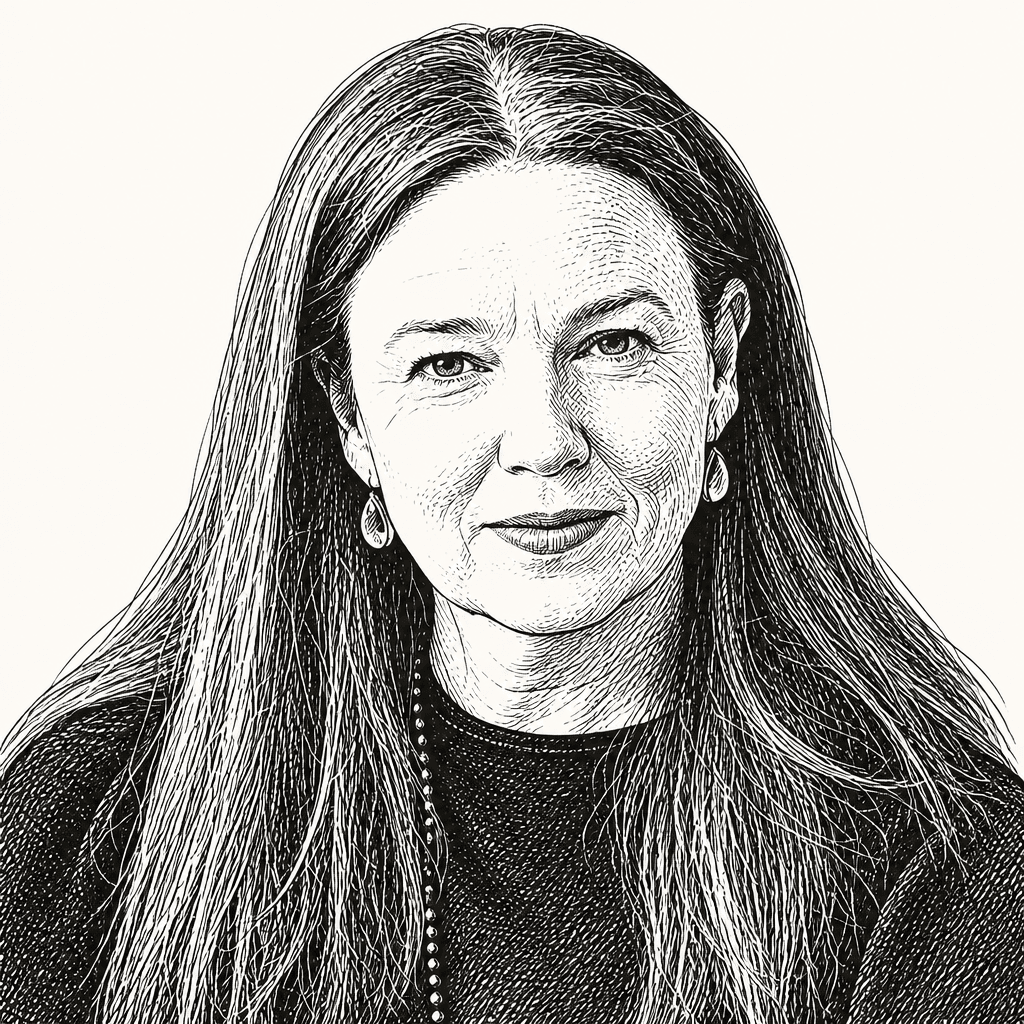 Niamh KingThe Aspen InstituteSaturday, July 18, 20268 min read
As official development assistance contracts, Alice Albright argues that foreign assistance should be reframed as a shared national-security and economic interest, with governments using guarantees, commercial tools, and new sources of capital to finance prevention. Alaa Murabit, Ana Zacapa, and Comfort Ero extend that case to locally rooted organizations, rural businesses, and trusted community networks, while warning that resilience finance cannot substitute for diplomacy or institutions able to manage active conflict.

As aid contracts, the proposed response is to finance prevention differently
Alice Albright reports that official development assistance, or ODA, fell 23 percent last year, a decline she says extends beyond the United States. The panel’s response is not simply to defend the old aid model. It is to broaden the capital base for prevention: fund the conditions that reduce vulnerability to crisis while treating foreign assistance as a matter of mutual national-security and economic interest.
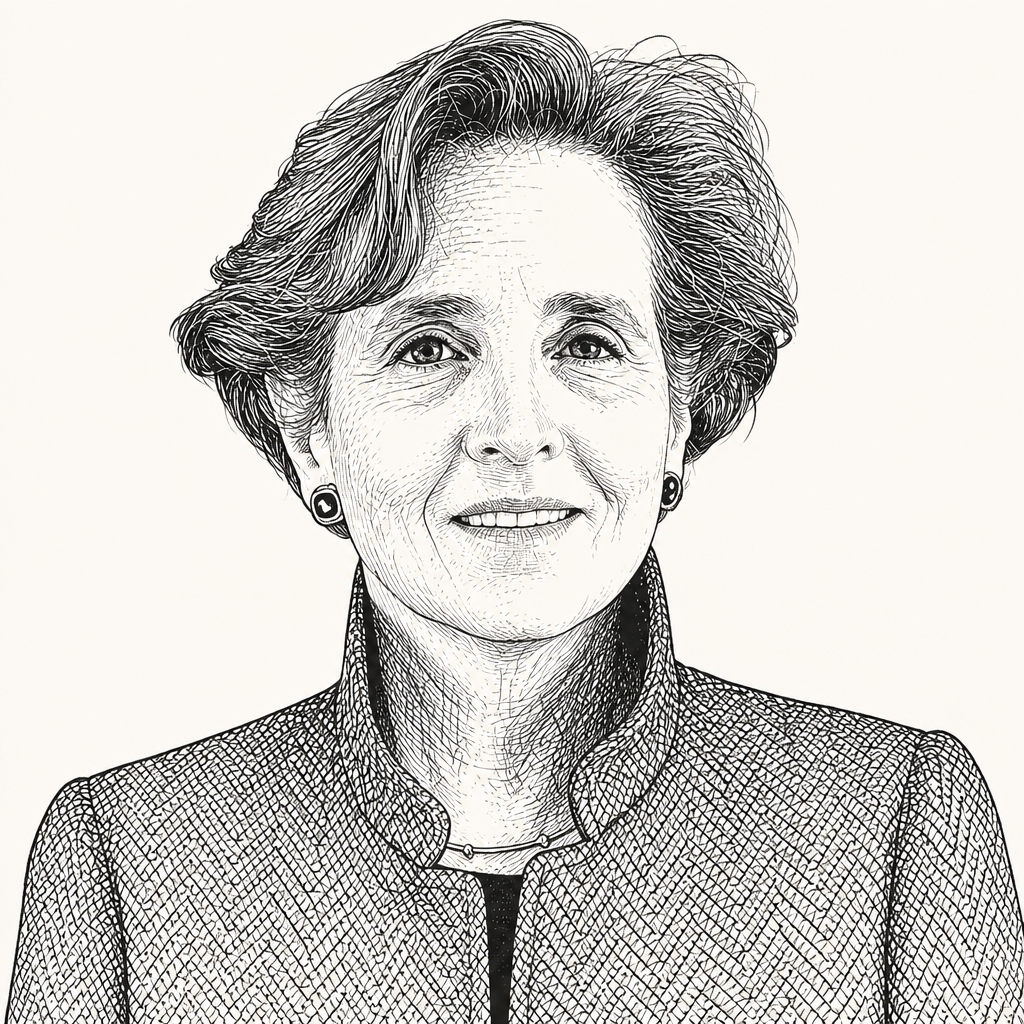

Albright’s framework is “recommit, reframe, reform.” Recommitment retains the humanitarian premise. She cites Rockefeller Foundation polling which, she says, finds that Americans want their country to be generous. But generosity cannot be the sole justification for foreign assistance. It should also be understood as a tool for protecting national security and economic interests.
Reform, in Albright’s account, means setting clear objectives and measuring results; being selective rather than attempting to operate everywhere; and bringing commercial, trade, and market tools into the mix. The United States can still contribute through partnerships involving technology, energy, financial innovation, and higher-education institutions. But a more durable model will require new instruments and sources of capital, alongside a different governmental approach to measuring, accepting, and trading risk in these markets.
Ana Zacapa makes that strategic shift concrete in rural economies. A resilient rural community, she says, can look like a Honduran coffee cooperative connected to export markets and able to pay farmers well, or a Kenyan sorghum processor buying from thousands of farmers and selling to local and international markets. These small and growing businesses can anchor prosperity, security, and resilience, yet receive little investment relative to their role in food security and livelihoods.
Zacapa’s argument is that rural investment is not peripheral to security. Half of the world’s population and three-quarters of people living in extreme poverty are in rural areas, she says, while smallholder farmers produce one-third of the world’s food. Yet less than 1 percent of climate finance goes to the rural businesses she describes, and agriculture’s share of foreign assistance has fallen from about 20 percent in the 1980s to less than 5 percent.
| Measure | Reported figure | Strategic implication |
|---|---|---|
| Official development assistance | Down 23% last year | Traditional aid flows are contracting, according to Albright. |
| International humanitarian and development investment reaching local actors | Less than 5% | Locally rooted actors receive a small share of funding, according to Alaa Murabit. |
| Country-pooled financing reaching local actors | 23% in 2020 to nearly 50% in 2025 | A channel for local funding has grown, according to Murabit. |
| Root Capital model | $34 in farmer payments and $2 in additional bank capital per $1 invested | Zacapa cites leverage from lending to rural businesses. |
When communities and the businesses serving them lack investment, Zacapa says, they cannot build resilience or community capacity. They may fall into the kinds of crises that conflict-management institutions must later address, or people may leave in search of work and security.
That is why she places labor mobility alongside rural resilience. Mobility, in her framing, is not only a pressure to contain; it can be a means of adaptation when people can move to places with work, contribute back to their countries of origin, and support the economies where they settle. Her demographic premise is that Africa and, for a time, Latin America have young populations, while Europe and eventually the United States face aging populations if current policies persist.
Frontline investment depends on trust, access, and serious partnership
Alaa Murabit calls the field “shared security” rather than global development. Education, health care, water, and food security are not consequences of national security, she argues; they are upstream conditions that create it. She adds that the strongest predictor of state security is not GDP, regime type, or governance style, but women’s physical security.

Murabit’s experience organizing during the Libyan revolution shaped her focus on trust. Her early work on women’s inclusion in security and peace processes drew on international conventions, including CEDAW and the women, peace, and security framework. Embassies responded positively, she says, but the effort largely drew people who already supported women’s leadership rather than broad local engagement.
When Murabit asked people what kept them from participating in discussions about women, peace, and security, faith repeatedly emerged. As a physician in the community, she says, she had an opening to hold that conversation with people who trusted her. The lesson was not to discard international frameworks, but to work through institutions that communities already know and trust—often people and faith institutions with visible, established roles in places experiencing conflict, fragility, or crisis.
Those closest to the consequence are actually those who are going to architect the solutions for the long term.
That claim has a financial corollary. Murabit says less than 5 percent of international humanitarian and development investment reaches local actors. She calls for processes that give local leaders access to capital directly, particularly women, given what she describes as their outsized role in national security. Local leadership cannot remain an aspiration if locally rooted organizations cannot obtain resources.
Comfort Ero supplies an important qualification. Local actors are part of the fabric of peacekeeping, peacemaking, and reconciliation, she says, but they should not be fetishized. They must be studied and understood within the societies to which they belong, rather than idealized or treated as a homogeneous category.
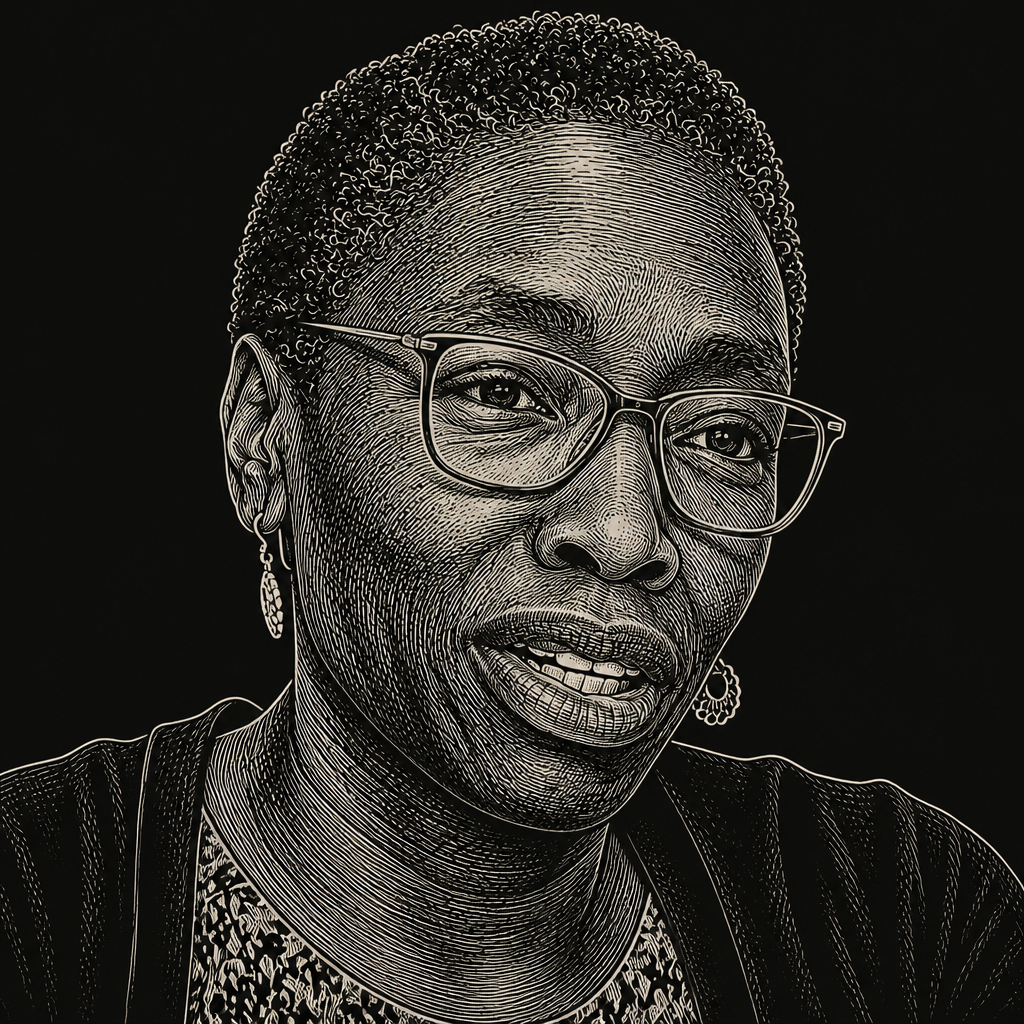
Don’t fetishize local actors. Look at them, study them, see what they’re doing.
For Ero, the alternative to romanticizing local leadership is serious partnership. People in conflict-affected societies are not charity cases: they want to invest, stay, and work in their societies, and sometimes understand their conflicts better than outside institutions do. The task for external partners is to meet them where they are and treat that knowledge seriously.
Murabit and Ero therefore set a demanding standard for frontline resilience. It requires routes to capital and recognition of local agency, but it also requires understanding the social context in which local actors operate. The point is not to shift responsibility away from international institutions. It is to work with communities as serious partners.
Guarantees, pooled funds, and faith networks are mechanisms for a wider capital base
Zacapa identifies guarantees as a practical way to extend credit into markets lenders have long considered too risky. Root Capital, where she has served as chairwoman, has invested in small and growing businesses in Latin America and Africa for more than 25 years. She says the organization has invested $2 billion, and that each dollar it has invested has resulted in $34 in payments to farmers and attracted another $2 in capital from local or international banks.
Its $75 million guarantee facility with OPIC, and subsequently the DFC, illustrates the model. Root Capital pays for the facility, which covers loans and operations in many of the countries where it works. Though it has not been fully drawn down, Zacapa says, it has enabled hundreds of millions of dollars in investment. Her case for guarantees is that they use capital efficiently: they share risk and make it possible to invest in businesses and communities that conventional finance has treated as too risky.
Murabit identifies country-pooled financing as another route. According to her, the share of such financing reaching local actors rose from 23 percent in 2020 to nearly 50 percent in 2025. She does not treat this as an argument for accepting a smaller development-finance system. Rather, it is evidence that financing can be diversified. Defense, infrastructure, and bilateral budgets should also be considered as possible development-finance tools, she argues, instead of treating traditional aid as the only relevant pool.
Faith-aligned finance is another source of capital and access. Murabit argues that faith actors retain influence over charitable giving, land ownership, food and water security, economic corridors, and community trust. Her example is For Mama, now called Every Pregnancy, which brought together more than 50 Muslim philanthropies. Over three Ramadan periods, she says, the initiative raised more than $130 million for maternal and child health in crisis and conflict settings.
The opportunity, as Murabit frames it, is to build the “rails” that let such financing go further while working with local actors and partners. Albright makes a parallel argument at the level of U.S. policy: financial innovation will matter only if governments are willing to adopt different practices around risk. Guarantees, pooled funds, commercial tools, and trusted faith networks are not presented as a single replacement for diminishing aid. They are mechanisms for carrying Albright’s broader reform agenda into practice.
Financing resilience cannot resolve active wars or enforce norms
Financing frontline resilience can reduce exposure to shocks, but it cannot resolve active wars, protect civilians, or enforce international norms. Comfort Ero argues that Russia’s invasion of Ukraine, the war in Tigray, and Sudan’s civil war expose serious failures in the conflict-management system. Yet she urges attention to “the causes of peace” rather than another catalogue of what has gone wrong.
The United Nations, the European Union, and regional bodies remain necessary, she says, because there are no ready substitutes for their infrastructure or their capacity to bring actors together for difficult problem-solving. Preserving those institutions does not mean treating them as adequate as they are. Their shortcomings have helped create a confidence and trust problem, Ero says, and reform remains necessary.
Ero also warns against a security agenda focused only on major-power confrontation. Conflict around critical choke points, including the Strait of Hormuz, can produce pressure on fertilizer, food security, energy, and countries already exposed to global shocks. Civil wars, climate pressures, food insecurity, and atrocity crimes remain core security concerns even when they are not at the center of powerful states’ agendas.
She is particularly concerned by what she calls a “renormalization” of war, civilian harm, and atrocities. Norms should not be defended only when aggression threatens Europe or another powerful region, she says. Those norms were already being shattered in Syria, the Sahel, and Sudan. A credible defense requires solidarity across regions, rather than a response reserved for threats closest to powerful states.
Middle powers, meanwhile, are shoring up defenses in response to the return of hard power, rising defense spending, and a sense that “might is right.” Ero does not dismiss deterrence. Her concern is that it could crowd diplomacy out of the security agenda: military-to-military cooperation, engagement with all sides, and the patient work of carrying parties through a peace process.
Do not leave diplomacy outside the door.
Diplomacy remains a vehicle for confidence-building and dialogue with enemies, Ero says. It requires patient work rather than “the theatrics and the TV and the commercial ads.” In that sense, resilience finance and conflict management are complementary: communities need capital and agency to withstand shocks, while the wider international system must still contain violence, defend norms, and create openings for peace.