Young State Lawmakers Are Building Trust Without the Staff to Sustain It
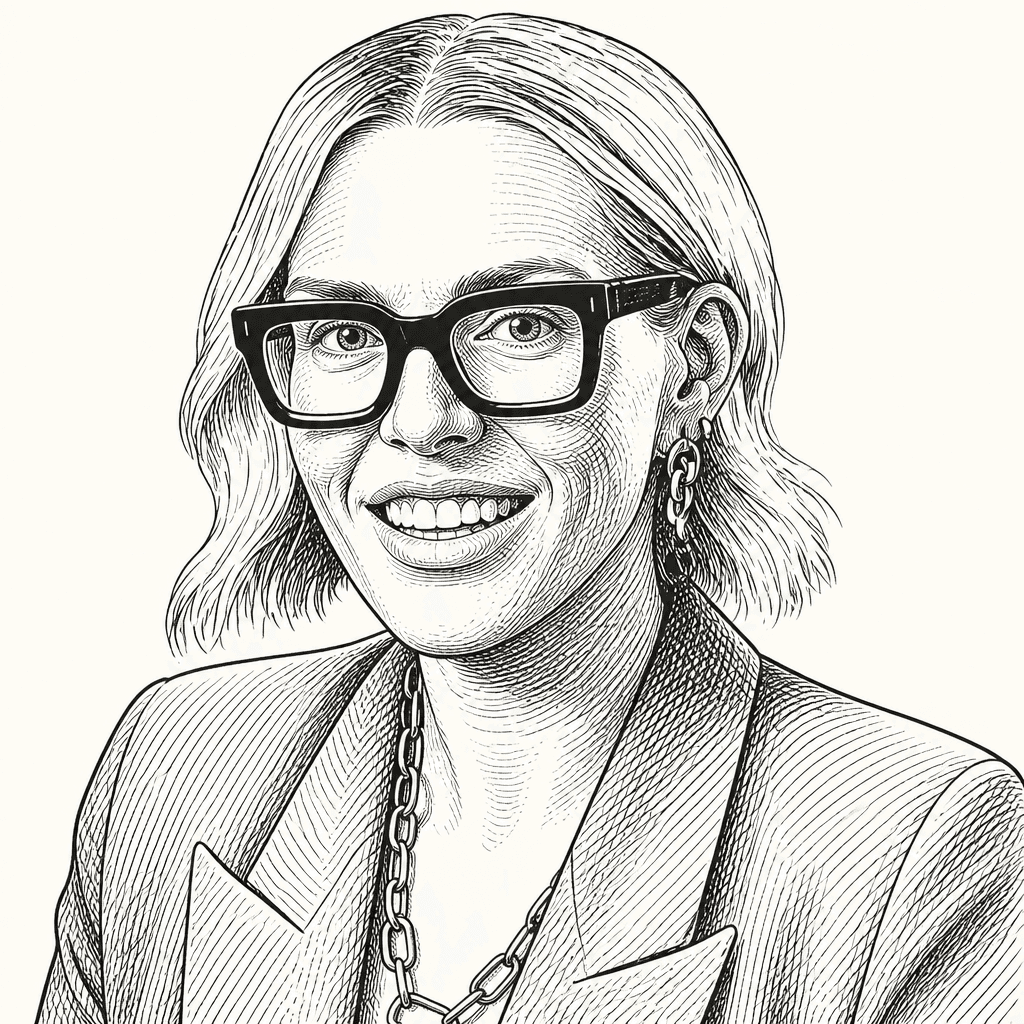 Kayla Young
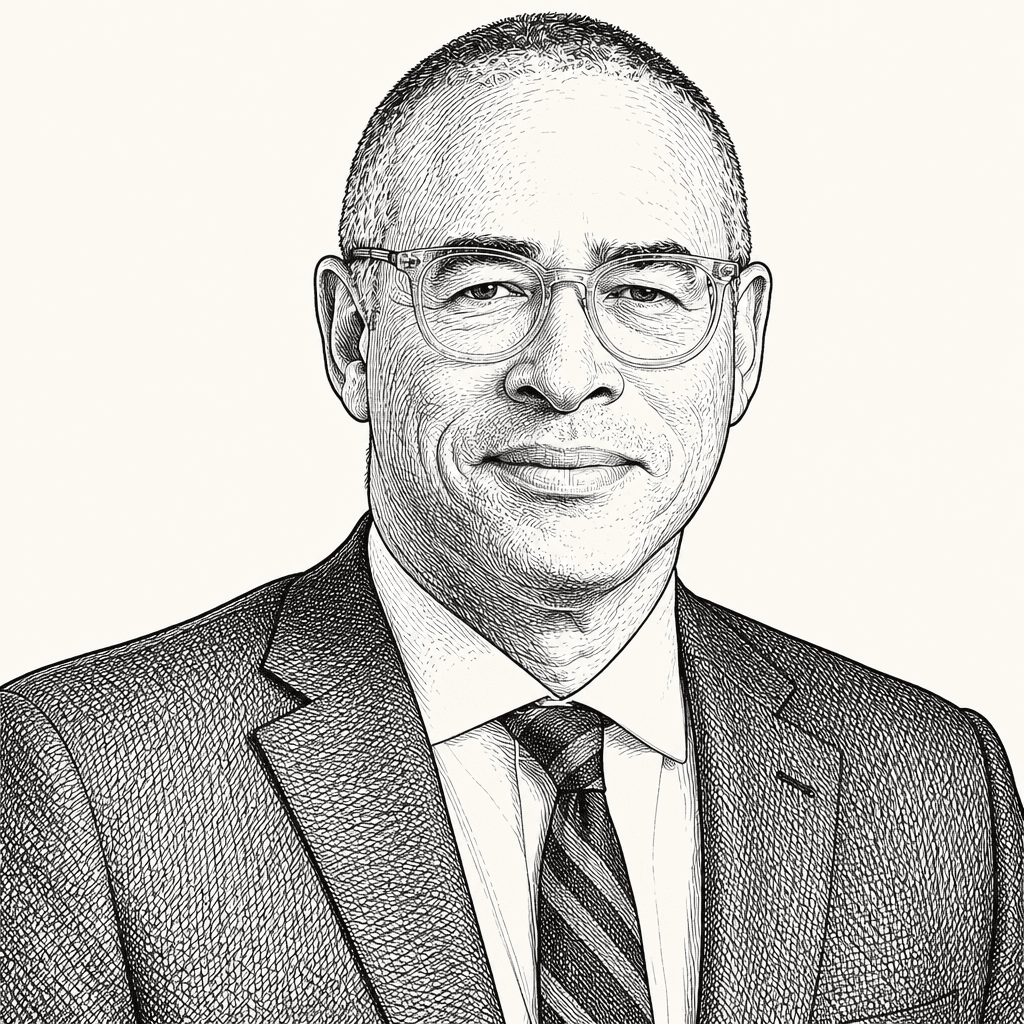 Jonathan Holloway
 Jahnavi Rao
 Layla Zaidane
 Evan Milligan
 Beau BairdThe Aspen InstituteTuesday, June 30, 202620 min read
At the Aspen Ideas Festival, young state lawmakers and Future Caucus CEO Layla Zaidane argued that statehouses are becoming the more consequential and more reachable arena of American democracy. Indiana Republican Beau Baird and West Virginia Democrat Kayla Young described legislatures where bipartisan work is still possible because officials remain close to constituents, but also warned that part-time pay, minimal staff, safety risks, weak local news and supermajority incentives make the work hard to sustain.

The most accessible democratic office is also one of the least supported
Young state lawmakers were described as unusually close to the people affected by their decisions: reachable by email, visible at town halls, often personally reading constituent messages, and responsible for policy areas that shape daily life. The central tension is that this accessibility sits on top of weak institutional support. Many state legislators are part-time officials with part-time pay, little or no staff, safety risks, and political incentives that do not always reward cooperation.
Jonathan Holloway framed the civic premise through a line he attributed to Jelani Cobb: “In a democracy, the fundamental civic unit is the neighbor.” For the lawmakers, that was not an abstract claim about community. It described the actual operating scale of state politics: people arguing across a fence line, or across a district, who still have to live with one another after the vote.
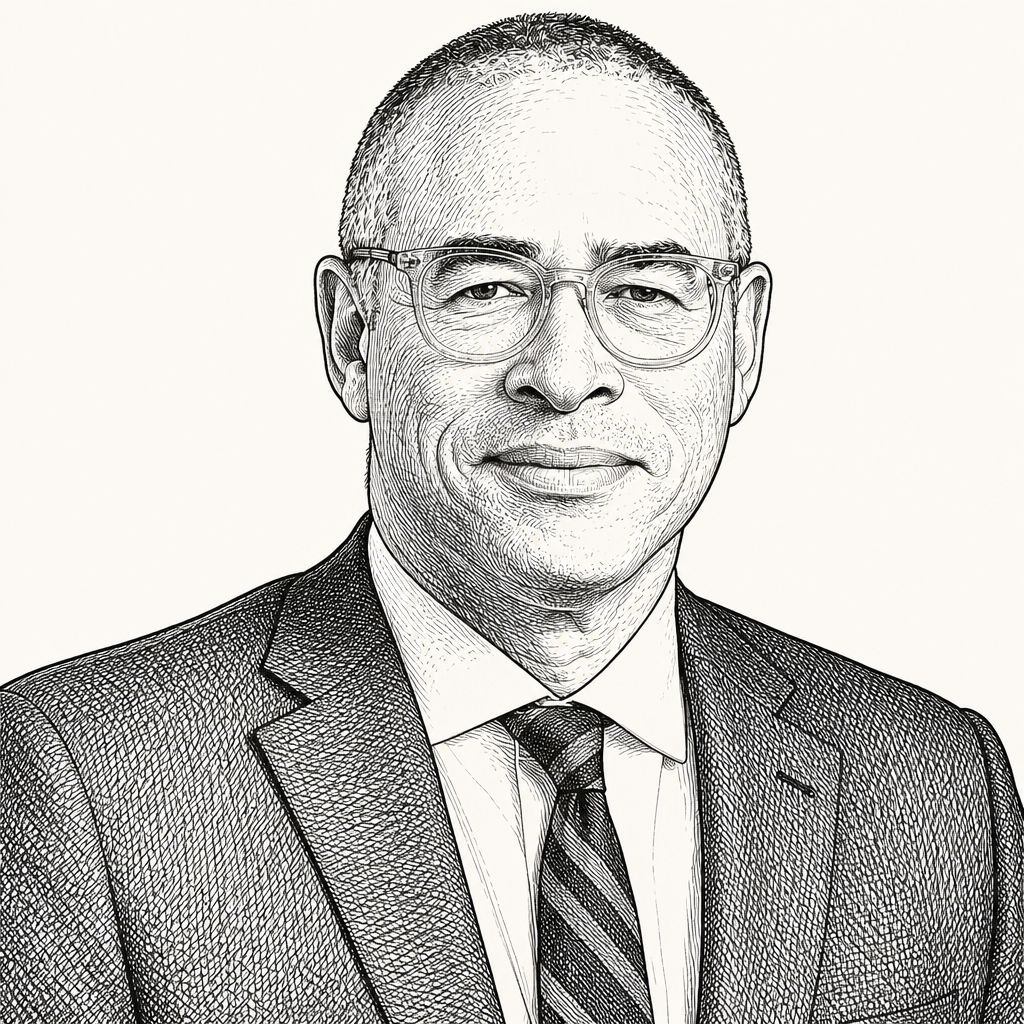
Beau Baird, a Republican member of the Indiana House of Representatives, answered from a farm background. When there was a problem in a field, he said, and the neighbor saw it too, the solution began at the fence line. The two people were on opposite sides of the fence and therefore had naturally different points of view. But they still had to solve the problem, because “tomorrow you’re still neighbors.” That, Baird said, is how he tries to approach legislative work.
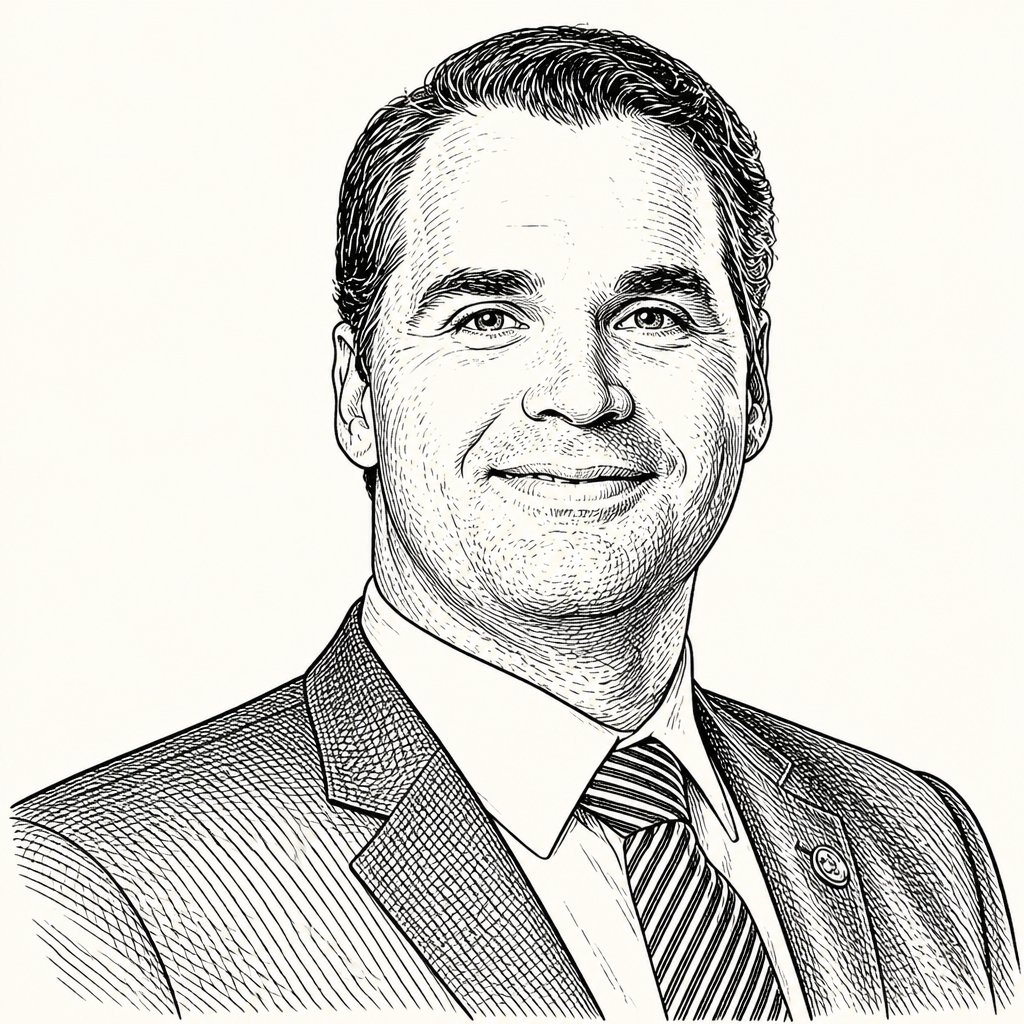
Tomorrow you're still neighbors.
Kayla Young, a Democratic member of the West Virginia House of Delegates, put the same premise in the language of service. She represents the area where she grew up and now lives as an adult. State legislators, in her account, do not serve constituents as an abstract category; they serve their neighbors, themselves, and the communities whose problems they encounter in daily life. Democracy, she added, is also the neighbor’s responsibility: every neighbor has a job to keep it going and to be involved.
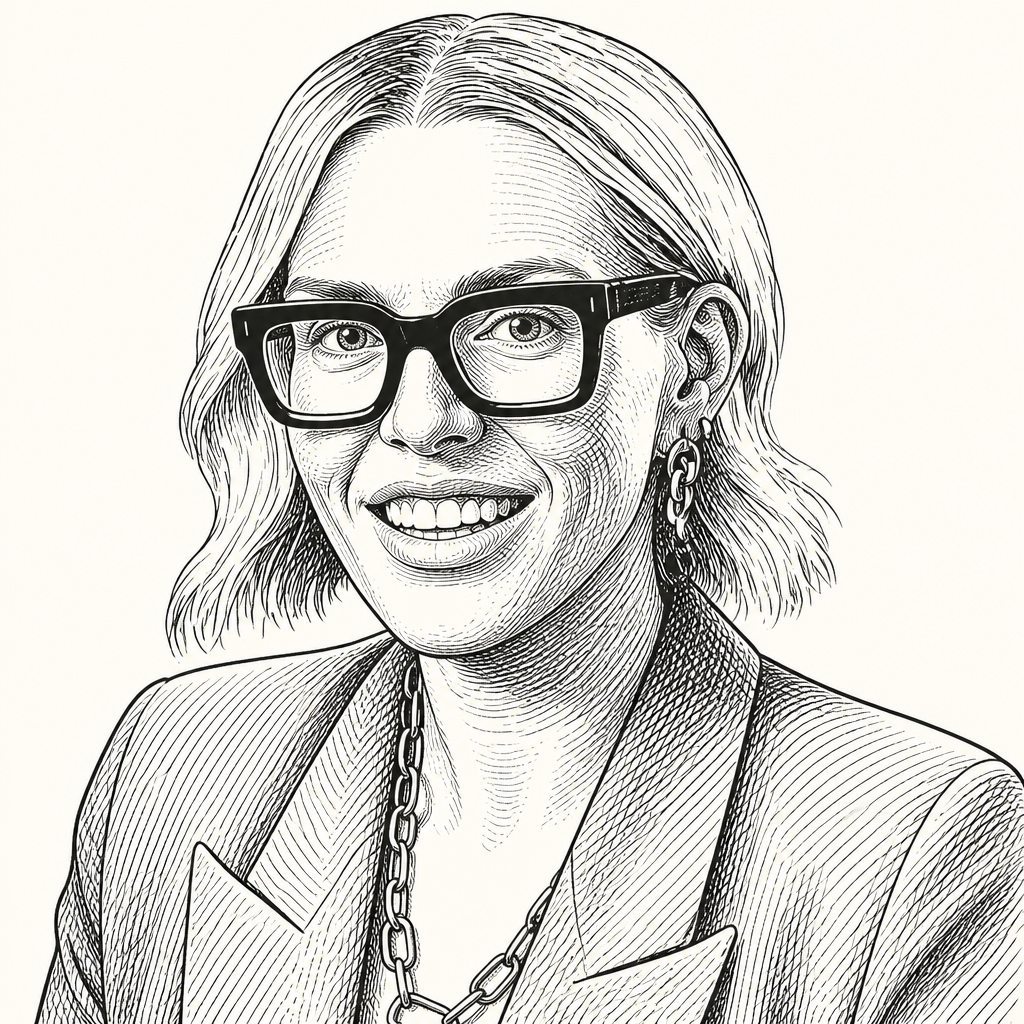
Layla Zaidane, president and CEO of Future Caucus, widened the frame. Her parents immigrated from Morocco; she grew up in New York and was in eighth grade on September 11. That experience pushed her toward international politics and diplomacy, and later toward U.S. politics and state lawmakers. The throughline, she said, was the same question: what does it take to bridge differences? Her answer was not institutional design first, but people first. The basic unit of change, whether between countries or neighbors, is “individual human beings.”

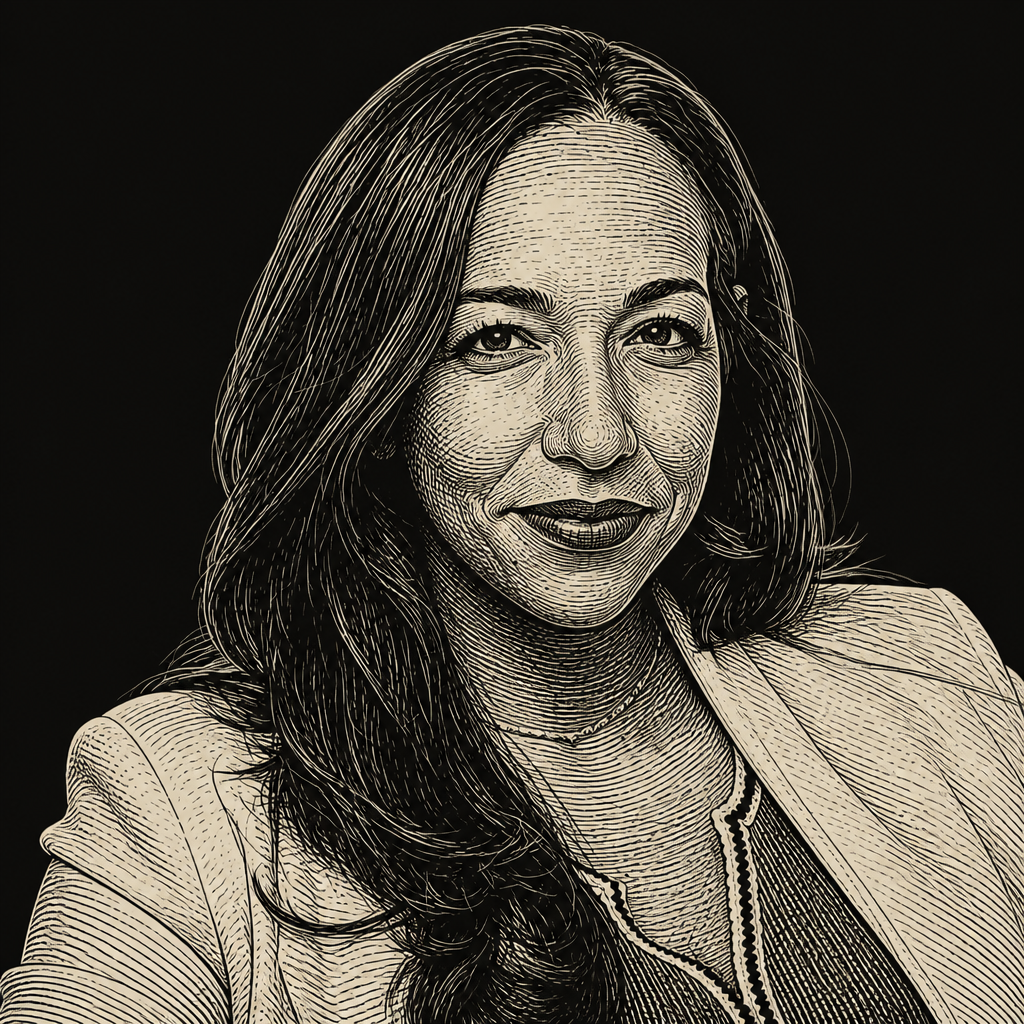
Young’s own path into office came from that proximity. In West Virginia, she had a three-day-old baby during a water crisis that left her without access to clean drinking water for six weeks. A coal-cleaning agent had spilled into the river two miles upstream from the only intake. She said the underlying issue involved a state regulation that had never been put into place because the coal industry was, and remains, powerful in West Virginia. The lesson for her was immediate: state-level decisions were “very, very close” to her life, much closer than Congress. She entered advocacy at the state capital and then realized that state legislatures are citizen institutions where “they can and do elect anyone.”
Young described the citizen legislature as both “for better or worse.” West Virginia’s legislature is not full-time. She noted that only “like four or five states” have full-time legislatures. In a citizen legislature, colleagues may be fireworks sellers, doctors, attorneys, and people from many other backgrounds. The range of backgrounds can make the institution more representative of ordinary life, but the job is also strange and demanding: no day is the same, the issues vary widely, and the effects on residents’ lives are direct.
Baird made the institutional contrast more explicit. Washington dominates headlines, he said, but “the states are the ones that are solving problems,” and often in bipartisan ways. Indiana, he noted, has one of the strongest supermajorities in the country. In the most recent session he described, roughly 2,000 pieces of legislation were filed, but only 164 became law. Of those, he said, half passed unanimously, around 75 percent had about 15 or fewer dissenting votes, and just over 90 percent had some level of bipartisan support.
| Measure | Figure cited |
|---|---|
| Indiana bills filed in the session Baird described | About 2,000 |
| Indiana bills enacted | 164 |
| Enacted bills passed unanimously | 50% |
| Enacted bills with about 15 or fewer dissenting votes | Around 75% |
| Enacted bills with some bipartisan support | Just over 90% |
Baird’s point was not that statehouse consensus happens automatically. Those numbers, he said, come from intentional work: committees, testimony, amendment debate, constituent input, and direct conversations. “Good policy should be able to survive a robust conversation.”
Zaidane argued that state power is becoming more consequential in daily life. She said that anyone following the Supreme Court is seeing decisions come down that push more decision-making to states. In her framing, states now control decisions about what children learn, health care, and other matters that affect residents’ lives. If people are not paying attention to statehouses, she warned, those decisions are being made without their input.
Future Caucus, as Zaidane described it, tries to help young state lawmakers see themselves not as partisan warriors or loyal soldiers of party ideology, but as problem solvers, teammates, and young people who may be among only a few younger members in their legislative body. It has chapters in 36 states, each led by one young Democrat and one young Republican, open to young legislators — roughly 40 and under, though she said they do not check IDs. In the prior 12 months, she said, Future Caucus members passed 600 pieces of bipartisan legislation across those states.
To test the room’s attention to state power, Zaidane asked audience members to raise their hands if they knew their governor, then their member of Congress, then their state legislator. The exercise underscored the gap between the power state lawmakers hold and the public attention they receive. Her warning was practical: people pour energy into Congress to demand actions Congress may never take, or into tweets that inflame emotion without producing a nuanced conversation, while younger state lawmakers are already trying to bring their communities into problem-solving.
State government emerged as a level where trust may be rebuilt precisely because it remains close to residents. But it is also where many of the people doing the work have the least institutional support.
Trust now requires old constituent work and new responsiveness
Trust, in the lawmakers’ account, is built less by agreement than by being heard. Holloway connected that point to an interview he had conducted with Maria Ressa, the 2021 Nobel Peace Prize laureate, who had emphasized that societies cannot ignore the basics: facts must exist; from facts, people can work toward truth; and only after that can they build trust. Holloway linked that sequence to constituent work: town halls, public accountability, and the willingness of an official to stand before constituents and say what they believe.
Beau Baird distinguished trust from agreement. He said he tries to build trust with constituents and others in daily interactions, but trust does not require agreement “100% on everything.” It requires a willingness to listen and a sense on both sides that people have been heard.
You build trust not because you agree 100% on everything. You agree to build trust because you're willing to listen to each other and at both sides feeling heard.
That fits the accountability structure Baird sees at the state level. Indiana’s legislature is part-time: January through April in a budget year and January through March in a non-budget year. During session, he said, he has a listening session with constituents almost every weekend. These meetings might be organized by the local Farm Bureau, the League of Women Voters, or a chamber of commerce, but they are recurring and, in his account, well attended.
The digital version of that accountability is more complicated. Holloway described a shift in the job description of public office: a century ago, policymakers were expected to make policy; now they are expected to be policymakers and content creators. He was uneasy about social media’s grip on political discourse and asked whether the attention economy, algorithms, and digital platforms were impoverishing public life even as they connected people in new ways.
Layla Zaidane did not claim Future Caucus could change the social media ecosystem on its own. “That’s not possible,” she said. Instead, she argued that lawmakers have to meet people where they are. If people are consuming a civic diet of candy, the answer is not to insist they eat only broccoli. The question is whether public servants can offer something more balanced — still accessible, but healthier for civic engagement.
Younger lawmakers, she said, are often better positioned because they are more digitally native and understand what algorithms reward. The challenge is to take more nuanced messages about process, policy, and the work inside what should often be a “pretty boring institution,” and make them reach people.
Kayla Young provided the concrete example. She does a large amount of constituent service on social media and came to office from a media background. She rejected the idea that only young people are on social media or getting political information there. Her operating principle is to meet voters where they are and build trust by telling them plainly what is happening.
Her videos, she said, are not designed primarily to persuade. She tells viewers what her side said and what the other side said. She is not trying to convince them of anything; she is trying to explain the proceeding. That posture matters, in her view, because people no longer trust institutions and barely trust media. They need particular people they can trust.
I'm not trying to convince you of anything. I'm just trying to tell you what's happening.
Young’s position gives the example additional weight. She is a Democrat in a very Republican state and a very Republican district, and she serves in what she called the smallest superminority in the country. Even so, she said, she can reach people and build trust because she is honest and because she explains both partisan sides without trying to “fuel the flames.”
Baird said he is less broadly present on social platforms than Young, but he also sees the digital shift as a demand for transparency, access, and responsiveness. Constituents increasingly want to see what their representatives are doing and want replies. He contrasted that with older legislators who may have someone else running social platforms but are not necessarily responsive. The difference, in his view, is not merely being online; it is being reachable.
The problem is capacity. Young said state legislatures may be part-time, but constituent service is not. In West Virginia, legislators have no individual staff. Her caucus of nine people has one full-time staffer and one part-time staffer. Members must write bills, read bills, change law, handle constituent services, and communicate with the public, often with no staff support.
The job is part-time lawmaking but it's full-time constituent services.
Baird added that the resource gap between Congress and state legislatures is large. Members of Congress, he said, have just under $2 million to run their offices for a year, while state legislators often lack the resources needed to do their jobs well. That is where he sees Future Caucus helping: bringing in thought leaders on specific topics, giving lawmakers a shared base of knowledge, and making better policy conversations possible even when participants do not agree.
Zaidane argued that the needs of Americans have not changed as much as the tactics required to meet them. People want an elected leader they can trust. In today’s environment, she said, that requires lawmakers to think about their “brand,” a word she acknowledged many did not run for office expecting to use. But she defined brand less as marketing than as dependability. People know what they can come to a lawmaker for. They know the lawmaker will “give it to them straight” on certain issues or in a certain way.
For one lawmaker, that might mean becoming an expert on a policy area and convening community sessions. For another, it might mean giving a fact-based play-by-play of the legislature, demystifying how the institution works. The common denominator is consistency and authenticity.
Zaidane also identified a gap in the civic ecosystem: many civil society organizations focus on who gets elected, while very few focus on what happens after Election Day to help officeholders succeed. Future Caucus tries to fill part of that gap by treating the states as a network. If young lawmakers can exchange information with one another at scale, the network moves faster than any organization “spoon-feeding” information to individual legislators across the country.
The shorthand for trust was plain. Zaidane said it requires not just sitting at the table, but “staying at the table.” Young said it requires identifying what people agree on and what they do not, then finding common ground around the areas of agreement. Baird said it begins with respecting each other as human beings, staying in the conversation, and accepting that people may agree to disagree while still respecting one another afterward.
The tension remained unresolved because social media was not treated as either salvation or disaster. Holloway’s concern about algorithmic control stayed on the table. Zaidane’s answer was pragmatic: the system will not be remade by young lawmakers alone, so they must learn how to communicate civic substance within it. Young’s answer was even more direct: if constituents are there, she will go there, tell them what is happening, and try to earn trust person by person.
Service persists because it produces tangible help
The question of why anyone would do this work was not theoretical: part-time pay, full-time expectations, minimal staff, public hostility, and, in Young’s account, political violence.
Beau Baird said he and Young had discussed that question at breakfast and asked each other whether they were “crazy.” He did not present a grand ideological answer. Instead, he described door-knocking and meeting a man whose child had a health care issue. The man was frustrated, did not know who to talk to, knew what he needed but not how to get it, and was working two jobs while trying to navigate the system. Helping that person find resources and navigate the pathway gave Baird a sense of purpose “greater than myself.” That was his “why.”
Kayla Young said her “why” changes because the work is hard. Sometimes the “how” of staying in office is tangible support for safety: companies that can do safety checks at her house, advice on removing interior photos of her home from the internet, cameras, or other protections. Political violence, in her telling, is not an abstract deterrent but a concrete part of the job.
But she also described a constituent-service case that became policy. She helped a constituent with a health care service and created an entirely new state government office to help people with ALS. Some effects of state legislative work are visible when a bill is enacted; others appear years later, if implementation goes well. Young emphasized that legislators remain responsible for implementation, too. “The how is that there’s a lot to do, and we need to do it.”
Layla Zaidane used those examples to challenge overly theoretical talk about democracy. People often discuss liberal democracy or illiberalism in abstract terms, she said, and lose sight of why democracy exists: to help the person who needs something done about ALS or the person whose child needs support. Pragmatic problem-solving is not separate from democratic purpose. It is the point.
She also cited work from the Center for Effective Lawmaking, which she identified as an organization run by the University of Virginia and Vanderbilt. Zaidane said Future Caucus ran its members through that analysis and found them to be 24 percent more effective than other state lawmakers. She used the figure to argue that the network is not only symbolically bipartisan; its members are more likely, in her account, to move policy.
Her central challenge was recruitment and retention. Young people may reasonably conclude that public service is a bad career choice because of political violence, low pay, low staff support, and toxic polarization. Future Caucus tries to counter that by giving young lawmakers networks, policy education, and amplification. Zaidane called honorable leadership “contagious” and said the hope is that it spreads across states and eventually filters up into Congress.
Service was not sentimentalized. Holloway praised the “guts,” vision, audacity, and commitment required, but the lawmakers’ answers made clear that moral commitment alone does not supply staff, security, or time. Service persists because it produces real help. Its sustainability depends on whether institutions and civic organizations make that service less punishing to perform.
Local news is governing infrastructure
A question about local news turned the capacity problem outward. The questioner invoked a proposition associated with the Luce Foundation — that democracy depends on local news — and asked whether the lawmakers had seen local news decline in their areas and what its disappearance would mean for their work.
Beau Baird said he had seen the decline directly. One newspaper in his area had closed within the past year, consolidated, and moved online. At the same time, he had seen two very small community newsletters appear. Over the previous five or six years, he said, local media had declined, but he also sensed “a thirst and a hunger” for it and hoped it might reemerge in some form.
Kayla Young was more urgent. West Virginia has lost a lot of local media, she said, but still has a few watchdog journalists. The press pool is small, yet the work those journalists can investigate and spend time on informs lawmakers about what is going on. Legislators do not have time to keep up with everything. Good journalists lift up problems that can become the things lawmakers start solving.
Local journalism appeared not only as a public information source but as governing infrastructure. It helps residents know what lawmakers are doing, but it also helps lawmakers know what is happening in the state. In low-staff citizen legislatures, the absence of local reporting removes one of the few external systems capable of surfacing problems, documenting failures, and giving policymakers a factual basis for action.
The social media argument makes the local-news issue sharper. Young can reach constituents directly through videos. Baird can hold listening sessions and answer handwritten notes. But neither of those substitutes for independent reporting. Direct communication may build personal trust, yet watchdog journalism supplies information that neither constituents nor lawmakers can reliably generate alone.
Young people have more leverage in state politics than they think
Jahnavi Rao, who identified herself as 26 and as president and founder of New Voters, asked what 15- to 17-year-olds should know about state legislators and how to engage in ways that create real power rather than merely the feeling of agency. She said her organization, which she started as a high school junior to register her senior class to vote, was now in roughly a thousand high schools across the country.


Beau Baird said conversation with local lawmakers matters because it starts everything. Kayla Young added that she loves when young people come to the Capitol. State legislators, she said, are much more accessible than members of Congress and often enjoy working with young people. She suggested that students pick an issue they care about and then dig into policy, including how bills become laws at the state level — something she said schools do not teach enough.
Layla Zaidane made the leverage point bluntly. If a young person signs a petition to Congress, their member of Congress is not reading that petition. If they email Young or Baird, by contrast, those lawmakers may read the email themselves and respond. State-level engagement, she said, is much closer to “direct to the elected.” Young joked that if people write to her, the response will come from her because no staff will read it; there are none.
Baird offered a practical rule for constituent contact. He has an open-door policy and will meet with anyone regardless of position because he believes in hearing viewpoints. But he also said he will match the effort constituents put in. A form letter signed by a hundred people without individual additions will not draw the same quick response as a handwritten note or a message that clearly took time and energy. If a constituent invests effort, he tries to reciprocate it.
The answer to young people was therefore not simply “vote.” It was: learn the state process, identify an issue, visit the Capitol, write directly, make the communication personal, and recognize that state legislators may be reachable in a way national officials are not.
Another audience member pressed whether language about trust was too vague. If he were Gen Z, he said, he would want officials to improve his preparedness for life: education, lower health care costs, and more efficient government. He asked whether these issues were actually what young people wanted and whether lawmakers were addressing them.
Baird answered with a health care example from Indiana. With a background as a CFO for a home health care agency, he said he had tried to focus on health care. He described a foreign-trained physician bill he passed unanimously out of the Indiana House. Rather than attempting to overhaul the entire health care system at once, he tried to chip away at one access problem: easing the pathway for highly qualified foreign-trained doctors so they would not have to repeat residency if they already had the skill set to help patients. He said the bill required credentials and included a condition that physicians serve in an underserved or rural area for five years before receiving a full medical license. The goal was to ease the shortage of physicians in rural Indiana.
Zaidane said research on Gen Z shows affordability as a major concern. That includes the ability to rent, not only to buy a home. Accessible health care is also a priority. As younger people think about marriage and children, issues such as paid family leave and prenatal-to-age-three policy are rising, and she described those as bipartisan. She also named artificial intelligence, workforce development, and job prospects as a generational issue where younger lawmakers are leading in ways not defined neatly by party. Zaidane said that when the executive branch issued an order saying states could not legislate around AI, “basically every state” kept going anyway. Her summary of Gen Z’s posture was that they cannot afford to wait and “want to see receipts.”
That answer clarified what trust was meant to produce. It was not a substitute for material outcomes. For Baird, it meant passing targeted health care legislation. For Young, it meant creating an ALS-related office and helping constituents navigate systems. For Zaidane, it meant enabling younger lawmakers to deliver on affordability, health care, workforce, AI, and family policy in statehouses where decisions are already being made.
Redistricting and supermajorities expose the limits of goodwill
The emphasis on bipartisan work did not erase real disagreements. The sharpest appeared in response to a question from Evan Milligan, who identified himself as being from Montgomery, Alabama, and asked about redistricting, supermajorities, and access to the ballot.
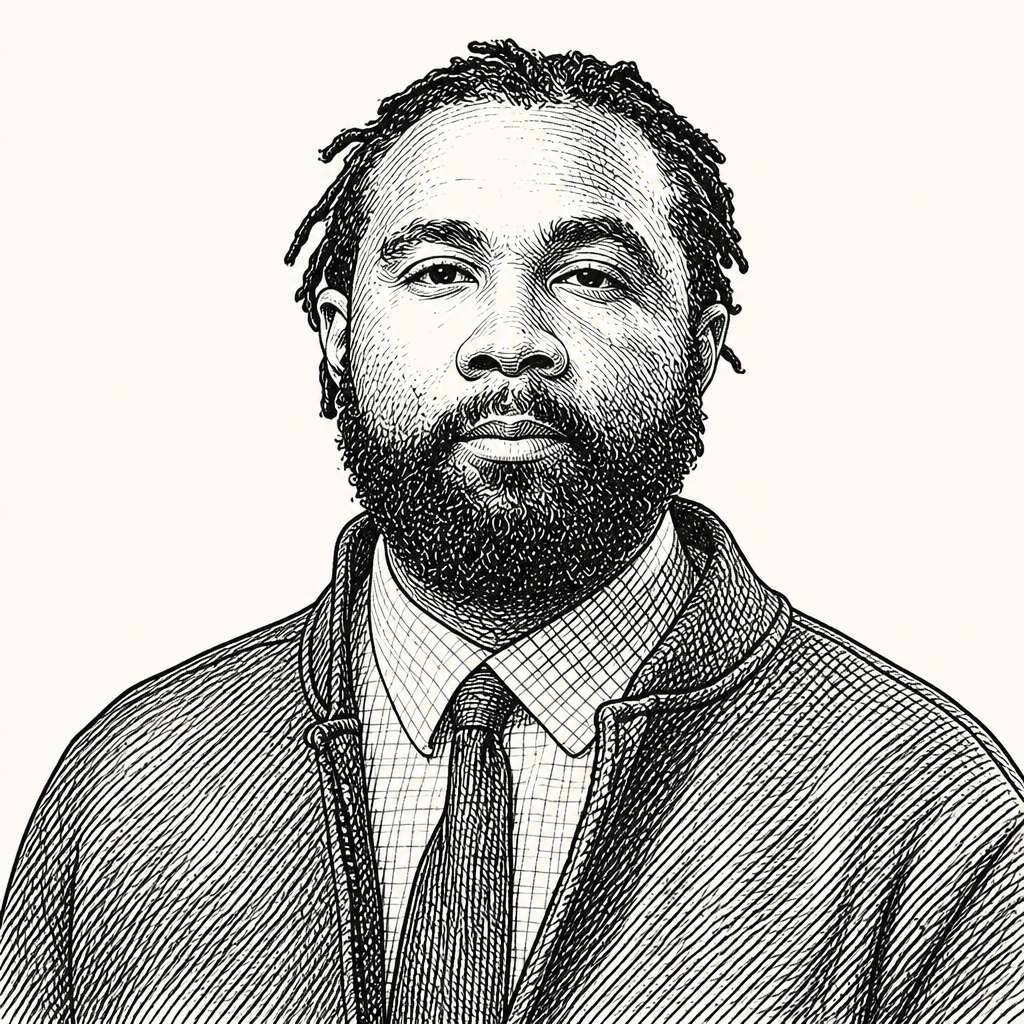
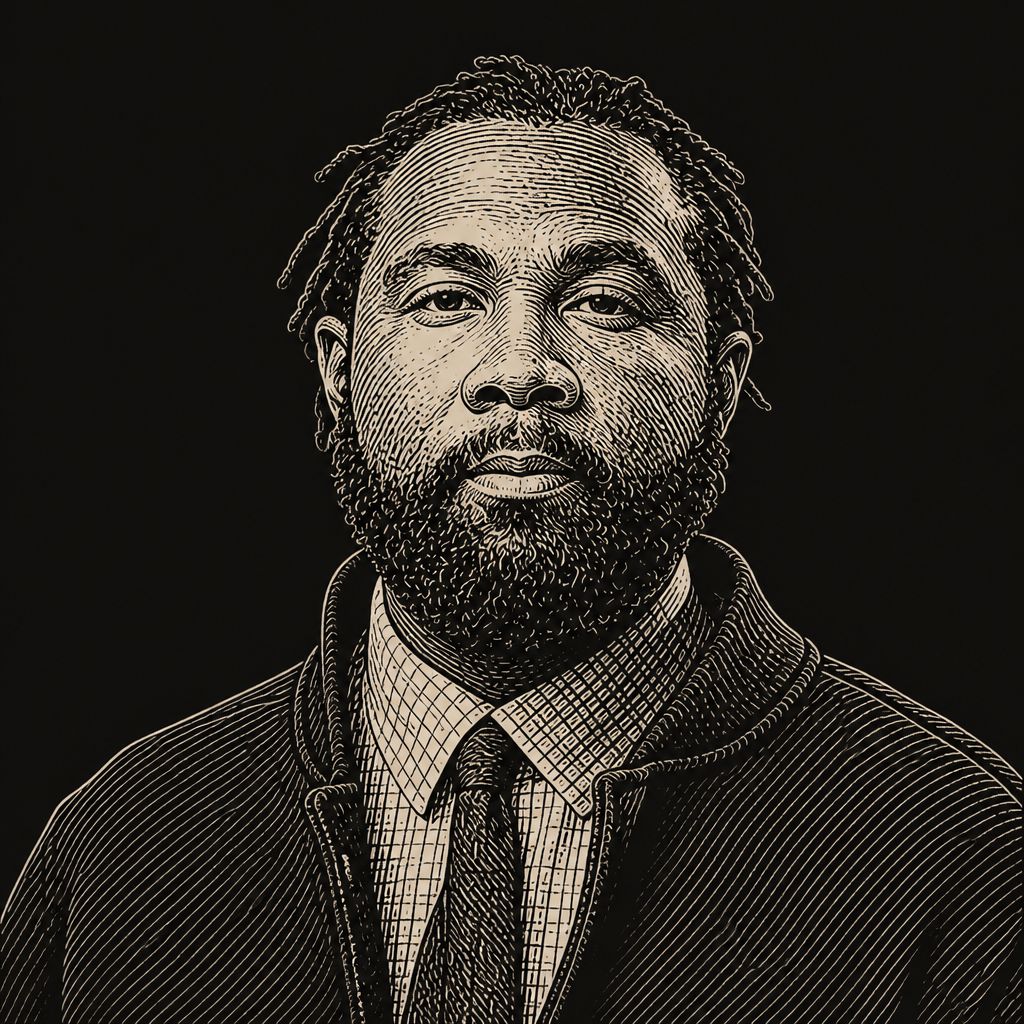
Beau Baird disclosed that he is also a county chairman for the Republican Party and said he had supported redistricting in Indiana because of a position he took eight years earlier, when he believed the maps should have changed. He rejected a simple assumption that a 9-0 map is necessarily bad. In Baird’s argument, getting to a 9-0 map requires making every district more competitive. His broader principle was that competitive districts allow better candidates to rise and that good ideas should survive tough conversations.
Kayla Young answered differently. She supports independent redistricting commissions nationwide. West Virginia, she said, had two congressional districts, so redistricting involved “50 ways to draw one line.” She used the issue to underline state power: state officials draw congressional districts every 10 years, meaning whoever holds state office at the beginning of the decade has enormous influence. State lawmakers draw state maps as well.
Young also described a personal experience: she was drawn out of her district and had to move. She said the majority tried to protect as many incumbents as possible on both sides of the aisle other than her. Her conclusion was categorical: gerrymandering is real, and lawmakers have no business being involved in it.
A final audience question, from Ohio, asked how legislating works under a supermajority when the majority party does not need cooperation or negotiation. Young said she and Baird sit on very different sides of supermajorities. In such systems, people are left out because the majority does not need to talk to the other side. She credited Future Caucus with encouraging lawmakers like Baird, who do not need Democrats to pass legislation, to work with them anyway. That takes courage, she said, even though it sounds strange that cooperation would require courage. Her bottom line was that supermajorities encourage people not to work together because they do not have to.
Baird objected slightly to the phrasing. He was not sure supermajorities themselves encourage that behavior, though he accepted the point when framed as the concept. He returned to his governing principle: legislation becomes better through conversation, and good policy comes from having those conversations.
Layla Zaidane shifted from institutional structure to incentives. If someone in a supermajority chooses to work with the minority, she said, that is good leadership and should be rewarded. The stories amplified should not only be stories of dysfunction, but stories of what is working. The public has some control over what gets shared, and sharing examples of bridge-building creates a reward system for leaders who choose to do it.
That answer preserved a tension rather than resolving it. Future Caucus can create relationships and model cross-party work. Individual lawmakers can choose to collaborate even when the math does not require it. But redistricting and supermajorities shape the incentives under which that collaboration happens. Young’s skepticism about lawmakers drawing maps and her criticism of supermajority incentives sat beside Baird’s belief that competitive conversations and voluntary cooperation can improve policy. The common ground was not agreement on the structure. It was agreement that the structure should not be allowed to eliminate conversation.