Five Chords Turn Personal Stories Into Musical Scores
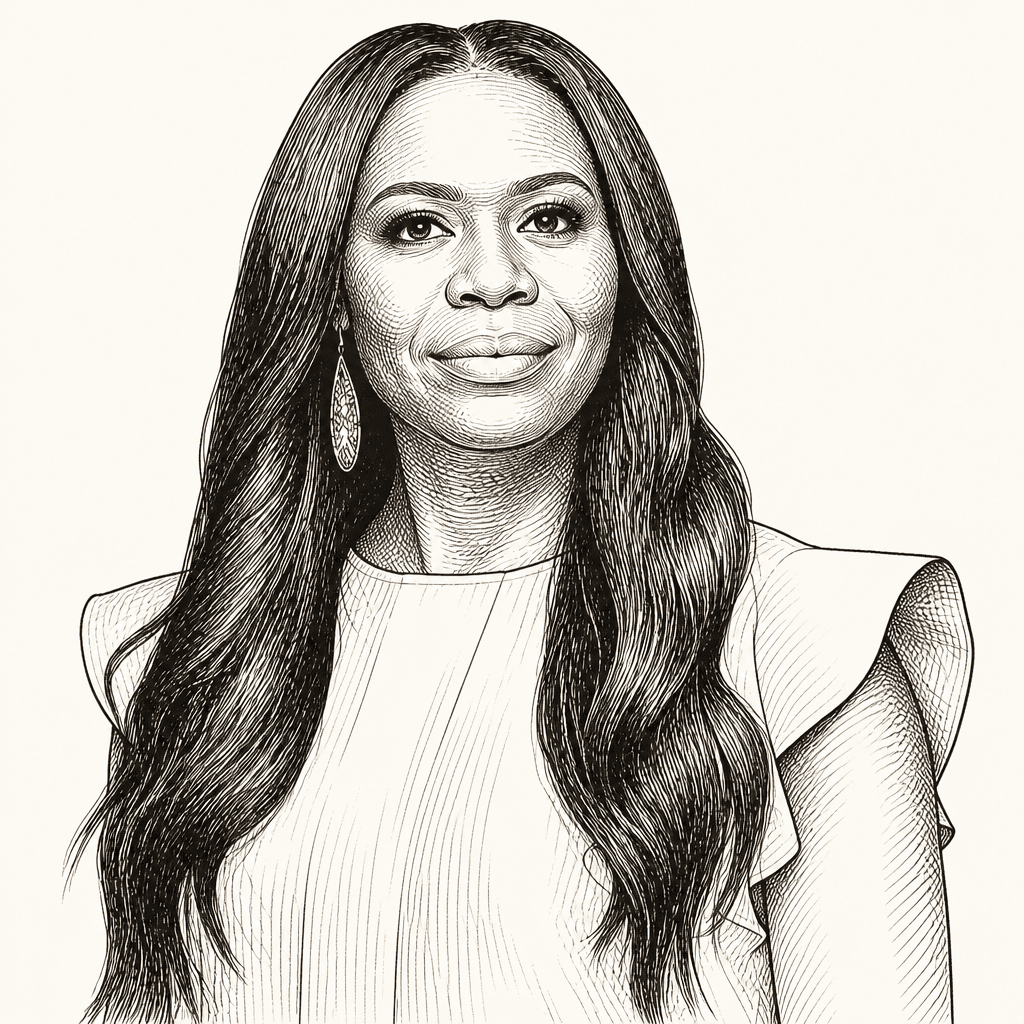 Bunmi Akinyosoye
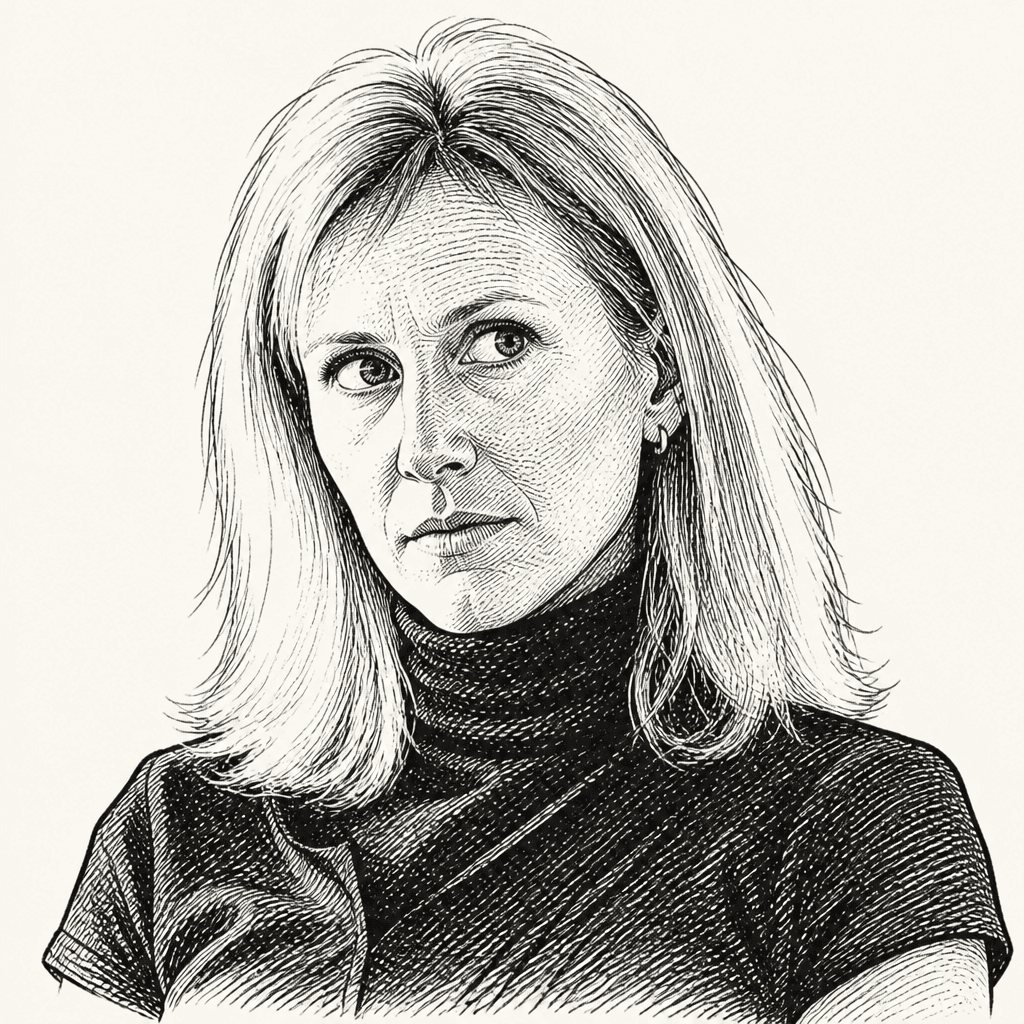 Ronnie Antik
 Garfield Warren
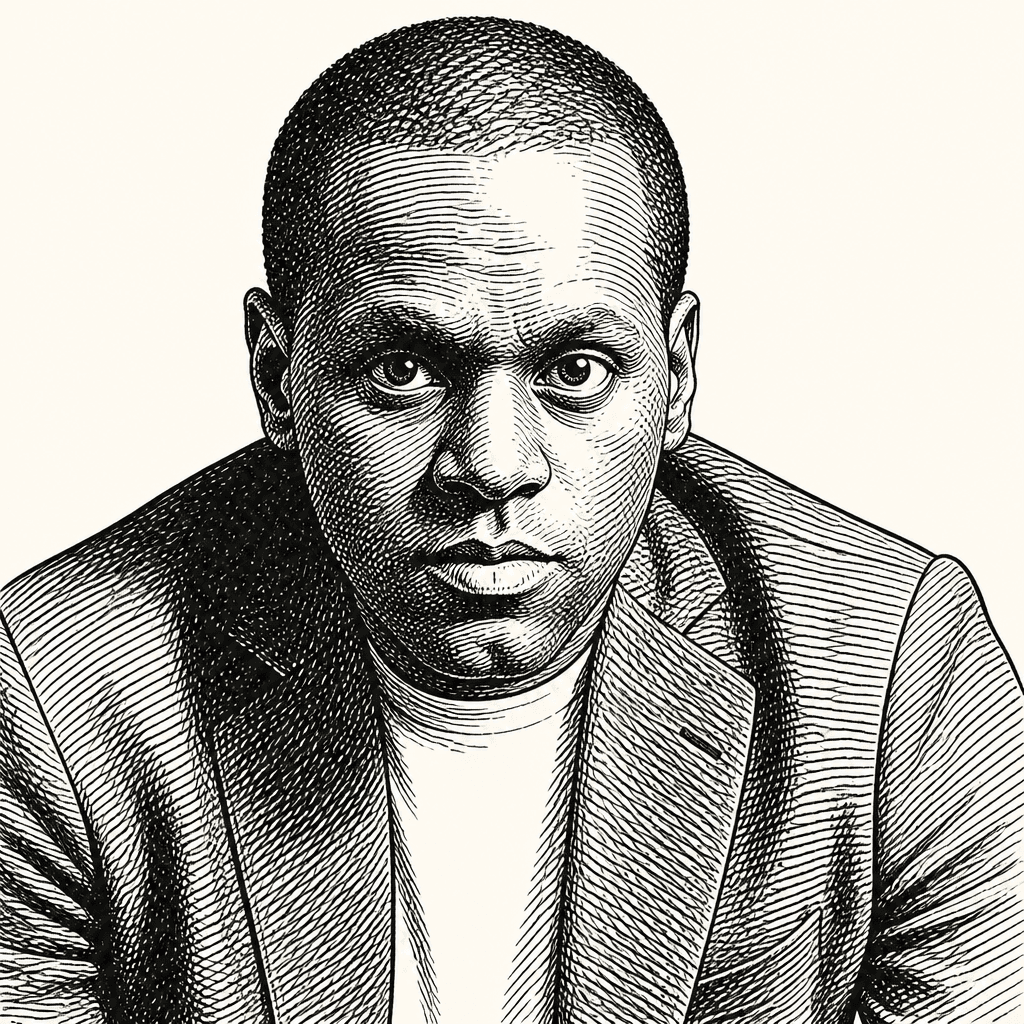 Harold O'NealThe Aspen InstituteSaturday, June 27, 202616 min read
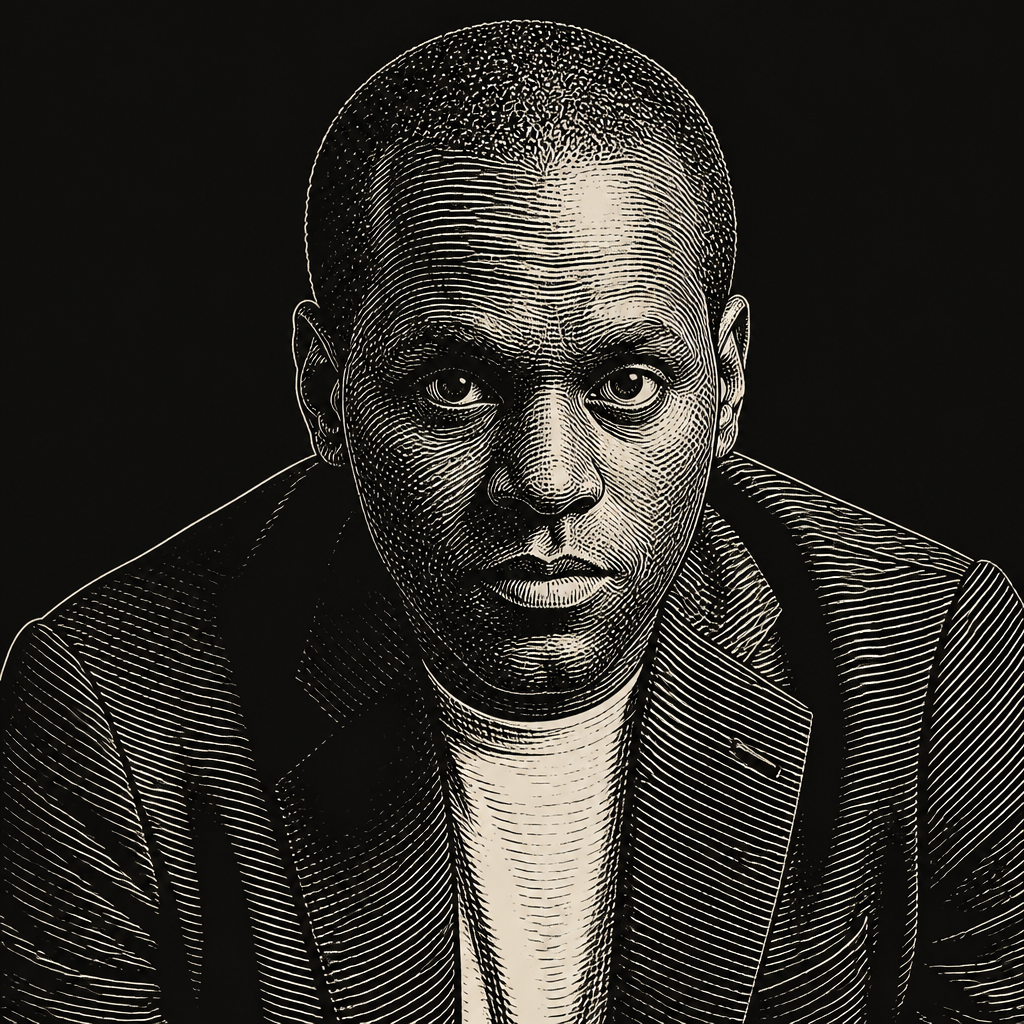
At the Aspen Ideas Festival, pianist Harold O’Neal led a workshop arguing that music can be used as a practical language for framing experience, even by people with no formal musical training. O’Neal reduced harmony to five felt energies — rising, grounded, condensed, chaotic and floating — and asked participants to map them onto short personal stories. His broader claim was that conflict, ambiguity and interpretation are not obstacles to storytelling but part of how people give meaning to what happened.

At the Aspen Ideas Festival, pianist Harold O'Neal led a workshop on a premise that did not require anyone in the room to read music: people already know more about music than they think because their bodies register musical movement before the sounds have technical names. The visible event framing identified him simply as “Harold O’Neal Pianist,” but the work he set up was broader than performance. He treated music as a language for framing experience.
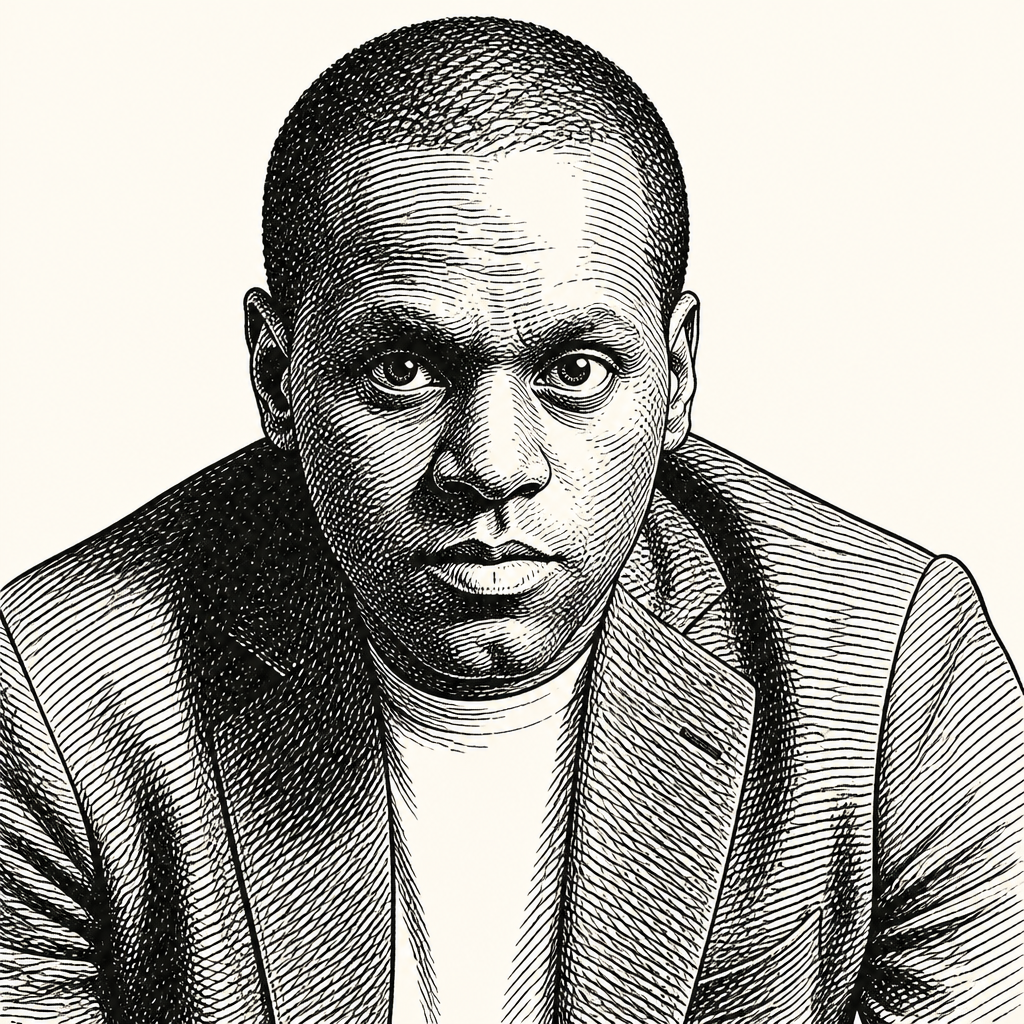
Music becomes legible when it is treated as energy, not expertise
O’Neal’s framework rested on a distinction between technical musicianship and felt musical knowledge. The point was not that everyone is secretly a trained musician. It was that the emotional and narrative force of music can be approached through a small set of felt energies — upward movement, groundedness, compression, chaos, and suspension — and that those energies can be mapped onto story.
He began with storytelling rather than theory. Every story, he said, has characters: expected ones, unexpected ones, and even practical ones, such as “the timer,” whose role is to mark where a story begins, where it is going, where it is, and when it has to stop. Knowing when to stop, in his account, is part of knowing how to tell a story. He framed storytelling as a basic human capacity: people tell stories about who they are, where they come from, how they arrived, where they hope to go, and why someone should not “go into the cave after midnight.”
The musical framework came after two personal stories about conflict and ambiguity. In O’Neal’s account, those were not ornamental anecdotes. They established the emotional materials the participants would later assign to chords. Conflict, ambiguity, dread, relief, tenderness, and unresolvedness were treated as materials for composition.
He then reduced the musical vocabulary to five “fundamental chords,” each attached to a quality of energy rather than a fixed emotion. The major chord was “upward moving energy,” often associated with happiness but not limited to it. The dominant chord was “downward moving energy,” grounded and connected to the earth, a sound he associated with blues, rock and roll, and aspects of Gershwin. The minor chord was “condensed energy”: sadness or intimacy, but also power. The diminished chord was chaos, the sound once used for melodrama — a person tied to railroad tracks, a train coming, the villain boasting. The augmented chord was floating energy, stillness with suspension, the kind of sound he associated with dream sequences.
Tempo added another variable. A major chord could be slow. A minor chord could be fast. A diminished chord could be slow chaos or fast chaos. The chord did not dictate the meaning by itself. Meaning came from the interaction of energy, speed, story, and framing.
| Chord | Symbol | Energy O’Neal assigned to it | Possible associations he named |
|---|---|---|---|
| Major | Uppercase M | Upward-moving energy | Often happiness, but more broadly lift or rise |
| Minor | Lowercase m | Condensed energy | Sadness, intimacy, or power |
| Dominant | 7 | Downward-moving, grounded energy | Blues, rock and roll, Gershwin, connection to earth |
| Diminished | Circle | Chaos | Melodrama, danger, instability |
| Augmented | Plus sign | Floating energy | Stillness, dreams, suspension |
O’Neal stressed that no chord is better than another. The common arc — things start well, become difficult, and work out in the end — is only one way to arrange them. Participants could put the chords in any order, repeat them, and attach them to any kind of story, “as deep or as light” as they liked.
The essential instruction was to write a short story of three or four sentences and assign each sentence a chord and tempo. His deliberately mundane example made the premise clear: “Tom went to the diner” could be framed with a fast major chord; “Tom ate a burger at the diner” could be slow minor; “Tom got home and he threw up” could be major, minor, or diminished depending on how the storyteller framed it. The event itself did not change. The interpretation did.
You can't change what happened, but you always have a say in how you frame it.
That sentence carried the workshop’s central move. O’Neal was not asking participants to use music as decoration for a story already fixed in meaning. He was asking them to notice that framing is part of the story’s meaning, and that music makes framing audible.
Conflict and ambiguity are not interruptions to the story; they are characters in it
Harold O'Neal’s first personal story concerned a date in his early twenties. He called the woman to confirm they were meeting that night. She did not answer. He called again. Still no answer. He interpreted the silence as a problem to fix and kept calling. In his retelling, the repeated calls became rhythmic and comic, accelerating until he admitted he had left “like 24 messages,” then corrected himself: “maybe more like 22. So not that bad.”
The humor did not remove the point. O’Neal described that moment as the arrival of a character he did not expect: conflict. At the time, he said, he did not know that conflict was necessary for growth or change. He did not experience the silence as an opportunity; he experienced it as something to resolve. When the woman still did not answer, another character entered: ambiguity. He said he did not like it.
That story led to one of his broadest claims: everything people do, they do in an effort to make their lives better.
Everything that everyone does, we do to make our life better.
O’Neal extended the claim beyond ordinary behavior, saying that even someone cutting themselves may be trying not to feel pain, or may be trying to feel numb, because numbness feels “better” than what they are otherwise experiencing. That does not mean the strategy works. In his own case, repeatedly calling the woman was an attempt to make his life better, but not hers.
When he eventually saw her, she explained that she had been at work and her phone had been in the car all day. She returned to find the messages and decided, in effect, “No, no, no, no, no. I’m not doing this.” O’Neal’s conclusion was not that she had misunderstood him. It was that the story he had given himself — that more calls would improve the situation — had failed. He was acting to improve his own state, while creating a worse state for someone else.
The second story treated conflict without comedy. During the pandemic, O’Neal and his wife called an older friend and former teacher of hers named Tyrone. He did not answer. They called again, then a third time. Something felt wrong. They went to his building. There was no answer at his apartment door. A doorman dismissed the concern, saying Tyrone was in and out all the time, but O’Neal said the explanation did not make sense.
He and his wife went to a neighbor’s apartment, where a fire escape allowed a view across to Tyrone’s window. O’Neal climbed out six floors up, leapt to the other fire escape, entered through the window, and searched the apartment. He found Tyrone dead in the bathroom. He went to him and spoke over him: “We came here, we found you. We found you, man. We got you, man. We came here, man. We showed up, we’re here. We got you. We found you.”
His wife heard him scream Tyrone’s name. He told her Tyrone was dead. She screamed, came across, and insisted on seeing the body. Afterward, they embraced, screaming Tyrone’s name.
The detail O’Neal stayed with was not the discovery alone, but the smell on his hands afterward. At home, he washed his hands, but a “strange sweet grape smell” would not come off. He caught himself in the mirror and said he was proud “to have that stench” to wash off his hands. The stench was evidence that he had shown up.
From that experience he drew the workshop’s hardest formulation of conflict. Conflict is unavoidable, he said, “just like the blade of grass penetrating through concrete as it seeks the sun.” If conflict cannot be avoided, his decision was to “at least” enjoy it — not in the sense of liking suffering, but in the sense of treating conflict as material for change rather than as evidence that the story has gone wrong.
Those two stories set up the musical exercise. The five chords were not presented as neutral music-theory terms. They were ways to give form to lived pressure: the anxious upward spiral of repeated calls, the dread of unanswered doors, the grounded reality of a body found, the suspended unreality after a death, the chaotic force of not knowing what has happened.
The participants’ stories became scores
The workshop’s central demonstration was practical. Participants wrote short stories, chose chords and tempos for each line, then volunteers brought their stories to the stage while O’Neal played under their words. He did not ask them to perform as trained musicians. He asked them to make compositional decisions about emotional movement.
The transcript does not consistently preserve the chord choices participants gave O’Neal. What it does preserve are the stories, the titles, and the performance structure: O’Neal would play the chord first, the participant would read a line, and then he would move to the next chord. The result was not a finished composition in the transcript. It was a demonstration of how a short narrative could become a score.
Ronnie Antik offered a story titled “Heartbeats.” It began in Manhattan at 6 a.m., with everyone asleep. Anastasia wakes with labor pains, alone, and rushes to the hospital. The story moves rapidly into emergency: she arrives “out of control,” doctors and nurses running left and right, an emergency C-section, her husband arriving to hold her hand on the way to the ER but unable to enter. “She is sedated.”
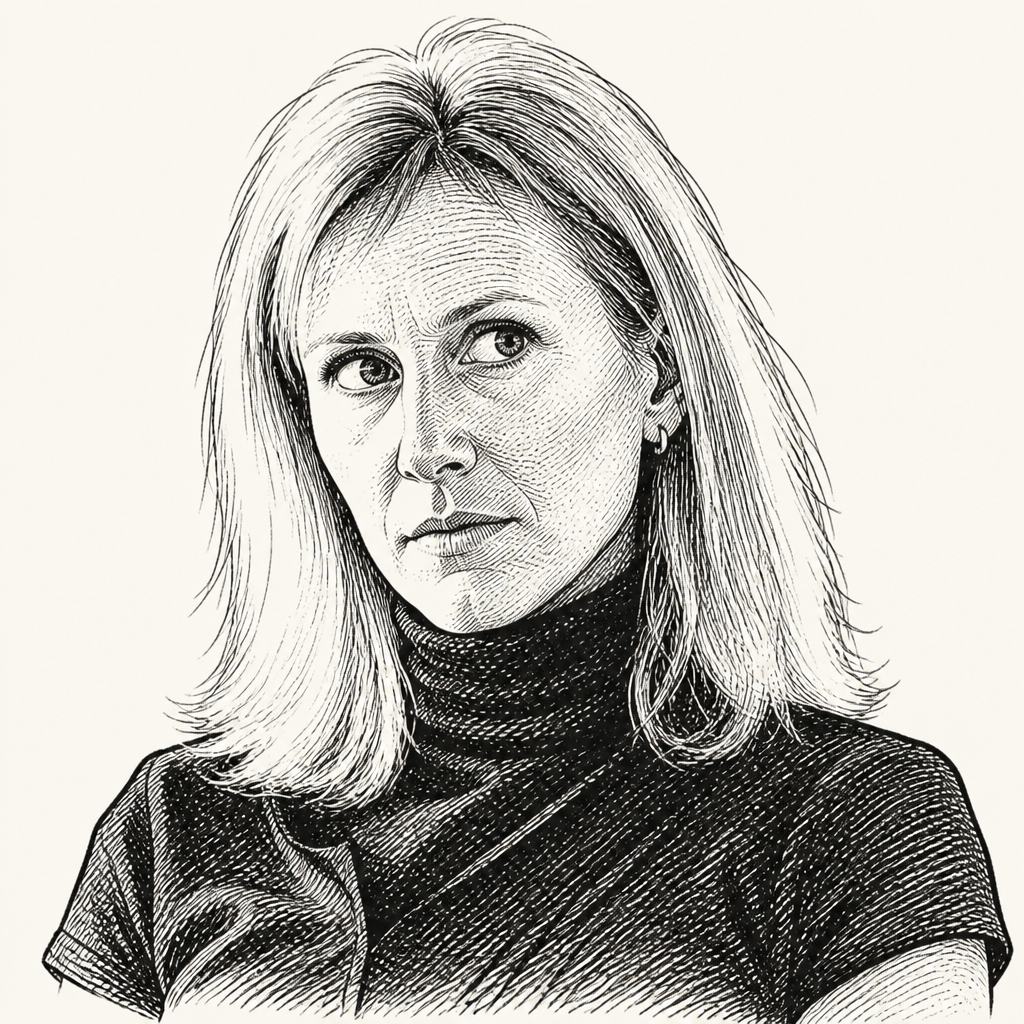
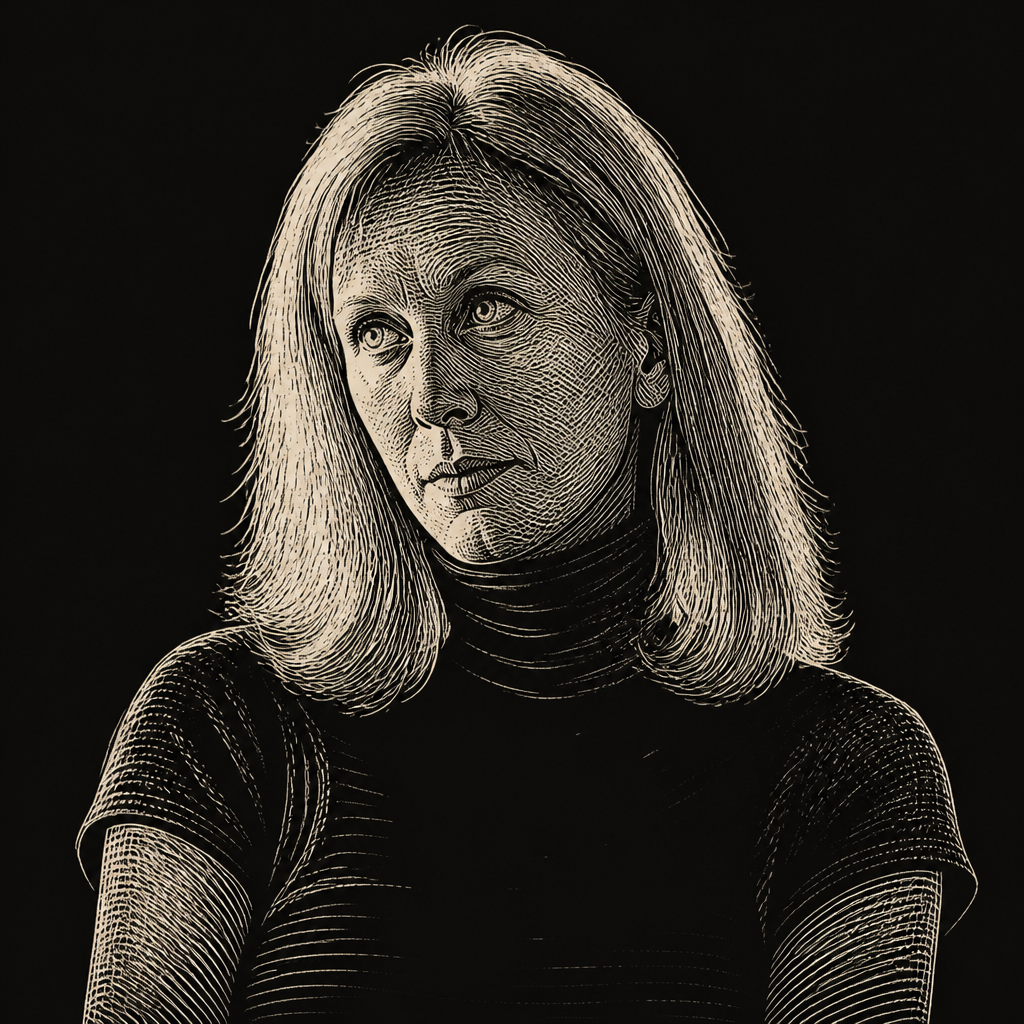
Because the transcript does not preserve Ronnie’s chord sequence, the article cannot say how she scored those turns. What is clear is that her story gave O’Neal a sequence of states to accompany: quiet, alarm, institutional action, intimate contact, separation, and sedation.
Angie Aguilar followed with “Let It Flow,” after warning the room, “Guys, I wasn’t ready for this, but I’m gonna give it a go.” Her story began at 18, moving alone to California for college. She described being on her own in a new space, “completely alone in California,” and said it was very hard because she was family-oriented. She fell into “a big depression.” The turn came when she realized the accomplishment: she was first-generation, the first in her family to attend college. She joined clubs, made friends, and began cutting herself some slack. The ending remained open: she was still trying to figure it out, finding the light at the end of the tunnel, believing everything would be okay, and “letting it flow.”
Aguilar’s story shows why O’Neal had separated chords from fixed meanings. A line about loneliness, achievement, uncertainty, or relief could be framed in more than one way. The transcript gives the emotional content of her story, but not the exact musical decisions she attached to each sentence.
Yasmeen Wadan brought one of the most emotionally explicit stories, titled “Rainbow.” It opened with pregnancy: “Babe, we’re pregnant. We’re starting to show.” The speaker feels the baby move. At 20 weeks, halfway through, the joy is interrupted by bleeding that will not stop. The doctor says they should come in. An ultrasound follows. Then the line: “We lost the pregnancy, babe.” The story stays with bewilderment — “But we were halfway through. What happened? No way to tell” — and then with postpartum depression. A year later, pregnancy returns, but with nervousness: “I don’t want to go through that again.” Forty weeks pass, and a rainbow baby is born. Her name is Bayan.
In “Rainbow,” the sequence itself supplied the narrative movement: wonder, alarm, loss, depression, fear, and birth after loss. The later birth came after the loss rather than replacing it in the telling. The transcript includes a repeated version of the ending, but the material substance is the same: the story moved from pregnancy loss through postpartum depression to the birth of Bayan.
Garfield Warren offered “Where Am I Going?” It was framed as the story of a child of immigrants “always searching for that answer”: Where does he belong? What journey will he take? Tenacity and hope appear as both “friend and foe.” The turn comes through a dream: “All it took was a dream to finally get me to that place,” and the dream lifted him to new heights.
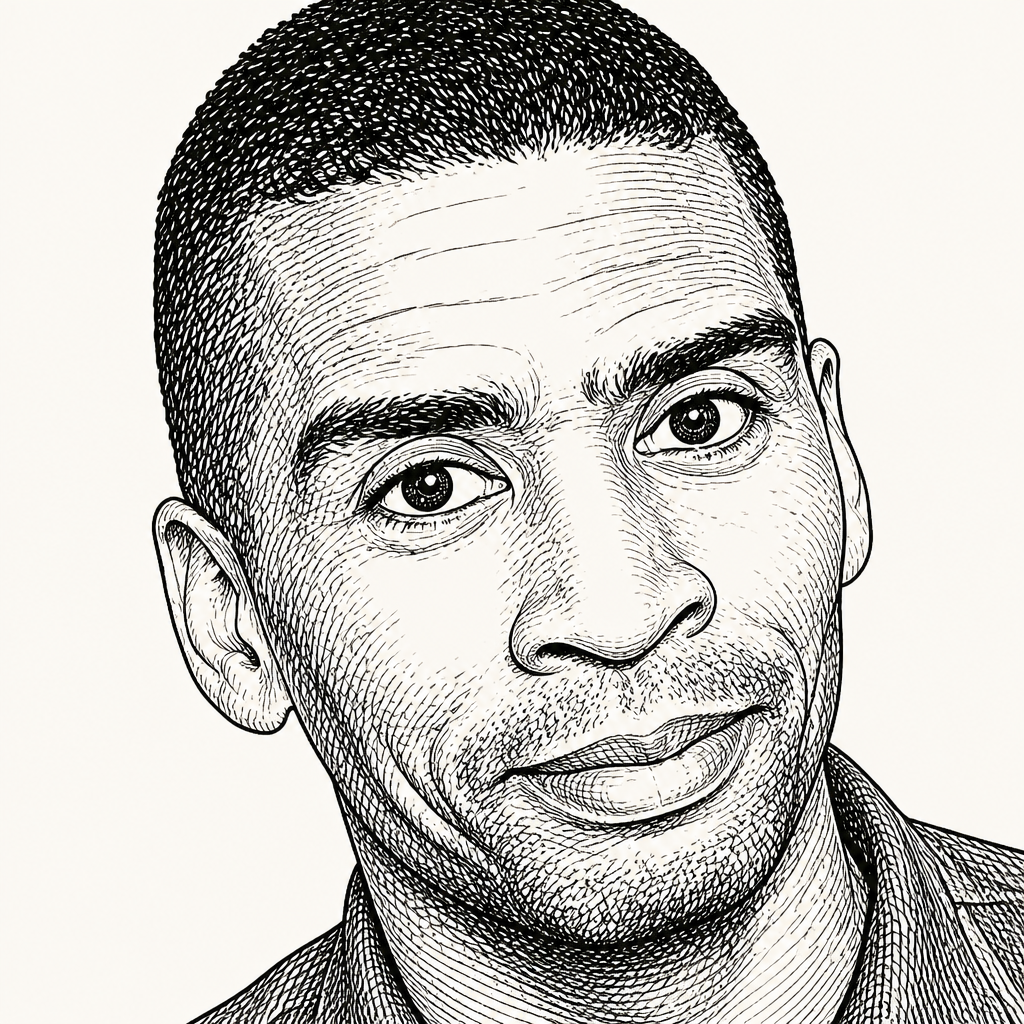
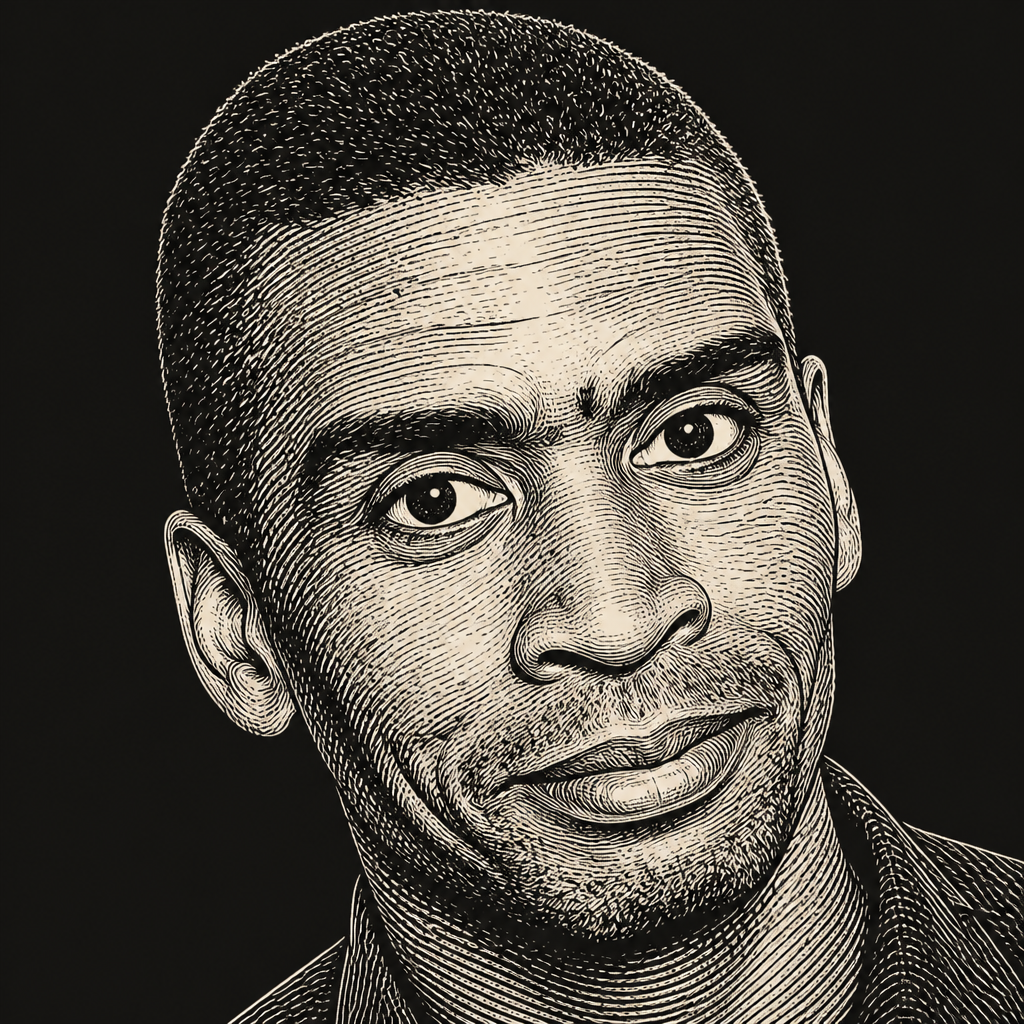
The line “friend and foe” complicated a simple arc of uplift. Hope and tenacity were named as supports, but also as pressures. The question of belonging supplied the story’s tension.
Charlie Berryman compressed his contribution, “Hummingbird,” into three lines: “A wing swoops downward. / Cutting through the great blue sky. / A flash of yellow.” The story did not explain a life event. It offered motion, color, and image. That, too, belonged in the exercise: the participant could score a brief image without turning it into biography.
Bunmi Akinyosoye closed the volunteer sequence with “The First Embrace.” Sam and his mother rush to gather the last gifts for Sam. On the drive to the coffee shop, neither speaks; “it was as if they were floating.” They arrive in a room full of energy, with eyes “watching, looking, staring.” Sam searches for him. They find each other. The man is smiling, standing, and looks like his photos. Then the embrace: “The embrace between father and son turned the world into time and into dust.”
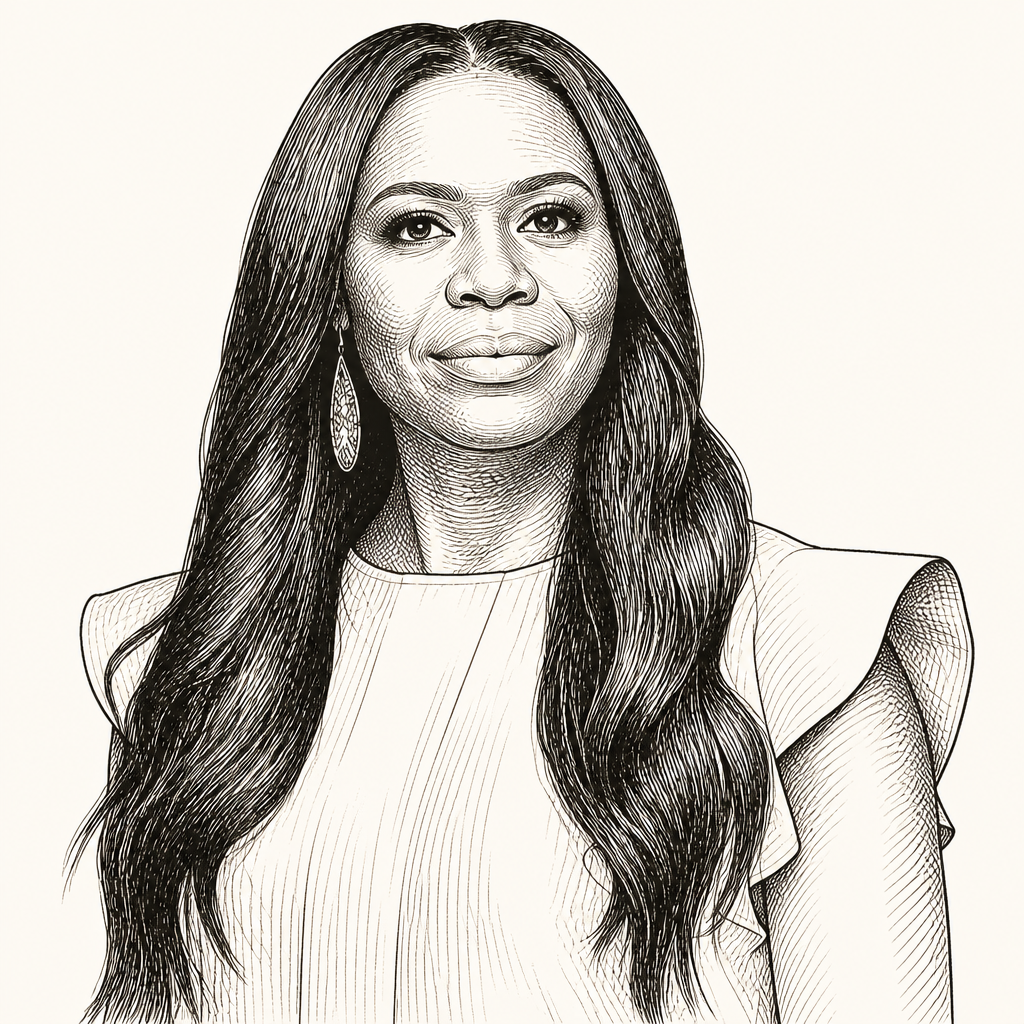
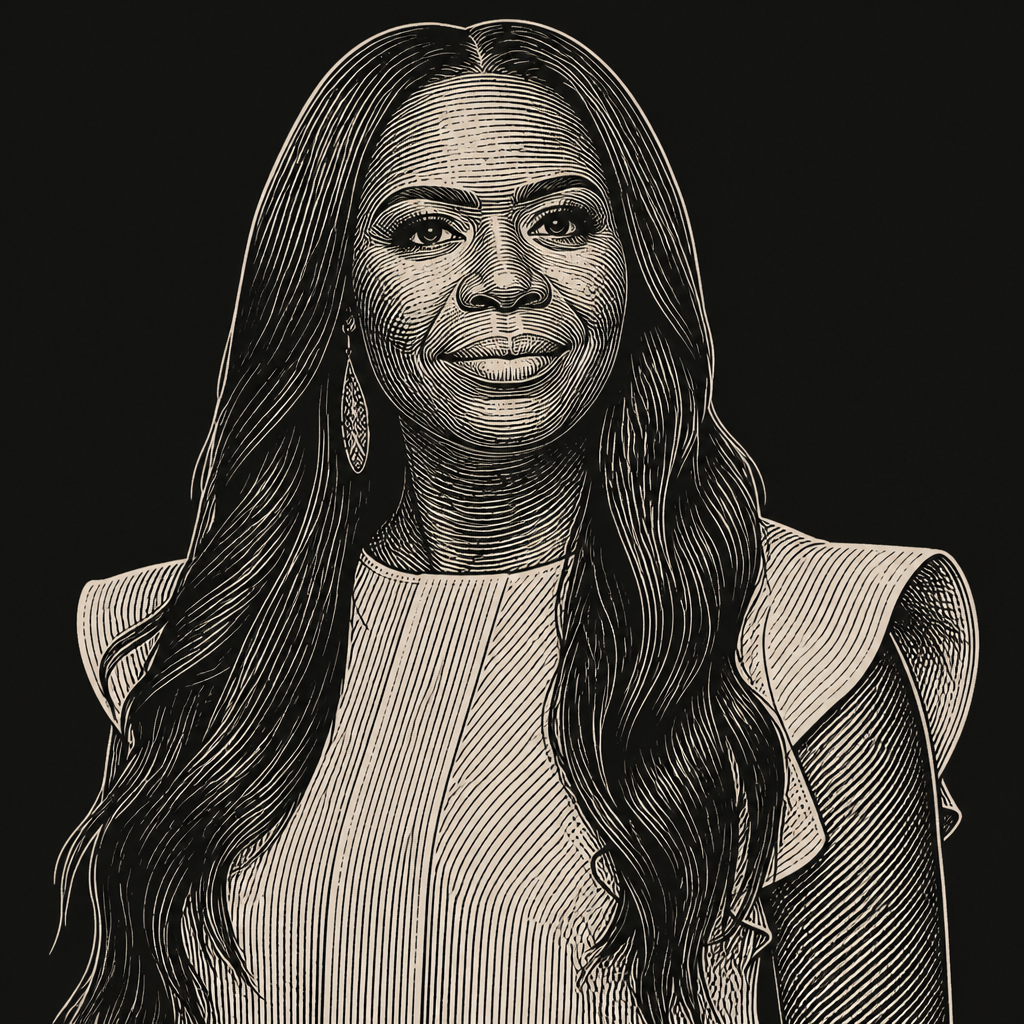
The story moved through preparation, silence, anticipation, social attention, recognition, and a physical embrace. O’Neal’s framework gave those transitions a musical vocabulary without requiring the participant to play an instrument.
The exercise treated non-musicians as collaborators, not consumers
After the volunteer performances, Harold O'Neal drew out the implication: when people hear songs, their bodies already recognize the chord energies. If a song sounds happy, it is often because of major-chord energy. If it feels condensed — frequently sad, though sometimes powerful — it may be minor. The instruction was to take that awareness into ordinary listening: when hearing a song in the world, pause and wonder what chord might be doing the emotional work.
He also told participants that the chord progressions they had created could be taken to any musician, who could then make an arrangement or interpretation. The progression is not the finished song, but it is enough to begin a collaboration. In that sense, the workshop’s story-to-chord exercise resembled professional creative work. O’Neal compared it to the relationship between a composer and a filmmaker working on a film score, or music producers in a studio building a record together.
The distinction O’Neal emphasized was between technical instrumental skill and musical decision-making. Many people say they do not make music because they do not play an instrument. O’Neal challenged that boundary. He said people might be surprised how many music producers do not play an instrument, yet are connected to how they know music and how they convey storytelling through emotion and energetic movement.
A person who can identify the emotional movement of a story — where it rises, where it grounds, where it compresses, where it fractures, where it floats — can participate in the early architecture of a musical idea. The musician’s craft then interprets, arranges, expands, and performs those choices.
O’Neal’s explanation of film scoring in response to an audience question reinforced the collaborative point. In film, he said, the process is usually with the director, with producers also having input. Each production differs. Sometimes actors wear multiple hats or have a different kind of stake. There is a creative balance and a business balance. Sometimes someone gets involved creatively in a way that may not be the best creative move, but may be the best business move. “Here comes that conflict,” he said.
His own criterion was choice. Speaking for himself, he said that as long as he is connected to having choice, he can work with the situation. If he does not have choice, he wants to examine what is going on. That principle connected the professional answer back to the workshop’s broader frame: collaboration inevitably contains ambiguity, conflict, influence, and constraint. The work is not to eliminate those forces, but to stay aware of one’s agency within them.
Understanding another person’s story requires practicing the question before assuming the meaning
The second major exercise shifted from composing stories to interpreting someone else’s words. Harold O'Neal said understanding one’s own story can be “our greatest challenge,” and understanding someone else’s story can be even harder. The practice he introduced was simple but demanding.
One partner would make a sentence: “I like that table.” The other partner’s job was to ask questions beginning with “Do you mean…” and to get three yeses. “Do you mean you like the color of this table?” could receive a yes. But O’Neal added a crucial constraint: if the speaker does like the color of the table, but that is not what they meant when they originally said the sentence, then the answer should be no. The exercise was not about finding true statements adjacent to the original. It was about accurately locating the speaker’s intended meaning.
The listener could not assume that a plausible interpretation was sufficient. The speaker could not treat every related truth as understanding. Both parties had to remain in the space between words and meaning long enough to test interpretations.
O’Neal later explained that the exercise was about taking risk, seeing ambiguity as a resource, and hearing “no” as conflict that can become an opportunity for growth and connection. He located the first work inside the listener. When a person is told no, or meets ambiguity where they had hoped for clarity, the reaction begins internally. His “good news” was that the other person cannot be blamed for that internal state. The second piece of good news was that because the reaction arises within oneself, one can use one’s own resources to move into a different state.
This exercise is about taking risk. It's about seeing ambiguity as a resource. It's about hearing no, getting that conflict. Getting that conflict and seeing it as an opportunity for growth.
The partner can participate, he said, but cannot do the work. Even if the partner tries to give clues, the decisive question is how one chooses to connect with what is happening internally.
O’Neal framed both exercises — story-to-chord and “do you mean” — as forms of practice. He said he did not grow up learning that it was acceptable to practice communication or storytelling. The story you told was “the story you got,” and if someone did not like it, that was it. The workshop offered a different premise: communication, storytelling, listening, and musical understanding can all be practiced.
That practice was low-stakes by design. No one’s “arms fell off,” as O’Neal joked after earlier inviting people to move closer. The room may have felt different, weird, or just right. His instruction was to “take what fits and leave the rest.” But outside situations of immediate physical danger — “unless someone’s charging at you with a knife” — he insisted that people get to practice how they communicate, how they tell their story, how they hear music, and how they explore new meaning in their understanding of music.
The best storytellers were not necessarily the famous ones
When asked which artists he considered the best storytellers, Harold O'Neal resisted turning the answer into a ranking of musicians. He called storytelling subjective: many stories he likes, other people cannot stand. The world is large enough, he said, for everyone to have their own list.
His personal answer began outside the music industry. The best storytellers in his life included his grandmother, his father, neighborhood men who helped him stay out of trouble, teachers, and even Tom and Jerry cartoons. All of those were “musical” to him in some sense, even when they were not songs. When he did turn to music directly, he said he thought about some of the first songs he heard before he could make words. As a child, he gravitated toward songs without lyrics.
The answer kept the workshop’s definition of storytelling broad. Story was not restricted to verbal narrative, and music was not restricted to songs with lyrics. A cartoon chase, a family memory, a neighbor’s warning, a teacher’s presence, or an instrumental piece could carry sequence, tension, timing, emotion, and release.
When asked about his own background, O’Neal described himself first as a pianist and musician. He works across story in film, music, and television, and also in spaces of innovation and creativity. He also named ordinary roles: husband, owner of a chihuahua and then a second one. One of his goals, he said, is to help people better connect to this part of themselves.
The closing question turned the musical framework back on him: “What chord of life are you living right now?” O’Neal said that while he had presented the chords as fundamentals, life becomes more complex as the vocabulary grows more sophisticated. Rather than answer with a single chord, he chose to play it. He thanked the questioner, Chip, and the room, then improvised a story.
Some meanings in the workshop could be named: major, minor, dominant, diminished, augmented; upward, condensed, grounded, chaotic, floating. O’Neal’s final response suggested that other states are better answered by playing them, because music can hold more than one energy at once.