Public Memory Must Show Its Work When History Is Contested
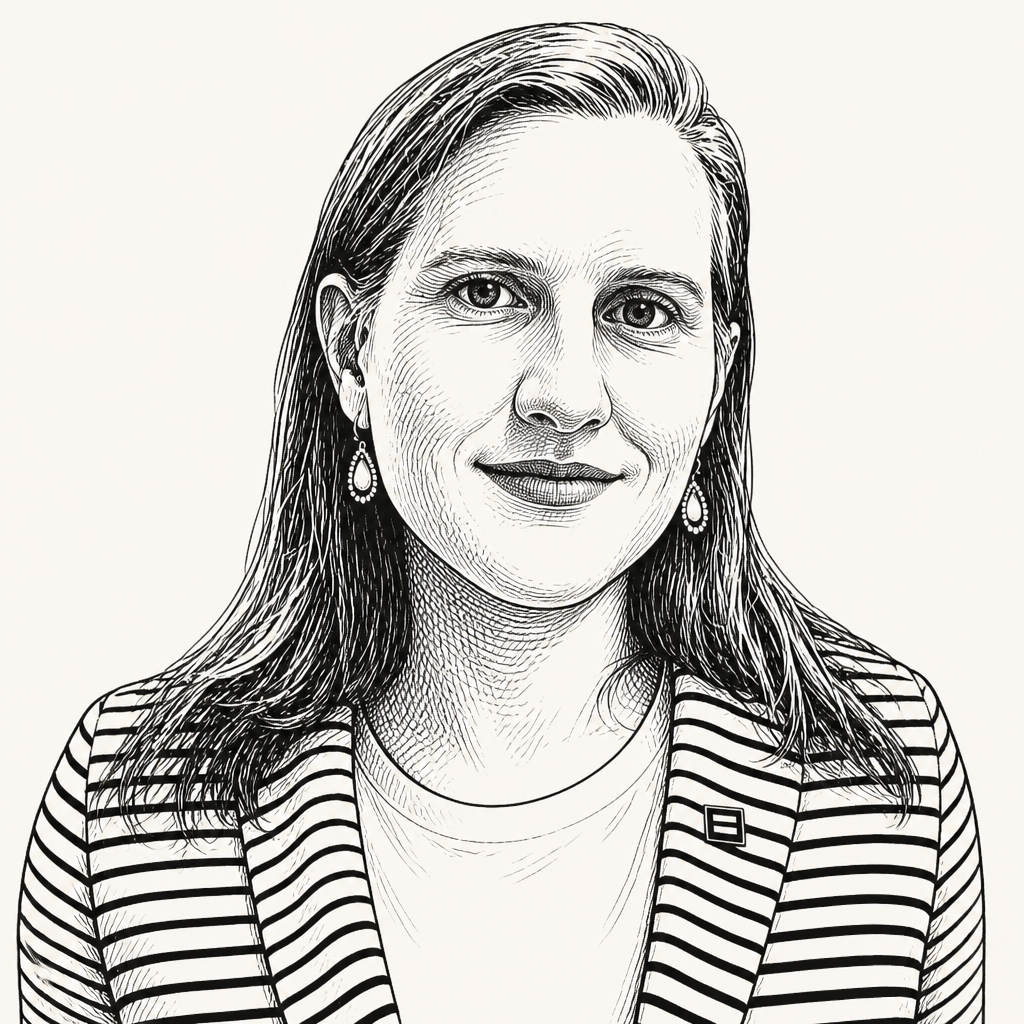
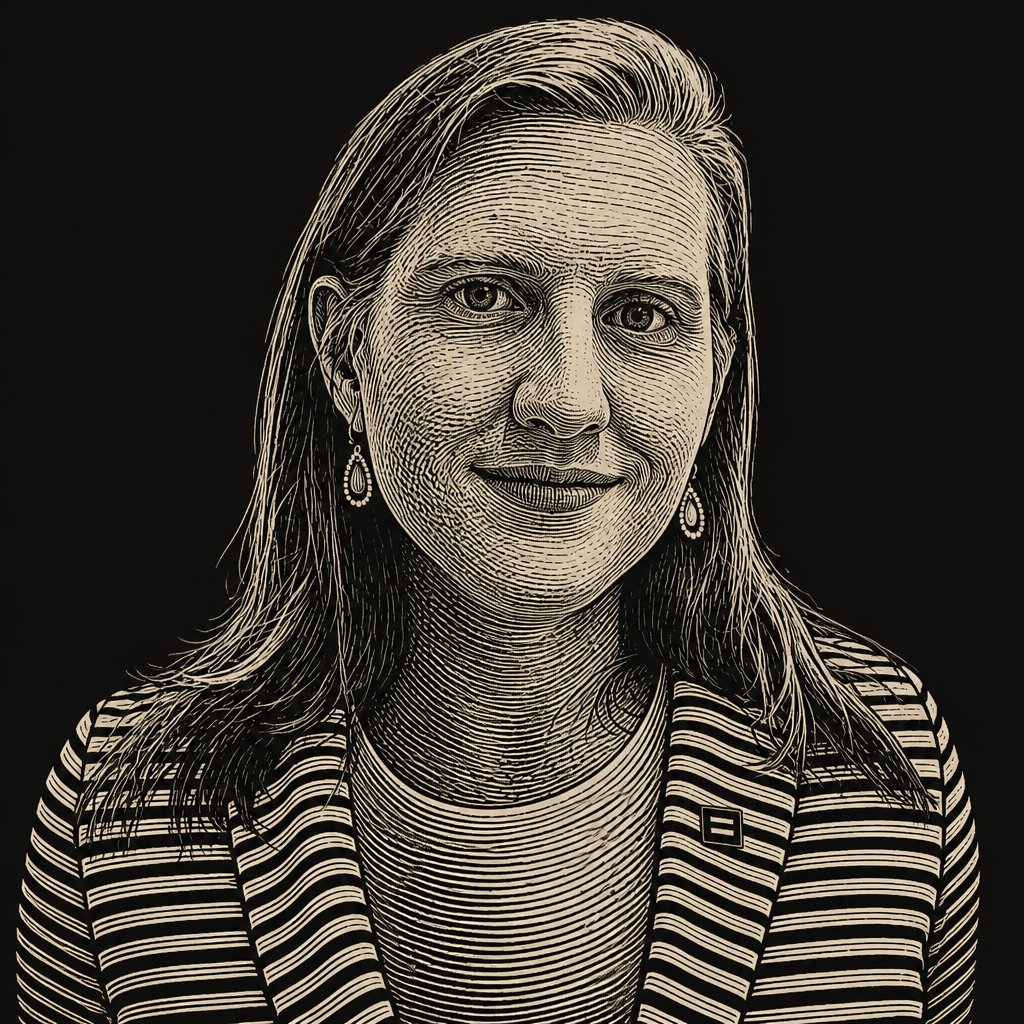
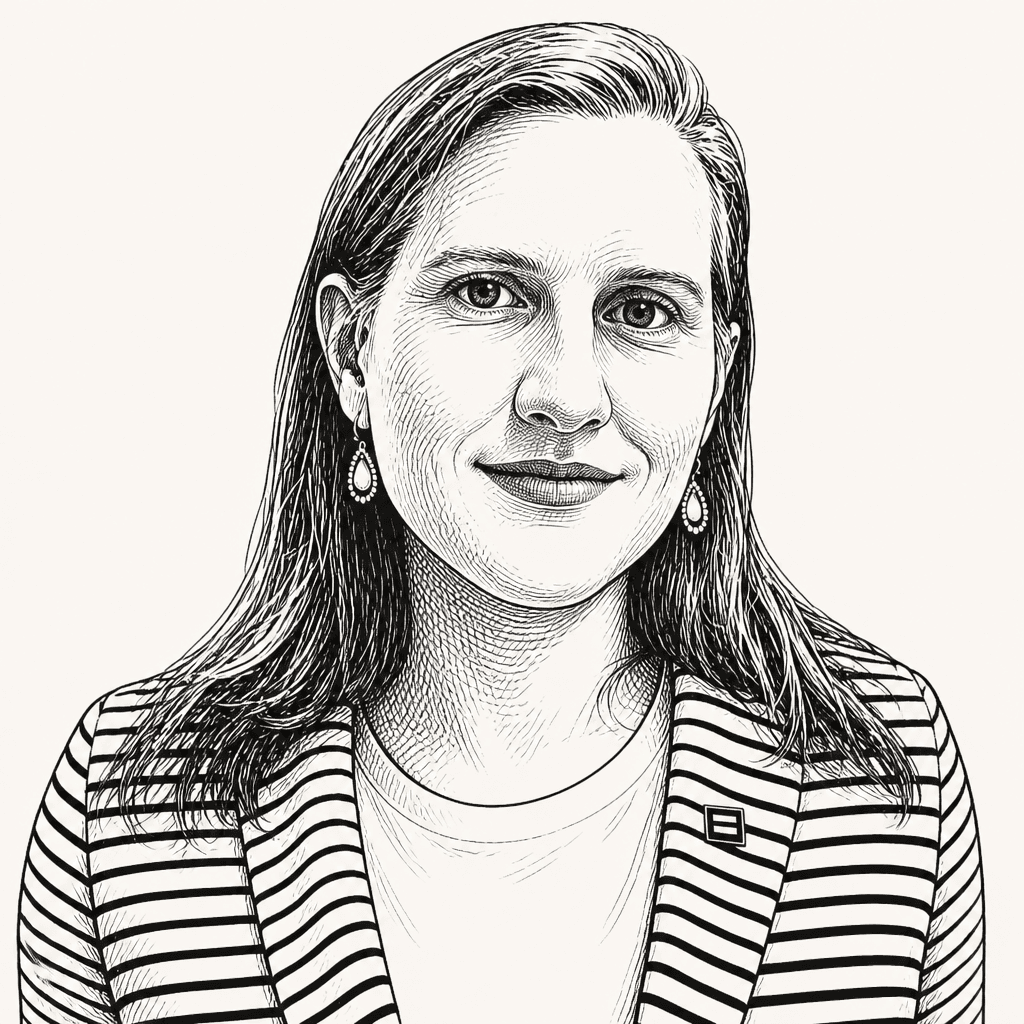 Charlotte Clymer
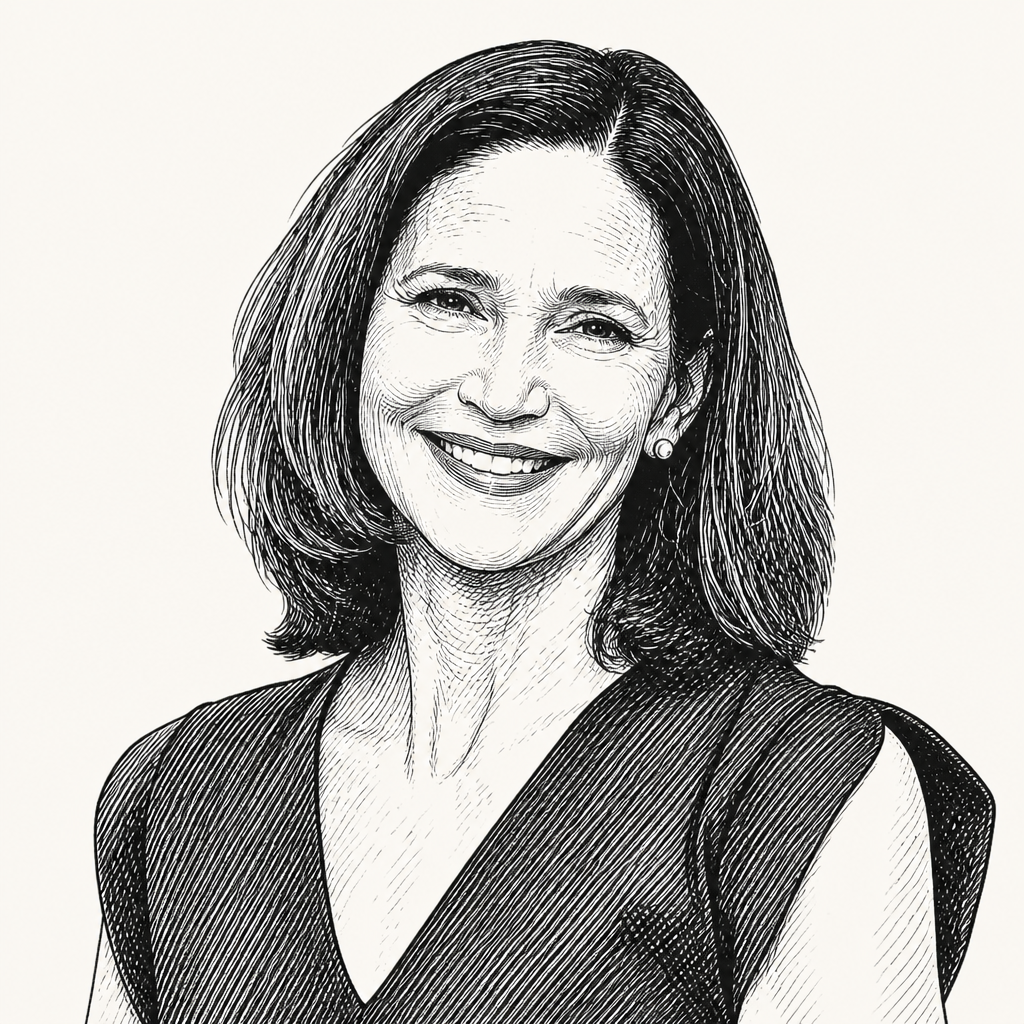
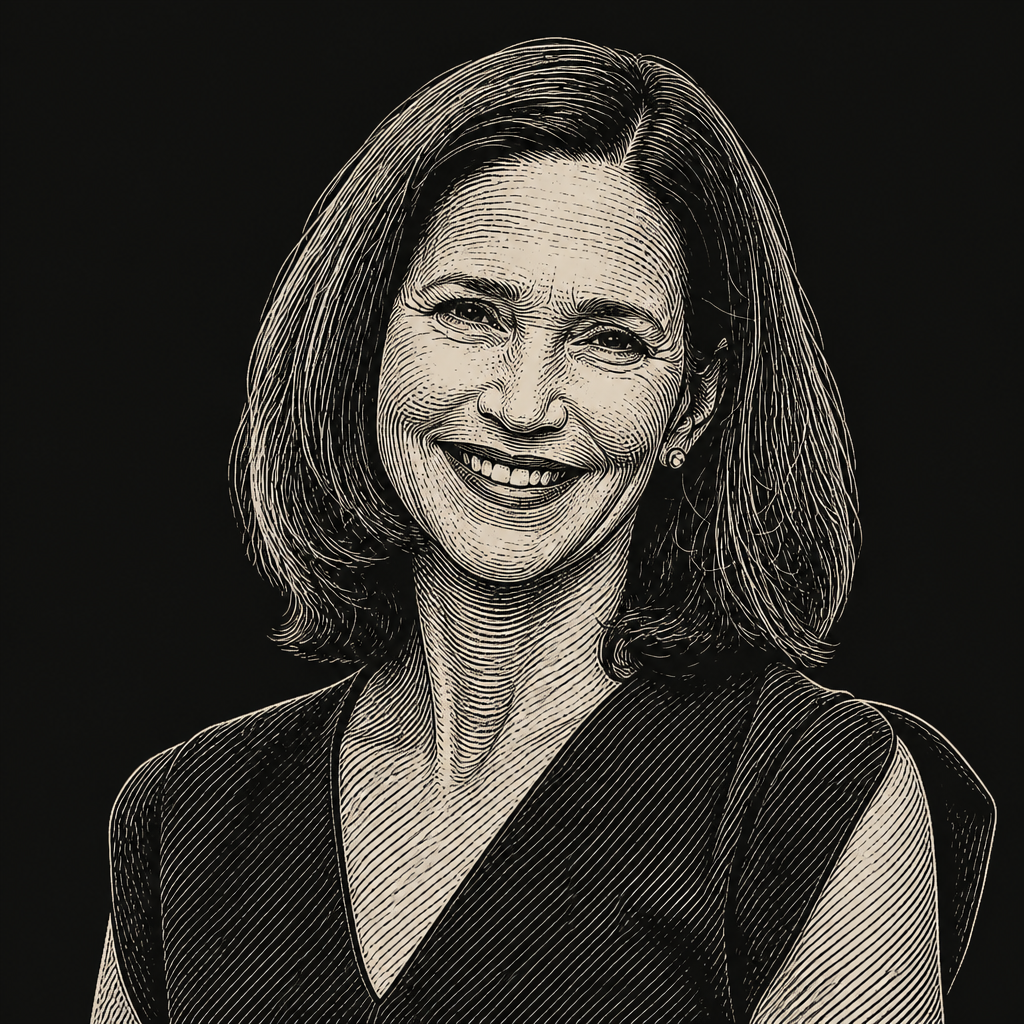
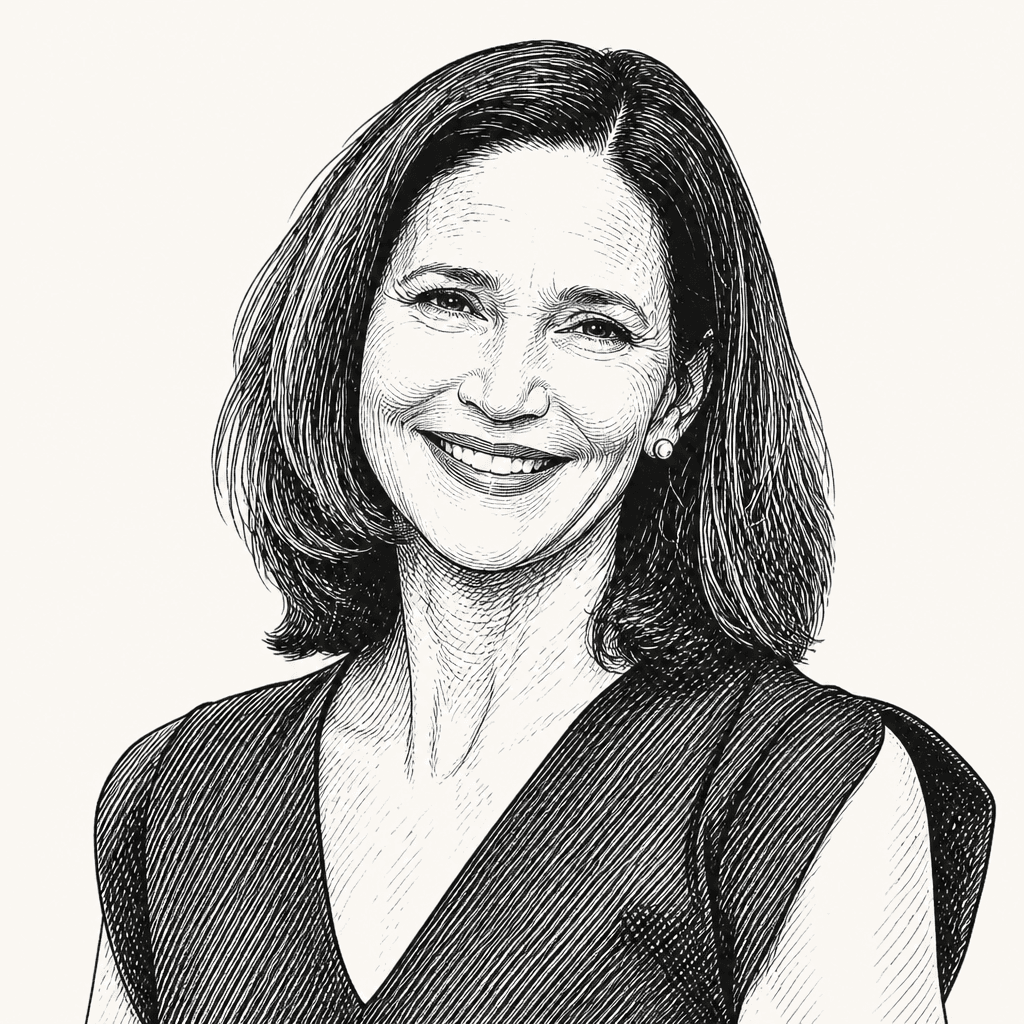 Carol Quillen
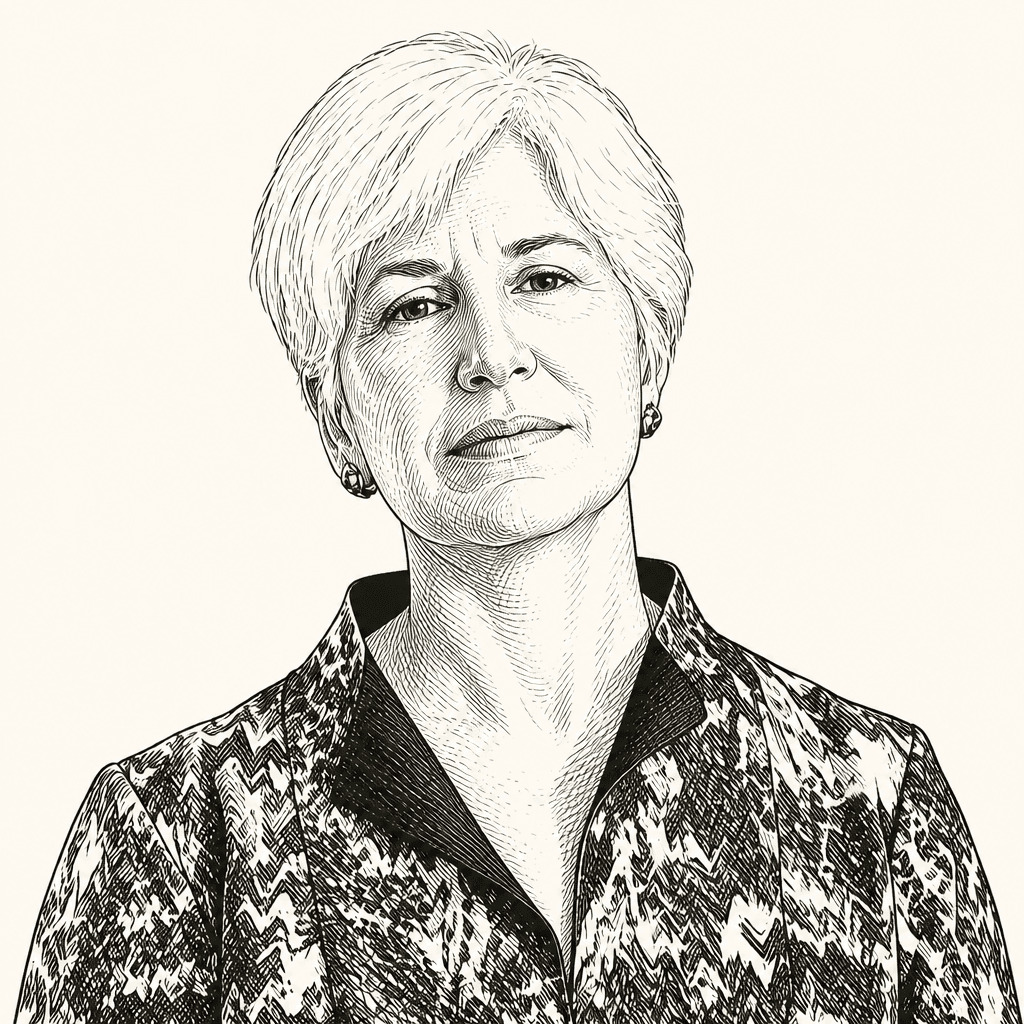 Jane Kamensky
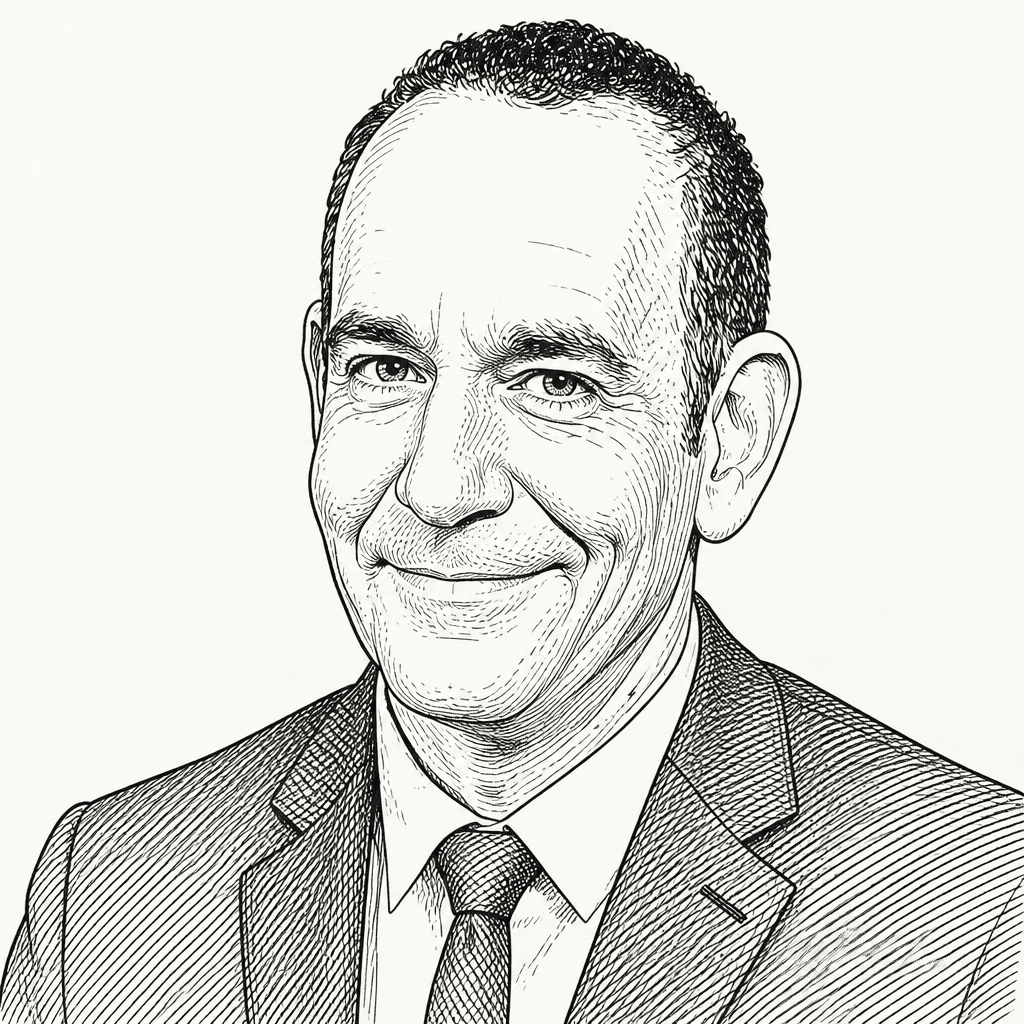 Timothy Naftali
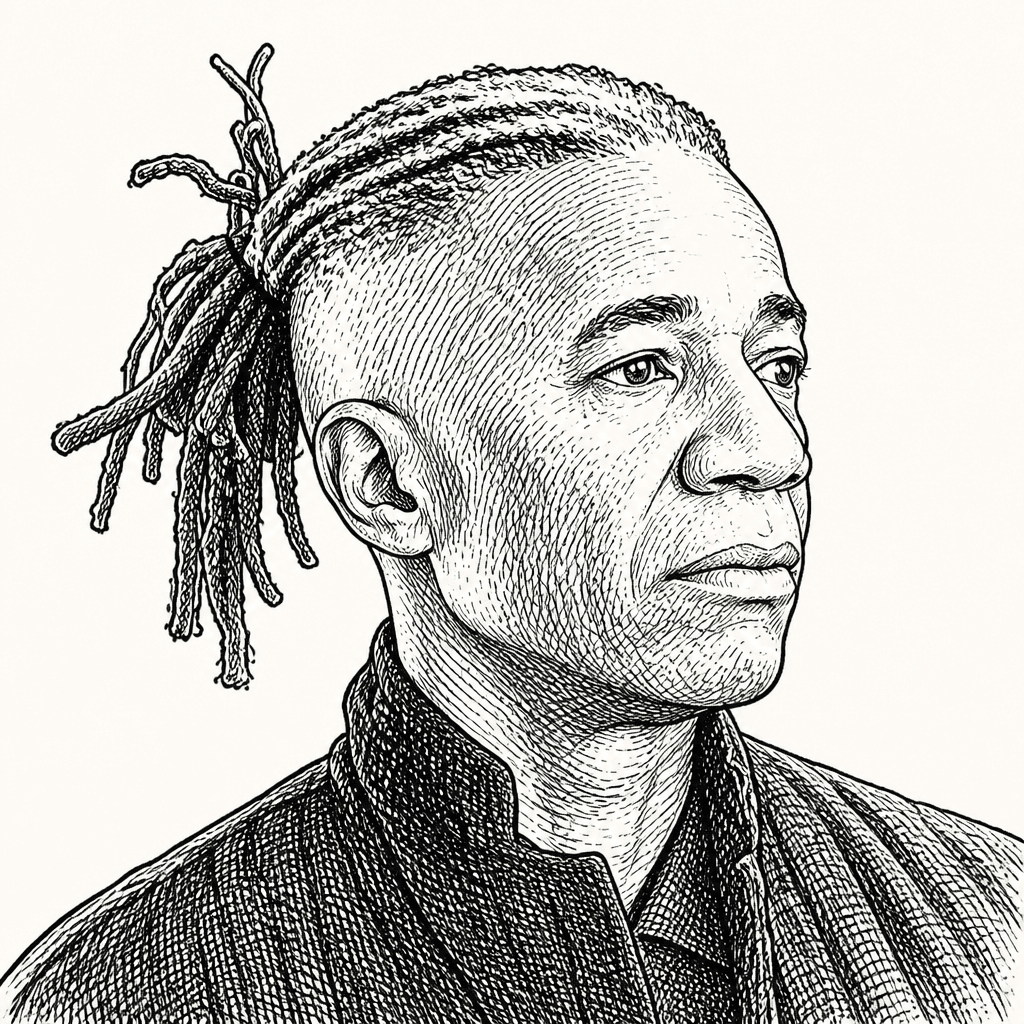 Walter HoodThe Aspen InstituteTuesday, June 30, 202620 min read
At the Aspen Ideas Festival panel “The Architecture of Remembrance,” historians and designers argued that public memory should neither preserve comforting myths nor replace them with a single corrective story. Jane Kamensky, Walter Hood and Carol Quillen made the case that monuments, historic sites and civic landscapes should show evidence, recover erased people and places, and trust visitors to confront contradiction. Their shared premise was that remembrance is an active public practice, shaped by discovery, design and democratic process.
Honest history is not the opposite of inspiration
Jane Kamensky rejected the premise that public history must choose between accuracy and uplift. At Monticello, she said, the work is both “the inspiration business” and the “honesty business,” and the two reinforce each other. The false opposition, in her account, is being fed from both the right and the left, though she said it is currently loudest on the right: that “inspiration and honesty, or inspiration and true history can’t coexist.”
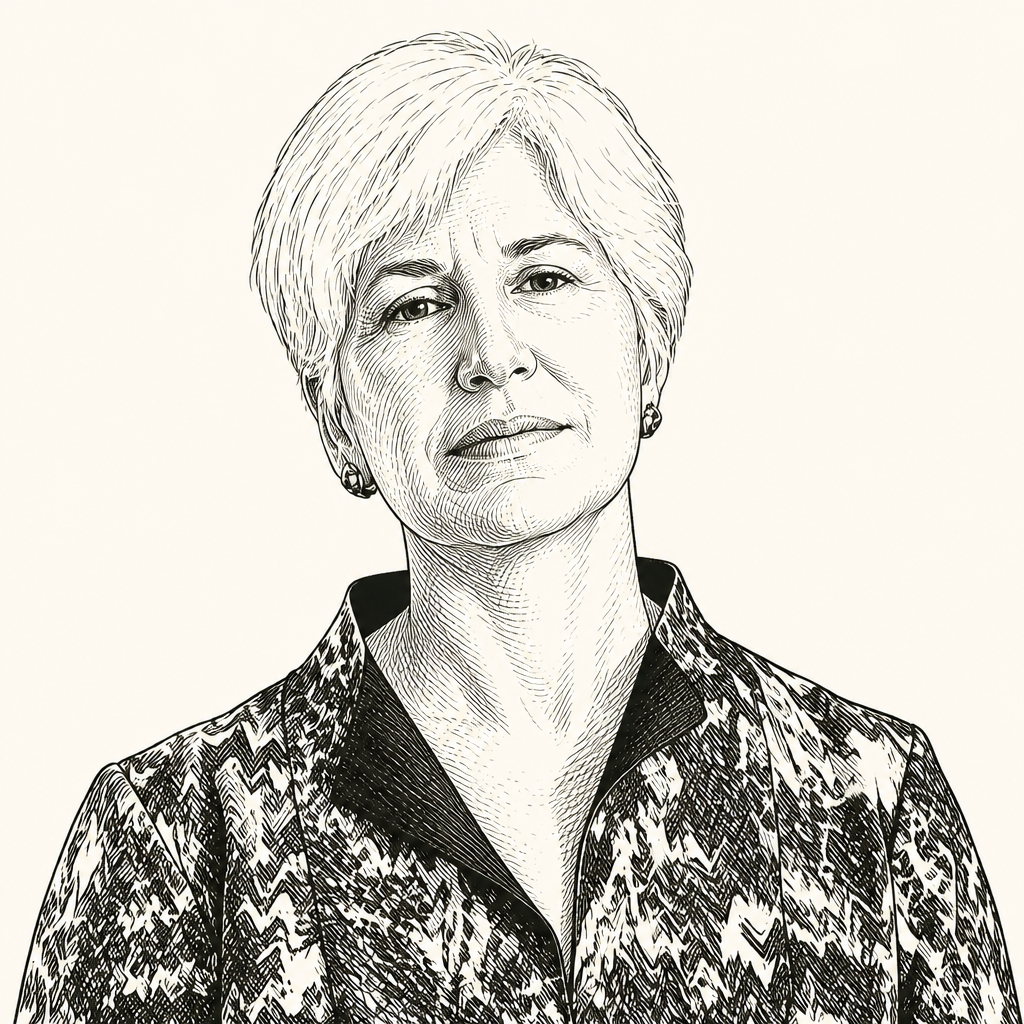
For Kamensky, inspiration does not mean mythologizing, aggrandizing, or preserving a heroic narrative from complication. It means inspiring curiosity, commitment, and “rededication” to the American experiment. Historical honesty, she argued, is the method by which that happens.
We inspire when we tell the truth. And we tell the truth in order to inspire that commitment to furthering the American experiment.
Monticello, in Kamensky’s description, is not a graduate seminar or an elite civic forum. It serves more than 300,000 visitors a year: people who spend “22 bucks” to walk around Jefferson’s estate and plantation. Her claim from that experience was blunt: ordinary Americans can handle multiple truths at once. They are, she said, “much more capable than the loudest parts of our public sphere are giving them credit for.”
Walter Hood made a parallel argument from architectural education. He credited historians with making his own work possible, naming Spiro Kostof, whose lectures in architecture school were so compelling that “you couldn’t get a seat” and students did not want to leave when they ended. Kostof’s willingness to make subjects such as fascist architecture accessible helped lead Hood, years later, to a Rome Prize project studying fascist architecture.
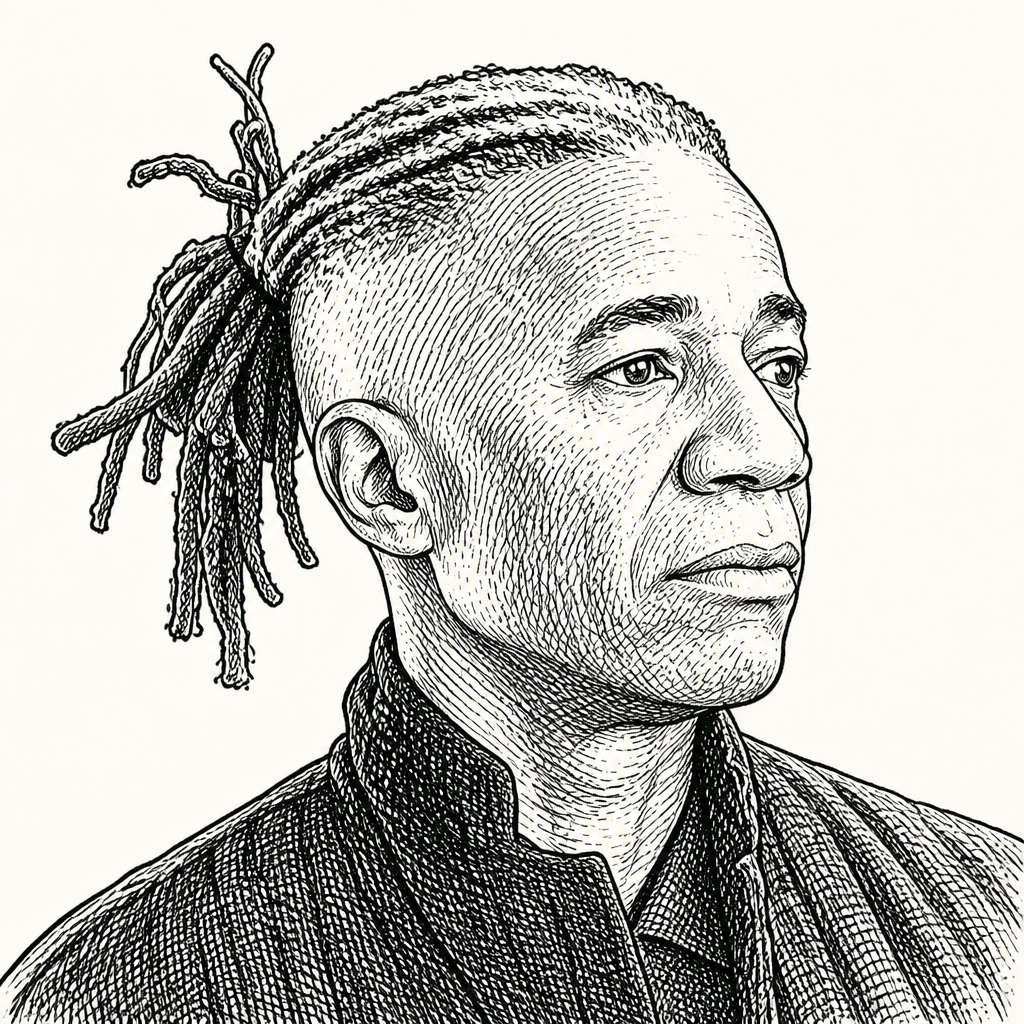
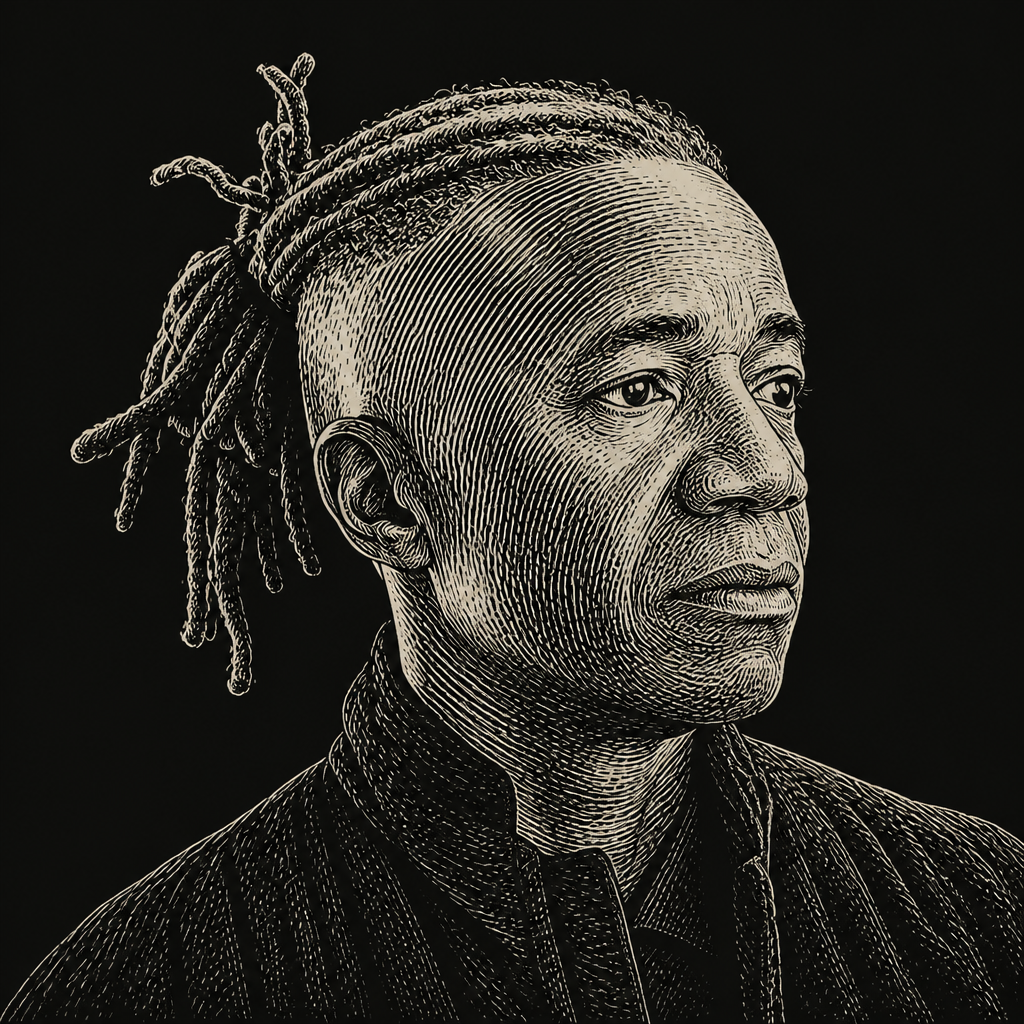
Hood’s point was not that history should be simplified. It was that public history has to be made accessible enough to enter public life. “We need historians or people who can talk about the past in a way that is accessible,” he said. “A lot of times it’s inaccessible for a lot of people.”
Kamensky extended that argument beyond Monticello. Historic sites, she said, are “our nation’s open history classrooms.” They are dispersed across the country, close to where people live, and capable of carrying multiple stories at once. At a moment of division, she argued, historic places can do work that many national conversations cannot: they give Americans somewhere to encounter a “multi-vocal past” rooted in the global origins, achievements, and accomplishments of more than one group.
The practical implication is that historical institutions should not retreat from either truth-telling or public aspiration. If historians abandon inspiration, Kamensky asked, who inherits that work — politicians or “conflict entrepreneurs”?
Adding to history changes the story because discovery changes the record
Adding to history is necessary, but it is also politically fraught because it changes the inherited shape of the story. Timothy Naftali framed the issue by recalling the historical scholarship of the 1980s and 1990s, when historians were adding people, experiences, and evidence to familiar narratives. That work, he suggested, has become controversial even though addition should be easier to defend than subtraction.
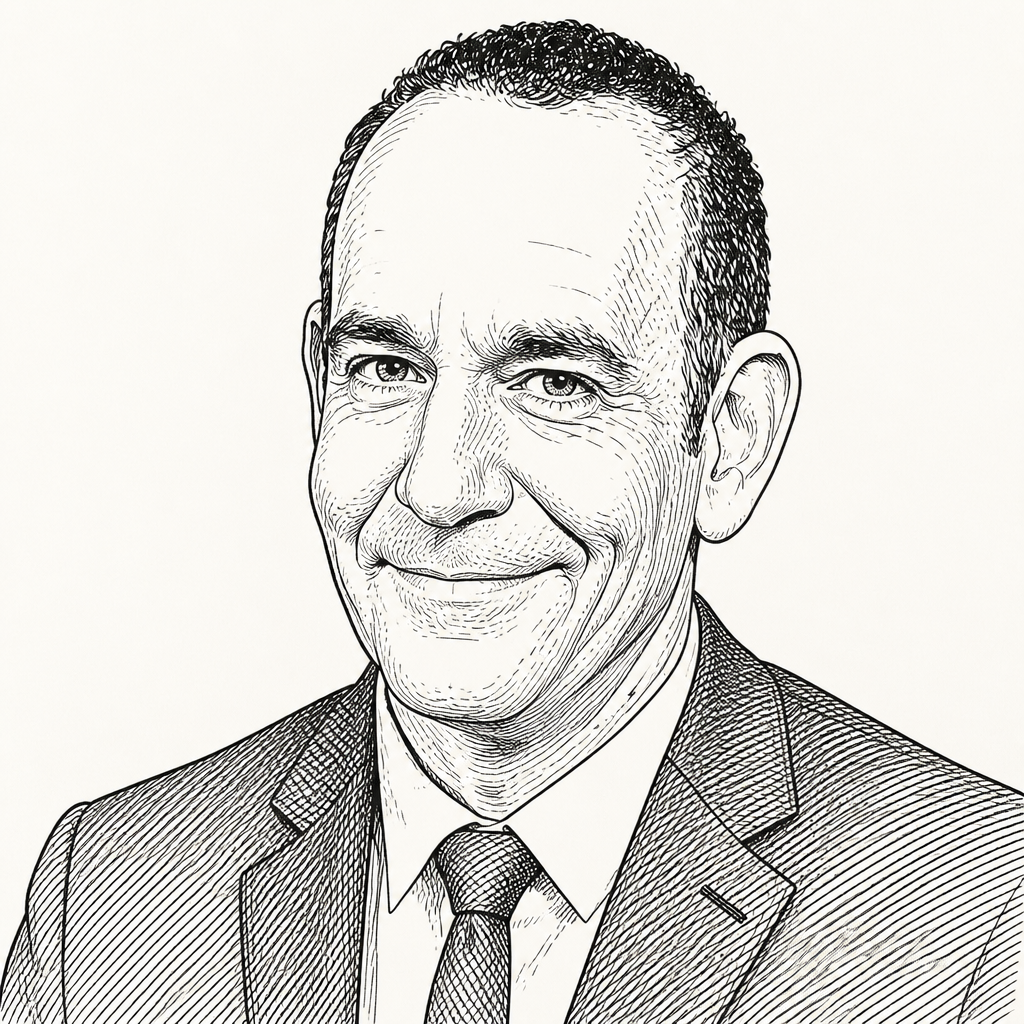
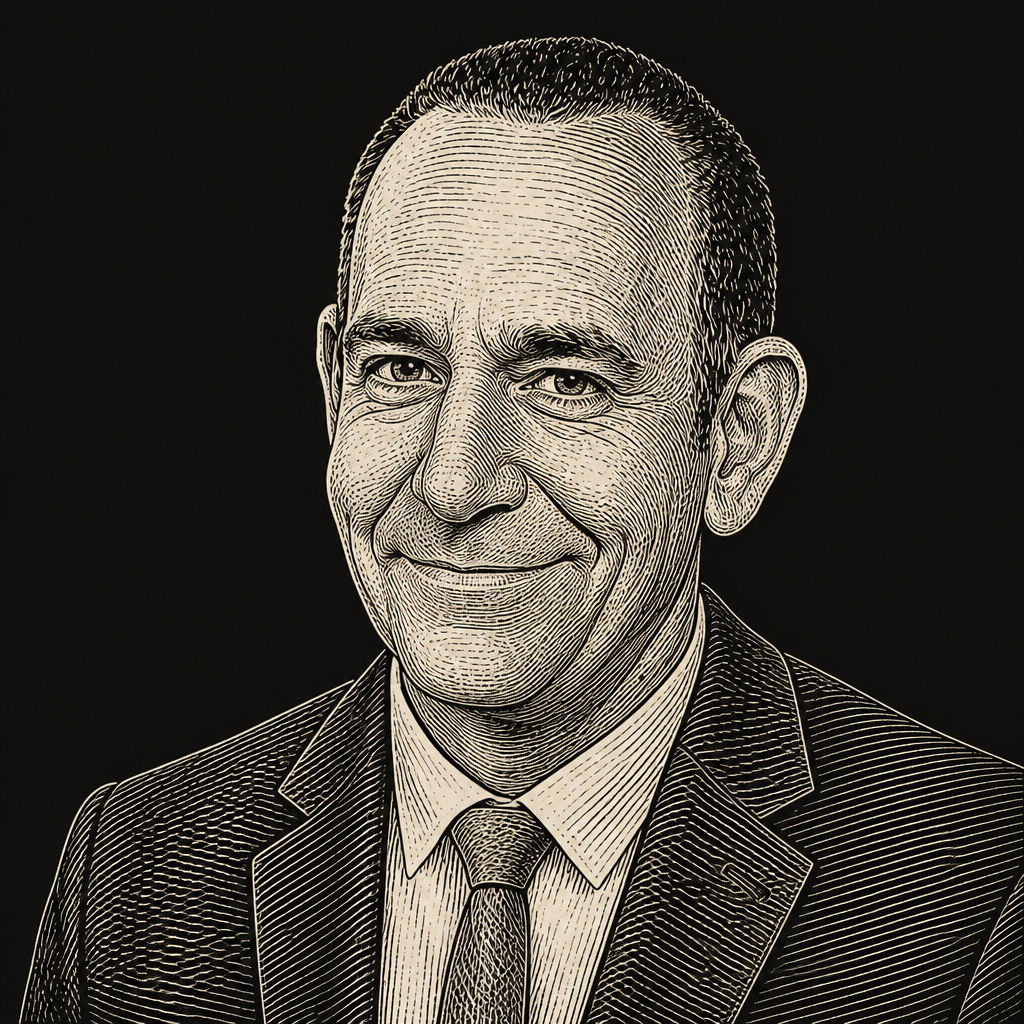
Kamensky’s answer began with institutional trust. In an era of distrust, she said, historic places remain trusted because they can “show the work.” When visitors ask how a site knows something, the answer can point to a draft, an archaeological dig, or an artifact. That evidentiary transparency matters because discovery is ongoing. When new evidence appears, the story changes.
She treated that not as a liability but as a democratic skill. Learning new things and revising the story accordingly is, in her phrase, “a transferable life skill” for people living in a constitutional democracy.
Still, Kamensky acknowledged two reasons addition becomes contentious. The first was a failure of explanation. Public historians have not always made clear why addition is necessary. She recalled a Monticello guide responding to an upset visitor by saying, “I’m not here to smash your Jefferson Lego set, I’m just building the world.” Kamensky called that the language of “world builders”: the point is not to destroy a familiar figure but to construct the fuller world in which that figure lived and acted.
The second reason was more self-critical. Kamensky said historians trained in the 1980s and 1990s, herself included, sometimes treated addition as replacement. In her present view, the work should be “accretive”: adding new threads to the tapestry while still telling a common story.
Carol Quillen complicated that formulation. She agreed that broader investigation changes the stories historians tell, but she resisted the idea that addition is always simply additive. Some inherited narratives are not merely incomplete; their incompleteness distorts the past. What is omitted can make certain claims appear possible that could not survive if the omitted evidence were present.
The facts of the past, Quillen argued, can support multiple narratives, but not all narratives. Some narratives must change because new knowledge makes the old version untenable. This was one of the panel’s central tensions: the desire to reassure publics that they are not being dispossessed of their history, paired with the insistence that some familiar stories are wrong precisely because they left too much out.
Historic places matter in that tension because they are not linear in the way a book or a single narrative is. They hold multiple stories at once. Quillen pointed to Monticello, the President’s House in Philadelphia, and the National Trust’s Preserving Black Churches program as examples of places where the physical landscape can hold complexity that a single story may flatten. Erased places have to be reintroduced not only to honor those who were erased, but to construct a commemorative and historical landscape adequate to the country’s actual past.
The palimpsest is a method of seeing what was erased
Hood described American history as a palimpsest, but his use of the term was practical rather than ornamental. He said he looks first for “what is not being said.” In the United States, he argued, much of the past is hidden in plain sight. People learn not to see what remains visible.
Naftali introduced Hood’s Princeton project, Double Sights, with a photograph credited to Cort/Kelly Glass Vance Studios: a tall, rectangular monument structure set at a slant outdoors, its reflective surfaces facing inward, with a small standing figure below emphasizing its scale. Hood described the context: Princeton’s School of Public Policy had been named for Woodrow Wilson, but the name was not physically carved on the building. During the project, a young African American student said he could not walk by the building when he saw that name on it. Hood’s response was that the name did not have to appear in the entablature to be present. The association could be felt. Once knowledge attaches to a site, absence does not make the history disappear.
That is where Hood’s notion of palimpsest becomes a design practice. Archaeologists, he said, taught him how to read traces: bricks, stones, marks that indicate what once stood there. Architects may see nothing; historians and archaeologists connect evidence into a past. Hood applies that same attention to American landscapes. When a building has been demolished, the neighboring wall may still reveal that it once existed. Similar traces appear horizontally in land, routes, plots, and absences.
His most personal example was a church in North Carolina where his mother had been buried. When he and his sisters returned 20 years later, the church was gone and the burial plots were gone. All that remained were records. For many Black and brown communities, he said, that kind of disappearance is typical.
The work ahead, in Hood’s view, is “trying to piece these things back together” without erasing either the erasure or what remains. He is not calling for a clean replacement of one monument with another, or one story with another. He described a dialectic: things placed side by side so that different voices enter the project.
That differs from a strictly pedagogical approach. Hood said his own work tries to be “less pedagogical” and more phenomenological — less a guided sequence of information than an experience that comes over a person in space. At UVA’s Shadow Catcher or at Princeton, visitors might see themselves reflected alongside images of Wilson’s detractors and Wilson’s own words. The question becomes: why are these things together in this way? The visitor is not simply told what to think. The arrangement creates conditions in which people make meaning.
Hood gave an example of a historian objecting to one of his pieces by saying enslaved people in Washington, D.C., did not wear badges. Hood responded that enslaved people in South Carolina did, and that the histories are connected. He was not trying to make a narrow point about D.C. alone, but to use abstraction and collage to get viewers to see a national structure.
A more explicit interpretive model appeared in the example of a bronze statue of Jefferson Davis installed indoors with wall text behind it. After student activism and the Charleston tragedy, Naftali explained, the University of Texas removed the statue and, following a university commission, moved it to the Dolph Briscoe Center for American History. There, he said, interpretive material explains the history of the statue, when it was put up, why it was brought down, and the intentions of those who commissioned it. He described that as a pedagogical approach to removal: not destruction, but relocation into interpretation.
The difference was between modes of public encounter. Some sites explain. Some unsettle. Some do both. Hood’s argument was that public memory cannot rely only on instruction; it also has to produce spaces where people sense the weight of what is absent.
Visitors should be trusted, not conquered
Kamensky described Monticello’s interpretive practice as an exercise in language, empathy, and restraint. If visitors are not spoken to “in ways that they can hear,” she said, “they will not hear you.” Monticello trains guides to tell true stories in language accessible to the full range of its visitors. The goal is not to manipulate a visitor into agreement, nor to dramatize correction as conquest.
The warning sign, Kamensky said, is when a guide says of a visitor, “that’s when I’m gonna change their minds.” That is not Monticello’s business. She compared the work to advice from a pediatrician: a parent’s job is to put healthy food in front of a child; the child’s job is to eat.
We’re not spoon-feeding people, we’re not forcing stuff down their throat. We’re speaking in language that they can hear.
For Monticello, that means biography. Kamensky said biography allows visitors to find empathy for individual human beings: their challenges, perseverance, unmet expectations, and the social conditions that constrained their lives. That applies, differently, to Thomas Jefferson and to Edith Hern Fossett, the trained chef who labored in Jefferson’s kitchens at Monticello and at the White House. Kamensky wants visitors to leave with names and stories of people they might want to learn more about. That is different from a graduate seminar organized primarily around structures.
A bronze statue of Jefferson appeared with an interpretive panel headed “JEFFERSON AND SLAVERY,” reinforcing Kamensky’s point that biography can lead into contradiction rather than away from it.
Quillen, a historian by training, said she had learned from historic sites because she came from a textual world: books, ideas, intellectual history. Standing in a place where history happened changes the encounter. It becomes harder to ignore tensions and contradictions. The best guides, in her account, are dialogic. They ask questions and help visitors frame better questions rather than presuming their job is to make visitors think a certain way.
As a teacher, Quillen said, she wanted students to learn how to ask questions the past could actually answer. Some questions overdetermine their own answers; they contain the conclusion in the way they are phrased. Those questions teach little. A good historic site helps visitors ask questions that can yield something.
Public history, as described here, is not neutral in the sense of refusing truth. Monticello tells the story “because it’s true,” Kamensky said. But neither is it a campaign operation, where success means a visitor leaves with the institution’s preferred opinion. Its ambition is to create conditions for curiosity, evidence, empathy, and better questions.
Civic architecture belongs to the public, not to a president
Quillen’s sharpest institutional claim concerned Washington, D.C. civic architecture. The capital’s public spaces, she said, belong to the American people. They do not belong to any individual, and “certainly” not to the sitting president. Decisions about them should be made by the American people through Congress, as she said the Constitution imagines and federal law prescribes.
That principle framed her objection to a proposed commemorative arch in a circle shown on the projected image of Washington, D.C. The visual showed an aerial view of the capital, including the Washington Monument, the Lincoln Memorial, and the National Mall. The first question, for Quillen, was procedural: in a government of the people, who decides and how? In a large, heterogeneous democratic republic, public decision-making takes time. Many people have different opinions, and that is not a flaw in the process.
Her substantive concern was that such an arch could interrupt or erase an important civic vista: the line between the Lincoln Memorial and Arlington House across Arlington National Cemetery. She described that vista as capable of reinterpretation. The original conception, as she described it, was a symbol of reconciliation between North and South after the Civil War, with the war dead and their families between. Quillen reads it differently: as a symbol of the “new birth of freedom” after the Civil War, best understood through the cost of America’s unfinished promise.
The vista, in her interpretation, holds Lincoln’s words, the buried service members and families at Arlington, and Arlington House itself. It asks viewers to consider who paid the price for the promise that all people are created equal and endowed with rights to life, liberty, and the pursuit of happiness. The promise, she said, was built “on the backs of people who were never imagined to enjoy it.” To place a triumphal or joyous commemorative arch in the middle of that solemn arrangement would, in her view, sever Americans from their own history.
You put this like joyous thing in the middle of it, and I think it deracinates us from our own history. So I think it’s a bad idea.
But Quillen separated her opinion from the governing principle. She is “one American among many.” The most important point, she said, is who gets to decide. “It’s not one guy.”
Naftali added historical context to the point about process. The decision to build the bridge in that area was made in 1886, but it was not completed until 1932. Congress disliked designs; the work dragged on; traffic problems around the 1921 opening of the Tomb of the Unknown helped revive urgency ahead of the bicentennial of George Washington’s birth. The larger point was that historically, major civic architecture in Washington required many actors and much time. Naftali said the country had not had a situation where one person could create important civic architecture in Washington “until now,” adding “for the moment.”
Hood agreed that he did not like the proposed object, but he widened the frame. Washington, D.C., he said, is itself a contested landscape. It is not a “city on a hill”; it is a swamp, a fiction, a place made by pumping water out. Every project there is contested. He pointed to the long struggles around the Vietnam Memorial, the King memorial, and women’s suffrage commemoration. Even when monuments are built, they remain contested or are supplemented because the original form does not settle the argument.
For Hood, that contestation is not incidental to Washington. It is the condition of the landscape. The danger is not disagreement; the danger is a script so fixed that designers cannot “go there.” He said he has lost many projects in D.C. because decision-makers did not want to confront the harder histories. Recovering public space, in his terms, is not only recovering sites. It is recovering people and identities.
Erasure removes achievement as well as suffering
Quillen used Tuna Street on Terminal Island, outside Los Angeles, to show what is lost when physical places disappear. The 1941 photograph was a black-and-white street scene lined with buildings and parked cars, labeled “1941 photo of Tuna Street buildings.” Quillen described it as a neighborhood built by Japanese immigrants and their children around tuna fishing. The commercial tuna fishing industry in the United States, she said, was largely built by Japanese immigrants and their children, even at a time when they were not allowed to own boats. They built a community with schools, houses of worship, homes, and stores.
During World War II, everyone who lived there was forcibly incarcerated. The United States government razed the community. Only two buildings survive, now in a port landscape. Descendants of the community and others in Los Angeles want to preserve those buildings so they can continue telling the story.
The reason, Quillen said, is not only to remember incarceration and ensure that “we never do that again.” It is also to honor the accomplishments, achievements, and contributions of the people who lived there. Erasure can remove painful memory, but it also removes evidence of achievement. It can make Americans less able to understand how the country became what it is.
That point echoed her earlier warning about distortion. If the stories of Japanese immigrant fishing communities, enslaved people, Black churches, and other erased sites disappear, the nation loses more than evidence of harm. It loses knowledge of contribution, agency, skill, and belonging. Quillen called that deracinating: without knowledge of where people came from, they cannot plan a shared future.
Hood distinguished between restoration and reflection. One response to loss is nostalgia: restoring a Main Street so it resembles what one remembers. Another is not to rebuild what was taken away, but to reflect on it and embody the loss in a way that allows new stories to emerge. He described projects that are both restorative and reflective: they do not pretend to reconstruct the old life of a vanished building, but they create a setting for lost stories and new stories.
The President’s House example carried that mixed approach visually: an outdoor brick structure with empty white window frames arranged on a paved surface, suggesting a building without rebuilding it as a complete house. Hood said such work tries not simply to restore, but to reflect — to give a setting for lost stories and new stories to emerge.
He warned that even this has become controversial. A site that acknowledges enslaved people, for example, may be attacked by those who would rather “restore it” without reflecting on slavery. But to rebuild a building without the life it once held is not the same as recovering history.
Hood described a design exercise from his studio: what if every site required keeping 30 percent of what was already there? Even if a place appeared empty, the designer would have to find the 30 percent that remained. That rule would force every future project into dialogue with the past. For Hood, this is connected to “e pluribus unum,” but not as a flattening into sameness. “We’re not gonna become one,” he said. “We’re gonna stay the many.” The many, held in dialogue, could make a better conversation.
A monument can correct itself
Kamensky brought the discussion back to Monticello through the Contemplative Site, a memorial to enslaved labor. She first described its placement in the landscape: on the axis of the West Lawn, along one of Jefferson’s original roundabout roads, in relation to the mansion house. The visual sequence located it against the estate’s mansion, green lawns, and paths, then showed the memorial itself: a modern open grid canopy structure over a brick courtyard area next to brick buildings, credited to Oji Shakur / UVA Magazine.
Its purpose is to restore to the landscape the names of the people whose labor made that landscape possible. Kamensky said Monticello now knows of 614 people Jefferson enslaved over his lifetime. Since she started at Monticello two and a half years earlier, the institution had discovered seven new unique individuals and added six names to the memorial wall, with the seventh discovered after names were added in August 2025.
For Kamensky, this is not a marginal update. It is the point. History is an ongoing process of discovery, and when new information is found, the record must be corrected “even if your record is a monument.”
The design anticipates that. The names are arranged chronologically, in the order people were enslaved by Jefferson and in the order of their lives. The memorial is not meant to look as if it were built in Jefferson’s time. It does not use neoclassical vocabulary or brick to blend politely into the landscape. It is meant to disrupt the landscape and restore the names of those who leveled the mountain, built the house, and reaped the crops.
A close-up view displayed a rusted metal memorial wall with engraved names, including “JUPITER,” “ROBERT COLES,” and “PHILIP HEA,” with flowers placed in the perforations. Kamensky quoted a colleague: “I’m less interested in who Jefferson freed than how we freed Jefferson.” The line reframes Jefferson’s authorship and achievement through the labor that made his life possible.
The memorial includes blank space because Monticello expects to find more names. Kamensky was careful about scale: the records are very good, and she called Monticello “probably the best documented plantation in human history,” so the institution does not expect discoveries by orders of magnitude. But it does expect more individuals to emerge, often from the difficulty of distinguishing enslaved people across generations when families kept naming traditions alive. A name such as Jupiter may appear to designate one person until the record reveals a Jupiter in another generation. In that sense, recovering names means peeling back layers of enslaved family naming patterns.
The memorial is also tactile and participatory. Visitors place flowers in it. They touch it. Kamensky noted that it becomes very hot in summer, partly because trees need time to grow over it, but also as an accidental way of interacting with it. She has watched parents and children have painful conversations there, including the child who came to see Jefferson’s house and gadgets and then asks, “this is true too?” The parent answers yes, and the family sits with that before going to Jefferson’s grave and realizing that is true too.
The point is not to replace Jefferson with slavery as a single new story. It is to make the landscape capable of holding both. The memorial’s blank spaces make future correction visible in advance.
Civic memory requires skills before consolation
Repair through public memory cannot begin, in Kamensky’s view, with the assumption that the country is ready to heal. Asked whether monuments and institutions can create dialogue, repair, and a more inclusive democracy as the country approaches the next 250 years of its experiment, she resisted the vocabulary of healing itself. The country, she said, is “so far from being able to heal” that it needs different language for the reconstruction required now.
Her answer returned to practice rather than sentiment. In her role at Monticello, Kamensky is approaching that work through skills. Americans lack the civic skills to have the conversations that might eventually lead to healing. The task is to build the ability to “sit in tension.” Only after developing that capacity, she suggested, can people decide what balance of healing and fixing is needed.
Hood answered through the example of the International African American Museum in Charleston, which he said had recently been completed. He described it not only as a place to learn about the Low Country, but as an institution with a family center where visitors can trace their roots. That, for Hood, is part of what public institutions need to become: multidimensional. Museums are becoming public spaces, he said, because public spaces themselves are failing.
The most direct challenge on erasure came from Charlotte Clymer, who asked about active subtraction rather than addition or revision. Clymer framed her question around Medgar Evers, whom she described as a civil rights icon, a proud World War II veteran, and someone who had been acknowledged across the political spectrum for decades. She said Donald Trump had praised Evers in a 2017 speech, but that in the prior year Evers had been removed from government websites, the National Park named after him had been revised to exclude information about his assassination, and the U.S. Navy warship named after him was slated to be renamed. Clymer asked where the red line lies between professional good-faith distance and becoming a bulwark against erasure of what had been baseline American history.
Hood’s response emphasized the pendulum of American memory. In his lifetime, he said, he had seen things erased, brought back, erased again, and brought back again. That dynamism, to him, is part of America. The country is young if counted at 250 years, and different regions handle memory differently: he characterized the East Coast as holding on, the West Coast as more ready to move. He cautioned against becoming too worried about removal because there remains the possibility of bringing things back — and when they return, there is then something to say about why they were removed.
Quillen answered the erasure question more directly in civic terms. The examples Clymer named were governmental decisions, made by agencies or officials over which individual citizens have limited immediate control. But citizens can resist erasure in other ways. They can take responsibility for telling stories that are no longer being told by institutions that used to tell them, or that are actively making them harder to tell.
We can make sure that those stories don’t disappear from our national imagination by telling them.
The same principle extended to less canonized spaces. Asked about internet fascination with empty “liminal” spaces — office buildings, warehouses, and other vacant places that evoke nostalgia among younger people even if they do not meet traditional preservation standards — Quillen said she did not know the phenomenon well, but connected it to community power over place. Through Main Street America, she said, small communities often repurpose vacant buildings for economic opportunity and community building. The key is that communities decide what happens to the places they love.
She also offered a broader explanation: places have power because they are visceral, not only intellectual. Standing somewhere strange can provoke questions — why is it like this, what happened here, who walked here before me? That curiosity can spark empathy, a capacity Quillen said Americans are at risk of losing.