American Resilience Depends on Defending Civic Rather Than Hereditary Institutions
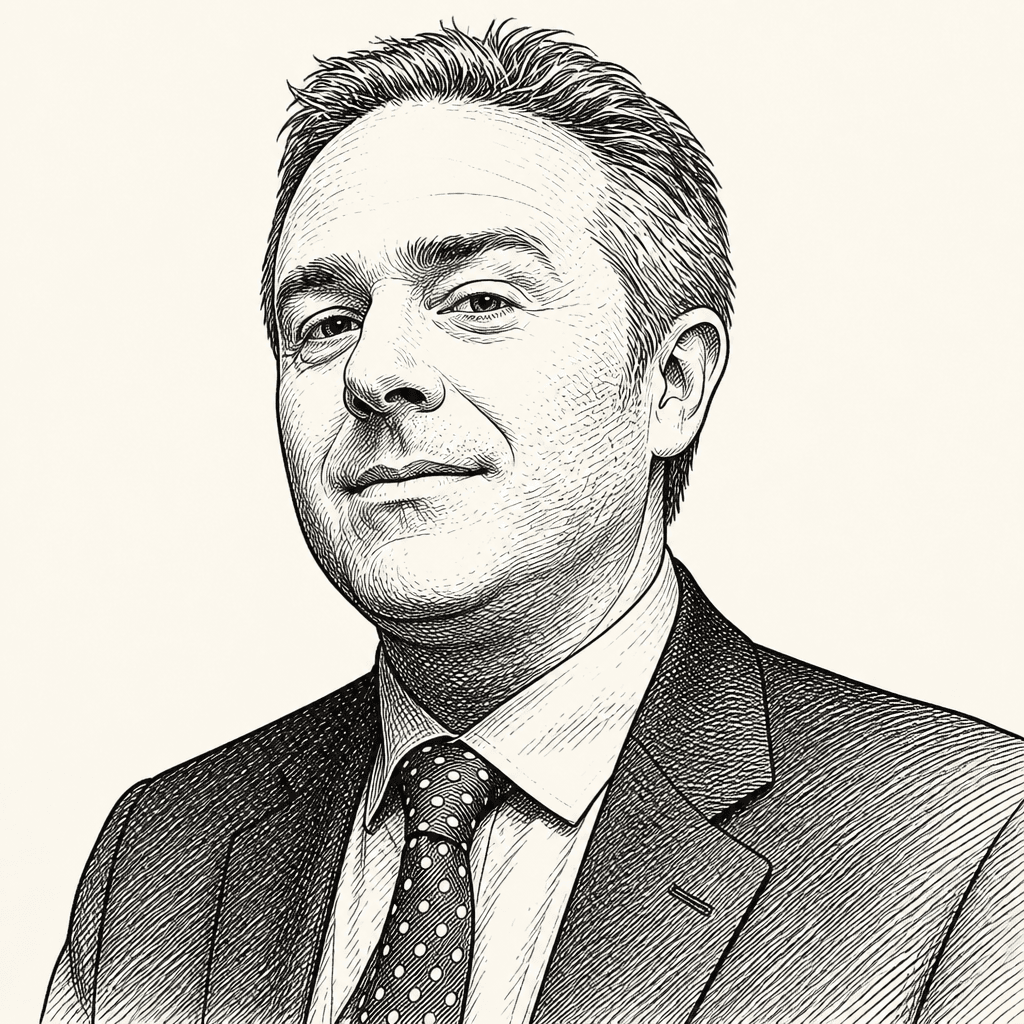 Edward Luce
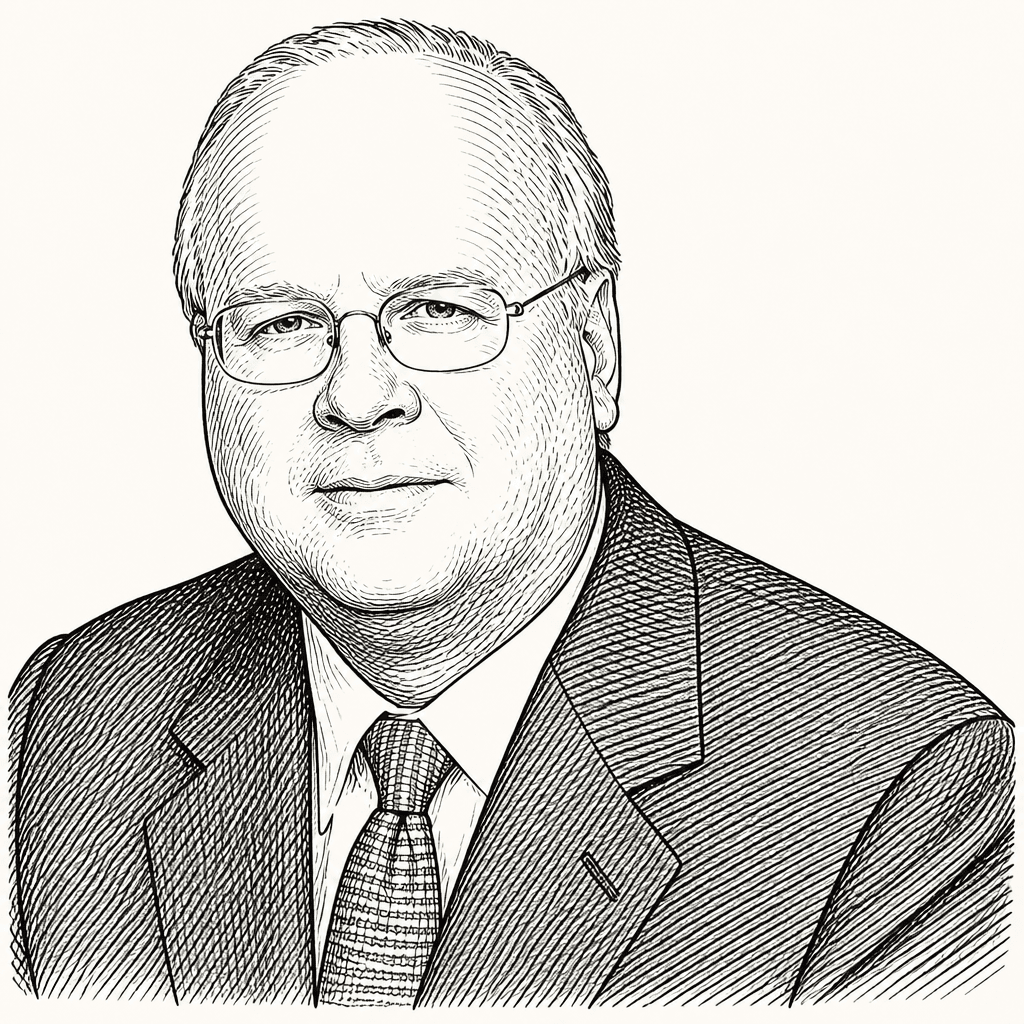 Karl Rove
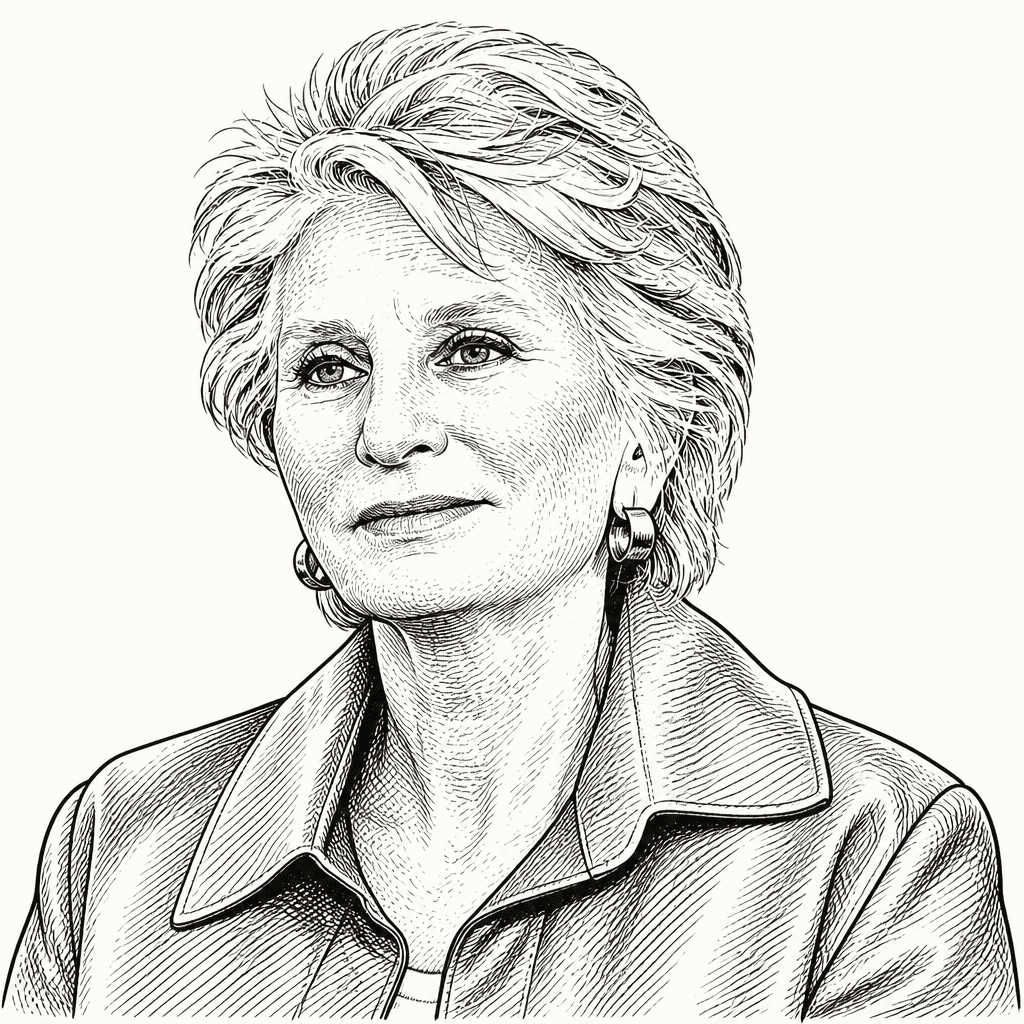 Jane Harman
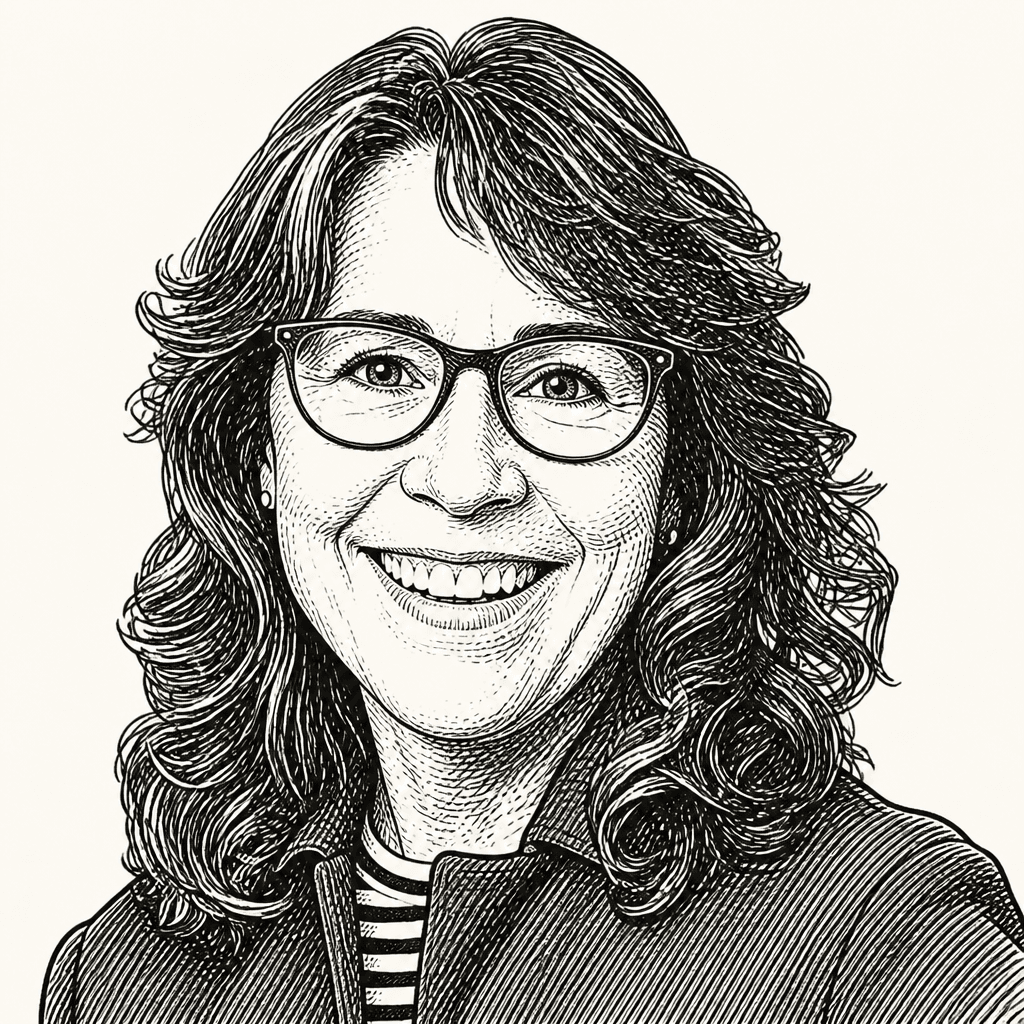 Kori SchakeBryan FentonThe Aspen InstituteFriday, July 17, 20269 min read
The American inheritance is civic rather than hereditary, and its durability depends on institutions that are defended rather than merely celebrated. Karl Rove warned that treating American identity as a matter of ancestry reverses the Declaration’s anti-aristocratic premise, while Kori Schake and Jane Harman argued that political pressure on the military and failures of constitutional restraint put democratic norms at risk. Their shared case was that American resilience is a historical record, not a guarantee.

Civic equality cannot become inherited status
The Declaration of Independence can be read as a list of grievances against a king, but Jane Harman argues that its more durable meaning is aspirational: a “vision statement” whose promise the country is still trying to fulfill. That promise was drafted by white men, many of them slaveholders; it excluded women, left slavery unresolved, and used “terrible language” about American Indians. Harman’s point was not to erase those contradictions, but to hold them alongside an ideal that has outlived them.
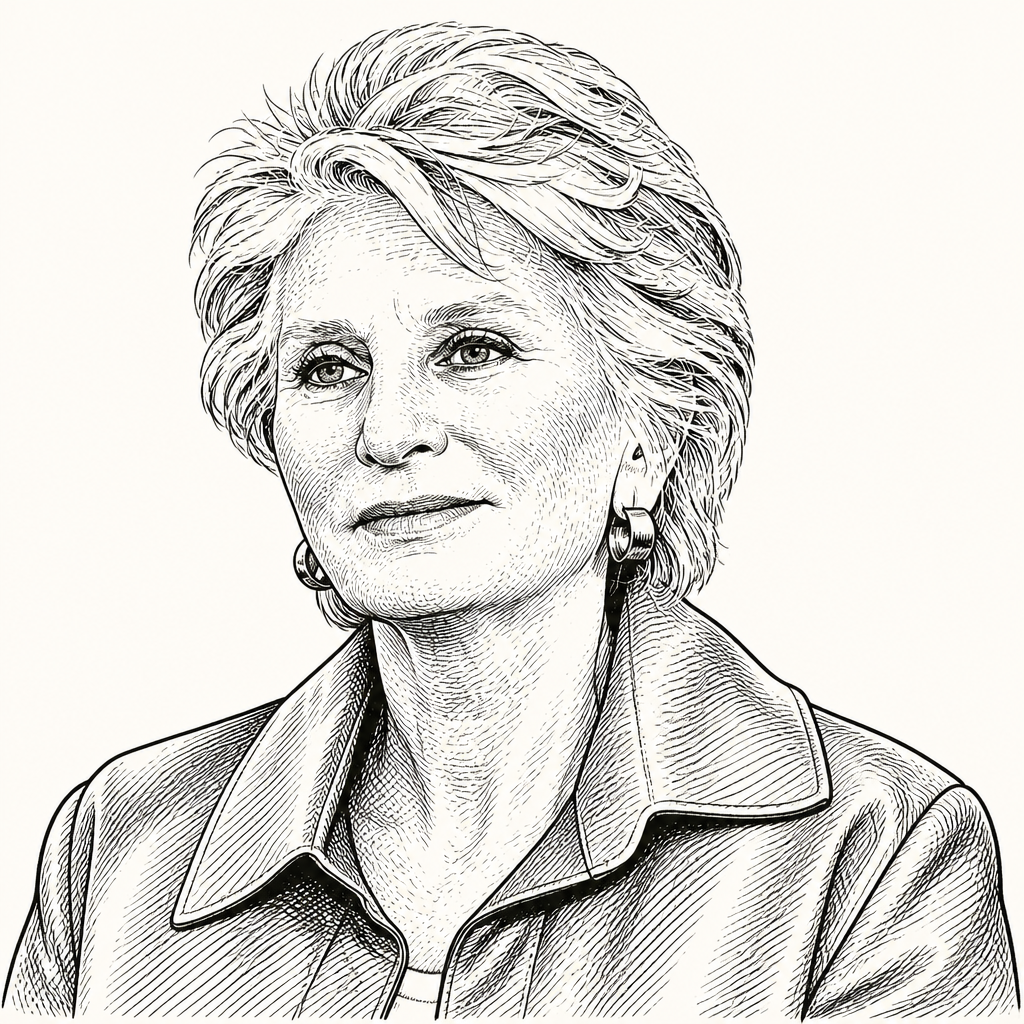
For Harman, that is also the case for teaching history. The decline of history study matters because citizens need some grounding in the country’s founding contradictions and ambitions if they are to understand their own role in “forming a more perfect union.” She pointed to Ken Burns’s The American Revolution as a useful account precisely because it does not evade the paradoxes in the American origin story.
Karl Rove took the argument in a more immediate direction. The Declaration, he said, is fundamentally a democratic document: its purpose was to throw off aristocracy. He therefore rejected the idea, associated in the discussion with J.D. Vance’s language of “heritage Americans,” that descendants of earlier Americans have a special standing in the nation.
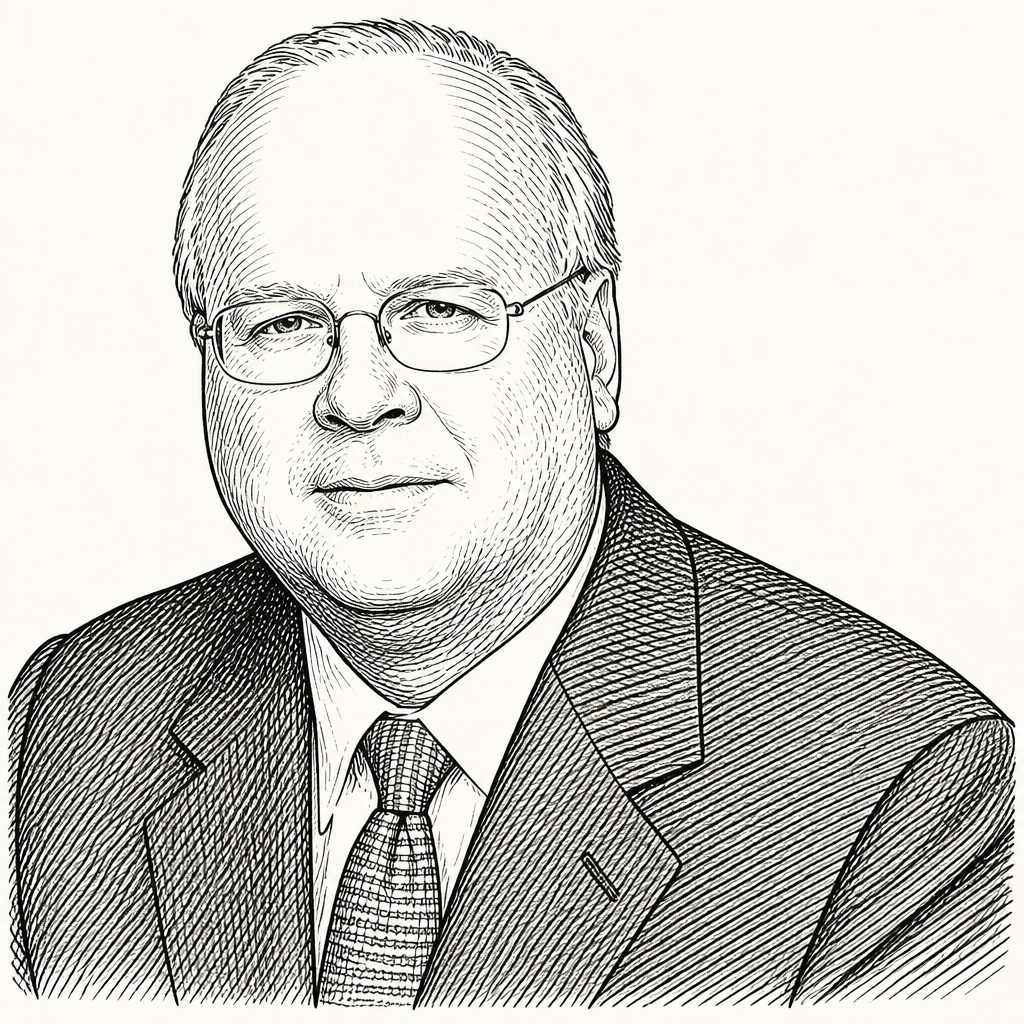
Under that logic, Rove argued, Americans are judged not by their conduct, their contribution, or their effort to live up to the Declaration’s promise, but by who their forebears were. That is the inverse of the founding’s anti-aristocratic premise.
We got rid of an aristocracy. This is an aristocracy that he is attempting to create.
Rove’s own family history, he suggested, illustrates the point. He had recently learned that a distant ancestor, a captain in the North Carolina militia, had fought in three major battles in the Revolution. His great-grandfather, by contrast, was a Norwegian immigrant; relatives on his mother’s side came from Missouri. Discovering the Revolutionary ancestor did not make him better, he said, and it should not confer a different category of citizenship.
He situated contemporary nativism in a recurring American pattern. The American Protective Association, a major Gilded Age political organization, advocated immigration restriction and directed particular hostility toward Catholic immigrants. In 1893, Rove said, it demanded that Ohio Governor William McKinley remove Catholic prison guards in Cincinnati; when McKinley refused, the organization opposed him. The episode, in Rove’s telling, shows how claims of more authentic American stock have historically been used to exclude people from the national community.
Immigration, he argued, has instead been central to the country’s capacity. He invoked figures ranging from Elon Musk and Bob Hope to Henry Kissinger, and said that 40 of 50 Americans who won Nobel Prizes in medicine, including Jonas Salk, were immigrants. The country would “lose something in our soul” if it concluded that its existing inheritance was sufficient.
A Nigerian cab driver’s definition of the American Dream captured the alternative: “Dream big, work hard, and rise.” Rove heard in that formulation an idea Abraham Lincoln could have endorsed—a definition of America available to anyone, rather than a birthright reserved for descendants of particular families.
A military must serve the republic rather than become a political instrument
The American military’s subordination to civilian authority is not merely an institutional habit, Kori Schake argued. It is a foundational democratic safeguard that the country’s earliest political thinkers regarded as fragile.
Schake noted that four of the 27 grievances listed in the Declaration of Independence concern the imposition of military power on civil society. Thirteen of the 85 Federalist Papers, she said, directly address the threat a military can pose to republican government. The Second and Third Amendments were necessary to secure ratification of the Constitution. Even Massachusetts, under British siege in 1776, issued a proclamation expressing dread at the presence of a standing army, “even though it be comprised of our own citizens.”
The resulting American achievement is unusual, Schake said: 250 years of a military “comfortably subordinate to civilian control.” That endurance rests partly on deeply inculcated norms within the armed forces about their proper role in a free society. Those norms have also sustained the military’s nonpartisan character: it serves the civilian leaders the country elects, regardless of its members’ political views.
Schake called the present direction “terrible and dangerous.” She was responding specifically to the renaming of bases after Confederate generals and to the removal from Pentagon sites of recognition of Native Americans, African Americans, and women. In her view, pressure from the president and defense secretary to politicize the force creates “a command climate of permissiveness for bad behavior” and erodes a crucial democratic norm.
Militaries that grow distinct from the societies they resent become a threat to those societies.
She called that danger Praetorianism, invoking the Republican guards whose role in Rome became associated with overthrowing the republic. Representation, in this account, is not a matter of symbolism alone: a force that grows separate from the society it serves can become politically dangerous.
Bryan Fenton approached the question from the experience of service. He retired after 38 years, three months, and nine days in the military, having entered without a family military background. A World War II veteran who lived nearby told him stories of service and sacrifice, leading Fenton to see military service as one of many possible ways to give back. He placed it alongside service in diplomacy, intelligence, commerce, Treasury, law enforcement, medicine, law, and civic society.
The military he encountered, Fenton said, was composed of people from every American state and territory and from nations around the world. Serving with people of different backgrounds and cultures made him better, he said, while demanding a shared standard of performance. The force is a meritocracy in his description: it did not care where he came from or which educational path he followed; it cared about standards, outcomes, and doing the work as a team.
Asked how important it is for the military to reflect the society it serves, Fenton answered: “incredibly important.” His own career was an example of the proposition that military advancement should rest on standards and collective performance, not inherited standing or political affinity.
Harman was less optimistic about the present direction. She objected to the Pentagon being renamed the Department of War, arguing that its purpose should be to defend the country rather than “to make war.” She warned against pushing minorities and women out of senior military roles, emphasizing that those officers had earned advancement by the same standards as others. She also cited what she described as an instance in which a four-star general’s association with former Joint Chiefs Chairman Mark Milley may have affected a promotion decision.
For Harman, such decisions raise a larger question: whether the force continues to be governed by professional standards rather than political favor.
American power depends on allies and on more than military strength
The United States began as an alliance-dependent country, Fenton noted, pointing to France’s role in the Revolutionary War and to the continuing importance of alliances in World Wars I and II and afterward. His experience “down range” reinforced the same lesson: Fenton argued that no country can handle major problems alone.
Those problems are not confined to conventional conflict. He pointed to drought, food insecurity, crises, and other challenges that cross borders. Partners and allies are therefore not ornamental additions to national strategy; they are necessary to it.
During his service, foreign counterparts regularly described the U.S. military as a prominent manifestation of American partnership on their terrain. The armed forces were a visible representative of the wider U.S. relationship with other nations. But foreign leaders also looked to the rest of the American system—its innovation, capital markets, outreach, and broader social capacity. Those were often the features they most envied.
That outside view did not, in Fenton’s account, justify complacency. He described the military as exceptional and said seeing the U.S. flag on returning home made him feel fortunate. But he borrowed a phrase from his Texas father-in-law: compared with a cow camp, “we’ve come a long way”; compared with a French château, “we still got a ways to go.”
Jane Harman made the complementary strategic case. A bipartisan commission on national defense strategy that she chaired, composed of four Democrats and four Republicans, unanimously concluded that the United States should increase military spending—but spend it on the right capabilities. Its prescription was not simply more hard power. It combined military capacity with soft power, technological innovation, less expensive modern weapons such as drones, and strong relationships with partners and allies.
Her concern was that this integrated approach is under strain. Harman argued that American strength requires more than fighting capacity: it depends on hard power, diplomatic and cultural influence, technological capacity, and enduring partnerships. She said soft power had been “mostly dismantled,” while the capabilities and alliances that made the United States strong were at risk.
The system has survived worse crises, but its safeguards still have to be used
Edward Luce framed a civic problem that complicates the country’s anniversary. Surveys, he said, suggest that most Americans do not embrace either a simplistic 1776 framing or a wholly condemnatory 1619 framing of national history. The median voter can accept both the Declaration’s universal ideals and the hypocrisies of the founding. Yet social media rewards “outrage entrepreneurs,” making it harder for that more capacious middle to shape the public conversation.
Rove answered with historical perspective. American politics has been more fractured and violent before, he argued. The 1960s and 1970s included the assassinations of John F. Kennedy and Martin Luther King Jr., urban unrest, and 1,800 domestic bombings in 1971 and 1972, he said. After the Kent State shootings, an estimated two million students participated in protests that shut 350 campuses within hours; many did not reopen that semester.
He also pointed to the nineteenth century, when Congress was sometimes physically violent and members appeared on the House floor armed with weapons. The election of 1800, meanwhile, required 37 ballots to resolve the contest between Thomas Jefferson and Aaron Burr. The record, in Rove’s view, is a reason not to treat current disorder as uniquely terminal.
He did not minimize social media’s effects. It creates a distinct incentive for politicians to perform anger and provocation because those behaviors attract followers, he said, naming Marjorie Taylor Greene and Alexandria Ocasio-Cortez as examples. But party newspapers, steam-powered presses, radio, television, cable, and talk radio each transformed political communication before. Rove’s conclusion was that the political system could adapt again.
Kori Schake offered a historian’s version of that confidence. She quoted Bertha Ann Reuter’s 1923 description of Americans as people “so extreme in politics or religion or both that they could not live in peace where they came from.” The American political system, Schake said, was designed to harness that energy and defang it. She did not think Americans should lose confidence in its ability to continue doing so.
That confidence was not an argument for passive optimism. Rove described the constitutional order as a set of restraints on power: legislative authority rooted in “we the people,” limits on executive power, and an independent judiciary. Presidents, he said, naturally tend to seek more power; constitutional design matters because it distributes authority rather than entrusting it to a single office.
Harman’s concern was that the legislative branch has too often failed to assert itself. Her hope was that Congress could “come back to life”—not simply endorse executive policy, but use its own constitutional authority. She agreed with Rove’s basic historical argument despite their political differences: the country has made progress and has failed to make progress, and the pursuit of a better country consists in both realities.
The panel’s optimism therefore came with a condition. Resilience is a record, not a guarantee. It depends on institutions and capacities that can be weakened in the present: equal citizenship rather than inherited rank, military professionalism rather than factional loyalty, alliances rather than isolation, and constitutional branches willing to exercise their own powers.