The American Dream Depends on Rebuilding Trust in Institutions
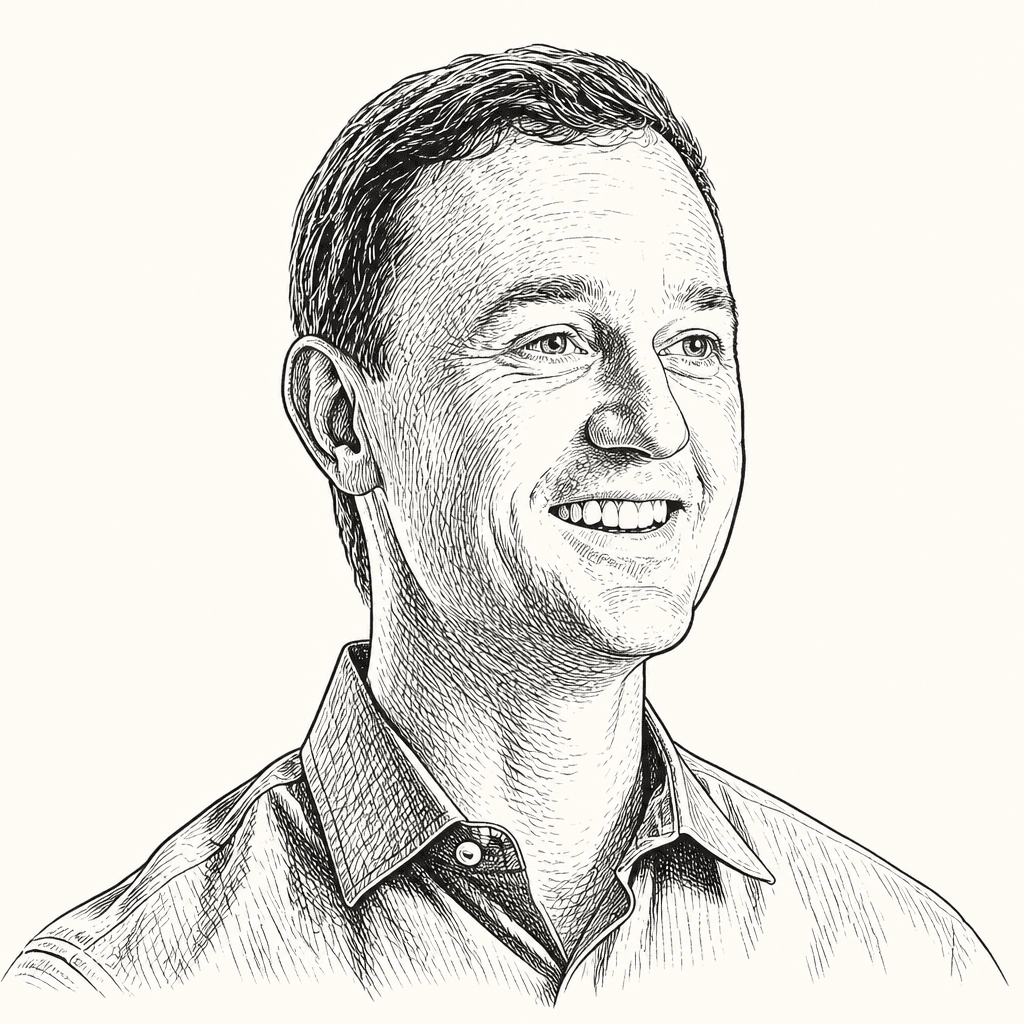 Brian Hooks
 Rhett Buttle
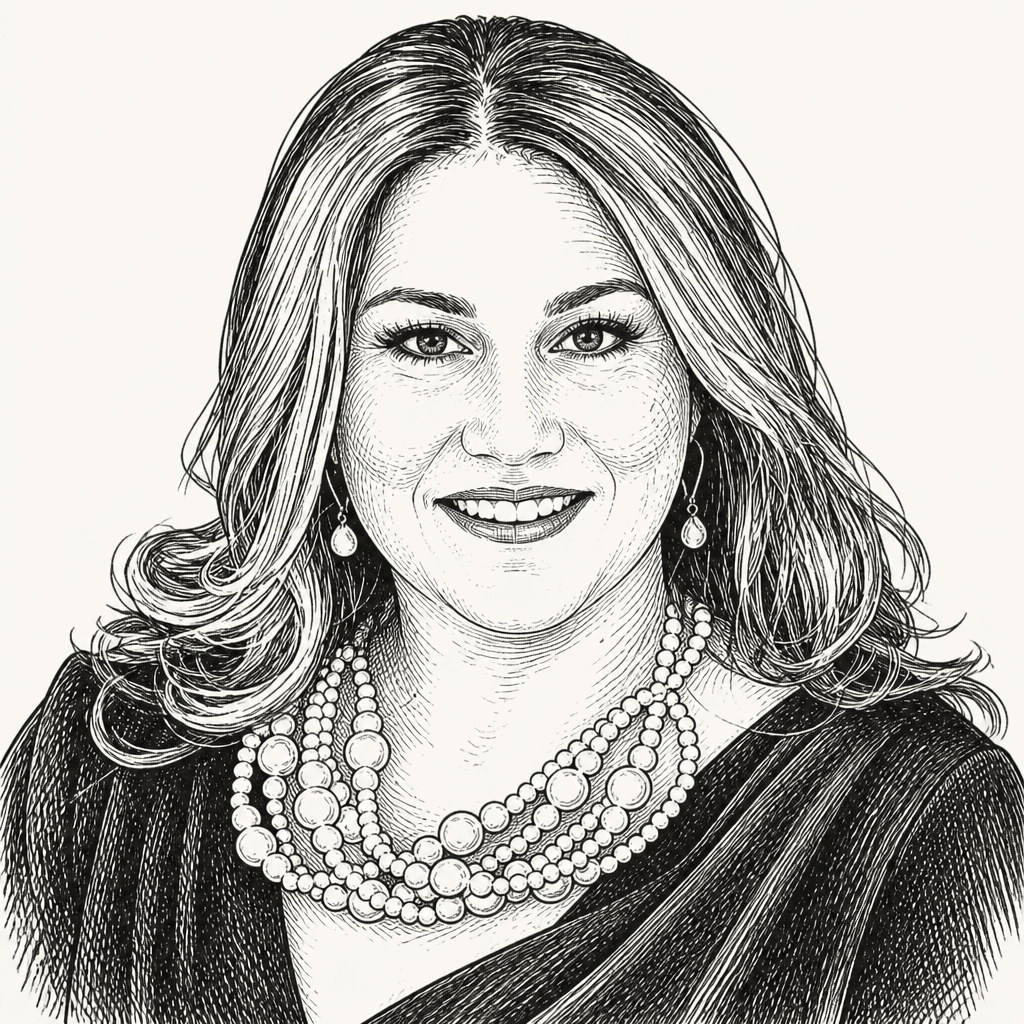 Skye Perryman
 Cid Wilson
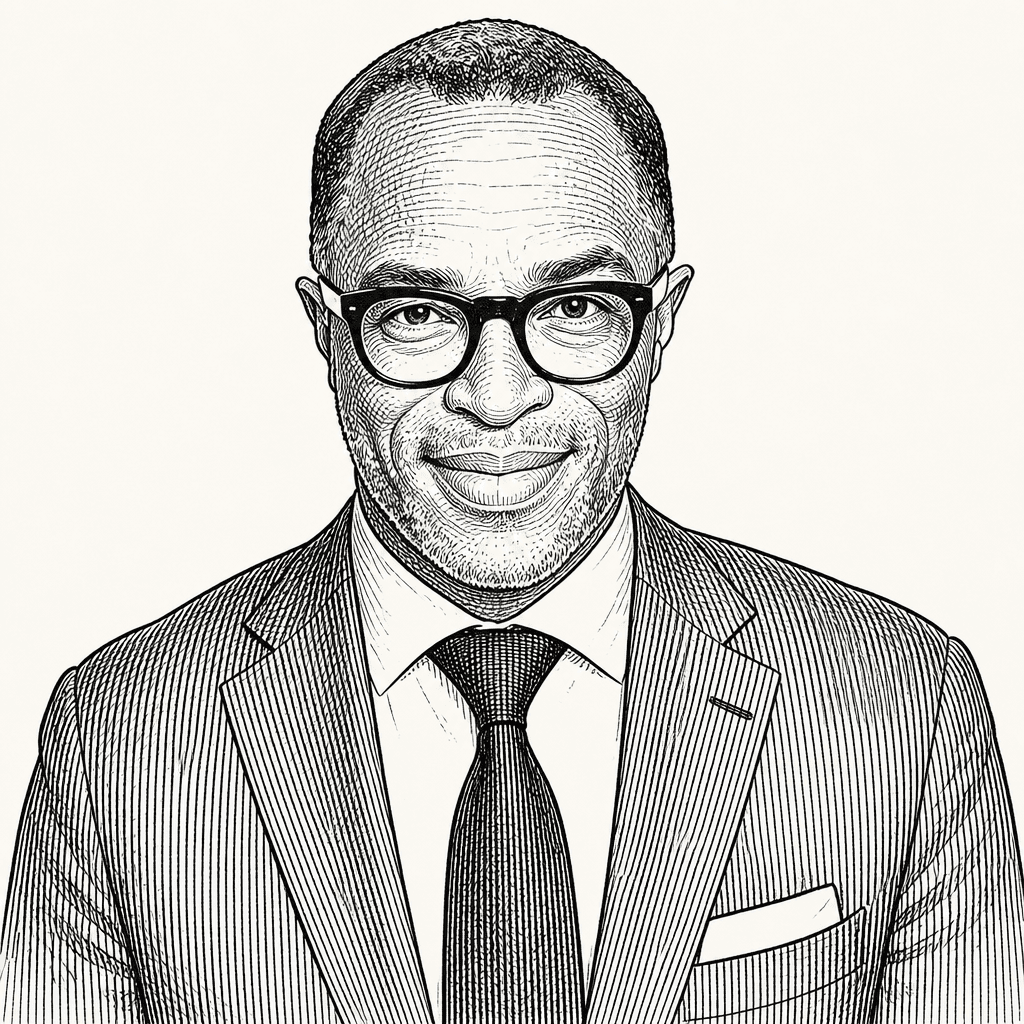 Jonathan Capehart
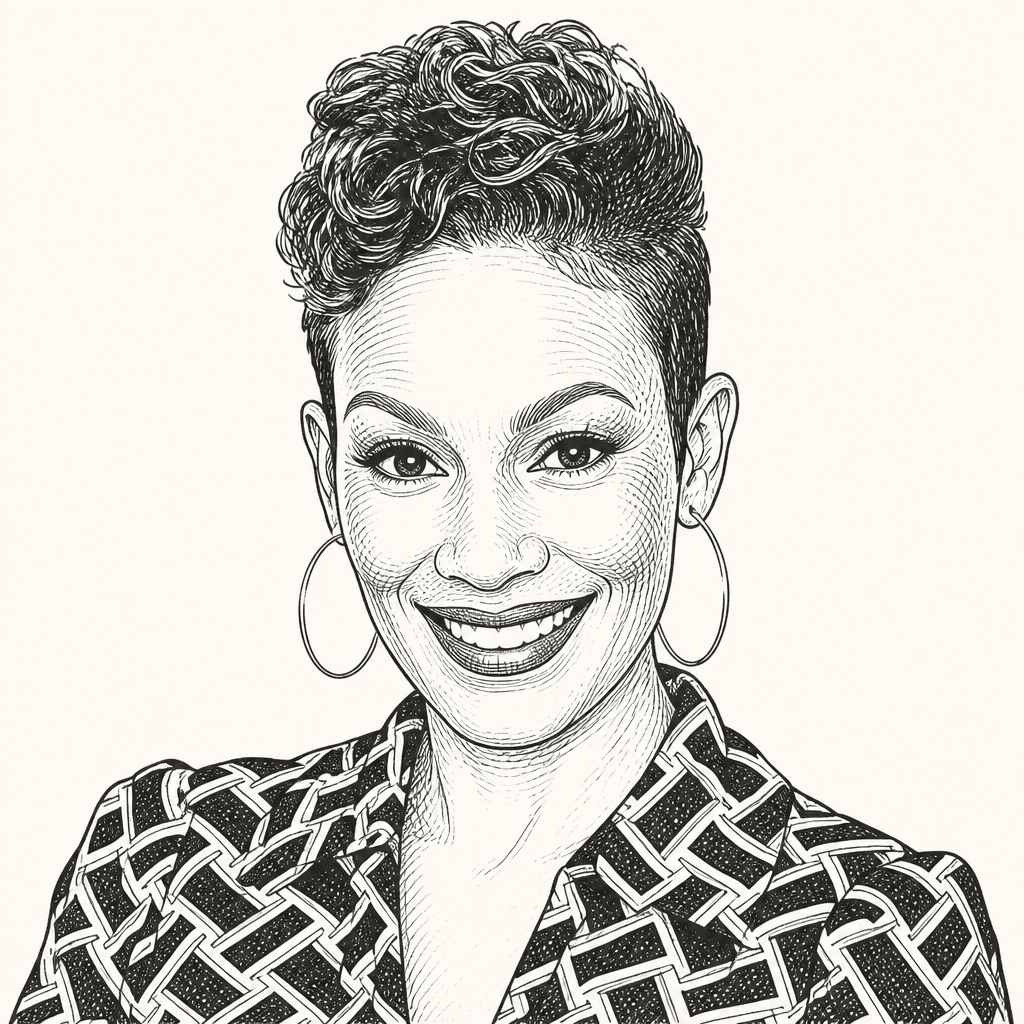 Samantha Tweedy
 Lauren Hirsch
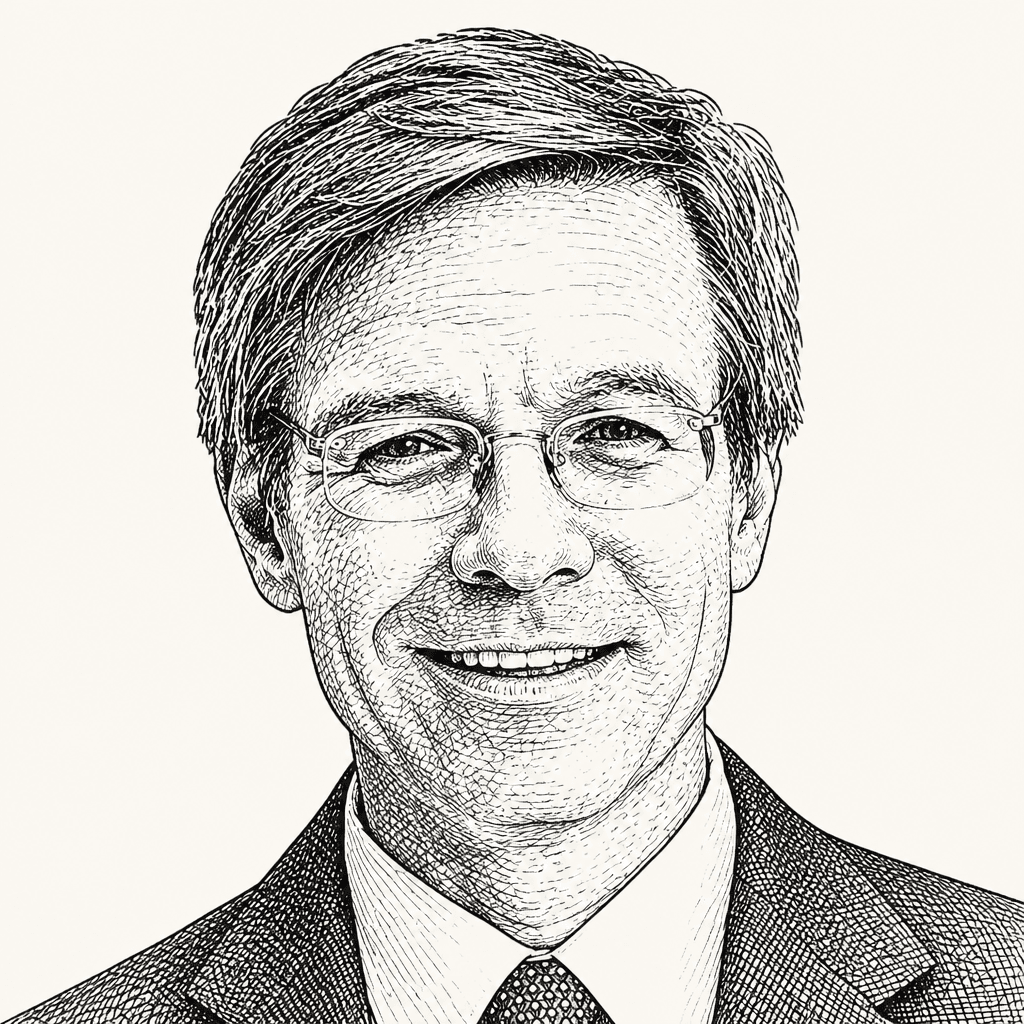 Tom WilsonThe Aspen InstituteTuesday, June 30, 202619 min read
At the Aspen Ideas Festival, business and civic leaders argued that the American dream remains politically useful only if it is treated as unfinished work rather than a settled promise. Samantha Tweedy, Tom Wilson, Brian Hooks and Skye Perryman differed on how much responsibility business should bear, but tied declining trust in institutions to unequal access to opportunity, economic insecurity and threats to democratic rights. Their shared case was that rebuilding the dream requires concrete institutional action, local problem-solving and a broader account of freedom than markets or formal rights alone can provide.

The dream remains contested because access to it has never been equal
The American dream was treated less as a settled national promise than as an unfinished standard: something Americans still invoke, something many no longer believe is available to them, and something several speakers said was never equally available in the first place.
Lauren Hirsch used historian James Truslow Adams’s definition as a starting point: a country where life could become “better and richer and fuller for everyone, with opportunity according to ability or achievement.” The room’s own response exposed the tension. When Rhett Buttle asked whether the American dream was still achievable, most hands went up. When Hirsch asked whether it was as achievable for the next generation as for the current one, far fewer did.


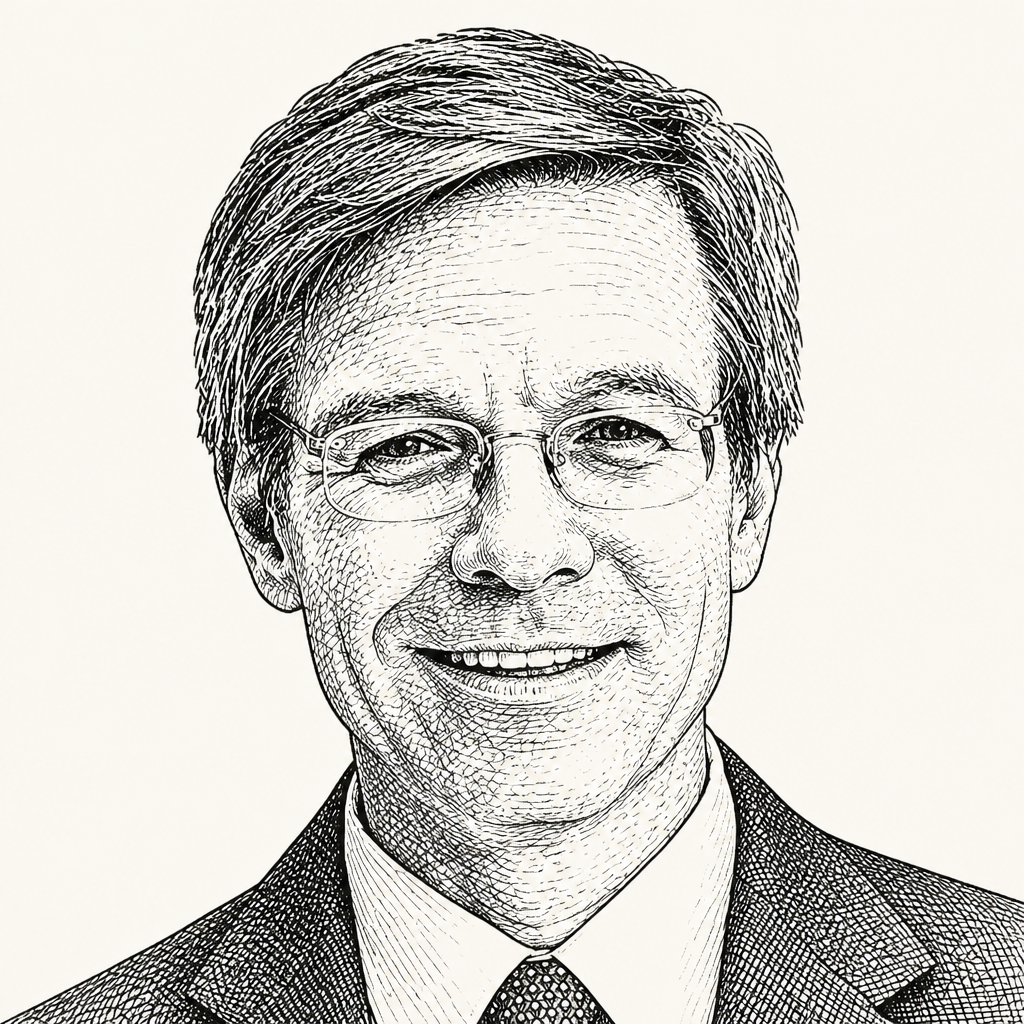
Tom Wilson accepted Adams’s definition but argued that the American dream had been narrowed too much, in part into a story about homeownership. For Wilson, the idea was originally broader: community, freedom, the ability to become “who you really were meant to be,” and a journey rather than a destination. He invoked Langston Hughes’s “Let America Be America Again,” written roughly 90 years earlier, and paraphrased its vision as “seeking a home where he himself is free,” a land where “opportunity is real,” “life is free,” and “equality is in the air we breathe.” Wilson also noted the poem’s darker insistence — “it’s never been America to me” — as a reminder that the dream has long been unrealized for many people.
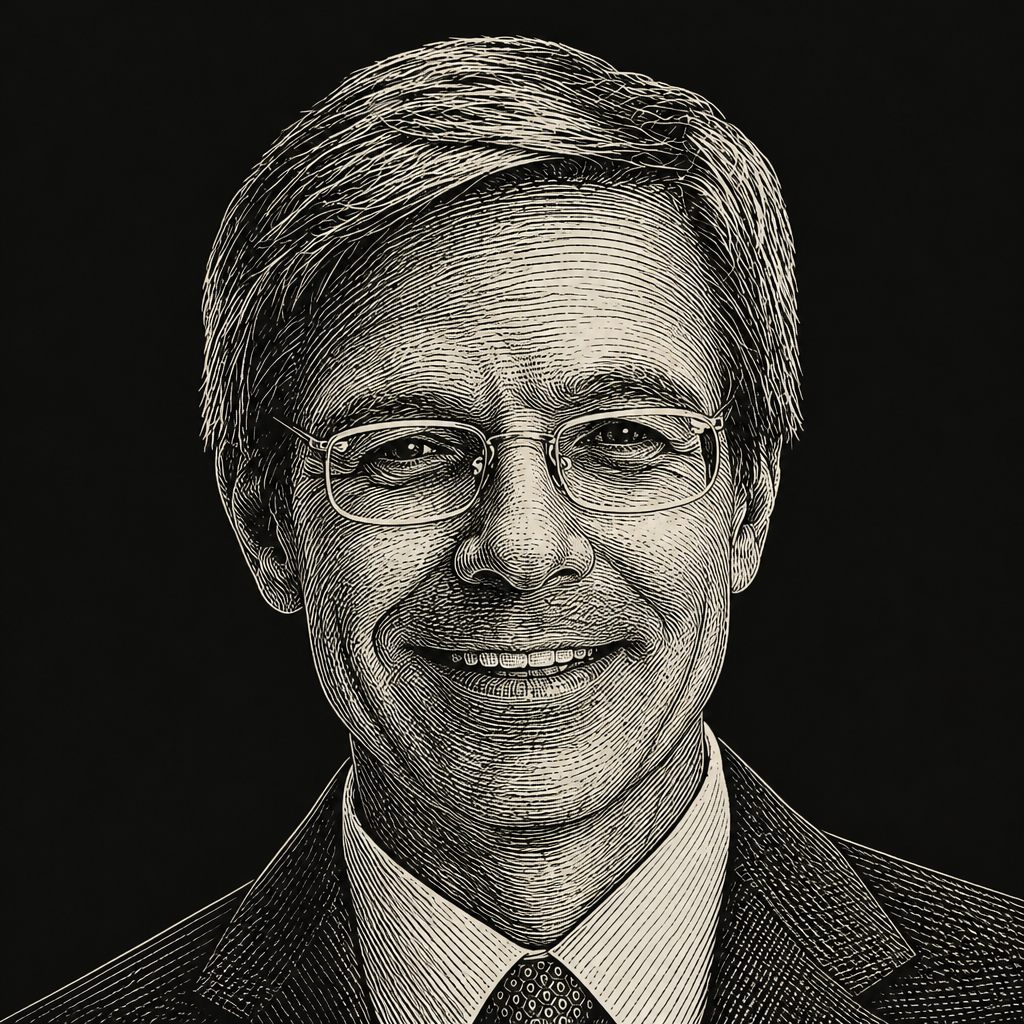
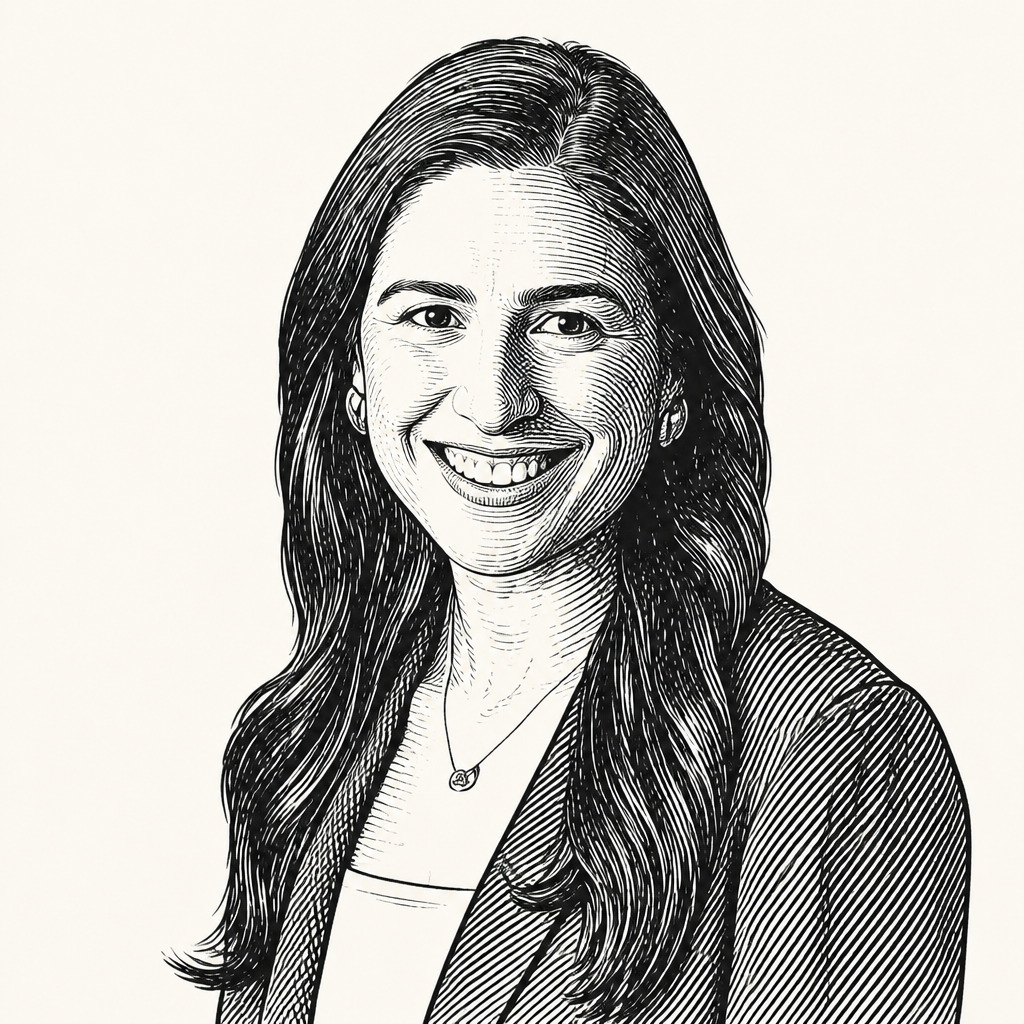
Samantha Tweedy sharpened that point. As CEO of the Black Economic Alliance, she said her organization begins from the premise that “for Black folks, the American dream was never built to be for us.” The work, in her framing, is not to recover an earlier version of the dream, but to reshape institutions and systems so that they advance economic prosperity for all.
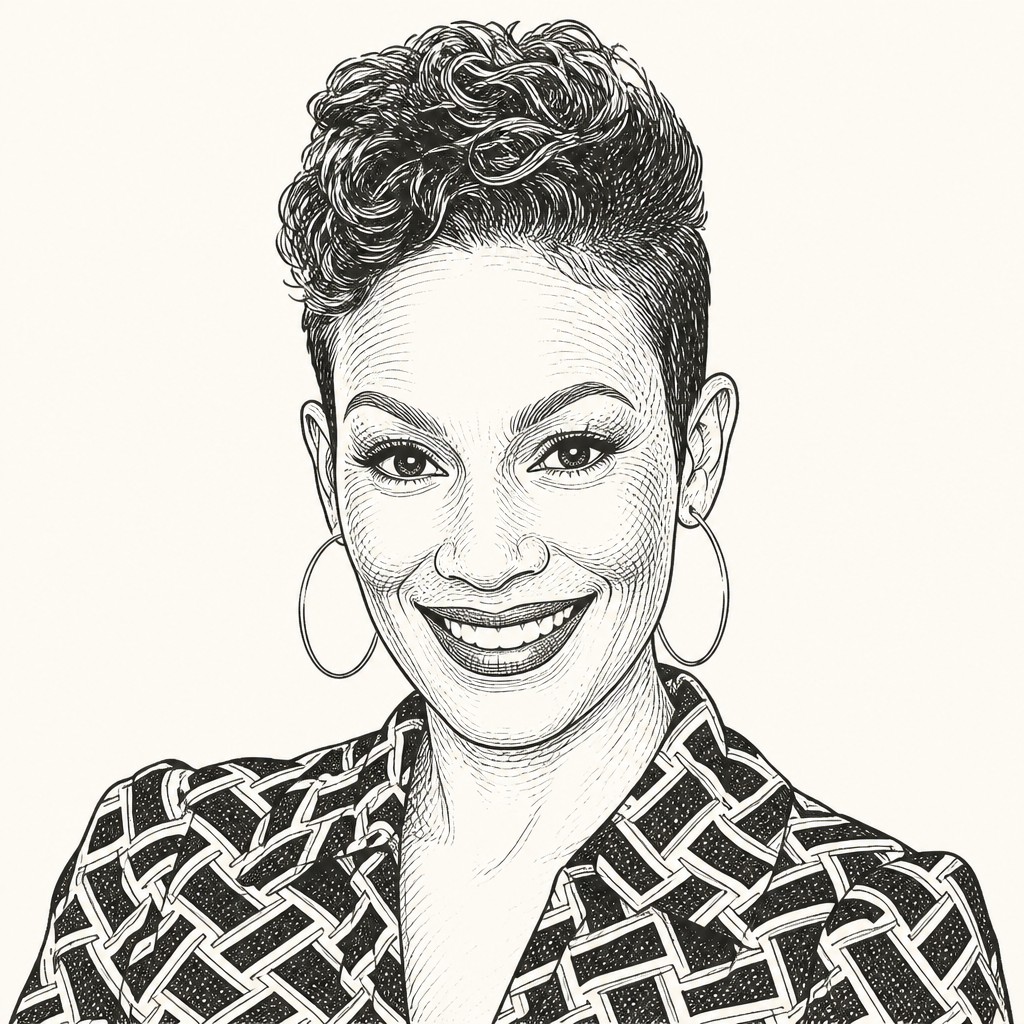
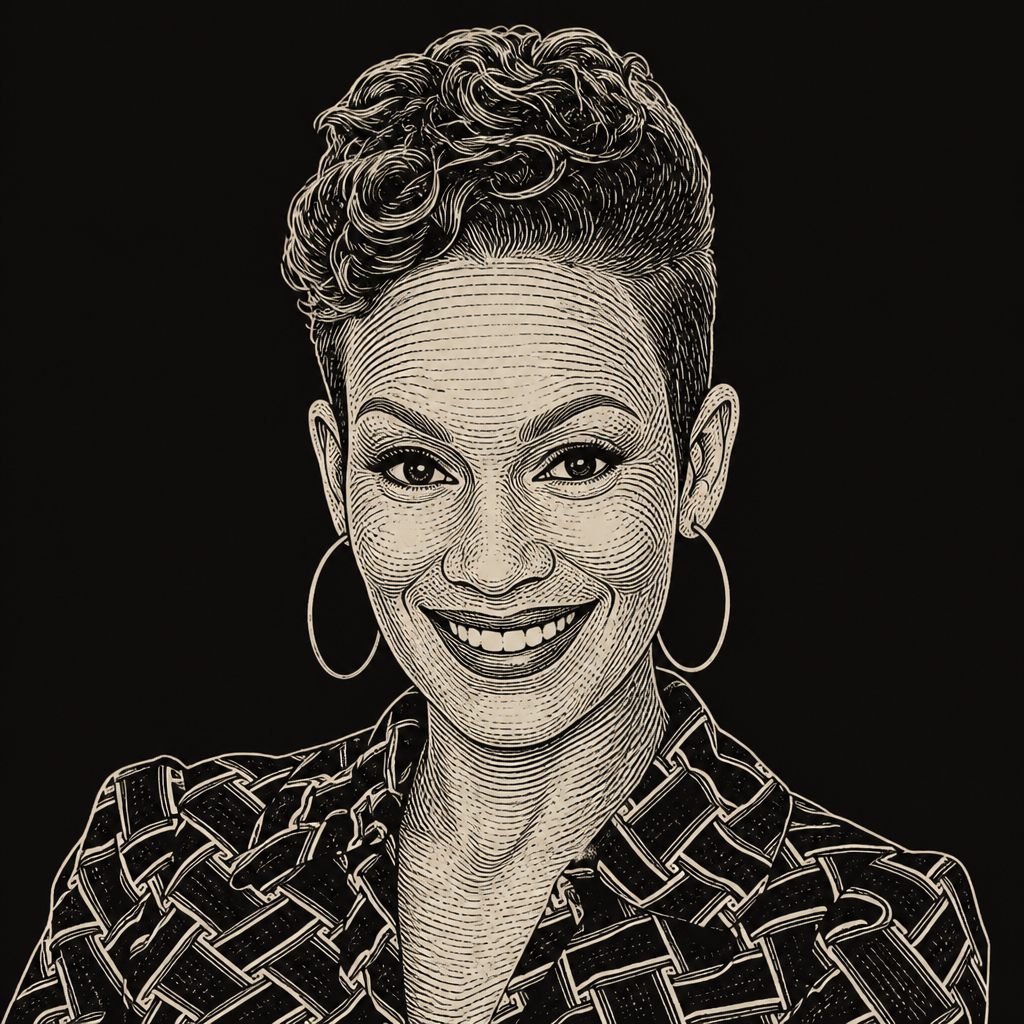
The fundamental premise is that for Black folks, the American dream was never built to be for us.
Tweedy challenged the room’s optimism with polling she attributed to NORC from that month: two-thirds of Americans “of all stripes” no longer believe the American dream is possible. She contrasted that with the Aspen audience’s response — “the air is good, the sun is shining, the mountains are gorgeous” — and warned against treating the old dream as a neutral inheritance. A “big lie,” she said, has long undergirded it: that economic opportunity is zero-sum, and that expanding opportunity for one group means taking it from another. She said the data shows the opposite: advancing opportunity for one group can build it for everyone.
Brian Hooks resisted the idea of a single American dream. Stand Together, he said, works in 1,300 communities with social entrepreneurs addressing generational poverty, addiction, family separation, violence, and other problems. From that work, his conclusion was that there are “millions, tens of millions, hundreds of millions” of American dreams. The point is not a uniform outcome, but the ability of each person to chart a life of meaning and purpose while contributing to others’ ability to do the same.
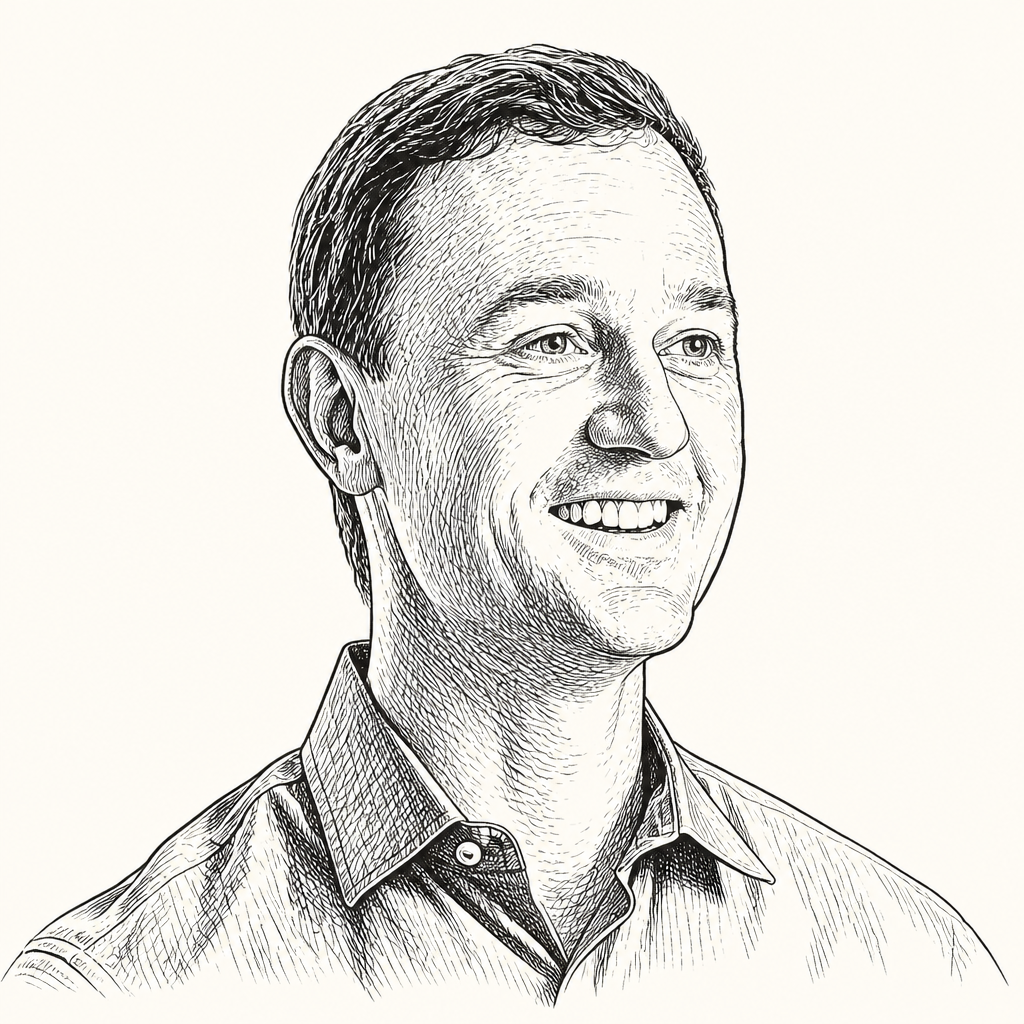
Hooks acknowledged that the ideal has never been fully realized. But he argued that locating it in the principles of the American experiment gives the country a standard against which to judge its present failures. He cited a Gallup poll conducted with the Milken Center for Advancing the American Dream: 69% of Americans said they believe they will achieve the American dream, 78% said it is worth pursuing, and a majority said it is unfinished. The differences between those figures and the NORC figure Tweedy cited were not resolved; they underscored the shared sense that belief in the dream is unstable, uneven, and politically consequential.
| Claim cited | Figure | Speaker attribution |
|---|---|---|
| Americans who no longer believe the American dream is possible | Two-thirds | Tweedy, citing NORC polling from that month |
| Americans who believe they will achieve the American dream | 69% | Hooks, citing Gallup with the Milken Center for Advancing the American Dream |
| Americans who say the American dream is worth pursuing | 78% | Hooks, citing Gallup with the Milken Center for Advancing the American Dream |
| Americans who say the American dream is unfinished | A majority | Hooks, citing Gallup with the Milken Center for Advancing the American Dream |
Skye Perryman defined the dream through the Declaration’s “pursuit of happiness,” but with a caveat: when those words were written, they did not include everyone. The country’s democratic journey, she said, has shown “glimpses” of what happens when people and communities demand better and insist on thriving rather than merely surviving. She quoted Barbara Jordan: “The American dream is not dead, but it is grasping for air right now.”
Capehart’s question exposed the core test for institutions
Jonathan Capehart posed the question that crystallized the stakes: “How can you pursue or achieve the American dream when you feel you are under attack and under attack by the institutions that are supposed to help you in that pursuit?”
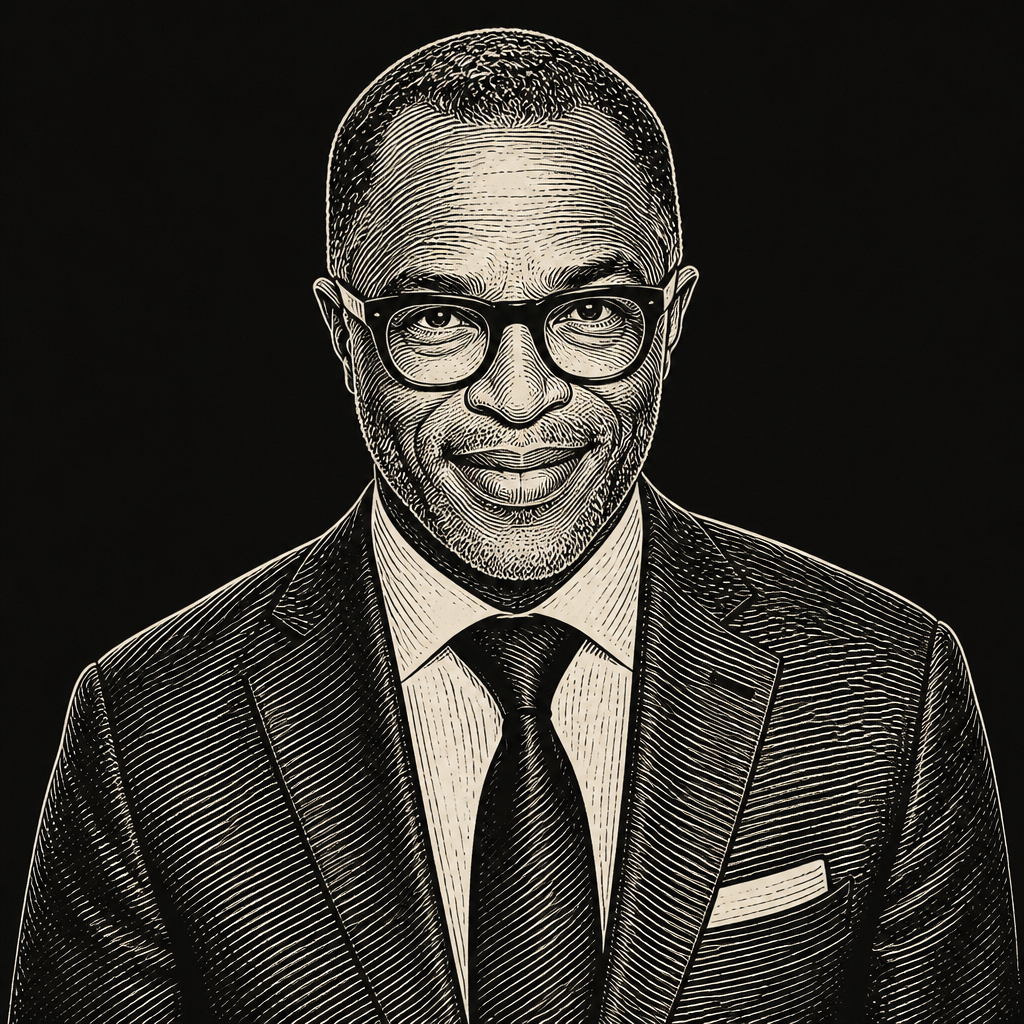
How can you pursue or achieve the American dream when you feel you are under attack and under attack by the institutions that are supposed to help you in that pursuit?
Samantha Tweedy answered bluntly: “You can’t.” If the American dream is the animating force of the country and its families, then people are supposed to believe institutions were built, in some way, to help them move through life. Schools, businesses, government, and community organizations may play different roles, but they are meant to help. If people feel — and, Tweedy added, the data backs it up — that institutions have not delivered, it is not reasonable to expect trust in those institutions. The work ahead is to accept that and fundamentally reshape and rebuild.
Tom Wilson partially disagreed. He acknowledged the need for “catharsis” around the fact that America has failed many people. As a white man in a powerful position, he said, he recognizes that some of his own success is tied to who he is, along with luck and other factors. But he also urged people to stop attacking one another and to find things they can do together. He had recently read an argument that nationalism, in one sense, could mean accepting people because they are American and therefore “they count.” Wilson was careful to say nationalistic tendencies can be terrible, but he was interested in the possibility that a shared national identity might generate mutual obligation.
The point, for Wilson, was not to deny the pain or unfairness Capehart named. It was to preserve hope and agency. The country cannot fix everything in one lifetime, he said, but that does not mean people should give up.
Brian Hooks added that Capehart’s question describes how the American dream has expanded throughout history. There have always been people who could legitimately look at the country and conclude that its institutions were not designed to help them thrive. They did something about it, and when they did, “we all benefited.” It is difficult, he said, but it is also the American spirit and the present task.
That exchange gave sharper meaning to an earlier question about what a 25-year-old should be told if they ask why they should believe in the American dream now. Wilson’s answer was spare: because “you’ll have the freedom to be who you were meant to be.” Tweedy’s answer was that getting the idea wrong so far does not mean the idea itself was wrong: making things better for oneself and one’s children remains a driving force, and “we need you.” Hooks said the reason to believe is that “we believe in you”; every person has a gift, and when that gift is realized and applied, it helps others succeed. Perryman’s answer was intergenerational: people should believe because others will work to make the dream real, and because today’s Americans stand on the shoulders of people whose work made their own dreams more possible.
Economic security and democratic trust have to be rebuilt together
Freedom, happiness, and independence do not mean much without a basic economic foundation, in Samantha Tweedy’s view. The American dream, whatever its definition, operates as an “animating force,” a reason to come to a new country, build something, or try to move one’s family forward. But that force depends on people believing that their lives can actually improve.
Tweedy connected economic insecurity to democratic deterioration. When people no longer believe things can get better for themselves or their families, she said, they become more open to “break it down, burn it up, flip it on its head” politics. In her view, the erosion of faith in the American dream is tied to the erosion of democratic institutions and rights. Without a foundation of economic security — not merely day-to-day survival, but a plausible path to a better position than where one began — “none of the rest of it is possible.”
Tom Wilson agreed that money and economic security matter. He said children in America are too often “economically malnourished,” lacking the resources needed to pursue education and become who they were meant to be. But he pushed back on any sequencing that would treat economics as the sole foundation. The American dream, he argued, is a simultaneous equation: economics, trust, civility, freedom, and community all have to be rebuilt together.
For Wilson, trust is not ornamental; it is a condition for the economy to function. “Trust is a basis of the economics in this society,” he said, and also a basis of freedom. That meant the problem could not be reduced to redistribution or income alone. “If we just redistribute the wealth in America, we’ll be fine” was not, in his view, a viable theory. The broader civic and cultural components of the dream have to be repaired at the same time as the material ones.
Skye Perryman described the same problem from the standpoint of institutions that deliver differently to different communities. A system trusted by some can be distrusted by others when it fails to deliver. The task, she said, is to imagine “a democracy that truly delivers for all people” without treating the process as zero-sum. Local institutions and local communities matter because people trust them far more than they trust national governments or large top-down institutions. The question is how to take bonds built locally and “scale that.”
Perryman also insisted that rights and material opportunity cannot be separated. The country has been engaged in a project of achieving “unrestricted democracy” and an American dream available to everyone, but even before the current moment that project had never fully arrived. On-paper rights often fail to become realized rights. She pointed to equal access to schools as an example: formal guarantees exist, but structural and systemic barriers remain.
That distinction between formal right and lived access became central in the exchange over voting. Perryman said the U.S. Supreme Court, in the current term, had “hollowed out Section 2 of the Voting Rights Act,” which she said would mean Black and Brown communities in the South would not be equally or fairly represented. Tweedy built on the point, emphasizing the difference between failing to gain a new right and losing a right one had been born believing was secure. To be born into a world where the right to vote was hard fought and then see it taken away, she said, “is going to break some of my trust.”
But Tweedy did not treat broken trust as permanent. The damage, she said, “can be solved depending on what people do about it.” Her question was whether people, in the seats they hold and the multiple roles they occupy, can take steps to restore or preserve trust amid rapid shifts caused by the administration, technology, and AI.
Business responsibility turns on agency, consistency, and systemic risk
The sharpest tension concerned the private sector. The disagreement was not over whether business has civic obligations. It was over how far those obligations extend, what makes corporate action legitimate, and whether silence after earlier public commitments destroys trust.
Tom Wilson described business responsibility as broad but bounded. Business, he said, should take care of customers, make money, create opportunity for employees, and improve communities. Profit, in his framing, is not merely extraction; it is a signal of whether a business is doing a good job — what people pay compared with what the business took from society to produce its product or service.
But on public-policy issues, Wilson said a company should ask a tighter set of questions. Does the issue help the company do a better job for customers? Does the company know anything about it? Does it have agency to affect change? What are the risks and returns?
He used voting rights in Georgia as the example. For an auto and home insurer, he said, speaking on Georgia voting rights did not obviously help serve customers, the company did not have expertise in Georgia voting law, and he doubted the Georgia legislature would change course because of Allstate. By contrast, he said Allstate is “all in” on issues closely tied to its business and capabilities: severe weather impacts on homes, community readiness, FEMA, privacy, and trust.
Wilson resisted the idea that CEOs are simply frightened. “I feel like there’s this perception that businesses are being a bunch of weenies,” he said. His argument was not that voting rights do not matter; it was that companies have to choose battles where they have expertise, legitimacy, and agency.
Samantha Tweedy challenged that answer on consistency and institutional trust. She noted that after restrictive voting laws in Georgia, hundreds of companies had signed public letters and statements, including in The New York Times, saying that voting rights did matter to business and that there was a business and economic case. Some companies moved business away from places with restrictive laws. Five years later, she said, there was “near, not entire, silence.”
The trust problem, in Tweedy’s framing, is not that every company must take every position. It is that institutions tell the public one thing is fundamental and then behave differently when the political winds change. She compared it to what she tries to teach her children: “What I said yesterday is still going to be true today.” If voting rights were presented as a business issue five years earlier and are treated differently now, she asked, how should people trust the institution?
Wilson responded that trust is not agreement. Trust is predictability: understanding where someone is coming from, respecting freedom, and giving others the space one would want for oneself. Businesses, he said, need room to determine what they think is right rather than being assigned responsibility for every wrong others want corrected.
Tweedy’s reply was “yes and do more.” The answer may not look the same for every business or institution, she said. But if the question is voting rights, economic progress, or preservation of democracy, every sector should act in ways suited to its role. That can include supporting voting rights, get-out-the-vote work, and giving employees time to vote. The point was not to make every company issue the same statement. It was to reject the idea that business can treat threats to democratic participation as someone else’s problem.
Brian Hooks offered a different warning: companies can erode trust by making commitments they cannot or do not act on. After George Floyd’s murder, he said, businesses pledged $50 billion to address racial injustice in policing, but later reports found less than 10% of those funds were actually deployed or could be tracked. When businesses get “out ahead of their skis,” make commitments, and then cannot show what they did, Hooks said, trust erodes.
Hooks argued that business can often do more for democracy by operating honorably within its own domain: investing in employees, connecting work to meaning and purpose, and avoiding rent-seeking behavior such as lobbying for special favors and subsidies. He cited an Edelman poll in which “something like 87 percent” of employees reported disconnection from meaning or purpose at work. Since many people spend much of their lives at work, the argument went, a bad workplace experience has civic consequences; the reverse is also true.
Skye Perryman widened the frame from corporate discretion to systemic risk. She agreed that individuals must decide what country they want to live in and act accordingly. But she argued that the room itself — a room with privilege, expertise, and institutional influence — had to ask what the institutions represented there should do.
Perryman said the threats to democracy did not begin on Inauguration Day 2025. In 2021, she said, the United States was added to a list of global backsliding democracies, the only large Western economic power on that list, and it remained there each year since. The question of the previous 18 months, in her view, had been whether the country could slow or reverse that backslide, or whether it would accelerate.
She warned leaders against thinking only in terms of immediate institutional self-protection. Looking back to Europe at the beginning of the 20th century, she said, business communities did not step forward as fascism advanced, and the industries they sought to protect ceased to exist. She did not present those leaders as necessarily ill-intentioned; her warning was that they were so focused on protecting what they could in the short term that they lost sight of the larger system on which their own survival depended.
For Perryman, the business case for democracy was not peripheral. Democracy, she said, is the system that yields the greatest levels of productivity, profit, and innovation. Business needs “this system of freedom” as much as communities do. The question for people with institutional power, she argued, is not only what action might offend a customer base, but what is actually good for communities and business over time.
Wilson, after that exchange, said he felt “bummed out.” He loves America, he said, and believes the people in it have talent. The country may be “a little off course,” or “a lot off course” in some places; for some people, it may never have been on course. But he wanted the discussion to turn toward what can be done to help the dream become real.
Bottom-up renewal was framed as the only available path
Brian Hooks argued that the country’s 20th-century institutions are not working for 21st-century problems — and, more importantly, were not designed to make the most of 21st-century opportunities. For him, the project is not “tweaks at the margin” or optimization within existing arrangements. It is reimagining the institutions that allow people to live well together.
He did not frame that as institutional destruction. “That doesn’t mean we throw the baby out with the bathwater,” he said. The country still has guiding principles that can direct the work. But if existing institutions fail to solve problems, he warned, political extremes will step in with answers that make things worse.
Education was Hooks’s main example. He described the current education system as designed for an industrial age, one that asks students to conform to a one-size-fits-all, top-down model. Parents, especially after COVID, saw how poorly the system was performing and began demanding better. In response, he said, states have enacted roughly 100 reforms in more than 30 states over the past five years. He did not claim those reforms were perfect. But he said they respond to bottom-up demand, and that some programs costing far less than typical private school are producing “two to five times the learning outcomes.”
That bottom-up orientation was not a retreat from national stakes. Hooks said it was “the only option that we’ve got.” Trust, in his account, is rebuilt by people doing things together. Dinners across difference may help, but real trust comes from common work: shoveling an elderly neighbor’s driveway, fixing education, or ensuring people can vote their conscience. The size of the problem can vary; the lesson is the same. People show one another they can solve problems, and trust follows.
Skye Perryman agreed that local trust is higher than national trust and argued that the pattern has deep roots. In moments of social turmoil, including the civil rights movement, community trust was high because communities were working together to solve problems and make demands. After World War II, she said, civic and community engagement were also high because people were jointly addressing shared problems. As prosperity spread for many — though not all — those levels of civic engagement waned.
The opportunity now, Perryman said, is not to deny social turmoil but to treat it as an inflection point in which local problem-solving can scale. Hyper-local examples — preserving a library, fixing a pothole, rendering aid — are not small because they are local. They are the patterns that have historically scaled into broader change.
Tom Wilson arrived at a similar place through a different example. He said Allstate had created Trust in Practice awards, putting up $5 million in grants. He initially wondered whether there would be $5 million worth of proposals. Instead, he said, the effort generated 1,600 proposals involving 3,000 organizations and $800 million in demand. The experience convinced him that there is “huge demand” to build local relationships and improve trust.
The unmet demand also made Wilson wary: if $5 million is funded, that leaves $795 million of disappointed demand. But to him, the scale of the response showed that rebuilding local relationships is not an abstract civic slogan. It is a field of already-existing work looking for resources and attention.
Hooks cited another data point that, he said, had focused his attention: a Pew study asking whether Americans believe they can solve their own problems. For 30 or 35 years, he said, the answer was usually in the 60% to 70% range. Three years earlier, for the first time, it fell below 50%. The implication, for Hooks, was severe: when people lose faith in one another, they begin entertaining “pretty awful ideas.”
Wilson, for his part, wanted the trust discussion tied back to individual conduct and civic tone. He argued that the American dream requires civility, and that Americans should think about modeling it themselves. He described “net negative messaging” as a $100 billion advertising campaign — “us against us by us” — and said the country is becoming physically and mentally addicted to negativity. His point was not that policy disputes do not matter, but that people should not let those disputes obscure their own agency to help other people achieve the dream.
Capitalism and democracy both require freedom, and both require guardrails
Asked whether capitalism and democracy are interrelated, Skye Perryman said both systems, at least in theory, rely on a basic level of freedom. But freedom alone is not enough. A democracy reduced to majority rule without constitutional limits can produce excesses because minority rights are not protected. A capitalist system without guardrails can produce analogous excesses.
Perryman described constitutional democracy as including counterweights to the power of the people: individual rights, due process, free expression, and other protections the majority cannot simply override. Capitalism needs comparable guardrails. The two systems can reinforce each other, but democratic decline can also weaken market freedom. Tariffs and other policy fights were named as examples of marketplace freedom becoming entangled with democratic stress.
The link between capitalism, democracy, and talent appeared again in an audience exchange about immigration, innovation, and who gets to pursue the dream. Perryman said Democracy Forward had been in court on H-1B visas and that scientists and innovators are leaving the country because of legal, political, and cultural factors. One of the country’s strengths, she said, is innovation; democracy can help harness it. Restrictive policies that seek to define the dream as available only to some people risk driving that innovation away.
Cid Wilson asked how companies that want to do the right thing but fear standing alone might work through industry associations, especially on issues affecting Black, Latino, Asian, and other communities. He noted that the Business Roundtable had, a few years earlier, redefined the purpose of a corporation, and asked how associations might help companies align business and public policy without forcing individual firms to stick their necks out alone.
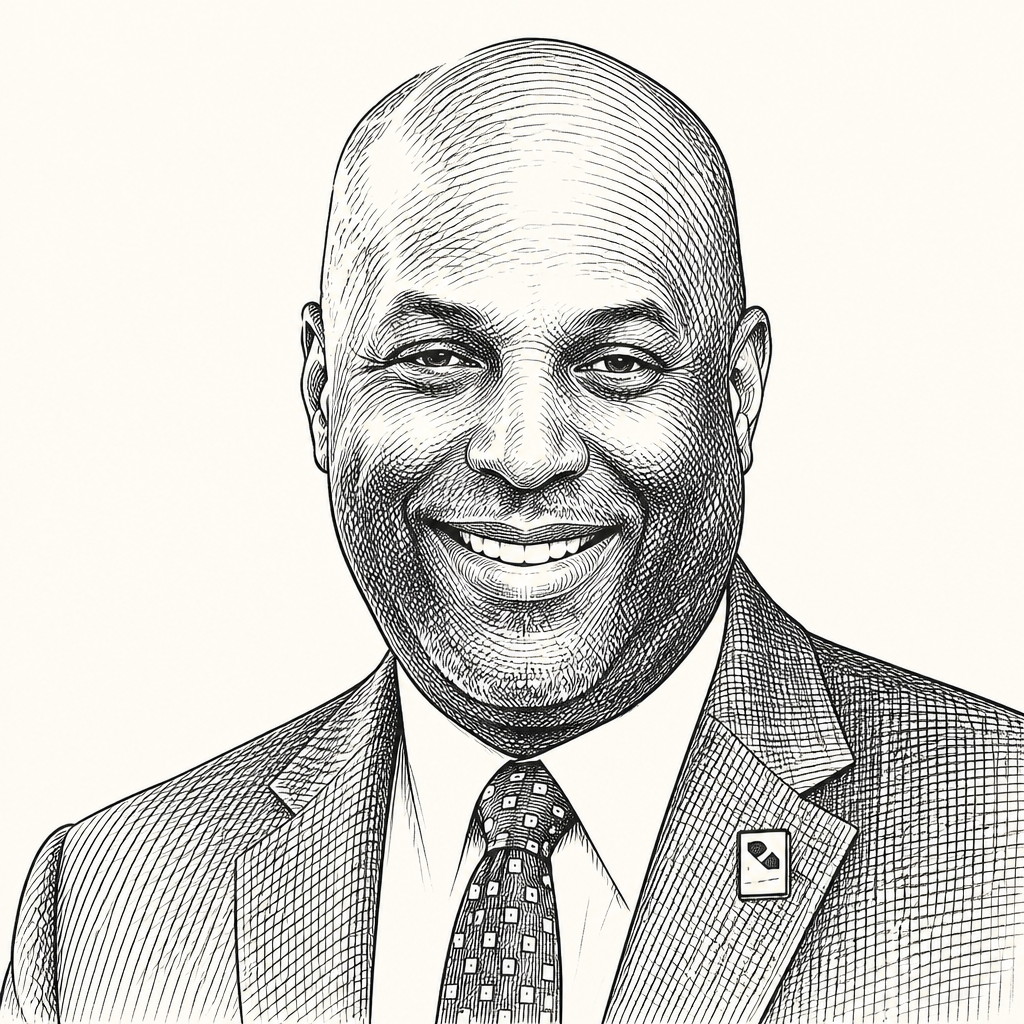
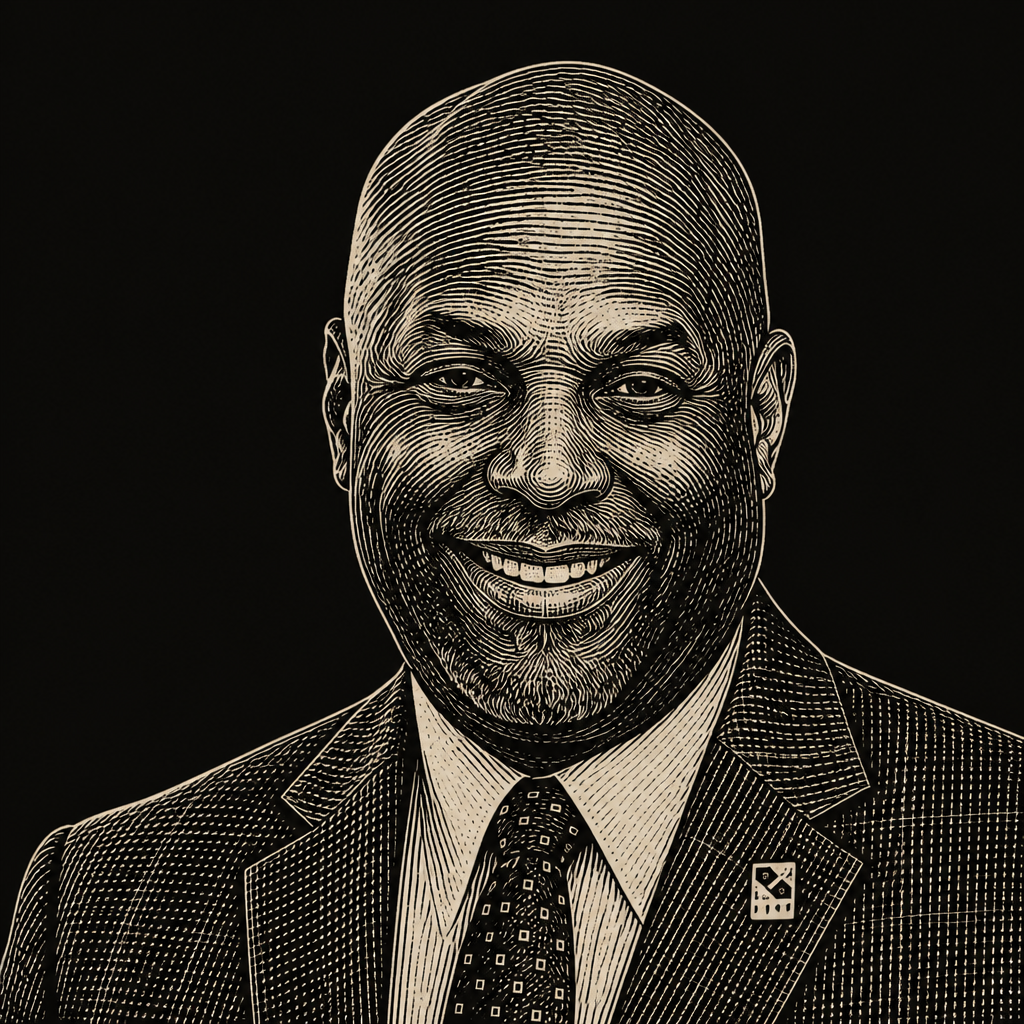
Tom Wilson answered first from the CEO perspective. On DEI, he said, companies should start at home: make sure their own business provides opportunity, has a diverse staff, and recognizes that breadth of difference can make a company stronger. He said he had not seen people backing off that internal work. Some companies have scrubbed the word “equity” from public filings, he acknowledged. He did not defend that as courageous, but said the more important question is whether the work changes. If changing language gives a company more freedom to keep doing good work, he said, that is its choice.
Perryman saw a significant role for associations. Democracy Forward, she said, has represented industry associations as well as nonprofit associations that have been able to block or stop attacks on civil rights, diversity, equity, inclusion, and accessibility. She emphasized that “the law has not changed” and said her organization is winning in courts, including before judges appointed by the president. Associations matter, in her view, because an individual institution may not want to step forward alone, but there is power in numbers.
Samantha Tweedy used the same audience question to return to wealth. The next version of the American dream, she argued, needs a changed definition of wealth. At its simplest, wealth is “owning more than you owe.” In a country where wealth feels radically different for different people, that disparity fuels vilification. The goal should not be merely helping people get by or “make it,” but making wealth-building part of a much more expansive American journey.