AZ Plays Aims to Close Arizona’s Youth Team Sports Participation Gap
 Sam Fowler
 Marcia Mintz
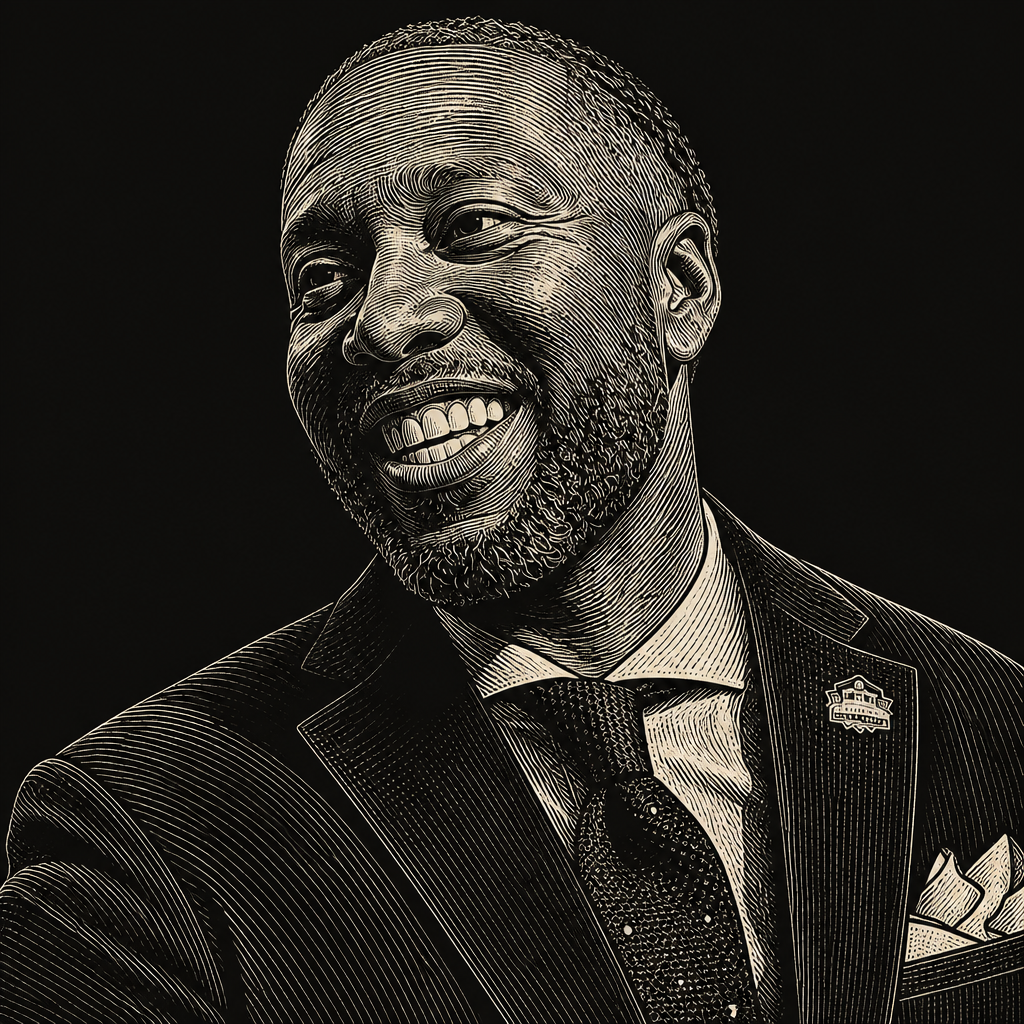
 Larry Fitzgerald
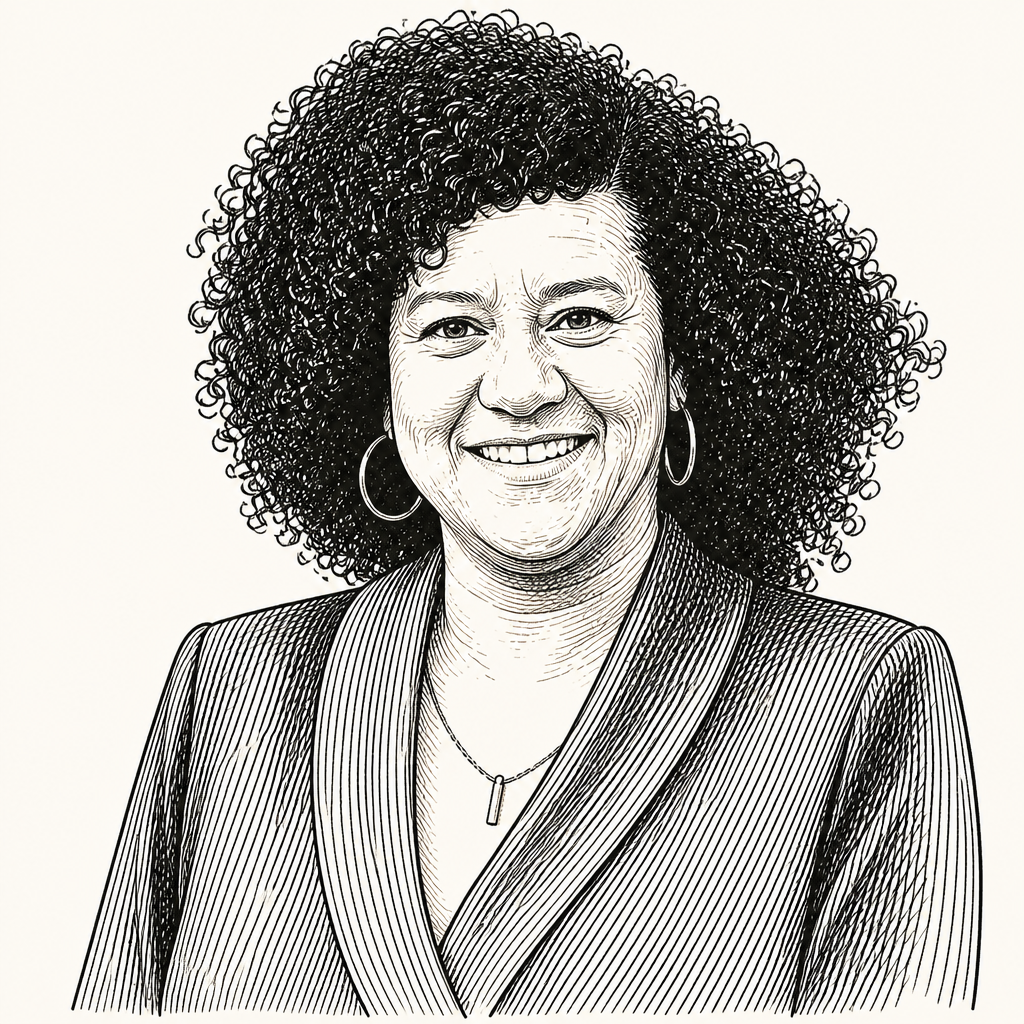
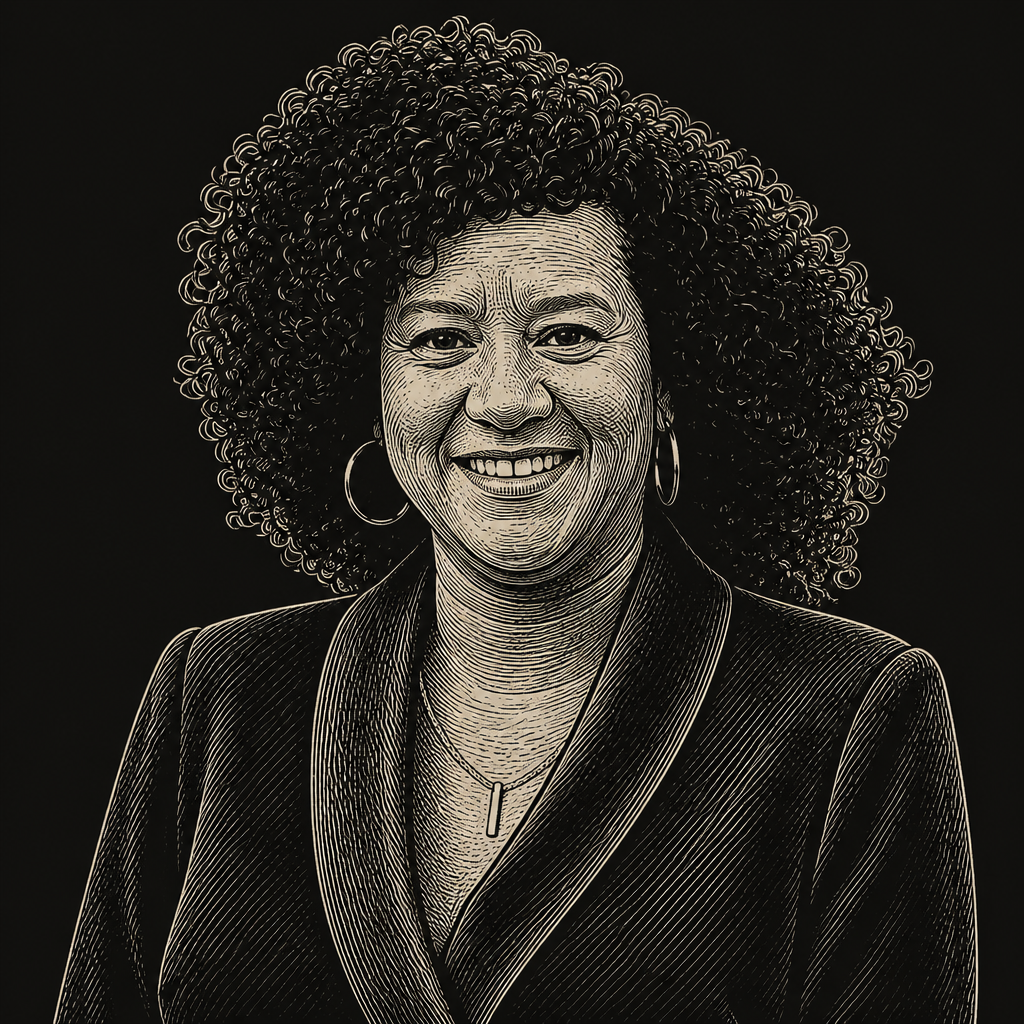
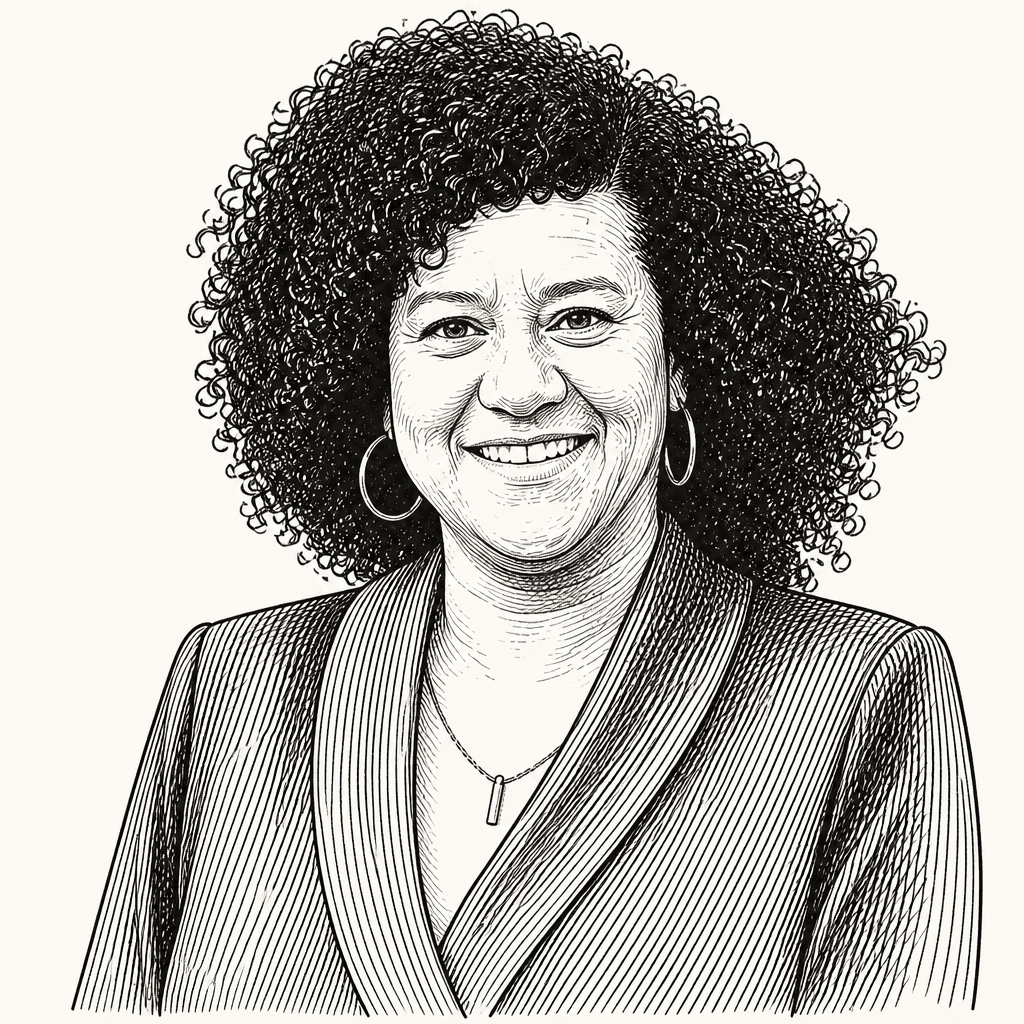 Latasha CauseyThe Aspen InstituteThursday, May 21, 20264 min read
Boys & Girls Clubs of the Valley announced AZ Plays, a Phoenix effort tied to the Aspen Institute’s Project Play, to study and expand youth-sports access across schools and local partners. Marcia Mintz framed the work as a push to understand and lift up youth sports in the Valley, while Larry Fitzgerald said the urgency is Arizona’s near-bottom national ranking in team-sports participation. Fitzgerald and other speakers argued that access to play is not only a sports issue, but a route to mentorship, discipline, confidence, and leadership for children.

Phoenix’s youth-sports push starts from a participation gap
Marcia Mintz announced that the Aspen Institute’s Project Play will conduct its 20th “study and support” effort in Phoenix, Arizona, with Boys & Girls Clubs of the Valley involved in bringing together public, private, and charter schools. Mintz, president and CEO of Boys & Girls Clubs of the Valley, described the goal as helping to “understand and lift up youth sports in the valley.”


The local effort is called AZ Plays. Its urgency was clearest in Larry Fitzgerald’s remarks: Arizona, he said, “ranks second to last in the United States right now” in team sports participation. He paired that with another pressure point, saying the state’s population is growing by 1% each year. For Fitzgerald, those facts make children’s access to athletics a problem Arizona has to change.

The initiative is framed as both measurement and support: a local State of Play study in Phoenix, connected to a coalition that wants to expand access to youth sports and study local participation. Mintz placed Boys & Girls Clubs of the Valley at the center of that work, not only as a youth-serving organization but as a convener across schools and partners.
The case for the launch drew on youth examples from an earlier panel. Latasha Causey referred to young people who had appeared as “team captains”: Mignette, described as “not complaining but advocating”; Salem, described as a youth commissioner; and Carol, described as a student whose discipline showed through having done more tournaments than anyone else at her school. Their examples supplied the practical vocabulary for the launch: sports as a place where young people practice advocacy, responsibility, discipline, and voice.
The coalition extends beyond a single nonprofit program
Sam Fowler positioned Boys & Girls Clubs of the Valley as both a direct service organization and a convener for Phoenix’s State of Play work. Fowler, the organization’s chief development officer, said the goal is to use the Project Play initiative to make a greater impact on “the thousands of kids we serve every day.”


He described the club as a “home away from home,” drawing from his own experience growing up as a Boys & Girls Club kid. But his appeal was not limited to the club’s history. Fowler said Arizona’s children need “the ability and rights to just be kids again,” and that “nothing speaks kid more than the opportunity to just play.”
The partner list he named makes AZ Plays broader than an internal Boys & Girls Clubs initiative. Boys & Girls Clubs of the Valley is partnering with Phoenix Raceway, the Arizona Soccer Association, Thunderbirds Charities, the Arizona Diamondbacks, Fiesta Sports Foundation, the Phoenix Suns, the Phoenix Mercury Foundation, and the Larry Fitzgerald Foundation.
The on-screen roster added context about who was being placed around the effort. It identified Fitzgerald as an “AZ Cards Legend” and “Pro Football Hall of Fame Inductee,” Causey as president of Phoenix Raceway and incoming Boys & Girls Clubs of the Valley board chair, Chris Connotts of Thunderbirds Charities, and Jonathan Botello as CEO of the Arizona Soccer Association. It also listed Boys & Girls Clubs of the Valley leaders across operations, development, programs, partnerships, and executive leadership.
| Person | Affiliation or role shown on screen |
|---|---|
| Larry Fitzgerald | AZ Cards Legend; Pro Football Hall of Fame Inductee |
| Latasha Causey | President of Phoenix Raceway; Incoming BGCV Board Chair |
| Chris Connotts | Thunderbirds Charities |
| Jonathan Botello | CEO, Arizona Soccer Association |
| Marcia Mintz | President & CEO, Boys & Girls Clubs of the Valley |
| Josh Shaw | Vice President of Operations, Boys & Girls Clubs of the Valley |
| Sam Fowler | Chief Development Officer, Boys & Girls Clubs of the Valley |
| Cassidee Burdick | Vice President of Programs & Partnerships, Boys & Girls Clubs of the Valley |
| Johnny Sounikiel | Chief Operations Officer, Boys & Girls Clubs of the Valley |
The development case is about leadership, not just sports participation
Latasha Causey described AZ Plays as an opportunity to strengthen young people in Arizona. Causey, president of Phoenix Raceway and incoming board chair of Boys & Girls Clubs of the Valley, said the earlier youth speakers illustrated “the power of sports” beyond the game itself.
For Causey, the work was also personal. She said she is a mother of children who play sports and a former Boys & Girls Club kid in the Valley. That history shaped how she described the clubs: in her view, they have power in children’s lives because they create settings where young people can build confidence, learn leadership, and use their voice.
The youth examples she cited were not about elite athletic performance. They were about speaking up, taking responsibility, showing discipline, and persisting through demanding schedules. That was the common thread between Causey’s remarks and Fowler’s: access to play matters because it gives children a structured place to practice skills they carry outside sports.
Fitzgerald tied access to mentorship, resilience, and relationships
Larry Fitzgerald connected the Arizona participation problem to his own experience as a Boys & Girls Club kid in the Minneapolis area. He credited the club with teaching leadership development, mentorship, and the practical lessons that come from competition. One lesson he singled out was learning how to lose: not as something anyone wants, but as something everyone has to face.
We need to increase our kids access to athletics. It's where they can grow, where they can build relationships and develop the characteristics and skill sets to be leaders in our nation for years to come.
More access to athletics, in Fitzgerald’s telling, means more chances for children to build relationships, absorb mentorship, and develop the skills they will carry into adult leadership. He described that goal as personal, tied both to his Boys & Girls Club background and to his representation of Arizona through AZ Plays.