Women Founders Receive 2% of Venture Capital as Investment Concentrates
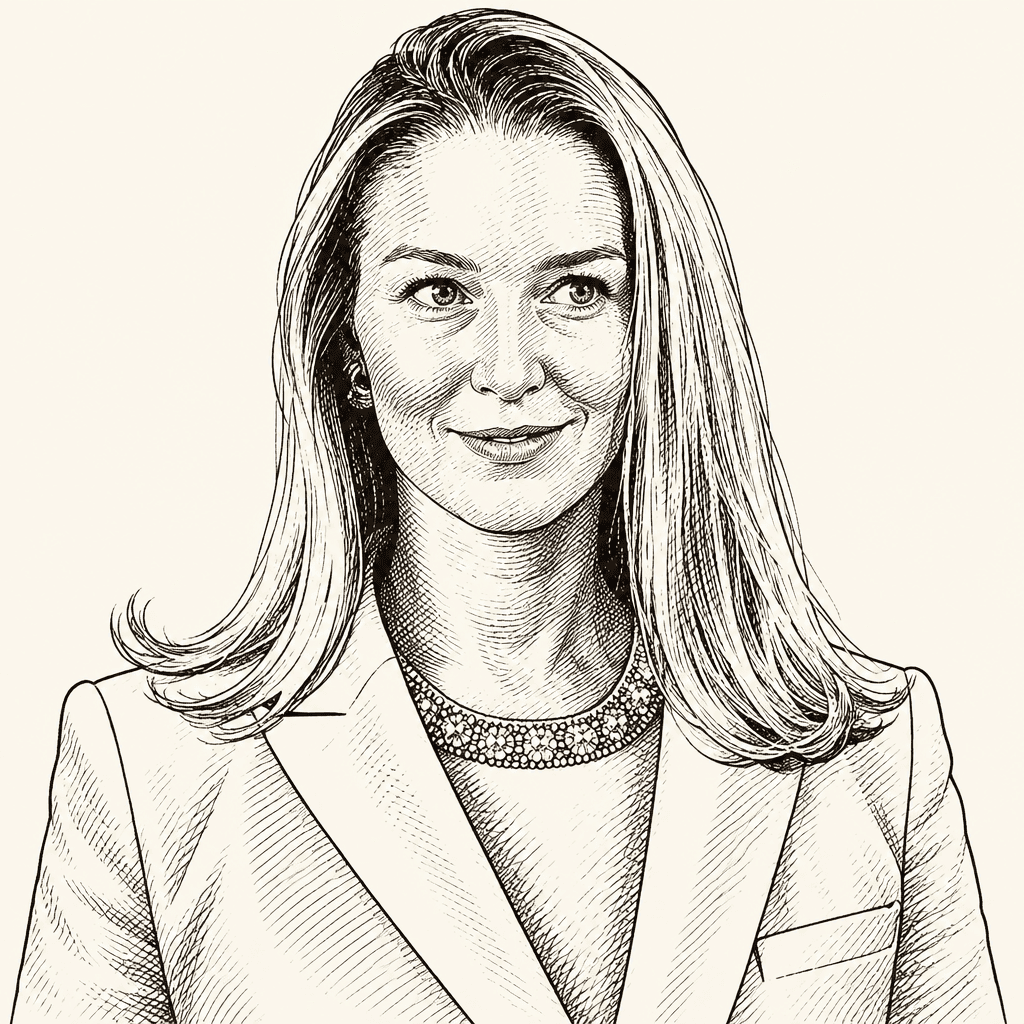
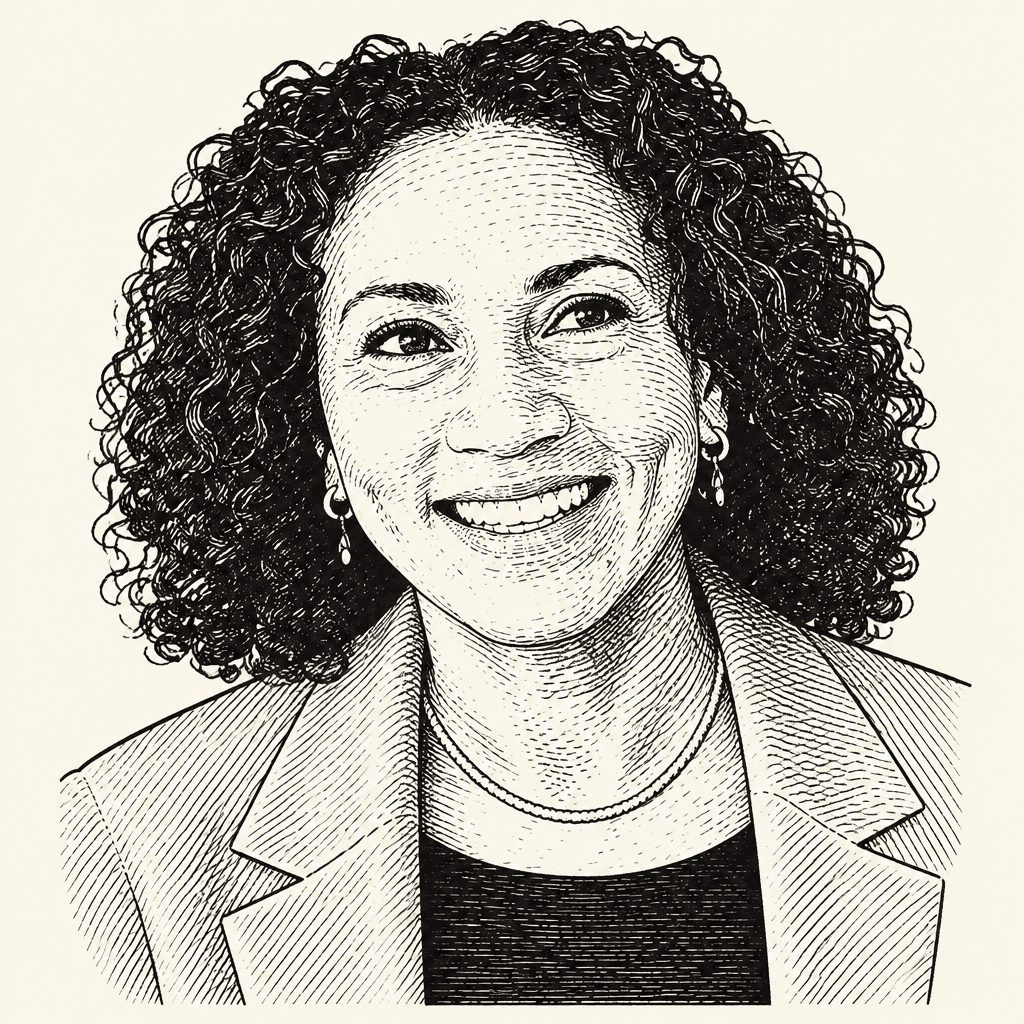
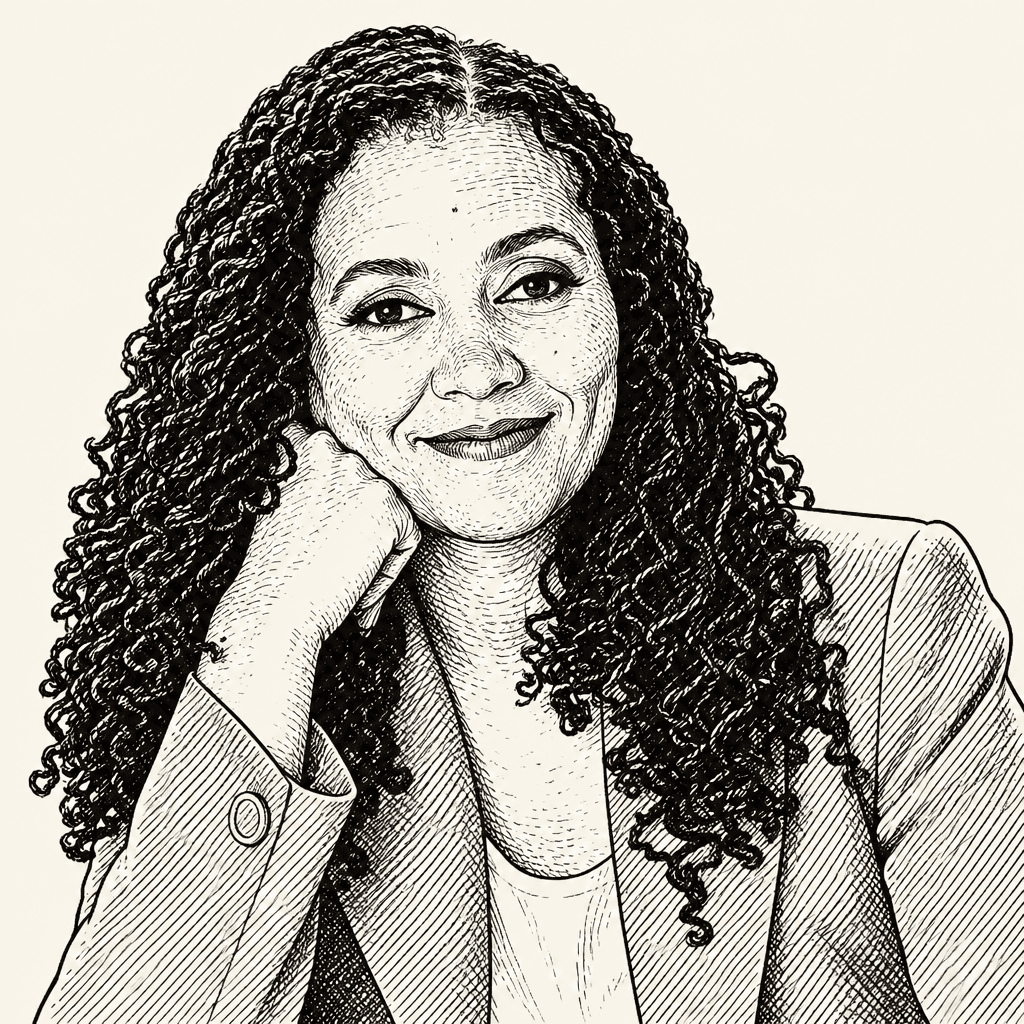
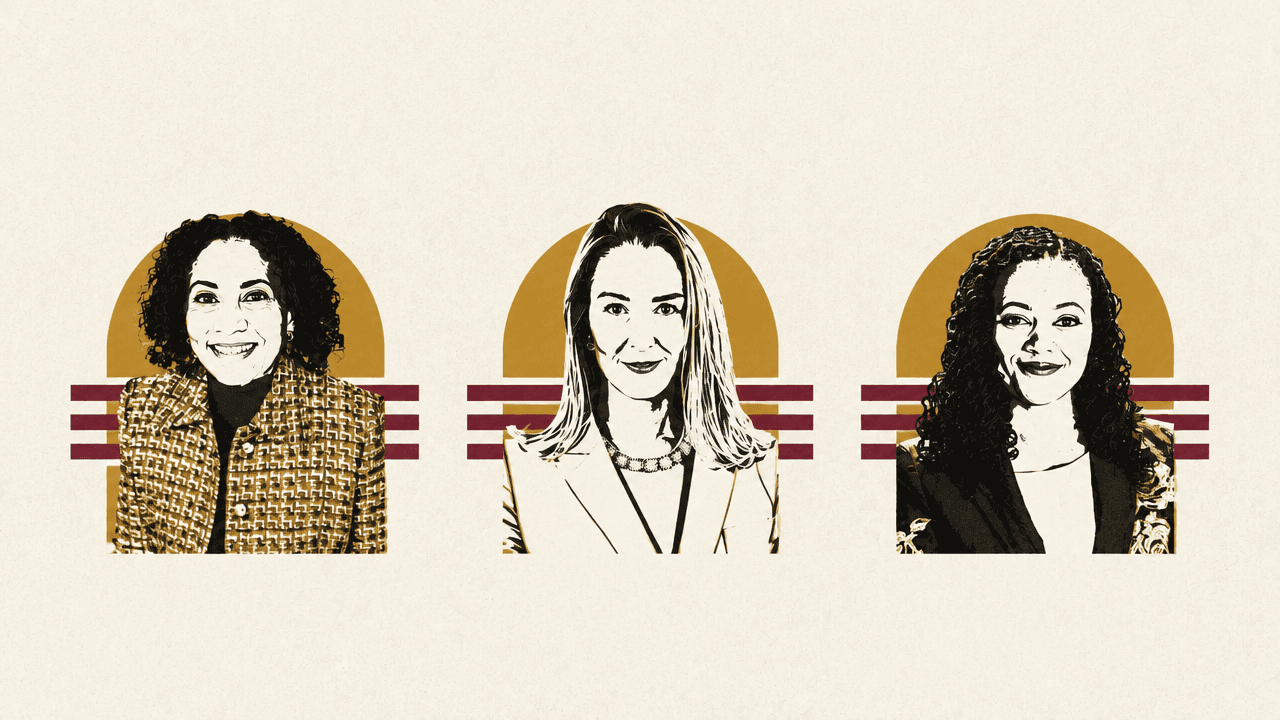
At the WIN Summit, venture investors Anna Mason of Ingeborg Investments and Miriam Rivera of Ulu Ventures argued that the small share of venture capital going to women founders reflects how capital is allocated, not a shortage of viable ideas. They said the gap begins upstream, with limited investment in women-led funds, and extends to the kinds of businesses and needs investors recognize as markets. Their case for investing in women also rests on the economic consequences: who receives capital shapes who can build companies, create wealth and remain in the workforce.
The 2% figure describes a capital pipeline, not a shortage of ideas
Miriam Rivera put the funding gap in the context of venture capital’s role in building companies. Only about 1% of U.S. companies ever have a chance to receive venture capital, she said, but venture backing is increasingly consequential: more than 70% of companies that go public now have it, compared with about 50% in the past.
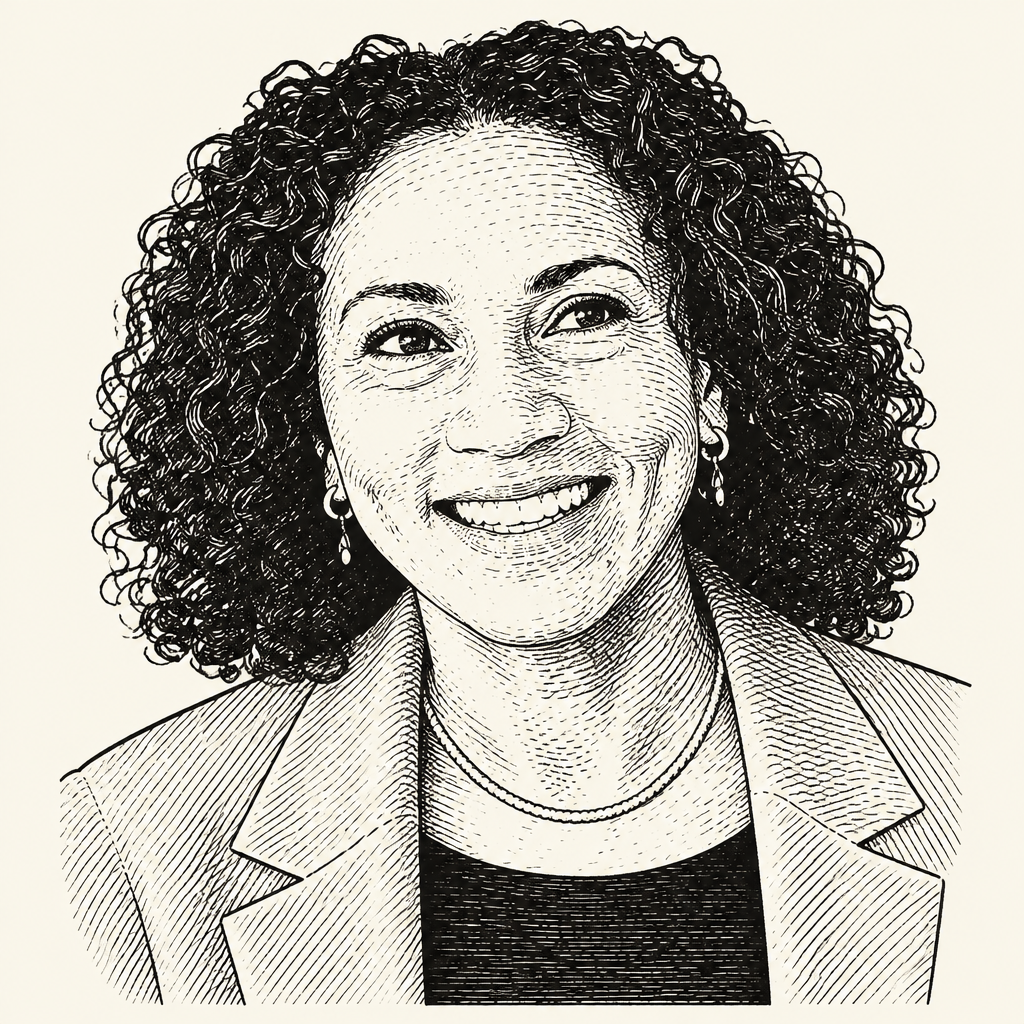
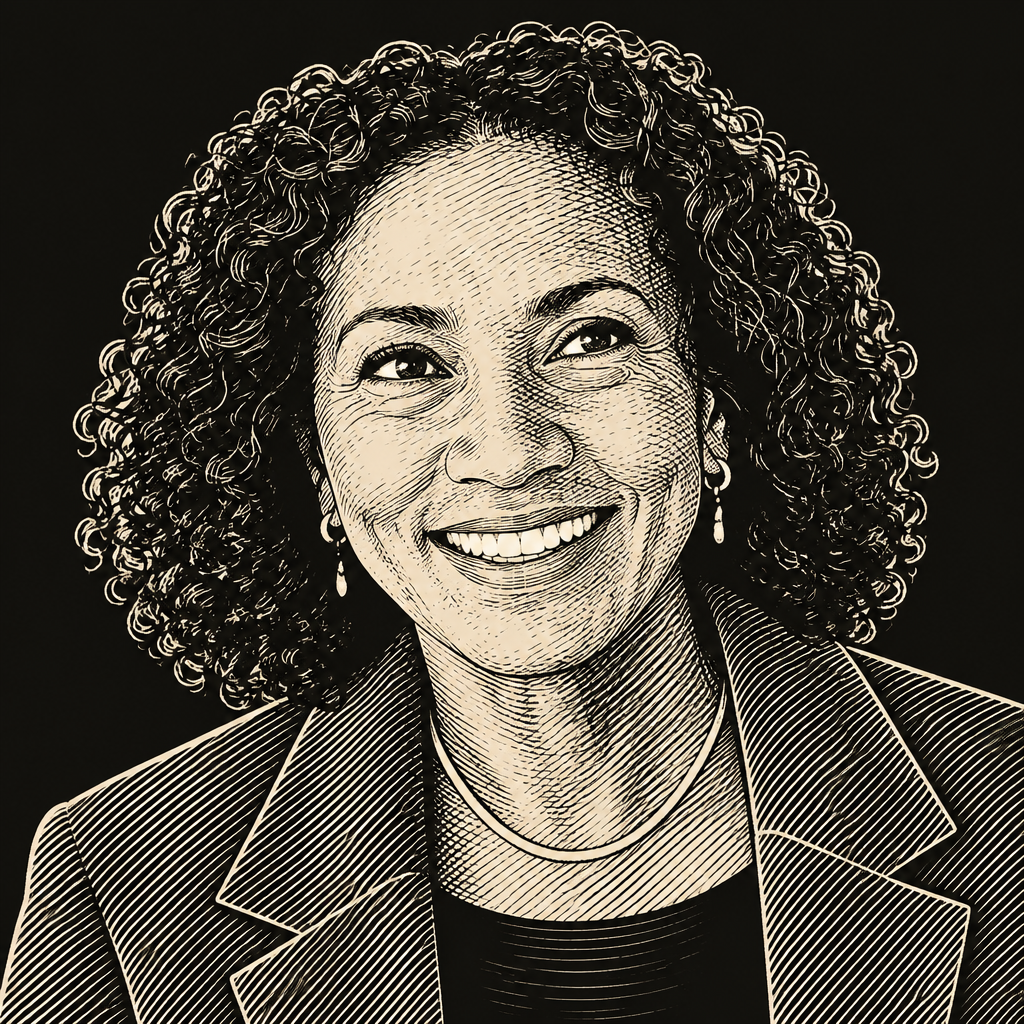
Against that backdrop, women founders receive about 2% of venture capital invested in founder-led companies. For mixed-gender founding teams, Rivera said, the share is closer to 11%. She contrasted those figures with women’s educational attainment: women have made up a larger share of college graduates for about 30 years, and more women hold advanced degrees. The mismatch, she argued, is not only about who gets to start a company. Venture capital is also a wealth-building opportunity for founders and for the people they hire. Rivera said women founders tend to hire more women and more diverse teams, and to share wealth more broadly.
Anna Mason challenged the familiar framing of the 2% statistic. In an era when $300 billion to $500 billion flows into the U.S. venture industry each year, she said, the persistent figure invites a different question: does anyone really think women have only 2% of the good ideas? Mason said the number has been repeated for roughly a decade without meaningfully changing, despite progress and new participants in the field. Her response is to treat the figure not as evidence about the quality of women’s ideas, but as a reason to change where capital goes.
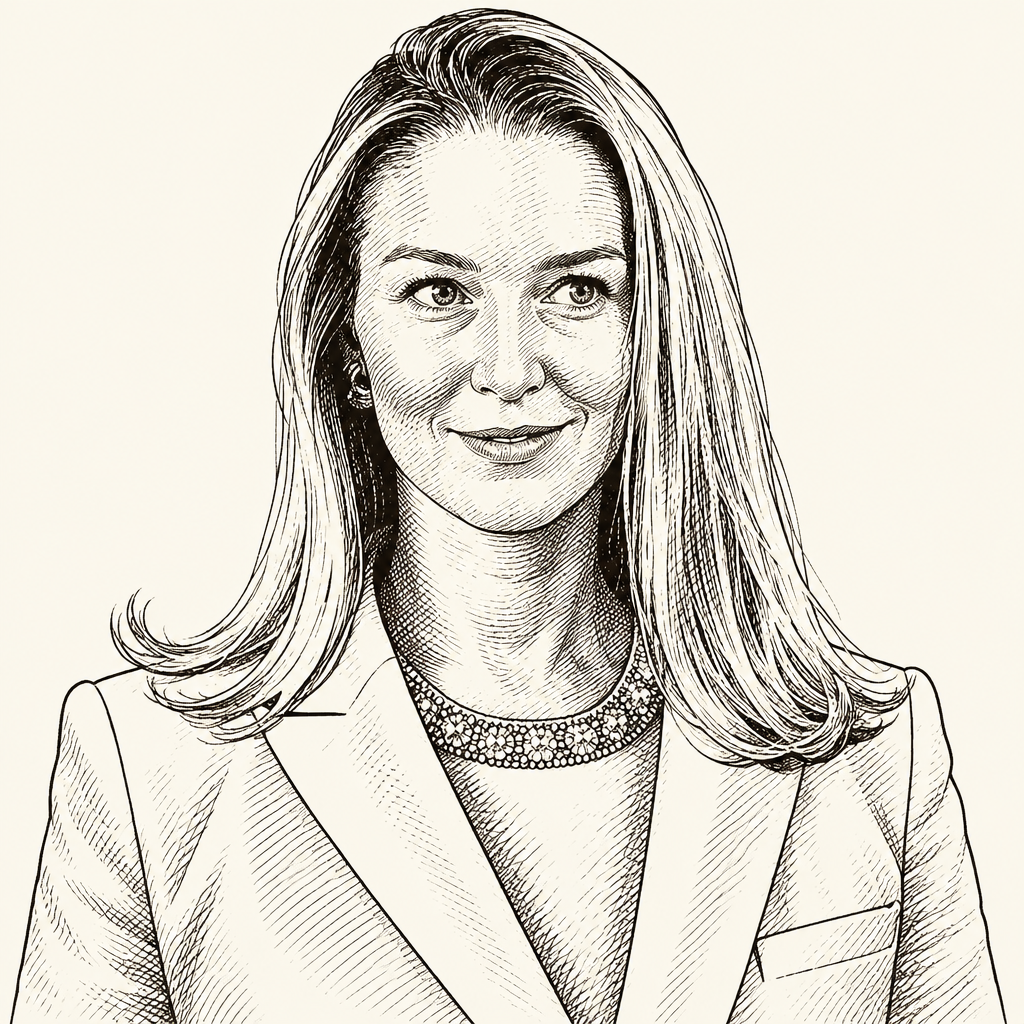
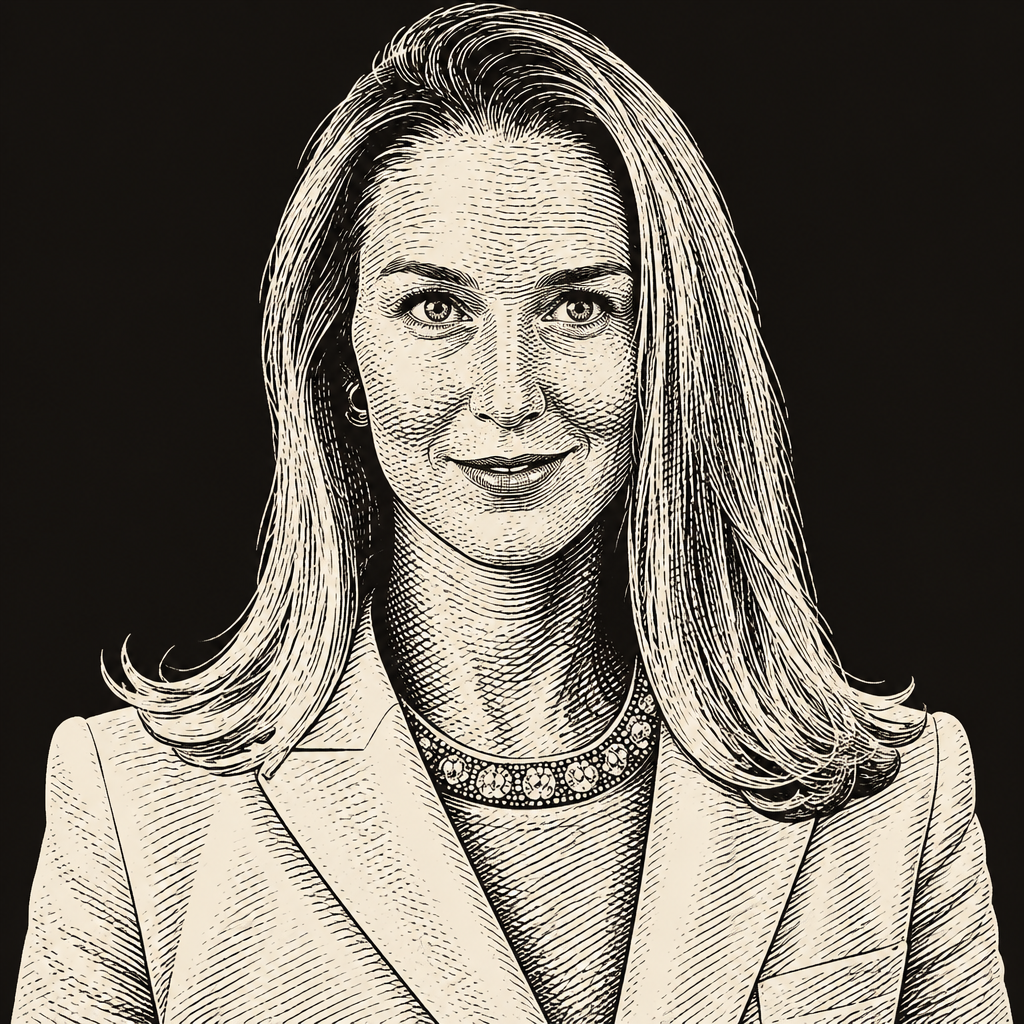
Her firm, Ingeborg Investments, invests in women founders and women fund managers. On the founder side, it looks for products, services, and technologies built with women in mind—often opportunities obscured by stigma, but capable of creating and capturing value. Ingeborg also invests as a limited partner in women-led venture funds. That is a different point of entry into the funding system: one approach puts capital into companies, while the other backs fund managers who make investment decisions. Mason described the fund investment as a complementary strategy, alongside direct investment in founders.
The distinction matters because the two forms of capital act through different decision-makers. A founder’s funding supports a company; capital committed to a fund gives its manager resources to invest across companies. Mason’s strategy aims to affect both who receives investment and which ideas get a chance to attract it. Rivera, meanwhile, described the broader purpose of Ulu Ventures as focusing on people who have not traditionally had access to capital, including women, people of color, LGBTQ people, and immigrants. Neither speaker suggested that changing one point in the funding chain alone would resolve the disparity; their examples locate the problem in both the allocation of investment and the range of people making those allocations.
Concentration higher up the pipeline narrows the path to founders
Miriam Rivera described the funding gap as a problem that begins before a startup approaches an investor. Some of the largest sources of U.S. capital, she said, are pensions for teachers and firefighters, along with other people whose work supports cities and communities. Yet, she said, about 98% of those dollars go to white male-led fund managers. In New York State, she cited a different imbalance: women and people of color account for about 60% of state pension dollars, while only about 10% is invested in diverse fund managers. Rivera characterized this as wealth moving away from the communities that helped supply it.
The figures describe two different stages: who contributes to a pool of capital, and which managers receive investment authority over it. Rivera’s point was that broad participation in the source of funds does not necessarily translate into broad representation among the managers allocating them. She said those managers are not necessarily investing in women entrepreneurs. In her account, where pension money is directed therefore matters not only for fund managers, but also for which founders may later encounter an investor.
Rivera said investment within venture capital is also becoming more concentrated. About 30 funds in the country, she estimated, control roughly three quarters of venture dollars, while most women-led funds have less than $100 million in assets under management. In the preceding six months, about half of invested dollars went into rounds of $100 million or more. Rivera said that left 12% of the dollars for everyone else seeking venture capital, including companies seeking backing from smaller and diverse-led funds.
Those numbers describe a constraint on the amount of capital available outside the largest rounds and funds. Rivera connected that constraint to how startup wealth is distributed: in a company’s early days, equity is divided among founders and employees. She argued that when the early team is less diverse, less of that wealth reaches communities that have less access to large capital flows. Entrepreneurship, in her account, can be one route into wealth creation; the pattern of investment affects who has the opportunity to take that route.
AI lowers the cost of starting, but makes founders’ self-presentation more important
Anna Mason sees AI as both a headwind and a tailwind for women founders. One headwind is that “the work will speak for itself” may carry less weight when it is no longer clear who produced the work. Mason said people may need to speak for their work instead, both in corporate settings and in fundraising. Founders already have to promote their companies to investors and customers; she said women can face a particular tension because speaking confidently about their work may be read as pushy or self-promotional. In her view, that makes visibility and self-advocacy more consequential, not less, in fundraising.
The countervailing change is the falling cost of creation. Mason said AI has compressed the marginal cost of making something toward zero, making it easier in many respects to start or launch a business. Historically, a founder could have a strong idea and relevant experience yet be blocked by lack of access to capital. If a company can begin with less money, she said, some founders may be able to enter the market before they have secured venture backing.
That possibility does not mean that access to venture funding has become equal, or that every business can be launched without significant capital. Mason’s narrower point was that a lower cost of getting started may let some founders bypass an initial capital barrier. In parallel, she sees a fundraising environment in which founders still have to make their case directly—and where women may face social costs for doing so. The two effects pull in different directions: it may become easier to put an idea into the world, while the work of persuading investors that it merits capital remains demanding.
A transfer of wealth matters only if women can direct it
Anna Mason cited estimates that women in the United States will control $30 trillion by 2030, up from just over $10 trillion today, as part of the coming transfer of wealth. She argued that the scale of the transfer makes it important to ask whether financial products and services are designed around women as customers—not simply whether women will hold more assets.
An investment Mason described illustrates the distinction between possessing an asset and having usable information about it. Ingeborg recently invested in Unvault, a startup that treats jewelry as a potential store of value tied to the spot price of gold. A customer can photograph a piece of jewelry and receive an estimated value in about 60 seconds, then choose whether to sell it or keep track of it as part of a portfolio. Mason said the service gives customers both access to information about an asset and agency over what to do with it.
She described financial control as involving both access and agency: what a person can reach or use, and what choices they can make. The example is not only about creating another way to value jewelry. It reflects Mason’s broader question about whether financial services are built with women’s circumstances and decisions in mind.
Miriam Rivera extended that point from investment products to household life. She said many women have had wealth—through work, inheritance, or divorce—without being empowered to make decisions about it. She recalled that several of her close friends had little agency over the money they brought into their families, despite having advanced degrees, MBAs, or legal training.
Rivera also described a recent newspaper account of a man meeting a wealth manager for the first time without bringing his wife, as though the couple’s shared financial life were not something she should have a say in. For Rivera, that kind of everyday assumption helps explain why financial knowledge alone is not enough. Women also need to learn the vocabulary of money, talk with their daughters about managing it, become more comfortable discussing prenuptial agreements, and speak plainly about how their money should be used and invested. She said she has seen women in their 50s and 60s struggle financially despite their education, and presented agency over money as a practical issue, not simply a matter of formal expertise.
Rivera linked household agency to the institutions that allocate capital. She said she serves on a foundation board, on the board of an impact fund, and as a venture capitalist because she believes it matters who gets access to money and what they do with it. She pointed to philanthropic and for-profit capital as connected ways to influence how resources are used. Mason’s distinction between access and agency thus applies at more than one level: women may need influence over household decisions, while women founders and fund managers need access to the capital that enables businesses and investment funds to act.
Stigmatized needs can become consequential markets
Anna Mason argued that some of the strongest opportunities in a women-first economy sit in categories long treated as embarrassing or unimportant. She pointed to menopause, infant feeding, and sexual health as areas where stigma has constrained attention and investment. In her view, meaningful change begins when the conversation about a need shifts, before capital begins flowing into products and services addressing it.
Maternal mental health is one area she is watching. Mason described it as a workforce and economic issue as well as a moral and community concern. The 12 months after childbirth, she said, could become the focus of businesses delivering care through mental health services, research into changes in the brain during pregnancy, and diagnostics that might help identify people more likely to develop maternal mental health problems. She presented the field as complex, with potential openings across care and technology rather than a single product category.
Miriam Rivera described similar investment possibilities around menopause and the workplace. She referred to a study involving the University of Chicago, Stanford, and a consortium that examined Sweden. Rivera said the researchers found that women were leaving the workforce and retiring earlier than men, and attributed a large part of that earlier retirement to lack of access to hormone-replacement therapy after perimenopause and menopause. She noted that organized childcare and eldercare also support women’s workforce participation in some countries, while many women in the United States provide care without pay.
Rivera said the study included a national intervention that shifted the situation so women could continue contributing to the economy. She also described access to treatment as a constraint in the United States: estrogen patches can be difficult to obtain, she said, because they are not produced in sufficient quantities. On Alzheimer’s disease, she referred to studies at Stanford and raised a possible connection with hormone-replacement therapy, saying that research may point to ways of slowing the number and rate of people developing the disease. She presented this as a possibility suggested by research, not as a settled finding.
Together, the examples show the kinds of needs the speakers believe have been overlooked: care during the postpartum period, access to menopause-related treatment, and the practical supports that allow people to remain in paid work. Mason emphasized the potential to build businesses around services, research, and diagnostics; Rivera pointed to treatment availability and workforce participation. Their claims make the investment case depend on recognizing a need and developing ways to address it, while leaving the specific commercial opportunities varied across health and care.
Care infrastructure is also a market for technology
Miriam Rivera suggested that the investment case is not limited to health products. It also includes services that reduce the daily coordination burdens that can push women out of paid work. She cited Zum, a child-transportation company that began by addressing after-school care and transportation and now serves millions of people across the United States.
Rivera said about 11% of mothers have lost jobs because they had to provide transportation when a school bus did not arrive on time. She described the problem as especially consequential for working-class women. Zum’s on-time performance, she said, is 98%, and she pointed to AI among the technologies helping address the problem. More reliable transport, in turn, means less stress for children and parents getting to school.
The example broadens the idea of a women-first economy beyond products marketed specifically to women. Rivera pointed to women’s expertise in coordinating families and business interests as a source of insight into needs that affect millions of households. In this case, the need is not simply transportation: it is the disruption that unreliable transportation can create for parents’ work and children’s journeys to school. Rivera’s example connects a service designed around that practical problem with an outcome she described as beneficial to families and schools.