Public Health Preparedness Must Address Pathogens, Markets, and Organized Distrust
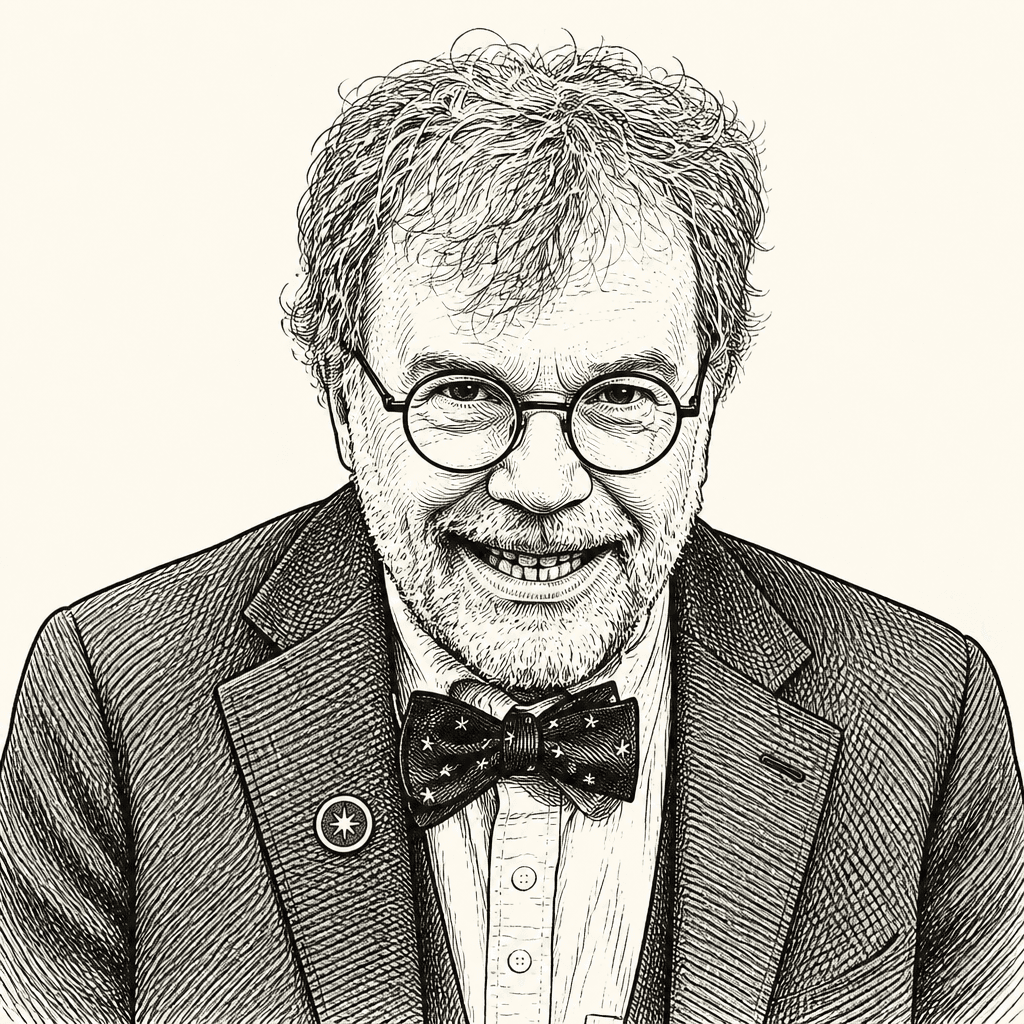
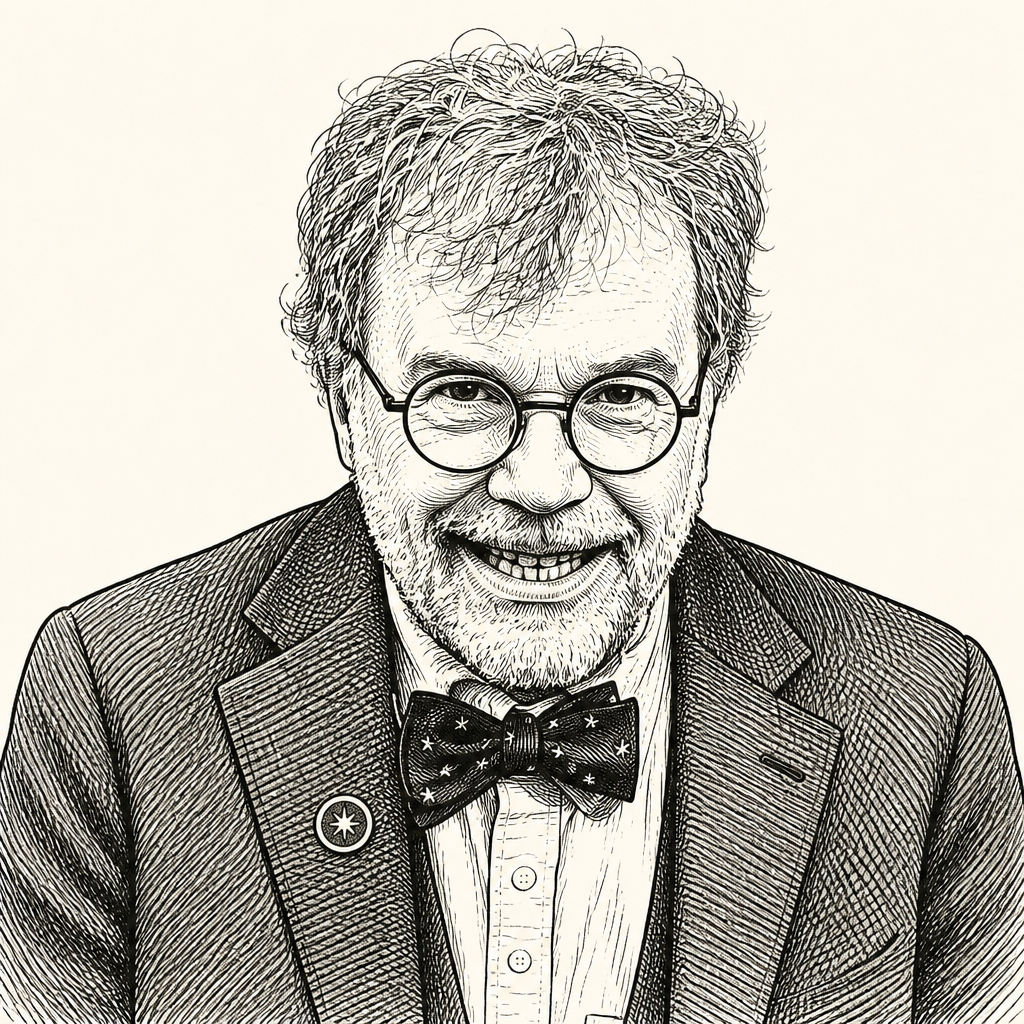
Peter Hotez, dean of Baylor College of Medicine’s National School of Tropical Medicine, argues that public health is being weakened at every stage: climate and urbanization increase the chance of disease emergence, market failures leave vaccines without routes to the populations that need them, and organized political and commercial campaigns erode uptake where outbreaks can spread. His case for preparedness centers on earlier pathogen surveillance, vaccine production models built for low-income markets, and stronger institutional resistance to what he describes as a monetized anti-vaccine ecosystem.

Preparedness begins before the next outbreak has a name
Peter Hotez treats the recurring sequence of outbreaks since 2002 as a structural public-health condition, not a succession of isolated emergencies. He starts with SARS, then points to H1N1 influenza, MERS, Ebola, Zika, a second major Ebola outbreak, COVID-19, and H5N1. Behind those widely recognized events, he sees a quieter expansion of mosquito- and tick-borne disease in the U.S. Gulf Coast and Southern Europe: dengue, chikungunya, Zika, malaria, leishmaniasis, and hookworm among them.
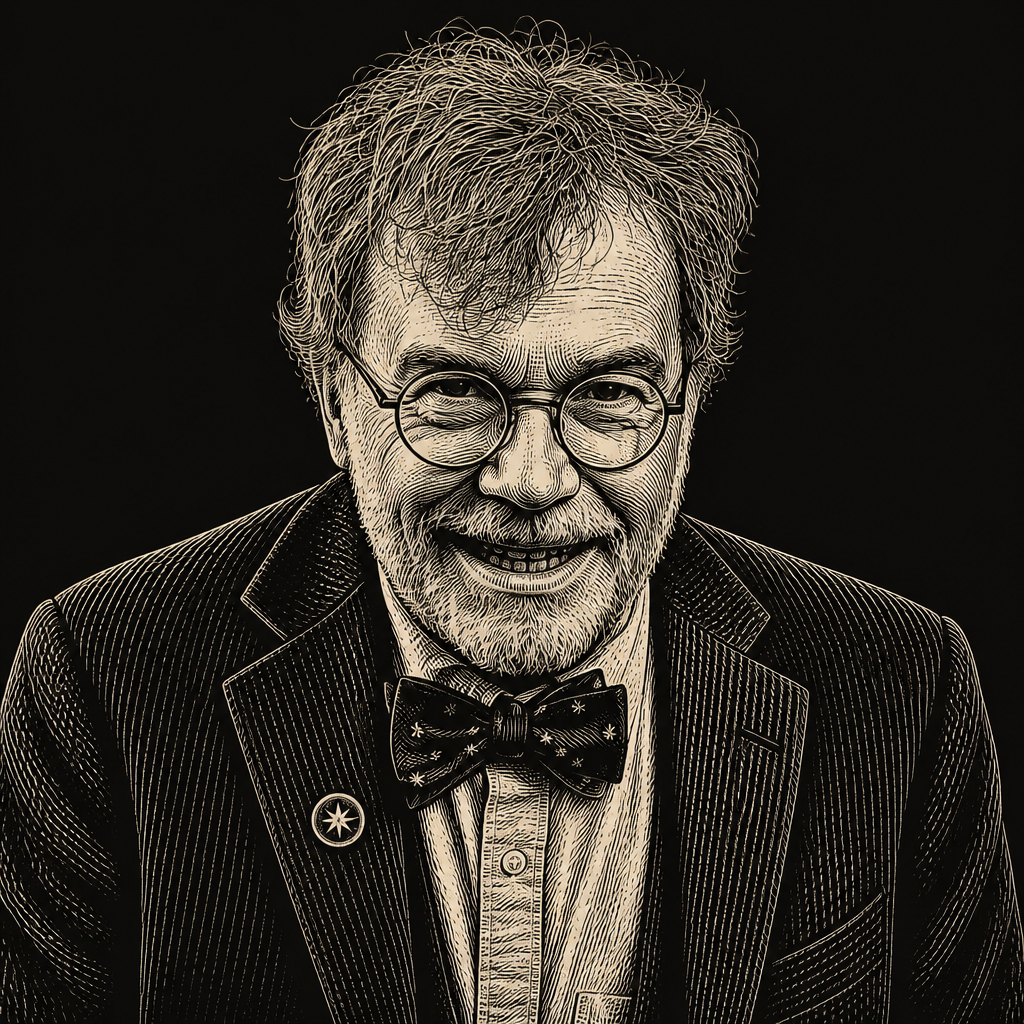
Climate is one part of the explanation. Warmer conditions, Hotez contends, favor vectors such as mosquitoes and ticks; altered temperature and rainfall patterns can also shift bat habitats, bringing reservoirs of coronaviruses and filoviruses closer to people. In Houston, he has watched mosquito season extend from roughly February through the end of the year. The older field name for tropical medicine—“diseases of warm climates”—now seems newly relevant to him.
The temperature chart Hotez displayed, derived from IPCC material and labeled the “hockey stick,” supplied the backdrop for this argument: a long historical period of comparatively stable temperatures followed by a sharp recent rise. His claim is not that warming alone explains every outbreak. It is that climate changes the ecological conditions in which vectors and animal reservoirs thrive.
But climate alone does not explain the risk. The other half is a change in where people live. Urban population growth is concentrating in very large cities, especially in lower- and middle-income countries. Hotez’s concern is the combination: dense, expanding populations in hot cities, with more extensive vector habitat and more opportunities for contact between people, bats, and other animal reservoirs.
Texas supplies the local case study. More than 20 million of the state’s 30 million residents live in the Houston–Dallas–Fort Worth–San Antonio–Austin corridor he calls the Texas Triangle. It is a rapidly growing, hot, highly urbanized region; for Hotez, those conditions make it a health-security challenge rather than merely a demographic fact.
The response he proposes is early detection designed for uncertainty. Houston’s 2003–04 dengue outbreak, he notes, was missed because patients with fever, rash, and headache were not recognized as possible tropical-disease cases. Clinicians had not been trained to expect dengue locally. The Texas Virosphere Project is meant to reverse that sequence: identify what is circulating first, then alert clinicians before a new disease is mistaken for an unexplained cluster of routine symptoms.
| Surveillance input | Role in the Texas Virosphere Project |
|---|---|
| Vector metagenomics | Sequence mosquitoes, ticks, fleas, and triatomine kissing bugs to identify associated viruses, including unexpected ones. |
| Wastewater testing | Detect viral genomes in community wastewater and potentially anticipate infection waves. |
| Hospital and clinic data | Connect surveillance findings with clinical patterns in a region. |
| Climate modeling and forecasting | Identify ecological conditions associated with disease emergence. |
The distinction between conventional testing and metagenomics matters. PCR generally requires scientists to know what pathogen they seek and to design primers for it. Metagenomic sequencing is “agnostic,” in Hotez’s description: a mosquito or tick sample yields not only the vector’s genetic material but viruses associated with it, including viruses that had not previously been suspected. The intended result is geographically specific intelligence—what may be circulating in a county or district—rather than retrospective recognition after cases accumulate.
That surveillance agenda also shapes Hotez’s view of COVID’s origins. Asked whether a laboratory origin rather than wildlife spillover would have changed the clinical response, he said he did not know. He nonetheless considers zoonotic emergence in the Wuhan wet markets the better-supported explanation, citing what he described as multiple published papers in leading journals and the absence of a peer-reviewed paper establishing a gain-of-function or laboratory-leak origin. Two papers he invoked locate early SARS-CoV-2 cases and viral diversity around the Huanan market.††
He does not treat that conclusion as a reason to dismiss concerns about Chinese transparency. His larger point is that origin debates should not eclipse the recurring risk of coronavirus spillover. He cited an estimate of 60,000 bat-to-human coronavirus spillovers a year, with only occasional events acquiring pandemic potential. In the same answer, he warned that active U.S. and nongovernmental surveillance had been curtailed and that the World Health Organization lacked resources for the monitoring he believes is needed.
For Hotez, another SARS-like event is not a remote hypothetical. It is the operational premise behind surveillance that can find a pathogen before an overwhelmed clinic does.
A vaccine can work and still have no route to the people who need it
The hard problem begins after a vaccine works. A successful trial still leaves manufacturing scale, regulatory pathways, procurement commitments, and distribution—and those systems can fail most completely for diseases concentrated among poor populations.
Peter Hotez frames much of his vaccine work as an answer to that market failure. Major manufacturers can profitably develop vaccines sold in wealthier countries and, through arrangements involving Gavi and other institutions, provide them at reduced cost elsewhere. He credits that structure with sharp reductions in deaths from measles and declines in illnesses including pertussis, Hib meningitis, and polio.
The gap appears when the disease burden is concentrated among poor populations and the commercial market is thin. Hookworm anemia is Hotez’s clearest example. A company can recognize its medical value without seeing a plausible financial return in North America or Europe. His Texas Children’s Center for Vaccine Development was established to work on vaccines that fall into that gap, including candidates for hookworm, schistosomiasis, Chagas disease, malaria, and coronaviruses.
Hookworms attach to the intestinal wall, feed on blood, and contribute to anemia by consuming hemoglobin. Hotez’s group studied the molecular processes that allow that feeding and turned components of that machinery into vaccine targets. The proposed mechanism is unusual: vaccine-induced antibodies are taken in by the parasite and interfere with its ability to feed, “almost like a Trojan horse,” as he puts it.
He reported that a Phase 2 human proof-of-concept trial produced nearly 100% protection. The scientific result does not resolve the central problem. It shifts the problem to manufacturing, procurement, and distribution: finding a producer able to scale the vaccine and a purchaser willing to commit to demand.
COVID had advance-purchase commitments because governments recognized an emergency and were prepared to buy hundreds of millions of doses. Hookworm anemia does not carry the same political urgency, even after a vaccine has been de-risked. That is why Hotez tells some students interested in global health to consider business or law alongside medicine and biomedical science. In his view, the unmet need is often not another laboratory discovery but the financial and legal machinery needed to turn an effective product into a supplied one.
His manufacturing model relies on recombinant-protein technology already used by members of the Developing Countries Vaccine Manufacturers Network. Yeast are genetically engineered to produce a target protein, then grown through microbial fermentation in large tanks. Hotez describes the process as robust, inexpensive, scalable, and free of animal or human cells and proteins.
His team and longtime collaborator Maria Elena Bottazzi develop prototype processes in Texas, create production cell banks, and transfer them to manufacturers that can perform large-scale fermentation. The local manufacturer then takes responsibility for scale-up, clinical trials, approval, and distribution in its own market. The model is deliberately structured around production capacity outside the large multinational pharmaceutical companies.
That approach became consequential when SARS-CoV-2 emerged. Hotez’s group had been working on coronavirus vaccines for roughly 15 years before the pandemic; once the sequence became available in January 2020, it pivoted toward COVID-19. The resulting technology was licensed to manufacturers in India, Indonesia, Bangladesh, and Botswana without patents or conditions, he said.
India’s Biological E named its version Corbevax. Hotez reported that the technology reached 75 million adolescents in India and another 25 million adults as a booster.
Indonesia produced a second illustration of why manufacturing details can matter beyond cost. Officials reviewed batch records and reagent sources, concluded that the process used no animal or human ingredients, and secured halal designation for IndoVac. A technology chosen for accessible production became, in a Muslim-majority country, a vaccine with a distinct religiously relevant attribute.
Hotez places this work alongside, rather than against, the mRNA vaccines used widely in the United States. He cited estimates by Alison Galvani and Meagan Fitzpatrick that U.S. COVID vaccination saved roughly 3.2 million lives and prevented 18 million hospitalizations.† But he also sees the early rollout as evidence of the limits of a system dependent on scarce new technologies. Wealthier countries purchased initial supplies, while many countries in Africa, South Asia, and Indonesia faced much lower vaccination rates.
His group could not move its recombinant-protein vaccine through U.S. trials at the pace required, he said, because it lacked Operation Warp Speed support. Hotez recalls receiving messages from military commanders who believed some personnel might accept his protein-based vaccine but would not take an mRNA vaccine. He continued advocating for Americans to receive available mRNA vaccines anyway. The frustration was not that one platform had displaced another; it was that a potentially useful alternative lacked a funded route to domestic deployment.
Distrust is organized, and it has operational consequences
Vaccines can be available, affordable, and effective while communities still decline them. That, Peter Hotez argues, is the point at which scientific capacity becomes public-health failure.
The World Health Organization material he presented showed global childhood immunization stalling in 2023. Measles has returned in the United States, he warns, and pertussis may be the next disease to follow. His central objection is to describing this only as “misinformation” or an “infodemic.” Those terms make the problem sound like random online error. Hotez instead describes an organized ecosystem with political and financial incentives.
His model has three overlapping layers: vaccine-autism claims, the political language of health or medical freedom, and a wellness-influencer economy that can monetize distrust.
The first layer began, in his account, with the 1998 Wakefield paper linking MMR vaccination to autism. That paper was later retracted, but Hotez sees its legacy in a succession of changing claims: MMR, thimerosal, vaccine spacing, aluminum, HPV vaccination, and eventually the deliberately broad category of “chronic illness.” The pattern is what he calls moving goalposts. When a specific claim is investigated and does not hold up, the alleged mechanism changes.
His involvement was personal as well as professional. Hotez is a vaccine scientist and pediatrician, and his adult daughter Rachel has autism and intellectual disabilities. He recounts being asked by Anthony Fauci and Francis Collins to discuss vaccine-autism claims with Robert F. Kennedy Jr., with Tim Shriver also participating. Kennedy, Hotez says, was already deeply committed to the belief that vaccines caused autism. Hotez began collecting and sending biomedical literature in response to those claims, then turned that body of work into Vaccines Did Not Cause Rachel’s Autism.
His account of autism rejects the narrative of a previously well child suddenly becoming autistic in the second year of life because of vaccination. Autism, he says, begins in early fetal brain development and involves many genes associated with neuronal communication, synapses, gene regulation, and neuronal structure. Large-scale exome-sequencing work has identified numerous autism-risk genes expressed early in cortical development.†
That does not mean environment is irrelevant, Hotez emphasizes. If environmental exposures contribute, he believes they must be examined as interactions with autism-associated genes early in pregnancy. He names valproic acid, also known as Depakote or valproate, as a known example of an exposure contraindicated in pregnancy because it can interact with autism-related biology and produce an autism phenotype.
He also resists treating higher reported autism prevalence as straightforward proof of a new epidemic. Universal developmental screening, broader diagnostic criteria, improved recognition in girls and women, greater access to services, and more diagnosis among minority populations all affect prevalence estimates, he says. Earlier categories—autism, Asperger’s syndrome, and two pervasive developmental disorder categories—were later consolidated under autism spectrum disorder. A genuine increase remains possible, in his view, but he criticizes the focus on vaccines and acetaminophen as a diversion from fetal exposures and genetic mechanisms.
The health-freedom layer emerged as vaccine opposition became more explicitly political. Hotez traces a turning point to California’s response to its 2014–15 measles outbreak. The state restricted school vaccine exemptions; he supported the move and believes it addressed California’s measles problem. But he also sees it as catalyzing a backlash that grew particularly strong in Texas, where anti-vaccine groups received political-action-committee support, backed candidates, and advanced legislation.
| School year | Texas nonmedical vaccine exemptions |
|---|---|
| 2003–04 | 2,314 |
| 2010–11 | 22,910 |
| 2015–16 | 44,716 |
| 2020–21 | 91,028 |
| 2022–23 | 100,828 |
The chart Hotez displayed showed a 4,223% increase across the full period, from 2,314 nonmedical exemptions in 2003–04 to 100,828 in 2022–23. He adds that Texas lacks comparable visibility into the vaccination status of homeschooled children, making that population a surveillance blind spot.
COVID turned those trends into what Hotez calls the “Great Texas COVID Tragedy.” Reviewing 95,000 Texas COVID deaths through 2022, he concluded that nearly as many occurred after vaccines were freely available as before. Hotez estimates that at least 40,000 were needless deaths because Texans refused COVID vaccination.
He describes a geographical divide: relatively stronger uptake in large urban areas and along the Mexican border, and weaker uptake in rural and conservative parts of West Texas, the Panhandle, and East Texas. He distinguishes objections to vaccine mandates, which he considers debatable, from claims that vaccines are unsafe or ineffective. His criticism of Fox News hosts, Joe Rogan, Murdoch-owned media outlets, and the Wall Street Journal opinion section belongs to the latter category. In the question period, he said the newspaper’s news reporters were generally strong while its opinion section repeatedly promoted what he regarded as false COVID claims, including predictions of herd immunity by April 2021.
The third layer is the wellness-influencer industry. Hotez characterizes it as a commercial system in which cheap products or drugs can be bought in bulk, relabeled, promoted as alternatives to conventional medicine, and sold alongside expensive telehealth consultations. His discussion of ivermectin, hydroxychloroquine, fenbendazole, “spike detox” products, and proposed measles alternatives such as vitamin A, budesonide, and clarithromycin is an argument about incentives: distrust is not only cultivated politically, he contends, but monetized.
Outbreak risk is concentrated in the places averages conceal
Statewide and national vaccination rates are blunt instruments, Hotez argues. They can conceal the local clusters where coverage is low enough for infection to spread.
Peter Hotez calls these areas “vaccine pockets.” He says they once appeared mainly among smaller, insulated communities but now extend across multiple counties. That geographical concentration matters because vaccination does not operate solely as an individual choice in his account. Once local coverage drops below the threshold needed to suppress transmission—especially for measles—the force of infection rises and chains of transmission can take hold.
He reads the Great Plains measles epidemic through that lens. It began in West Texas and the Panhandle before extending into Oklahoma and Kansas, regions he associates with low COVID-vaccination uptake and persistent vaccine distrust. The implication is not that a single COVID decision caused a later measles outbreak. It is that the same social and political conditions can shape uptake across diseases, leaving the same regions vulnerable when different pathogens arrive.
The practical consequence reaches beyond people who decline vaccines for themselves. Hotez told an audience member expecting a grandchild that maternal antibodies begin waning at about six months. In settings without measles transmission, a child can generally wait until one year old for a first measles vaccination. If transmission continues, he said, policy may need to move toward an earlier dose at six months, followed by revaccination at one year and another subsequent dose because the early dose does not always take as reliably. He also suggested that more adults may need MMR boosters.
Hotez places threats directed at scientists within the same wider problem. He showed conspiracy material and threats sent to him after his public vaccine advocacy, including messages threatening violence. His collaboration with climate scientist Michael Mann on Science Under Siege grew from their recognition that climate researchers and vaccine scientists could be targeted by overlapping networks of actors and tactics.
The institutional response, he believes, has been inadequate. Asked who would defend Fauci and whether scientific organizations might act collectively, Hotez said universities, scientific organizations, and national academies had not offered the support he thinks is necessary. They have been “hunkering down,” he said.
His political interpretation goes further. Drawing on Abraham Flexner’s 1910 campaign against what were then called sectarian medical schools, Hotez argues that modern wellness products, supplements, unproven peptides, influencer marketing, and publications styled as journals could form a new parallel system of medicine. He characterizes attacks on NIH, biomedical journals, and vaccine policy as part of that project, and describes MAHA as an economic stimulus plan for the wellness and influencer industry.
The underlying constraint is institutional as much as technical. Surveillance can identify a virus. Low-cost production can make a vaccine available. Neither step protects a community if coverage collapses in the places where a pathogen can spread.