Youth Sports Safety Reform Needs National Standards and Dedicated Funding
 Tom FarreySeth Lieberman
 Benita Fitzgerald-MosleyThe Aspen InstituteWednesday, May 20, 202610 min read
At Project Play Summit 2026, Benita Fitzgerald-Mosley of the U.S. Center for SafeSport and Seth Lieberman of Ankored argued that youth sports safety has become a governance problem as much as a cultural one. Parents increasingly expect background checks, abuse-prevention training and injury safeguards, but the speakers said today’s system is fragmented, underfunded and outside SafeSport’s reach for much of grassroots sport. The reform case is for common standards, portable credentials, dedicated funding and a stronger central safety infrastructure by 2028.
Parents expect a safety floor that much of youth sports does not yet have
At Project Play Summit 2026, the safety problem was framed less as a lack of concern than as a gap between what parents want and what the youth sports system currently requires. Tom Farrey said Aspen surveys of sports parents show that nine out of ten want coaches to pass criminal background checks. He said parents also want coaches trained in abuse prevention and injury prevention. In Farrey’s formulation, they want assurance that a child will enter a sport setting and come out with “their bodies and their minds and their soul intact.”
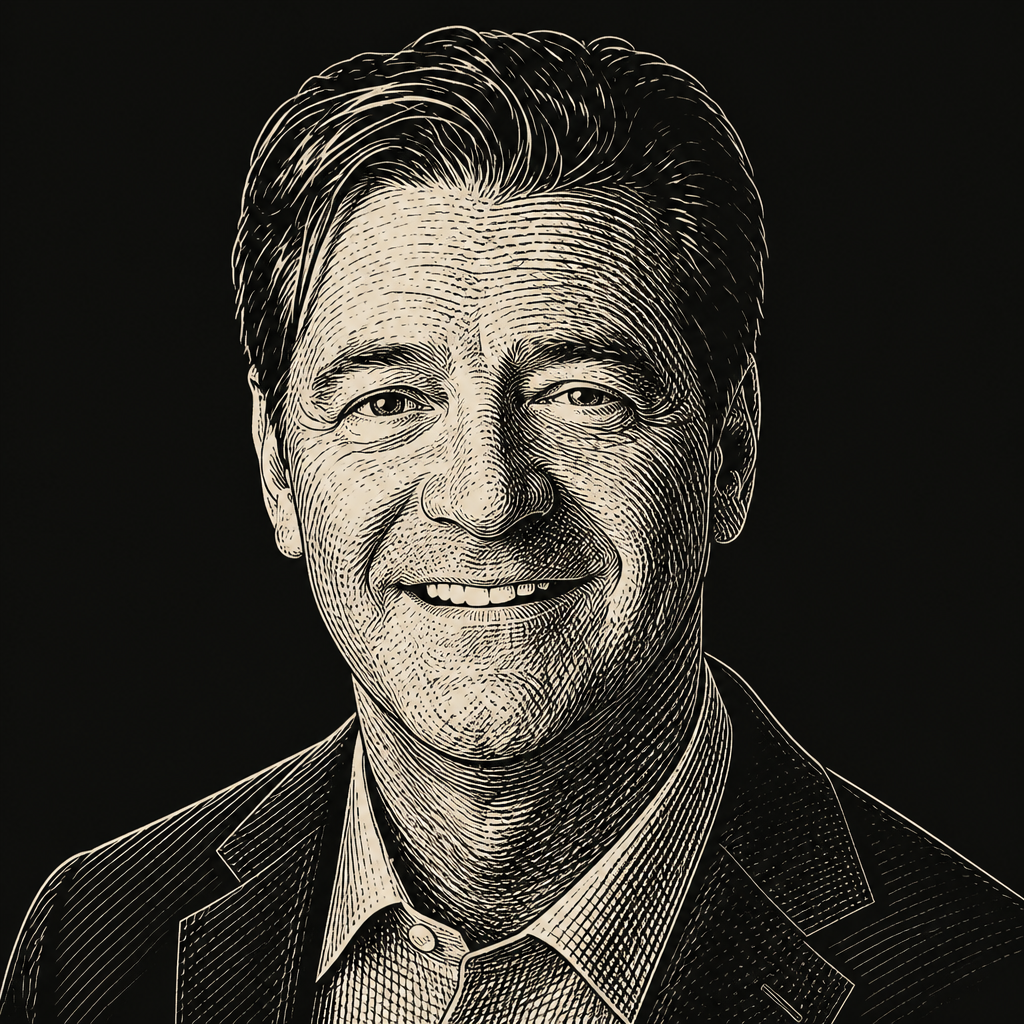
The current system does not guarantee that floor across youth sports. Farrey said SafeSport’s framework was built around the U.S. Olympic and Paralympic Committee, national governing bodies, and affiliated members, and he estimated that this may cover only 10% to 20% of the youth sports ecosystem at most. Much of grassroots sport, he said, does not currently have to register with SafeSport, does not have to submit coaches to background checks through it, and does not have to use its abuse-prevention training.
For Benita Fitzgerald-Mosley, the case for a broader safety agenda starts with the premise that safety is the condition that makes sport’s other benefits possible. SafeSport had been operating for nine years as of March and is entering its tenth year. The United States, she said, was the first country to create an institution of its kind, with Canada, Australia, the United Kingdom, and others following. In her account, the organization has “moved the needle” on safety, especially within the Olympic and Paralympic movement, but has not yet solved the broader cultural problem.
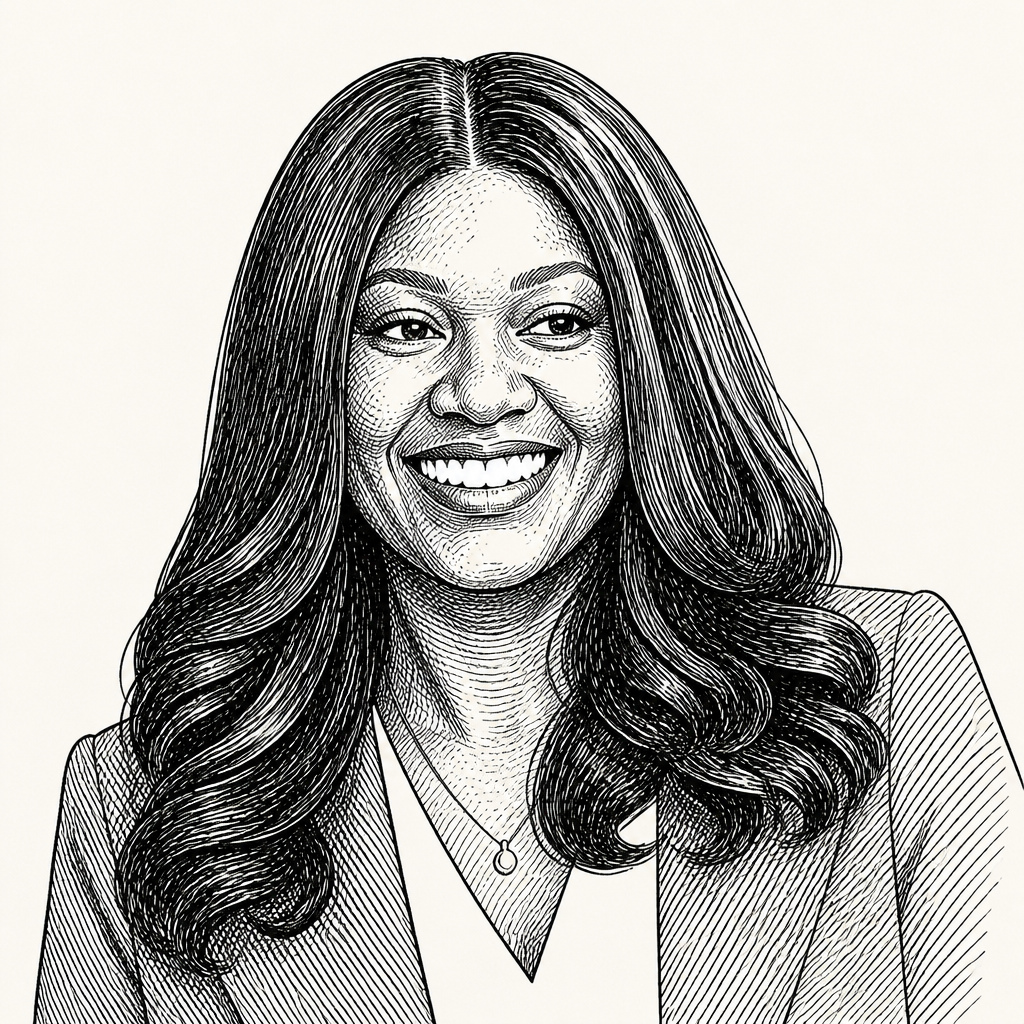
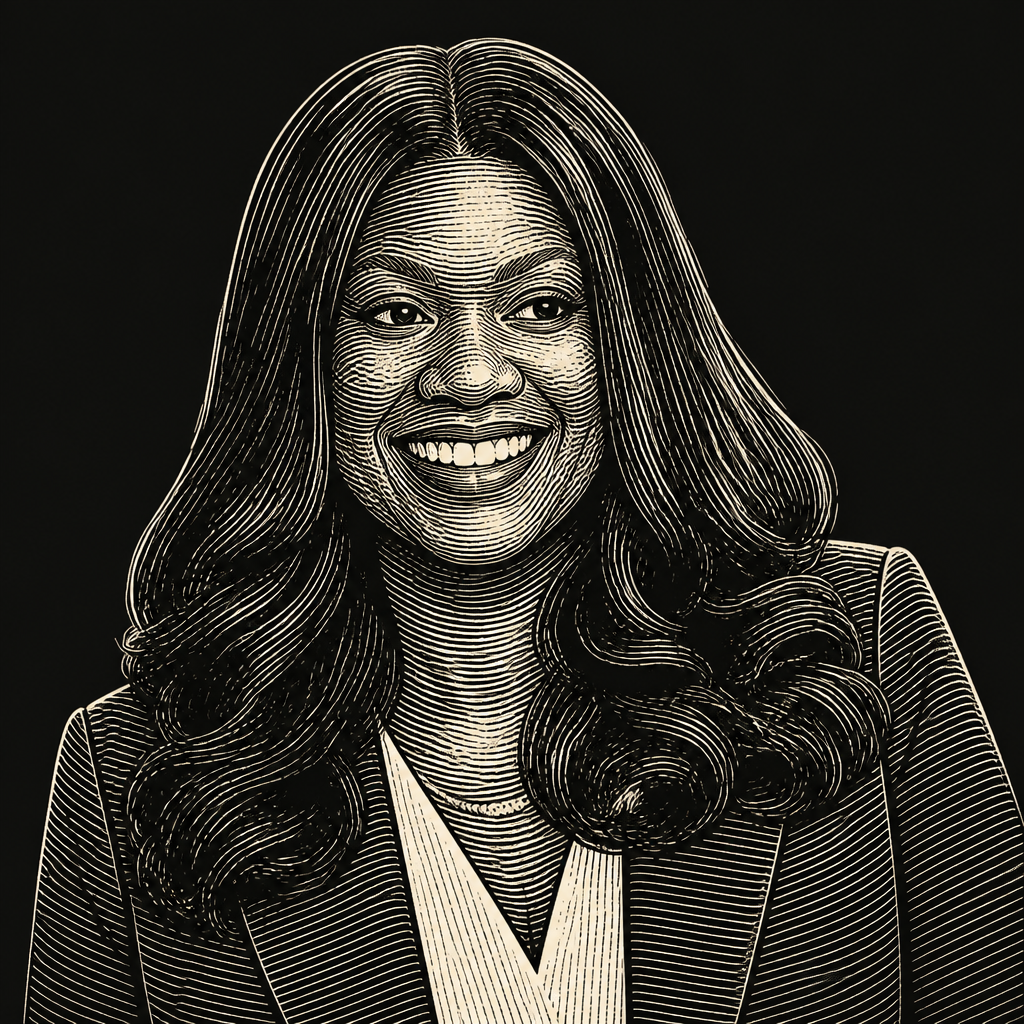
Fitzgerald-Mosley described her new role as “the biggest challenge” of her career, beyond winning Olympic gold in the 100-meter hurdles. She framed the job as a continuation of work she has done as an athlete, executive, parent, and organizational leader. But the biography matters mainly because of the standard she attaches to the work: athletes cannot pursue a personal best in sport or life if the environment is not safe enough to support them.
SafeSport’s new CEO invoked Maslow’s hierarchy of needs to make the point concrete. Safety and security are the base. Without them, participation cannot reliably produce the benefits youth sports advocates claim for it.
Without that foundation, athletes and kids and young people participating in sport cannot reap the benefits of sport participation that we all know to be true.
The gap between the expectations Farrey described and SafeSport’s present jurisdiction turns the safety debate into a governance debate. Fitzgerald-Mosley said there is “absolutely” a role for the center in the broader youth sports ecosystem, but her early actions suggest that role would require institutional redesign, not just public messaging.
Before officially starting, she contacted Proteus International, an organization she said she had worked with for years on vision and strategy. SafeSport then conducted both an internal cultural audit and an external stakeholder audit. Internally, the question was how to support SafeSport’s own staff. Fitzgerald-Mosley said the center has 150 employees who believe in the mission and have significant expertise, but she described SafeSport as an organization still maturing after spending its early years “standing the thing up.”
Externally, the center surveyed stakeholders, received 1,100 responses, ran focus groups, and conducted individual interviews. The executive team used that input to develop a strategic plan running through 2028. Fitzgerald-Mosley said she wants SafeSport not only to move the needle, but to address concerns and reduce “friction in the system.” That word became the hinge between public oversight, technology platforms, volunteer capacity, and the practical limits of youth sports organizations.
Fragmented rules make safety hard to deliver consistently
Seth Lieberman described Ankored as a mission-driven safety platform built to help organizations protect children and manage risk. His account of the market was not that youth sports providers reject safety. It was that the safety landscape is too fragmented for consistent execution.
There is no single national standard, Lieberman said. The Olympic and Paralympic movement and national governing bodies have their own rules. Thirty-two states have their own rules. Massachusetts, where Ankored is based, requires a CORI check, but Lieberman pointed out that such a check does not cover nearby Nashua, New Hampshire. California requires live scan fingerprinting. Pennsylvania has its own requirements. Around those background-check differences sit additional requirements or expectations involving abuse-prevention training, concussion training, certification, heat illness, sudden cardiac arrest, coaching education, and ACL-injury prevention.
The result, in Lieberman’s telling, is not simply a long checklist. It is a system in which a credential may not clearly transfer across settings, jurisdictions, or organizations. He later cited a SafeSport board member who did not know whether credentials would travel to another activity they were doing. For him, that uncertainty is part of the barrier to scale.
His answer is not to reduce safety to a one-time certification. He argued the opposite: safety is a mindset, “not a one and done.” But a mindset still needs infrastructure if it is to be adopted widely. The problem, as he framed it, is that too many organizations experience safety requirements as friction rather than as a coherent operating system.
Lieberman also made a business argument that he acknowledged may sound counterintuitive: Ankored’s view is that organizations that put safety first can grow faster and reduce costs. Parents will not place children in programs they believe are unsafe, even if the coaching is excellent or the pathway is competitive, he said. In his account, safer organizations attract more children, retain more coaches and volunteers, reduce insurance premiums, and spend less on recruiting and retention.
We actually see organizations that put safety first grow faster and they actually reduce cost.
That claim matters because the practical objection is real. Volunteer coaches are already hard to recruit, often unpaid, and are being asked to complete more and more training. If safety means two or three more hours in a learning management system, the burden may fall on the very people needed to make community sport function.
Fitzgerald-Mosley did not dismiss that concern. She said SafeSport hears it and agrees that the environment is challenging. But she paired that acknowledgement with data from the center’s intake system.
SafeSport is now receiving more than 1,000 reports per month of misconduct in sport, Fitzgerald-Mosley said. The figure covers more than youth sports alone, but she said the largest proportion comes from the grassroots. She also said reports have increased 160% over the past six years. Farrey asked whether she thought that meant more abuse was occurring. Her answer was no: she attributed the increase primarily to awareness-raising that SafeSport has accomplished over nearly a decade.
| Problem | Evidence or example from the discussion | Direction raised in the discussion |
|---|---|---|
| Limited reach | Farrey estimated SafeSport’s current framework may cover only 10% to 20% of youth sports at most. | Farrey raised broader registration with a quasi-governmental agency, with SafeSport as an initial candidate for consideration. |
| Fragmented compliance | Lieberman cited different background-check and training rules across states, governing bodies, and sport settings. | Lieberman called for clearer standards, accountability, and reduced friction around credentials. |
| Growing intake volume | Fitzgerald-Mosley said SafeSport receives more than 1,000 misconduct reports per month and reports are up 160% over six years. | Fitzgerald-Mosley said SafeSport needs more resources if it is to take on broader centralized functions. |
| Volunteer burden | Farrey described providers’ concern that unpaid coaches are being asked to complete too much training. | Fitzgerald-Mosley said SafeSport hopes to customize and shorten training so it is more relevant and usable. |
The tension is therefore not between safety and convenience. It is between the growing visibility of misconduct, as Fitzgerald-Mosley described it, and a delivery model that speakers said may be too burdensome or fragmented to reach the adults who need it most.
A national safety hub would need a mandate and money
A broader national system would require more than voluntary alignment. Tom Farrey floated a model in which everyone in youth sports would register with a quasi-governmental agency, with SafeSport as the first candidate for consideration. He also referenced an idea he said he had put before Congress: use a portion of sports betting revenue to cover criminal background checks and abuse-prevention training, thereby leveling the playing field across providers.
Fitzgerald-Mosley responded that a centralized agency is important, particularly for policy-setting, response and resolution, compliance and audit functions, and individual and organizational accountability. She also said partners such as Ankored could help lighten the operational burden. But she was clear that SafeSport’s current funding does not match the work being discussed.
Under the Empowering Olympic and Paralympic and Amateur Athletes Act of 2020, she said, the U.S. Olympic and Paralympic Committee is required to provide SafeSport with $20 million per year. SafeSport is grateful for that money, Fitzgerald-Mosley said, but the fixed amount felt different when the organization was half its current size and handling half the number of reports. There was no cost-of-living index attached to the $20 million, so the center receives the same amount in 2026 that it received after the 2020 law, despite rising costs and a major increase in reports.
That is the resource problem attached to the reform agenda. SafeSport is being discussed as a possible national hub for a much larger share of youth sports, but Fitzgerald-Mosley said it would require policy change and more resources to perform that role.
We need to be that centralized agency, at least for setting the policy, for doing the response and resolution, for doing the compliance and audit functions and individual and organizational accountability. But we have to change policy to be able to do that, and we certainly need more resources.
Her near-term operational fix is partly technological and partly pedagogical. SafeSport is migrating to a new learning management system, with the hope of completing that transition by the end of the year. In 2027, Fitzgerald-Mosley said, the center hopes to customize courses so they feel more relevant to the people taking them—officials, coaches, grassroots volunteers, and elite-level participants among them. She also raised the possibility of shortening courses and turning them into more “bite size morsels,” rather than requiring someone to sit in front of a screen for an hour or an hour and a half.
That does not remove the underlying compliance burden, but it changes the design assumption. If safety training is going to reach unpaid adults in local sport, it cannot be built only for institutional completeness. It has to be usable by the people whose time and attention are already strained.
The 2028 test is whether safety becomes portable, funded, and owned
By the 2028 Olympics, the benchmark the speakers described was not a finished national system. It was progress toward an operating model: common standards, clear ownership of credentials, and a way to pay for checks, training, and compliance at scale.
Seth Lieberman put friction at the center of that two-year agenda. Friction affects training. It affects background checks. It affects whether a credential earned in one setting is recognized in another. A system that forces every organization, volunteer, and family to navigate different requirements will struggle to scale even if everyone agrees with the purpose.
Lieberman said the country, the industry, and the relevant organizations need consensus on standards. They also need accountability: someone has to be the champion and owner of the relevant safety credentials, whether that is SafeSport or another entity. And they need funding. He suggested that draft legislation within two years would be a reasonable goal, while acknowledging uncertainty about whether it would pass. He added that he does not think many people would vote against safety, regardless of party, but did not present that as a guarantee.
Fitzgerald-Mosley’s 2028 vision was broader: a “gold medal safety plan,” not only for SafeSport but for the country. That plan, as she described it, would include policy changes and better coordination among agencies across youth sports and the broader sport ecosystem.
She also connected the grassroots agenda to the elite-athlete setting. SafeSport piloted a program to take reports on the ground in Milan and Cortina during the Olympic and Paralympic Games. Fitzgerald-Mosley said the center wants to do the same in a more comprehensive way for Team USA in Los Angeles. But she emphasized that a safety plan cannot stop with elite athletes or the Olympic and Paralympic movement. The culture change she is describing has to extend throughout sport.
We want a gold medal safety plan, not just for SafeSport, but for the country.
The compatible pieces raised by the speakers are visible: broader registration, dedicated funding, a stronger central agency, redesigned training, credential portability, and reduced friction. They are not yet a national operating model. The open policy choice is who owns the standard, who pays for the required checks and training, and whether grassroots providers that currently sit outside SafeSport’s core jurisdiction are brought into a more centralized safety system.